You Love to Write … So Why Aren’t You Writing?
As a human in the modern world, it’s difficult to write. To muffle the outside world — and the world inside your phone, your computer, your head — and just write.
From social media to email and the internet, today’s technology is designed to grab our attention — and keep it. And if you do overcome those external distractions and sit down to write, you face sneaky internal obstacles, as well. The most insidious? The inner critic.
Humans are, by nature, constantly assessing situations, imagining outcomes, and making decisions — it’s part of survival. But it also means we automatically assess all of our actions, including our writing. That little voice is called our inner critic, and it not only hinders progress, it can also stop us from ever getting started.
In other words: Your inner critic is killing your word count and your creativity.
Enter: freewriting.
In this article:

What Is Freewriting?
Steven Mintz, a professor of history at the University of Texas at Austin, posits that “writing is thinking.” Stephen King said that we should write with the door closed, so no one can see, and edit with the door open. Ernest Hemingway abbreviated that advice even further to suggest that we “write drunk and edit sober.”
These are all creative ways of discussing freewriting, or the method of separating the drafting from the editing process. "Freewriting" is a term popularized in 1973 by English Professor Peter Elbow, though coined by a writer named Ken Macrorie. Elbow described freewriting as “writing something and putting it in a bottle in the sea.”
In this type of writing process, the first stage (drafting) has one goal only: to get words on the page. This means turning off the critical portions of your brain and just letting the words spill onto the page, without getting hung up on fixing them right then and there. Revision comes later in this writing process, when drafting is complete.
Why? Well, drafting and editing are two different activities requiring different things from your brain. The division of these tasks reduces anxiety from your inner critic during the drafting phase and frees up your creativity so that thoughts can flow organically. Many people haven’t written this way since childhood!
What if you treated every writing session this way? Even if you have a project due to an editor or professor or boss. Even if you're worried it won't be good enough. Make that first draft for your eyes only and see what happens.
There's a reason this method can be found in writing programs around the world. Learn why freewriting is taught to students in "Freewriting: A Teacher's Perspective" by writing instructor Bryan Young.

The Science Behind Freewriting
So what exactly does science and psychology have to say about freewriting? Many experts have written about the underlying mechanisms that make this method effective:
- Perfectionism: Letting go of perfectionism isn’t as easy as it sounds, because what it really means is being vulnerable — simply being with yourself as you are and accepting your thoughts as they come. Psychologist Dr. Carol Dweck says the key is embracing a growth mindset instead of a fixed mindset. It means accepting that the writer you are in this moment may not be the same writer you are at the end of this project.
- Productivity: We all know writers who have spent an hour or more honing a single sentence when they were meant to be finishing a scene. The draft-first method saves time because the goal is shifted from perfection to plain old words on the page. That's when you find flow, a concept first introduced by renowned psychologist Mihaly Csikszentmihalyi. When you let ideas flow freely without judgment or inhibition, you'll find flow a lot easier and get the words out. Remember: You can’t edit a blank page.
- Creativity: Ironically, not paying attention to perfection and final-draft quality as you write does inspire deeper creativity. When no thoughts are deemed “wrong” or “stupid,” your brain begins to engage in lateral thinking and side-steps convention to discover new ways of doing things (instead of approaching ideas in a step-by-step, logical fashion, aka deductive reasoning). Let freewriting serve as a discovery process to uncover hidden layers of your narrative.
- Joy: If you’re anything like us, you likely haven’t written like this — unrestrained and anxiety-free — since you were a kid. Enjoy the process and rediscover the pure joy of writing.
Learn more about the science behind freewriting.

Freewriting Tips
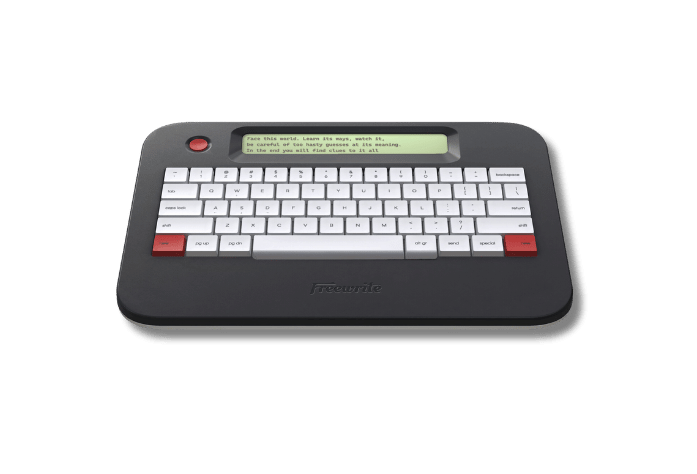
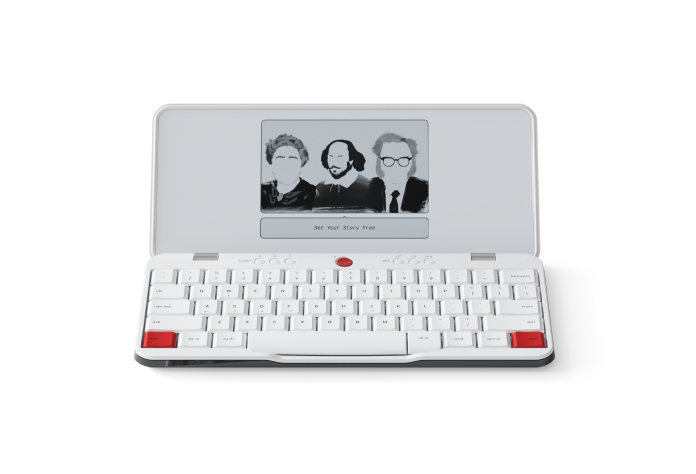
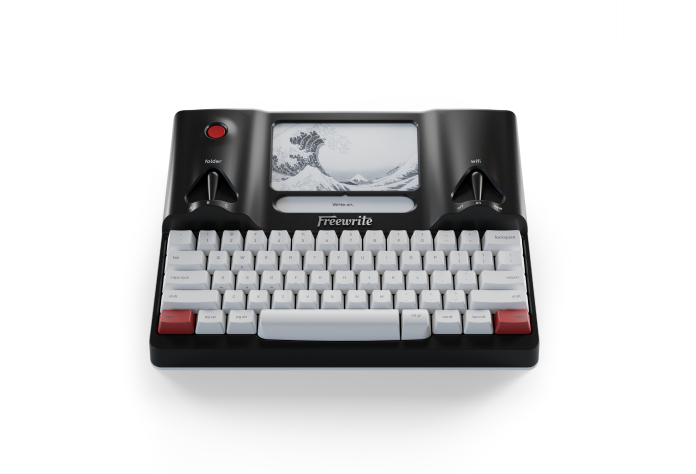
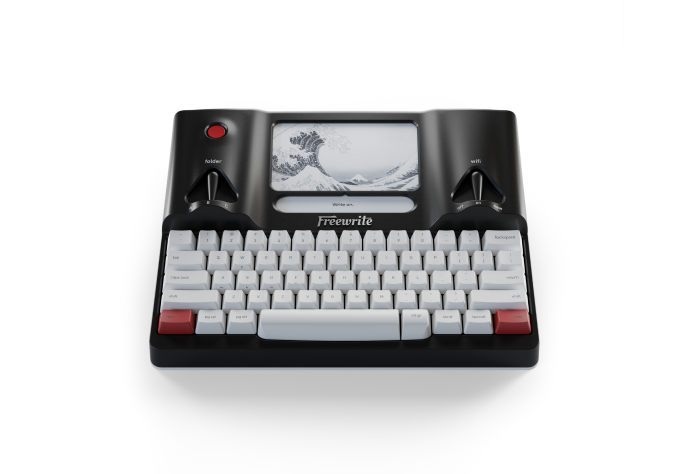
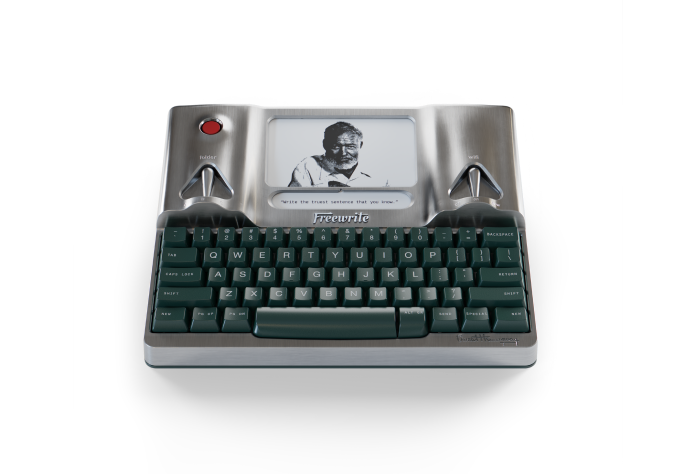
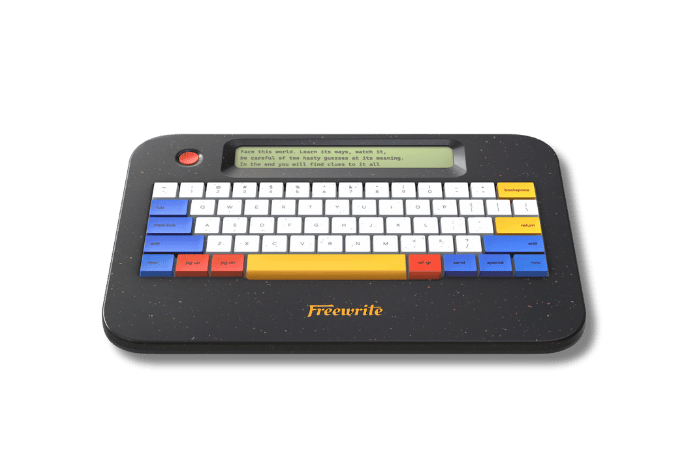
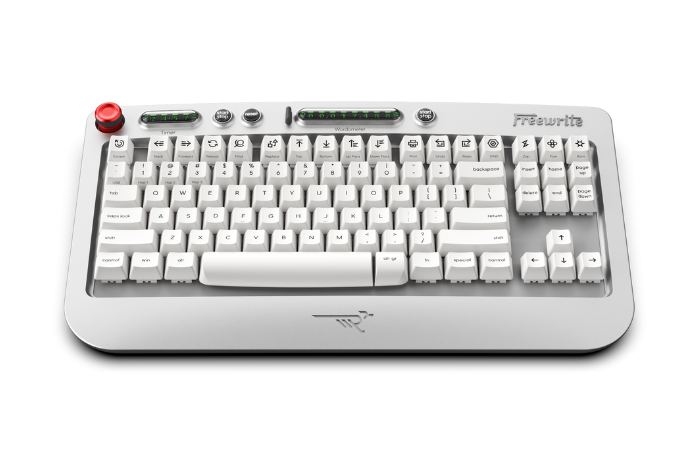
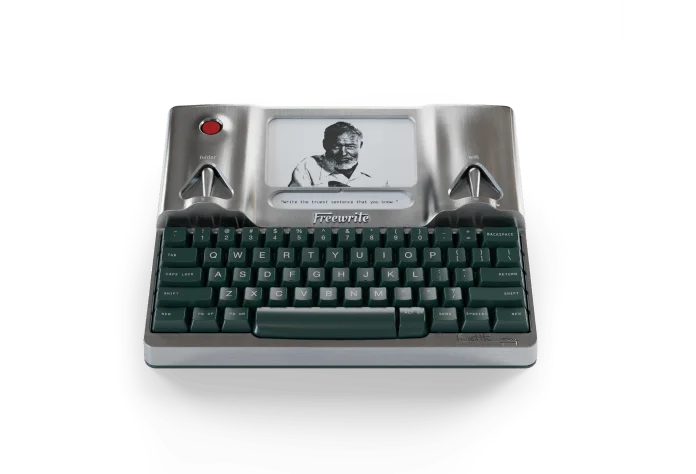
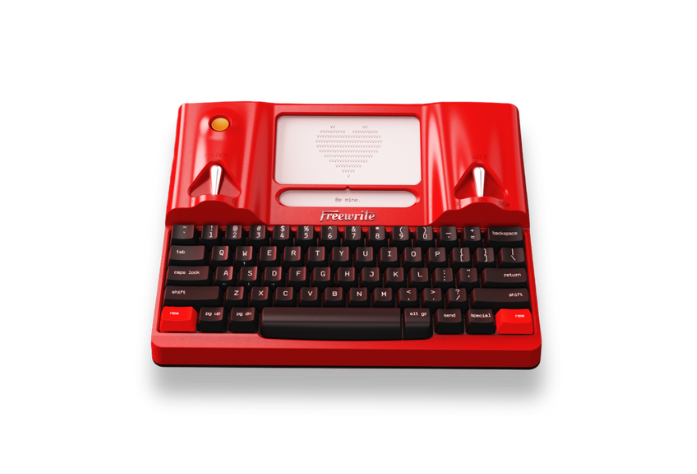
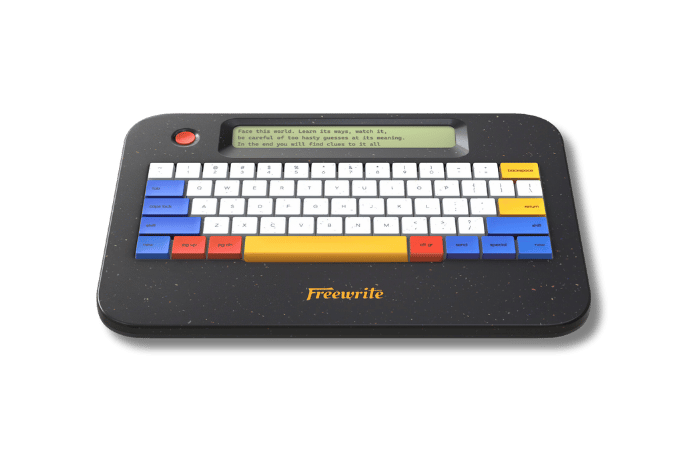
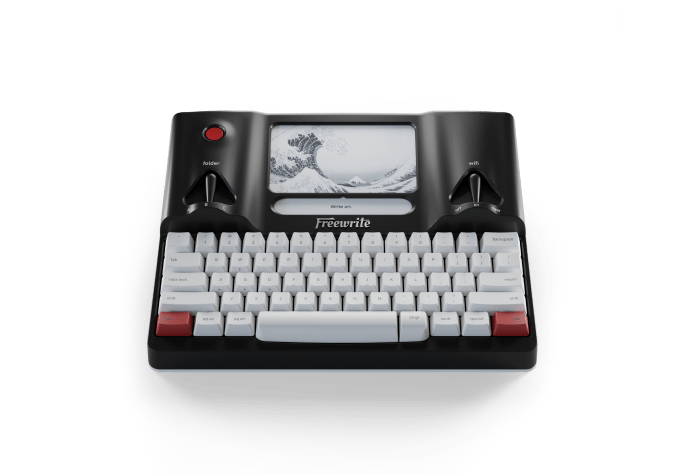
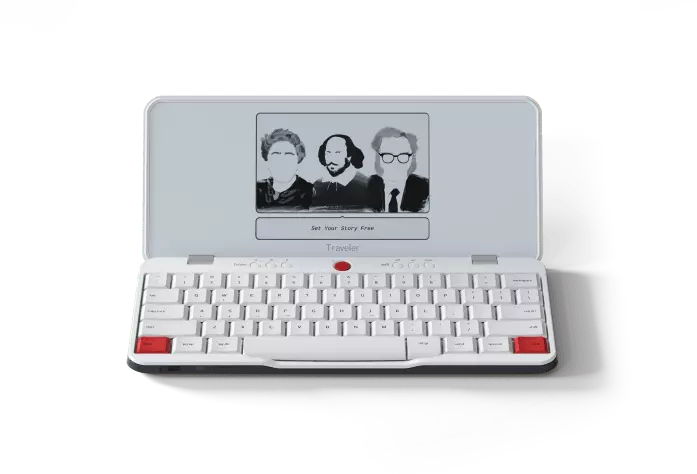
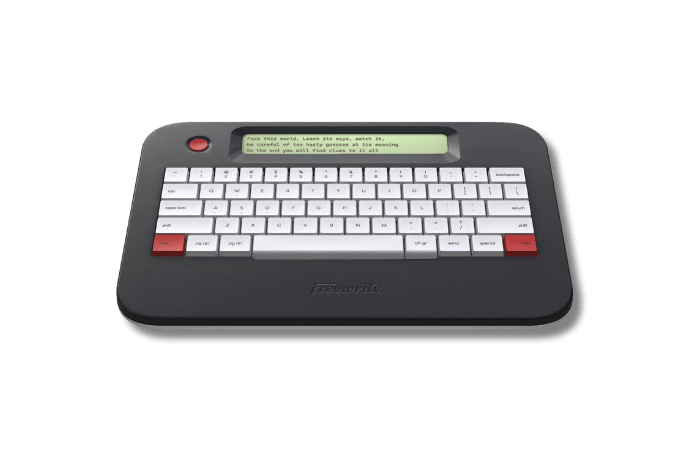
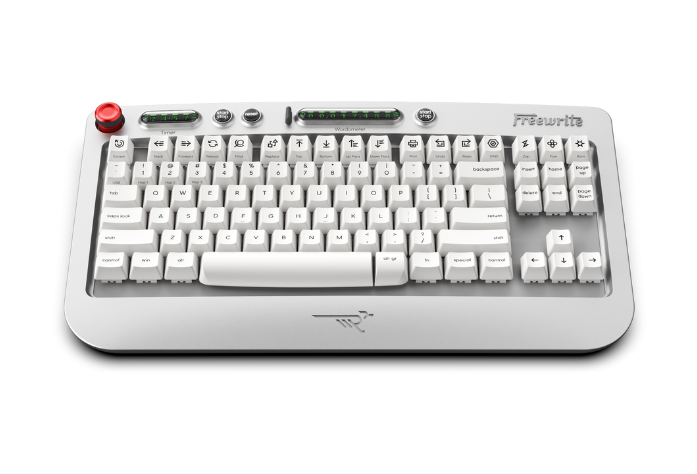
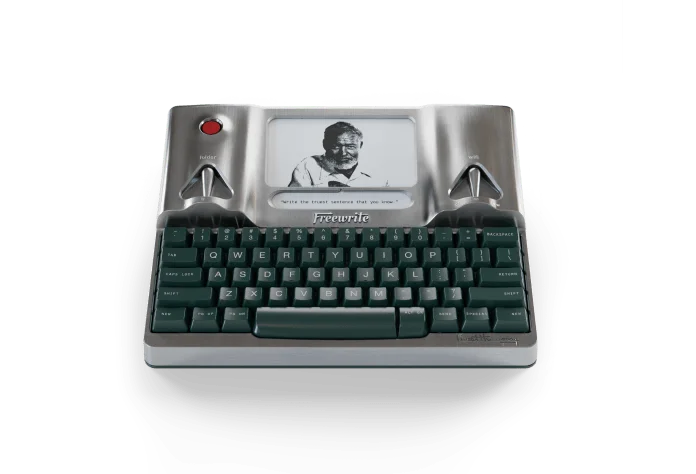
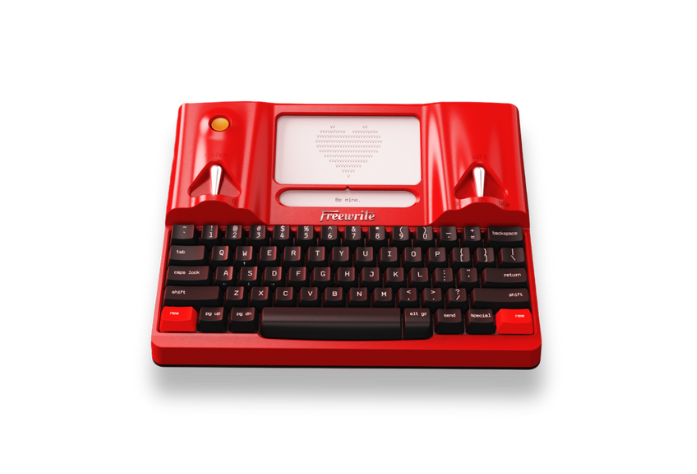
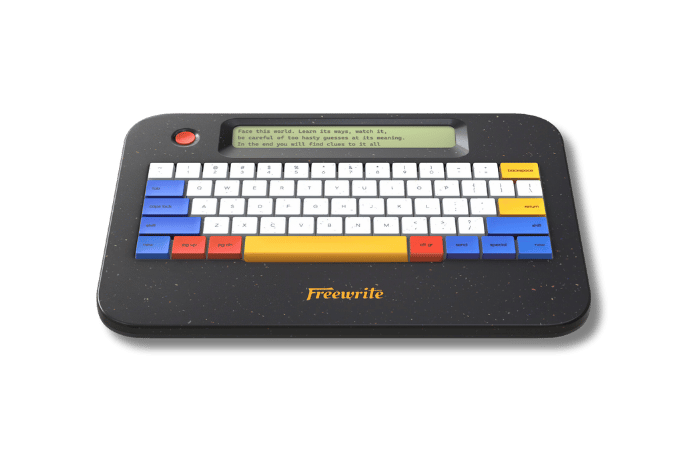
While Freewrite devices facilitate freewriting and writing flow by removing all distractions from your writing device, there are several key habits you can practice while writing to optimize your forward-drafting experience.
Practice these three core freewriting rules during your next writing session to see how this method can streamline your drafting process and increase your productivity.
1. Resolve external distractions.
We’ve done the hard work for you by creating Freewrite and eliminating all the pesky distractions of the internet and modern technology. Now, all you have to do is turn off the TV and put your phone in a different room. Block out your writing time on a calendar so that loved ones know when exactly you will be unavailable.
2. Don't stop to Google.
Research is important across many writing industries and genres. However, it has the potential to become one of the worst forms of procrastination. It's extra tricky because it convinces you that you're actually being productive. If it's eating into your writing time, however, it's not productive. So how do you prevent this?
If you're a plotter, complete the majority of your research prior to drafting. Some Freewriters start with an outline, or plot points jotted on sticky notes. If you're a pantser, you can reserve research for later, once you know what you need to know.
While drafting, if you reach a point requiring a fact-check or additional information, simply leave a prompt for yourself right there within the text and proceed with drafting.
3. Tell your inner critic you're writing a messy first draft and turn off your inner spellcheck.
We all have an inner voice that guides our actions. When you write (or create anything) that inner voice turns into a critic. This inner critic is the most common reason authors experience debilitating doubt or anxiety and never finish a draft. It is critical to your writing success that you silence that inner critic.
This won't be easy, but it can be done, with practice. Start by avoiding the urge to critique or edit your work as you go. Instead, concentrate on getting your thoughts down without judgment. And resist backtracking to fix typos.
Did that last sentence sound stupid? Who cares?! Anything goes in a messy first draft. You’ll refine and revise later! Trust your instincts and write without overanalyzing each sentence. Aim for a state of flow where your typing pace matches the natural rhythm of your thoughts.
To become a true freewriting pro, check out our exhaustive list of rules that the most prolific Freewriters use to draft forward — and fast. Read "Freewrite's 14 Rules for Drafting Forward."
Learn to Freewrite
To help all writers unlock their creativity and find writing flow in this modern world of distraction, we’ve created the ultimate guide to freewriting — and we’re giving it away absolutely FREE.
Download Set Your Story Free: The Writer's Guide to Freewrite.

Additional Freewriting Resources
Here are some of our favorite additional resources about forward momentum in drafting and how to cultivate this writing practice within your own creative process.
-
The Most Dangerous Myth About Writing:
Learn from Editor & Author Susan DeFreitas what the most dangerous myth about writing is — yes, it involves editing a piece to death — and how you can overcome it.
-
10 Tips for Fast-Drafting:
New York Times and USA Today Best-Selling Author Ashley Poston shares her top tips for getting a first draft done fast.
-
The Difference Between Writing & Editing:
The team over at DIY MFA chat about the difference between writing and editing, and why they should be separate.
- 3 Tips for Fast Drafting a Novel: The folks at WritingMastery.com give three great foundational tips on getting that first draft done.
-
6 Neuroscience Hacks to Beat Writer's Block:
Learn the basics of the neuropsychology behind writer’s block and how you can work through it.
-
A 12-Step Program for Writing More & Interneting Less:
Follow these 10 steps to break the cycle of scrolling and re-focus your attention on life.
-
Unleashing the Power of Deep Work: Cal Newport’s Deep Work: Rules for Focused Success in a Distracted World gives a great intro to why focus is so difficult in today’s world and what we can do to change that.
Have technical questions about using Freewrite? Visit our support page for links to Quick Start Guides, our online Knowledge Base, and more.