overlaylink

The Muse Is a Myth

Michael Archambault
July 25, 2024 | 3 min read

Every writer has had the same thought: I'll sit down and write … just as soon as I'm inspired.

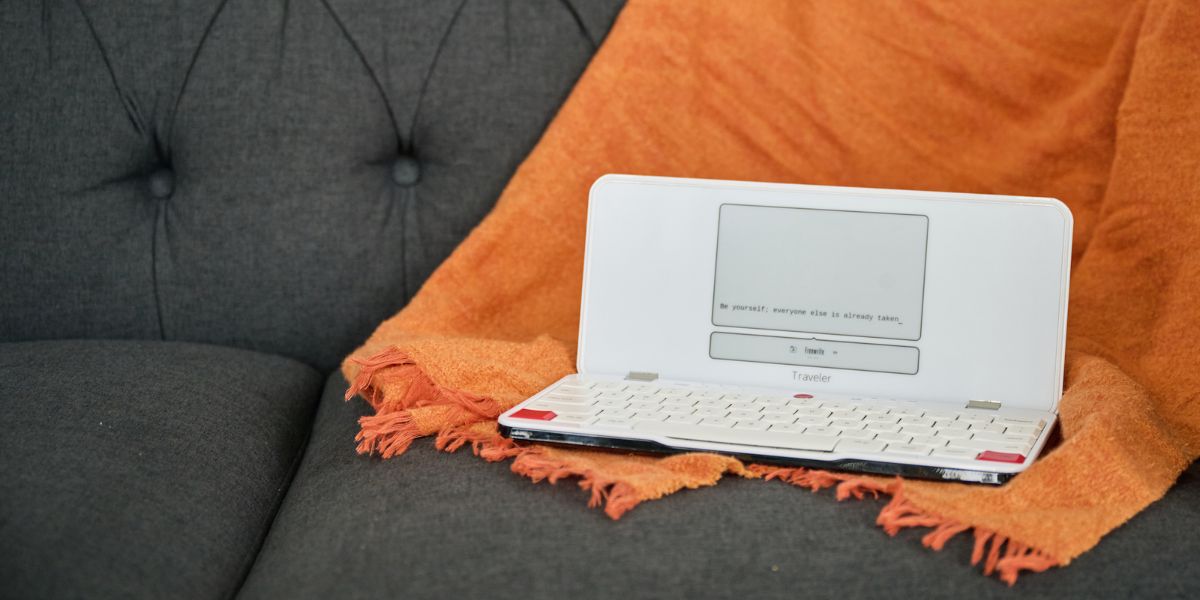
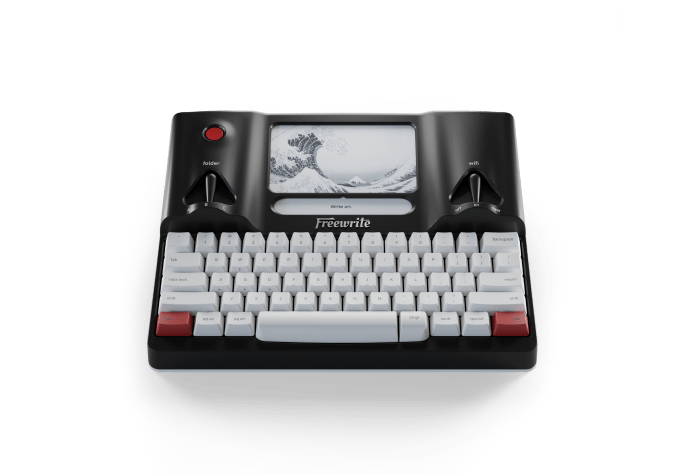
When the muse of words is kind enough to grant me a visit, I'll grab a pencil or sit down at my Freewrite.

Any second now...

This approach has a problem — this moment of spontaneous inspiration is a myth. Literally.

"The Kiss of the Muse" by Paul Cézanne

The Myth of Sudden Inspiration

The idea of a muse is actually where the concept of sudden inspiration began. In Greek mythology, muses were described as goddesses who provided artists, writers, and musicians with divine sparks of inspiration.

Having an instantaneous jolt of inspiration was quite literally a gift from the gods.

The notion of sudden inspiration transformed over the years. In the Romantic era, spanning the late 18th and early 19th centuries, creativity was often depicted as a spontaneous force. Poets like William Wordsworth were renowned for their vivid descriptions of these moments of exhilarating inspiration.

Today, we recognize that while the idea of sudden inspiration may be alluring, it's hard work that truly brings words to life.

Just ask children's author E. B. White, who once said,

"A writer who waits for ideal conditions under which to work will die without putting a word on paper."

But how does a writer get started? How can you stop waiting for inspiration and create your own momentum?

Learning to Create Your Own Inspiration

In 1966, American writer and Nobel Prize winner William Faulkner said,

"I only write when inspiration strikes. Fortunately, it strikes at nine every morning."

This was Faulkner's way of saying that instead of waiting for inspiration to strike by chance, he forced himself to sit down at 9 a.m. every day and write anyway.

In other words: Inspiration is not an enchanted moment you must capture in a jar but, instead, a state of mind that you can create.

The best way to capture the elusive spark of inspiration is to plan. A dash of planning, a bit of discipline, and a developed routine are all a writer needs to create their very own inspiration, à la Faulkner.

In other words: Inspiration is not an enchanted moment you must capture in a jar but, instead, a state of mind that you can create.

Begin by selecting a recurring time to write. It could be in the morning, afternoon, evening, or even in the middle of the night. Making this a recurring habit will make it easier to sit down and write. Choose a duration that will help you stay focused on the task at hand; it can be as long as a few hours or as short as 15 minutes.

Alternatively, set a minimum word count for each writing session. The feeling of accomplishment when you meet your word count goal, can be a great source of inspiration.

Here are a few more tips to keep you focused on the writing process:
  • Set clear goals for your writing session
  • Minimize distractions by writing in a quiet place without interruption
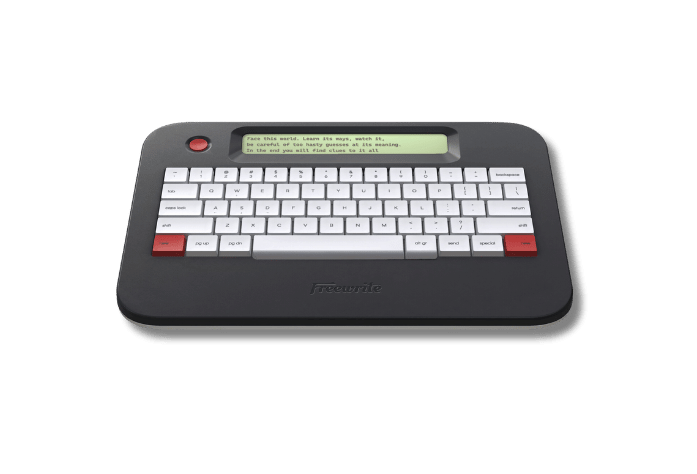
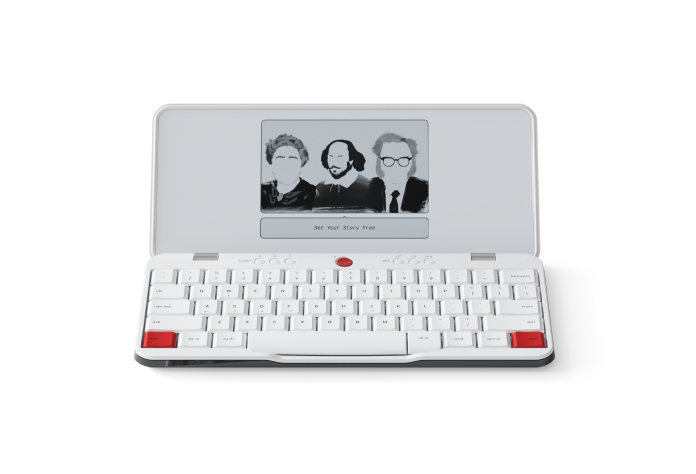
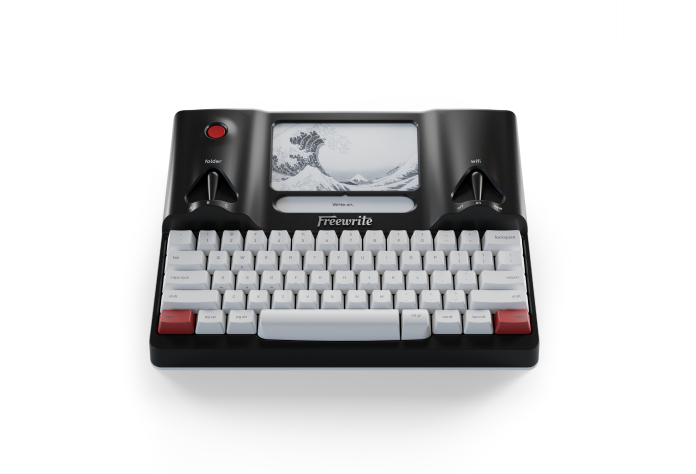
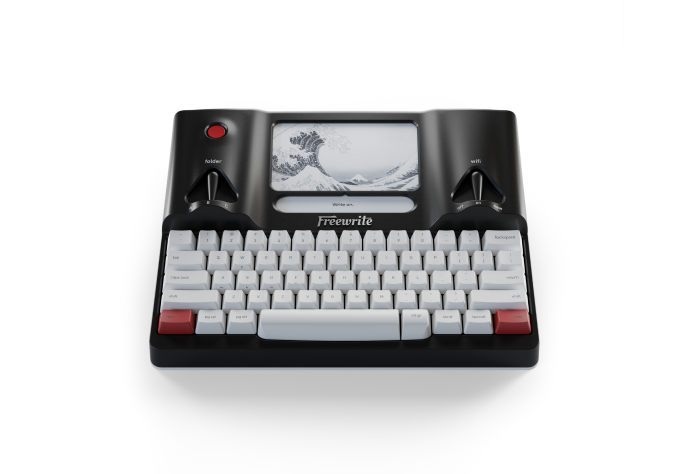
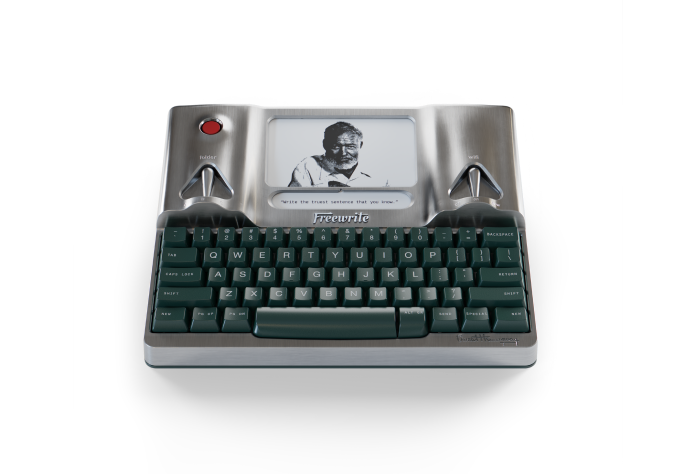
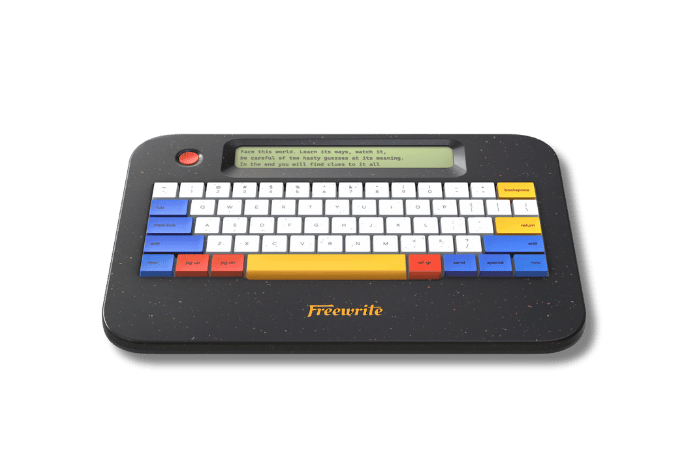
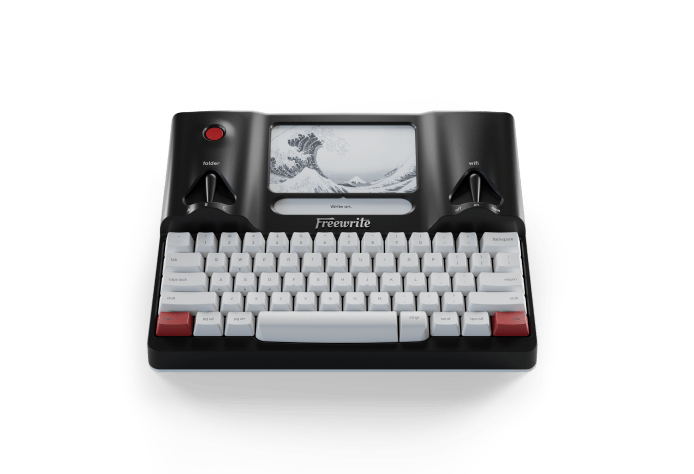
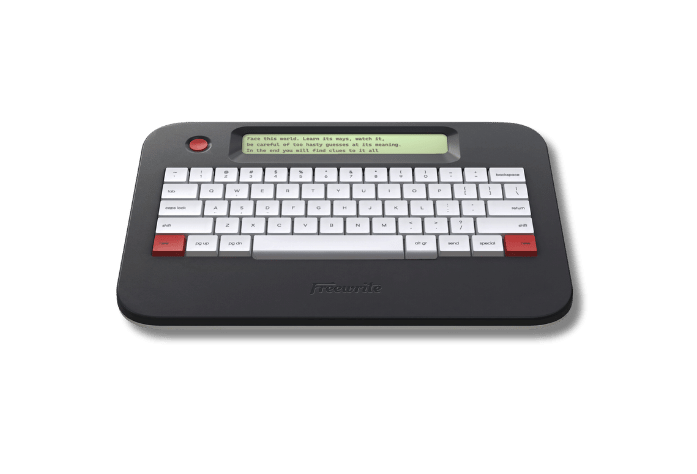
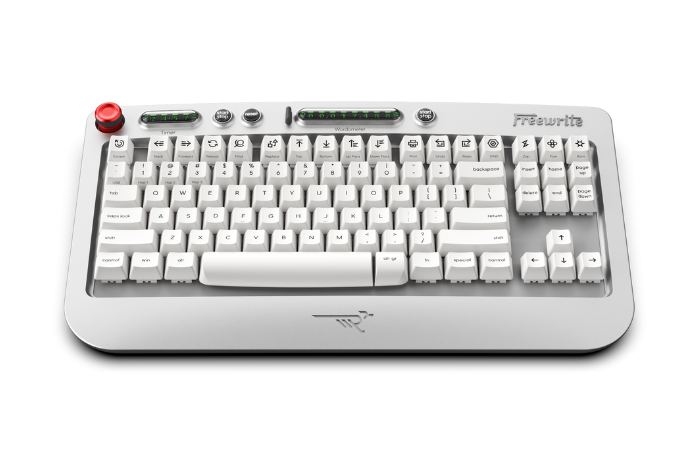
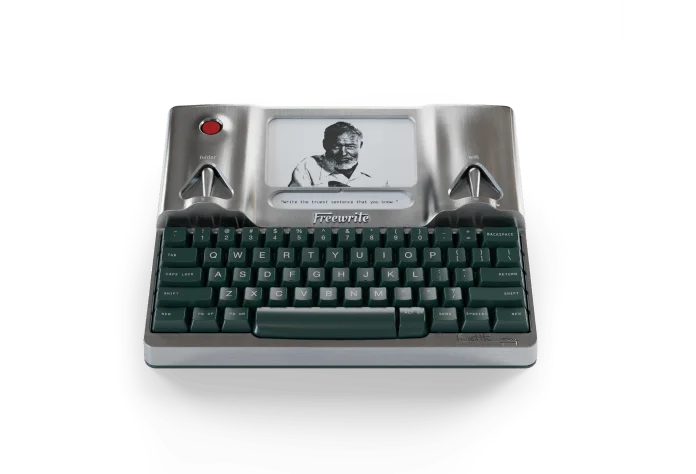
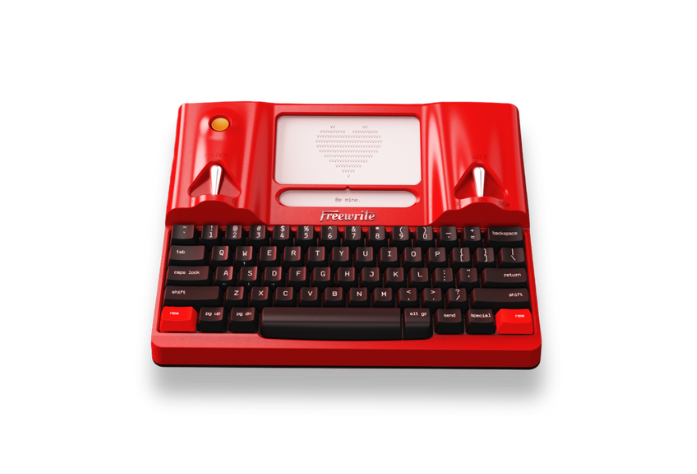
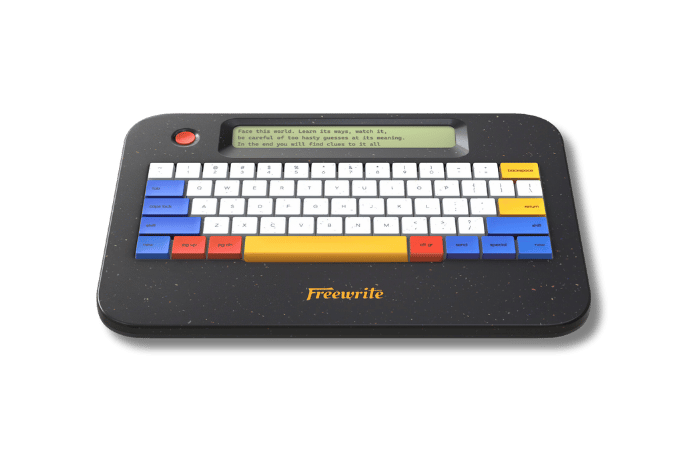
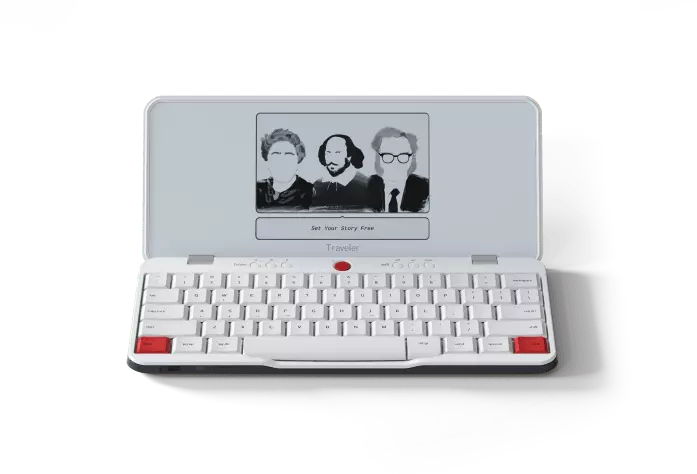
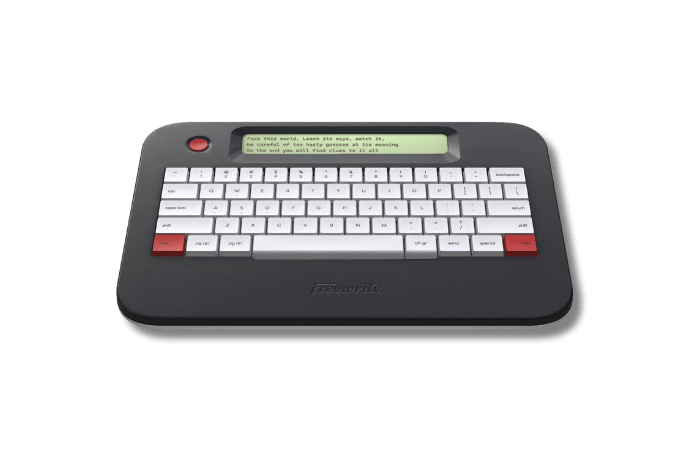
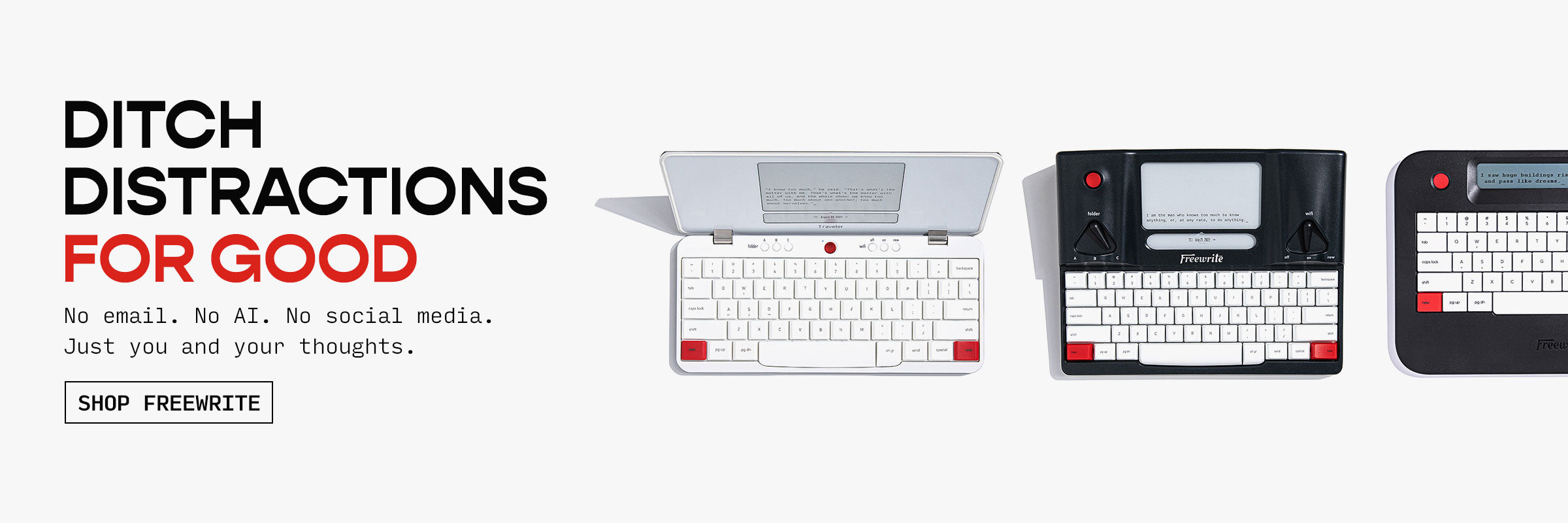
  • Use a distraction-free writing tool such as the Freewrite Smart Typewriter
  • Keep your workspace neat, with everything you need to write within reach
  • Provide yourself with a small reward for finishing your writing sessions
  • Make your writing time non-negotiable and stick to your schedule

“Amateurs sit and wait for inspiration; the rest of us just get up and go to work.”

Stephen King

Enjoying the Writing Process

Remember: Inspiration is not a bit of magic — it’s a habit.

Building a schedule and forcing yourself to write even when you don’t feel like it will get the creative juices flowing and push you toward internal inspiration.

RETURN TO "HOW TO BE CONSISTENTLY CREATIVE"

April 01, 2026 0 min read
March 22, 2026 3 min read

If you're new here, freewriting is “an unfiltered and non-stop writing practice.” It’s sometimes known as stream-of-consciousness writing.

To do it, you simply need to write continuously, without pausing to rephrase, self-edit, or spellcheck. Freewriting is letting your words flow in their raw, natural state.

When writing the first draft of a novel, freewriting is the approach we, and many authors, recommend because it frees you from many of the stumbling blocks writers face.

This method helps you get to a state of feeling focused and uninhibited, so you can power through to the finish line.

How Freewriting Gives You Mental Clarity

Freewriting is like thinking with your hands. Some writers have described it as "telling yourself the story for the first time."

Writing for Inside Higher Ed, Steven Mintz says, “Writing is not simply a matter of expressing pre-existing thoughts clearly. It’s the process through which ideas are produced and refined.” And that’s the magic of putting pen to paper, or fingertips to keyboard. The way you learned to ride a bike by wobbling until suddenly you were pedaling? The way you learned certain skills by doing as well as revising? It works for writing, too.

The act of writing turns on your creative brain and kicks it into high gear. You’re finally able to articulate that complex idea the way you want to express it when you write, not when you stare at a blank page and inwardly think until the mythical perfect sentence comes to mind.

Writing isn’t just the way we express ideas, but it’s how we extract them in the first place. Writing is thinking.

Or, as Flannery O'Connor put it:

“I write because I don't know what I think until I read what I say.”

Writing isn’t just the way we express ideas, but it’s how we extract them in the first place. Writing is thinking.


Freewriting to Freethinking

But how and why does it work? Freewriting makes fresh ideas tumble onto the page because this type of writing helps you get into a meditative flow state, where the distractions of the world around you slip away.

Julie Cameron, acclaimed author of The Artist’s Way, proposed the idea that flow-state creativity comes from a divine source. And sure, it certainly feels like wizardry when the words come pouring out and scenes seem to arrange themselves on the page fully formed. But that magic, in-the-zone writing feeling doesn’t have to happen only once in a blue moon. It’s time to bust that myth.

By practicing regular freewriting and getting your mind (and hands) used to writing unfiltered, uncensored, and uninterrupted, you start freethinking and letting the words flow. And the science backs it up.

According to Psychology Today, the dorsolateral prefrontal cortex goes quiet during flow state. This part of the brain is in charge of “self-monitoring and impulse control” – in other words, the DLPFC is the tiny home of your loud inner critic. And while that mean little voice in your head takes a long-overdue nap, you’re free to write without doubt or negative self-talk.

“With this area [of the brain] deactivated, we’re far less critical and far more courageous, both augmenting our ability to imagine new possibilities and share those possibilities with the world.”

Freewriting helps us connect with ourselves and our own thoughts, stories, beliefs, fears, and desires. But working your creative brain is like working a muscle. It needs regular flexing to stay strong.

So, if freewriting helps us think and organize our thoughts and ideas, what happens if we stop writing? If we only consume and hardly ever create, do we lose the ability to think for ourselves? Up next, read "Are We Living through a Creativity Crisis?"


Learn More About Freewriting

Get the ultimate guide to boosting creativity and productivity with freewriting absolutely free right here.You'll learn how to overcome perfectionism, enhance flow, and reignite the joy of writing.

SYSF-book-mockup.webp

March 16, 2026 2 min read

Picturethis. Imaginetryingtoreadapagethatlookedlikethis,withnospacestoseparateonewordfromthenext. No pauses. No breath. Just an endless procession of letters that your brain must laboriously slice into meaning, one syllable at a time.