overlaylink

Snap! The Job's a Game: The Gamification of Difficult Tasks

Bryan Young
June 12, 2024 | 3 min read

“In every job that must be done, there’s an element of fun,” Mary Poppins once wisely counseled Jane and Michael Banks. “You find the fun and SNAP! The job’s a game!”

The same is true for any task you're avoiding. Including writing.

There is a lot of powerful neurochemistry that's unleashed by turning tasks into a game. It's called "gamification," and there's a reason the most successful apps of today use it.

How many times has that sad little Duolingo owl shamed you into continuing your daily learning streak? Who among us hasn't gotten out of bed at 11:59 p.m. to reach their step count goal?

The same methods work for writing, too. It's just a matter of implementing them into your own writing process.


Gamification for Writers

NaNoWriMo (National Novel Writing Month) and its daily word trackers first showed me how powerful it was to record and track data on my writing progress. It kept me extremely motivated throughout the long process of writing a book. And being able to see the task of writing as a friendly competition with my friends worked even better.

But that was only active for the month of November. How could I keep it going all year-round?

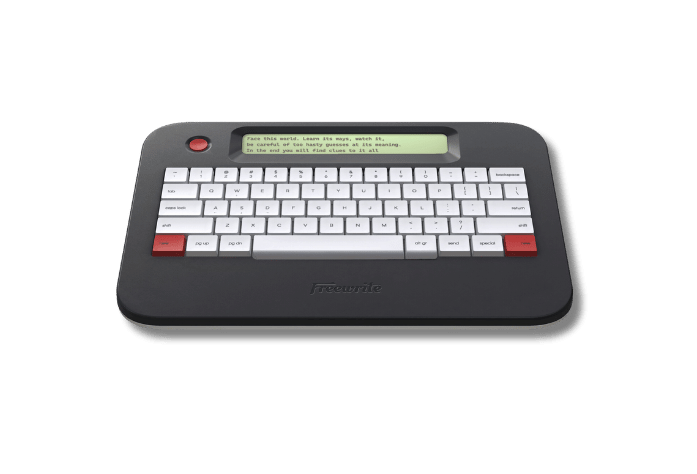
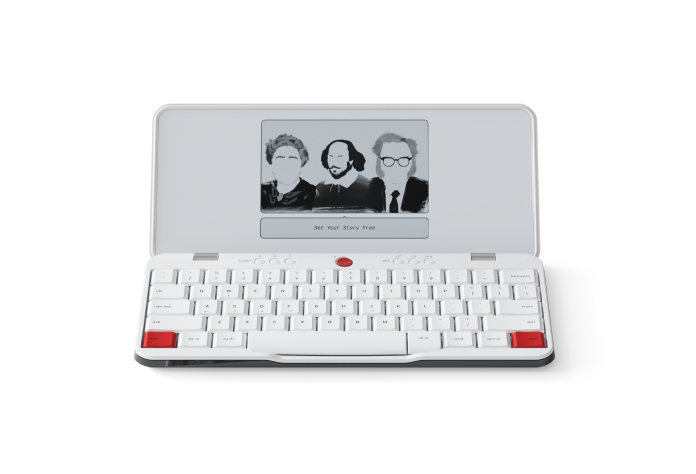
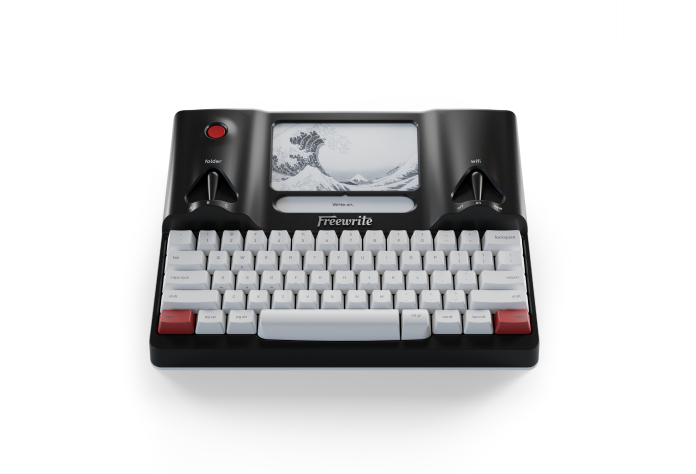
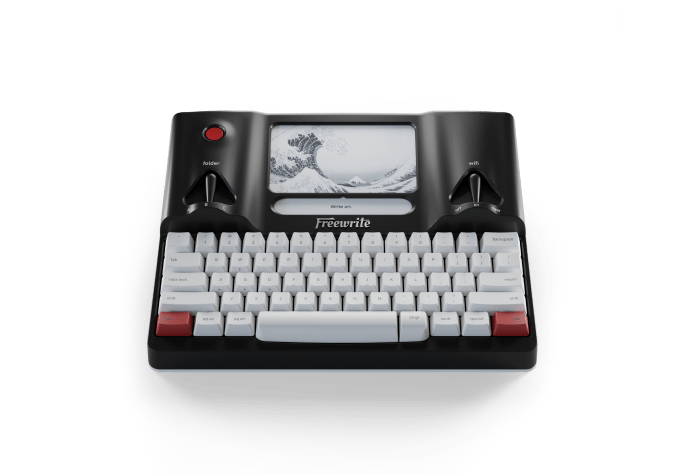
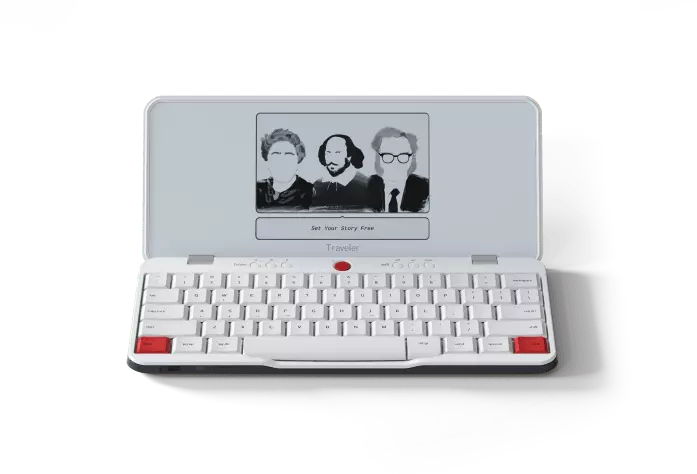
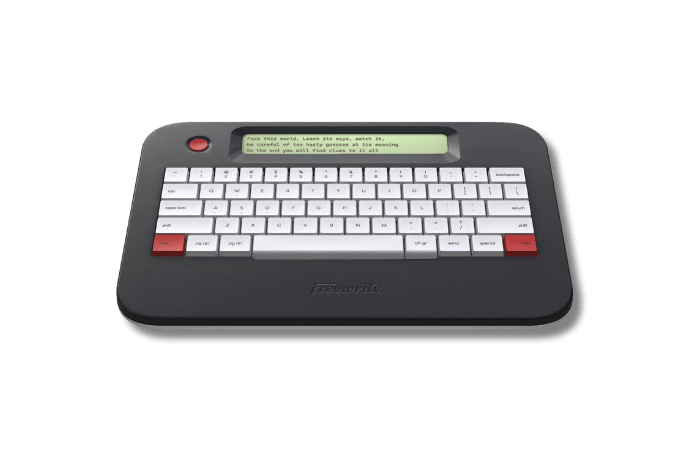
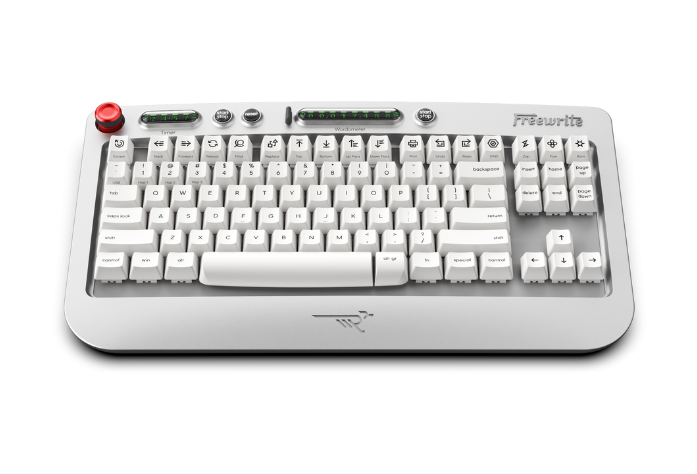
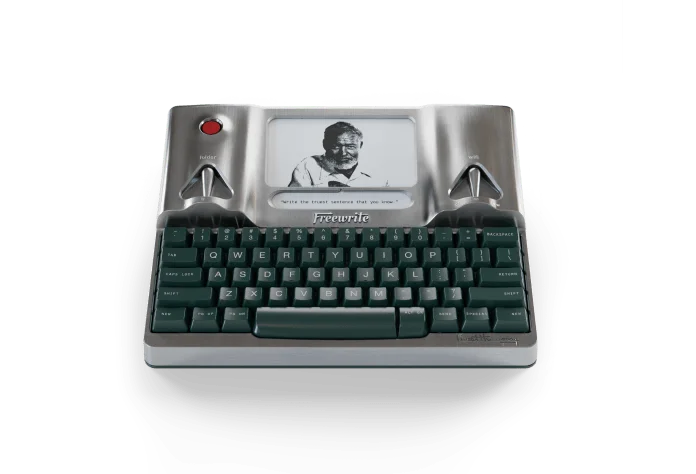
Enter Freewrite.

Postbox is the name of Freewrite's web app that backs up your work to the cloud and syncs with other third-party cloud services. The best part about Postbox? It shows you some powerful writing stats!

By setting up a Postbox profile, you get access to a unique URL that serves as a home for your Freewrite stats and achievements. Things like word count are tracked automatically, and you earn badges for hitting certain milestones.

With my public Postbox profile, you can always keep me accountable. I’m currently working hard to get my 500,000 words badge. I’m well over 400,000 now, so I should hit it this year, easy.

Gamifying last year's NaNoWriMo with other Freewrite users is what pushed me to win the Freewrite leaderboard — I was the writer with the top word count among Freewrite users in November!


Picking Your Stats

Different stats will inspire different writers. Here are a few that work for me:

1. Word Count

Your Postbox Profile keeps track of your daily word count written on Freewrite and displays it in a handy graph. I've taken this method even farther in order to keep track of all of my writing across all platforms — from my Freewrite to my Smith-Corona 2200, my computer, and even pen and paper.

My writing group and I made our own spreadsheets to keep track of our daily, monthly, and yearly word counts against each other, but also keep track of our daily writing streaks.

2. Streak

This is the same principle the Duolingo owl uses to inspire (and terrify) users.

I’m the sort of writer who feels like working on my writing every day is a great way to keep up my momentum and to that end, keeping track of my streak gamifies it in a way that keeps me on task.

Watching my streak has been so effective for me that as I write this, I am on day 3,261 in a row of writing. That means I started in July 2015 or so and haven’t stopped.

Being able to watch that number tick up every day has kept me writing through vacations, surgeries, illnesses, hospital visits, holidays — you name it.


Find Your Motivation

In that nine years of daily writing, I’ve written millions of words, dozens of books, thousands of articles, and more. Gamification works for me. For others, it doesn’t work like that, and there’s no shame in that.

What you need to do is find what works for you.

Like Mary Poppins said: Find that element of fun and SNAP! Your writing will be a game. Easy.


April 15, 2026 4 min read

Break up with Final Draft for good. Get the best screenplay workflow in Hollywood: Freewrite + Highland Pro.

April 01, 2026 0 min read
March 22, 2026 3 min read

If you're new here, freewriting is “an unfiltered and non-stop writing practice.” It’s sometimes known as stream-of-consciousness writing.

To do it, you simply need to write continuously, without pausing to rephrase, self-edit, or spellcheck. Freewriting is letting your words flow in their raw, natural state.

When writing the first draft of a novel, freewriting is the approach we, and many authors, recommend because it frees you from many of the stumbling blocks writers face.

This method helps you get to a state of feeling focused and uninhibited, so you can power through to the finish line.

How Freewriting Gives You Mental Clarity

Freewriting is like thinking with your hands. Some writers have described it as "telling yourself the story for the first time."

Writing for Inside Higher Ed, Steven Mintz says, “Writing is not simply a matter of expressing pre-existing thoughts clearly. It’s the process through which ideas are produced and refined.” And that’s the magic of putting pen to paper, or fingertips to keyboard. The way you learned to ride a bike by wobbling until suddenly you were pedaling? The way you learned certain skills by doing as well as revising? It works for writing, too.

The act of writing turns on your creative brain and kicks it into high gear. You’re finally able to articulate that complex idea the way you want to express it when you write, not when you stare at a blank page and inwardly think until the mythical perfect sentence comes to mind.

Writing isn’t just the way we express ideas, but it’s how we extract them in the first place. Writing is thinking.

Or, as Flannery O'Connor put it:

“I write because I don't know what I think until I read what I say.”

Writing isn’t just the way we express ideas, but it’s how we extract them in the first place. Writing is thinking.


Freewriting to Freethinking

But how and why does it work? Freewriting makes fresh ideas tumble onto the page because this type of writing helps you get into a meditative flow state, where the distractions of the world around you slip away.

Julie Cameron, acclaimed author of The Artist’s Way, proposed the idea that flow-state creativity comes from a divine source. And sure, it certainly feels like wizardry when the words come pouring out and scenes seem to arrange themselves on the page fully formed. But that magic, in-the-zone writing feeling doesn’t have to happen only once in a blue moon. It’s time to bust that myth.

By practicing regular freewriting and getting your mind (and hands) used to writing unfiltered, uncensored, and uninterrupted, you start freethinking and letting the words flow. And the science backs it up.

According to Psychology Today, the dorsolateral prefrontal cortex goes quiet during flow state. This part of the brain is in charge of “self-monitoring and impulse control” – in other words, the DLPFC is the tiny home of your loud inner critic. And while that mean little voice in your head takes a long-overdue nap, you’re free to write without doubt or negative self-talk.

“With this area [of the brain] deactivated, we’re far less critical and far more courageous, both augmenting our ability to imagine new possibilities and share those possibilities with the world.”

Freewriting helps us connect with ourselves and our own thoughts, stories, beliefs, fears, and desires. But working your creative brain is like working a muscle. It needs regular flexing to stay strong.

So, if freewriting helps us think and organize our thoughts and ideas, what happens if we stop writing? If we only consume and hardly ever create, do we lose the ability to think for ourselves? Up next, read "Are We Living through a Creativity Crisis?"


Learn More About Freewriting

Get the ultimate guide to boosting creativity and productivity with freewriting absolutely free right here.You'll learn how to overcome perfectionism, enhance flow, and reignite the joy of writing.

SYSF-book-mockup.webp