overlaylink

50 Poetry Prompts to Awaken Your Inner Muse

Annie Cosby
March 14, 2025 | 3 min read

Good poetry is difficult to create. And that sounds like a massive understatement.

But, we argue, it's actually the opposite.

We believe that letting the mind wander and recording that journey is a fantastic way to uncover your deepest thoughts and convey universally poetic truths.

But how do you get started?

Writing prompts are a great way to break through our mental barriers and start freewriting. Once you're in the zone, the thoughts and feelings and ideas will flow.

Try some of these poetry writing prompts gathered by the Freewrite team.

  1. Write a poem from the perspective of an abandoned building.
  2. Describe your most vivid childhood memory usingΒ only the 5 senses.
  3. Imagine you're walking down the street when you see a stranger you recognize. Describe the feeling.
  4. Write a poem addressed to your future self.
  5. Create a poem comprised only of questions.
  6. Think of your favorite piece of visual art. Create a poem that describes the way it makes you feel.
  7. Write a sonnet about the moment just before dawn.
  8. Pick a color. Write a poem describing that color to someone who has never seen it. Repeat this with all the colors of the rainbow.
  9. When was the last time you felt truly alive? Describe it.
  10. Pick a food you've never tried before. Write a poem about what it tastes like.
  11. Write a poem using only words that begin with the same letter.
  12. Capture the sound of water in a haiku.
  13. Write about the sound of rain on different surfaces.
  14. Pick a historical event and write about the event from an imaginary perspective.
  15. Write about the scientific method.
  16. Depict the passage of time using imagery of everyday objects.
  17. Write about the spaces between things.
  18. Describe a feeling that doesn't have a name.
  19. Write an ode to the room you're currently sitting in.
  20. Imagine the secret life of plants. Write about it.
  21. Write out a conversation you wish you had.
  22. Take an imaginary reader along on a journey that changed you.
  23. Pick an animal in the zoo, and write a poem from its point of view.
  24. Write a haiku about the moment a leaf detaches from its branch.
  25. Think of your favorite song. Write a new 3-4 verses for it.
  26. Write down your vision of home using only concrete imagery.
  27. Pick a language you don't know. Write a poem in that language without looking up any words.
  28. Rewrite your favorite movie into an epic poem.
  29. Compose a poem using only single-syllable words.
  30. How does the wind make you feel? Write about it.
  31. Choose an old photograph and write a poem about it.
  32. Write a poem retelling a traditional folk tale.
  33. Create a poem about the relationship between humanity and technology. Write one that's positive and one that's negative.
  34. Write a love poem to your very first crush β€” whether that's a cartoon or a real person.
  35. Compose a poem that messes with the concept of time.
  36. Create a poem where punctuation changes its meaning.
  37. Write about the inheritance of trauma or joy.
  38. Try to write a limerick.
  39. Pretend it's the first day of winter. How do you feel?
  40. Create a poem that personifies moonlight.
  41. Describe a summer thunderstorm.
  42. Choose a family recipe and create a poem that incorporates it.
  43. Track the journey of shadows across a space throughout the day.
  44. How do you feel right now? Write a poem about it β€” but don't use the word "I."
  45. Write a poem that doesn't rhyme. Then rewrite the poem to rhyme.
  46. Write about the relationship between clouds and the sky.
  47. Tell a story from the point of view of an inanimate object within your line of sight.
  48. Write a haiku about the space between raindrops.
  49. Compose a poem about the relationship between humans and animals.
  50. Write a poem from the point of view of a shadow.

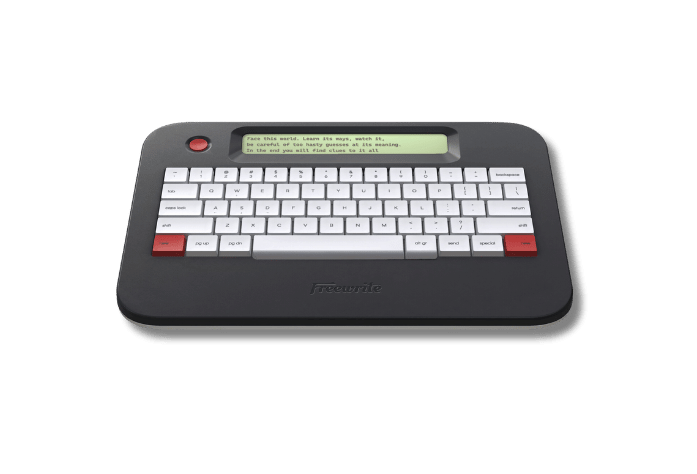
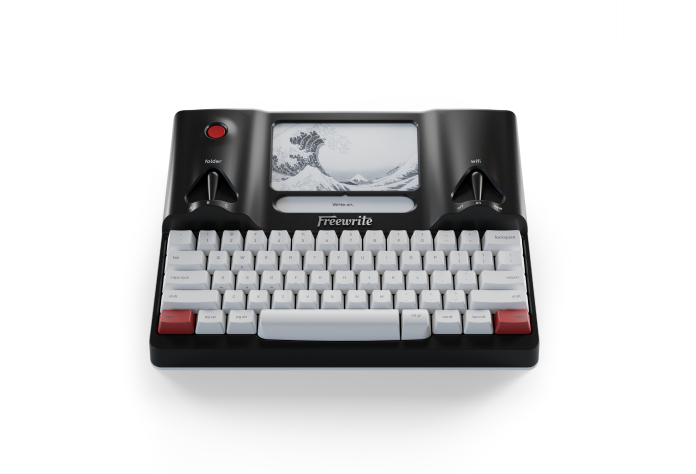
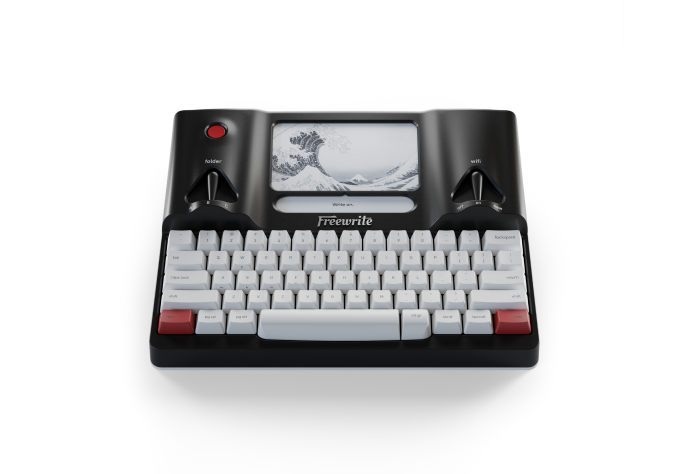
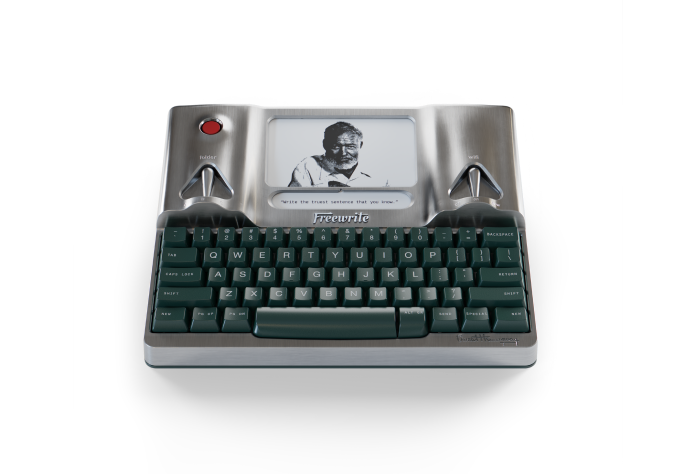
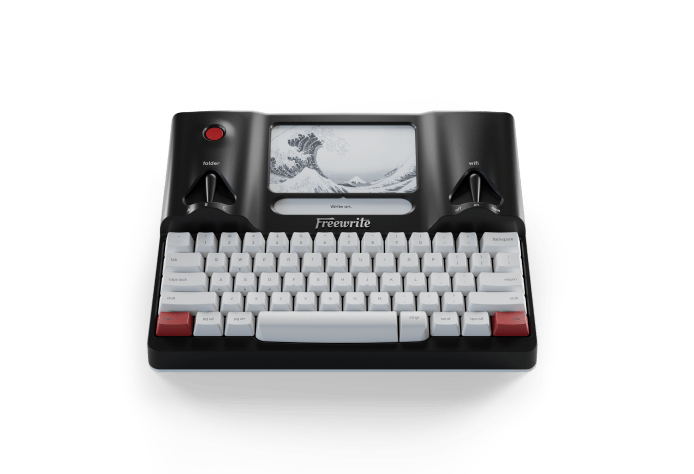
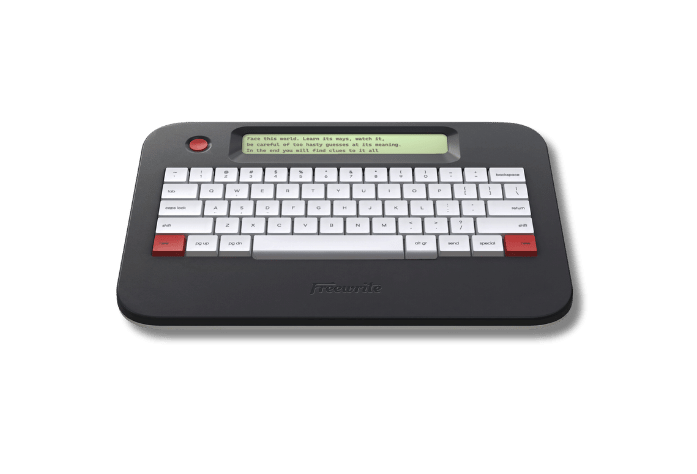
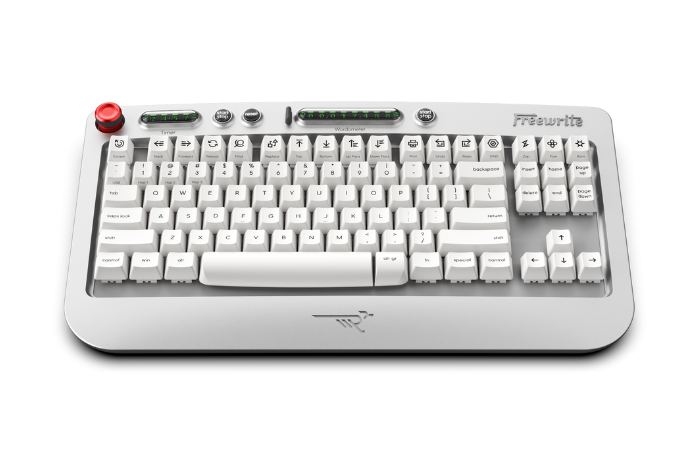
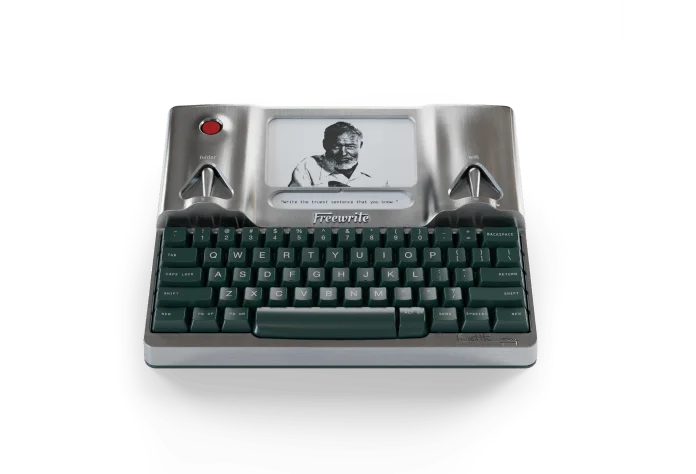
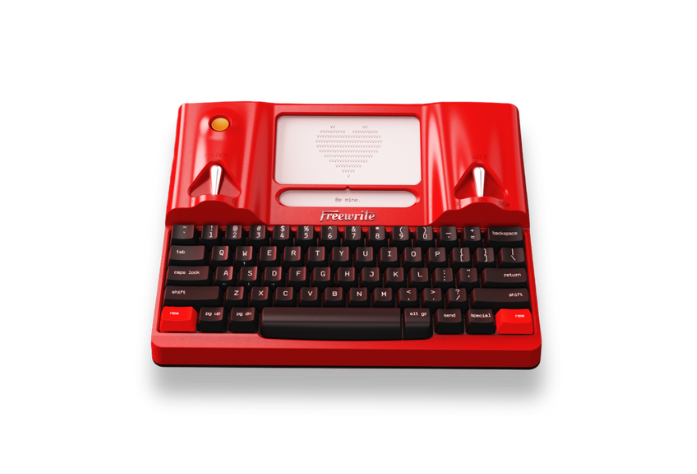
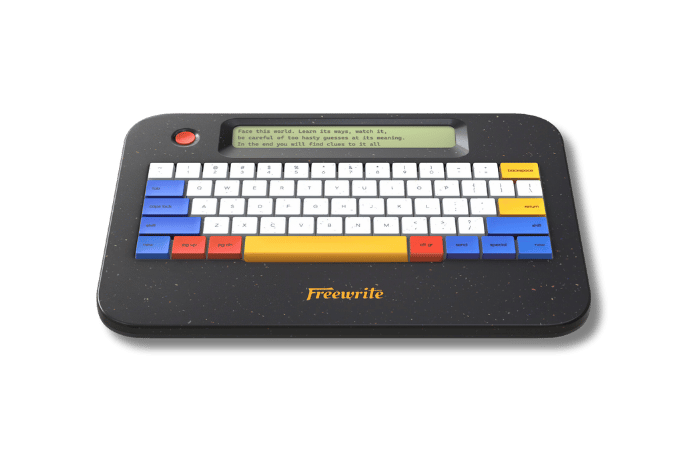
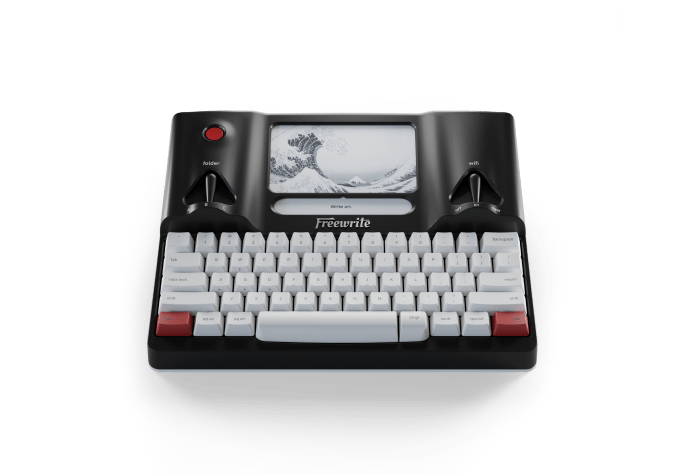
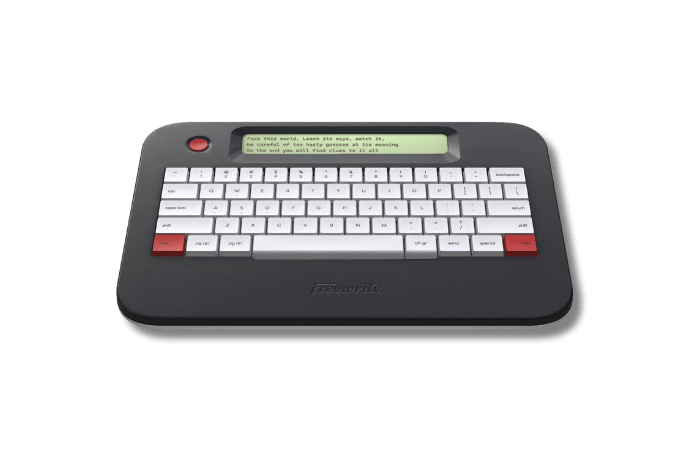
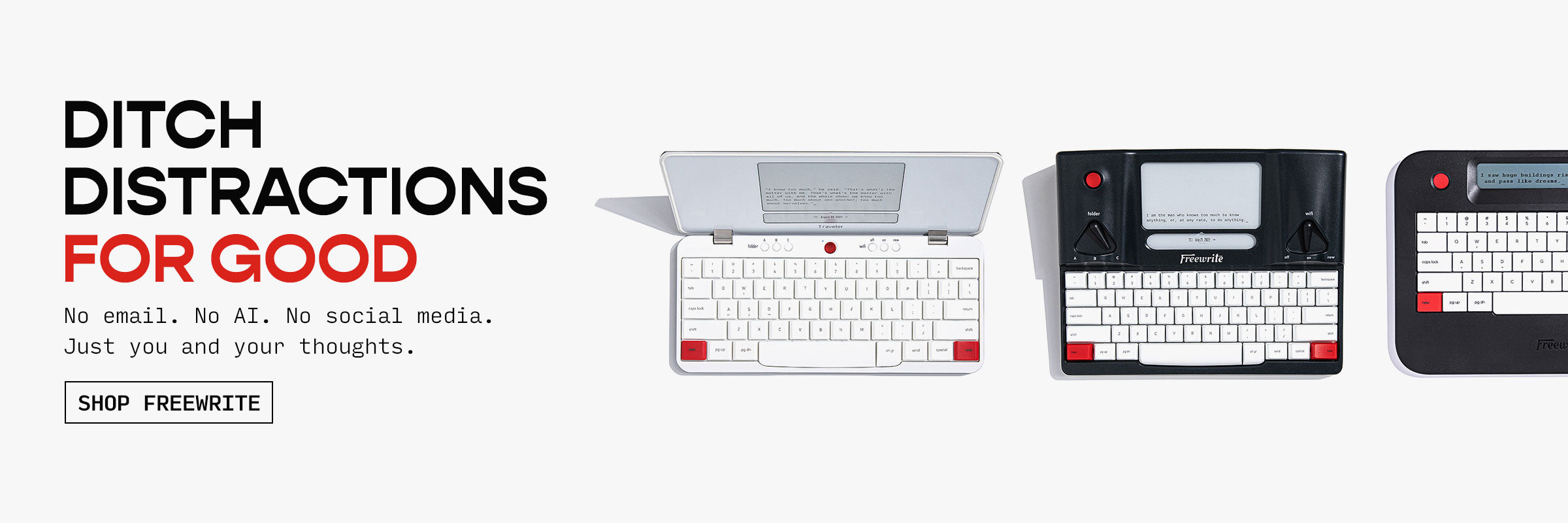
Now that you've been inspired, the next step is writing consistently!Β Writers whoΒ use our Freewrite distraction-free writing toolsΒ haveΒ seenΒ their word counts double.Β Could a Freewrite beΒ right for you?!

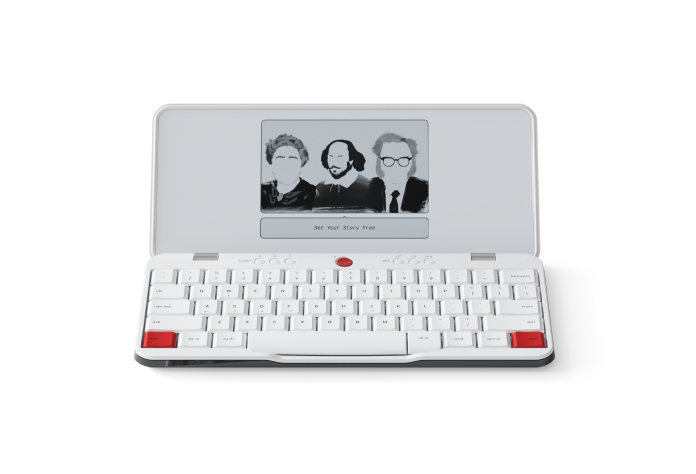
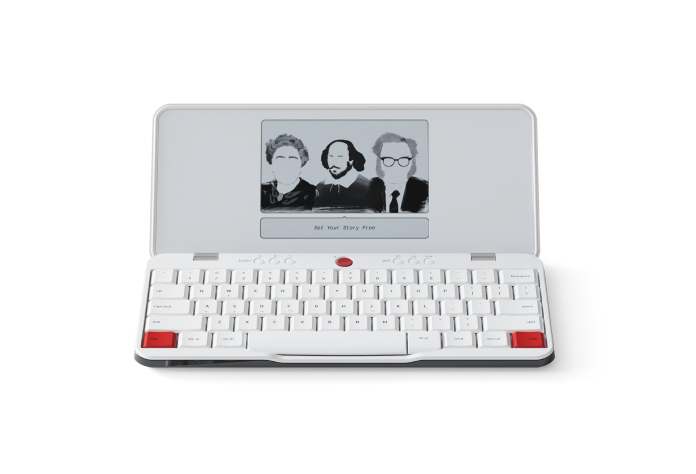
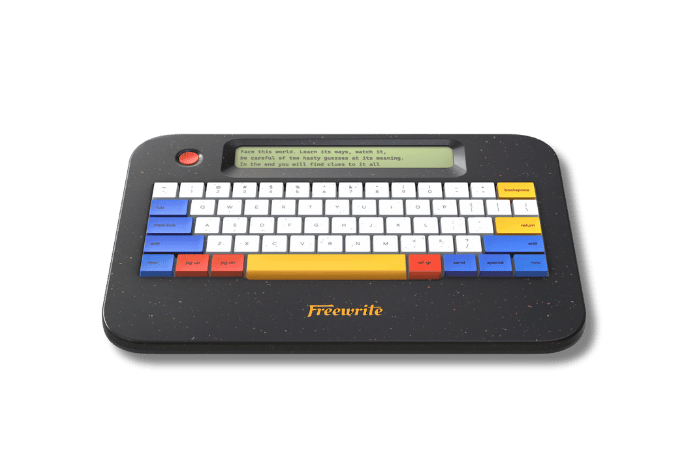
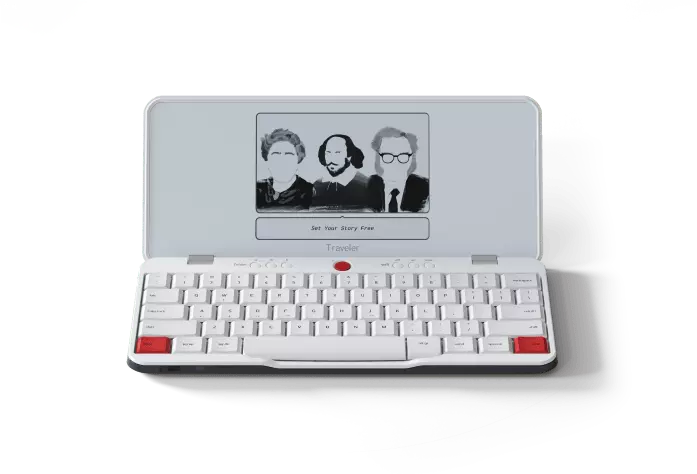
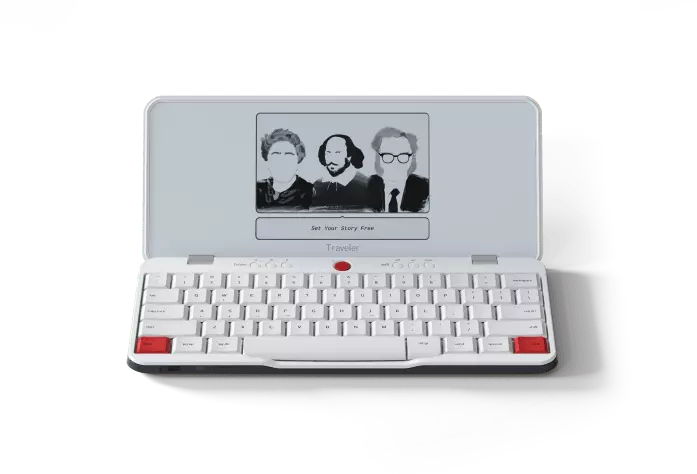
Learn more about the "Draft First, Edit Later" Freewrite philosophyΒ that drives prolific output. And, check out theΒ Freewrite AlphaΒ for an on-the-go writing partner.

Find more writing prompts here.

And for physical prompts you can keep on your desk, check out theΒ Words Are Hard Creative Prompt PackΒ from Freewrite.

Freewrite Writing Prompts

April 01, 2026 0 min read
March 22, 2026 3 min read

If you're new here, freewriting is β€œan unfiltered and non-stop writing practice.” It’s sometimes known as stream-of-consciousness writing.

To do it, you simply need to write continuously, without pausing to rephrase, self-edit, or spellcheck. Freewriting is letting your words flow in their raw, natural state.

When writing the first draft of a novel, freewriting is the approach we, and many authors, recommend because it frees you from many of the stumbling blocks writers face.

This method helps you get to a state of feeling focused and uninhibited, so you can power through to the finish line.

How Freewriting Gives You Mental Clarity

Freewriting is like thinking with your hands. Some writers have described it as "telling yourself the story for the first time."

Writing for Inside Higher Ed, Steven Mintz says, β€œWriting is not simply a matter of expressing pre-existing thoughts clearly. It’s the process through which ideas are produced and refined.” And that’s the magic of putting pen to paper, or fingertips to keyboard. The way you learned to ride a bike by wobbling until suddenly you were pedaling? The way you learned certain skills by doing as well as revising? It works for writing, too.

The act of writing turns on your creative brain and kicks it into high gear. You’re finally able to articulate that complex idea the way you want to express it when you write, not when you stare at a blank page and inwardly think until the mythical perfect sentence comes to mind.

Writing isn’t just the way we express ideas, but it’s how we extract them in the first place. WritingΒ is thinking.

Or, as Flannery O'Connor put it:

β€œI write because I don't know what I think until I read what I say.”

Writing isn’t just the way we express ideas, but it’s how we extract them in the first place. WritingΒ is thinking.

Β 

Freewriting to Freethinking

But how and why does it work? Freewriting makes fresh ideas tumble onto the page because this type of writing helps you get into a meditative flow state, where the distractions of the world around you slip away.

Julie Cameron, acclaimed author ofΒ The Artist’s Way, proposed the idea that flow-state creativity comes from a divine source. And sure, it certainly feels like wizardry when the words come pouring out and scenes seem to arrange themselves on the page fully formed. But that magic, in-the-zone writing feeling doesn’t have to happen only once in a blue moon. It’s time to bust that myth.

By practicing regular freewriting and getting your mind (and hands) used to writing unfiltered, uncensored, and uninterrupted, you start freethinking and letting the words flow. And the science backs it up.

According to Psychology Today, the dorsolateral prefrontal cortex goes quiet during flow state. This part of the brain is in charge of β€œself-monitoring and impulse control” – in other words, the DLPFC is the tiny home of your loud inner critic.Β And while that mean little voice in your head takes a long-overdue nap, you’re free to write without doubt orΒ negative self-talk.

β€œWith this area [of the brain] deactivated, we’re far less critical and far more courageous, both augmenting our ability to imagine new possibilities and share those possibilities with the world.”

Freewriting helps us connect with ourselves and our own thoughts, stories, beliefs, fears, and desires. But working your creative brain is like working a muscle. It needs regular flexing to stay strong.

So, if freewriting helps us think and organize our thoughts and ideas, what happens if we stop writing? If we only consume and hardly ever create, do we lose the ability to think for ourselves? Up next, read "Are We Living through a Creativity Crisis?"

Β 

Learn More About Freewriting

Get the ultimate guide to boosting creativity and productivity with freewriting absolutelyΒ free right here.You'll learn how to overcome perfectionism, enhance flow, and reignite the joy of writing.

SYSF-book-mockup.webp

March 16, 2026 2 min read

Picturethis. Imaginetryingtoreadapagethatlookedlikethis,withnospacestoseparateonewordfromthenext.Β No pauses. No breath. Just an endless procession of letters that your brain must laboriously slice into meaning, one syllable at a time.