



If you've ever caught yourself reaching for your phone without thinking, losing hours to scrolling, or feeling mentally drained from apps designed to keep you hooked, you're not alone.
Social media addiction is real, and it affects millions of people across all age groups.
Fortunately, it’s not a life sentence. There are practical solutions to overcome it, and this guide walks you through the best of them.

What Is Social Media Addiction, Really?
Social media addiction goes beyond just spending hours on platforms like Instagram, TikTok, or Facebook. It occurs when your usage begins to negatively affect various aspects of your life, such as work, relationships, and mental well-being.
[Social media addiction] occurs when your usage begins to negatively affect various aspects of your life, such as work, relationships, and mental well-being.
These platforms leverage a continuous cycle of notifications, likes, comments, and endless content to keep you hooked. Every notification triggers a rush of dopamine in your brain, reinforcing the desire for more, creating a feedback loop that makes it harder to stop.
This addictive cycle is a deliberate design choice. Social media platforms are built to be engaging — they want your attention, as their entire business model depends on it.
Rather than a sign of weakness or personal failure, social media addiction is a result of these platforms’ powerful psychological tactics. Understanding this can help you regain control and make healthier choices regarding your digital habits.
Why Is It So Hard to Quit?
Understanding the mechanics behind social media addiction is crucial to overcoming it. Social media platforms are designed to keep you hooked. Every scroll, like, and view is meticulously crafted to trigger a response in your brain that encourages more engagement.
The algorithms behind these apps track your behavior and adjust what you see to keep you glued to the screen. One of the key factors in this addiction is the fear of missing out (FOMO).
Social media constantly bombards you with posts and updates, creating a sense that if you’re not online, you’re missing something important. This fear makes it harder to step away from your device, even when you know it's unhealthy.
Instant gratification also plays a significant role. Likes, comments, and shares provide a dopamine hit, rewarding you immediately, even though the satisfaction is short-lived.
Additionally, features like infinite scroll don’t provide natural stopping points. What starts as "just one more video" can quickly turn into hours of mindless scrolling.
The first step to breaking free is acknowledging that you’re up against a powerful system engineered to capture your attention. The second step is to take back control, set boundaries, and create new habits to reclaim your time.
The first step to breaking free is acknowledging that you’re up against a powerful system engineered to capture your attention.

From Mindless Scrolling to Mindful Living: Your Guide to Digital Freedom
1. Set Clear Boundaries
Setting boundaries doesn't necessarily mean cutting social media out of your life completely. It simply means being intentional. Instead of checking your phone every time it buzzes, create limits.
Start here:
-
Designate “no phone” hours during the day, especially in the morning and right before bed.
-
Keep phones out of the bedroom. Use a real alarm clock to make sure you wake up on time.
-
Turn off non-essential notifications. (You don't need to know every time your favorite influencer goes live on TikTok, especially when it's interrupting dinner.)
-
Schedule 15-30 minutes per day for intentional social media use. There are even apps that can help limit your access.
You don’t have to go cold turkey. Start small, and be consistent.
2. Track Your Screen Time
Many people underestimate just how much time they spend on their phones, and tracking it can be a wake-up call. Tools like Digital Wellbeing on Android, Screen Time on iOS, and RescueTime or Freedom for desktop tracking provide valuable insights into your daily phone usage.
When you see the numbers — like four hours spent on TikTok in a single day — it can quickly shift your mindset.
Once you have the data, take action by using app timers to set limits on your usage. Most smartphones now allow you to lock apps once you've reached your daily limit, helping you manage screen time more effectively. Check out our friends over at Clearspace.
Many people underestimate just how much time they spend on their phones, and tracking it can be a wake-up call.

3. Replace, Don’t Just Remove
Quitting social media is like trying to quit sugar. If you don’t replace it with something else, you’ll go right back. Your brain still craves stimulation, connection, or distraction.
Here are some ideas to replace your scrolling time with:
-
Pick up a hobby: writing, drawing, running, learning a language
-
Start reading again: fiction, nonfiction, even audiobooks
-
Communicate with friends: call a friend instead of liking their post
-
Write down what you feel and think: journal your thoughts instead of tweeting them
The more your life is filled with engaging offline experiences, the less appeal social media has.
The more your life is filled with engaging offline experiences, the less appeal social media has.
4. Practice Digital Minimalism
Coined by author Cal Newport, the term "digital minimalism" is about using technology with intention. Instead of blindly consuming, you choose what you use and why.
How to get started:
-
Delete apps that don’t bring real value.
-
Move social media off your home screen.
-
Use grayscale mode to make your phone less appealing.
-
Disable auto-play on video platforms.
-
Turn your phone to “Do Not Disturb” during work sessions or family gatherings.
Minimalism isn’t about having nothing. It’s about using tech in a way that supports your goals.
[T]he term "digital minimalism" is about using technology with intention. Instead of blindly consuming, you choose what you use and why.
5. Try a 30-Day Social Media Detox
This may not be for everyone, but it can be a powerful reset. Try taking a 30-day break and see what happens.
During this time, let your friends know you're stepping away so they understand. Remove social media apps from your phone to avoid temptation. Fill your schedule with meaningful activities that engage you in a more fulfilling way. Take the time to journal about your experience, reflecting on how it feels to be disconnected.
After the detox, you'll likely notice improvements in your sleep, focus, and mental clarity. Some people return to social media afterward but with stronger boundaries, while others find they don’t miss it at all.

6. Be Mindful, Not Mindless
We often turn to social media to escape boredom, stress, or uncomfortable feelings. But avoidance doesn’t solve the problem.
Instead, try mindful tech use. Before opening an app, ask:
-
Why am I opening this?
-
How will I feel after 10 minutes?
-
Is this what I really need right now?
Practicing mindfulness rewires the habit loop. You become aware instead of automatic.
7. Reclaim Your Mornings
How you start your day shapes everything that follows. If the first thing you do is scroll, your brain immediately enters reactive mode. Instead, try a morning routine that sets a positive tone for the day.
Begin by waking up without your phone, allowing yourself to ease into the day without the rush of notifications. Stretch, meditate, or take a walk to ground yourself. You can also write in a journal to brain-dump your thoughts.Enjoy breakfast without any screens, creating a peaceful moment to nourish yourself.
Finally, review your top three priorities for the day to gain clarity and direction. This routine gives you momentum and focus before the digital noise takes over.
Begin by waking up without your phone, allowing yourself to ease into the day without the rush of notifications.

8. Engage in Deep Work
Social media trains your brain for short bursts of attention. But your best ideas, your most important work, come from deep focus.
Start by blocking 60-90 minute chunks for deep work. Use that time for:
-
Writing
-
Planning
-
Learning
-
Creating
Use tools that support this focus. Freewrite Smart Typewriter and Traveler give you the feel of a classic writing tool, with no internet access or distractions.
Each deep work session will build your mental stamina. Over time, you’ll crave depth more than dopamine.
9. Join a Community That Supports Your Goals
You’re more likely to succeed when you’re surrounded by people on the same path. Join or create a community focused on creativity, writing, or digital well-being.
You’ll find:
-
Accountability
-
Encouragement
-
Shared wins and struggles
-
Less comparison, more collaboration
10. Redesign Your Home Screen
Your phone layout plays a significant role in your habits. If Instagram is the first thing you see every time you unlock your phone, you're more likely to tap it.
To break this cycle, consider redesigning your home screen. Move addictive apps into a folder on the last page of your phone, so they’re not immediately visible. Keep only essential tools on the home screen, and replace social media icons with helpful widgets like weather, calendar, or notes.
This small change creates friction — enough to remind you to pause and think before you engage with your phone.

11. Replace Doomscrolling With Writing
When you feel that itch to scroll, what you might actually need is expression. You’re absorbing so much from others, but are you creating?
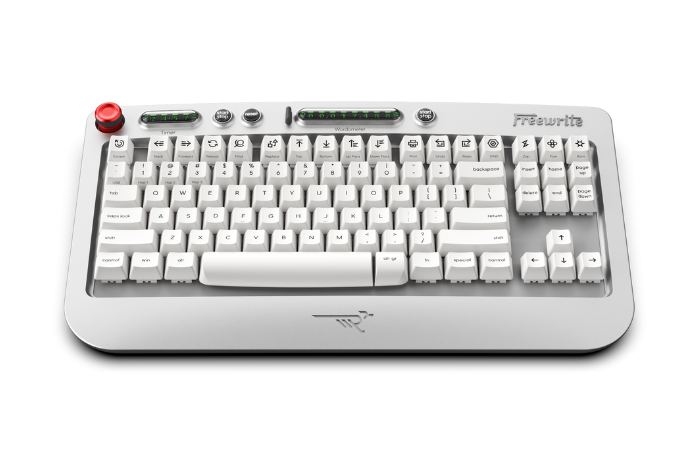
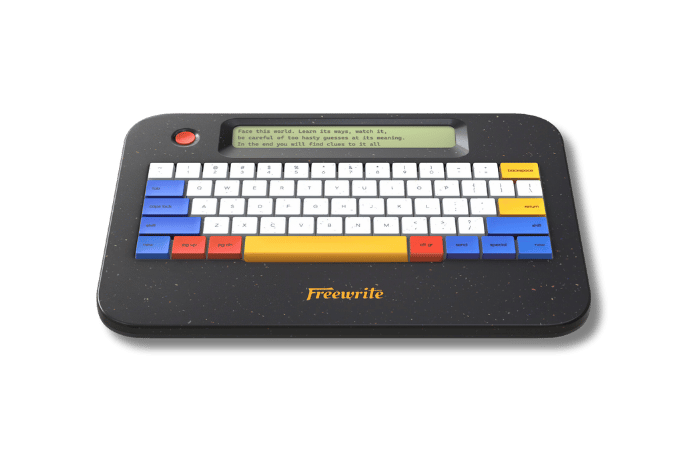
Use that urge to write something instead. A quick thought. A scene from a story. A journal entry. Writing helps you process, reflect, and release. Freewrite Alpha is great for getting something recorded quick, wherever you may be.
When you feel that itch to scroll, what you might actually need is expression. You’re absorbing so much from others, but are you creating?
12. Learn to Sit With Boredom
This might sound strange, but boredom is important. It’s the space where new ideas form. Social media fills that space with noise.
Instead of grabbing your phone the next time you feel bored:
-
Go for a walk without headphones.
-
Stare out the window.
-
Let your mind wander.
You’ll be amazed at what surfaces when your brain has room to breathe.
[B]oredom is important. It’s the space where new ideas form. Social media fills that space with noise.
13. Celebrate Progress, Not Perfection
You don’t have to quit social media forever. You just need to build a life where it no longer controls you. Maybe that means you:
-
Scroll less and write more.
-
Use a Freewrite instead of a laptop to draft your novel.
-
Spend mornings offline and evenings with a book.
-
Choose presence over performance.
Every step matters. Every moment reclaimed is a win.

How Freewrite Devices Help Combat Social Media Addiction
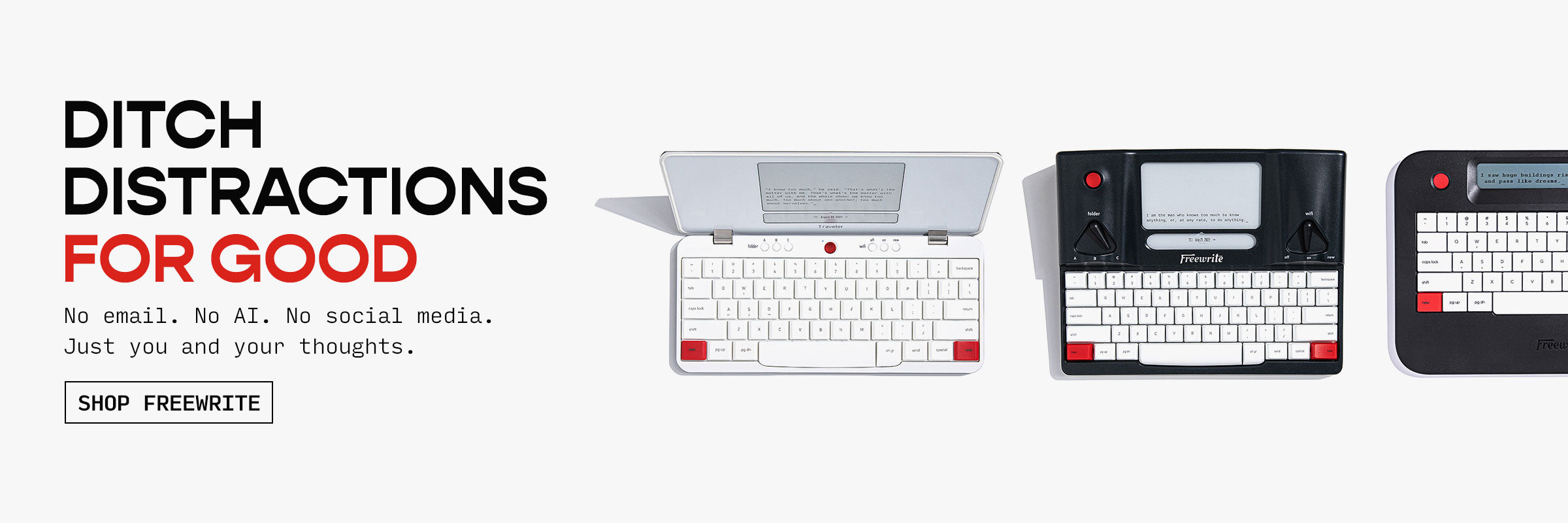
One effective way to tackle social media addiction is by eliminating distractions during writing sessions.Freewrite offers devices specifically designed to help you stay focused and avoid the constant pull of social media apps.
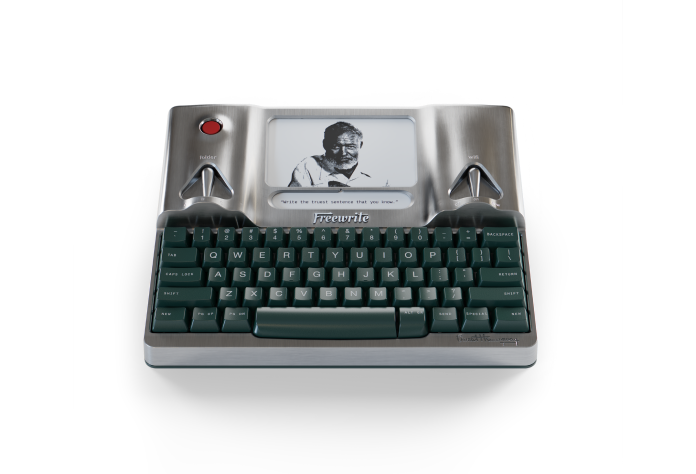
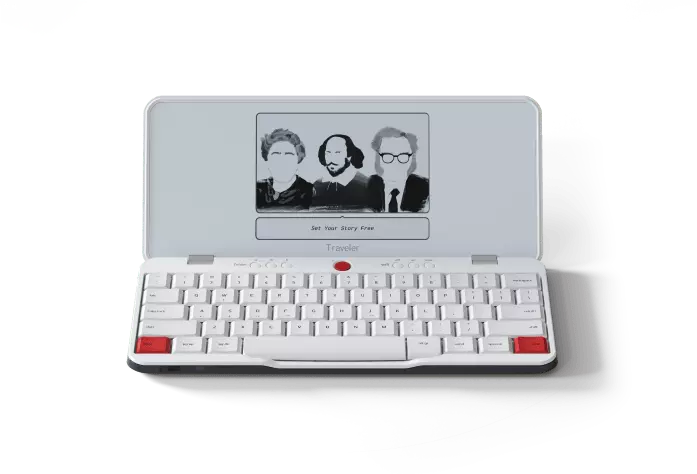
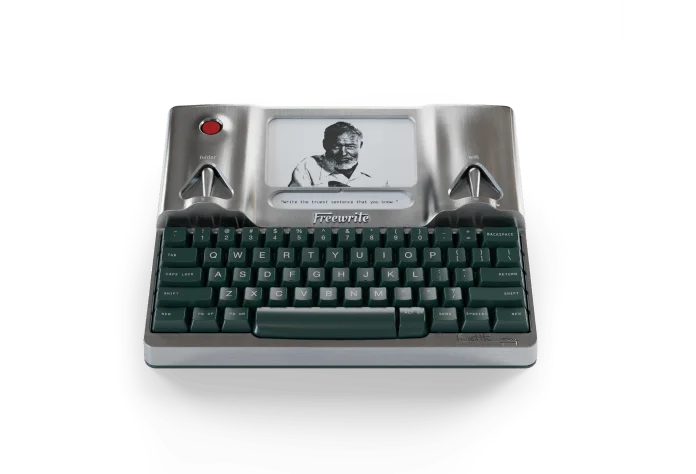
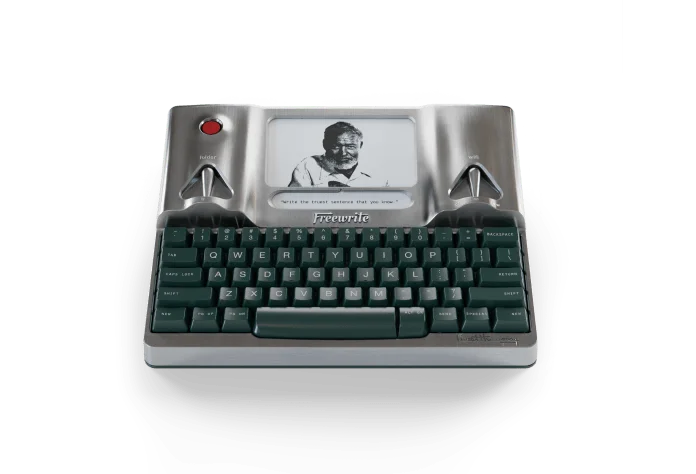
Devices like Freewrite Smart Typewriter or Traveler are designed with a distraction-free writing environment, providing a sleek E Ink screen and a fantastic keyboard to help you maintain your focus.
By using Freewrite devices, you can break free from the temptation of social media. Freewrite devices like Alpha, Traveler, and Smart Typewriter use Wi-Fi solely for cloud syncing with services like Google Drive and Dropbox, preventing internet distractions during writing.
Whether you are drafting your next novel or journaling, Freewrite offers the ideal environment to focus on what's truly important: your writing.

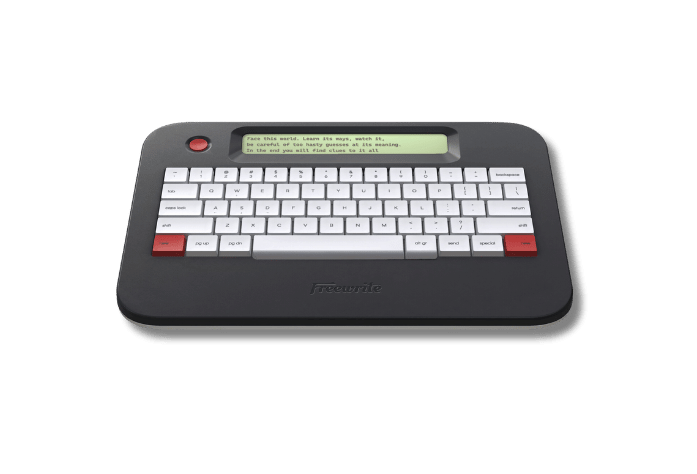
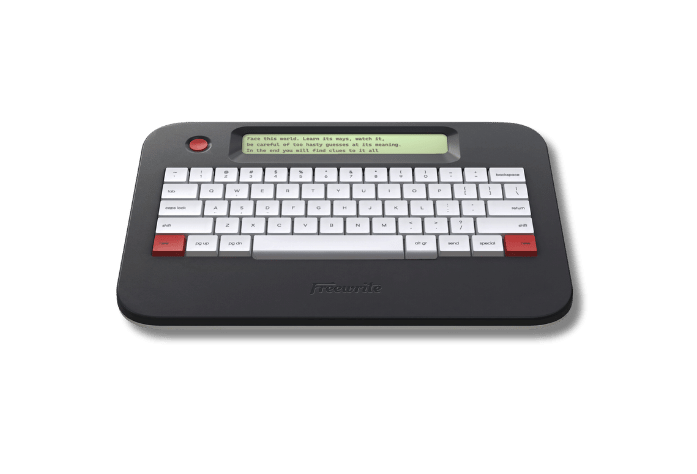
Freewrite Alpha
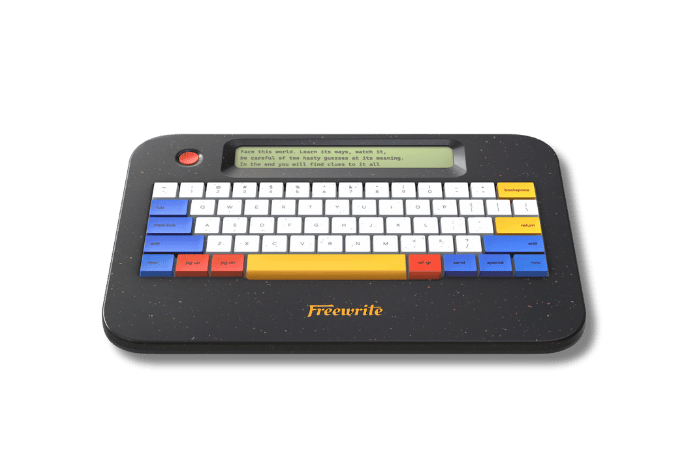
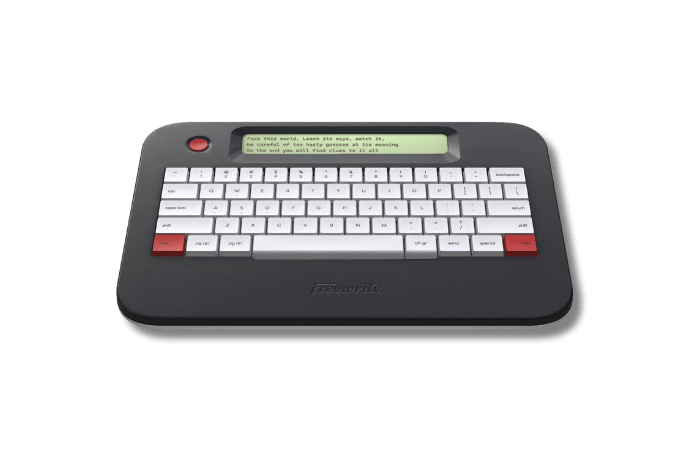
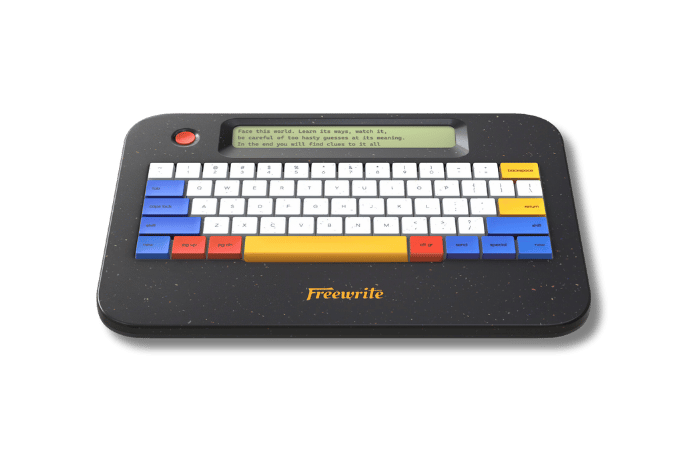
Freewrite Alpha is designed for those who want a distraction-free writing environment with a minimalistic touch. Its key features include:
-
Full-size mechanical keyboard with tactile switches
-
Four-line LCD display for easy readability
-
Up to 100 hours of battery life
-
Seamless cloud syncing with Google Drive, Dropbox, OneDrive, and Evernote
-
Lightweight and portable design for easy transport

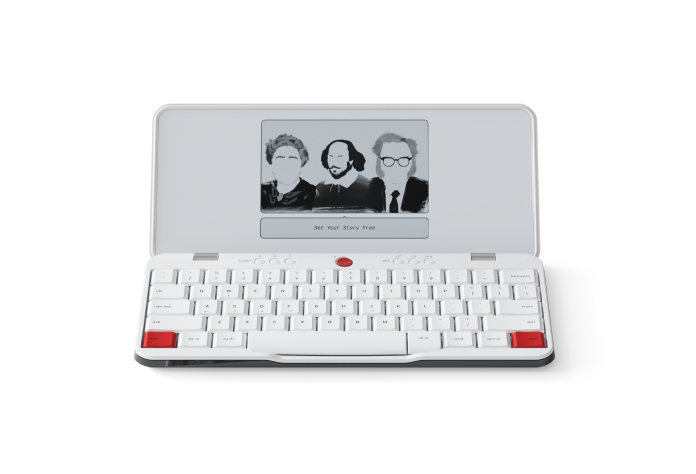
Freewrite Traveler
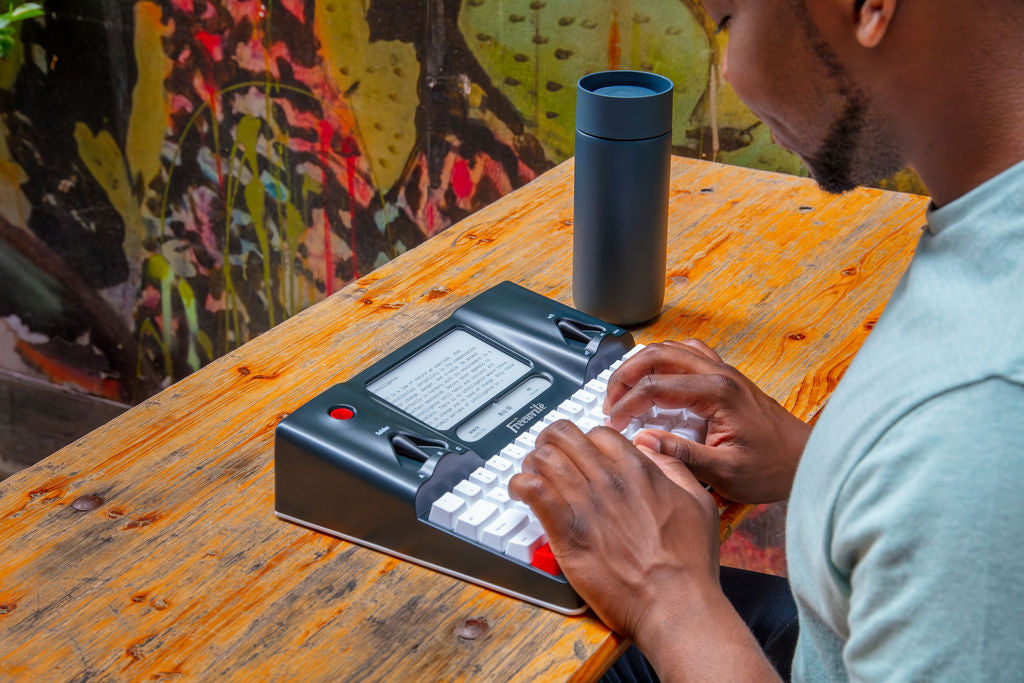
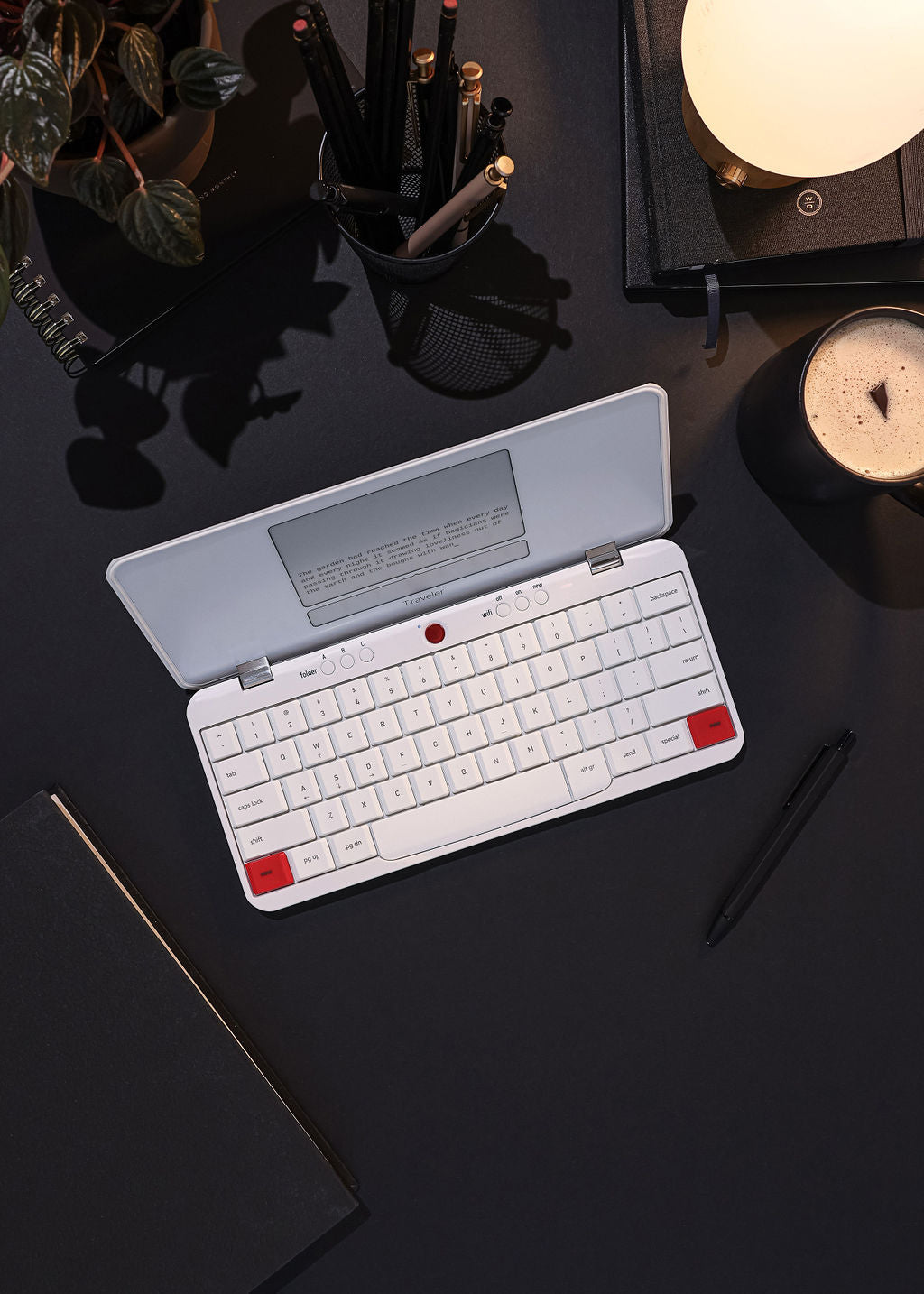
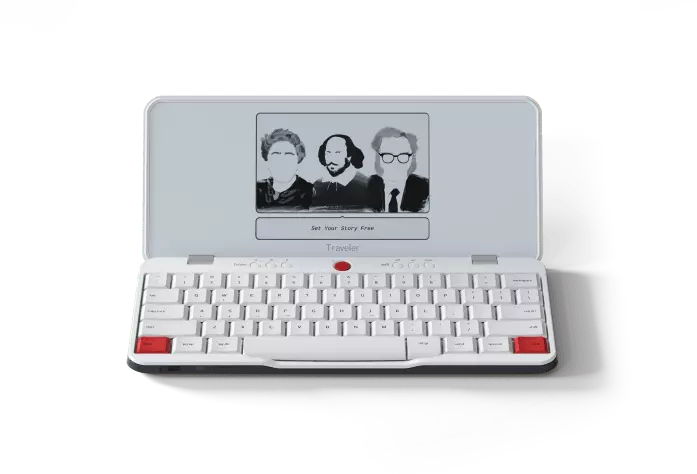
Freewrite Traveler is compact, foldable, and perfect for writing on the go. Its key features include:
-
Full-size scissor-switch keyboard for comfortable typing
-
E Ink screen for reduced eye strain
-
Up to four weeks of battery life with light to moderate use
-
Wi-Fi connectivity for cloud syncing to Google Drive, Evernote, OneDrive, and Dropbox
-
Lightweight and portable design, ideal for traveling

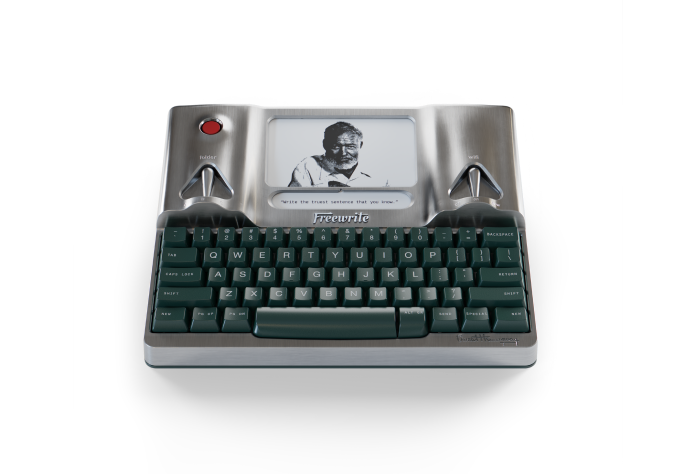
Freewrite Smart Typewriter
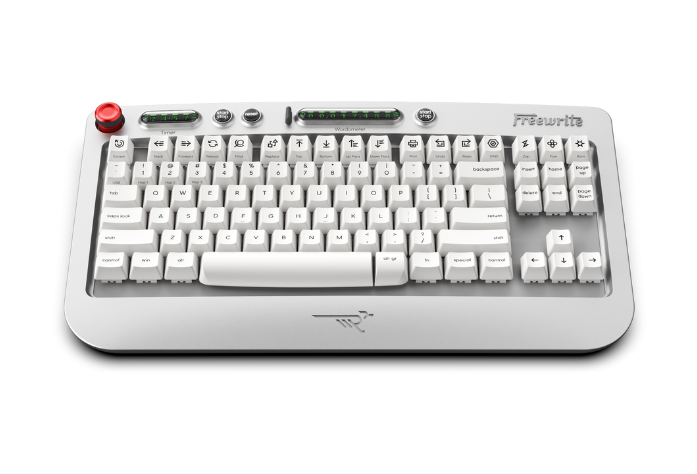
Freewrite Smart Typewriter offers a premium writing experience for long-term use. Its key features include:
-
Full-size mechanical keyboard with Kailh Box Brown switches
-
Frontlit E Ink screen for comfortable reading in any light
-
Onboard storage capable of holding over 1 million words
-
Cloud syncing with Google Drive, Evernote, OneDrive, and Dropbox
-
Durable aluminum body and ergonomic design for long writing sessions
Final Thoughts
Social media addiction doesn’t mean you’re broken. It means the platforms are doing exactly what they were engineered to do: capture your attention and keep it. But that doesn’t mean you’re powerless.
You have the ability to break the cycle and reclaim control. Start small: set clear boundaries, like device-free mornings or app timers. Create a digital environment that encourages focus. Use distraction-free tools, turn off notifications, and designate offline hours. Replace passive scrolling with meaningful action: journaling, creative projects, real conversations.
Most importantly, build a life offline that energizes you. Your story is worth living — beyond likes, shares, or comment counts.
Frequently Asked Questions
How do I know if I’m addicted to social media?
If you check social media first thing in the morning, feel anxious when you’re offline, scroll for hours without realizing it, or find it difficult to focus without reaching for your phone, you may be experiencing signs of addiction.
Another red flag is if social media use affects your sleep, productivity, or relationships.
The key indicator is whether your usage feels compulsive or interferes with your goals. Tracking your screen time and reflecting on how apps make you feel after using them can help you evaluate your habits more clearly and take the first step toward change.
Can I still use social media in moderation?
Absolutely. The goal isn’t necessarily to quit completely, but to develop a healthy, intentional relationship with social media. That means using it with clear boundaries — like specific time limits or purposes — and avoiding passive scrolling or late-night binges.
Many people find success by scheduling social time like any other activity, turning off notifications, or using desktop versions of apps only.
Moderation works when you're aware of how and why you’re using social media, and when you make sure it doesn’t distract from what truly matters to you — whether that’s creativity, connection, or personal well-being.
What are some good alternatives to social media?
The best alternatives are activities that provide real engagement or fulfillment. Writing, reading, exercising, or learning a new skill can help fill the void left by less screen time.
Try journaling on a device like Freewrite, which lets you express yourself without distractions. Offline hobbies like painting, gardening, or walking can ground you in the present moment. If you're seeking connection, schedule calls or in-person meetups with friends.
The goal is to replace passive consumption with active, meaningful activities that build attention, creativity, and genuine satisfaction instead of just a quick dopamine hit.
How long does it take to break the habit?
It varies, but many people start noticing changes within 1 to 2 weeks of cutting back. Others may need 30 days or more, especially if you’re doing a complete detox.
That said, breaking the habit isn’t about one perfect streak — it’s about gradually rewiring your brain. The first few days might feel uncomfortable or even boring, but with time, you’ll notice better focus, clearer thoughts, and more energy.
Consistency matters more than intensity. The important thing is to keep going, even if you slip up now and then. Every time you choose presence over scrolling, you're making progress.
Do digital detoxes actually work long-term?
Yes, but only if you use the detox to reset your habits, not just take a break. A 30-day detox can help you realize how much time you were spending online and what you're missing in real life.
But when the detox ends, it’s essential to bring in new habits — like scheduled usage, distraction-free tools, and meaningful offline activities — so you don’t fall back into old patterns.
The detox works best when paired with reflection, clear goals, and a supportive environment. You don’t need to be anti-tech — you just need to be intentional about what you give your attention to.
What tools can help me stay focused and avoid distractions?
There are several great tools out there, depending on your needs. Apps like Forest or Freedom block distractions and help with focus. But if you're looking for a more immersive solution, distraction-free writing devices like Freewrite Alpha or Smart Typewriter are ideal. They remove all digital noise — no internet, no pop-ups — just you and your words.
This kind of tool is especially useful for writers, students, and professionals who want to reclaim their attention and work deeply. When your environment supports your goals, it becomes easier to stay off social media and stay in your creative flow.