








Today’s guest post is by Matt Grant. Matt is a Brooklyn-based writer and editor. His work has appeared in Literary Hub, Book Riot, HuffPost, and BookBrowse. Find Matt online, or follow him on Twitter and Facebook.
I don’t know about you, but for me, I find that creativity and inspiration are two of the hardest things to come by as a writer. Random flashes of ideas for stories are great when they happen, but what about all those times you need to intentionally create an idea for a story or an article?
As humans, we’re all creatures of habit. But our habits are always doing one of two things: helping us or hurting us. The good news for writers is that we can leverage our tendency toward the habitual to aid us in the writing process. Good writing habits, when used correctly, can help us get into a regular rhythm that cultivates inspiration and keeps us focused during our writing time.
Below are some of the best habits you can start today that will jumpstart your creativity and make sure your writing time is fruitful and rewarding.
Before the Process
Practice Morning Pages
Morning pages were first introduced in Julia Cameron’s The Artist’s Way: A Spiritual Path to Higher Creativity.The idea of morning pages is simple: the first thing in the morning, write three full pages in a journal or notebook, longhand, as stream-of-consciousness. It’s not supposed to be great writing, and you’re not to self-edit.
The main purpose for practicing morning pages is to clear your mind of all distracting thoughts, tasks, and moods that might hinder your creativity that day. When it comes time to write, you won’t be thinking about the laundry you have to do or the conversation with a friend you need to have that day, because you’ve already written it out and set it aside for later.
Do writing prompts
I’ve recently discovered the huge benefit of writing prompts after being skeptical of them for many years. Often writers don’t think they need to do prompts because they prefer to come up with their own ideas. But the right prompt can open up new ideas and ways of looking at things you aren’t able to see on your own. You can find writing prompts a variety of ways. Many are free online, you can buy a book of them, or come up with them yourself. Write them down to use at a later time.
Try writing sprints
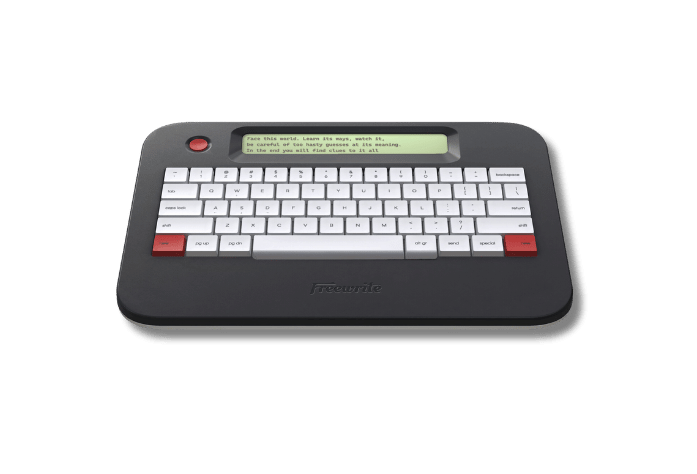
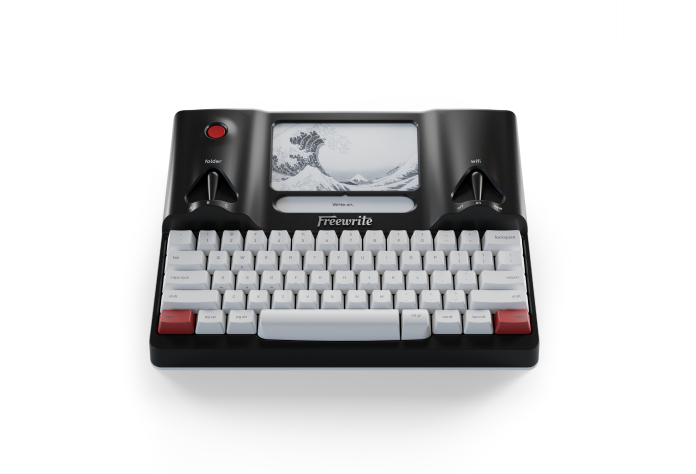
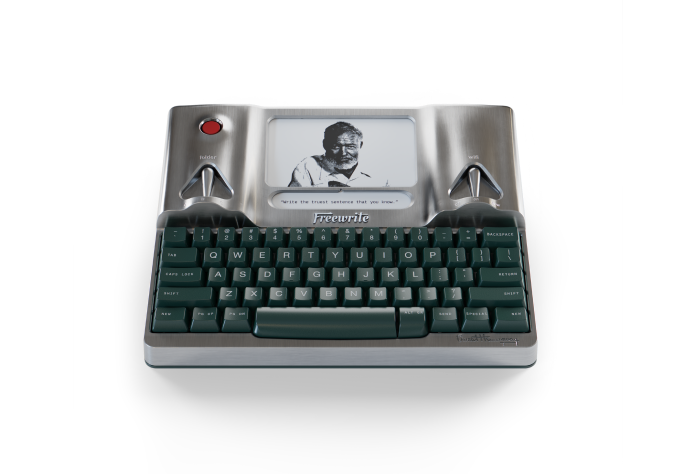
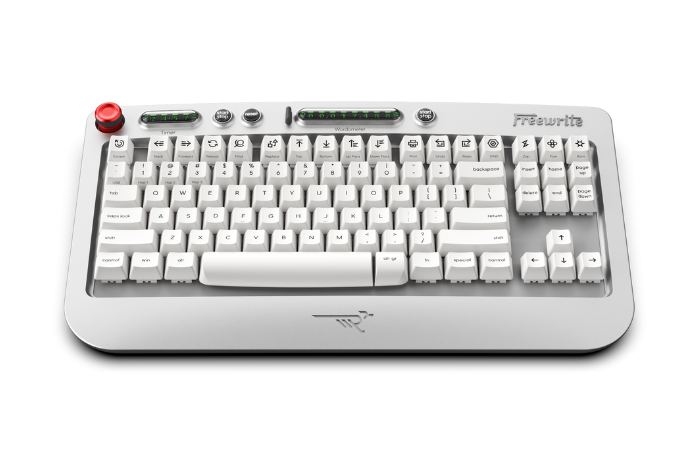
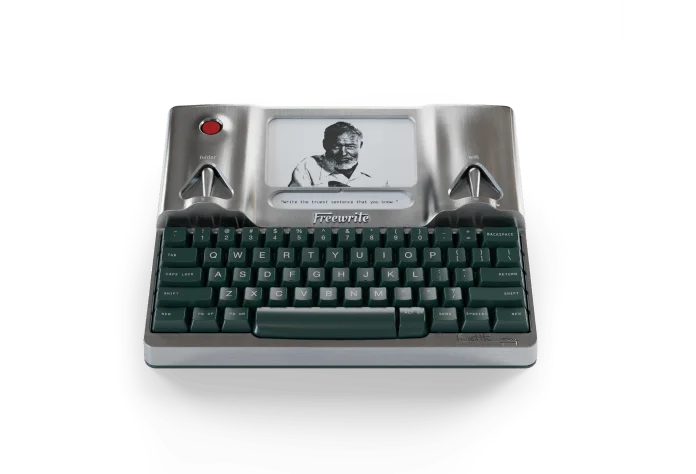
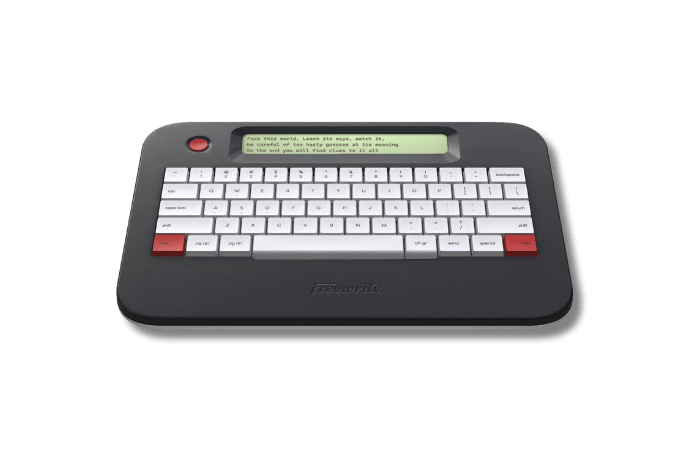
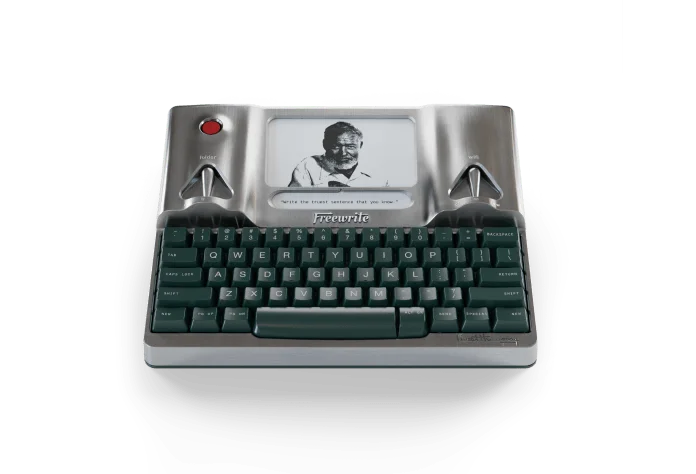
Often the challenge for writers is to finish a piece of writing without worrying about it being perfect. That’s where sprints come in. Sprints are short bursts of writing, about 15 minutes at a time. They’re like doing repetitions at the gym. You do a sprint, then rest and do something else, then do another sprint, then rest again, and so on, for as long as you like. Similar to morning pages, you shouldn’t stop writing or try to edit your work during the sprint. Just pick a topic and write for fifteen minutes straight. When you’re done, you’ll have a finished thought or a piece of flash fiction that can then be edited and shaped into something more significant. Check out this free sprinting program by the Freewrite team to help you!
Read voraciously
I know, I know, I probably should have put this one first. It can sometimes be hard to see how reading directly affects your creativity, especially when you’re anxious to get a work in progress done, and you’d rather be writing. But the adage “a writer is first and foremost a reader” is absolutely true, so read widely anything you can get your hands on, any chance you get. Read different genres in different forms – novels, articles, essays, short stories, poetry and flash fiction. You never know when something you read will strike you as inspiring, and the more you absorb the words of others, the better your own words will get. To get started, try this reading challenge that forces you to read diversely.
During the Process
Pick the right time of day
Once you’ve had that flash of inspiration and are settling in to get started on your work, it’s important to implement the right habits to keep you on track and focused. One of the first steps is figuring out when you’re likely to get your best work done. I’ve personally found that waking up extremely early and writing first thing in the morning has opened up the rest of my day. After I get home from work, I don’t feel as energized or as focused.
Of course, not everyone is a morning person. For you, it might be at night, or in the afternoon. Pick which time of day you’re at your most alert and creative, and block out that time to write. And once it’s scheduled, stick to it!
Change locales
If you’re in a rut, one of the best things you can do is get a change of scenery. Often, finding a coffee shop or a nice library, surrounded by books or soothing music, can be a real boon to getting those creative juices flowing again. If you don’t have a place nearby where that’s possible, go for a walk to clear your head and come back to your work with fresh eyes.
Put away distractions
However, these locations can only be helpful if you’re not distracted, so be ruthless about putting distractions away! Buy a pair of noise-cancelling headphones, turn the wireless off on your computer, put away your cell phone, and stay away from your inbox.
We all know the Internet is a black hole – one minute you’re looking something up for your project, and the next, you’ve spent an hour on Facebook. Set aside another time for planning and researching. Keep your writing time sacred for just that – writing.
Bonus Question: Do you really need to write every day?
This suggestion is usually at the top of most writing advice lists. To be honest, I’m inclined to distrust it. I’m wary of anything that’s touted as a “must” or some mystical talisman. Of course, it’s a good idea to get into a habit of writing on a regular basis. Of course, you should often write and for long periods of time.
But I firmly believe, as with everything, writing should be done in moderation to maximize its effectiveness. More and more research is pointing out how, paradoxically, working less actually leads to more productivity. People who are constantly working are more tired, more anxious, and less inspired – all of which are deathblows to creativity. I regularly take vacations from writing, where I don’t do any kind of work at all. At the end of these breaks, I always come back to my work with a renewed sense of enthusiasm and motivation.
So, by all means, write as often as you can, but if you miss a day, give yourself some grace. When it comes to inspiration, there’s a lot to be said for being out in the world, doing other activities and experiencing things that will fuel your stories. For a writer, there’s no better inspiration than just living life.
There’s no doubt that writing is work – hard, grueling, sweat-inducing work. Just as with everything, there are working behaviors and practices you can put in place to help you be more productive and less distracted. Obviously, not everything on this list is going to work for you, and there might be something I left out that’s even better. If so, please leave a comment and let me know what behaviors and practices you have that help keep you inspired!
What writing habits do you swear by? Do you have any habits or routines that you love and would recommend to others? Let us know in the comments!
 Matt Grant is a Brooklyn-based writer whose work has appeared in BookRiot, The Huffington Post, BookBrowse, and Pop Matters. When he's not writing or reading, he works in youth development as an after-school program director for one of the largest middle schools in Manhattan. You can find him online at www.mattgrantwriter.com or on Twitter: @mattgrantwriter.