overlaylink

What Is a Hot-Swappable Keyboard?

Annie Cosby
July 16, 2025 | 2 min read

If you're just starting to get into mechanical keyboards, you might have heard the term "hot swap" thrown around. But what does it actually mean?

Understanding Key Switches

Before we get into hot-swapping, you first need to understand what key switches are (often shortened to "switches").

A key switch is the individual component under each keycap that registers when a key has been hit. (A "keycap" is the part of the key that you see on a keyboard β€” the housing, often plastic, that your fingers tap.)

Mechanical keyboards use mechanical switches, which are beloved among keyboard enthusiasts for the satisfying feel and sound. You'll notice those feel different than the keyboards on the average laptop, which use scissor switchesΒ or membrane switches.

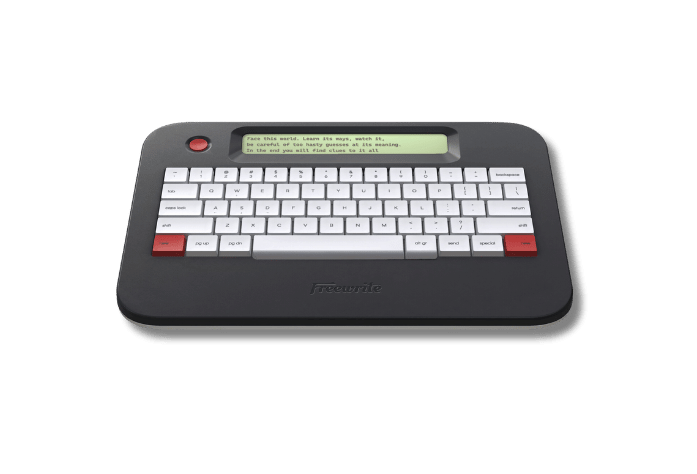
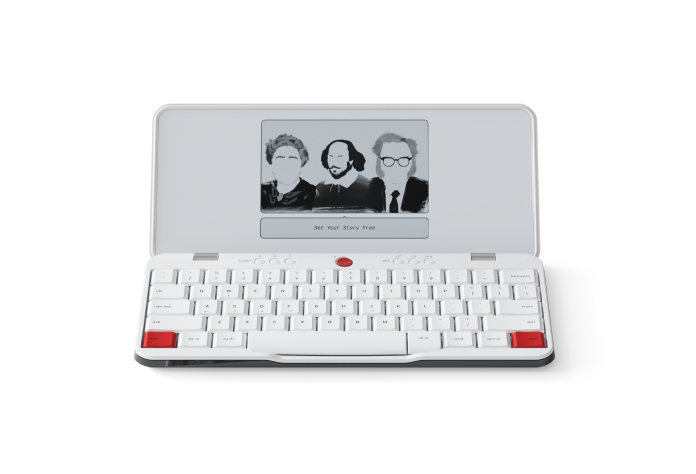
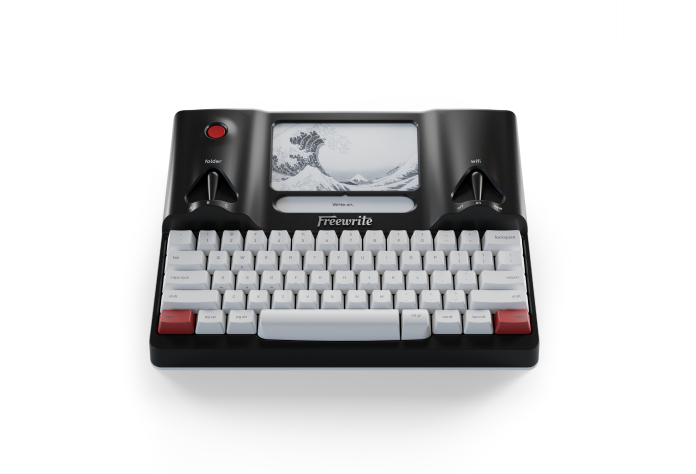
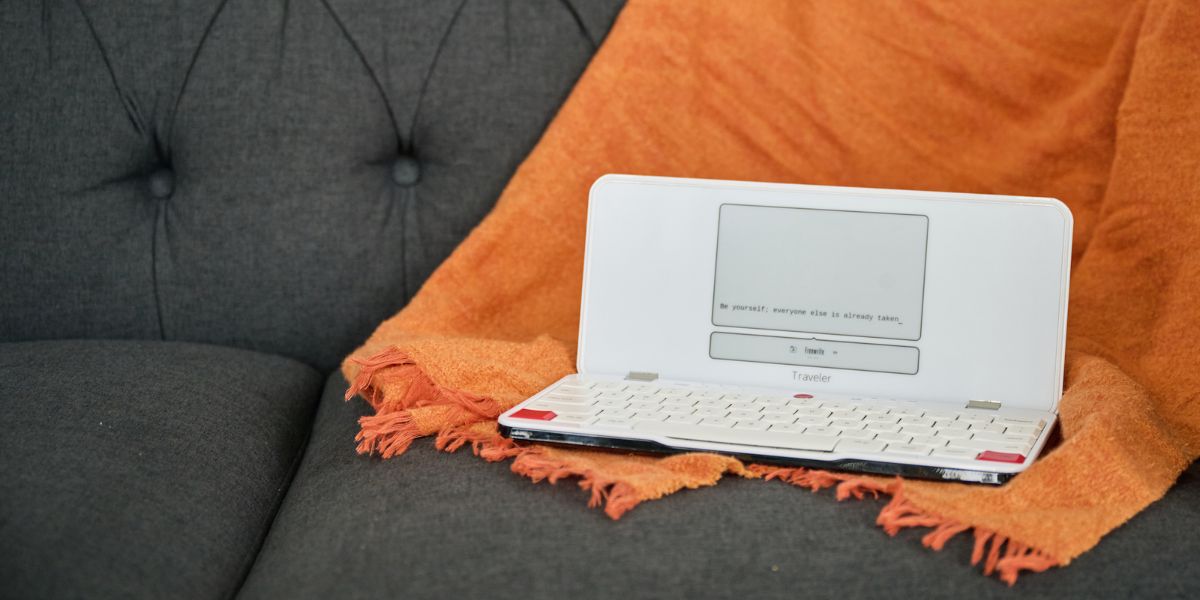
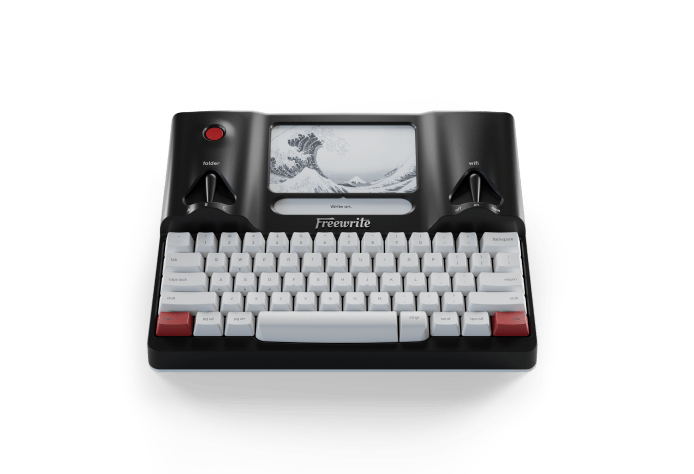
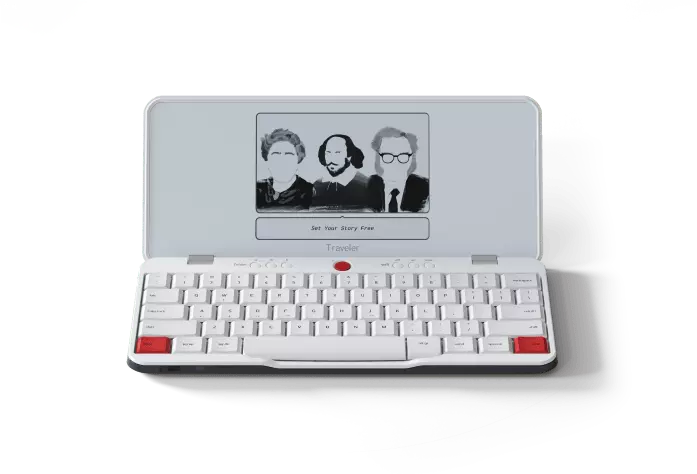
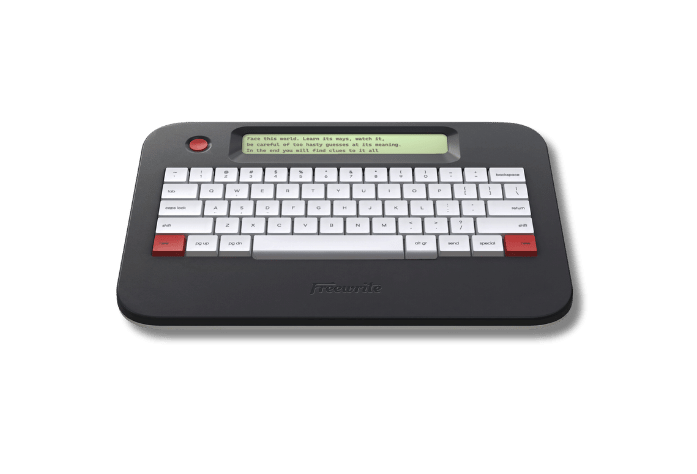
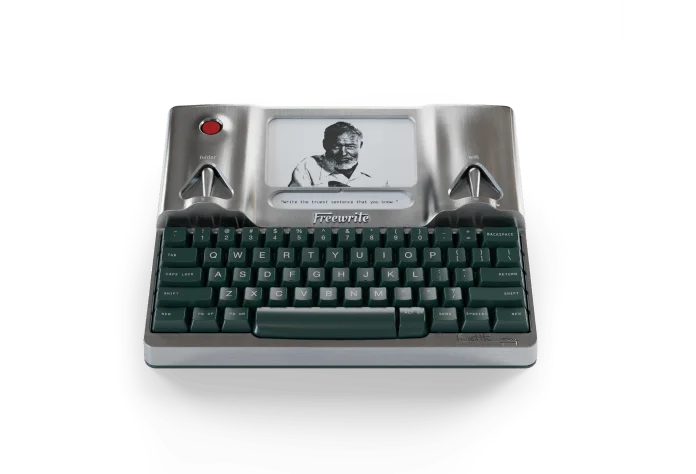
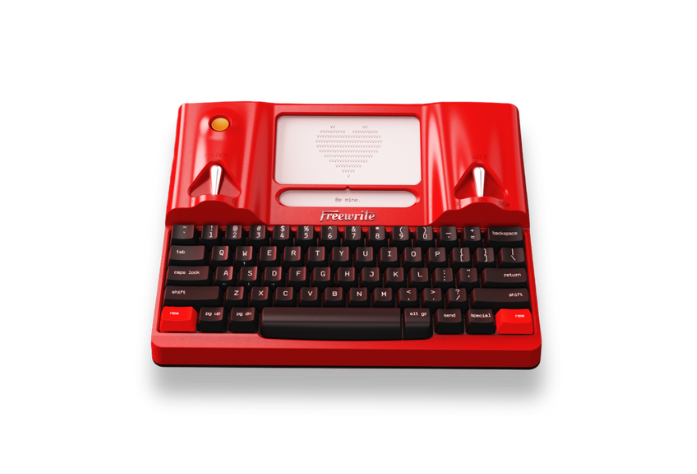
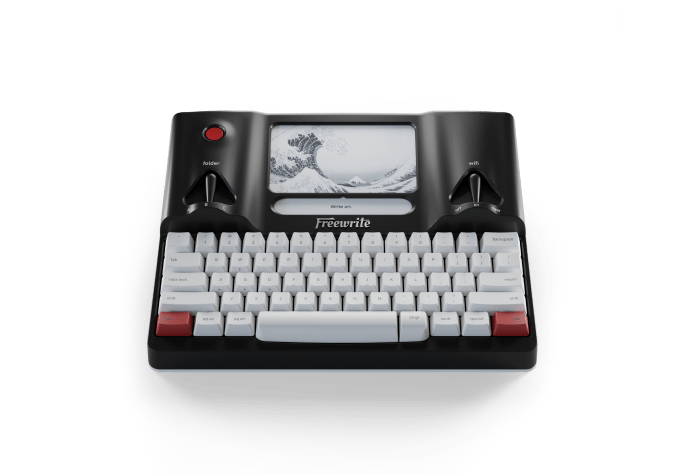
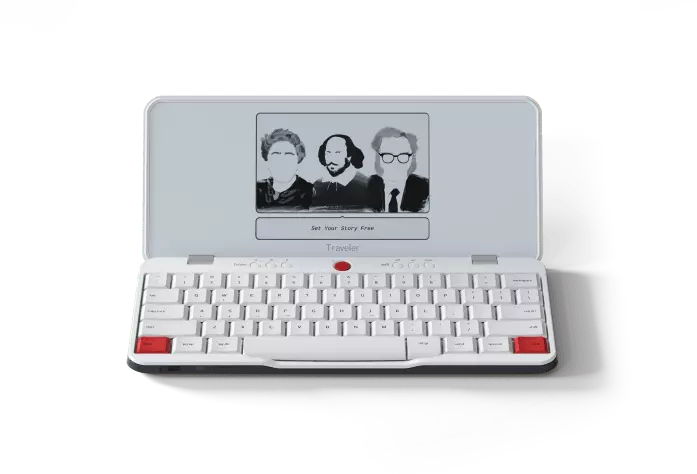
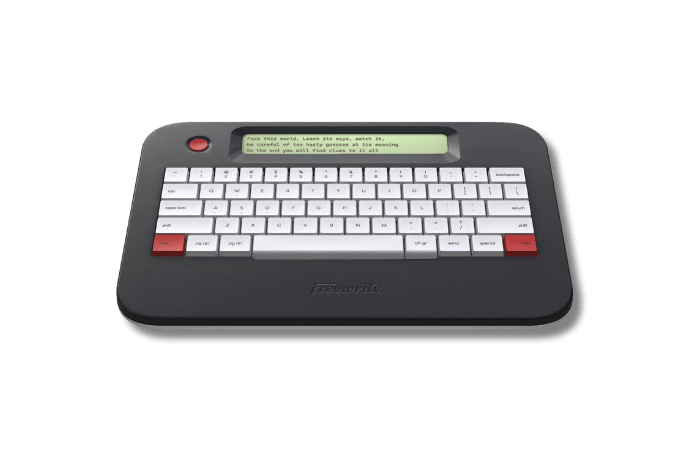
Consider the difference between Freewrite's Smart Typewriter and Alpha keyboards (which have mechanical switches) and Traveler's keyboard (scissor switches). Watch the video below to see the difference in action.


Hot-Swapping

Now, people who type a lot often have a key switch preference. (You might not even know you do!) There are all kinds of different key switches that vary in feel, sound, and price.

On most commercial keyboards, the key switches are soldered directly onto the circuit board. So if you wanted to change your switch type, you'd need to desolder and resolder each individual switch. It's an annoying and time-consuming process.

A hot-swappable keyboard, however, is one that allows you to easily change out the switches without the need for soldering. They use special sockets that let you pull out and replace switches with just a simple switch puller.

There are a range of switches available for mechanical keyboards, and you can learn more about them here.

Whether you're experimenting with different switch feels, replacing a faulty switch, or customizing your typing experience, hot-swappable keyboards make it easy.

In short, a hot-swappable keyboard is perfect for anyone who values flexibility, ease of customization, or just wants to dip their toes into the world of mechanical keyboards.

It’s the ultimate plug-and-play solution for keyboard enthusiasts and newcomers alike.

In short, a hot-swappable keyboard is perfect for anyone who values flexibility, ease of customization, or just wants to dip their toes into the world of mechanical keyboards.

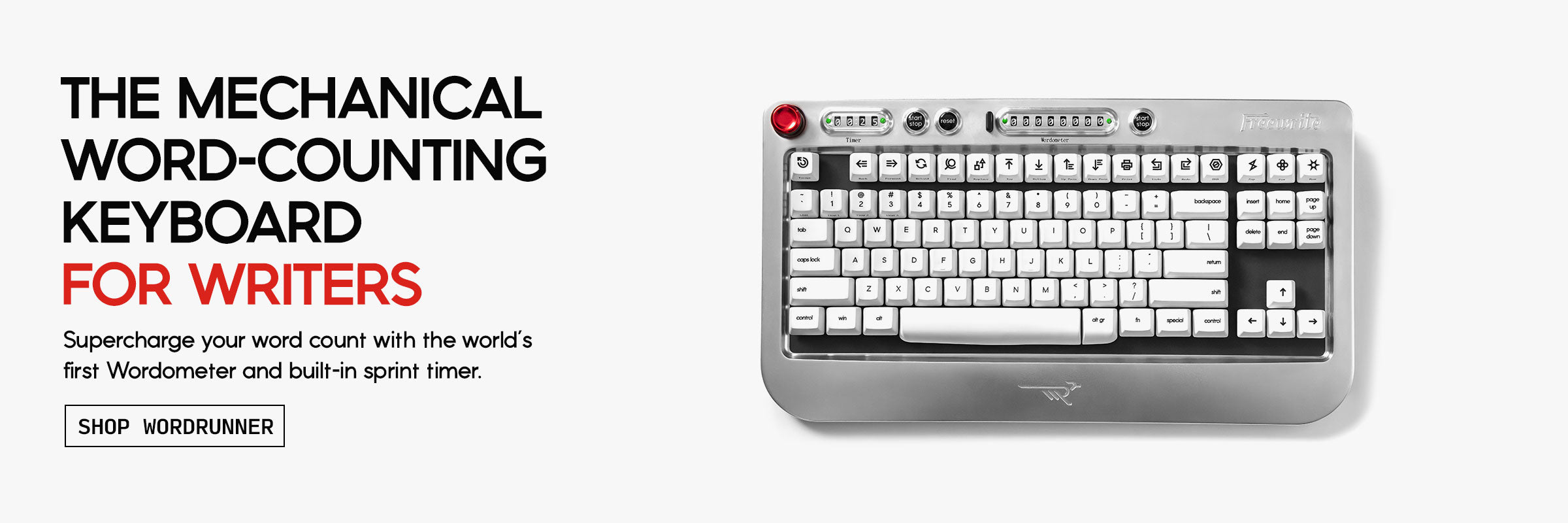
Meet Wordrunner

For over a decade, the Freewrite team has been obsessed with helping writers be more productive. Over 700 million words have been written on our distraction-free writing tools by writers around the world.

Wordrunner brings everything we've learned about writing productivity to your laptop, phone, or tablet.

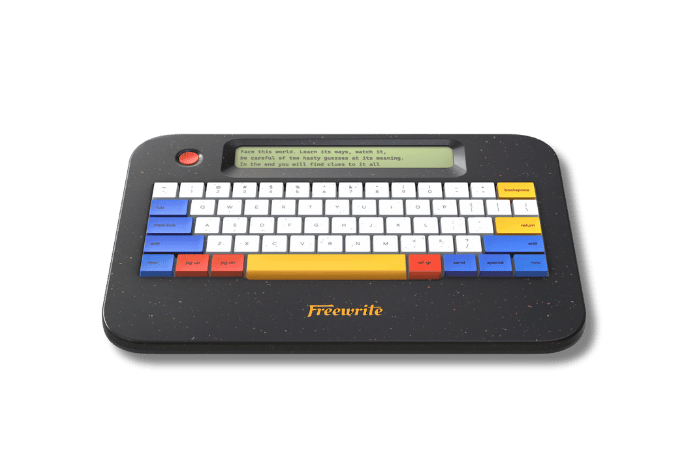
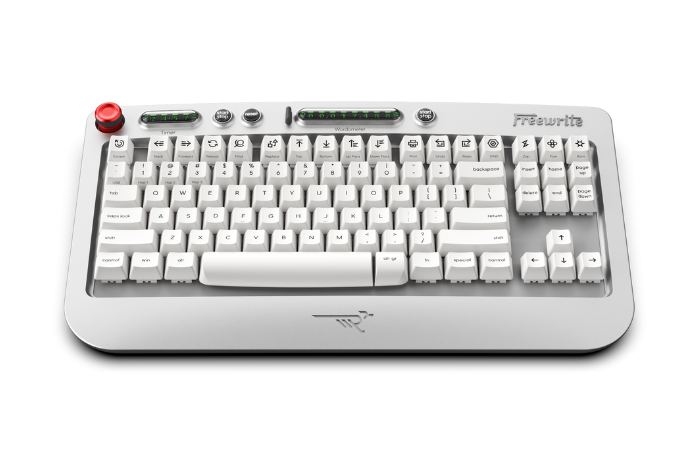
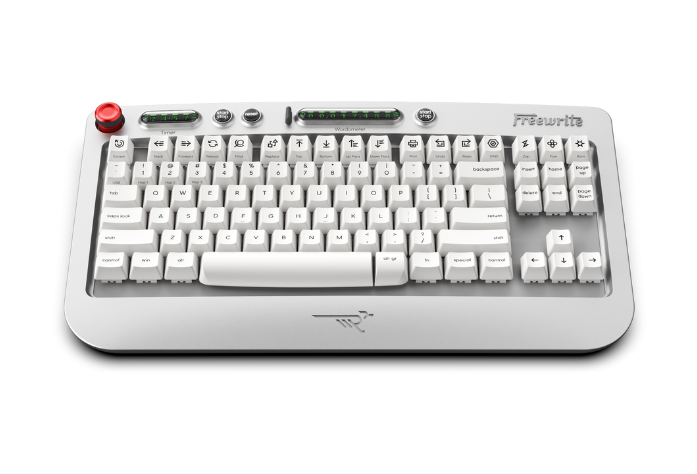
In addition to quality key switches and keycaps, Wordrunner boasts the world's first mechanical Wordometer, which tracks your word count in real time so you never lose momentum, while a built-in sprint timer is ready to push your writing forward.

Once you start typing, you won't be able to stop.

Learn more about Wordrunner here.

April 01, 2026 0 min read
March 22, 2026 3 min read

If you're new here, freewriting is β€œan unfiltered and non-stop writing practice.” It’s sometimes known as stream-of-consciousness writing.

To do it, you simply need to write continuously, without pausing to rephrase, self-edit, or spellcheck. Freewriting is letting your words flow in their raw, natural state.

When writing the first draft of a novel, freewriting is the approach we, and many authors, recommend because it frees you from many of the stumbling blocks writers face.

This method helps you get to a state of feeling focused and uninhibited, so you can power through to the finish line.

How Freewriting Gives You Mental Clarity

Freewriting is like thinking with your hands. Some writers have described it as "telling yourself the story for the first time."

Writing for Inside Higher Ed, Steven Mintz says, β€œWriting is not simply a matter of expressing pre-existing thoughts clearly. It’s the process through which ideas are produced and refined.” And that’s the magic of putting pen to paper, or fingertips to keyboard. The way you learned to ride a bike by wobbling until suddenly you were pedaling? The way you learned certain skills by doing as well as revising? It works for writing, too.

The act of writing turns on your creative brain and kicks it into high gear. You’re finally able to articulate that complex idea the way you want to express it when you write, not when you stare at a blank page and inwardly think until the mythical perfect sentence comes to mind.

Writing isn’t just the way we express ideas, but it’s how we extract them in the first place. WritingΒ is thinking.

Or, as Flannery O'Connor put it:

β€œI write because I don't know what I think until I read what I say.”

Writing isn’t just the way we express ideas, but it’s how we extract them in the first place. WritingΒ is thinking.

Β 

Freewriting to Freethinking

But how and why does it work? Freewriting makes fresh ideas tumble onto the page because this type of writing helps you get into a meditative flow state, where the distractions of the world around you slip away.

Julie Cameron, acclaimed author ofΒ The Artist’s Way, proposed the idea that flow-state creativity comes from a divine source. And sure, it certainly feels like wizardry when the words come pouring out and scenes seem to arrange themselves on the page fully formed. But that magic, in-the-zone writing feeling doesn’t have to happen only once in a blue moon. It’s time to bust that myth.

By practicing regular freewriting and getting your mind (and hands) used to writing unfiltered, uncensored, and uninterrupted, you start freethinking and letting the words flow. And the science backs it up.

According to Psychology Today, the dorsolateral prefrontal cortex goes quiet during flow state. This part of the brain is in charge of β€œself-monitoring and impulse control” – in other words, the DLPFC is the tiny home of your loud inner critic.Β And while that mean little voice in your head takes a long-overdue nap, you’re free to write without doubt orΒ negative self-talk.

β€œWith this area [of the brain] deactivated, we’re far less critical and far more courageous, both augmenting our ability to imagine new possibilities and share those possibilities with the world.”

Freewriting helps us connect with ourselves and our own thoughts, stories, beliefs, fears, and desires. But working your creative brain is like working a muscle. It needs regular flexing to stay strong.

So, if freewriting helps us think and organize our thoughts and ideas, what happens if we stop writing? If we only consume and hardly ever create, do we lose the ability to think for ourselves? Up next, read "Are We Living through a Creativity Crisis?"

Β 

Learn More About Freewriting

Get the ultimate guide to boosting creativity and productivity with freewriting absolutelyΒ free right here.You'll learn how to overcome perfectionism, enhance flow, and reignite the joy of writing.

SYSF-book-mockup.webp

March 16, 2026 2 min read

Picturethis. Imaginetryingtoreadapagethatlookedlikethis,withnospacestoseparateonewordfromthenext.Β No pauses. No breath. Just an endless procession of letters that your brain must laboriously slice into meaning, one syllable at a time.