
By Michael Jecks
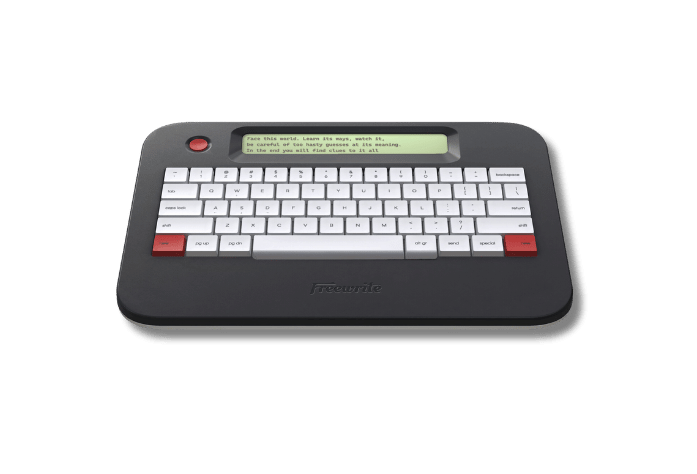
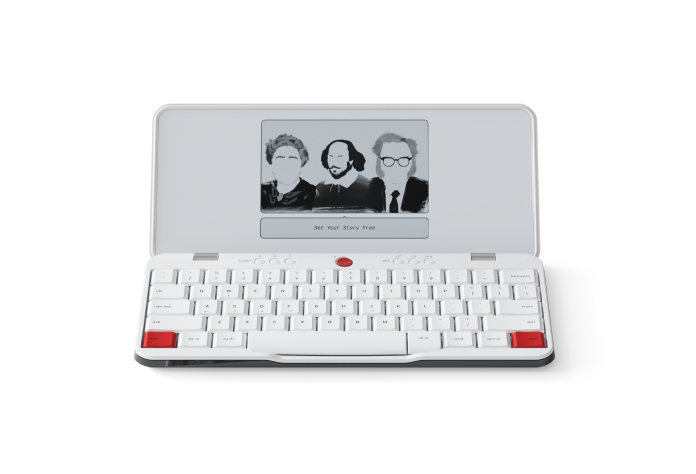
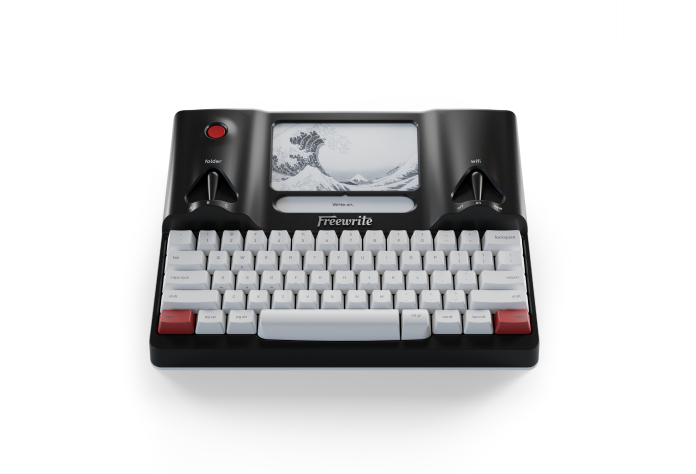
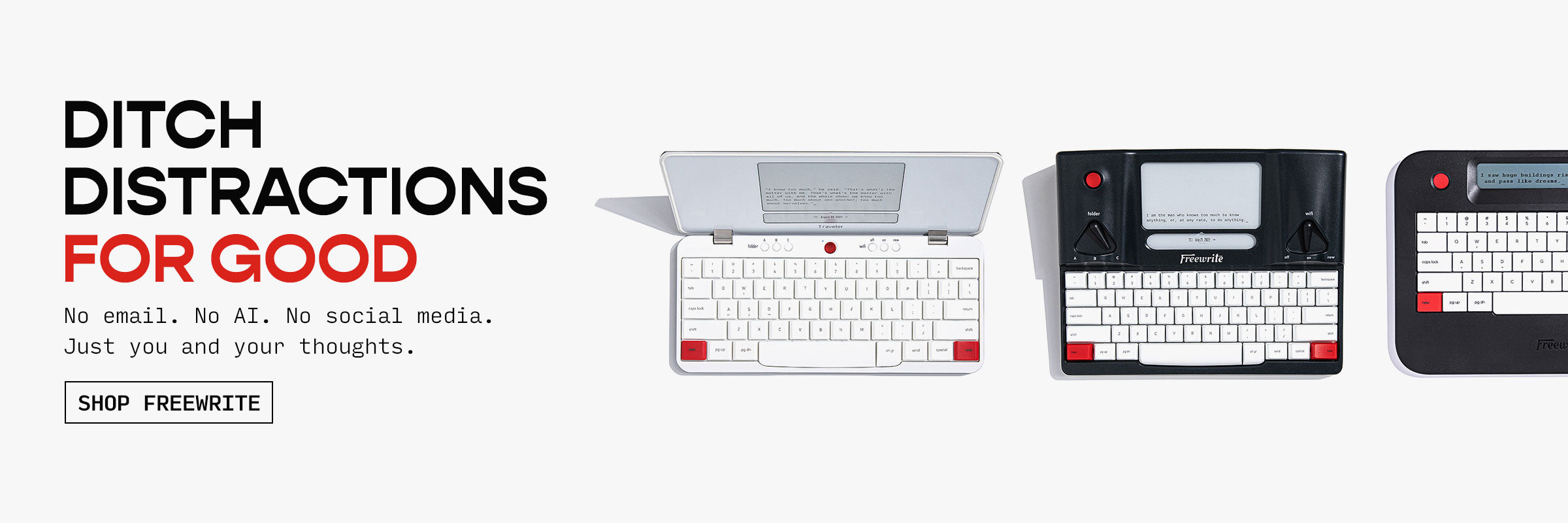
Michael Jecks has been using Freewrite to draft his medieval mystery novels for six years. As a reflection on the last six years, Michael took us through a quick review of the writing tools he's used over the years, from typewriters to Freewrite.
Writerly Beginnings
I have been creating crime stories for the last thirty years; I like crime — it has paid for my heating and food for all that time.
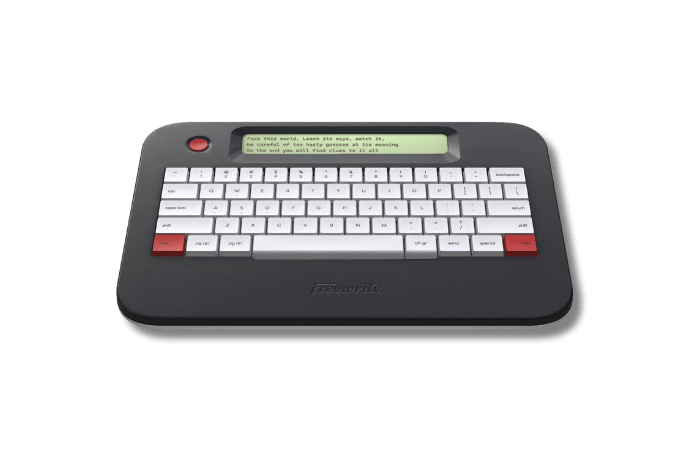
When I started writing, back in the dim and distant past (1993), life was pretty difficult. All I had then was a typewriter, which had a single liquid crystal display line. It was, it proudly proclaimed, a word processor. Except it did not quite meet my expectations. I had spent ten years selling Wordplex and Wang WP machines. These possessed a screen, a keyboard, and memory disks. The typewriter did not — although the keyboard was a delight. In order to type something, I had to insert paper and hope that inspiration would strike. It rarely did.
Going Pro
The following year I acquired a PC and embarked on a writing career. It was an IBM PS2, and astonishingly good for writing compared to the typewriter. It had a screen, good keyboard, memory, and a printer. Suddenly I could see my stories start to develop on the screen, and yet … I was tied to a desk with that machine. I needed something more portable.
Soon I replaced the PS2 with a nice, new, elegant laptop. It was excellent, an AST machine with huge memory — ten megabytes, I seem to recall — and worked fine. Until, that is, the keyboard gave up. I was already writing two novels in my Last Templar Mystery series at that stage, and the keyboard died after eighteen months.
That became pretty much my standard trend. Keyboards lasted eighteen months to two years. During this time, I rediscovered the joys of real keyboards. Those that, like the IBM DisplayWrite, the Wang Office Information System, the Wordplex 80-3G, and others, had individually-sprung keys rather than a form of rubber pad on which all the keys rested, and which was expected to make them all bounce in exactly the same way. In fact, I started dealing with a keyboard supplier on a regular basis.
Why? Because keyboards didn’t last. They worked for two years at the outside, and then I had to replace them.
Around 2000, I moved to Apple computers and have happily worked on iMac machines for the last twenty years. They are my workhorses, replaced every four years or so — although the keyboards aren’t. When I buy a new Apple, I sell the keyboard that comes with it and go back to my keyboard supplier for a keyboard with sprung keys. In my experience, Apple keyboards last for twelve months of hard use — and I am a professional author with three books a year to write. That is hard use in anyone’s terms!
But my life changed in 2017.
Enter Freewrite
For my sins, I run a YouTube channel called Writerly Witterings, in which I talk about writing but also about all those things that make writing easier and better. I give advice and help to people struggling to get their own stories told, and review pens, papers, inks — everything to do with creating stories.
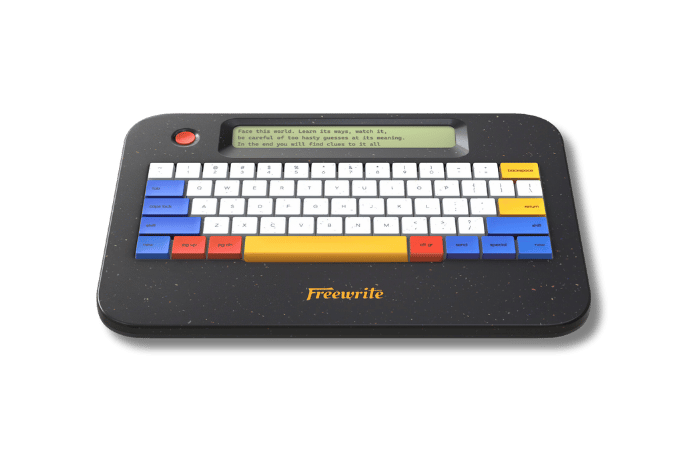
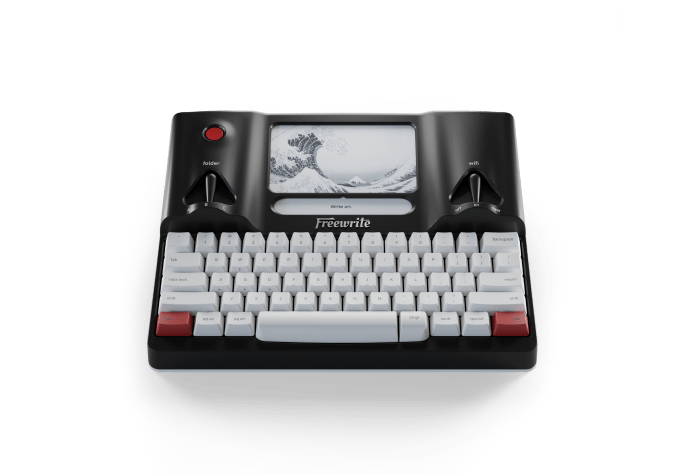
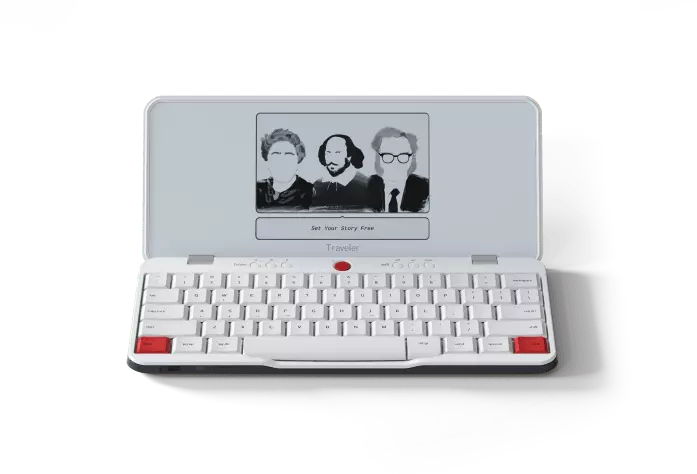
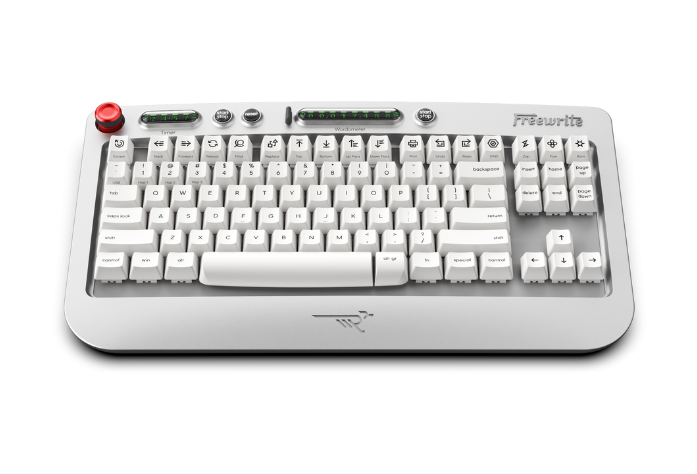
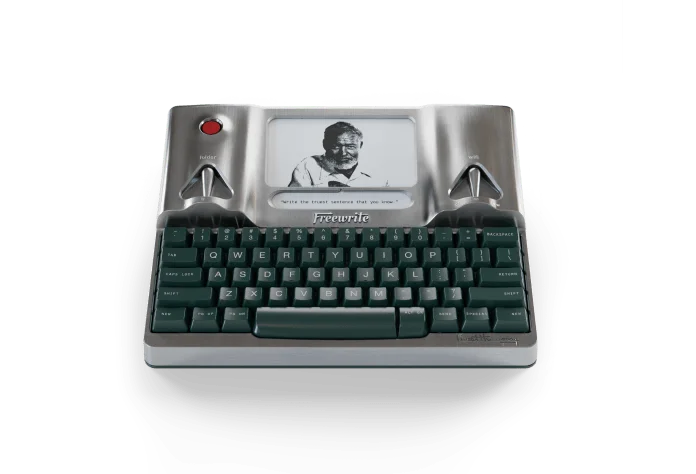
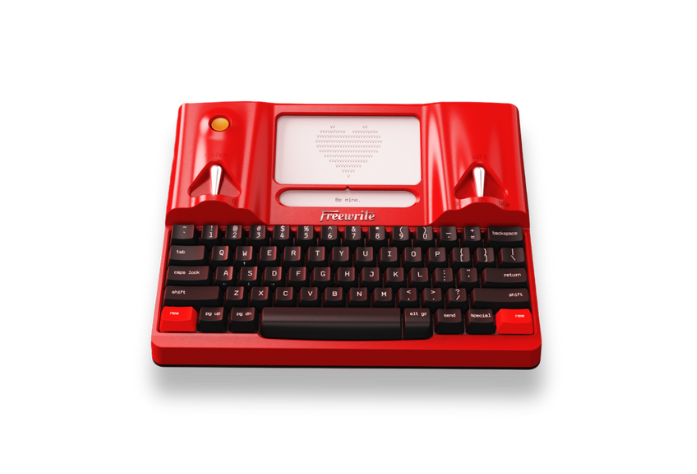
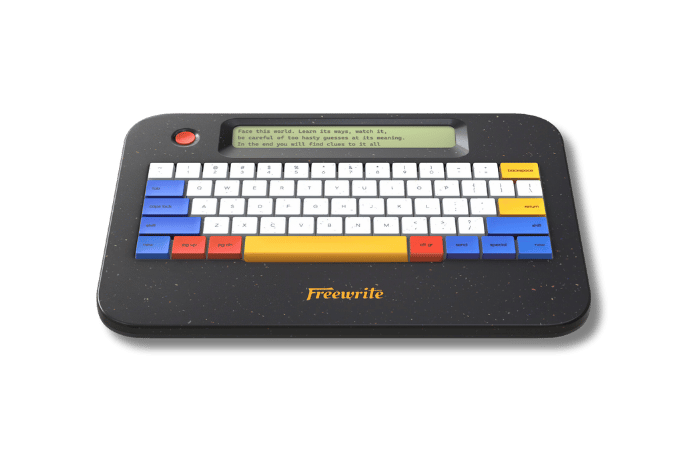
And one day I heard about this strange machine called a Freewrite.
As a writer, I am keen to find any tool that will make my life easier. I asked the Freewrite team whether it would be possible to have a Freewrite to review, and they were kind enough to send me one, allowing me two weeks to play with it. I wrote back to explain that just then I was finishing the edits for a previous book, so I couldn’t touch this drafting machine for at least a week — would it be possible to have it for a month so I would have time to use it in anger? I was given permission.
The result? After one week’s use I contacted Freewrite to tell them that I was keeping it; how much did I have to pay?
Why I Kept It
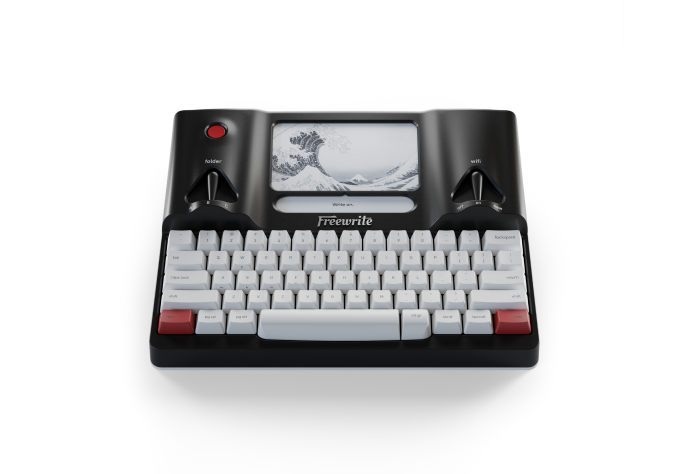
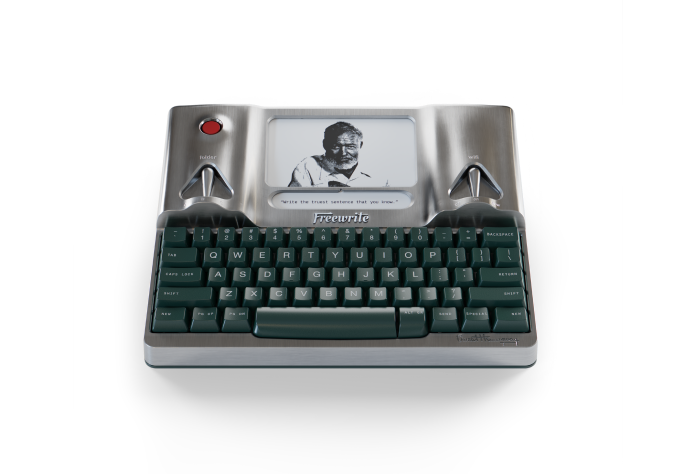
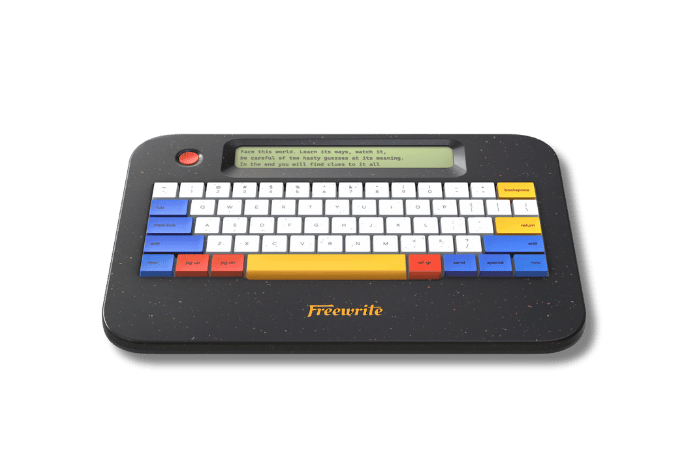
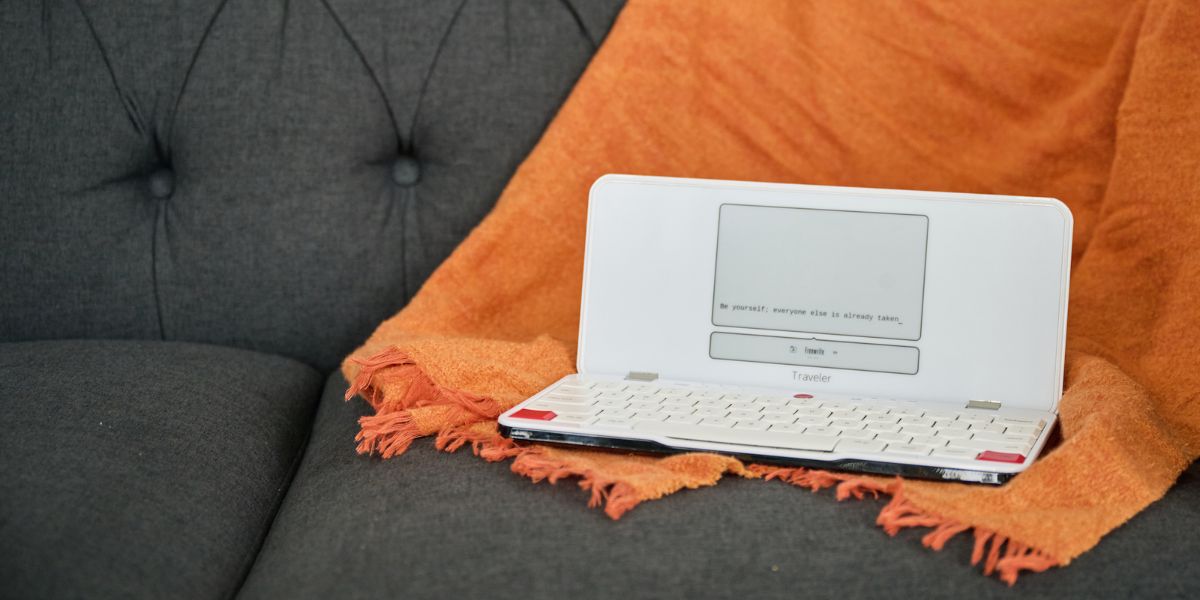
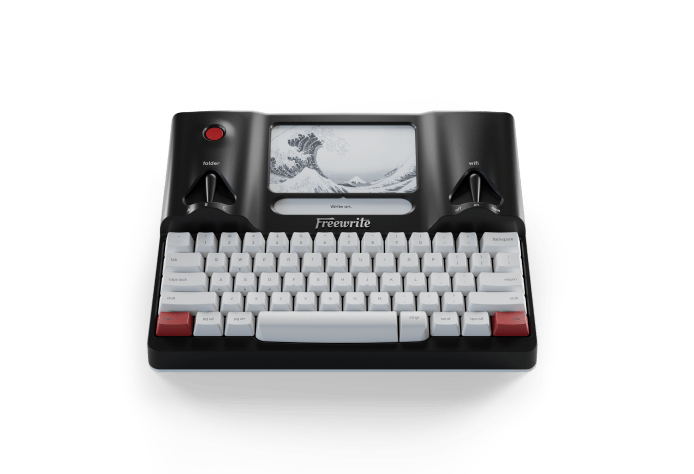
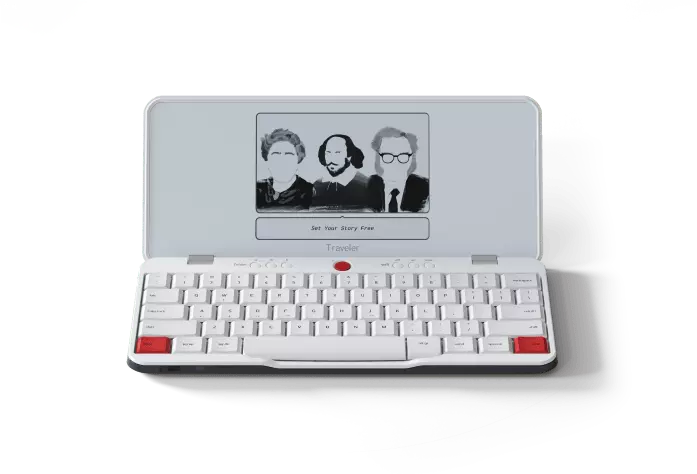
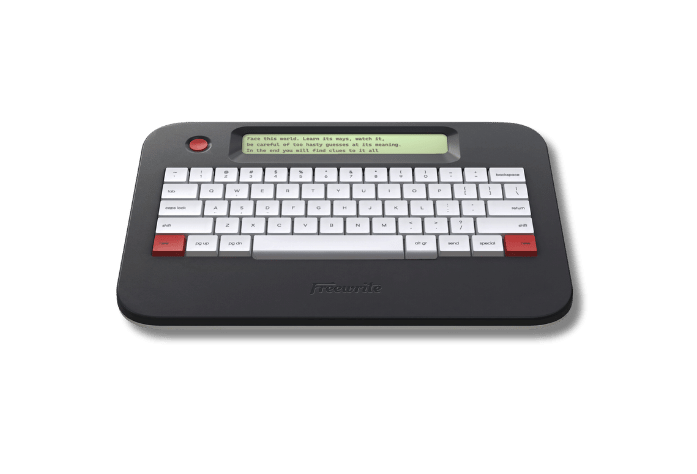
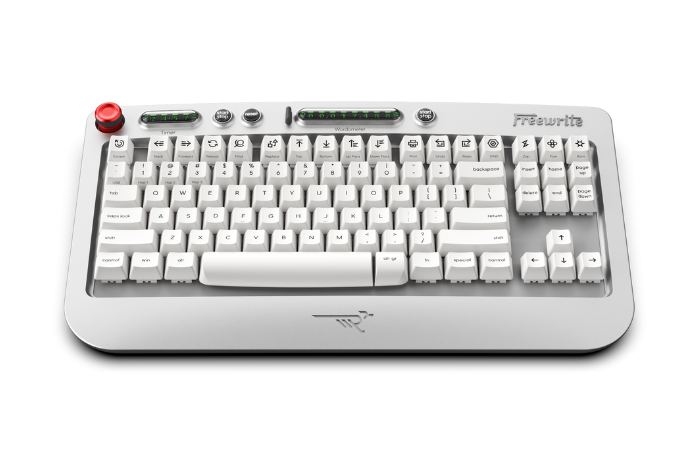
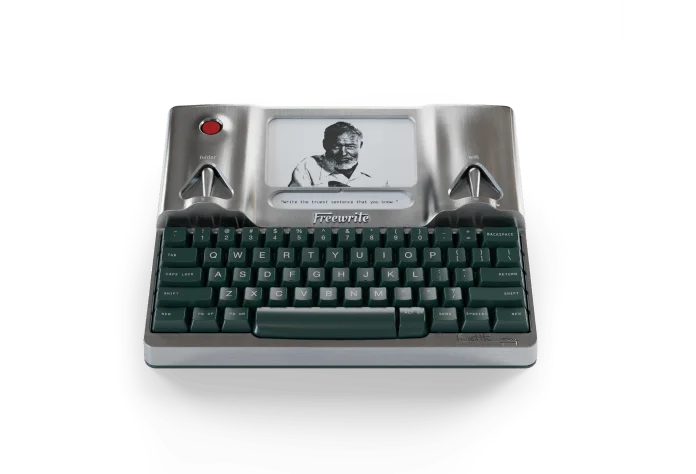
The keyboard is superb, the screen gives me several lines of text to work with, and the storage is enormous. I can pick it up and move away from my desk, the iMac, the phones, and all interruptions.
I take it with me on trains. When I used to carry my super-pretty and lightweight MacBook Air, I sometimes managed three hundred words on the journey up to London. It’s a two-hour (or more) trip each way. The first time I took the Freewrite, I managed over three thousand words. Yes, a ten times improvement.
I have been told I’m a fool for spending so much on a “typewriter.” That I could have bought a computer that would have done so much more. And that is when I smile condescendingly — because people who say that have no idea.
At home I have a screwdriver, which is roughly okay for most screws. If I was a watchmaker, I would have a set of screwdrivers, of all different sizes. I would want precise sizes specific to the screws I had to deal with.
As an author, I write novels of a hundred and twenty thousand words or more. I do not want and do not use spreadsheets. I don’t need presentation software. What other software would these multi-purpose computers offer me? Email? Social media? I have a phone for them.
Instead, Freewrite leaves me free to create.
A Tool for Professional Writers
On Freewrite, I can write for hours without tiring with that marvellous screen and superb keyboard. I can carry it around without worrying about the battery. It sits comfortably on my lap when I need it, but it works happily on a table, too. The keys are always in the right position, and without the laptop's heavy glass screen, it never feels like it might overbalance.
In short, for me as a professional writer, the very best tool I can use for creating my books is the Freewrite. And now, after six years of creating books on it, it is still functioning perfectly. The keyboard is not needing replacement and still feels as fresh as the day I bought it.
Can I edit on it? No! Nor do I want to. Instead I can create worlds, characters, plots, and do so for hours, no matter where I am.
It is still the very best tool because it is designed specifically for the one task — and at that it excels.

READ MICHAEL'S FIRST BOOK, THE LAST TEMPLAR.
--

Michael Jecks is the best-selling author of over 40 novels, including the internationally popular Templar series. He is a member of the Society of Authors and Royal Literary Society, the Crime Writers' Association, and the Detection Club, and has been on the judging panel for many industry awards. His own books have been shortlisted for prizes such as the Harrogate prize and Theakstons Old Peculier Crime Novel of the Year Award — a rare accolade for a medieval novel.
Michael lives, walks, writes, and paints in North Dartmoor, UK.