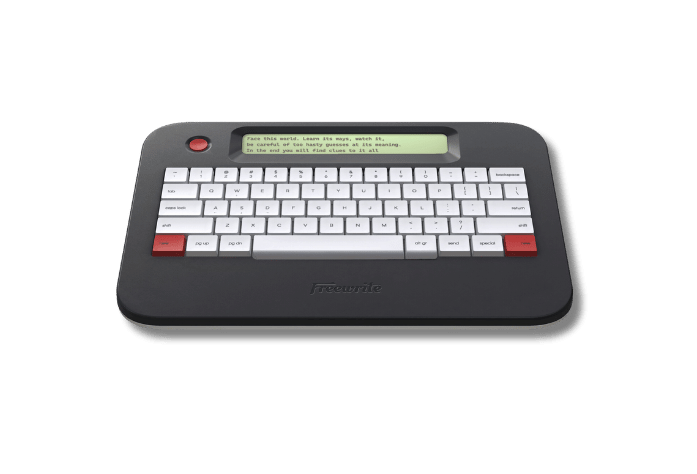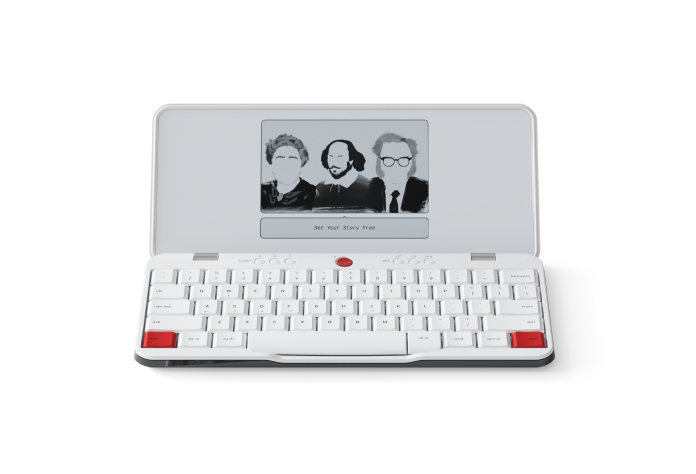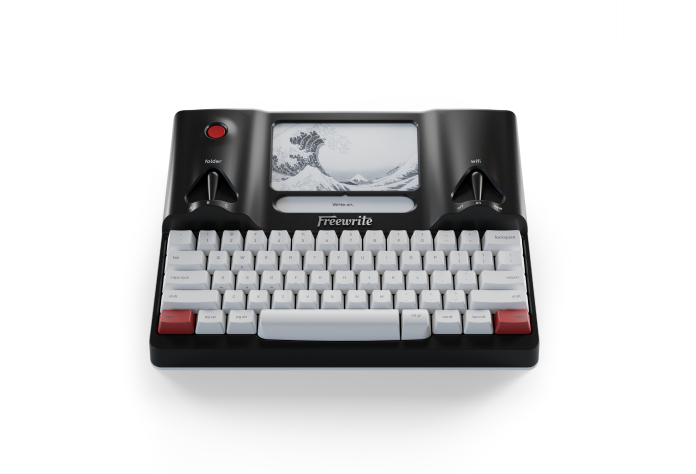

“I’m a writer. So why am I not writing?” As writers, we’re known for our love-hate relationship with our craft. After all, who hasn’t settled down to write, only to feel the urgent need to wash the dishes or google an obscure urban legend — or do literally anything else — immediately.
We get it. Words ARE hard. But they’re fun and fulfilling, too. And arguably one of the most instrumental aspects of human existence. That’s why you love to write. And that’s why we’re dedicated to creating distraction-free drafting tools to make writing easier.
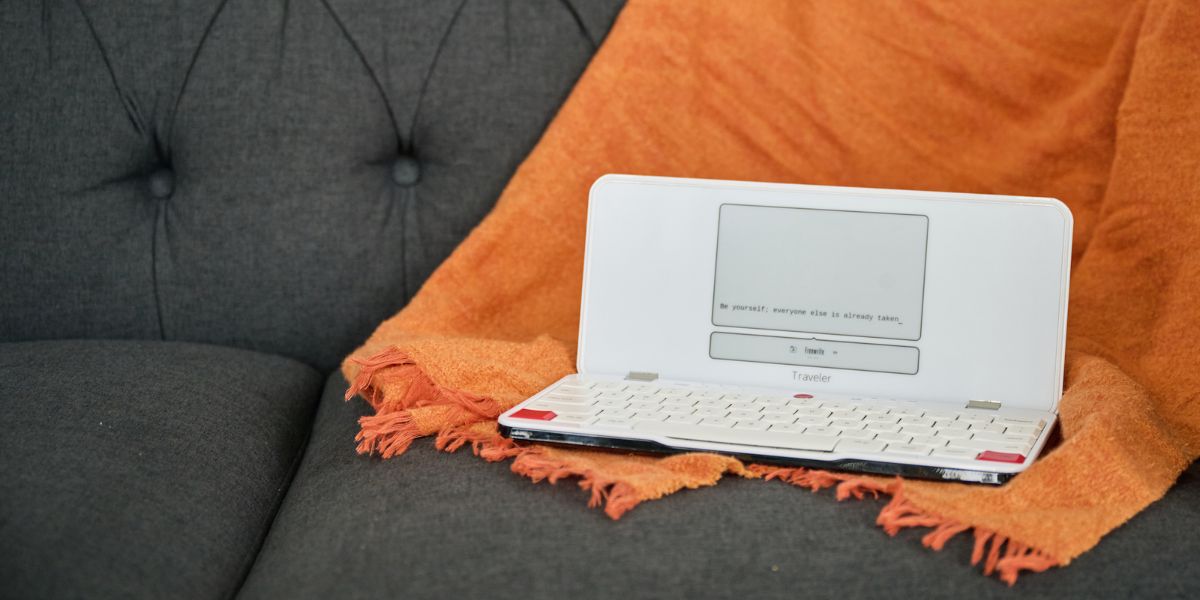
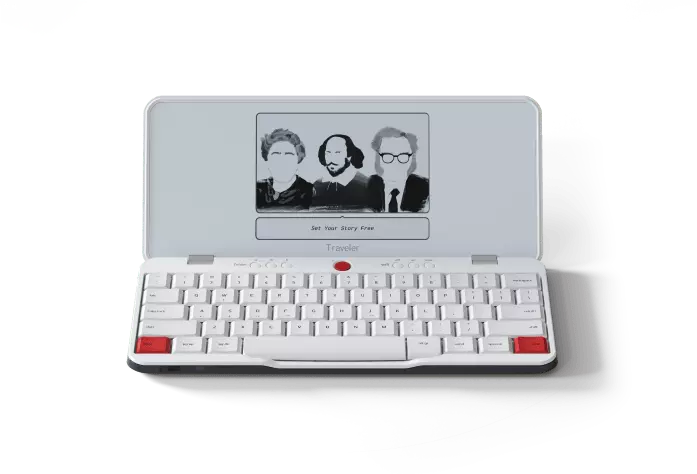
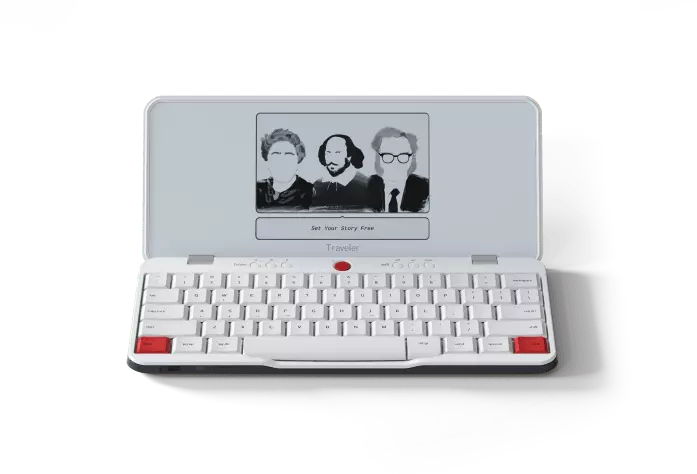
But what do you do when inspiration is nowhere to be found? When your muse is on vacation? When you open Traveler and stare at a blank screen?
That’s easy. You pick up the latest addition to your Freewrite arsenal: the Words Are Hard deck.

What Is It?
Words Are Hard is a curated collection of thought-provoking writing prompts designed to make you put down the remote control, or whatever the distraction of the day is, and get writing. Having a clear, simple, creative prompt is the easiest way to overcome the first, and hardest, obstacle of writing: getting started.
Each deck comes with:
- 150 prompts across 8 writing genres
- Beautiful matte black case with gold foil accents and stunning genre illustrations by Matt Pamer (You’re going to want to hang these on your wall.)
- A custom embossed wooden block stand to display the prompt you’re currently using
Crafted with care and precision, each card is a work of art. The durable, high-quality material ensures a smooth shuffle and a long-lasting companion for your creative endeavors. Let the cards inspire you for years to come.
A unique aspect of this deck is that the prompts span different genres, so that you can explore every corner of your imagination. Are you a Romance author? We highly recommend trying a prompt from the Science Fiction category to dig deeper into your creativity. Do you usually write Horror? Pick a prompt from the Children’s category to give your thinking muscles a new challenge.

How To Use The Deck
The Words Are Hard deck is designed to be easy to use and adaptable to your personal needs. Just follow these steps to get started:
- Choose: Find a prompt that resonates with you. Choose a card that tickles your fancy, or close your eyes and let fate be your muse!
- Set aside distractions: Find a comfortable space where you can focus, away from any noise or disturbances.
- Set goals: Decide on a word count goal or length of time for this prompt. If you're unsure where to start, set a 10-minute timer and write until it ends.
- Write: Start writing without worrying about perfect sentences or grammar. Let your imagination roam, exploring unique interpretations of the prompt. Let your ideas flow freely onto the paper or Freewrite screen. Avoid editing during this stage.
- Stay free: Remember, the purpose of the writing prompt is to nurture creativity and generate new ideas, so don't be afraid to experiment, take risks, and explore the depths of your imagination! Let the prompt lead you into unexpected areas, whether it's a new protagonist, a wild plot twist, or a powerful emotion.
- Finish & Reflect: How do you feel? Is your imagination alert, the creativity flowing? Keep writing if you're in the zone! Or change gears to whatever WIP (Work in Progress) you’ve got going on. If you’re looking for ideas for a new project, review what you've written and look for ideas or storylines that may be worth exploring.
- Repeat: Next time you need a creative kickoff, pick another prompt! Try a different genre for a challenge.
Here are a few tips for exciting deeper creativity:
- Experiment with different perspectives.
- Blend genres and topics (pick 2 prompts and blend them!).
- Engage the senses (and imagine what’s happening with each of your character’s 5 senses).
- Commit to the full writing session to practice smashing through distractions and writer’s block.
Whether you’re a seasoned veteran of the industry or a budding novelist, a hardcore journalist or a subway poet, the Words Are Hard deck will get your fingers flying and the creative juices flowing in no time. It’s up to you where you go from there!
Make Words Easier
The Words Are Hard pack is a fantastic gift for the writers in your life. It also makes a wonderful group activity for writers. Or, keep a copy of the deck on your desktop for easy access when writer’s block hits.
With the Words Are Hard deck, every shuffle sparks a new story, a fresh idea, and a burst of imaginative energy! Get your set here.