overlaylink

Stop Looking At Memes About Art & Actually Make Art: Advice From Writer Shannon Liao

Annie Cosby
August 22, 2025 | 3 min read

Most of us are surrounded by screens all day. To get your writing done, take writer Shannon Liao's advice and unplug.

We recently ran a promotion for Ernest Hemingway's birthday, and we're excited to introduce the winner!

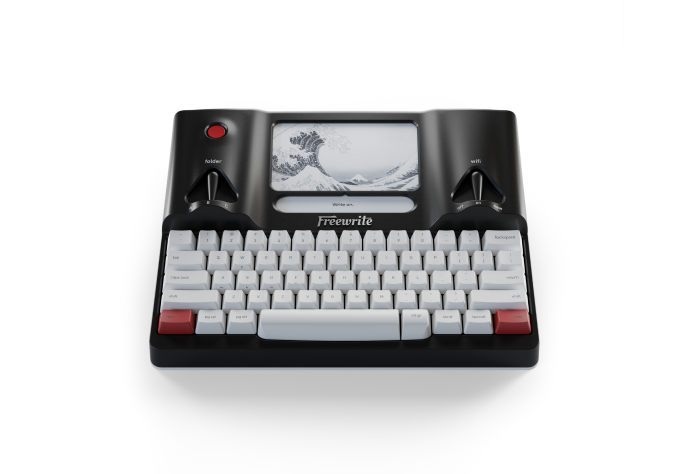
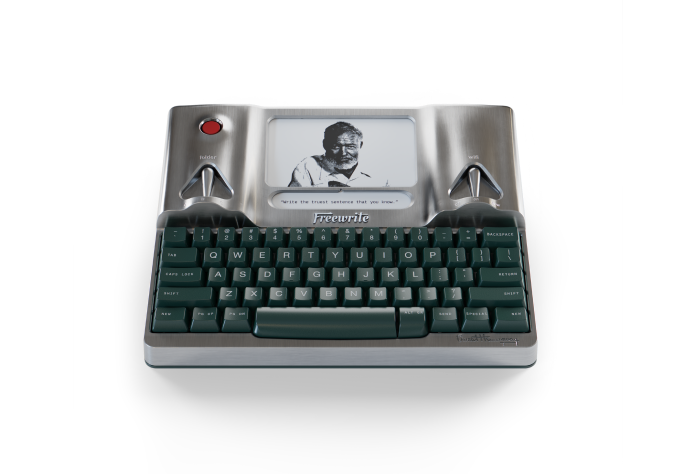
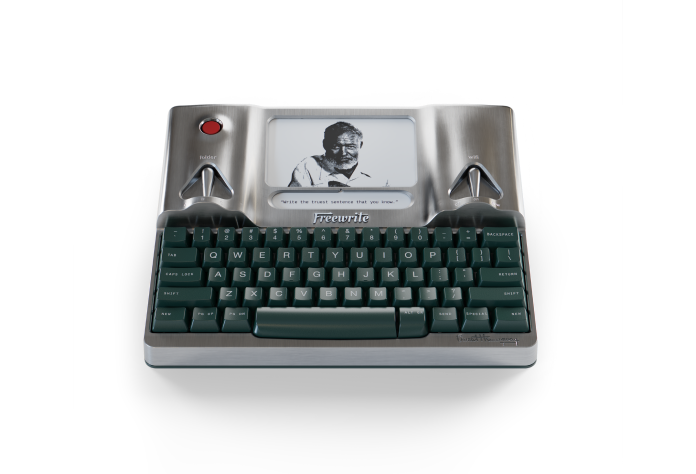
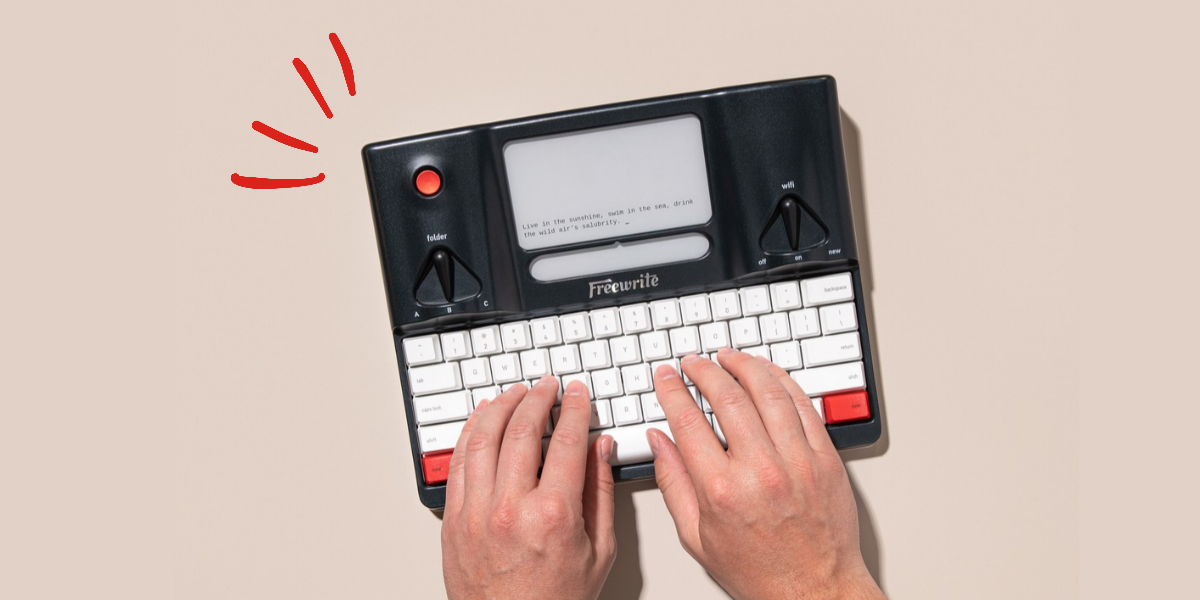
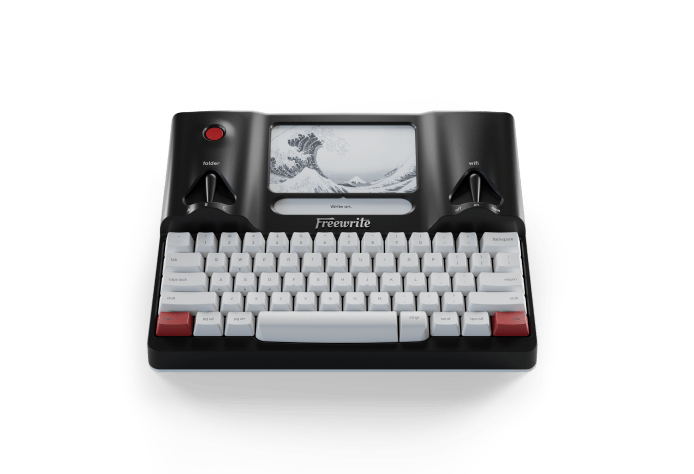
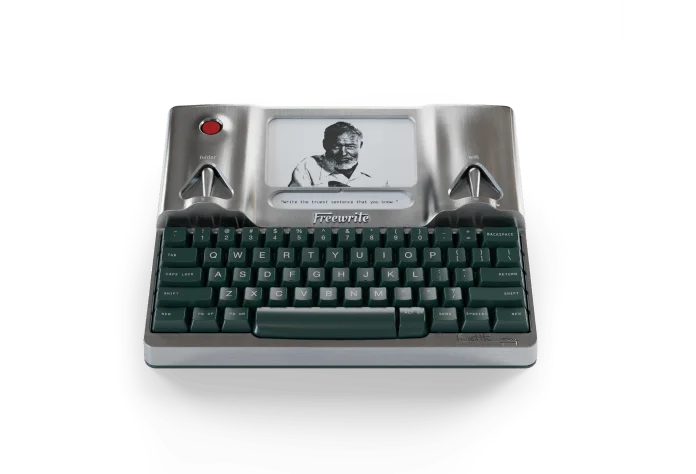
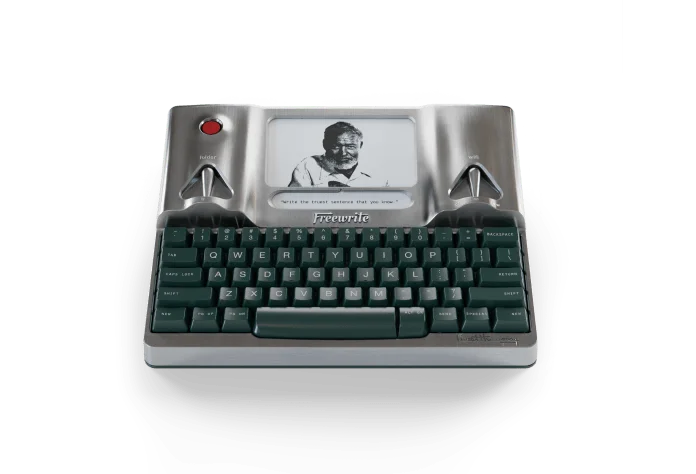
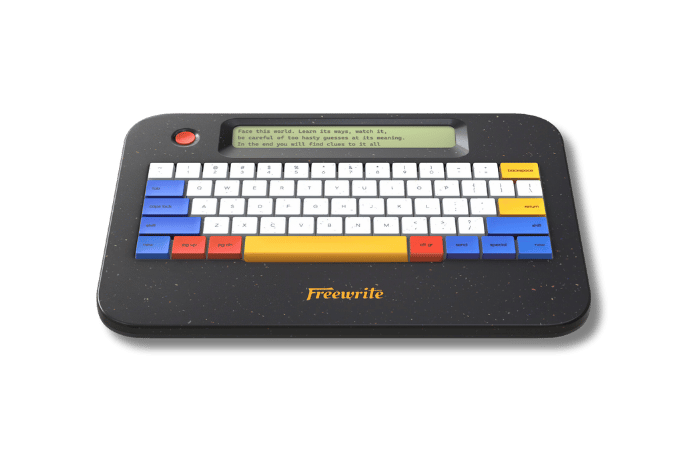
Video games journalist and editor Shannon Liao received her Hemingwrite absolutely free. And with the amount of writing she does, she needs it!

Not only does she work professionally as a write and editor, she also does freelance writing and works on her novel in her spare time.

We sat down to chat about her writing process and why Freewrite devices help her get all the writing done.

ANNIE COSBY: What do you write?

SHANNON LIAO: I'm a video games journalist and editor by day, aspiring novelist by night.

Some of my favorite writers include Min Jin Lee, Liu Cixin, Ken Liu, and F. Scott Fitzgerald. The novel I’m working on follows this sort of literary tradition.

AC: That's so cool. And you do such different types of writing. Is your writing process static and strict, or different with every kind of piece?

SL:Β My writing process involves temporarily surrendering any higher expectations for what the piece should be, or what quality it should reach, and then bluntly working towards a first draft.

Then, I polish the draft repeatedly until it reaches a more presentable state.

Sometimes, if I’m stuck, I try to tackle the story from different moments, until it’s closer to what I envisioned.

My writing process involves temporarily surrendering any higher expectations for what the piece should be, or what quality it should reach, and then bluntly working towards a first draft.

AC: Where do you like to write?

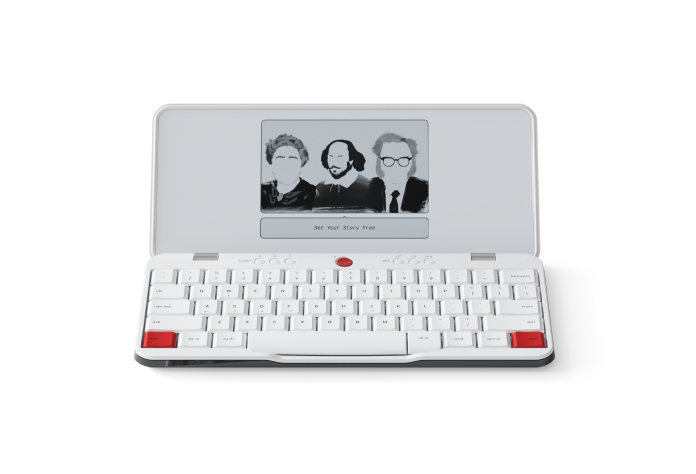
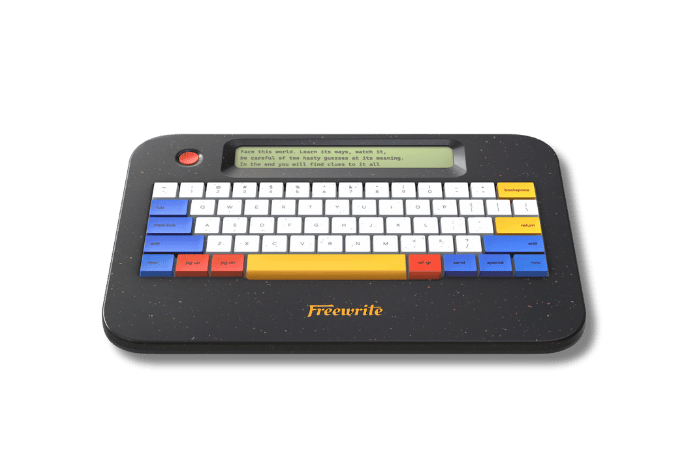
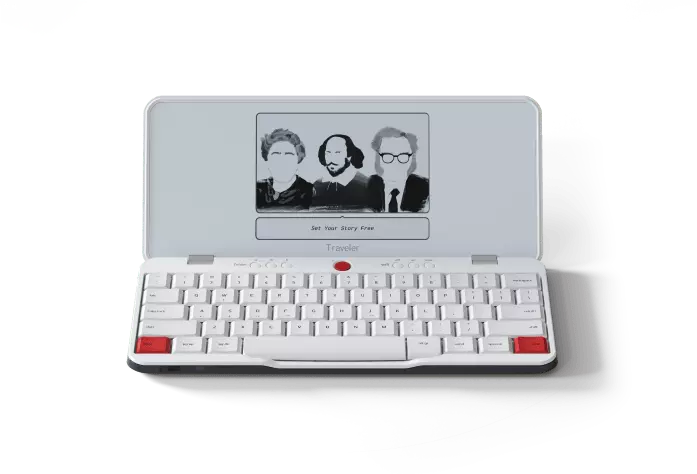
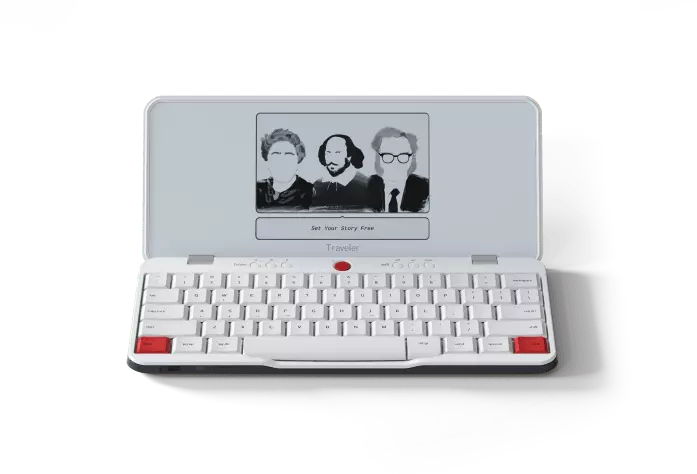
SL:Β I used to go to a local NYC cafe every weekend with a Freewrite Traveler and the barista/aspiring poet would stop by to ask how my work was going.

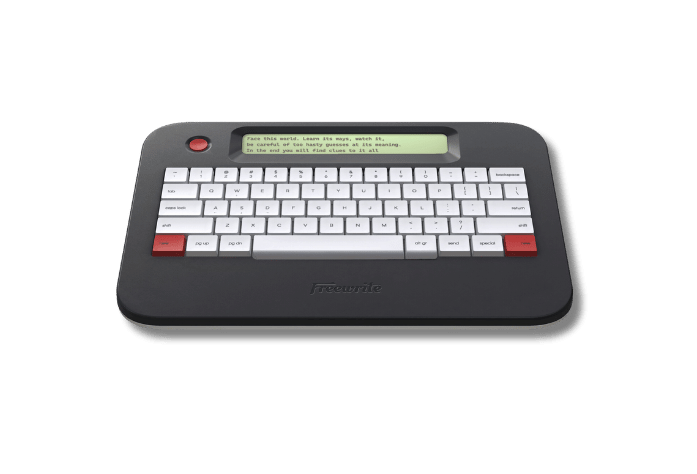
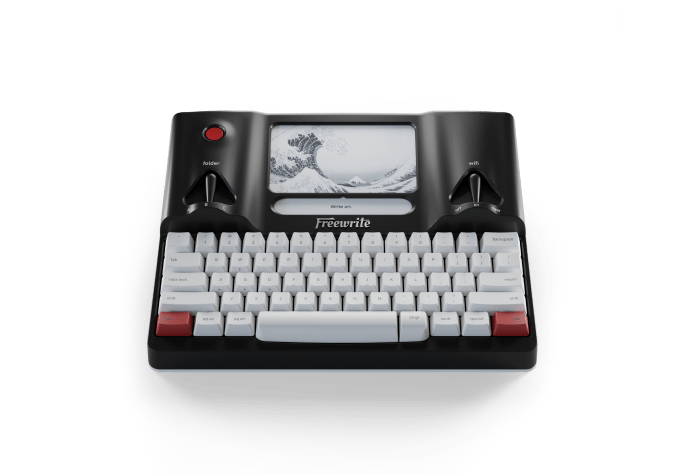
Now, I take Hemingwrite to an NYC library, and people slow down their leisurely strolls to catch a look at this almost-typewriter from another era. It seems to capture their imagination.

AC: That's so awesome. So what attracted you to Freewrite devices?

SL:Β In this digital age, I’m surrounded by screens, and my work requires them, so it’s hard to unplug.

When you’re surrounded by distractions, it’s so easy to put off writing, to say you just need to research one more thing, or look up a good self-motivating meme about making art, instead of just doing the work.

With a Freewrite device, there’s no surfing the web, and therefore, there are no cheap excuses.

With a Freewrite device, there’s no surfing the web, and therefore, there are no cheap excuses.

AC: Where can people find your work?

SL:Β  My favorite thing I've written so far, is myΒ Washington Post report on Diablo 4 and the labor conditions that it was made under. We were able to commission custom art for it, and it was the culmination of months of investigative reporting.

On the fiction side of things, I wrote a short story for The Verge about a burgeoning young romance aided by technology.

AC: And where can people follow you?

SL:Β  My monthly newsletter at shannonliao.substack.com gives updates on my latest work.

My Bluesky handle is shannonliao.bsky.social and my Twitter handle is Shannon_Liao. On Instagram, I’m @shannon.liao.

Before you go, here's a motivating Hemingway meme about making art:

April 15, 2026 4 min read

Break up with Final Draft for good. Get the best screenplay workflow in Hollywood: Freewrite + Highland Pro.

April 01, 2026 0 min read
March 22, 2026 3 min read

If you're new here, freewriting is β€œan unfiltered and non-stop writing practice.” It’s sometimes known as stream-of-consciousness writing.

To do it, you simply need to write continuously, without pausing to rephrase, self-edit, or spellcheck. Freewriting is letting your words flow in their raw, natural state.

When writing the first draft of a novel, freewriting is the approach we, and many authors, recommend because it frees you from many of the stumbling blocks writers face.

This method helps you get to a state of feeling focused and uninhibited, so you can power through to the finish line.

How Freewriting Gives You Mental Clarity

Freewriting is like thinking with your hands. Some writers have described it as "telling yourself the story for the first time."

Writing for Inside Higher Ed, Steven Mintz says, β€œWriting is not simply a matter of expressing pre-existing thoughts clearly. It’s the process through which ideas are produced and refined.” And that’s the magic of putting pen to paper, or fingertips to keyboard. The way you learned to ride a bike by wobbling until suddenly you were pedaling? The way you learned certain skills by doing as well as revising? It works for writing, too.

The act of writing turns on your creative brain and kicks it into high gear. You’re finally able to articulate that complex idea the way you want to express it when you write, not when you stare at a blank page and inwardly think until the mythical perfect sentence comes to mind.

Writing isn’t just the way we express ideas, but it’s how we extract them in the first place. WritingΒ is thinking.

Or, as Flannery O'Connor put it:

β€œI write because I don't know what I think until I read what I say.”

Writing isn’t just the way we express ideas, but it’s how we extract them in the first place. WritingΒ is thinking.

Β 

Freewriting to Freethinking

But how and why does it work? Freewriting makes fresh ideas tumble onto the page because this type of writing helps you get into a meditative flow state, where the distractions of the world around you slip away.

Julie Cameron, acclaimed author ofΒ The Artist’s Way, proposed the idea that flow-state creativity comes from a divine source. And sure, it certainly feels like wizardry when the words come pouring out and scenes seem to arrange themselves on the page fully formed. But that magic, in-the-zone writing feeling doesn’t have to happen only once in a blue moon. It’s time to bust that myth.

By practicing regular freewriting and getting your mind (and hands) used to writing unfiltered, uncensored, and uninterrupted, you start freethinking and letting the words flow. And the science backs it up.

According to Psychology Today, the dorsolateral prefrontal cortex goes quiet during flow state. This part of the brain is in charge of β€œself-monitoring and impulse control” – in other words, the DLPFC is the tiny home of your loud inner critic.Β And while that mean little voice in your head takes a long-overdue nap, you’re free to write without doubt orΒ negative self-talk.

β€œWith this area [of the brain] deactivated, we’re far less critical and far more courageous, both augmenting our ability to imagine new possibilities and share those possibilities with the world.”

Freewriting helps us connect with ourselves and our own thoughts, stories, beliefs, fears, and desires. But working your creative brain is like working a muscle. It needs regular flexing to stay strong.

So, if freewriting helps us think and organize our thoughts and ideas, what happens if we stop writing? If we only consume and hardly ever create, do we lose the ability to think for ourselves? Up next, read "Are We Living through a Creativity Crisis?"

Β 

Learn More About Freewriting

Get the ultimate guide to boosting creativity and productivity with freewriting absolutelyΒ free right here.You'll learn how to overcome perfectionism, enhance flow, and reignite the joy of writing.

SYSF-book-mockup.webp