How does a USA Today bestselling author use Freewrite?
Chelsea Conradt takes us inside her writing process.

Every woman who has lived on this farm has died. Emily just moved in.
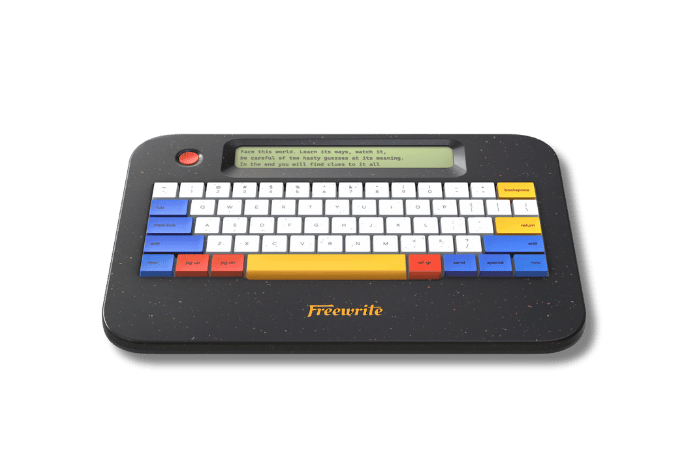
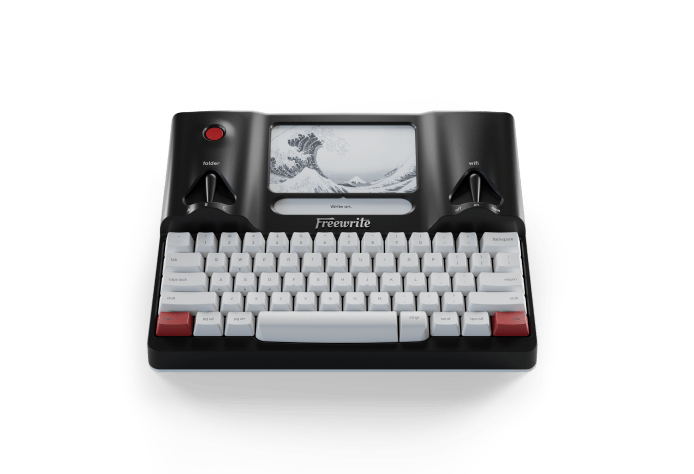
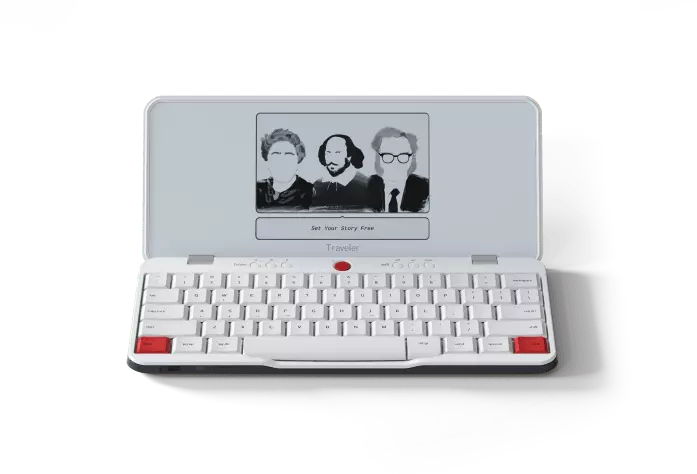
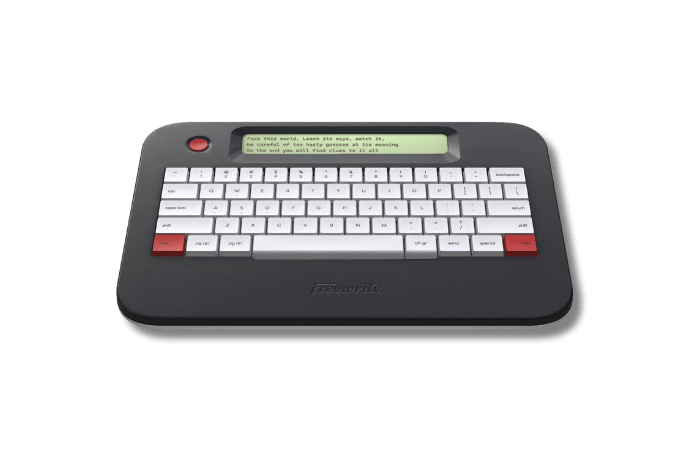
So begins the pitch for Texas writer Chelsea Conradt's adult thriller debut, The Farmhouse, which she wrote on her Freewrite Traveler.
Readers can rest assured the book is just as good as the pitch because The Farmhouse is now officially a USA Today bestseller!
We sat down with Chelsea to discuss her writing process and her publishing journey thus far.

ANNIE COSBY: What does your writing process look like?
CHELSEA CONRADT: I like to think of myself as a "tentpole" writer.
I come into a story knowing where we start, where we end, and a handful of pivotal moments in the book.
Then it's time to write and I discover how those key scenes connect while I'm drafting.
"I come into a story knowing where we start, where we end, and a handful of pivotal moments in the book."
AC: Interesting. I haven't heard that term before. So how does Freewrite factor into that process?
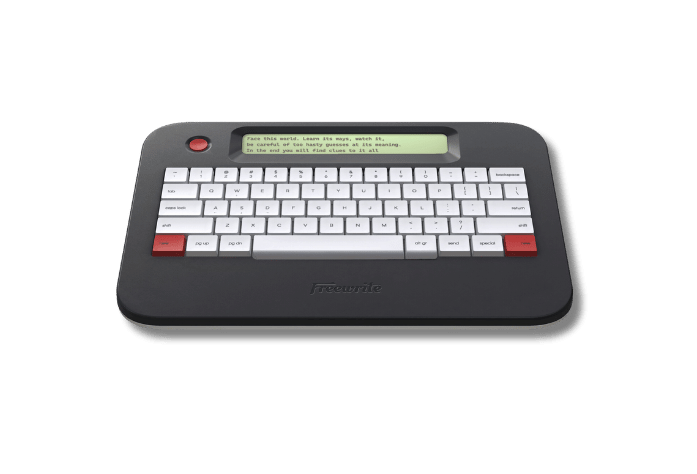
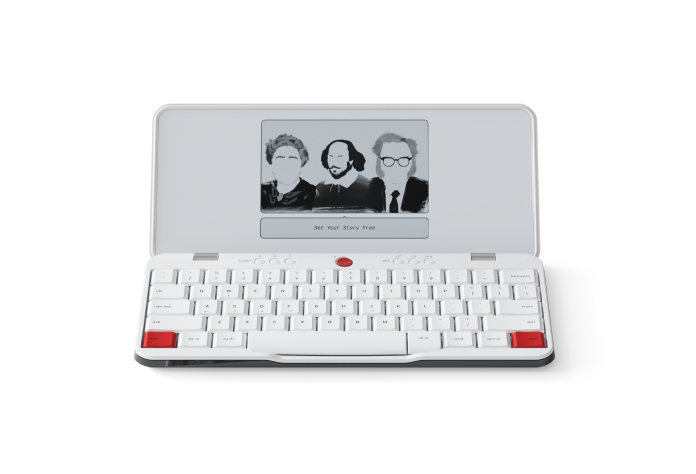
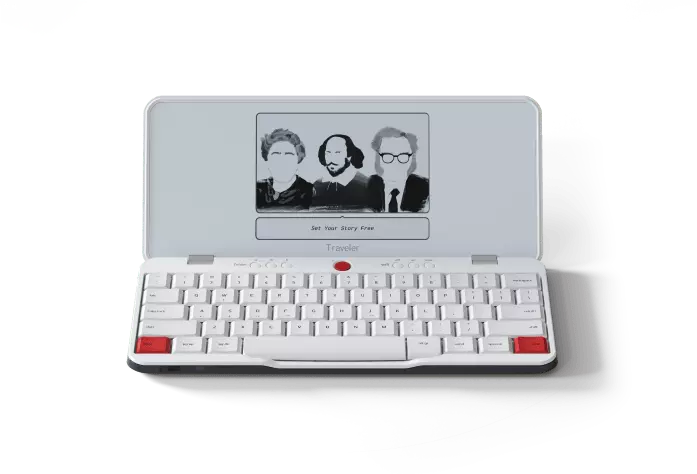
CC: Freewrite makes me so much faster! I like to draft on my Traveler in the mornings — often at a coffee shop.
I find that if I'm on my laptop in the morning, it's too easy to get pulled away. Email pings in. Social media is right there. But when I open the Freewrite and pop in my earbuds, it's just me and the words.
"Freewrite makes me so much faster!"
And so I jam on my Freewrite in the mornings. I don't edit at all as I go. Just words and story and flow state goodness.
Then I grab the document from Postbox in the afternoon, and bring it into Scrivener where I clean up my inevitable typos (there will always be "teh" in my first go) and edit what I worked on in the morning. This process lets me draft quickly, but also cleanly.
"I don't edit at all as I go. Just words and story and flow state goodness."
AC: What a cool hybrid approach to pantsing and plotting. Is Traveler your favorite Freewrite device?
CC: Yes. If anyone else writes on airplanes, Traveler fits beautifully in the main cabin seats. No scares of the person reclining and crushing your laptop.
Though, at some point, a flight attendant will ask, "What is that darling thing?" and you'll have to explain. So bring bookmarks to promote your book, because if they're asking about your writing, they're a potential reader!
"But when I open the Freewrite and pop in my earbuds, it's just me and the words."

AC: How long did it take you to write The Farmhouse?
CC: I had the idea for The Farmhouse in April 2023, and once I had it I couldn't stop writing. I quickly worked on an initial proposal for the book (about 60 pages and a very detailed synopsis) and shared it with my agent.
We quickly went out on submission, and after a few months of me being the most patient person ever (haha), editors started to read and offer. I accepted the offer for The Farmhouse from the wonderful team at Poisoned Pen Press/Sourcebooks in December 2023.
The book was due April 1 of 2024. We edited over the summer of 2024, and The Farmhouse released on June 17, 2025!
AC: That's really fast, in publishing terms. How has your publishing journey been so far?
CC: I've been fortunate to have an editor who gets my goals for each book. So the experience has been lovely.
I was delighted to get to have interior art created for the book. We have art on the inside cover and character art on the first page. The first time I saw these drawings, my mind was blown. It was as if the artist, Simon Mendez, had plucked the images straight from my mind.
Both indie bookstores and Barnes & Noble have been supportive of The Farmhouse and enthusiastic to share and recommend. The horror and thriller communities are being kind to a crossover novel.
And on release day, I met a reader who told me The Farmhouse was the book they needed right now.
This journey has been a dream, and I'm thoroughly excited to keep writing new stories.
"And on release day, I met a reader who told me THE FARMHOUSE was the book they needed right now."

Want to read The Farmhouse?
Chelsea's adult thriller debut is available in paperback, ebook, and audio from all the usual places: your indie store, Barnes & Noble, Amazon, Audible, Libro.fm, and others.
Find all the links at chelseaconradt.com.
Image Credits
All photography in this piece was done by Kimber Williams at Kimber Photo Co.