overlaylink

Writing For Equality: An Interview with Dr. Tony Malone

Annie Cosby
May 19, 2023 | 3 min read

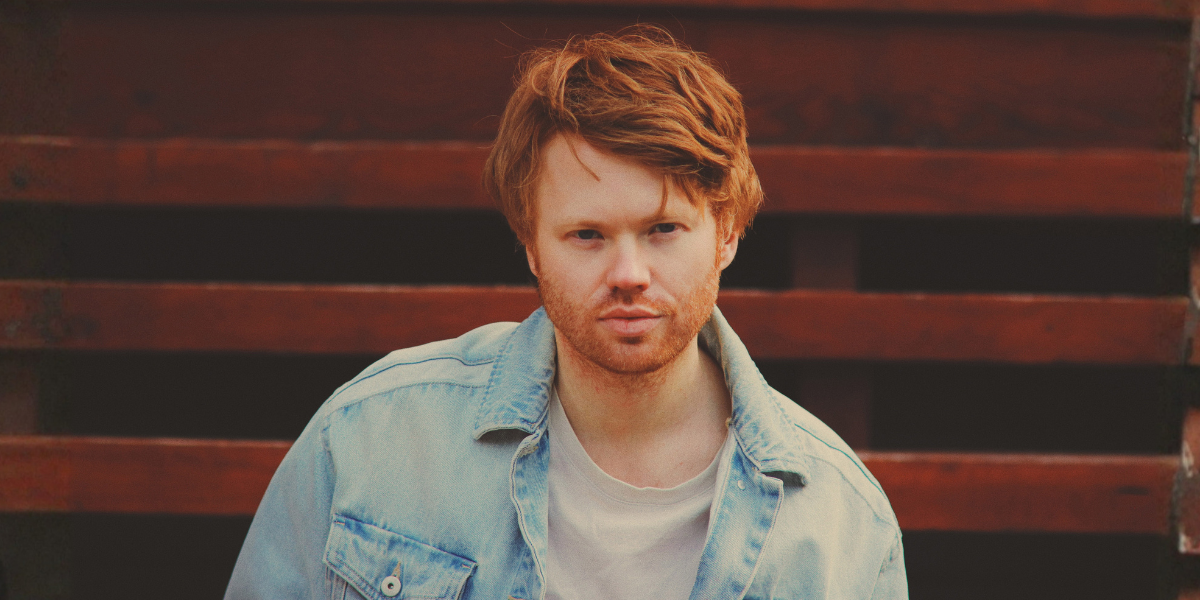
Dr. Tony Malone in his writing studio


We're proud to introduce you to Dr. Tony Malone, a writer, artist, and human rights campaigner in Ebbw Vale, an old mining town in the South Wales Valleys in the UK.

We sat down with Dr. Malone to chat about his work, especially the important books he's brought into the world, like The Diversity & Inclusion Glossary.

How would you describe your profession?

I use words, craft words, and define collaboratively in words the suffering of others and how we can stop this. I have worked as a writer, artist, and campaigner in the human rights space for over 20 years. I am honoured to be published and often speak out on inequality across the world.

What inspires your writing and your work in the LGBTQIA+ space?

I didn’t want to be a human rights, LGBTQIA+ rights, or a diversity and inclusion campaigner. I wanted to be a painter. However, two things happened: I studied Buddhism, and I discovered the inequality of the world.

I was fortunate to live nearby some of the greatest LGBTQIA+ campaigners in the UK, including Caroline Jones, Sue Sanders, Julie Newman, Clare Summerskill, and many more who kindly took the time to share the craft of peace activism, of social influence and change. I was invited to help draft the current equality laws in the UK and Europe, leading to my more recent work with LGBTQIA+ refugees in Uganda, Kenya, Myanmar, and Pakistan.

The suffering of all communities who are oppressed drives me to do more, to write more, and hopefully be an ally to all who face inequality. I am determined to leave this world in a better place than I found it, by fostering change and then getting out of the way for those who shape and make that change to create a better future.

The Diversity and Inclusion Guide

Why do you think The Diversity & Inclusion Glossary is important?

This project came as a suggestion from a publisher I previously worked with and my good friend Sue Sanders, who is the founder of LGBT+ History Month. We hit a point where terms, words, and meanings change, quickly. Where people who are well-meaning are struggling to not use offensive or outdated terms and had nowhere to go to.

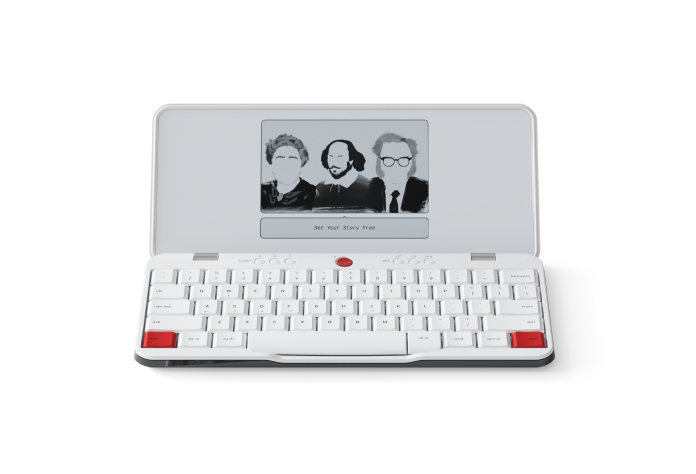
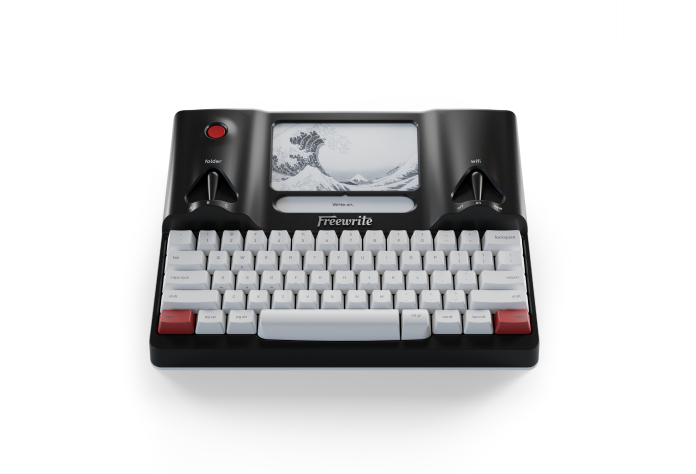
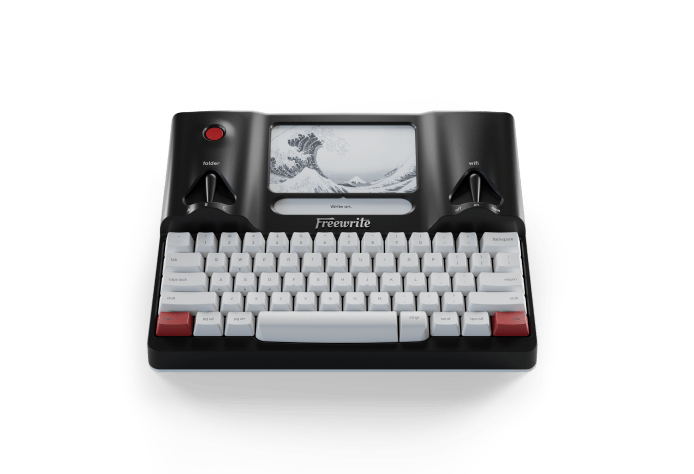
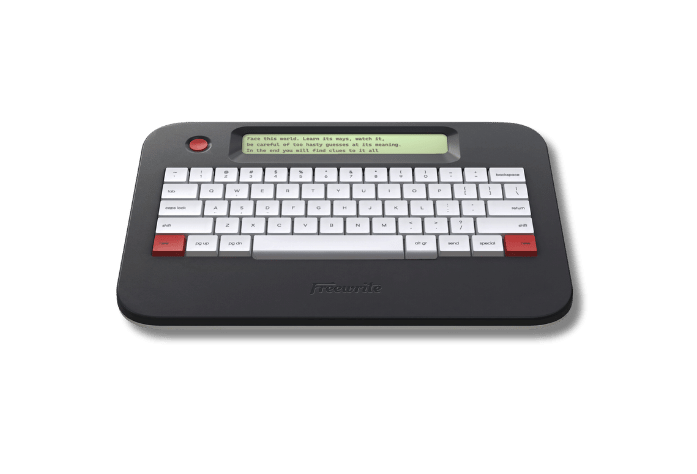
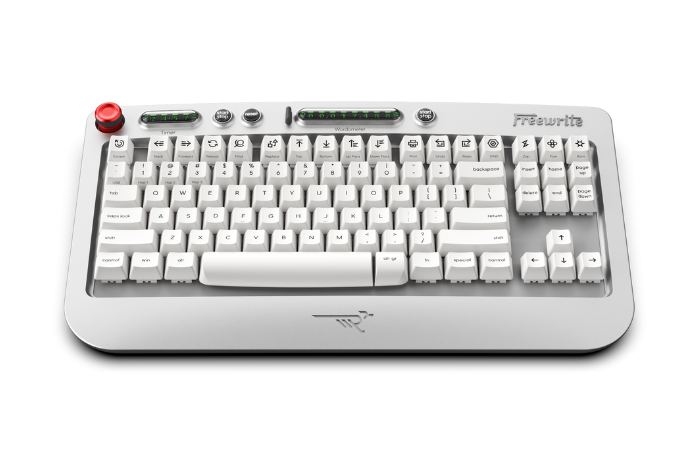
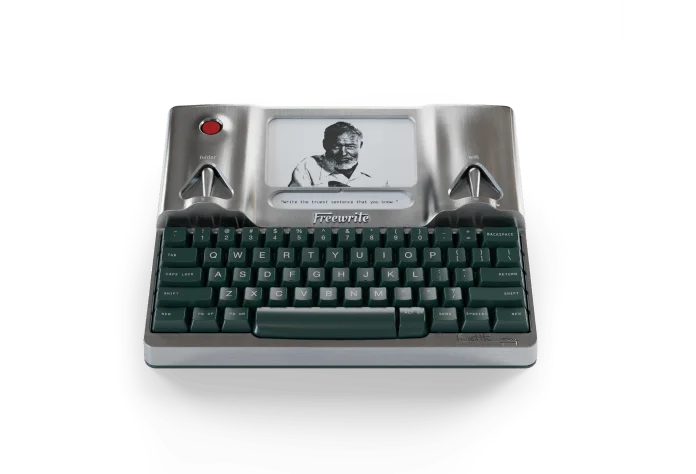
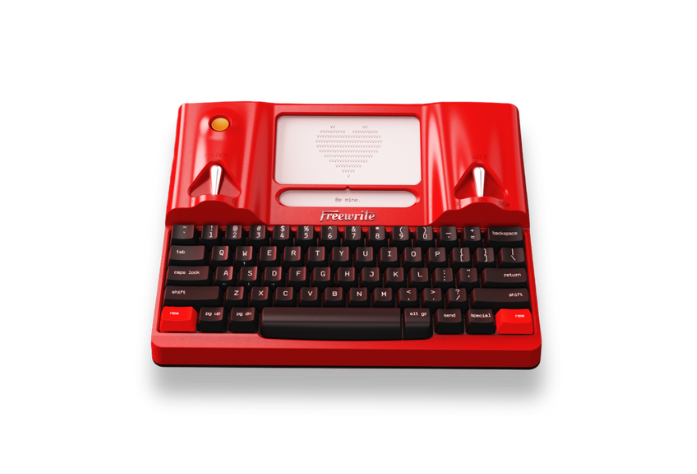
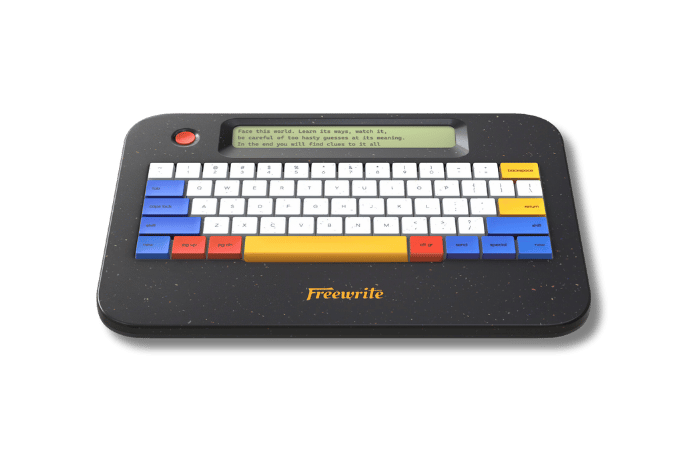
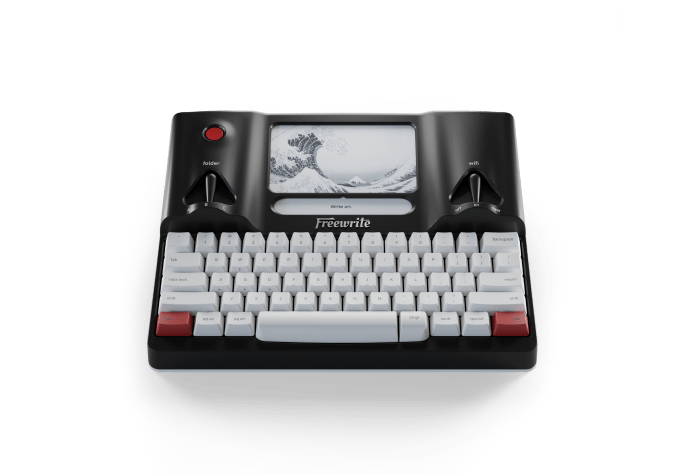
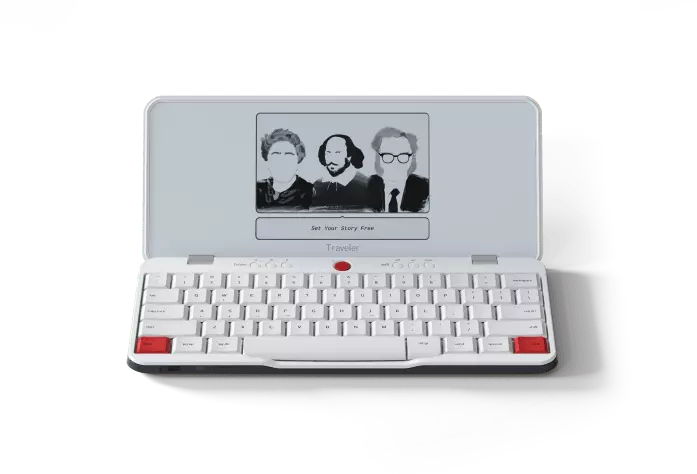
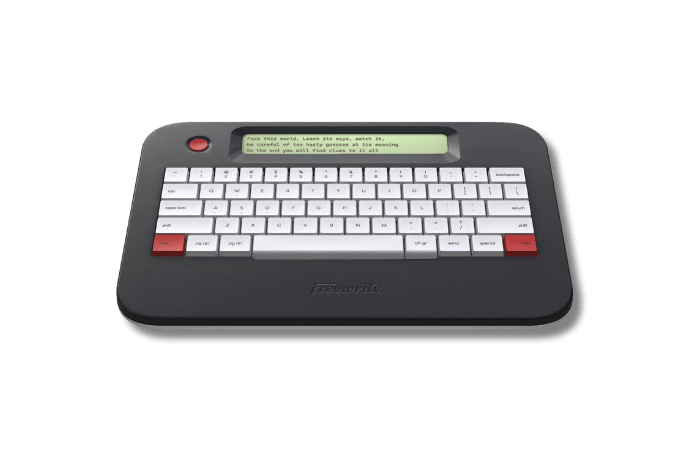
I called on fellow activists from across the western world, from all backgrounds and communities, and put together a working team of 220 people, each with slightly differing views on equality. The project when on for two years of discussions, meetings, changes, and eventually when I felt ready, I sat at my Freewrite and "just went for it"...

It has received great reviews, been copied online a lot (which is great), and an agreement that we widen this into other languages and editions in the future has been made. To date, the book has sold 43,000 copies — just since June 2022.

What other projects are you proud of?

I would also like to mention my most undersold book — ou know, the one I poured my heart and soul into, and it just sat there on the shelf… A natural wildlife book about birding, specifically the bird the Pied Wagtail. It is one of my most fun projects, it sold just over 200 copies, but I am proud of this as it was about a different area than I would usually write.

You've written 100K words on your Freewrite. Any tips for other writers with similar aspirations?

Make time, and then make that time precious. Ignore your friends, be anti-social, become a recluse and write. Listen to criticism when people read your draft, but don’t always act on it. Buy a hat, scarf, or some other costume that makes you feel like a great author and enjoy living that life.Never be afraid to be you, in person or word. (I am still learning this last one.)

Any fun facts about yourself that you'd like to share?

I was the official Tea Ceremony Master to HH the 14th Dalai Lama, and when I am not writing or working to resolve inequalities, I am usually out performing tea ceremonies and teaching young people mindfulness through tea in the Scouts or Guides.

--

Thank you so much, Dr. Malone, for sitting down with us to share your fascinating journey. You've done so much incredible work so far, and we know you've got more in mind!

Readers can learn more about Dr. Malone at http://tenzinla.com or follow him on Instagram or Twitter.
 

April 15, 2026 4 min read

Break up with Final Draft for good. Get the best screenplay workflow in Hollywood: Freewrite + Highland Pro.

April 01, 2026 0 min read
March 22, 2026 3 min read

If you're new here, freewriting is “an unfiltered and non-stop writing practice.” It’s sometimes known as stream-of-consciousness writing.

To do it, you simply need to write continuously, without pausing to rephrase, self-edit, or spellcheck. Freewriting is letting your words flow in their raw, natural state.

When writing the first draft of a novel, freewriting is the approach we, and many authors, recommend because it frees you from many of the stumbling blocks writers face.

This method helps you get to a state of feeling focused and uninhibited, so you can power through to the finish line.

How Freewriting Gives You Mental Clarity

Freewriting is like thinking with your hands. Some writers have described it as "telling yourself the story for the first time."

Writing for Inside Higher Ed, Steven Mintz says, “Writing is not simply a matter of expressing pre-existing thoughts clearly. It’s the process through which ideas are produced and refined.” And that’s the magic of putting pen to paper, or fingertips to keyboard. The way you learned to ride a bike by wobbling until suddenly you were pedaling? The way you learned certain skills by doing as well as revising? It works for writing, too.

The act of writing turns on your creative brain and kicks it into high gear. You’re finally able to articulate that complex idea the way you want to express it when you write, not when you stare at a blank page and inwardly think until the mythical perfect sentence comes to mind.

Writing isn’t just the way we express ideas, but it’s how we extract them in the first place. Writing is thinking.

Or, as Flannery O'Connor put it:

“I write because I don't know what I think until I read what I say.”

Writing isn’t just the way we express ideas, but it’s how we extract them in the first place. Writing is thinking.


Freewriting to Freethinking

But how and why does it work? Freewriting makes fresh ideas tumble onto the page because this type of writing helps you get into a meditative flow state, where the distractions of the world around you slip away.

Julie Cameron, acclaimed author of The Artist’s Way, proposed the idea that flow-state creativity comes from a divine source. And sure, it certainly feels like wizardry when the words come pouring out and scenes seem to arrange themselves on the page fully formed. But that magic, in-the-zone writing feeling doesn’t have to happen only once in a blue moon. It’s time to bust that myth.

By practicing regular freewriting and getting your mind (and hands) used to writing unfiltered, uncensored, and uninterrupted, you start freethinking and letting the words flow. And the science backs it up.

According to Psychology Today, the dorsolateral prefrontal cortex goes quiet during flow state. This part of the brain is in charge of “self-monitoring and impulse control” – in other words, the DLPFC is the tiny home of your loud inner critic. And while that mean little voice in your head takes a long-overdue nap, you’re free to write without doubt or negative self-talk.

“With this area [of the brain] deactivated, we’re far less critical and far more courageous, both augmenting our ability to imagine new possibilities and share those possibilities with the world.”

Freewriting helps us connect with ourselves and our own thoughts, stories, beliefs, fears, and desires. But working your creative brain is like working a muscle. It needs regular flexing to stay strong.

So, if freewriting helps us think and organize our thoughts and ideas, what happens if we stop writing? If we only consume and hardly ever create, do we lose the ability to think for ourselves? Up next, read "Are We Living through a Creativity Crisis?"


Learn More About Freewriting

Get the ultimate guide to boosting creativity and productivity with freewriting absolutely free right here.You'll learn how to overcome perfectionism, enhance flow, and reignite the joy of writing.

SYSF-book-mockup.webp