overlaylink

The Rising Need for Purposeful Tech

February 27, 2024 | 3 min read

In a world dominated by smartphones and constant connectivity, the team at Dumb Wireless is challenging the status quo. Co-founders William Stults and Daisy Krigbaum believe that excessive smartphone usage is not just a matter of convenience, but can have detrimental effects on our attention spans, productivity, and overall well-being.

Their mission is simple: to promote a healthier relationship with technology.

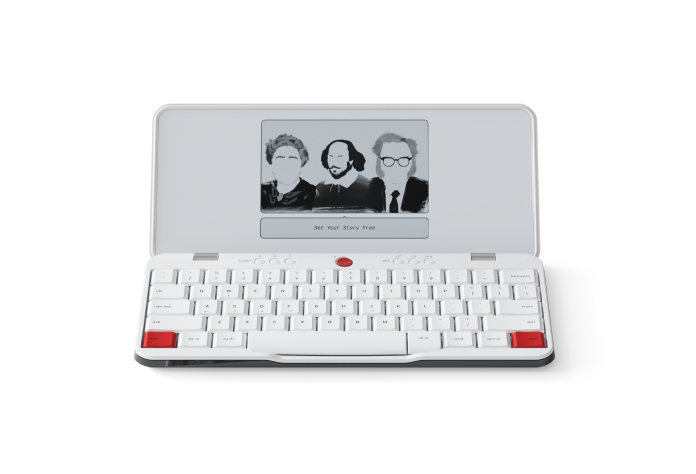
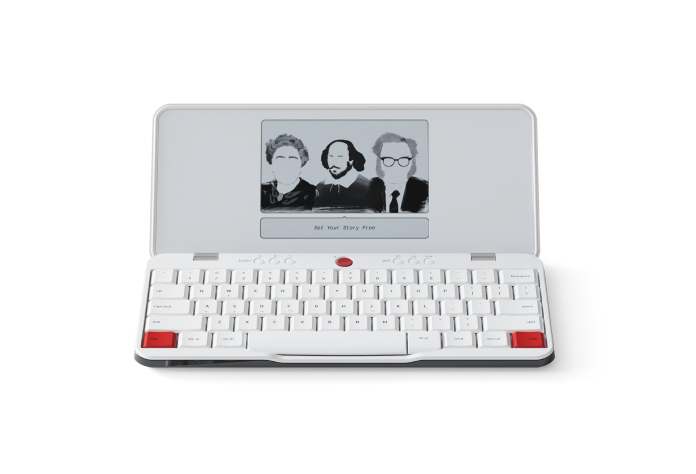
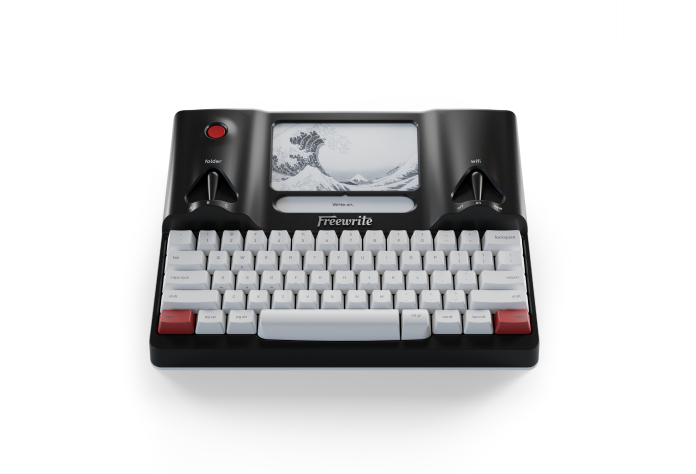
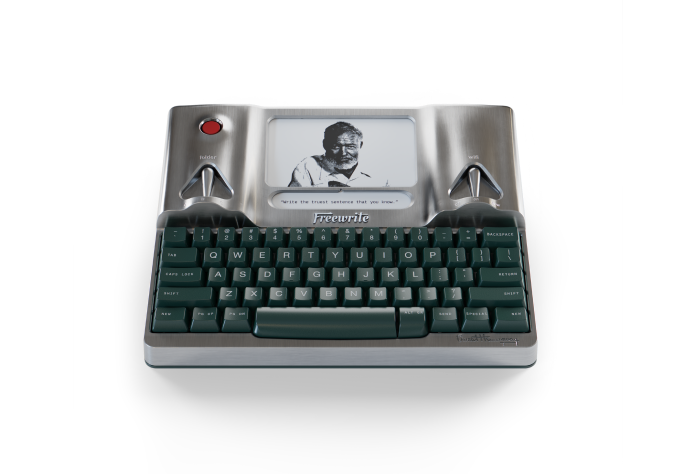
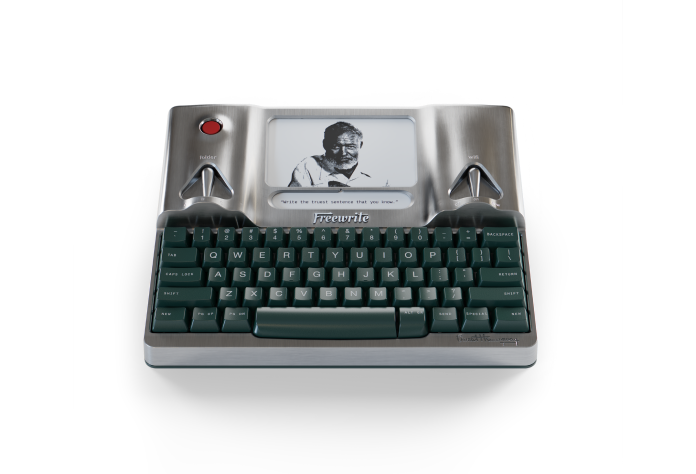
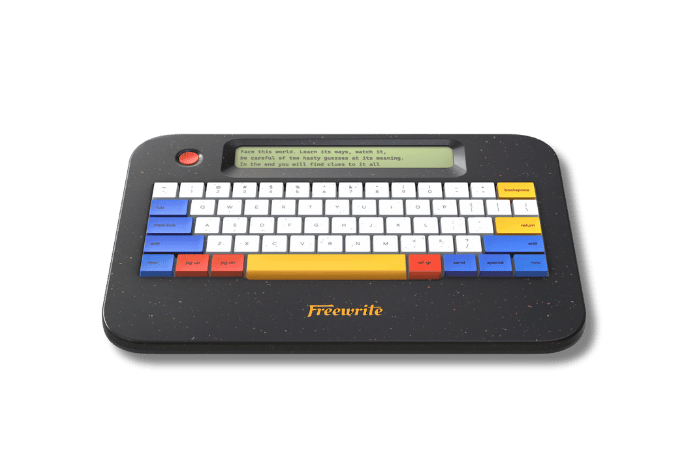
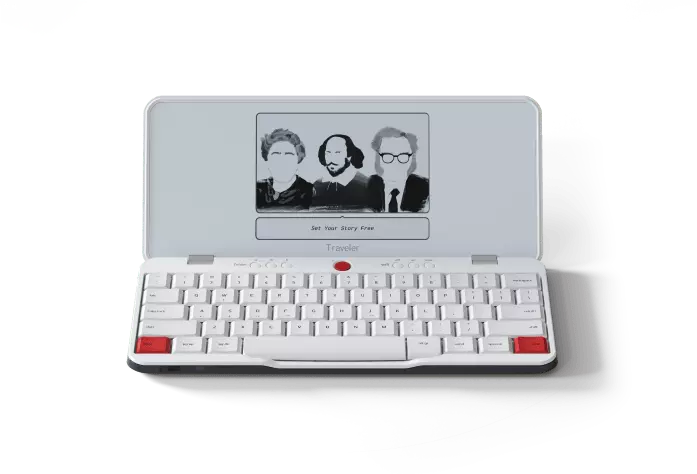
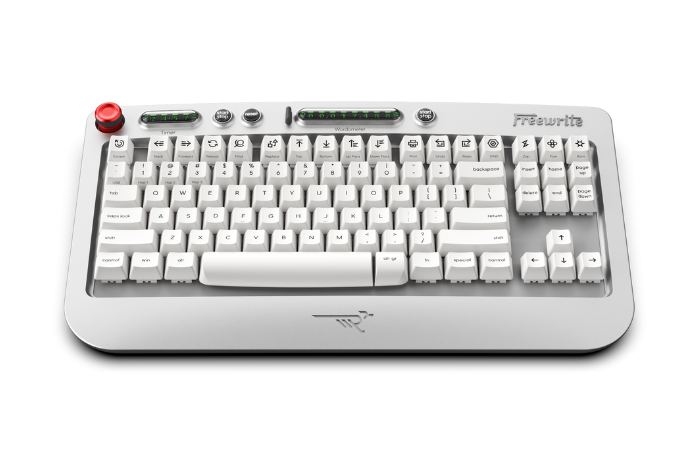
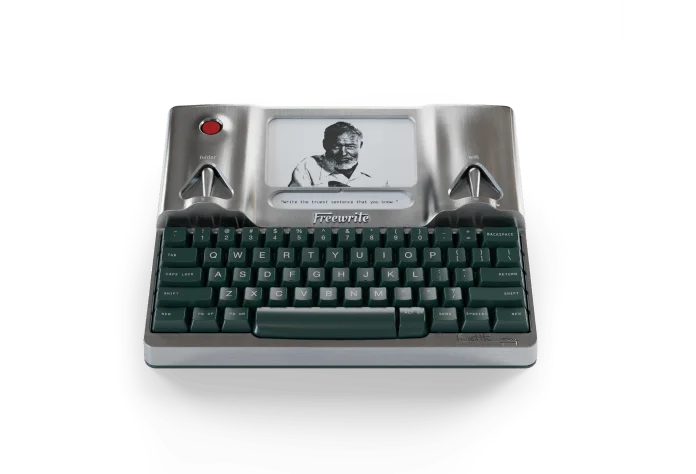
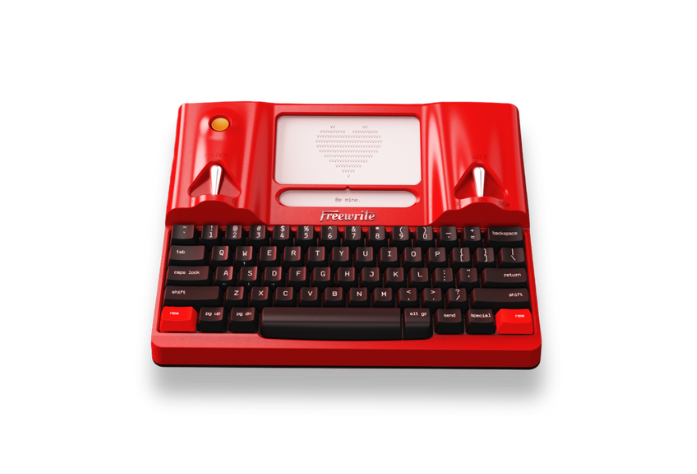
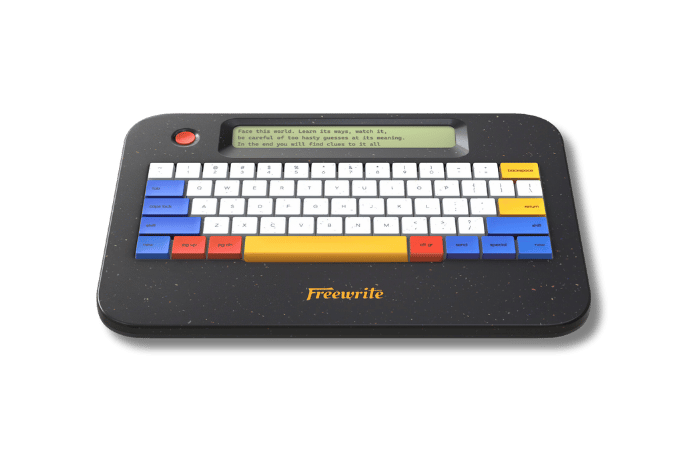
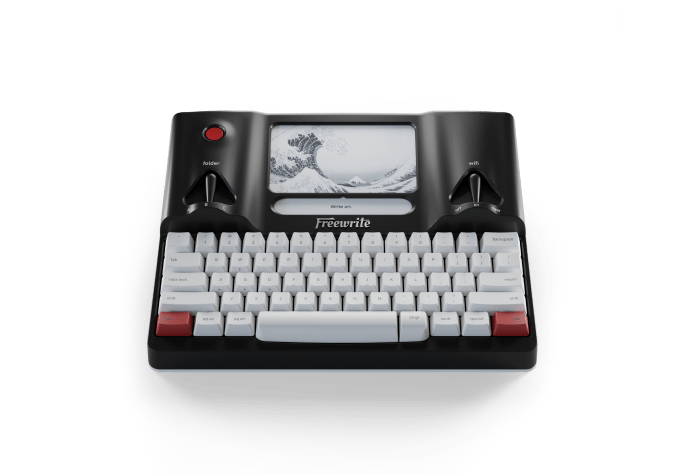
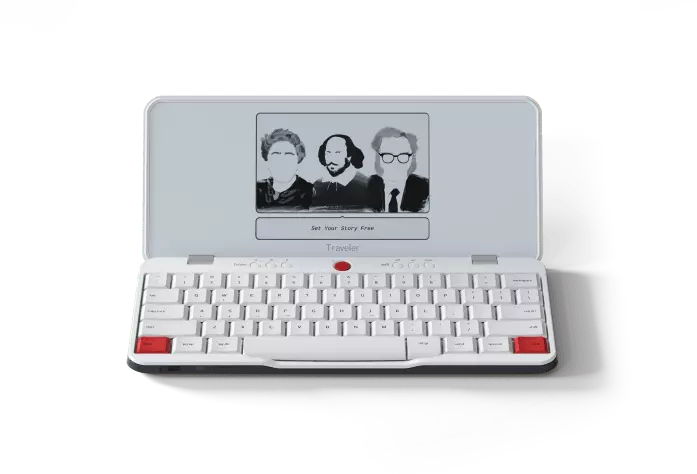
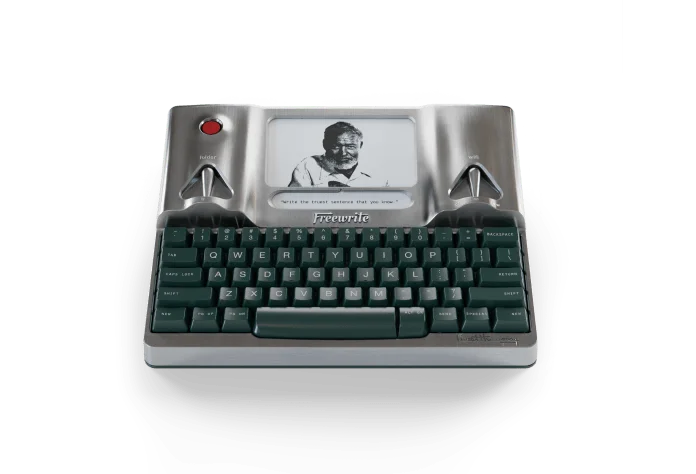
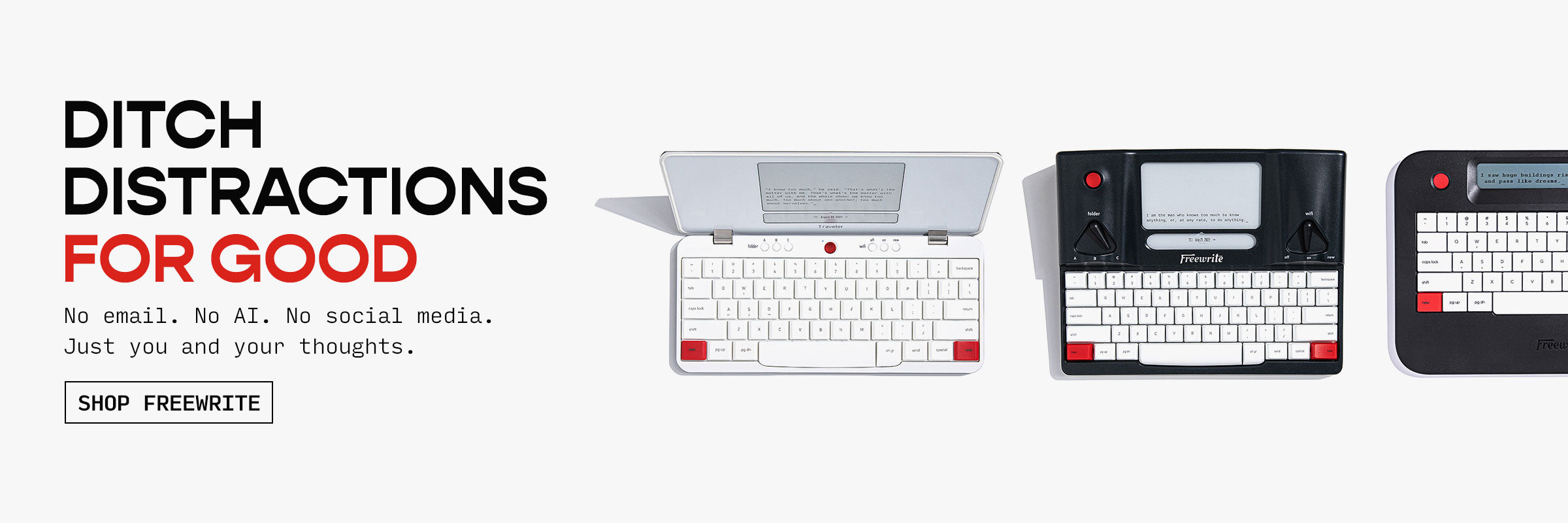
Recognizing the alignment in philosophy with Freewrite, Dumb Wireless now carries Traveler, offering another great tool for their customers to help foster focus and creativity in a sea of digital distractions.

We recently had the opportunity to chat with Will, who shared insights into the company's mission, challenges, and the importance of unplugging from the digital world.


Are Smartphones Making Us Dumb?

While the long-term effects of smartphone usage remain to be seen, Will pointed out the undeniable impact smartphones are having on our attention spans and the way we engage with the world.

The ubiquity of algorithms guiding our choices and behaviors is altering our living patterns, both in obvious ways — like how we shop and consume media — to more insidious ways — like how we perceive reality itself.

So what are the actual benefits of going "dumb"? According to Will, it's about reclaiming control over one's attention and time. By eliminating the constant barrage of distractions inherent in smartphones, people can foster mindfulness and presence, and increase productivity.


Dumb Wireless To The Rescue

Will and Daisy both struggled with obscene screen times and hours lost to scrolling. But when they made the decision to live more purposefully, first by transitioning away from smartphones, they realized that there wasn't a lot of information or many resources out there for individuals seeking alternatives.

Dumb Wireless was born as a one-stop-shop for non-smartphones and other technology designed to reduce screen time. Catering to those who yearn for a less distracted lifestyle, Dumb Wireless offers some of the best simple cell phones on the market, like The Light Phone 2, and other distraction-free tech, like Freewrite.

There are also options for people reluctant to part ways with their smartphones entirely. While the most straightforward is, of course, to get rid of your smartphone and get a "dumb" phone, another option is to put a data cap on your phone plan so that your smartphone usage is limited. 


Will says Dumb Wireless receives a diverse range of reactions from customers who first see their "dumb" phones. Interestingly, younger generations, despite being digital natives, often exhibit more openness to the idea of reducing smartphone usage compared to older demographics. Teens, however, pose a unique challenge, as they're usually resistant to relinquishing their smartphones, viewing them as essential to social connection and identity.

But Will is optimistic. He says they're seeing a growing awareness of smartphone addiction and the potential for positive change. By providing accessible alternatives and advocating for mindful technology usage, Dumb Wireless aims to inspire people to prioritize presence over distraction and reclaim the lost art of being truly present in the moment.


Embracing Purposeful Tech 

At the end of the day, Will and Daisy just want to see people evaluate — or re-evaluate — their relationship with technology and embrace whatever option is going to prioritize intentionality, focus, and human connection.

Whether that's through adopting non-smartphone devices or implementing digital detox strategies, the journey toward reclaiming our attention begins with a single step — one that Dumb Wireless is eager to guide us through.

And here at Freewrite, we're thrilled to know there are other companies out there that share our commitment to empowering people to reclaim their time and creativity from the clutches of distractions.

Learn more about Dumb Wireless at dumbwireless.com.
April 15, 2026 4 min read

Break up with Final Draft for good. Get the best screenplay workflow in Hollywood: Freewrite + Highland Pro.

April 01, 2026 0 min read
March 22, 2026 3 min read

If you're new here, freewriting is “an unfiltered and non-stop writing practice.” It’s sometimes known as stream-of-consciousness writing.

To do it, you simply need to write continuously, without pausing to rephrase, self-edit, or spellcheck. Freewriting is letting your words flow in their raw, natural state.

When writing the first draft of a novel, freewriting is the approach we, and many authors, recommend because it frees you from many of the stumbling blocks writers face.

This method helps you get to a state of feeling focused and uninhibited, so you can power through to the finish line.

How Freewriting Gives You Mental Clarity

Freewriting is like thinking with your hands. Some writers have described it as "telling yourself the story for the first time."

Writing for Inside Higher Ed, Steven Mintz says, “Writing is not simply a matter of expressing pre-existing thoughts clearly. It’s the process through which ideas are produced and refined.” And that’s the magic of putting pen to paper, or fingertips to keyboard. The way you learned to ride a bike by wobbling until suddenly you were pedaling? The way you learned certain skills by doing as well as revising? It works for writing, too.

The act of writing turns on your creative brain and kicks it into high gear. You’re finally able to articulate that complex idea the way you want to express it when you write, not when you stare at a blank page and inwardly think until the mythical perfect sentence comes to mind.

Writing isn’t just the way we express ideas, but it’s how we extract them in the first place. Writing is thinking.

Or, as Flannery O'Connor put it:

“I write because I don't know what I think until I read what I say.”

Writing isn’t just the way we express ideas, but it’s how we extract them in the first place. Writing is thinking.


Freewriting to Freethinking

But how and why does it work? Freewriting makes fresh ideas tumble onto the page because this type of writing helps you get into a meditative flow state, where the distractions of the world around you slip away.

Julie Cameron, acclaimed author of The Artist’s Way, proposed the idea that flow-state creativity comes from a divine source. And sure, it certainly feels like wizardry when the words come pouring out and scenes seem to arrange themselves on the page fully formed. But that magic, in-the-zone writing feeling doesn’t have to happen only once in a blue moon. It’s time to bust that myth.

By practicing regular freewriting and getting your mind (and hands) used to writing unfiltered, uncensored, and uninterrupted, you start freethinking and letting the words flow. And the science backs it up.

According to Psychology Today, the dorsolateral prefrontal cortex goes quiet during flow state. This part of the brain is in charge of “self-monitoring and impulse control” – in other words, the DLPFC is the tiny home of your loud inner critic. And while that mean little voice in your head takes a long-overdue nap, you’re free to write without doubt or negative self-talk.

“With this area [of the brain] deactivated, we’re far less critical and far more courageous, both augmenting our ability to imagine new possibilities and share those possibilities with the world.”

Freewriting helps us connect with ourselves and our own thoughts, stories, beliefs, fears, and desires. But working your creative brain is like working a muscle. It needs regular flexing to stay strong.

So, if freewriting helps us think and organize our thoughts and ideas, what happens if we stop writing? If we only consume and hardly ever create, do we lose the ability to think for ourselves? Up next, read "Are We Living through a Creativity Crisis?"


Learn More About Freewriting

Get the ultimate guide to boosting creativity and productivity with freewriting absolutely free right here.You'll learn how to overcome perfectionism, enhance flow, and reignite the joy of writing.

SYSF-book-mockup.webp