With the rise of self-publishing on platforms like Amazon’s Kindle Direct Publishing and Lulu.com, it’s never been easier to realize your dreams of becoming a published author. You can publish with Amazon - both paperback and Kindle editions - for zero cost. There’s nothing holding you back from seeing your name in print.
But the availability of self-publishing for all isn’t an entirely positive thing. With no quality checks, no requirements for your books to be edited, and no painstaking procedure of submitting to publishing companies (and waiting for the inevitable rejections), there’s much less pressure on would-be authors to spend time really honing their craft. That is a travesty.
Don’t be one of those writers who, just because you don’t have to worry about publishers rejecting your novel, cut corners in the writing process. Your (potential) readers deserve so much more. That’s why, in this masterclass article, I’m going to share with you my ten top tips for the perfect piece of fiction - drawing on the wisdom of some of the greatest bestselling authors of all time.
1.The Glint of Light on Broken Glass
The great 19th-century Russian story-teller, Anton Chekhov famously advised:
“Don’t tell me the moon is shining; show me the glint of light on broken glass.”
You will, of course, recognize the cornerstone piece of advice that every fiction writer reads in every single book on writing: show, don’t tell. It’s not a secret, it’s not new or revolutionary, so why is it still at the top of my list?
Because it’s the single most important piece of advice a writer needs. It doesn’t matter whether you’re starting your first short story or you’ve got twenty novels under your belt, if you forget this rule, you’ll let your readers down. And even the most seasoned writers have off-days (or, more commonly, off-books) where their writing becomes more tell than show and loses its impact.
So, how do you ensure that you’re showing and not telling? For me, the magic happens when I’m editing, so I don’t worry too much about the first draft. No one is going to see that but me, so it doesn’t really matter how bad it is. When I’m editing, I’m ruthless. In fact, the more books I publish, the more ruthless I get - because, seriously, I cringe when I read back my first (traditionally) published novels and wonder how on earth they managed to get published in the first place.
When I’m editing, I distance myself from the writing and imagine I’m a reader, not a writer. I get bored easily, which is a good thing when I’m looking for too much tell and not enough show. If I’m bored, there’s too much tell.
What works for me may not work for you (so I’m not promising anything here). You need to find what works for you. However, when you’re editing, think of Chekhov’s words. Are you writing sentences like “the moon was shining brightly”? Bo-ring! Isn’t “the glint of light on broken glass” so much more evocative? That’s what takes you from a regular writer to a masterful writer.
2. Storm Through the First Draft - and Don’t Look Back
Do you know what one of the biggest stumbling blocks for would-be authors is? The fear of the blank page. I’ve worked with hundreds of writers in my years as a writing coach, and it seems to be a universal fact that the black page (or the blinking cursor) keeps a lot of people from ever realizing their writing dreams. Don’t let that happen to you!
Fearing the blank page is a totally irrational fear, but it can be crippling. You probably know exactly what I’m talking about - sitting at the computer or with a notebook in front of you for hours, worrying about somehow starting your story wrong. Here’s a secret I learned from bestselling author James Patterson: There’s no such thing as starting your story wrong. The only way you can start your story wrong is if you quit and never start it at all.
Beating that fear of the blank page has one simple solution: start writing. It doesn’t matter how bad it is. It doesn’t matter whether you scrap scenes later when you’re editing. The most important thing is to get words - any words - on the page.
Never edit while your writing your first draft. The moment you start editing, you start questioning yourself, and that can stall the writing process all over again. So, start writing, get words on that page, and don’t you dare look back until you get to the end.
3. To Plan or Not to Plan, That is the Question
This is one thing that can divide authors into two different camps - and the debates can be ferocious. I don’t want to start an all-out war, so I’m not going to tell you which camp I sit in. Instead, let’s look at both sides of the debate - and you can decide which you prefer. Just don’t make the mistake of discussing it with your writing buddies - it can get real ugly, real fast.
First, let’s tackle the dedicated planners. Bestselling authors like James Ellroy and James Patterson are firmly entrenched in this camp. Ellroy, for example, writes a synopsis for his books that can be over 200 pages long. Likewise, Patterson, who writes several books a year, puts every plot detail into an outline before he starts writing his first draft. He reckons that makes it easier to start writing the first draft.
What about the non-planners, or, the write-by-the-seat-of-their-pants camp of authors. British author Ian Rankin is one of these. For him, not having a plan for his novels means that writing is much more of an adventure. It’s a bit like the novel has a mind of its own and will control its own destiny - which is a pretty cool way of looking at it. Rankin’s first draft is an opportunity to get to know the characters, and that wouldn’t work if everything was planned in advance.
4. Building Your Writing Muscles
You know how if you miss a week (or six) of your gym routine, getting back into the swing of it is a real struggle? The same goes for writing. Your writing ability is, in fact, a muscle, that, if not regularly exercised, will quickly atrophy.
When you’ve missed a couple of gym sessions, have you ever noticed that it’s much harder to convince yourself to go back? Are you, perhaps, like me, who, once I’ve missed a couple of weeks, then there’s virtually no chance of me going back? The same can happen with writing. You can so easily get out of practice, out of the habit of daily writing, so when you do schedule time to write, you almost have to force yourself to do something that you love to do.
It’s not just about keeping up a routine, either. When you’re writing fiction, writing every day keeps your relationship with your characters fresh and the plot tight. For horror-writer extraordinaire Stephen King, a daily writing habit is essential for the successful completion of a manuscript.
5. Disconnect From Distractions
The internet is amazing. It connects us to like-minded people on the other side of the world, makes researching facts for your fiction an absolute breeze, and allows you to easily communicate with your fans.
But for writers, the internet is also the biggest enemy of creativity and productivity. Smartphones have made the situation even worse. There are so many distractions. Social media notifications, email notifications, websites that steal our time and give us nothing in return.
The number of hours I’ve lost to aimless internet browsing is embarrassing. I’m easily distracted, and since I can’t get back the hours that I’ve lost, I now resolve to disconnect from all potential distractions. When I’m working on a novel, I deliberately turn off the WiFi. Not on my computer - it’s much too easy to turn that back on. I turn off the router, because I’m less likely to give in to temptation if I have to go downstairs to reconnect to the internet.
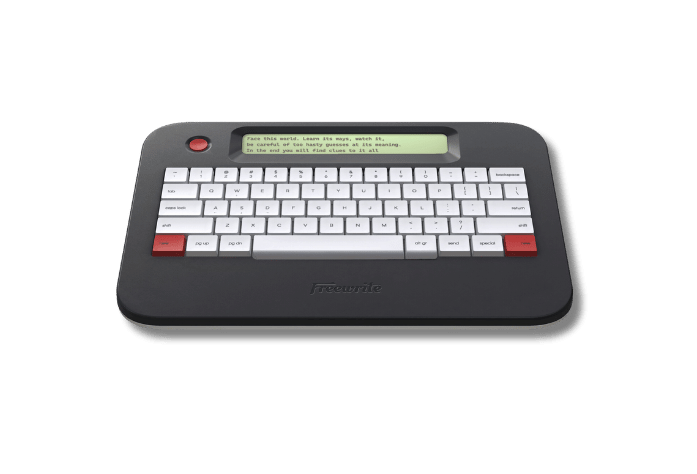
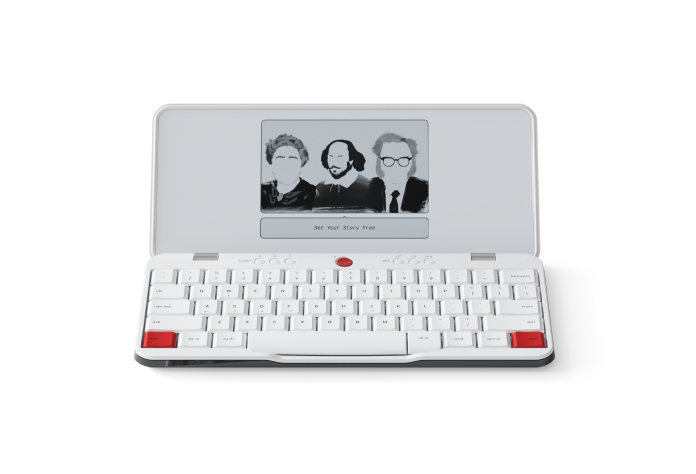
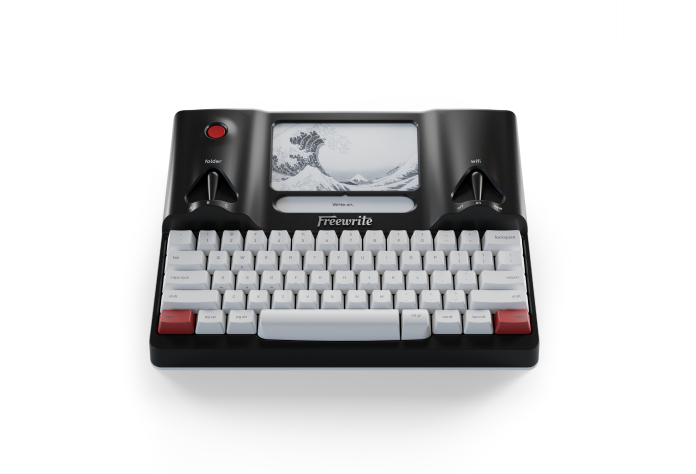
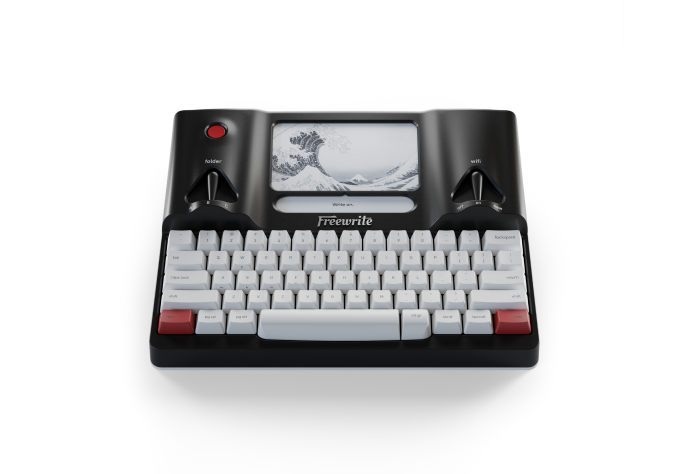
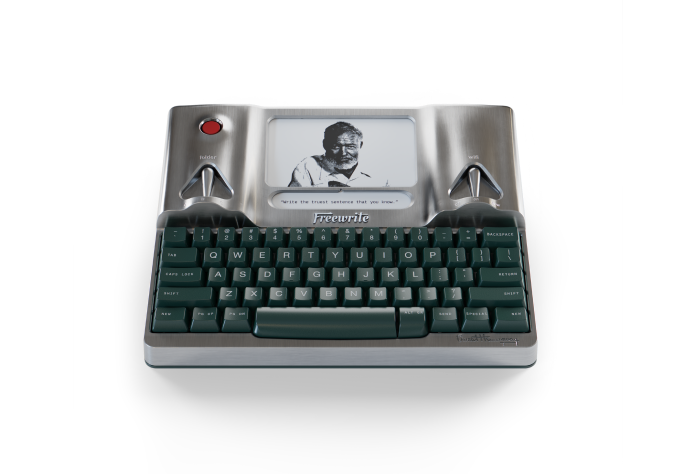
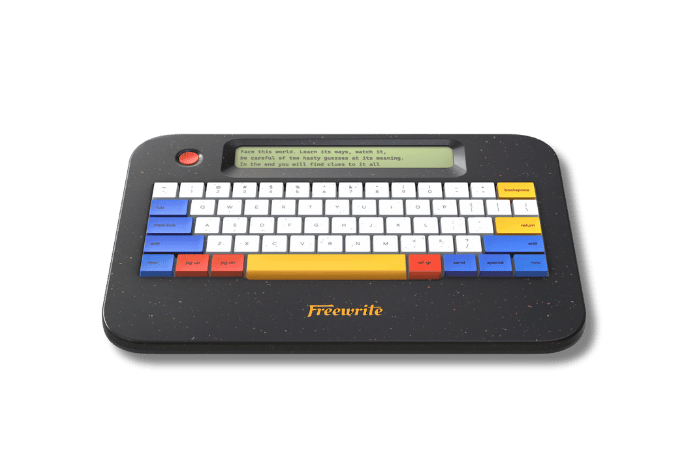
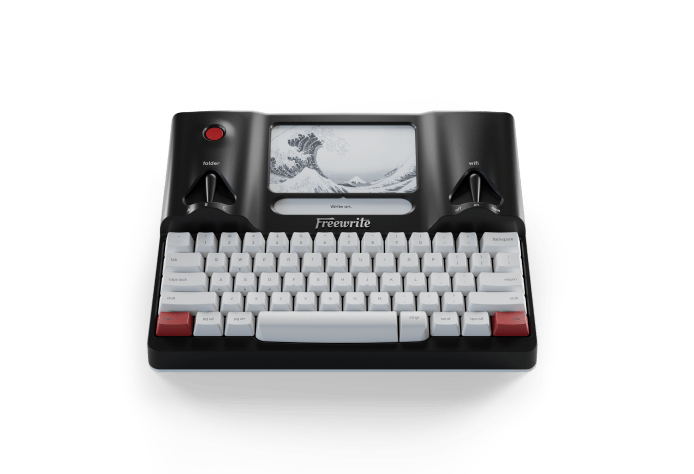
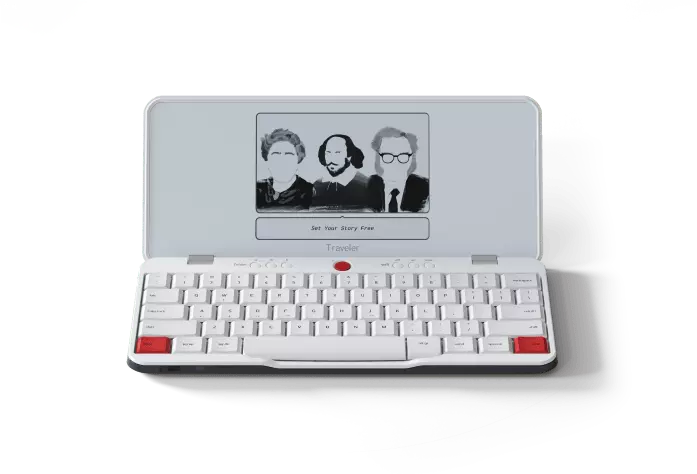
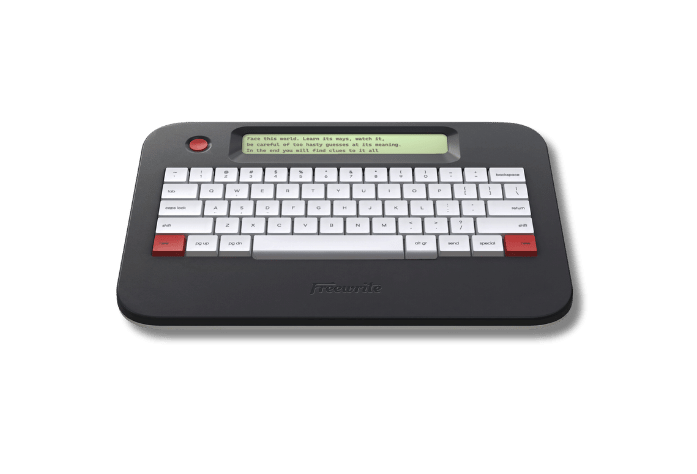
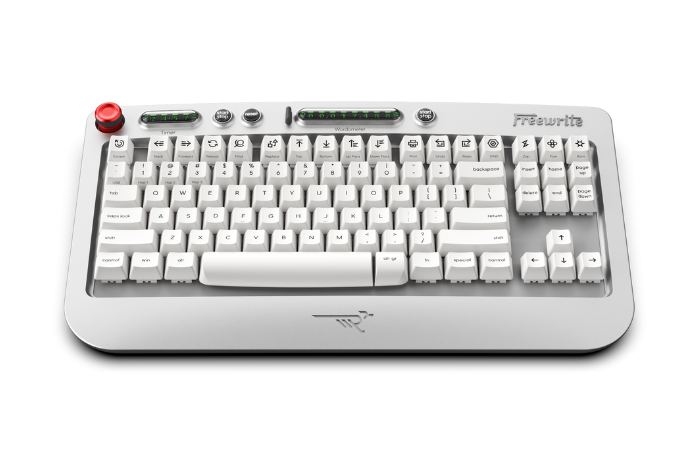
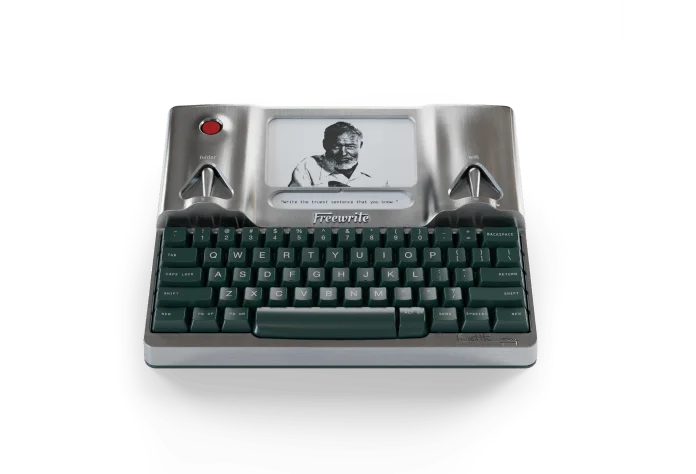
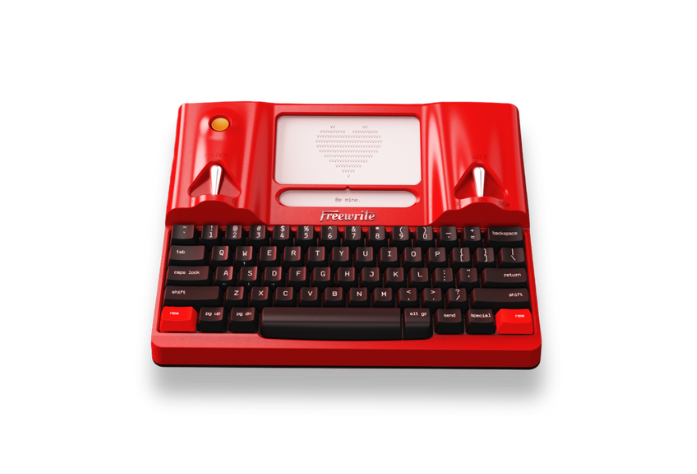
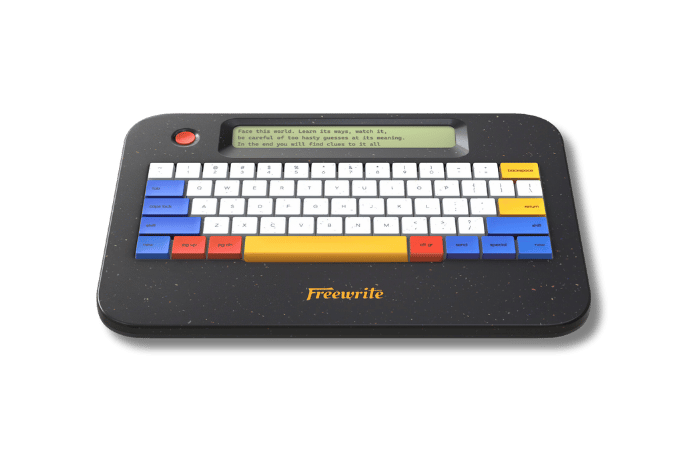
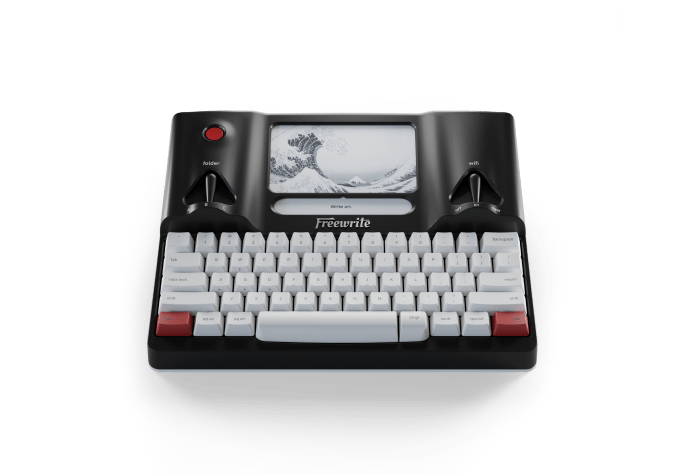
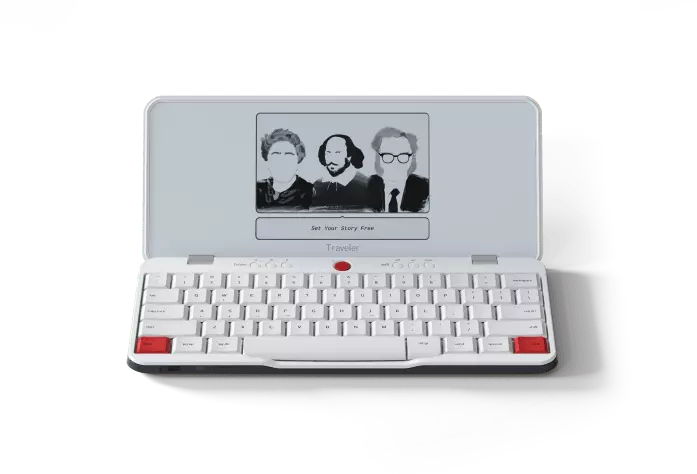
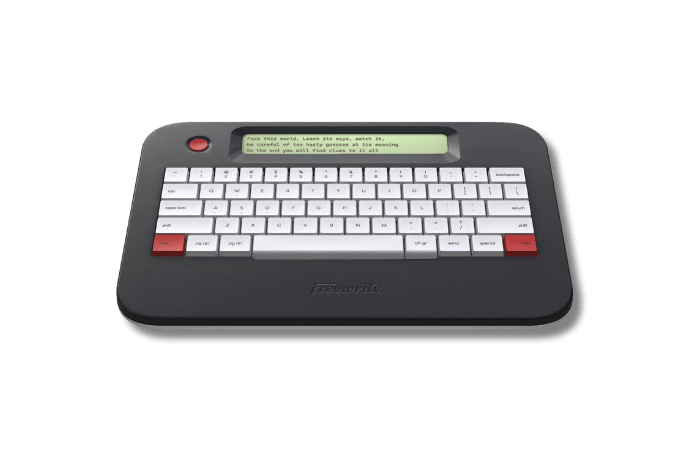
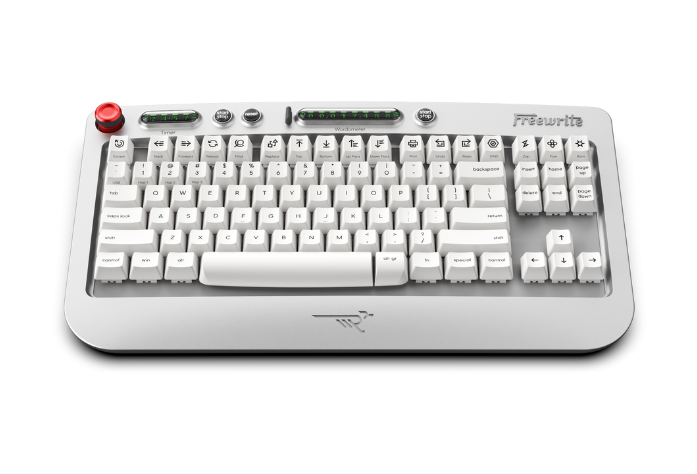
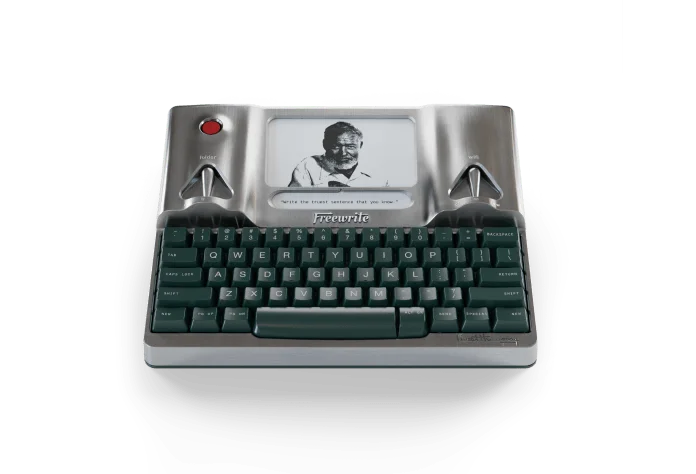
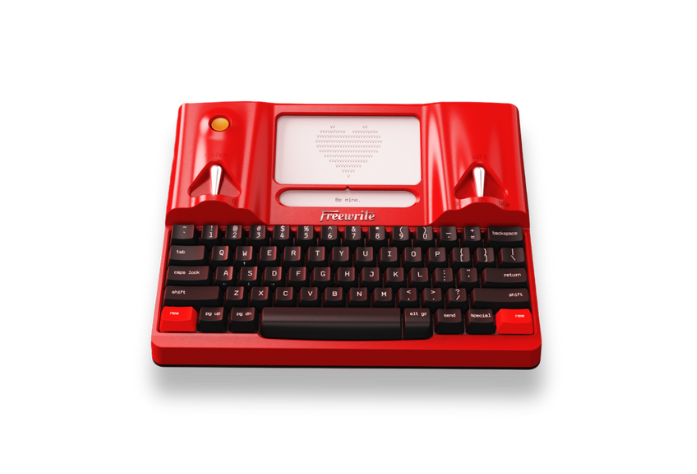
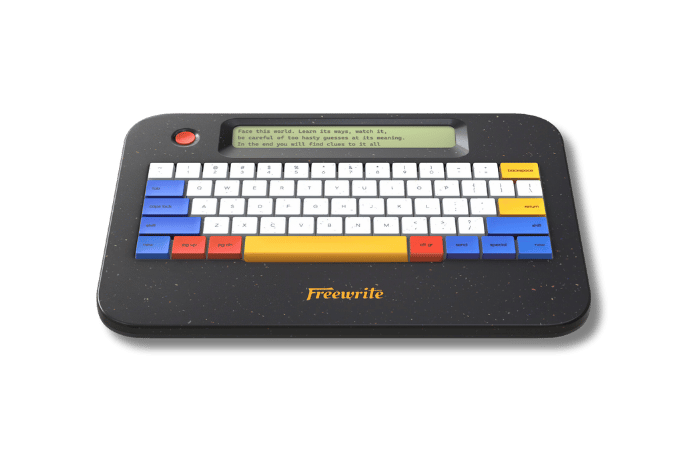
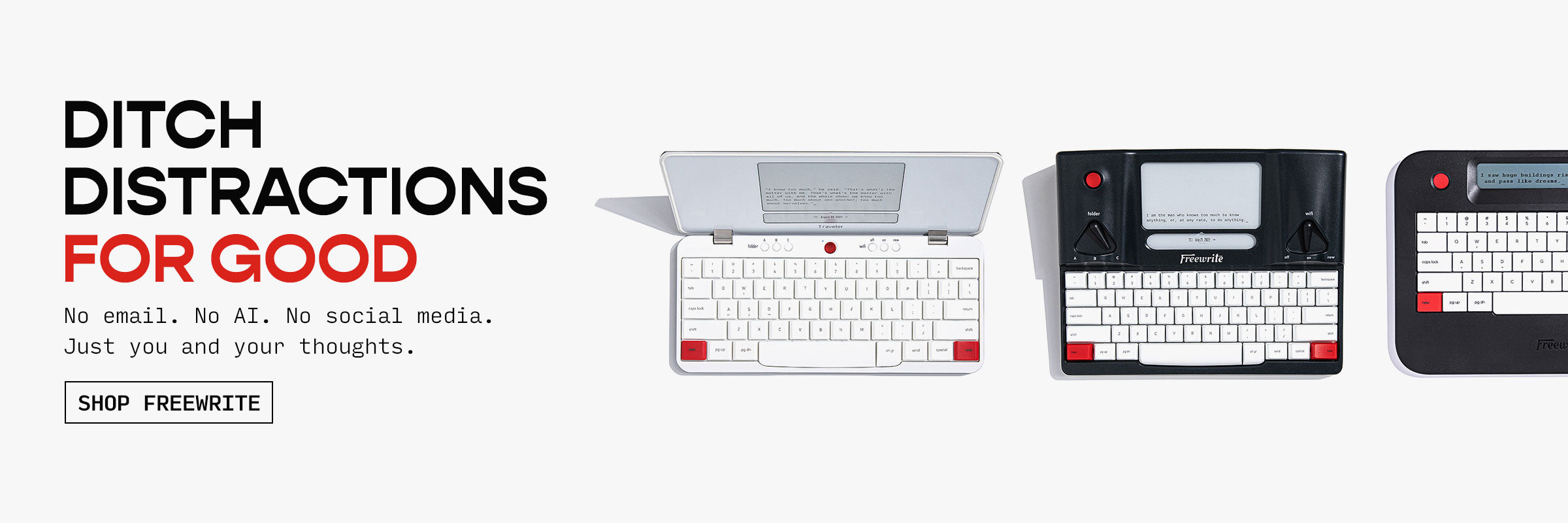
If turning off your WiFi isn’t practical, or you have other family members to think about, a distraction-free device like Freewrite may be the perfect solution for you. With no browser to distract you, you can focus on the craft of writing - and see your productivity levels soar!

6. Creating Complex Characters
One of the major keys to quality fiction is characters that your readers can really care about. Creating three-dimensional characters that seem as if they could walk right off the page is a skill that can be difficult to develop. I love to read - but there’s nothing so disappointing as a book full of flat, cardboard-cutout characters. Even the best, most riveting plotline can’t save those books for me.
You’ve probably noticed that human beings can be unpredictable. For your characters to be believable, then, they also need to be unpredictable. It’s important that you’re able to show different sides to your characters because that’s how your readers get to know them.
For example, beginner writers often make the mistake of having villainous characters that only ever show their menacing side. However, that kind of predictability makes villains too easy to forget - and you want your characters to stick in the minds of your readers long after they’re finished reading the book.
Think about it - what’s more memorable: the villain who only ever does nasty things, or the villain who’s nasty 90% of the time but spends every Sunday afternoon teaching his kid brother self-defense?
7. The Movie Reel in Your Mind
Screenwriters are usually able to make the switch to writing fantastic fiction quite easily, but fiction writers don’t find it so easy to write scripts. That’s not always the case, and there are always exceptions to the rule, but there is a really good reason why that’s the case. Writing for the screen means having a kind of birds’ eye view of your story, picturing every detail as if the movie is already made and running on a reel in your mind’s eye.
When I coach writers who are struggling with mastering story elements like point of view (POV) and bringing their stories to life on the page, I often recommend a short course in scriptwriting. Having to constantly think about whose point of view each scene is from and focus on the details of the setting, what characters are doing as they speak, and even what’s visible at the edge of the shot is great practice for writing realistic fiction that really draws your readers in.
There are short courses in screenwriting that you can find online - such as courses on Udemy - and it’s worth trying these out to see for yourself how your writing can improve when you’re running every scene through the movie reel in your mind.
8. Follow Your Characters Wherever They Lead
If you fall into the camp of painstaking planners we discussed earlier, this one may make you feel a bit uncomfortable. Planners don’t like to take diversions. But if you’ve never had the joyful pleasure of allowing your characters to take your story in a different direction, then you’re missing something really quite exhilarating.
Sometimes it doesn’t work out, and you have to go back, but other times your characters take you on an adventure of discovery that allows you to share the same sense of excitement and anticipation that your readers get to experience.
To be able to follow your characters, though, you have to bring them to life on the page. It’s the larger-than-life characters that take you on the best adventures - and help you to discover the true depths of your own imagination.
I love to read books that suddenly head off in an unexpected direction because I know that the author has been on one of those wonderful adventures - and their writing is so much richer for it. Never be afraid to see where your characters want to take you - what’s the worst that could happen?
9. Live Your Character’s Life
Has your character eaten today? I’m serious. Have they? Did they shower this morning? You might be thinking that I’ve lost the plot (pardon the pun) but the details of your characters lives matter to your readers. Or, at least, they should.
I’ve lost count of the number of manuscripts I’ve reviewed for coaching clients where I’ve started to get seriously concerned about the characters. No, I don’t need to know each time a character takes a bathroom break, but your characters need to have some level of humdrum in their lives to be believable.
A really effective tool you can use to see how believable your characters’ everyday lives are is to try to live your character’s life for a day. If you get to the end of the day and you’re exhausted and grumpy because you’ve been dashing around all over the place without eating a single meal, then you might be able to see the cracks in the believability. Regular things have to happen as well as the exciting things that keep the plot moving forward - or your readers might start losing interest.
10. If You Don’t Read Regularly You’ve No Business Being a Writer
That may sound a little controversial - and I am aware that there are some bestselling authors who insist that they cannot possibly read anyone else’s fiction while they’re working on their own novels. If I’m honest, I used to worry about how reading novels would affect my writing - until I realized that not reading was worse for my craft than reading ever could be.
Not only does immersing yourself in another author’s creation offer the opportunity to relax and unwind, but it helps you hone your craft. Even if the book you’re reading is terrible, there’s something you can learn from it (like how not to write a novel).
Reading books that bestselling authors have written is an excellent way of developing your own skills. You can enjoy a book and learn from it at the same time. Recognize the techniques that have the most power. Discover ways of using language that you haven’t considered before. Examine the pacing and the plot twists and all the myriad ways that authors show instead of telling - and pillage and plunder those same techniques for your own writing.
Bonus Tip - Write For Yourself
One of the biggest mistakes you can make as an author is to start to worry about what other people are going to think about your masterpiece. The moment you start staring into that particular black hole, you’re setting up a whole load of trip-wires for yourself. Don’t worry about who might - or might not - read your novel. Don’t give them a second thought - not while you’re writing.
Write your novel for you. Enjoy it. Savor it. When you get too focused on the mysterious ‘potential reader’ you start questioning and second-guessing yourself, until your creativity gives a big sigh and stomps off in frustration - leaving you staring hopelessly at that flashing cursor on the blank page - right back where you started.