
By Nathalie Lussier
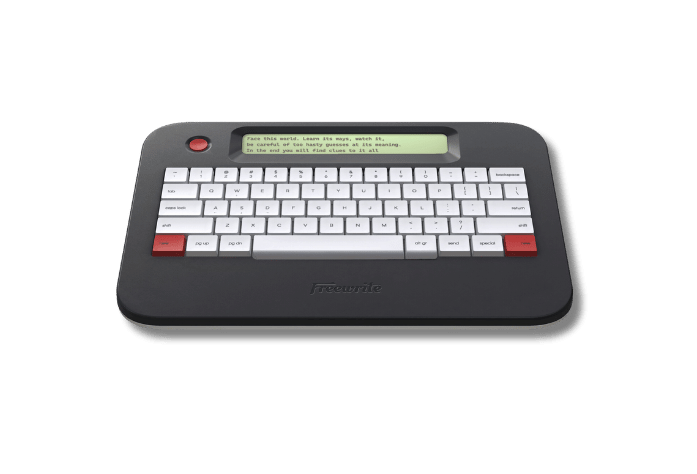
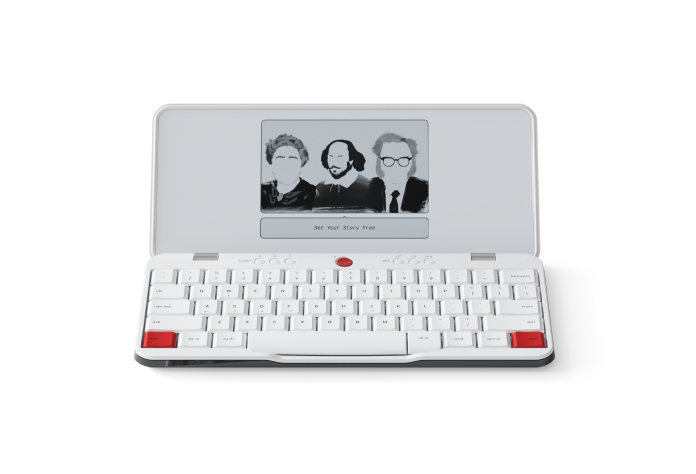
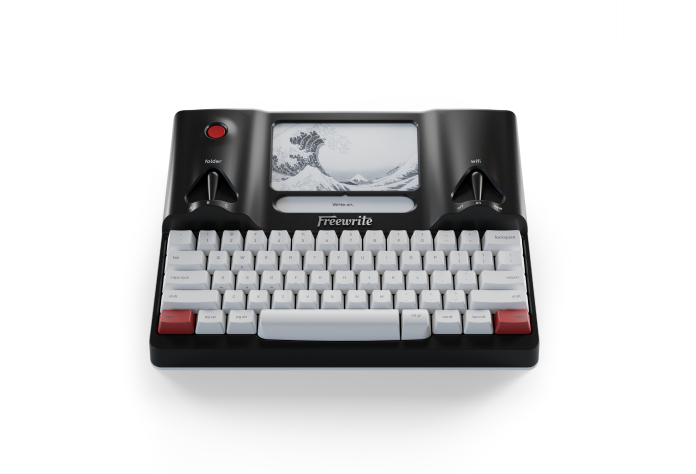
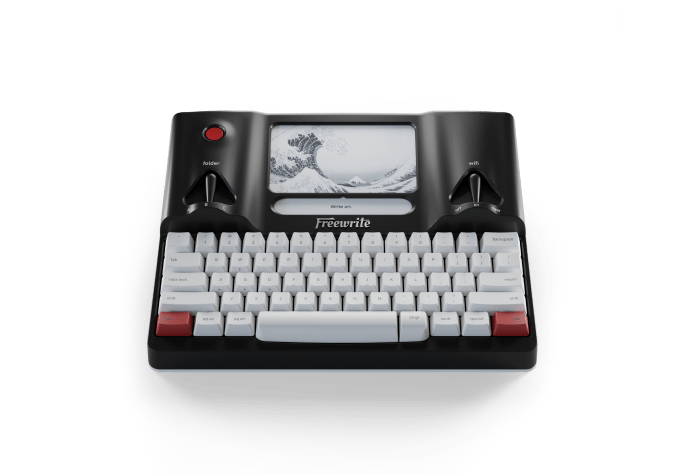
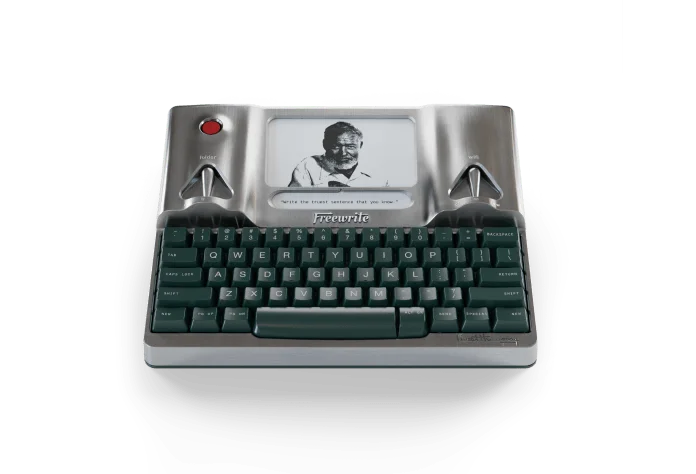
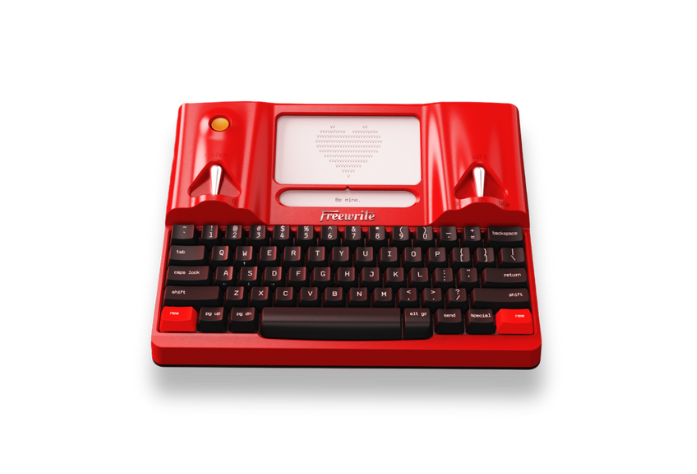
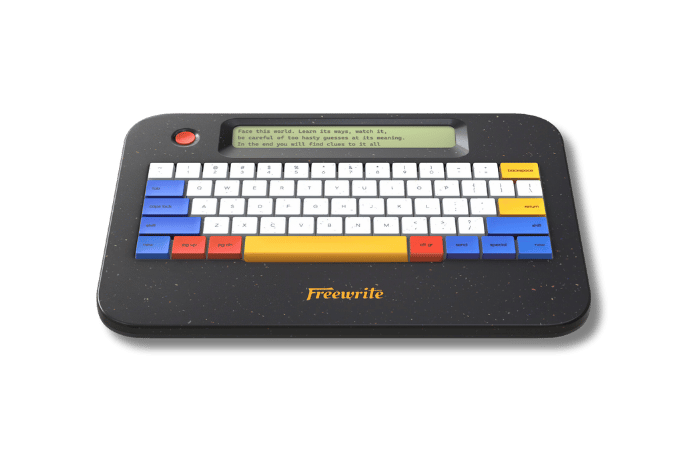
Writing on Freewrite reminds me of growing up in the 90s when my mom was waiting for a phone call and I couldn't use dial up.
I used to stare at a blank document until the words came.
Back then, there was nothing to distract me and I wrote my first "newsletters" that I would print out and sell to my family and friends for 25 cents.
That was my first entrepreneurial venture.
Today I make my living running a software company that I founded to deliver elegant online courses on WordPress.
Writing is an integral part of the business, from blog content, video scripts, and emails, to social media posts and non-fiction books in my area of expertise.
I trace a lot of my success in business from the blogs and newsletters that I’ve been writing for over 15 years.
My newsletter has shifted a lot over the years and is now an independent publication where I explore the intersection of running a business, living on a small farm, and tapping into creativity.
How I Use My Freewrite to Get More Done
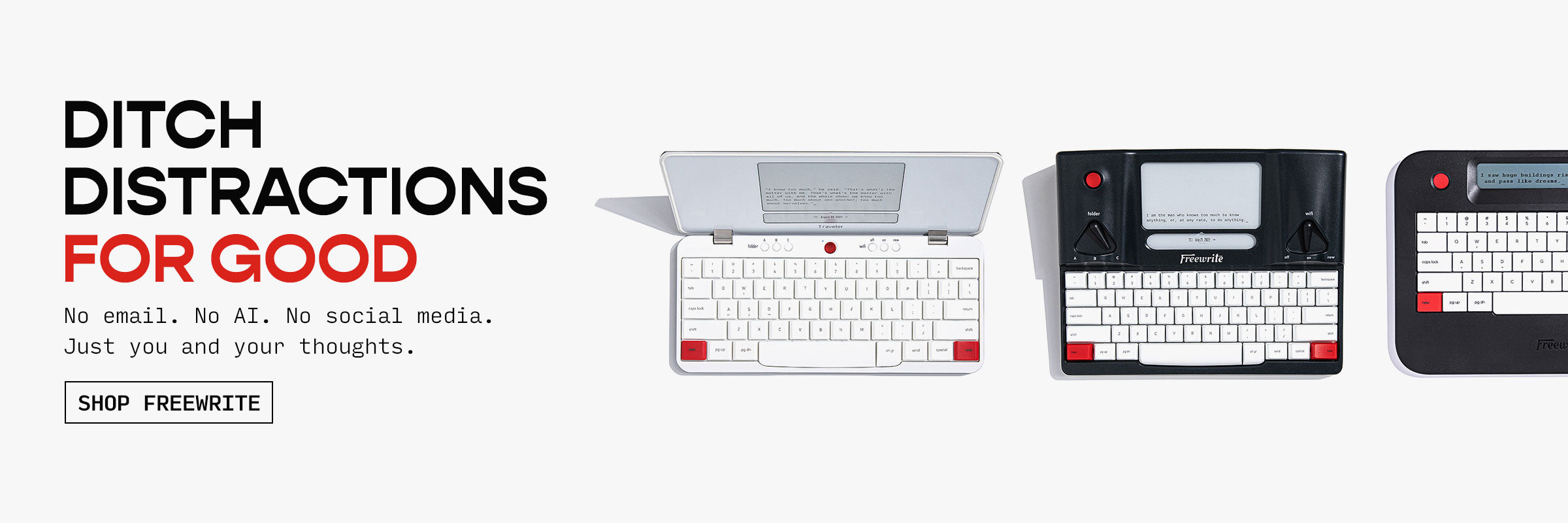
Before I had a Freewrite, I would use tools to block my internet or specific websites so I could focus. Or I would bring my laptop to a coffee shop and not let myself turn on the Wi-Fi.
As a digital business owner, I live a very online life.
Between Slack messages from my team, email, and social media, I could spend all day just answering and engaging … but never get any of my writing or thinking done.

What I've found is even if you block your internet or promise yourself you won't go online until you're done with a certain project, you're still on the same device as all the distractions.
It's like the neural pathways that tell you to click over to social media or to check your website traffic stats override your best intentions.
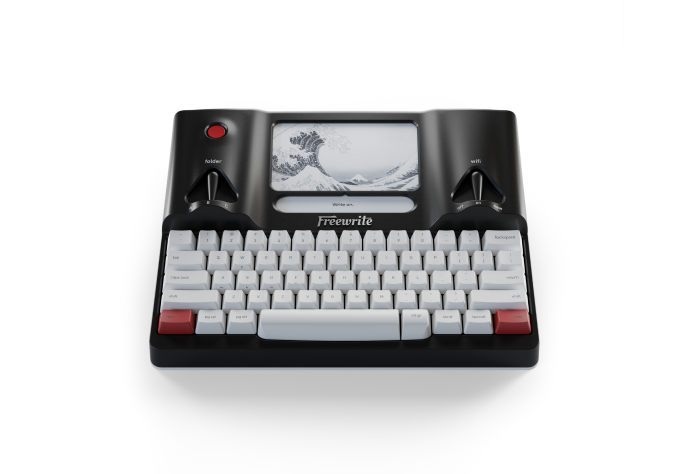
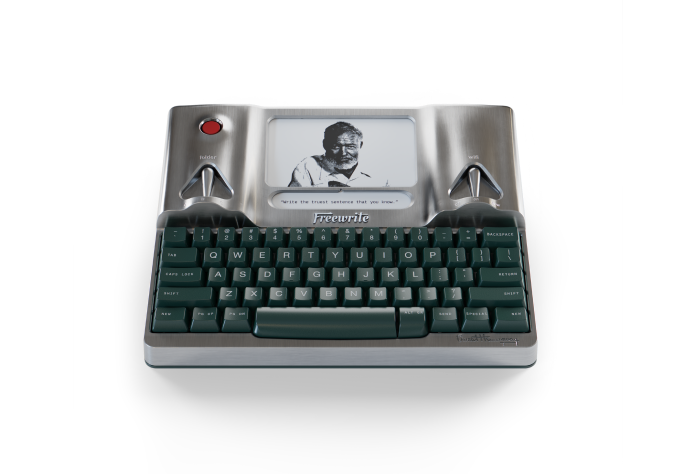
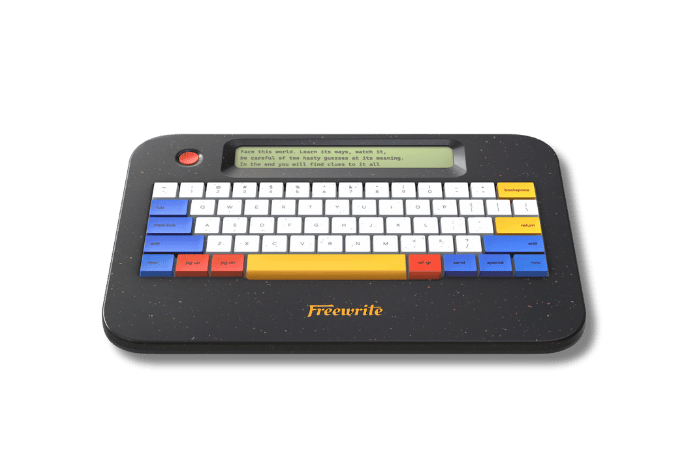
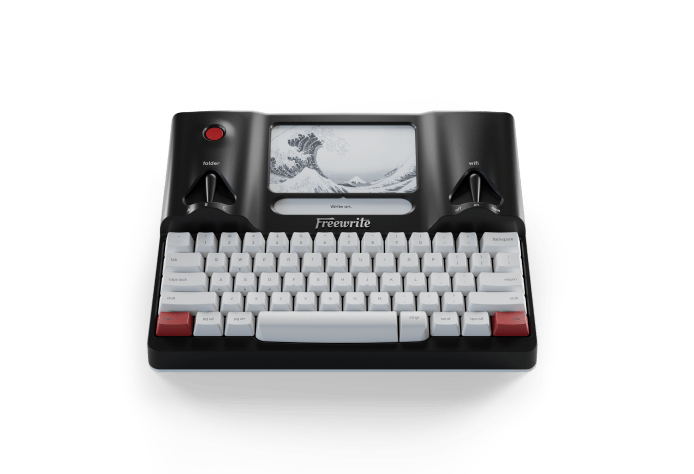
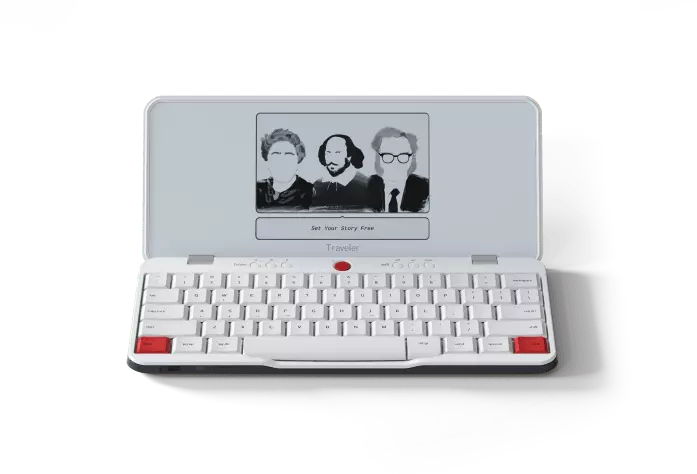
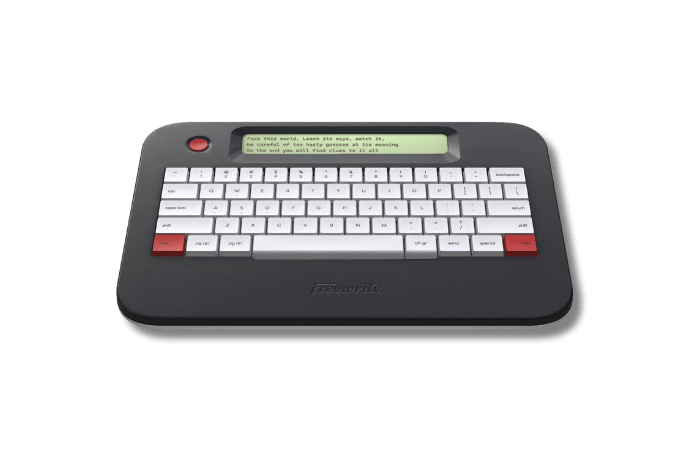
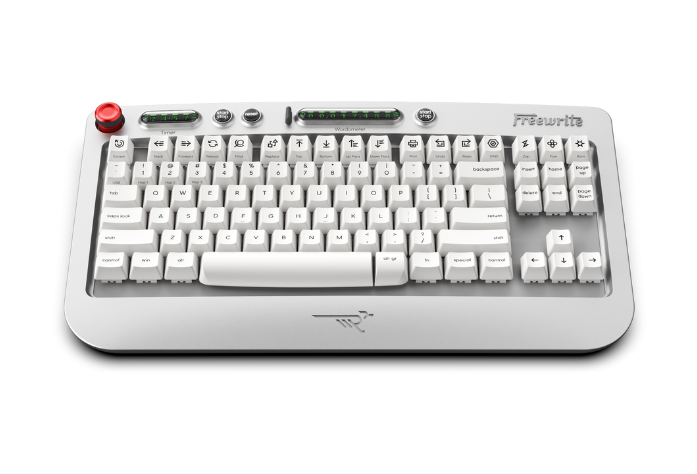
With my Freewrite, I can go to a different room, sit on the couch or take a walk outside, and then be writing in a truly focused state. (I don't bring my phone or any other device with me.)
My brain knows it's time to write, and my fingers aren't itching to click over to a distracting website. On my Freewrite, I write:
- Email marketing
- Blog posts
- Video scripts
- Social media posts
- Book chapters for non-fiction
- Announcements
- Newsletters and podcast scripts
Wait, You Write Social Posts on Freewrite?
I find that I can create my best social media content when I'm not staring at that little input box, right next to everyone else's thoughts and posts.
My social posts are a mix of content from our blog or newsletter, and more personal stories from my life. It's much easier to write from the heart when I'm not comparing my writing with the next witty person’s content.
I use a social media scheduling tool to load up my drafts and usually have a week’s worth of posts lined up ahead of time.

I Can Focus on $1000+/Hour Tasks
In his book80/20 Sales and Marketing, Perry Marshall developed a concept where tasks can be assigned a value based on how much they generate for your business.
He uses the shorthand of $10/hour tasks, $100/hour tasks, $1,000/hour tasks, and $10,000/hour tasks.
With this lens, you might find updating a few pages on your website might bring in $100, but writing a follow-up email to a hot prospective customer might be worth $1,000.
Taking it further, writing a sequence of follow-up emails that you can automate might be worth $10,000.
Categorizing work this way helps you see that 80% of the value is often created by 20% of the work you do.
A lot of the things we do in our businesses aren’t high ROI, but sometimes they just need to get done.
By clearing the deck and giving myself a chance to work on the most valuable tasks first, I can get outsized results. Writing is often one of those high-value tasks in my business.
I can't produce writing that will give my business a high return if I'm distracted and frazzled.
Each time I switch contexts between writing and looking up a statistic or answering a question, it breaks my focus. My work suffers, and I'm not able to get back into the swing of things.
For me, being able to focus for even 30 minutes means I can write a solid first draft of a marketing email, a podcast or video script, or a handful of social posts.
If I spend time thinking about what I want to convey I can get a lot done in one distraction-free writing session.
If I don't have a clear idea, then writing until things start to take shape is a useful approach. I do that when I'm trying to make a decision or get clear about my stance on something.

Why I Think Freewrite Is a No-Brainer for Business
I believe that most online businesses are in the content business, and that means writing.
Sure, you could outsource your writing to AI. Many people are giving that a try, and I've played with AI myself. But what I'm realizing is that if everyone relies on AI for their copy and content, everyone is going to blend in and regurgitate the same ideas.
It's those of us who are able to block out the distractions and AI fluff, and come up with creative ideas that connect with other humans who will succeed long term.
A lot of my writing is inspired by my life and perspective, and I think that's what will set us apart from the mass produced content.
The Freewrite is a great solution for full-time writers. No doubt.
But I see it as an unfair advantage for business owners, too.
---

Nathalie Lussier is a writer, technologist, and regenerative farmer. She is the founder of AccessAlly, a WordPress plugin for growing online course creators and community leaders, and publishesThe Momentum Memo, where she shares experiments in creativity, farming, and digital strategy.