Cuando estaba en primaria, tenía un profesor que nos hacía escribir libremente siguiendo indicaciones que él escribía en la pizarra. Todos los lunes por la mañana, dedicábamos los primeros 10 minutos de clase a escribir sobre dragones, viajes en el tiempo o nuestros fines de semana.
Dejé de usar consignas de escritura después de aquella clase de inglés de cuarto grado. Esto cambió cuando empecé a escribir miles de palabras al día. Algunos días, simplemente no sabía sobre qué escribir. Otros, ya tenía un tema en mente, pero no encontraba las palabras. Las consignas de escritura han sido una gran herramienta para ayudarme a superar el bloqueo del escritor y ponerme a escribir rápidamente.
Un tema de escritura es un tema en torno al cual empiezas a escribir ideas. Puedes ceñirte al tema o dejar que tu mente divague.
Beneficios de las indicaciones para escribir
1. Ponte a escribir. En lugar de pensar sobre qué escribir, las indicaciones de escritura te dan un tema para empezar a escribir de inmediato.
2. La práctica hace al maestro. Las consignas de escritura te ayudan a desarrollar tus habilidades de escritura. Este hábito te facilitará empezar a escribir y te enseñará a escribir más.
3. Aumenta tu creatividad. Las propuestas de escritura pueden hacerte ver el mundo desde una nueva perspectiva, o de una forma que nunca imaginaste.
Quizás quieras ponerte manos a la obra y terminar esa novela. O quizás necesitabas terminar esa entrada del blog de ayer. Sea cual sea tu situación, las indicaciones pueden ser tu boleto para escapar del purgatorio de la falta de creatividad y regresar a la tierra prometida de la escritura.

60 sugerencias de escritura para despertar tu imaginación
1. ¿Cuáles fueron tus vacaciones favoritas de la infancia?
2. Las últimas palabras de tu novela son: «Cuando la noche se convirtió en día, empezó a comprender la verdad». Ahora, escribe el resto.
3. Convierte uno de los últimos textos que enviaste en una historia.
4. Agrega una escena original a la última película que viste.
5. Dos amigos tienen un desacuerdo.
6. Escribe sobre tu profesor favorito.
7. Fuera de la ventana ves algo que no puedes creer.
8. Escribe sobre la primera vez que tomaste la mano de alguien.
9. Escribe sobre la última cosa/persona que te hizo sonreír.
10. Escribe sobre una ocasión en la que te sentiste perdido.
11. Escribe sobre tu primer trabajo.
12. Escribe una carta a ti mismo cuando tenías 14 años.
13. Escribe sobre por qué escribes.
14. Dentro de cinco años, lo seré.
15. Escribe sobre las vacaciones de tus sueños.
16. ¿Te gusta estar solo o acompañado?
17. Tienes $300 y un Prius, describe el viaje por carretera de 2.800 millas desde Nueva York a Los Ángeles.
18. Escribe sobre tu objetivo más grande.
19. Escribe sobre tu mayor miedo.
20. Una conversación que tú y un extraño tienen en un avión.
21. Una ocasión en la que tú o alguien a quien amas fue estafado.
22. Convierte la última canción que escuchaste en una historia.
23. Describe la vida de tu cantante favorito.
24. Escribe sobre un mueble de la habitación en la que te encuentras.
25. Si supiera entonces lo que sé ahora.
26. Si pudieras viajar en el tiempo, ¿a dónde irías?
27. Tienes mil millones de dólares en tu cuenta bancaria. ¿Cómo lo lograste?
28. Descubriste un nuevo planeta. Describe lo que ves.
29. Si pudieras hacer cualquier cosa para trabajar, ¿qué harías?
30. Vives en una isla abandonada, describe tu rutina matutina.

31. Estás en un país extranjero y no hablas el idioma nativo.
32. Describe cómo crees que se conocieron tus abuelos.
33. Escribe sobre una ocasión en la que fallaste.
34. Hoy te despiertas con el superpoder que elijas.
35. Eres un perro, describe tu interacción con un humano.
36. Escribe sobre alguien que admires.
37. Ve a Twitter o Facebook y escribe sobre la primera publicación que veas.
38. Escribe sobre una ocasión en la que te sentiste incómodo.
39. Ella trató de olvidarlo, pero nunca pudo.
40. Justo cuando tu vuelo despega, descubres una nota impactante debajo de tu asiento.
41. Ninguno de tus amigos te recuerda, descríbete ante ellos.
42. Una isla surgió del mar.
43. De las cenizas surgió un héroe.
44. A las ballenas les crecieron pies.
45. Abro el último libro de la tierra.
46. Llamas cada vez más fuerte a la puerta, pero nadie responde.
47. La puerta que habías cerrado, está abierta de par en par.
48. Justo cuando te quedas dormido, suena el teléfono.
49. Ella había planeado la fiesta perfecta, sólo para que su ex la arruinara.
50. Dijo sus últimas palabras y se fue, ya no hay vuelta atrás.
51. Un hombre ciego se enamora, describe sus sentimientos.
52. Tienes el poder de detener el tiempo, ¿qué haces?
53. El sol salió por última vez.
54. Descubres que tu pareja es un robot.
55. Tienes 10 días de vida.
56. ¿Cómo se verán los coches dentro de 50 años?
57. Esto necesita ser limpiado, la policía llegará en cualquier momento.
58. Durante años, planeó cuidadosamente este día.
59. Los pájaros no fueron al sur para pasar el invierno.
60. Es 13 de junio, la nieve no para de caer.
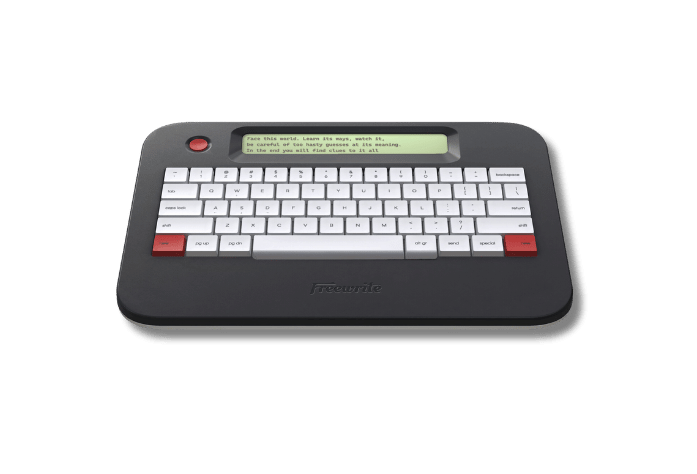
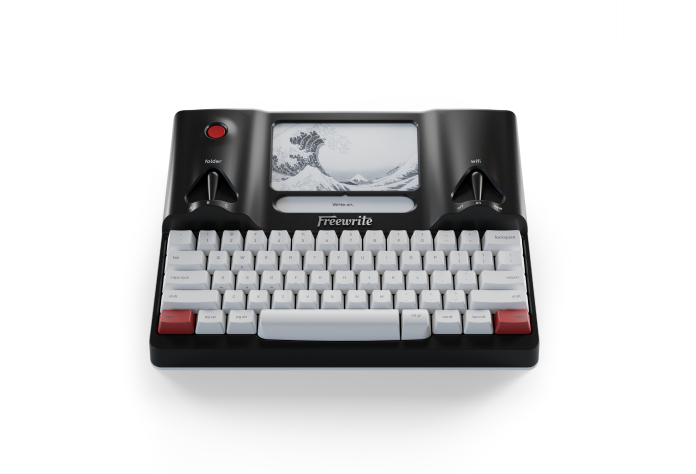
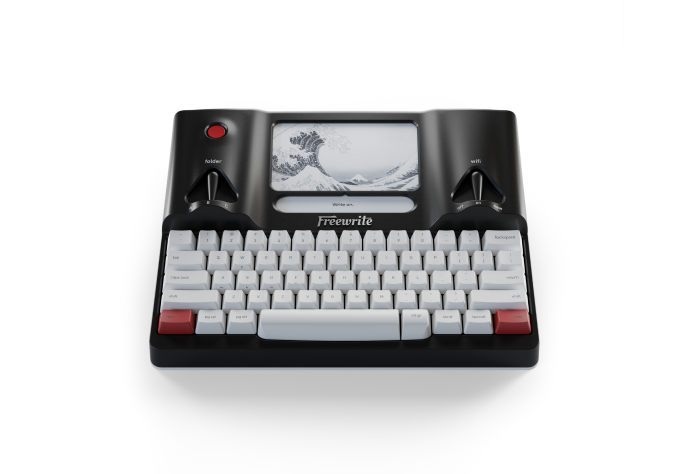
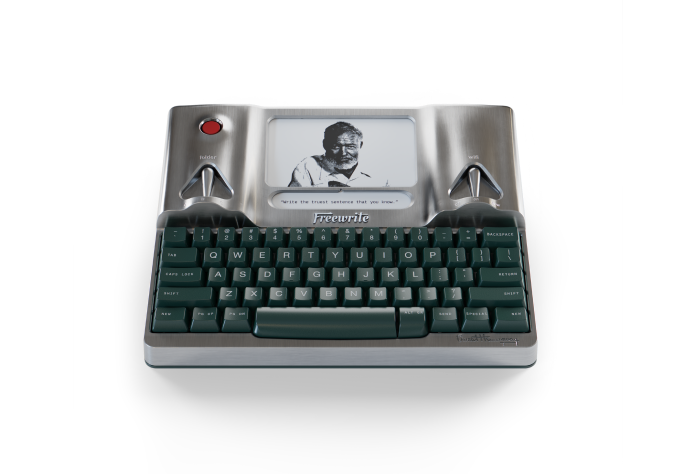
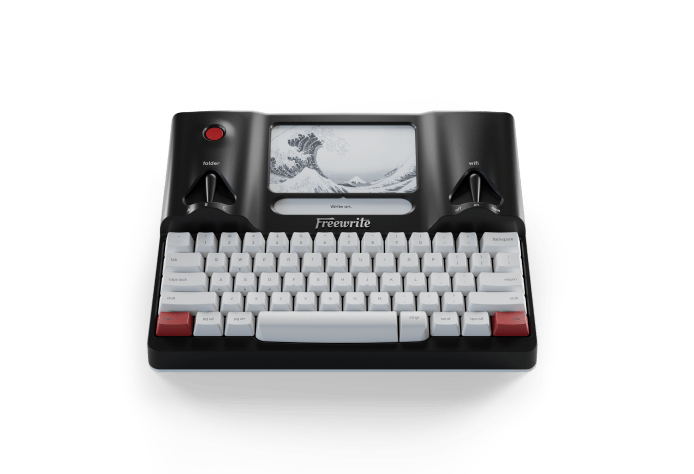
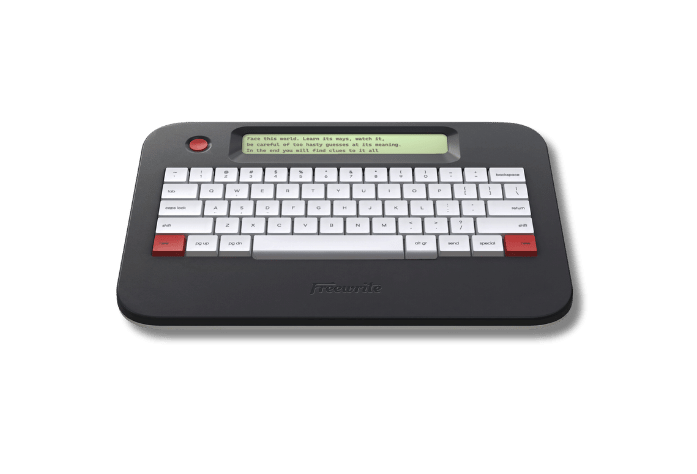
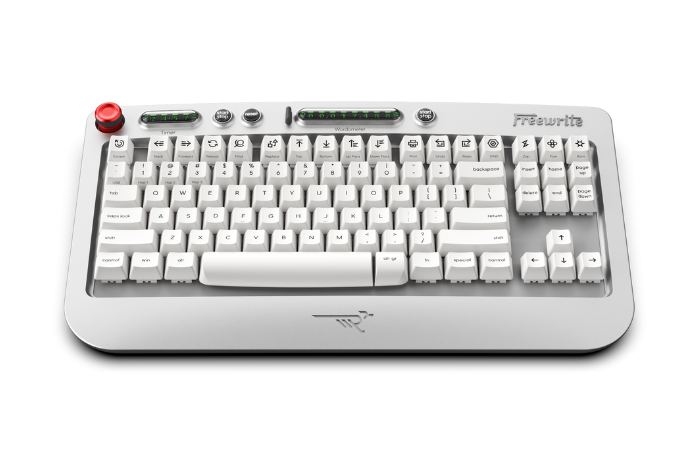
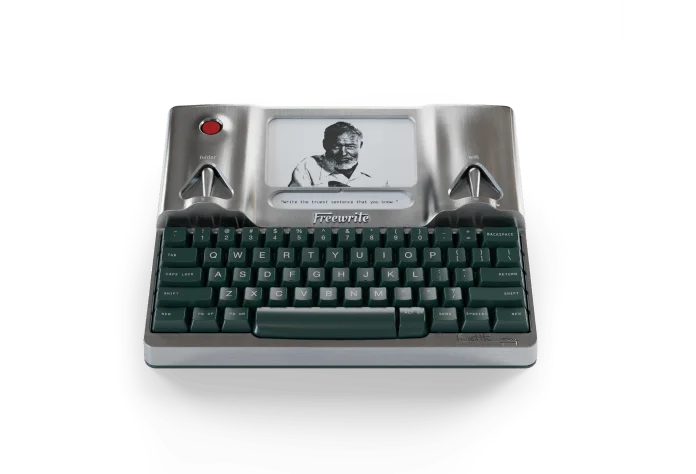
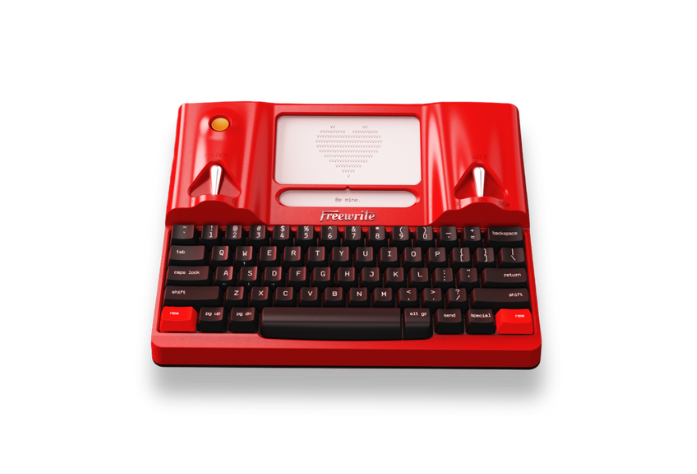
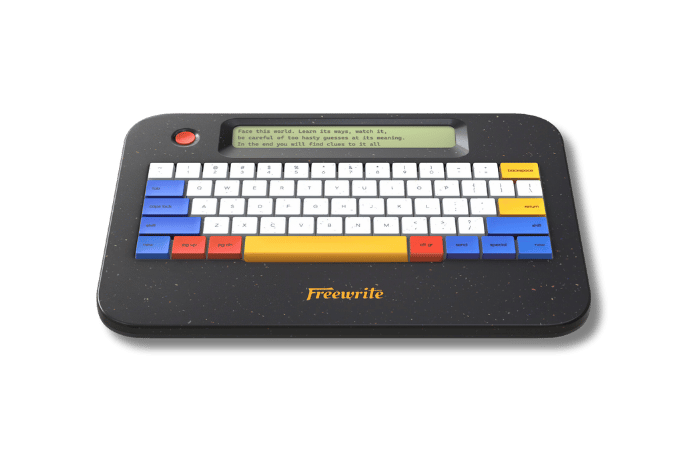
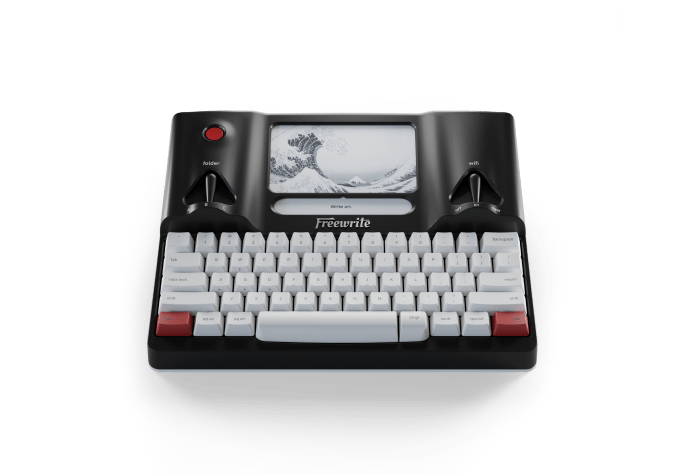
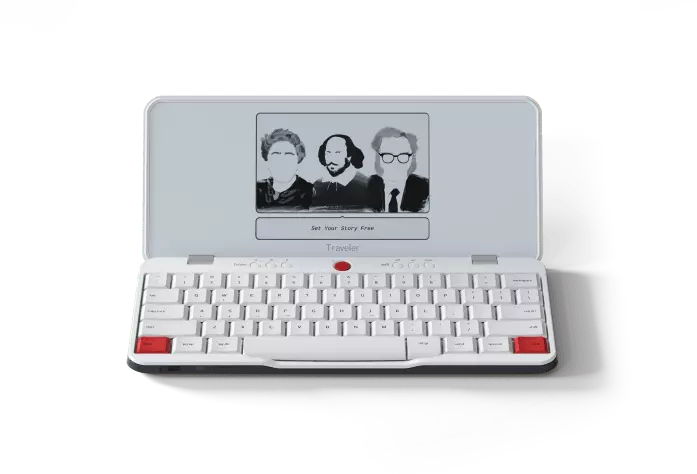
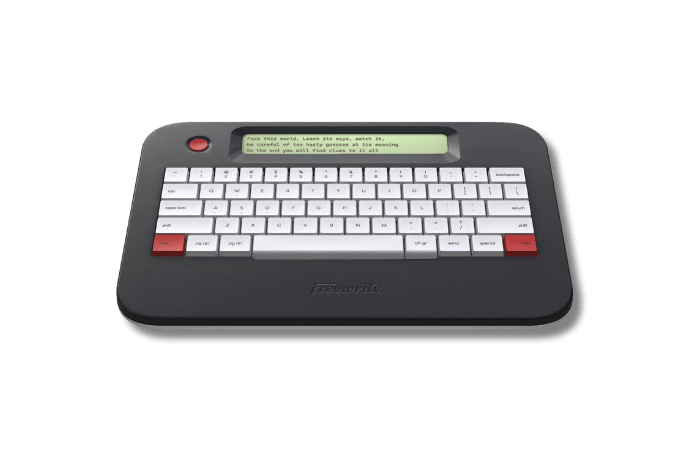
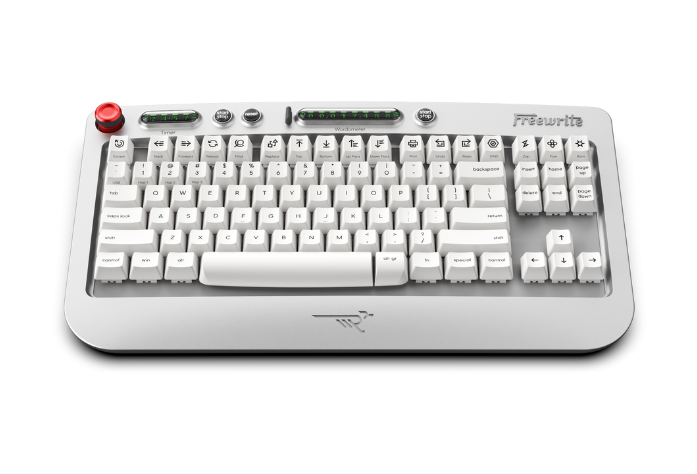
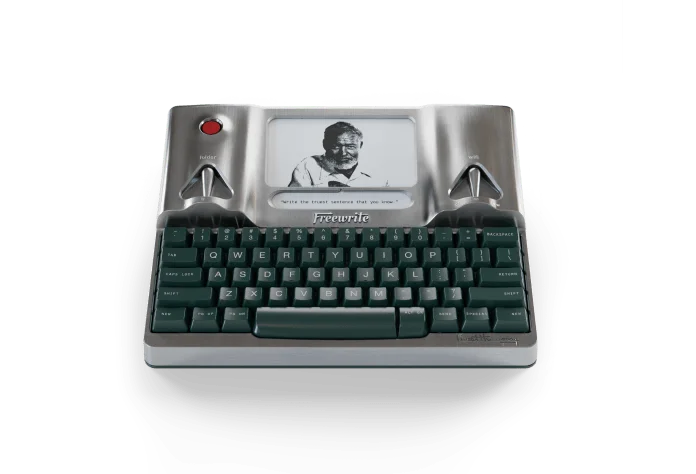
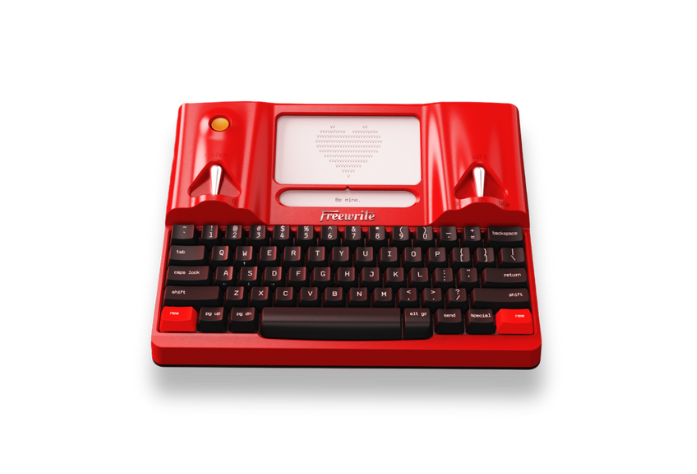
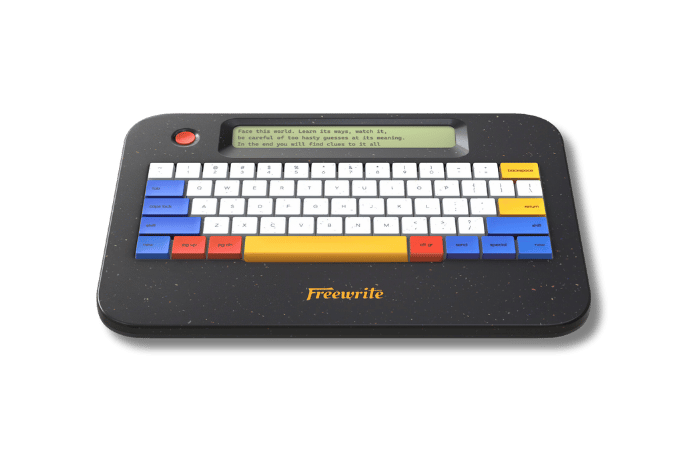
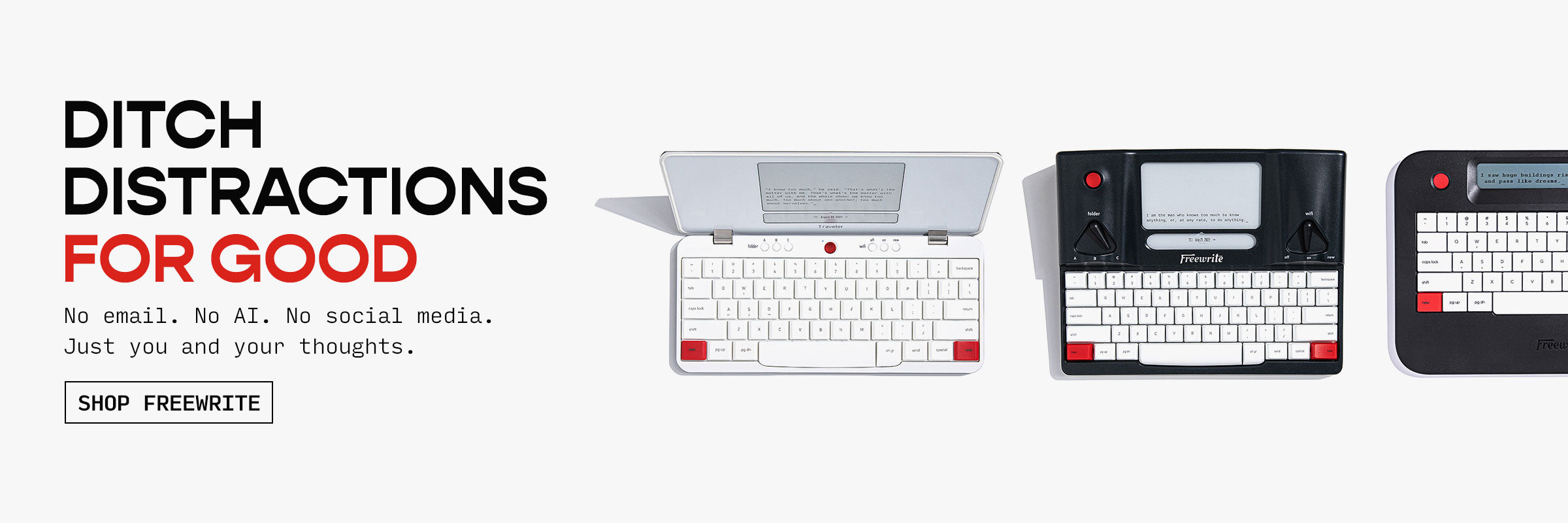
Ahora que te has inspirado, ¡el siguiente paso es escribir con constancia! Quienes usan nuestras herramientas de escritura sin distracciones Freewrite han duplicado su número de palabras. ¿Será Freewrite la solución ideal para ti?
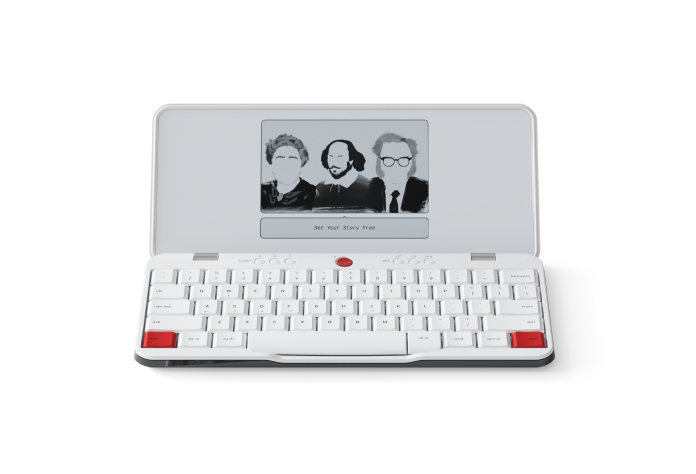
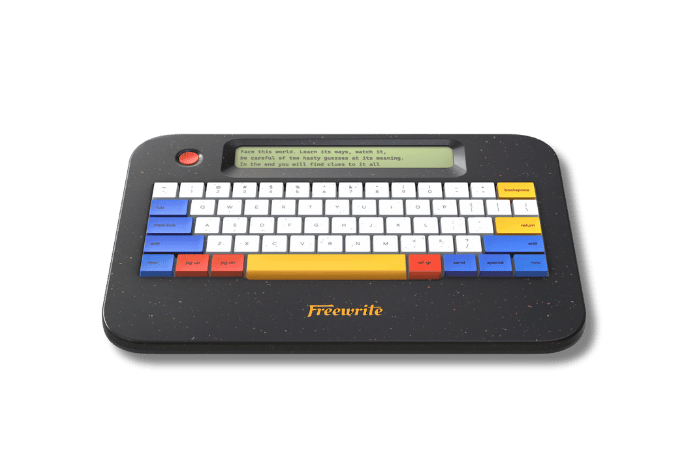
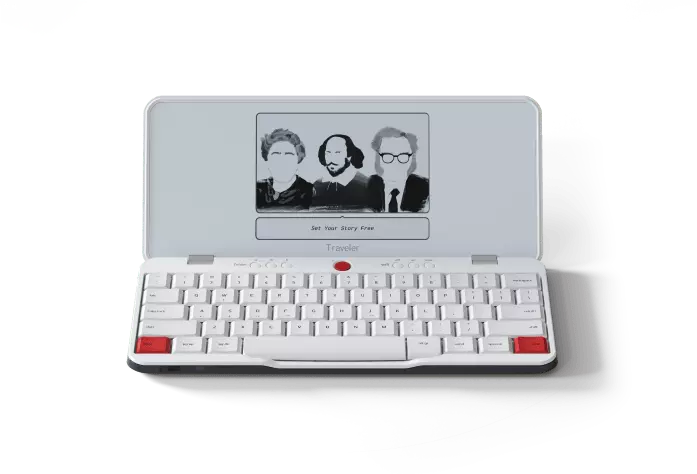
Descubre más sobre la filosofía de Freewrite "Primero Borrador, Editar Después" , que impulsa una producción prolífica. Y echa un vistazo a Freewrite Alpha , un compañero de escritura para llevar.
Para obtener aún más sugerencias, consulte el paquete de sugerencias creativas Words Are Hard de Freewrite.

--