En un mundo ideal, habría una solución rápida para el bloqueo del escritor. Un elixir potente que pudiera impulsar tu cerebro, generar ideas geniales y hacer que tus dedos se deslizaran por el teclado como una tormenta eléctrica crepitando en el cielo.
Lamentablemente, no vivimos en un mundo perfecto. Pero existen estrategias comprobadas que puedes usar para retomar tu historia. Exploremos algunas.

Diario #1 para descubrir tu bloqueo
Entender por qué estás abandonando tu proyecto de escritura, aunque quieras escribir desesperadamente, es el primer paso.
Si sufres constantemente de bloqueo creativo, abórdalo, no lo ignores. Dicen que un problema compartido es un problema reducido a la mitad, así que comparte tu problema con tu diario .
Si sufres continuamente el bloqueo del escritor, abórdalo, no lo ignores.
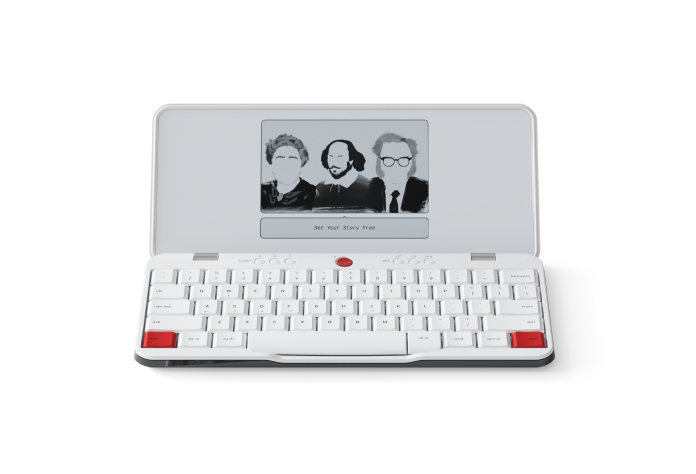
La exitosa escritora fantasma, escritora de misterio, coach de libros y editora de desarrollo , Dra. Rachel Clair, escribió sobre este tema para nuestro libro Set Your Story Free: The Writer's Guide to Freewrite .
Ella sugiere cambiar tu mentalidad usando indicaciones como: “No puedo escribir porque…” o “No estoy disfrutando mi proyecto de escritura ahora mismo porque…”
Cuando conoces las respuestas, es más fácil interrogar el problema específico que estás experimentando, darte cuenta de que probablemente no tenga fundamento y superarlo.
Termina tu sesión de diario con una nota positiva. Responde estas preguntas: «Estoy entusiasmado con mi proyecto de escritura porque…» y «Escribiré hoy porque…». ¡Y luego, empieza tu proyecto!
#2 Construya un hábito de escritura regular
Imagina que te vas de viaje por carretera. Tienes el depósito lleno y estás deseando empezar. Pero tu coche se cala y se avería constantemente al borde de la carretera. No puedes acumular kilómetros si estás parando y arrancando constantemente. Tu destino siempre parece lejano. Lo mismo ocurre con la escritura.
Si escribes de vez en cuando sin una rutina regular y sostenible, es probable que sufras un bloqueo creativo. Para combatirlo, crea un hábito de escritura regular , ya sean 30 minutos dos veces por semana o dos horas al día.
Si escribes de vez en cuando sin una rutina regular sostenible, es probable que sufras un bloqueo de escritor.
Encuentra lo que sea sostenible y realista para ti y, pase lo que pase, cíñete a ello. Intenta acumular hábitos hasta que escribir en un lugar y momento determinados se convierta en algo natural.
#3 Haz sprints de escritura
Escribir una novela es un maratón. Pero puede, y debe, incluir sprints. Un sprint es una sesión de escritura cronometrada. Así de simple. Escribir contrarreloj proporciona la urgencia y la presión necesarias para plasmar las palabras, incluso cuando no tienes muchas ganas de escribir.
Escribir contrarreloj proporciona la urgencia y la presión necesarias para plasmar las palabras, incluso cuando uno no está particularmente de humor para escribir.
Dependiendo de lo que te haga más productivo, podrías retarte a escribir X número de palabras en X número de minutos. (Puedes usar la técnica Pomodoro o un clásico cronómetro).
O podrías dedicar, por ejemplo, una hora de tu tiempo a escribir sin un objetivo específico ni un número de palabras. Cuando conviertes tu tiempo de escritura en algo sagrado y sin distracciones, escribir se vuelve más tentador que mirar fijamente la pared.
#4 Use un dispositivo de escritura de un solo propósito
Las distracciones son el talón de Aquiles del escritor. Cualquier cosa que puedas hacer para reducirlas y lograr una concentración profunda te ayudará a escribir con más frecuencia.
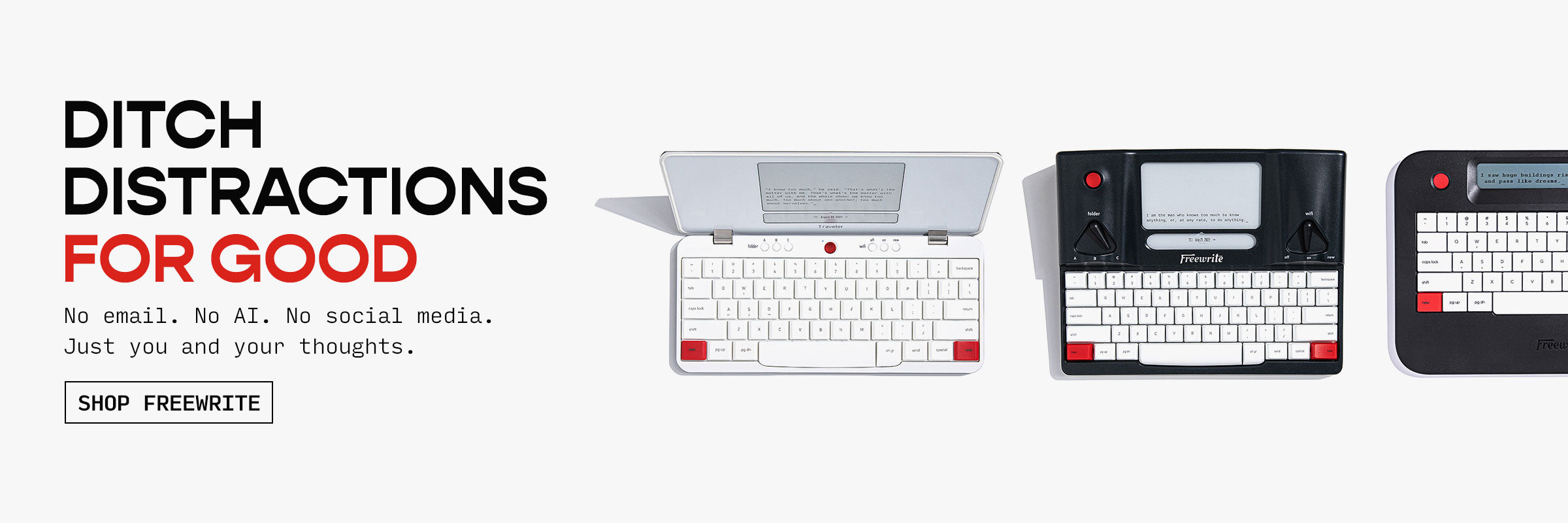
Una de las mejores formas de eliminar las distracciones es escribir en un dispositivo de uso único con una funcionalidad enfocada.
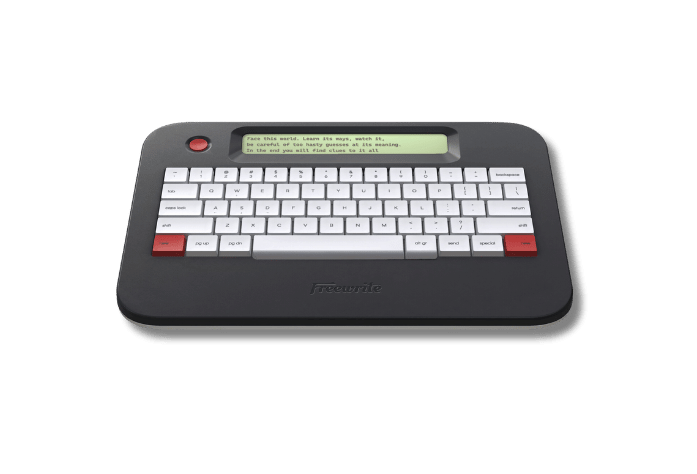
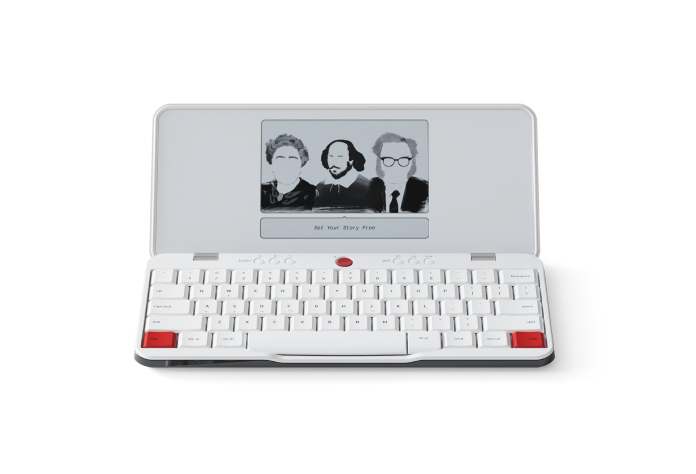
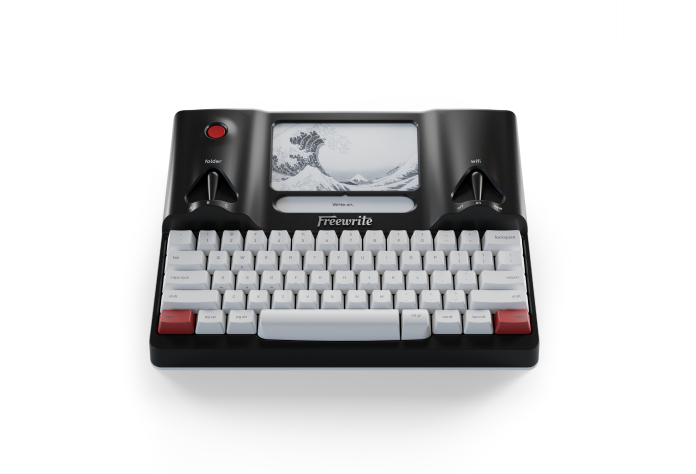
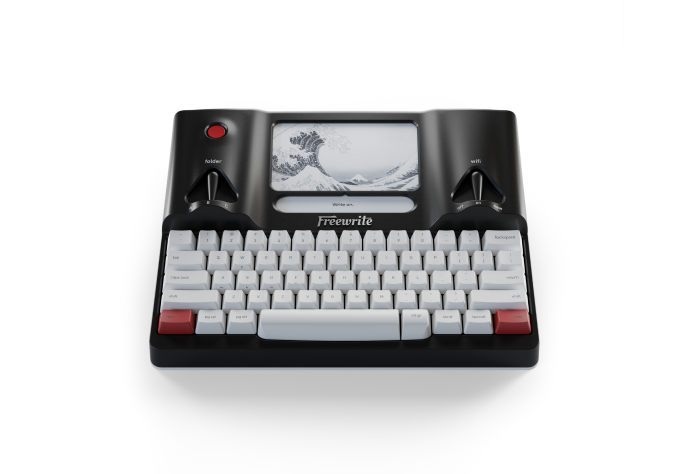
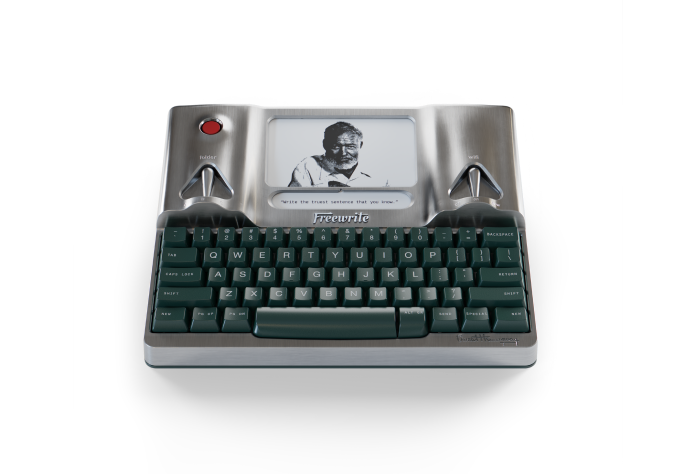
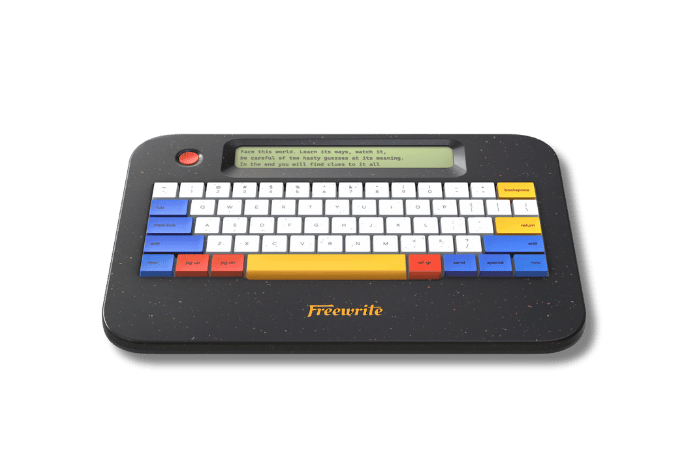
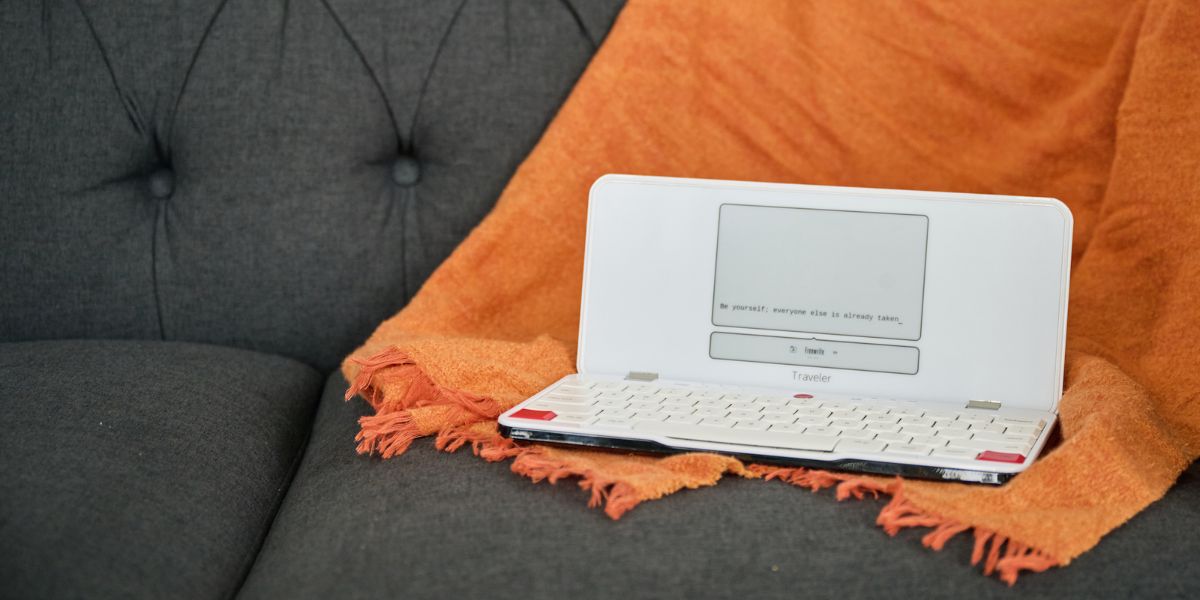
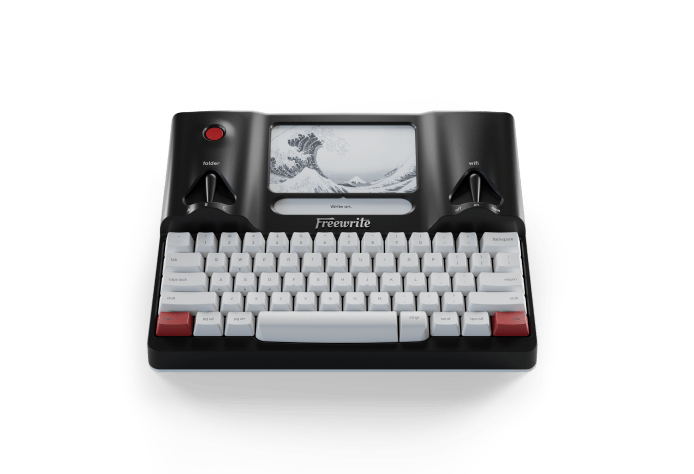
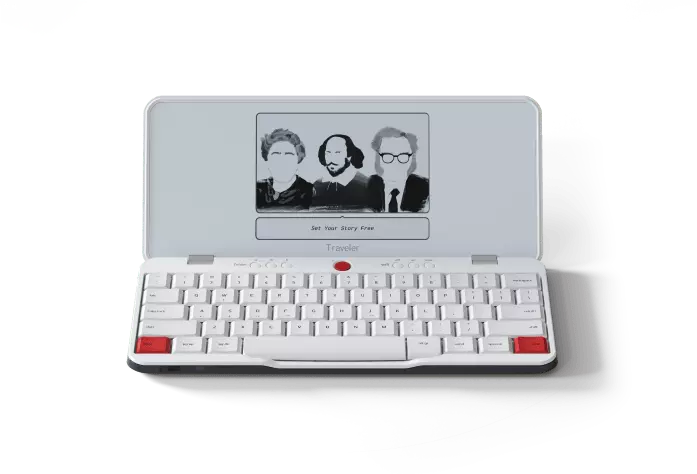
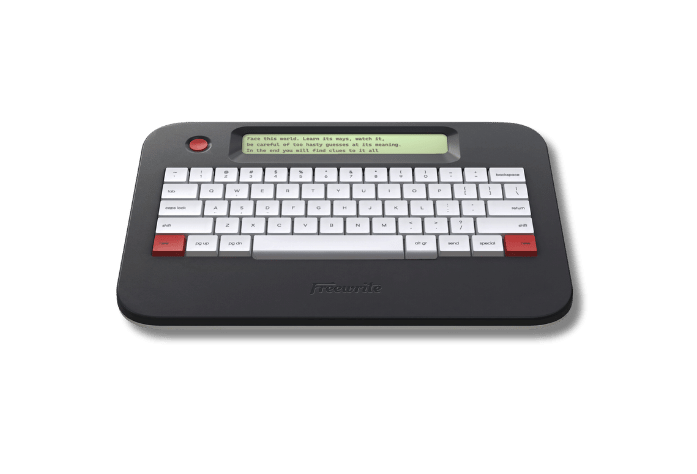
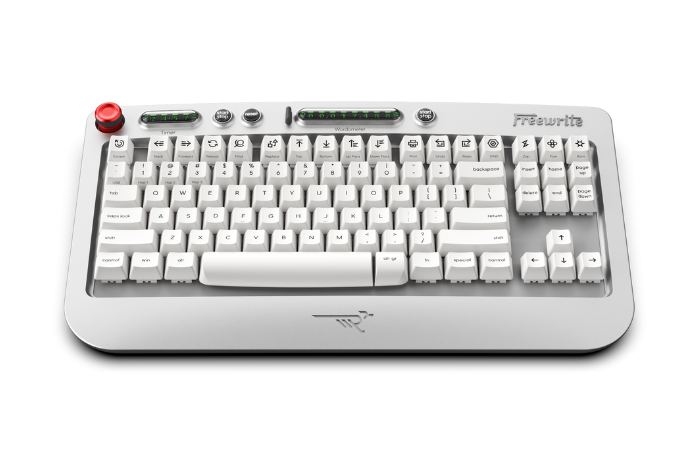
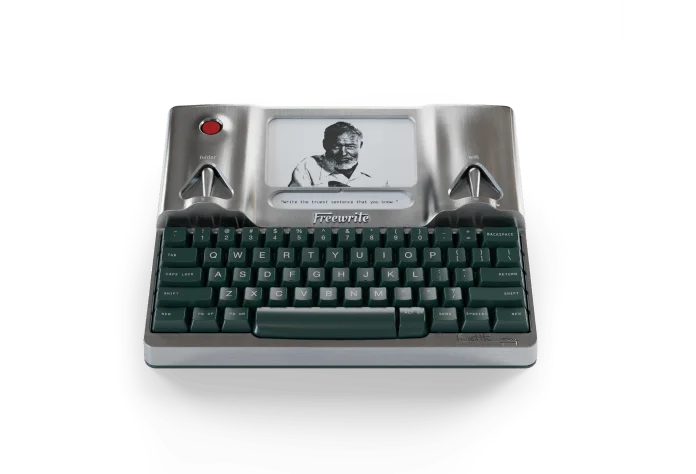
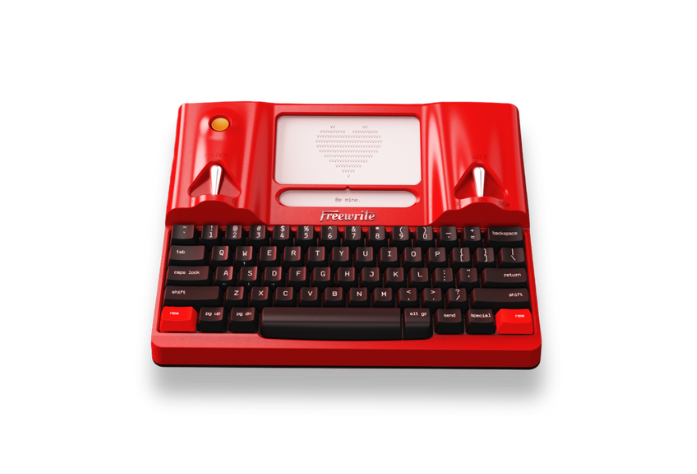
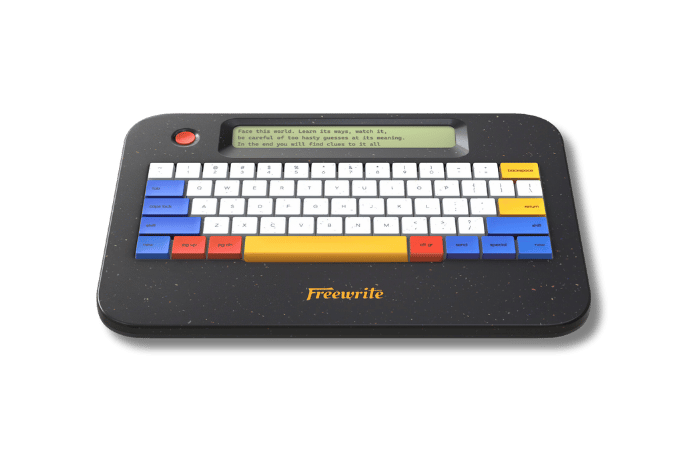
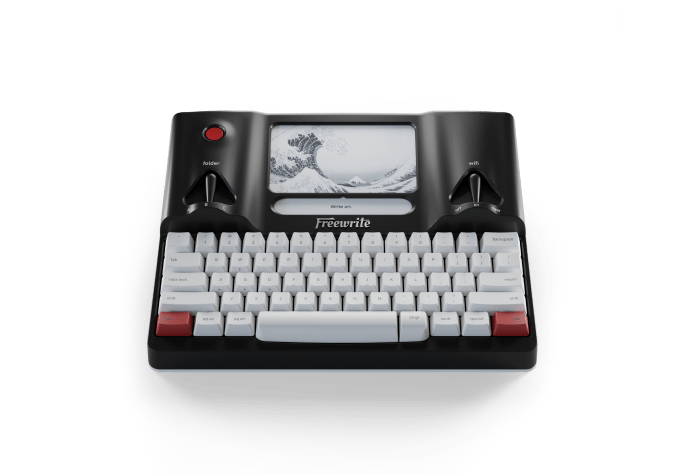
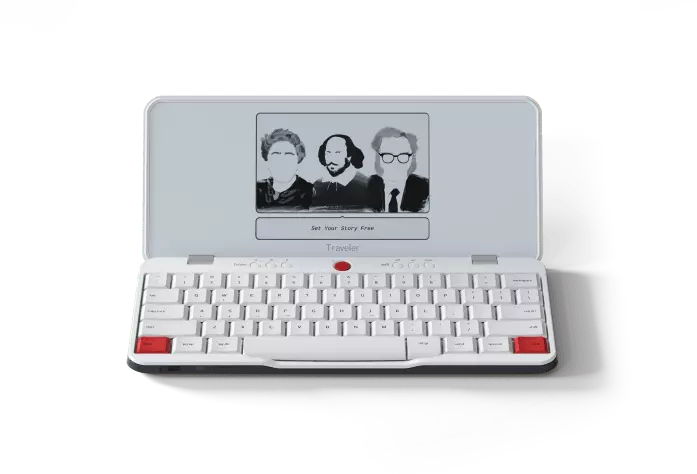
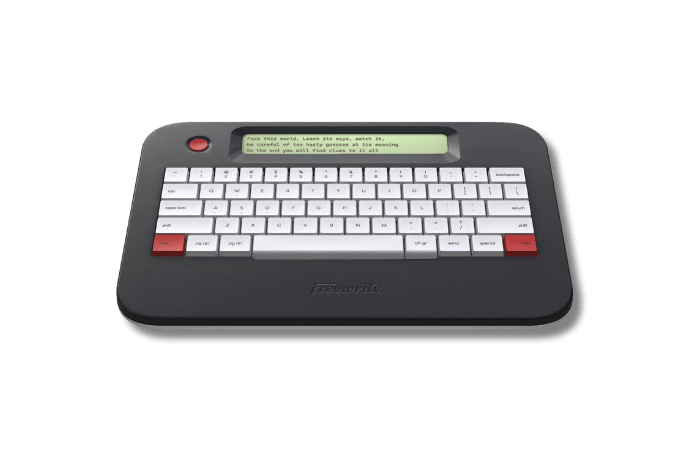
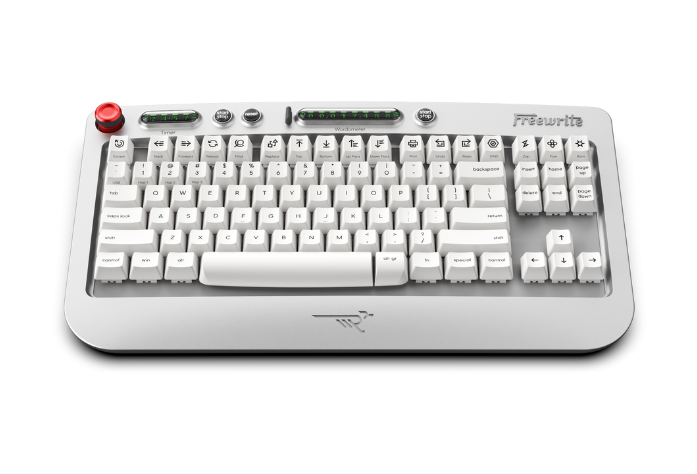
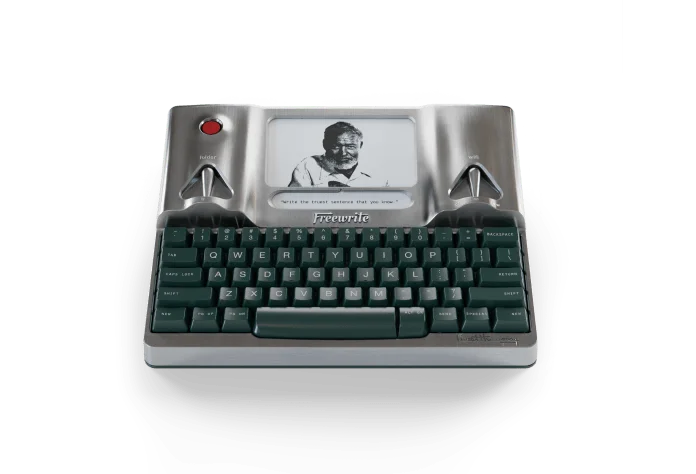
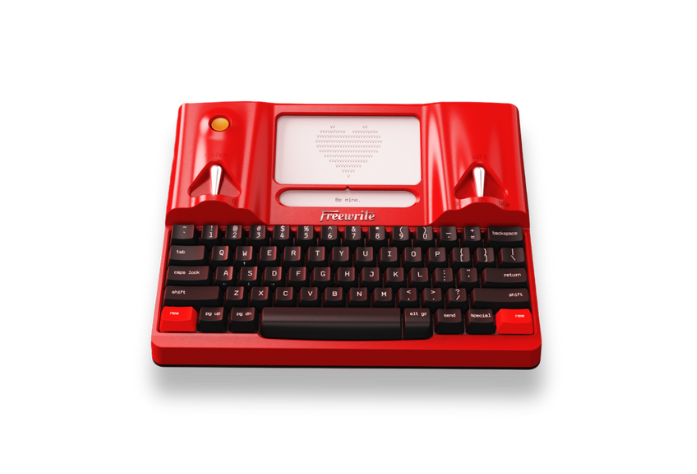
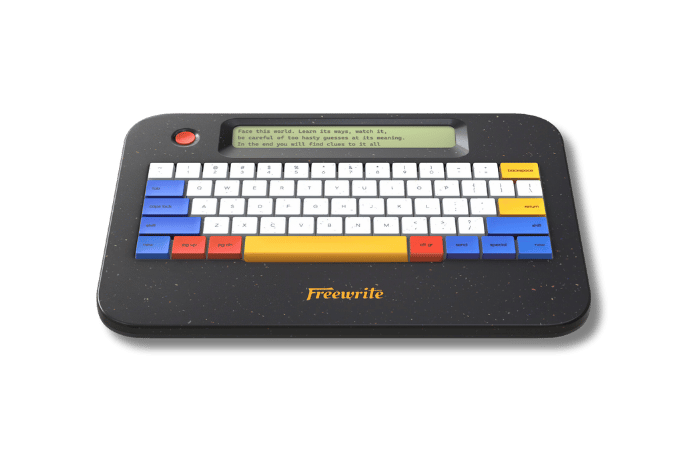
Descubre el remedio definitivo para el bloqueo del escritor: Freewrite. Esta herramienta de redacción especializada, sin notificaciones intermitentes ni alertas molestas, ayuda a los escritores a duplicar o triplicar su producción creativa. Cada Freewrite está diseñado específicamente para darte el impulso necesario para seguir escribiendo sin mirar atrás , para que puedas editar y pulir más tarde.
Una de las mejores formas de eliminar las distracciones es escribir en un dispositivo de uso único con una funcionalidad enfocada.
-
Quienes sufren de bloqueo creativo, sabemos que la situación es difícil. Pero implementen estas estrategias y redescubrirán su productividad y volverán a enamorarse de su proyecto de escritura.
Regresar a “Descifrando el código del bloqueo del escritor”.