Así como los escritores hablan de cómo la musa los golpea repentinamente con inspiración, el "bloqueo del escritor" también puede atacarlos en un instante y durar desde horas hasta meses, o incluso años.
Pero ¿es real el bloqueo del escritor? ¿O es solo un término específico de los escritores para referirse a la procrastinación, la falta de concentración o el bloqueo bajo presión? ¿O es como el gato de Schrödinger, donde la respuesta a ambas preguntas es "sí" y "no"?

Argumentos a favor del bloqueo del escritor
Les digo a mis alumnos que existe el bloqueo del escritor y que deben respetarlo. No deberían escribir con él. Está bloqueado porque debería estarlo. Estas son las palabras de Toni Morrison, autora de Beloved .
En una entrevista con Lit Hub , Morrison también comentó que, al leer un libro, siempre se daba cuenta de cuándo el autor había superado un bloqueo. Se refería a la necesidad de abordar, y no ignorar, la raíz del problema. Quizás el bloqueo del escritor sea algo que deba respetarse. Después de todo, es difícil discutir con un autor ganador de premios Pulitzer y Nobel.
Morrison también comentó que, al leer un libro, siempre se daba cuenta de cuándo el autor había superado un bloqueo. Se refería a la necesidad de abordar, y no ignorar, la raíz del problema.
Carmen María Machado, autora de Su cuerpo y otras fiestas , cree que el bloqueo del escritor también es real. En una entrevista con Volume 1 Brooklyn , dijo: «Leer es la manera de prevenir o superar el bloqueo del escritor. No puedes seguir escribiendo si no estás llenando el tanque con lo que quieres leer». Quizás el bloqueo del escritor sea simplemente el resultado de la falta de estimulación e ideas creativas. Para algunos, podría ser la causa raíz que Morrison insinuó.
Y pensemos en Franz Kafka, el equivalente literario del surrealista Salvador Dalí, que sufría profundamente de bloqueo de escritor.
El fin de la escritura. ¿Cuándo me retomará? ... Intenté escribir de nuevo, prácticamente inútil... Paralización total. Tormentos interminables. El autor de La Metamorfosis escribió muchas entradas de diario como esta.
Cuando un escritor venerado como visionario tuvo dificultades para plasmar su pensamiento, ¿no es prueba suficiente de que el bloqueo del escritor es real? Pero aún no hay una decisión definitiva.
Argumentos contra el bloqueo del escritor
Otra novelista ganadora del Premio Pulitzer que merece la pena comentar es Elizabeth Strout. En una entrevista con The Washington Post , Strout declaró: «Nunca he tenido bloqueo de escritor. Mi bloqueo de escritor se manifiesta en escribir mal, lo cual es mucho más preferible».
Para muchos, el bloqueo del escritor puede atribuirse al miedo al fracaso, la falta de impulso o el perfeccionismo. (Como dijo Margaret Atwood : «Si esperara la perfección, no escribiría ni una palabra».) Algunos escritores se sienten bloqueados al escribir un primer borrador descuidado. Pero Strout sugiere seguir escribiendo mal hasta que surjan las palabras adecuadas.
Para muchos, el bloqueo del escritor puede atribuirse al miedo al fracaso, la falta de impulso o el perfeccionismo.
Patrick Rothfuss, autor del universo de Kingkiller Chronicle , adopta una postura firme sobre el argumento. "No existe. Lo diremos sin rodeos", declaró en una entrevista con Syfy . "Ningún fontanero llama al trabajo y le dicen: 'Jake, tengo un bloqueo de fontanero'".
Incluso los escritores de carrera afirman que el bloqueo creativo no existe cuando dependes de tus palabras para pagar las cuentas. ( Amy Alkon dijo: «Me gano la vida como columnista y autora sindicada, no hay lugar para el bloqueo creativo»).
Si eres un escritor creativo sin una fecha límite de un editor que te acecha, la responsabilidad recae solo sobre ti. Nadie más te va a obligar a escribir. La automotivación fluctúa, y ahí es donde el llamado bloqueo del escritor puede aparecer.
El bloqueo del escritor contra la gente: argumento de cierre
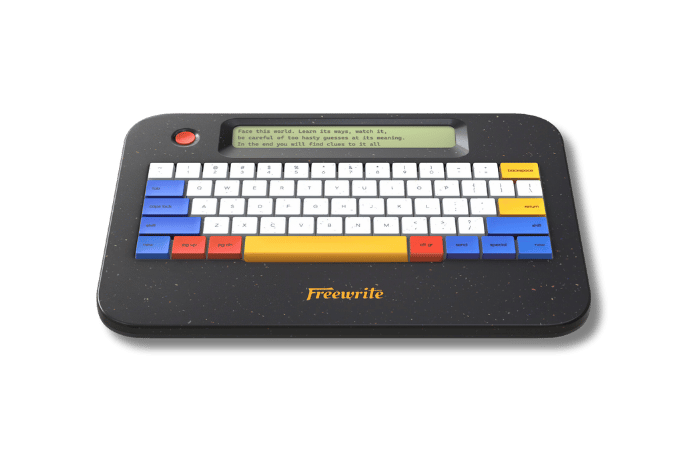
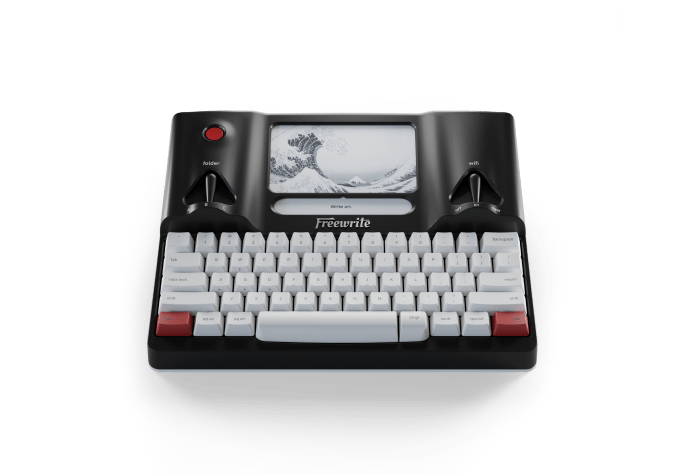
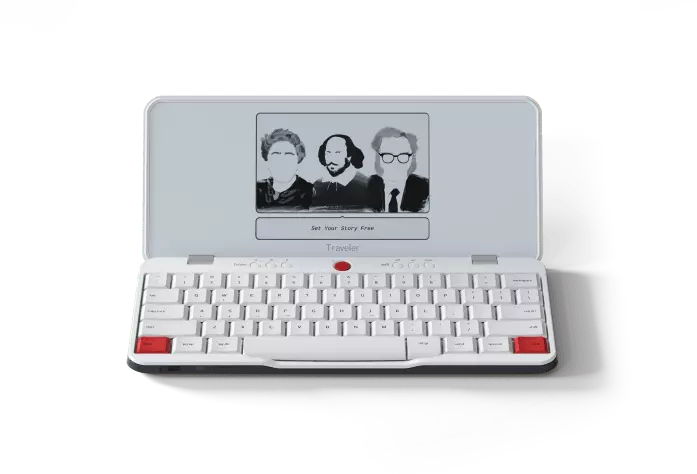
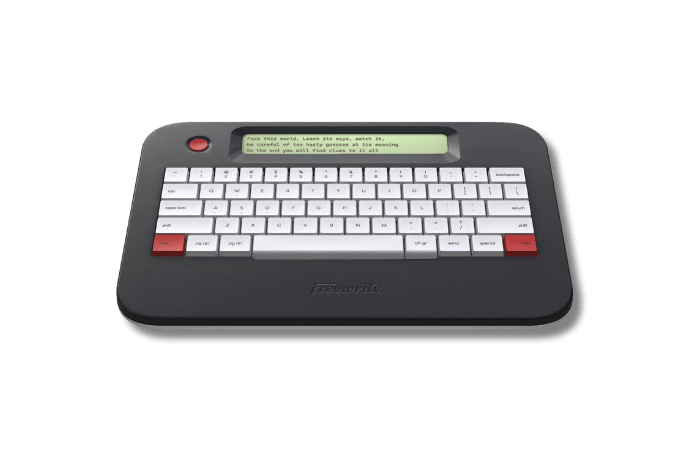
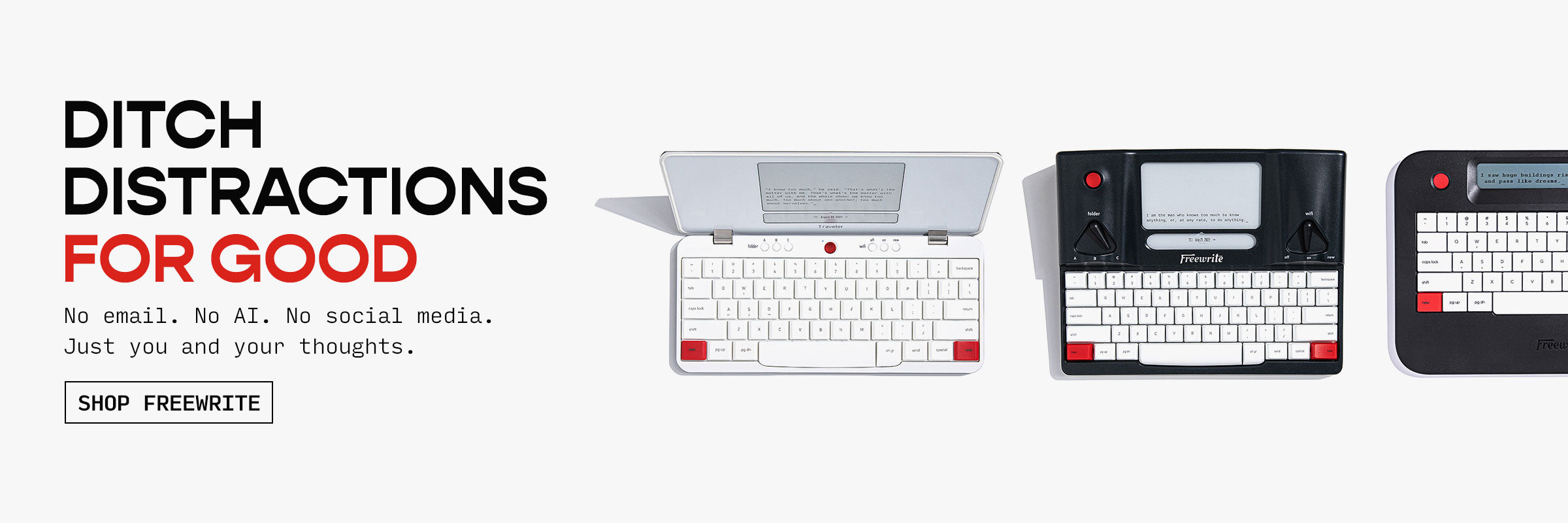
En Freewrite, nuestra postura es que no, el bloqueo del escritor no es una aflicción paralizante e incurable. Pero sí, hay fuerzas que actúan en tu contra. Desde la tecnología que te distrae y absorbe la atención, hasta las prioridades que compiten, e incluso tu propio cerebro.
No, el bloqueo del escritor no es una aflicción paralizante e incurable. Pero sí, hay fuerzas que actúan en tu contra.
No importa cómo lo disfraces, escribir es difícil. Pero la buena noticia es que existen métodos probados para prevenir y combatir el bloqueo del escritor.
Regresar a “Descifrando el código del bloqueo del escritor”.