overlaylink

Escribir a pesar de la enfermedad y las lesiones

septiembre 11, 2023 | 2 lectura mínima

A veces, cuando atravesamos un período difícil en la vida, tanto la escritura como nuestra creatividad pueden quedar relegadas al olvido. Y otras veces, escribir es precisamente lo que nos ayuda a superarlo.

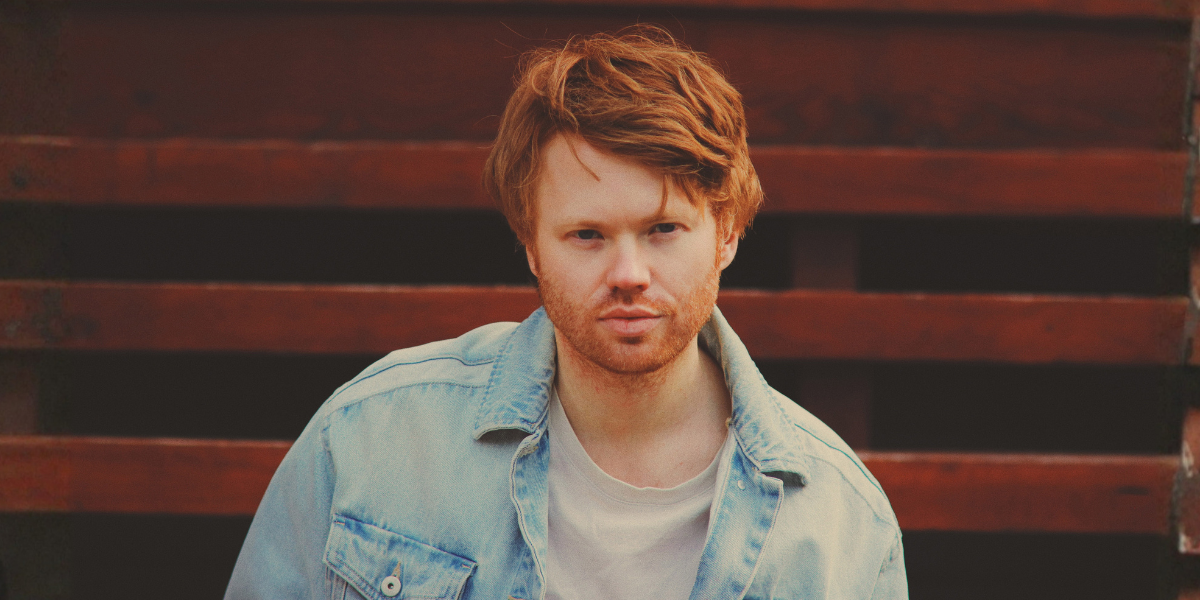
La escritora Danielle Christopher se une a nosotros desde su hogar en la costa oeste de Canadá para hablar sobre cómo la escritura la ayuda a superar períodos de enfermedad y lesiones.

¿Cómo es tu vida como escritor?

Después de sufrir lesiones en un accidente automovilístico, actualmente estoy en licencia médica del negocio de contratación general que dirijo con mi esposo.

Después de sobrevivir al cáncer y a un accidente automovilístico, escribir ha sido catártico para mí durante mi recuperación.

Es mucho por lo que sobrevivir. ¿En qué estás trabajando ahora mismo?

Acabo de completar el primer borrador de unas memorias que tratan sobre el duelo, la crianza de un hijo neurotípico y otro neurodivergente, y la aceptación de que la historia de mi madre no es la mía.

Comencé el libro en octubre de 2019, pocos meses después de que me diagnosticaran cáncer de colon en etapa 2.

Luego, en febrero de 2020, tuve que dejar de trabajar en el libro debido a un accidente de coche. Desde entonces, he estado lidiando con el síndrome posconmocional (SPC).

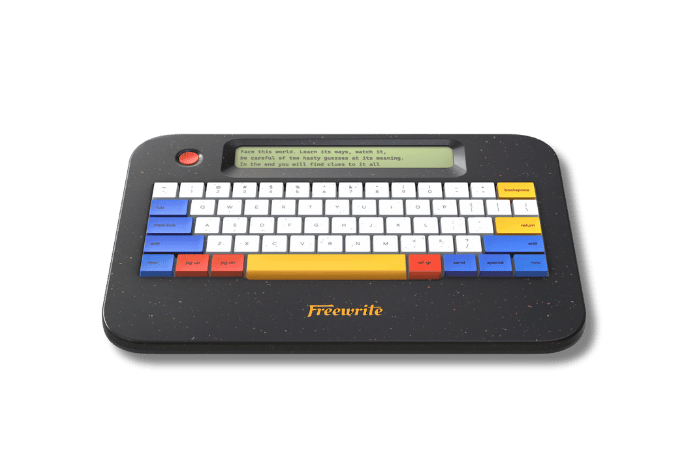
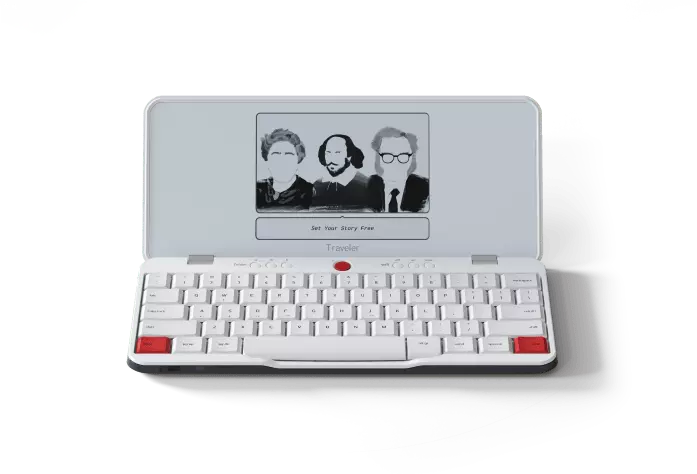
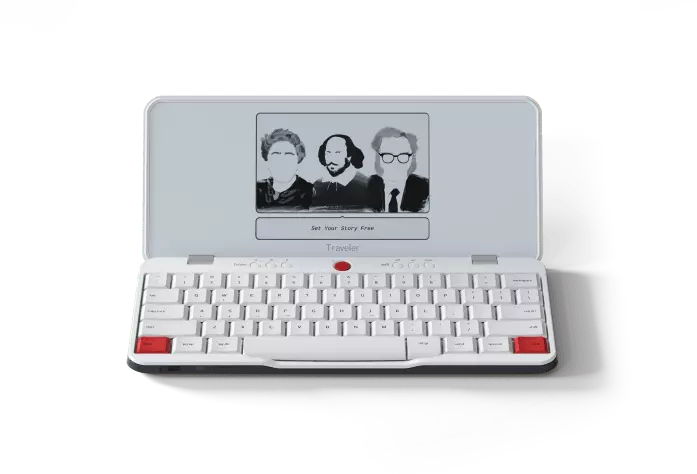
En la imagen se muestra el Viajero de Danielle, que está adornado con una pegatina que dice: "Escribe como si te estuvieras quedando sin tiempo".

Escribir mientras se lucha contra el cáncer y se recupera de una conmoción cerebral no parece fácil. ¿Cómo se escribe con obstáculos como esos, tanto emocional como técnicamente?

Escribir es mi autocuidado. Y como dije, ha sido una experiencia catártica durante mi recuperación. Otra motivación para escribir es que mi madre falleció cuando yo tenía diez años. Y como no tengo sus historias, eso me motiva a escribir las mías para mis propios hijos.
Escribir es mi autocuidado.
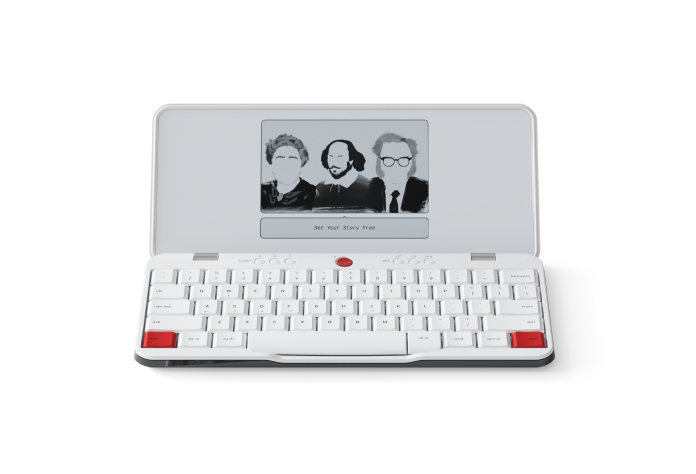
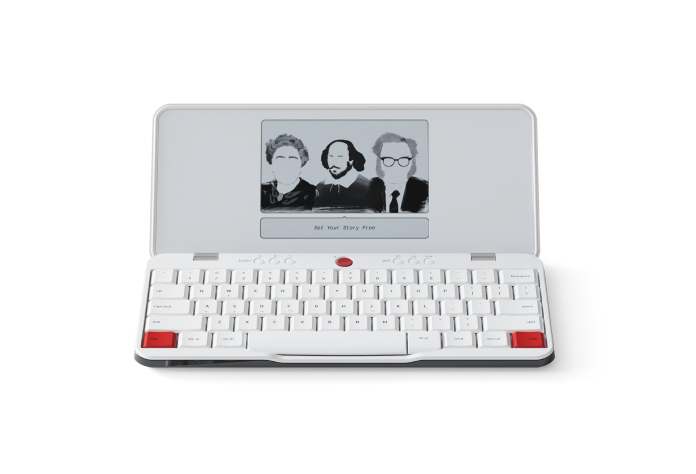
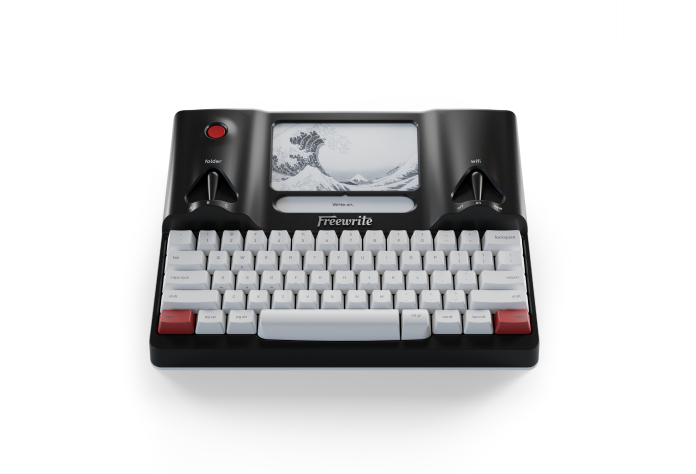
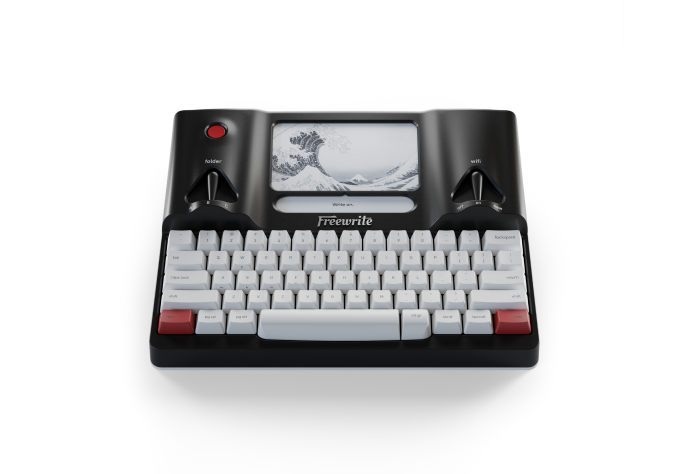
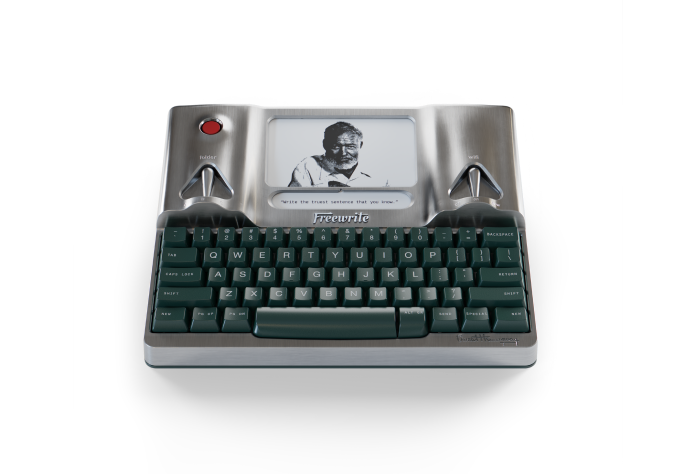
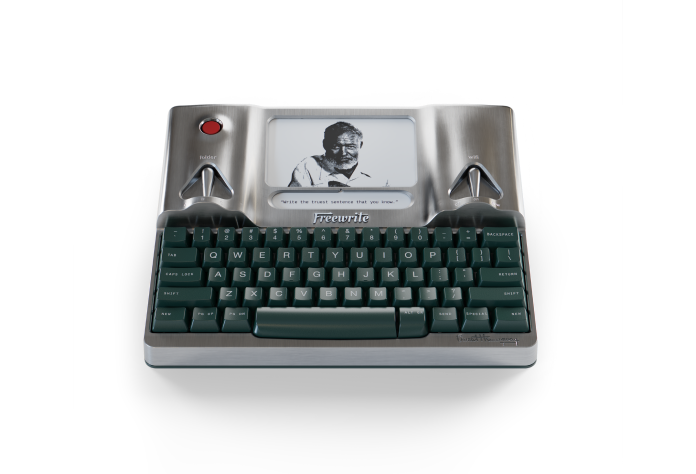
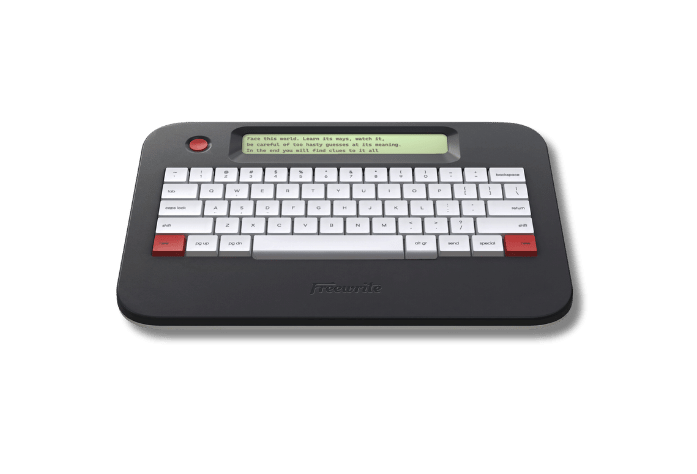
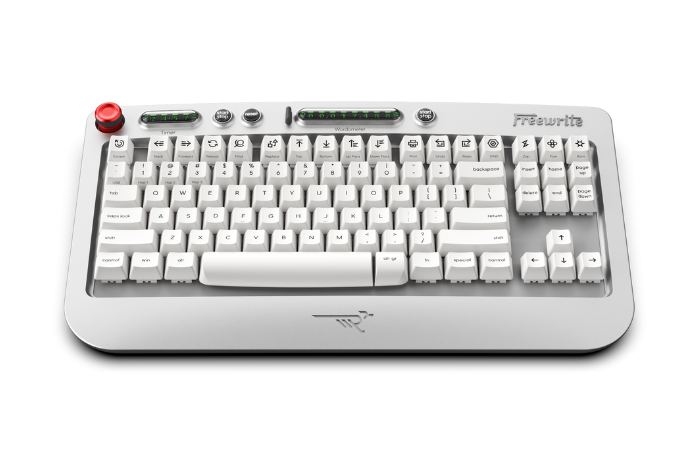
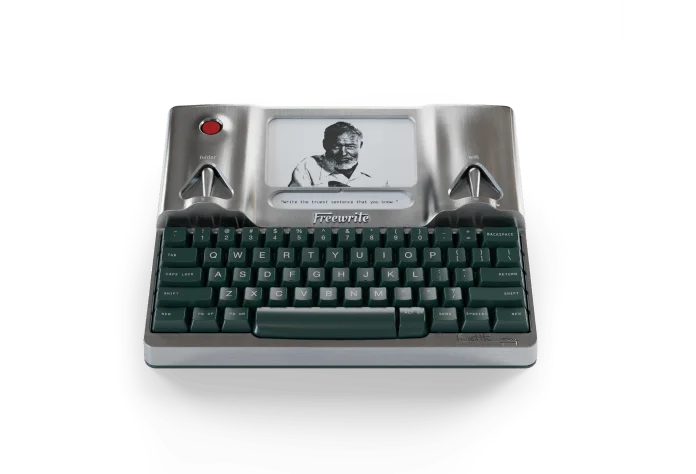
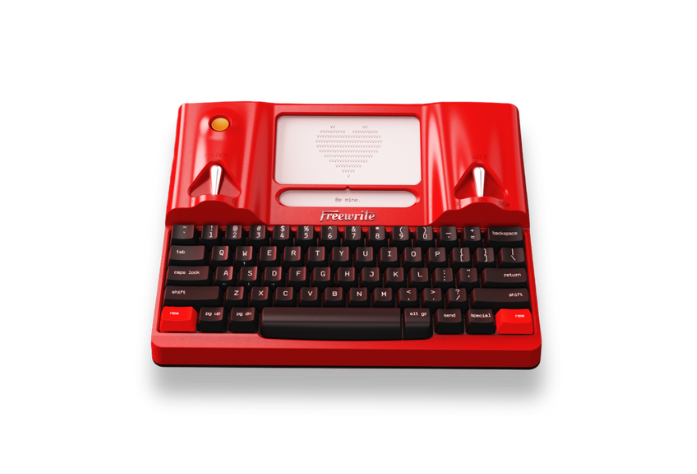
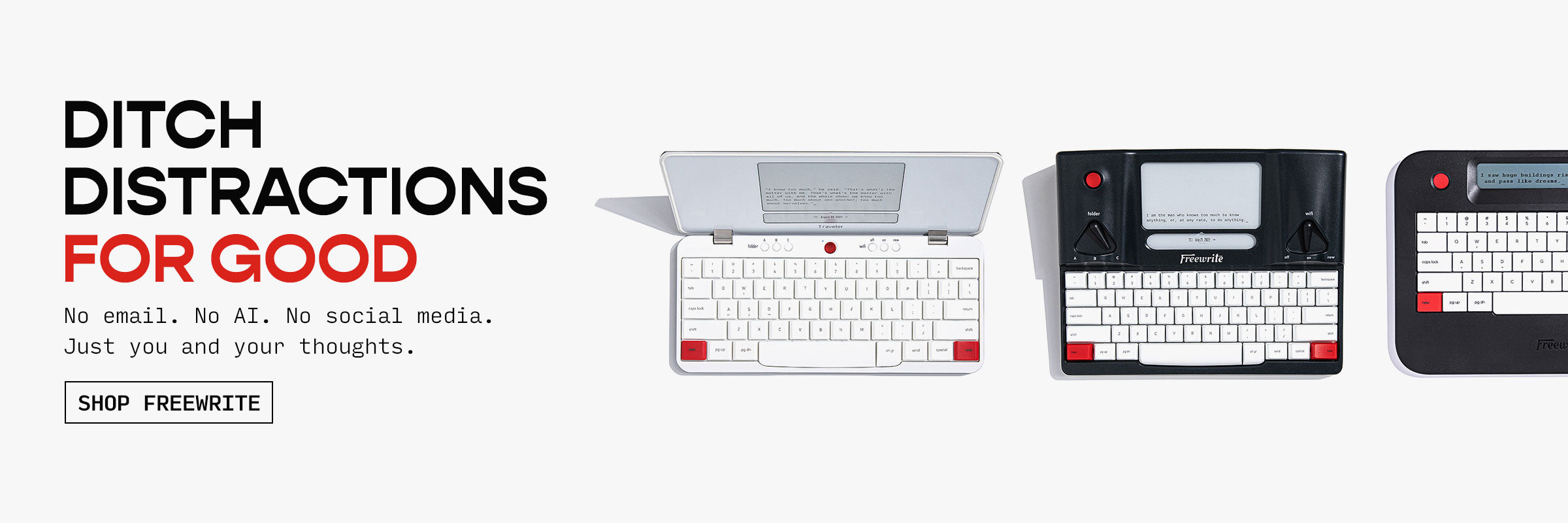
Técnicamente hablando, mi día de escritura es de todo tipo: en casa, en el coche, en las salas de espera, en las cafeterías. A veces uso Siri para dictar, a veces con bolígrafo y papel, y, por supuesto, sobre todo uso mi Freewrite Traveler para plasmar mis ideas en capítulos.
Traveler es muy suave para la vista. Las luces brillantes pueden provocar migrañas y problemas de visión debido a la conmoción cerebral, así que las computadoras no son la mejor opción. Pero en Freewrite, puedo escribir entre 100 y 800 palabras por sesión.
¡También me encanta la facilidad de enviarme piezas por correo electrónico y sincronizarlas con mi Dropbox!

¿Qué es lo próximo para ti?

Una vez que termine mis memorias, pienso usar mi trabajo en cine y televisión desde los 80 hasta principios de los 2000 para explorar la ficción. Esa época fue antes de las redes sociales, ¡y tengo muchísimo material!
--
Danielle Christopher vive y escribe en Langley, en el Valle Fraser, Columbia Británica, Canadá. Fue exalumna del programa The Writer's Studio de la SFU en 2022 y 2023. Sigue su trayectoria literaria en Instagram y Facebook .
enero 09, 2026 2 lectura mínima

A new year means a whole new crop of work is entering the public domain. And that means endless opportunities for retellings, spoofs, adaptations, and fan fiction.

diciembre 30, 2025 3 lectura mínima

It’s Freewrite’s favorite time of year. When dictionaries around the world examine language use of the previous year and select a “Word of the Year.”

Of course, there are many different dictionaries in use in the English language, and they all have different ideas about what word was the most influential or saw the most growth in the previous year. They individually review new slang and culturally relevant vocabulary, examine spikes or dips in usage, and pour over internet trend data.

Let’s see what some of the biggest dictionaries decided for 2025. And read to the end for a chance to submit your own Word of the Year — and win a Freewrite gift card.

[SUBMIT YOUR WORD OF THE YEAR]


Merriam-Webster: "slop"

Merriam-Webster chose "slop" as its Word of the Year for 2025 to describe "all that stuff dumped on our screens, captured in just four letters."

The dictionary lists "absurd videos, off-kilter advertising images, cheesy propaganda, fake news that looks pretty real, junky AI-written books, 'workslop' reports that waste coworkers’ time … and lots of talking cats" as examples of slop.

The original sense of the word "slop" from the 1700s was “soft mud” and eventually evolved to mean "food waste" and "rubbish." 2025 linked the term to AI, and the rest is history.

Honorable mentions: conclave, gerrymander, touch grass, performative, tariff, 67.

Dictionary.com: "67"

The team at Dictionary.com likes to pick a word that serves as “a linguistic time capsule, reflecting social trends and global events that defined the year.”

For 2025, they decided that “word” was actually a number. Or two numbers, to be exact.

If you’re an old, like me, and don’t know many school-age children, you may not have heard “67” in use. (Note that this is not “sixty-seven,” but “six, seven.”)

Dictionary.com claims the origin of “67” is a song called “Doot Doot (6 7)” by Skrilla, quickly made infamous by viral TikTok videos, most notably featuring a child who will for the rest of his life be known as the “6-7 Kid.” But according to my nine-year-old cousin, the origins of something so mystical can’t ever truly be known.

(My third grade expert also demonstrated the accompanying signature hand gesture, where you place both hands palms up and alternately move up and down.)

And if you happen to find yourself in a fourth-grade classroom, watch your mouth, because there’s a good chance this term has been banned for the teacher’s sanity.

Annoyed yet? Don’t be. As Dictionary.com points out, 6-7 is a rather delightful example at how fast language can develop as a new generation joins the conversation.

Dictionary.com honorable mentions: agentic, aura farming, broligarchy, clanker, Gen Z stare, kiss cam, overtourism, tariff, tradwife.

Oxford Dictionary: "rage bait"

With input from more than 30,000 users and expert analysis, Oxford Dictionary chose "rage bait" for their word of the year.

Specifically, the dictionary pointed to 2025’s news cycle, online manipulation tactics, and growing awareness of where we spend our time and attention online.

While closely paralleling its etymological cousin "clickbait," rage bait more specifically denotes content that evokes anger, discord, or polarization.

Oxford's experts report that use of the term has tripled in the last 12 months.

Oxford Dictionary's honorable mentions:aura farming, biohack.

Cambridge Dictionary: "parasocial"

The Cambridge Dictionary examined a sustained trend of increased searches to choose "parasocial" as its Word of the Year.

Believe it or not, this term was coined by sociologists in 1956, combining “social” with the Greek-derived prefix para-, which in this case means “similar to or parallel to, but separate from.”

But interest in and use of the term exploded this year, finally moving from a mainly academic context to the mainstream.

Cambridge Dictionary's honorable mentions: slop, delulu, skibidi, tradwife

Freewrite: TBD

This year, the Freewrite Fam is picking our own Word of the Year.

Click below to submit what you think the Word of 2025 should be, and we'll pick one submission to receive a Freewrite gift card.

[SUBMIT HERE] 

--

Sources

diciembre 18, 2025 5 lectura mínima

¿Qué pueden enseñar las cartas personales de Jane Austen a los escritores?