overlaylink

The Freewrite 500 First Place: High Holy Days

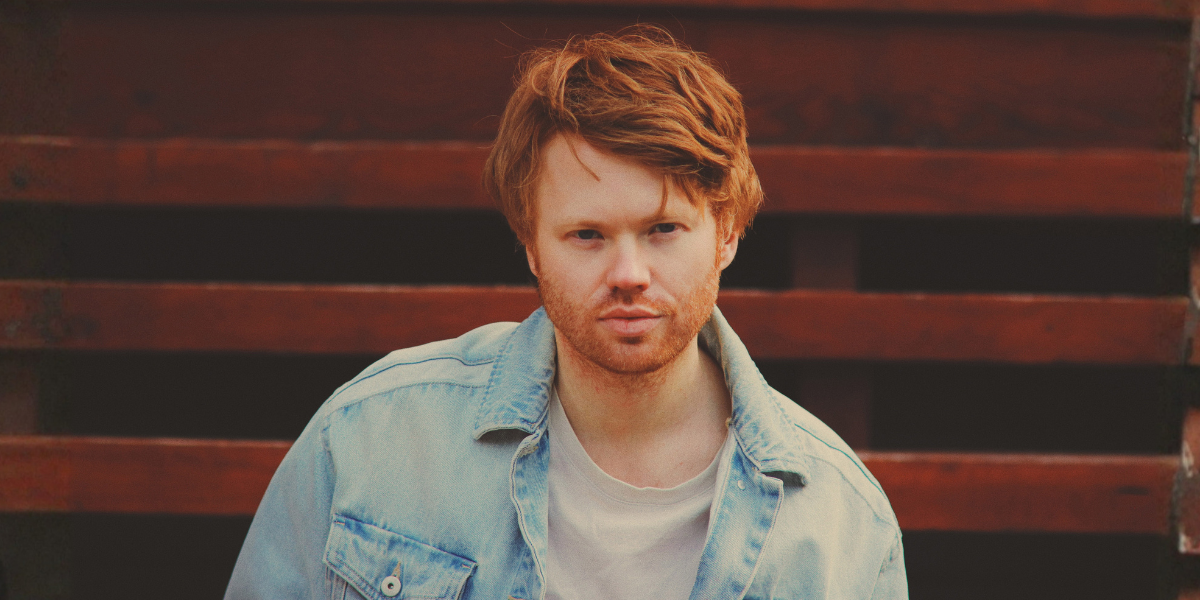
Brie Ripley Sparks
octubre 12, 2025 | 2 lectura mínima

The winning short story in the inaugural Freewrite 500 flash fiction competition is "High Holy Days" by Brie Ripley Sparks.

Read the story here and then check out our interview with Brie.

The halal butcher closes at nine, but the streetlights out back are always lit. A row of dumpsters lines a wall, fragrant with bones and gristle, and that’s where I leaned my bike.

He arrived late, as usual. Always in that long black coat buttoned tight even in summers. He waved with two fingers in a gesture that felt casual but practiced.

“Evening,” I said.

“Good evening to you, Bud,” he echoed. He had a way of saying it that made it sound like both greeting and judgment.

We traded neatly folded cash for a baggie full of greens. Swift and silent.

I sparked a joint, passed it over, and took my usual seat on a milk crate left next to the recycling bins. It was cracked but still pretty sturdy. He gently took the joint, sat on his usual milk crate, inhaled, coughed, then laughed.

“You hear about the new pope?”

I shrugged. “I don’t really read the news.”

“Chicago guy,” he said. “South Side. That’s where I’m from, actually.”

“Small world. You know him?” He shook his head. “Not personally. Still feels strange, though. Like finding out somebody from the neighborhood made it big.”

He leaned back against the brick wall, eyes half closed. For a second I imagined him in some other setting: marble floor, candles instead of fluorescents. He spoke with that odd mix of certainty and hesitation, like every sentence had to be measured for both truth and consequence.

“Chicago’s full of characters, huh?” I asked.

“Saints and sinners both.” He chuckled at himself, then took another drag.

The lot hummed with the buzz of the light, the faint metallic clatter from inside the butcher shop as someone hosed down a counter. Out here, it was just us. Two men with nothing in common, except the ritual of smoke and talk.

“Think he’ll be able to do anything about…all of this?” I asked, gesturing at the world around us. There were billboards for crypto scams and violence-baiting cable TV shows, but also woods and grassy fields nearby.

He tilted his head. “Maybe. But the world’s never short on that. Sometimes the job isn’t to fix it. It’s just to keep showing up.”

He said it like someone who’d spent a lifetime showing up in rooms no one else wanted to enter.

I took the joint back, pulled hard to put out the cherry, and made sure it was cold before I pressed it into his hand. “Keep that one. You’ll need it for your late night. It feels like you’ll have one of those again.”

He tucked it away without protest. That was our rhythm: I slipped him something extra, he slipped me some line that sounded half like a proverb, half like advice.

I swung my leg over the bike and pushed off.

“See you next week,” I heard from behind me.

I stuck a hand up in the air and waved at my favorite regular.

“Later, Father,” I yelled back with a smirk.
abril 15, 2026 4 lectura mínima

Break up with Final Draft for good. Get the best screenplay workflow in Hollywood: Freewrite + Highland Pro.

abril 01, 2026 0 lectura mínima
marzo 22, 2026 3 lectura mínima

If you're new here, freewriting is “an unfiltered and non-stop writing practice.” It’s sometimes known as stream-of-consciousness writing.

To do it, you simply need to write continuously, without pausing to rephrase, self-edit, or spellcheck. Freewriting is letting your words flow in their raw, natural state.

When writing the first draft of a novel, freewriting is the approach we, and many authors, recommend because it frees you from many of the stumbling blocks writers face.

This method helps you get to a state of feeling focused and uninhibited, so you can power through to the finish line.

How Freewriting Gives You Mental Clarity

Freewriting is like thinking with your hands. Some writers have described it as "telling yourself the story for the first time."

Writing for Inside Higher Ed, Steven Mintz says, “Writing is not simply a matter of expressing pre-existing thoughts clearly. It’s the process through which ideas are produced and refined.” And that’s the magic of putting pen to paper, or fingertips to keyboard. The way you learned to ride a bike by wobbling until suddenly you were pedaling? The way you learned certain skills by doing as well as revising? It works for writing, too.

The act of writing turns on your creative brain and kicks it into high gear. You’re finally able to articulate that complex idea the way you want to express it when you write, not when you stare at a blank page and inwardly think until the mythical perfect sentence comes to mind.

Writing isn’t just the way we express ideas, but it’s how we extract them in the first place. Writing is thinking.

Or, as Flannery O'Connor put it:

“I write because I don't know what I think until I read what I say.”

Writing isn’t just the way we express ideas, but it’s how we extract them in the first place. Writing is thinking.


Freewriting to Freethinking

But how and why does it work? Freewriting makes fresh ideas tumble onto the page because this type of writing helps you get into a meditative flow state, where the distractions of the world around you slip away.

Julie Cameron, acclaimed author of The Artist’s Way, proposed the idea that flow-state creativity comes from a divine source. And sure, it certainly feels like wizardry when the words come pouring out and scenes seem to arrange themselves on the page fully formed. But that magic, in-the-zone writing feeling doesn’t have to happen only once in a blue moon. It’s time to bust that myth.

By practicing regular freewriting and getting your mind (and hands) used to writing unfiltered, uncensored, and uninterrupted, you start freethinking and letting the words flow. And the science backs it up.

According to Psychology Today, the dorsolateral prefrontal cortex goes quiet during flow state. This part of the brain is in charge of “self-monitoring and impulse control” – in other words, the DLPFC is the tiny home of your loud inner critic. And while that mean little voice in your head takes a long-overdue nap, you’re free to write without doubt or negative self-talk.

“With this area [of the brain] deactivated, we’re far less critical and far more courageous, both augmenting our ability to imagine new possibilities and share those possibilities with the world.”

Freewriting helps us connect with ourselves and our own thoughts, stories, beliefs, fears, and desires. But working your creative brain is like working a muscle. It needs regular flexing to stay strong.

So, if freewriting helps us think and organize our thoughts and ideas, what happens if we stop writing? If we only consume and hardly ever create, do we lose the ability to think for ourselves? Up next, read "Are We Living through a Creativity Crisis?"


Learn More About Freewriting

Get the ultimate guide to boosting creativity and productivity with freewriting absolutely free right here.You'll learn how to overcome perfectionism, enhance flow, and reignite the joy of writing.

SYSF-book-mockup.webp