
Soy escritor. ¿Por qué no escribo? Como escritores, somos conocidos por nuestra relación de amor-odio con nuestro oficio. Al fin y al cabo, ¿quién no se ha puesto a escribir y siente la imperiosa necesidad de fregar los platos, buscar en Google alguna leyenda urbana desconocida o hacer cualquier otra cosa de inmediato?
Lo entendemos. Las palabras son difíciles. Pero también son divertidas y gratificantes. Y posiblemente uno de los aspectos más importantes de la existencia humana. Por eso te encanta escribir. Y por eso nos dedicamos a crear herramientas de redacción sin distracciones para facilitar la escritura.
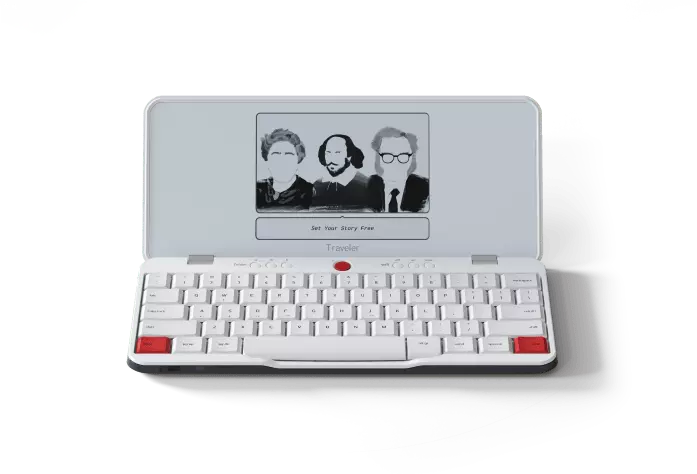
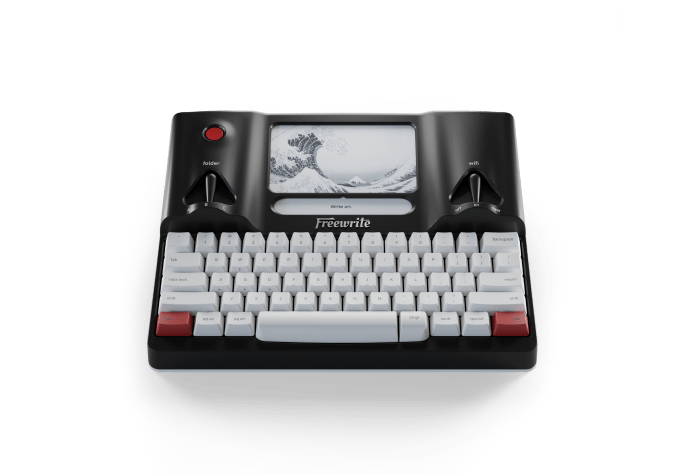
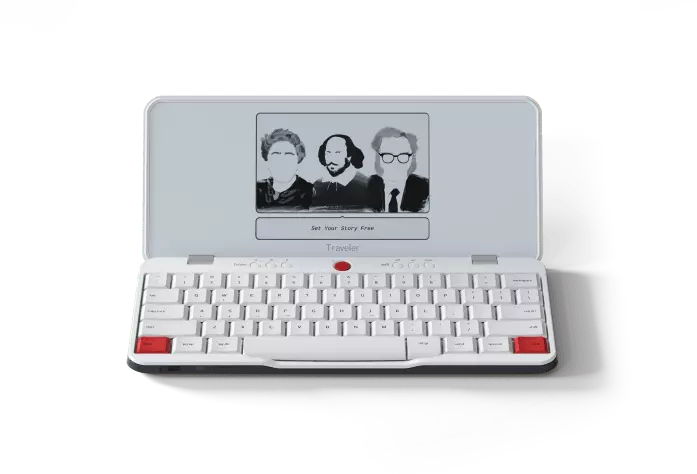
¿Pero qué haces cuando no encuentras inspiración? ¿Cuando tu musa está de vacaciones? ¿Cuando abres Traveler y te quedas con la pantalla en blanco?
Es fácil. Eliges la última incorporación a tu arsenal de escritura libre: la baraja "Palabras son difíciles" .

¿Qué es?
Words Are Hard es una colección seleccionada de propuestas de escritura que te invitan a reflexionar, diseñadas para que dejes el control remoto, o cualquier otra distracción del día, y te pongas a escribir. Tener una propuesta clara, sencilla y creativa es la manera más fácil de superar el primer y más difícil obstáculo de la escritura: empezar.
Cada mazo viene con:
- 150 indicaciones en 8 géneros de escritura
- Hermoso estuche negro mate con detalles en papel dorado e impresionantes ilustraciones de género de Matt Pamer (querrás colgarlas en tu pared).
- Un soporte de bloque de madera en relieve personalizado para mostrar el mensaje que estás usando actualmente
Elaboradas con cuidado y precisión, cada tarjeta es una obra de arte. El material duradero y de alta calidad garantiza una mezcla fluida y un compañero duradero para tus proyectos creativos. Deja que las tarjetas te inspiren durante años.
Un aspecto único de esta baraja es que las propuestas abarcan diferentes géneros, para que puedas explorar cada rincón de tu imaginación. ¿Escribes novelas románticas? Te recomendamos probar una propuesta de la categoría de ciencia ficción para profundizar en tu creatividad. ¿Sueles escribir terror? Elige una propuesta de la categoría infantil para desafiar tu pensamiento.

Cómo usar la baraja
La baraja "Las Palabras Son Difíciles" está diseñada para ser fácil de usar y adaptarse a tus necesidades personales. Solo sigue estos pasos para empezar:
- Elige: Encuentra una idea que te resuene. Elige una carta que te encante, o cierra los ojos y deja que el destino sea tu musa.
- Deja de lado las distracciones: busca un espacio cómodo donde puedas concentrarte, lejos de cualquier ruido o perturbación.
- Establece objetivos: Define un número de palabras o una duración para esta consigna. Si no sabes por dónde empezar, programa un temporizador de 10 minutos y escribe hasta el final.
- Escribe: Empieza a escribir sin preocuparte por la perfección de las oraciones ni la gramática. Deja volar tu imaginación y explora interpretaciones únicas de la consigna. Deja que tus ideas fluyan libremente en el papel o en la pantalla de escritura libre. Evita editar durante esta etapa.
- Mantente libre: Recuerda, el propósito de la consigna de escritura es fomentar la creatividad y generar nuevas ideas, así que no tengas miedo de experimentar, arriesgarte y explorar las profundidades de tu imaginación. Deja que la consigna te lleve a áreas inesperadas, ya sea un nuevo protagonista, un giro inesperado en la trama o una emoción intensa.
- Termina y reflexiona: ¿Cómo te sientes? ¿Tu imaginación está despierta y la creatividad fluye? ¡Sigue escribiendo si estás en la onda! O cambia de tema y continúa con cualquier trabajo en progreso que tengas en marcha. Si buscas ideas para un nuevo proyecto, revisa lo que has escrito y busca ideas o historias que merezcan la pena explorar.
- Repito: La próxima vez que necesites un impulso creativo, ¡elige otra propuesta! Prueba un género diferente para un desafío.
A continuación se ofrecen algunos consejos para estimular una creatividad más profunda:
- Experimente con diferentes perspectivas.
- Combina géneros y temas (elige 2 indicaciones y combínalas).
- Involucra los sentidos (e imagina qué está sucediendo con cada uno de los 5 sentidos de tu personaje).
- Comprométete con la sesión de escritura completa para practicar cómo superar las distracciones y el bloqueo del escritor.
Ya seas un veterano de la industria, un novelista en ciernes, un periodista empedernido o un poeta del metro, la baraja "Palabras Son Difíciles" te hará volar la imaginación y te hará volar la creatividad al instante. ¡Tú decides qué hacer a partir de ahí!
Hacer que las palabras sean más fáciles
El paquete "Las Palabras Son Difíciles" es un regalo fantástico para los escritores de tu vida. También es una actividad grupal maravillosa para escritores. O bien, guarda una copia del paquete en tu escritorio para acceder fácilmente cuando te sientas bloqueado.
Con la baraja "Palabras Son Difíciles", cada baraja da pie a una nueva historia, una idea original y un estallido de energía imaginativa. Consigue tu juego aquí.