overlaylink

Cómo publicar un libro: una guía completa

noviembre 08, 2018 | 7 lectura mínima

¡Felicidades! ¡Lo lograste! Escribiste un libro (si aún no lo has hecho, consulta este artículo con 10 pasos a seguir ). Date una palmadita en la espalda y tómate unos minutos para reconocer lo que has logrado.

Bien, ¿y ahora qué? Escribir tu libro es solo el primer paso en tu camino hacia la publicación. Es un viaje que termina con tu libro en manos (o en el dispositivo) de tu público: tus lectores.

El mundo editorial ha avanzado mucho en los últimos años, con más opciones disponibles para los autores que nunca. Puedes optar por la vía tradicional con una editorial o autopublicar tu libro en formato impreso o electrónico (o ambos). Ambos procesos tienen ventajas y desventajas, y ambos pueden ser extremadamente exitosos si se realizan correctamente. Tanto si ya has decidido qué camino tomar como si aún no lo has decidido, aquí tienes una guía útil sobre cómo publicar tu libro.

Sigue leyendo: 10 estrategias de envío de escritos para publicar

Antes de empezar

Probablemente estés deseando publicar tu libro, pero antes de publicarlo, es importante que lo revisen. Primero, es buena idea entregárselo a un par de "lectores beta" dispuestos a darte retroalimentación honesta y constructiva. Ellos podrán ayudarte a identificar si hay lagunas importantes en la trama o partes de la historia que no tengan sentido.

Sigue leyendo: Historia vs. Trama

Una vez que estés seguro de que tu narrativa es sólida, es útil contratar a un buen corrector para corregir errores ortográficos, gramaticales, estructuras oracionales incómodas y términos o jerga ofensiva. Si no puedes permitirte una edición completa, una corrección exhaustiva es la mejor opción. Puedes encontrar editores y correctores a precios razonables en plataformas de publicidad en línea como Fiverr , Upwork y Freelancer . Por supuesto, también puedes editar tu propio trabajo, pero no subestimes la ventaja de una mirada nueva.

Sigue leyendo: 3 formas de agilizar tu proceso de edición

Cómo preparar su manuscrito

Sea cual sea el método de publicación que elija, lo primero que debe hacer es preparar su manuscrito según los estándares adecuados. Los criterios variarán según el método de publicación y los requisitos de cada editorial. La mayoría de las editoriales los incluyen en su sitio web, y es importante seguir sus instrucciones cuidadosamente si desea que revisen su libro.

Para libros tradicionales, la mayoría de las editoriales recomiendan que el manuscrito se presente en un documento A4 con márgenes de 3 cm y texto Times New Roman de 12 puntos, alineado a la izquierda. Use un espacio simple entre oraciones y doble espacio entre líneas, sin líneas adicionales entre párrafos. Comience cada capítulo en una página nueva y aplique sangría a cada párrafo o sección de diálogo. Asegúrese de que cada página esté numerada y que el título y su nombre aparezcan en el encabezado. No olvide incluir una portada con el título de su historia, el número de palabras y sus datos de contacto.

Cómo conseguir un agente

Muchas editoriales tradicionales no aceptan manuscritos no solicitados, así que es buena idea contratar a un agente literario que se encargue de esa parte. Busca agencias literarias en tu zona y comprueba si tienen agentes abiertos a recibir trabajos y que estén interesados ​​en tu género. Una vez que encuentres a alguien que te parezca adecuado, tendrás que preparar tu envío.

A menudo, la agencia tendrá directrices en su sitio web que detallan lo que buscan de ti, pero si no, es seguro asumir que aceptarán una carta de presentación, una sinopsis y los tres primeros capítulos de tu libro. Tu carta de presentación debe ser de una página, escrita con claridad, que te presente a ti y a tu libro. Describe por qué te gustaría trabajar con ese agente, incluye la premisa y el número de palabras de tu libro, y termina con una o dos frases sobre ti. Tu sinopsis debe tener unas 500 palabras y resumir la trama de tu libro y la trayectoria emocional de tus personajes con un lenguaje sencillo. Es una descripción, no un discurso de venta.

Empieza enviando tu propuesta a entre diez y quince agentes y estate abierto a sus comentarios, tanto positivos como negativos, cuando respondan. Si recibes muy pocas respuestas, quizás debas revisar tu historia para ver por qué no engancha. Sin embargo, no te rindas tras los primeros rechazos. Los agentes literarios rechazan propuestas por muchas razones, como estar demasiado ocupados o tener muchas otras propuestas similares. Si recibes comentarios positivos y alentadores con sus rechazos, ¡sigue intentándolo!

Una vez que hayas conseguido un agente, su trabajo es vender tu manuscrito a una editorial. Si tu agente tiene éxito, la editorial comprará los derechos para comercializar tu libro. Normalmente, recibirás un pago por adelantado (aunque puede que no sea una cantidad elevada) y una parte de las regalías por las ventas. La editorial se encargará entonces de la producción y la comercialización de tu libro y, si todo va bien, lo verás en las librerías y podrías recibir algunas reseñas. Lo mejor de la publicación tradicional es que, una vez que has vendido tu libro a la editorial, esta se encarga de todo el trabajo duro para sacarlo al mercado. La desventaja es que cedes el control de tu obra a un tercero, quien se lleva una parte significativa de las ganancias.

Cómo autopublicar tu libro

La autopublicación se ha vuelto cada vez más popular gracias a que plataformas en línea como Kindle Direct Publishing de Amazon han facilitado más que nunca la venta de obras a un público global con poca o ninguna inversión inicial. Si escribes en un género o formato que no suele generar mucho interés en los círculos editoriales tradicionales, buscas una rápida salida al mercado o simplemente prefieres tener el control total de tu carrera editorial, la autopublicación podría ser la mejor opción.

Al igual que en la publicación tradicional, necesitarás que tu manuscrito esté en perfectas condiciones antes de publicarlo. Editar tu libro correctamente es especialmente importante en el ámbito de la autopublicación, ya que no tendrás a los editores de la editorial revisándolo antes de su lanzamiento, como ocurriría si optaras por la publicación tradicional.

También necesitarás diseñar una portada. Si vendes a través de grandes plataformas como Amazon Kindle Direct Publishing o Barnes & Noble Press , la miniatura de tu portada competirá con docenas de otras en la misma página, por lo que debe destacar y atraer al lector a hacer clic en ella. A menos que tengas buenas habilidades de diseño gráfico, vale la pena contratar a un diseñador para que cree una portada atractiva que le haga justicia a tu libro. Si optas por hacerlo tú mismo con una aplicación de diseño como Canva , asegúrate de usar imágenes libres de regalías (o adquirir los derechos correctos para el uso de la imagen de stock que elijas).

A continuación, deberás escribir una excelente descripción de tu libro que venda tu historia y enganche al lector. Tu descripción debe tener unas 600 palabras y es fundamental que esté completamente libre de errores. Nada desalienta más rápido a un posible lector que las erratas en la descripción del libro.

Tómate un tiempo para investigar las diferentes opciones de publicación de libros electrónicos disponibles y decide cuál se adapta mejor a tus necesidades. Normalmente, las editoriales de libros electrónicos no te cobran por subir tu libro, pero se quedan con un pequeño porcentaje de tus ventas para cubrir el servicio. Algunas editoriales también ofrecen un servicio de impresión bajo demanda, donde el lector puede solicitar una copia impresa, que se imprimirá en el momento del pedido, y el precio de compra cubrirá los costos de impresión más tus ganancias. Algunas empresas también te ofrecen la posibilidad de imprimir tu libro al por mayor, a precio de costo, para que puedas distribuir ejemplares a librerías locales.

Una vez que hayas seleccionado la empresa que publicará tu libro, investiga sus requisitos de formato para subir tu manuscrito. Algunas empresas, como Amazon, ofrecen una aplicación que lo hace automáticamente, mientras que otras requieren un poco más de entrada manual. Un documento de Word con un diseño limpio es un buen punto de partida y es compatible con la mayoría de las plataformas.

Antes de subir tu libro, deberás decidir con qué metadatos lo etiquetarás. Los metadatos incluyen elementos como el título, el subtítulo, el nombre del autor, la descripción y las categorías y palabras clave con las que etiquetarás tu obra. Esto ayudará a que las personas encuentren tu libro cuando busquen un género o tema específico. Revisa los requisitos de metadatos de la plataforma elegida para estar bien preparado con las mejores opciones cuando llegue el momento de subir tu libro a su sistema.

Una vez que tu libro autopublicado esté subido y listo para que la gente lo compre, es hora de promocionarlo a los cuatro vientos. Crea una presencia online donde puedas conectar con tu público: las cuentas de Facebook, Twitter e Instagram son excelentes puntos de partida, y todas son gratuitas. Incluso puedes crear un sitio web gratuito con servicios como Wix , Weebly o WordPress , que cuentan con plantillas integradas de aspecto profesional e interfaces fáciles de usar. Si dispones de presupuesto para marketing, Facebook te ofrece una forma económica de enviar anuncios dirigidos a otros usuarios.

¿Qué es la publicación vanidosa y por qué debería evitarla?

La autoedición (también conocida como publicación vanidosa o publicación subvencionada) es una forma de autoedición en la que la editorial te pide un pago inicial para imprimir tu libro. Este pago cubre sus costos de producción, además de un margen de beneficio. Normalmente, aceptan cualquier manuscrito, independientemente de su calidad, y se esfuerzan poco o nada por promocionar tu libro, porque ya han ganado dinero. Es poco probable que tu libro autoeditado llegue a una librería, y te costará recuperar la inversión. Muchos autores han perdido miles de dólares con la autoedición.

Recuerda, las editoriales legítimas nunca te pedirán dinero. Solo aceptarán tu libro si les parece excelente y pueden promocionarlo. Entonces asumirán todo el riesgo financiero de publicarlo. Les conviene que tu libro tenga éxito, porque si no se vende, no recuperan su dinero.

En resumen, si una editorial se pone en contacto contigo para invitarte a enviar tu manuscrito, pedirte un pago y no te da ninguna explicación sobre lo que entregará, no respondas. Es casi seguro que es una estafa.

Ahora que ya conoces los siguientes pasos y las trampas que debes evitar, ¿qué esperas? ¡Es hora de publicar tu libro!


Acerca del autor:

Claire Wilkins es redactora y editora freelance de Nueva Zelanda. Le encanta escribir sobre viajes, salud, hogar y la puntuación correcta. Tras casi tres décadas de carrera en servicios financieros, Claire dejó atrás el mundo corporativo para fundar Unmistakable, su empresa de redacción y edición. Crea textos para sitios web, blogs y boletines informativos para agencias creativas y pequeñas empresas, y se especializa en perfeccionar el contenido existente hasta que brilla. En su tiempo libre, Claire disfruta observando nubes, cantando en el coche y editando vídeos. Puedes encontrarla en www.unmistakable.co.nz y https://www.facebook.com/UnmistakableNZ/.
noviembre 29, 2025 4 lectura mínima

The Great Freewrite Séance: A Ghost'ly Charity Auction Full Terms & Conditions

These Terms and Conditions (“Terms”) govern participation in The Great Freewrite Séance: A Ghost'ly Charity Auction (“Auction”), organized by Freewrite (“Organizer,” “we,” “us,” or “our”). By registering for, bidding in, or otherwise participating in the Auction, you (“Participant,” “Bidder,” or “Winner”) agree to be bound by these Terms.

1. Auction Overview

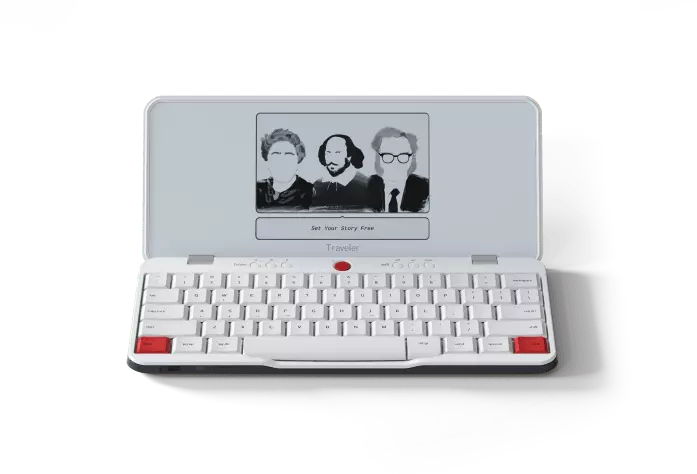
1.1. The Auction offers for sale a limited number of Freewrite Traveler Ghost Edition units (“Items” or “Ghost Traveler units”), each personally signed and drawn on by a featured author.

1.2. All proceeds, net of explicitly disclosed administrative costs, will be donated to the charity or charitable initiative (“Charity”) identified on each auction item’s page, as chosen by the respective author.

2. Eligibility

2.1. Participants must be at least 18 years old or the age of majority in their jurisdiction, whichever is higher.

2.2. Employees of Freewrite, the participating authors, or any affiliates directly involved in the Auction are not eligible to bid.

2.3. By participating, you represent that you are legally permitted to take part in online auctions and to pay for any bids you win.

3. Auction Registration

3.1. Participants must create an account on the auction platform or otherwise register using accurate, current, and complete information.

3.2. Freewrite reserves the right to verify identity and to disqualify any Participant who provides false or misleading information.

4. Bidding Rules

4.1. All bids are binding, final, and non-retractable.

4.2. Bidders are responsible for monitoring their bids; Freewrite is not liable for missed notifications or technical issues on the auction platform or the Participant’s device.

4.3. Freewrite reserves the right to:

  • set minimum bids or bid increments;
  • reject bids deemed in bad faith or intended to disrupt the Auction;
  • extend, pause, or cancel the Auction in case of technical difficulties, fraud, or events beyond reasonable control.

5. Winning Bids and Payment

5.1. The highest valid bid at the close of the Auction is the Winning Bid, and the corresponding Participant becomes the Winner.

5.2. Winners will receive payment instructions and must complete payment within 48 hours of the auction’s close unless otherwise stated.

5.3. Failure to complete payment on time may result in forfeiture, and Freewrite may offer the Item to the next highest bidder.

5.4. Accepted payment methods will be listed on the Auction platform. All payments must be made in the currency specified.

6. Item Description and Condition

6.1. Each Ghost Traveler unit is authentic, and the signatures, doodles, and messages are original works created by the participating author. These are authors, not artists. By bidding on the Item, you acknowledge that you are receiving a one-of-a-kind unit marked with unique art and messages and you agree to these terms and conditions.

6.2. Because Items are customized and signed by hand, variations, imperfections, or unique marks are to be expected. These are considered part of the Item’s character and not defects.

6.3. Items are provided “as-is” and “as-available.” Freewrite makes no warranties of merchantability or fitness for a particular purpose.

7. Shipping & Delivery

7.1. Shipping costs, import duties, and taxes may apply unless explicitly stated otherwise.

7.2. Freewrite will make reasonable efforts to ship Items within the estimated timeline but cannot guarantee delivery dates.

7.3. Title and risk of loss transfer to the Winner upon delivery to the carrier.

7.4. Freewrite is not responsible for delays, damage, or loss caused by the courier or customs agencies.

8. Charity Donation

8.1. Net proceeds from the Auction will be donated to the Charity designated on each Item page.

8.2. Donation amounts and recipients may be disclosed publicly unless prohibited by law.

8.3. Winners acknowledge that they are purchasing Items, not making a tax-deductible donation to Freewrite; therefore, Winners will not receive charitable tax receipts unless Freewrite explicitly states otherwise in compliance with applicable laws.

9. Intellectual Property

9.1. All trademarks, brand names, product names, and creative materials associated with Freewrite and the Ghost Traveler remain the exclusive property of Freewrite or their respective rights holders.

9.2. Participants may not reproduce, distribute, or publicly display the authors’ doodles without permission where such rights are applicable, except as allowed by law (e.g., resale of the physical Item).

10. Privacy

10.1. By participating, you consent to Freewrite’s collection, use, and storage of your personal data in accordance with our Privacy Policy.

10.2. Freewrite may publicly announce auction results, including Winner’s first name, last initial, city, state/country, and winning bid amount unless prohibited by law or unless you formally request anonymity when possible.

11. Prohibited Conduct

Participants may not:

  • engage in bid manipulation, fraud, or collusive bidding;
  • use automated systems (bots, scripts, scrapers) to place or monitor bids;
  • interfere with the Auction, platform, or other participants

Freewrite may ban or disqualify any Participant violating these rules.

12. Limitation of Liability

To the fullest extent permitted by law:

12.1. Freewrite is not liable for indirect, incidental, special, or consequential damages arising from the Auction or purchase of Items.

12.2. Freewrite’s total liability in connection with these Terms shall not exceed the amount of the Winning Bid actually paid by the Participant.

12.3. Freewrite is not responsible for technical malfunctions, internet outages, system failures, or other issues beyond its control.

13. Cancellation and Force Majeure

Freewrite may cancel, postpone, or modify the Auction due to unforeseen circumstances, including but not limited to natural disasters, system failures, strikes, or events affecting participating authors or the Charity.

14. Governing Law & Dispute Resolution

14.1. These Terms are governed by the laws of Michigan, without regard to conflict-of-law rules.

14.2. Any disputes arising under these Terms will be resolved through binding arbitration or the courts of the specified jurisdiction, as applicable.

14.3. Participants waive any right to participate in class-action lawsuits relating to the Auction.

15. Amendments

Freewrite may update these Terms at any time. Continued participation in the Auction after updates constitutes acceptance of the revised Terms.

16. Contact Information

For questions or concerns regarding the Auction or these Terms, contact: hello@getfreewrite.com.

noviembre 25, 2025 1 lectura mínima

This is a great gratitude writing exercise to be done alone or in a group, with people of any age.

How to Play

    1. Designate someone to read out each prompt below. (Feel free to add your own prompts.)
    2. After each prompt is read, set a timer for one minute. (With younger kids, this can be shortened. For older folks who want to freewrite meaningfully, more time can be added.)
    3. Each person freewrites by finishing the sentence and elaborating until the timer goes off. (For little kids, this can be done verbally with an adult recording their answers. Hilarity will ensue.)
    4. Remeber that freewriting — allowing yourself to write with abandon — enables you to let go, tapping into your subconscious to explore your thoughts more deeply.
    5. When everyone is done with all the prompts, take turns going through some your answers. Some people may be eager to share. Others may not want to. Respect their decision.

The Prompts

  • I'm grateful for... [After you've finished this prompt, repeat it five times. Challenge yourself and others not to repeat a singe word with each new answer.]
  • The silliest thing I'm grateful for is...
  • The littlest thing I'm grateful for is...
  • The biggest thing I'm grateful for is...
  • The grossest thing I'm grateful for is...
  • One thing I love about myself is...
  • My favorite thing that happened this year was...
  • My hope for next year is...

This writing exercise has resulted in some sweet answers — and many hilarious ones, too. If you try it out, do let us know.

Write on.

noviembre 21, 2025 4 lectura mínima

For the release of Sailfish, our new firmware update for Smart Typewriter Gen3 and Traveler, we created a brand-new boot-up animation to surprise and delight our writers.

We worked with talented Danish animator Mathias Lynge to bring our experience of the writer's journey to life.

We had a blast visualizing the writer's journey in this new way. Our engineers also had a blast (or something less than a blast) figuring out how to adjust this fun, playful animation to E Ink's very tricky specifications. Hello, refresh rate woes! But we think the result is pretty fun.

"The little animation made my day when I noticed. I love a good flourish."

- Freewrite user

The process of creating this animation was long and full of Zoom calls where we deeply discussed the writing process. We were struck through those conversations by how much overlap there is in creative processes of all disciplines.

So we sat down to chat with Mathias about his creative process and what it's like being a full-time animator.

ANNIE COSBY: Let's start with the basics. What kind of art do you make?

MATHIAS LYNGE: I'm a 2D animator and motion designer working freelance with a wide range of clients. The style varies depending on the project, but it’s usually either a hand-drawn look animated frame-by-frame on a drawing tablet, or a more digital, vectorized look made in After Effects.

While much of what I do is commercial work, I try to keep up with my own passion projects as well. That could be a 10-second Instagram loop of a nature scene, or an interesting character design I’ve sketched down with a pencil. It’s there that I get to sharpen my skills and try out new techniques, which often find their way into later client projects.

AC: You often share educational content on social media for other artists. Are you formally trained, or did you teach yourself?

ML: I’m mostly self-taught. I’ve been drawing for as long as I can remember, but it wasn’t until I went to university that I realized drawing could become a career.

When I first heard terms like “motion design” and “The 12 Principles of Animation” I was on a student exchange program at UCSB in California, where I had chosen a class called "Introduction to Animation." It was a big eye-opener for me, and from that point I was hooked.

But it’s mainly been online YouTube tutorials and my existing drawing experience that have taught me what I know.

Now, I have a big presence on social media, where I share my art as well as educational content centered around animation in Adobe After Effects, so I guess you could say that I'm also an animation influencer!

I’ve been drawing for as long as I can remember, but it wasn’t until I went to university that I realized drawing could become a career.

AC: That's actually how I first found your work. Do you have any specific artists who inspire you?

ML:In the world of 2D animation, I have a list of personal heroes that inspire me with their unique style: Reece Parker, Ariel Costa a.k.a. BlinkMyBrain, and Tony Babel, to name a few.

I also find a lot of inspiration from illustrators and painters I discover online, on platforms such as Pinterest. Last year I made a sparkling water animation that was heavily inspired by Cornwall-based artist Gordon Hunt. He makes these beautiful nature-inspired pointillist paintings that capture how light hits the ocean using colorful dots of paint. I tried to recreate that effect using After Effects to bring it to life, and it led me to a whole new way of animating within the program.

AC: Where else do you draw inspiration to create your work?

ML: I’m heavily inspired by the nature and cityscapes around me in Copenhagen, and I find that taking long walks through parks or down the streets of my neighborhood really sparks my imagination.

I’ll often carry around a sketchbook to quickly scribble down an idea or a loose sketch of something I find interesting, such as seeing how the light from a lamppost hits the surrounding leaves, or how the wind moves the tree in a certain way.

Then I’ll think to myself, “I wonder if I can recreate that motion using a specific technique in After Effects?”

I’m heavily inspired by the nature and cityscapes around me in Copenhagen...

AC: What does your daily routine look like as a full-time artist?

ML: It varies a lot, but I’m usually either working hard on a client project or tinkering away with a new animation tutorial for my social media channels.

I love being able to switch between the two, and when I’m going through a client dry spell, I find that staying creative and posting animation-related content helps keep me inspired while also putting things out into the world that may lead to my next client down the road.

AC: What's your #1 piece of advice for animators new to the industry?

ML: Keep experimenting and trying out new techniques. There’s no such thing as running out of creativity, and even though many of the things you try don’t necessarily go anywhere, it’s all experience that adds up and expands your toolbox. It’s a muscle that needs to be worked out regularly.

Plus, you’ll have more awesome animation to choose from when you’re putting together your next showreel or portfolio!

There’s no such thing as running out of creativity...

AC: What's one fun fact about you completely unrelated to animation?

ML:I’m a big sucker for history podcasts, especially if they are about ancient civilizations, such as The History of Rome by Mike Duncan.

I find it fascinating to hear how mankind was able to build such great empires without ever knowing what electricity, cars, or the internet are.

--

Follow along on Mathias's creative journey and find his free educational content on Instagram.

To learn more about working together, find him on LinkedIn or visit his website at www.mathiaslynge.com.

Learn more about Sailfish here.