overlaylink

Historias de escritura libre: Cómo el autor Ivo Senden terminó su novela en una escritura libre, parte 1

mayo 08, 2017 | 3 lectura mínima

Esta es la Parte 1 de la historia de escritura libre de Ivo Senden, haga clic aquí para la Parte 2
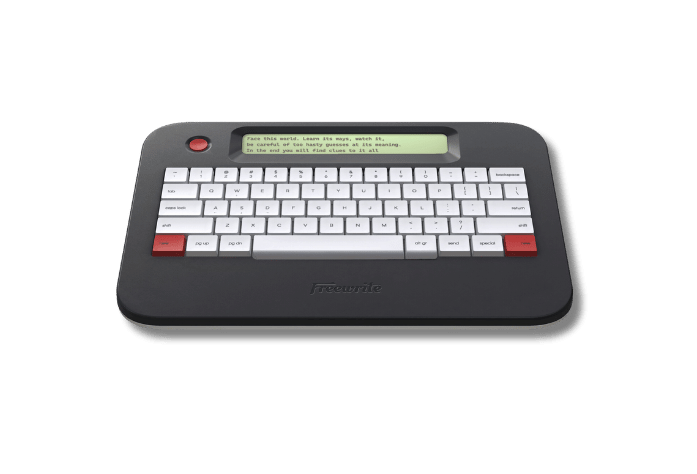
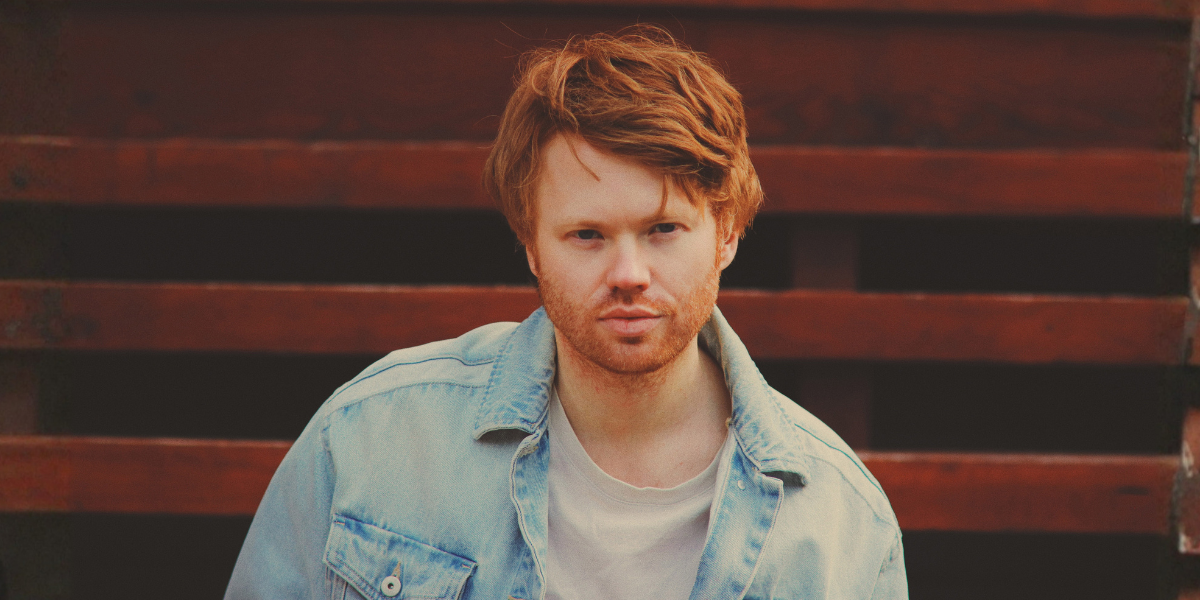
Ivo Senden es un escritor de ficción radicado en los Países Bajos. Escritor de profesión, Senden creció con una imaginación desbordante que lo impulsó a escribir relatos y a llevar un diario desde muy joven. Aprovechó su creatividad y sus experiencias vitales para crear relatos de aventuras y novelas ambientadas en escenarios realistas, tanto históricos como contemporáneos. Senden se convirtió en autor publicado a los 31 años, con un relato sobre la historia de un antiguo teatro. Cuando encargó la Freewrite en mayo de 2016, estaba trabajando en su tercer libro, Gevallen Land, y llevaba un diario sobre las experiencias de la infancia de su hijo. Senden disfrutaba rememorando su madurez en su propio diario. Espera que, al escribir uno para su hijo, él también lo vea como un regalo de inspiración para sus proyectos futuros.

Poco antes de la publicación de Gevallen Land en diciembre de 2016, Senden comenzó a trabajar en otra novela. Aunque no se ha marcado objetivos concretos de escritura ni publicación, disfruta enormemente de su oficio. Senden planea seguir escribiendo novelas mientras se sienta inspirado por buenas ideas. Para él, un dispositivo que le ofrezca la máxima comodidad y disfrute es imprescindible para poder dar rienda suelta a su imaginación y creatividad cuando le apetezca.

Dos de los mayores retos a los que se enfrenta Ivo Senden como escritor son la facilidad de uso de los dispositivos y la libertad de ubicación. Muchos escritores se sienten esclavos del monstruo llamado inspiración. Senden no es la excepción en este sentido, pues prefiere escribir en lugares distintos a su sofá o sala de estar. Tras terminar su primer libro en una PC tradicional, se cambió a una portátil para tener más libertad a la hora de elegir su lugar de trabajo. Aunque una portátil es más portátil que una PC, puede resultar difícil escribir sobre la marcha con una portátil tradicional. Las portátiles pueden ser engorrosas debido a su tamaño y a la corta duración de la batería. También es difícil escribir en ellas durante largos periodos de tiempo, ya que carecen de características ergonómicas. En un momento dado, Senden cambió a un teclado Bluetooth para que la escritura a largo plazo fuera más cómoda, pero sintió que, en el mejor de los casos, solo era una mejora modesta.

Otro problema que señaló Senden es que las laptops no son opciones que se puedan usar en exteriores. Las pantallas no funcionan bien con luz natural o brillante, y Senden sintió la fatiga visual habitual asociada a pasar largas horas mirando una pantalla LCD parpadeante. Como escritor que entra en un estado de fluidez constante, la pantalla LCD de la laptop lo dejaba agotado. A menudo, terminaba con la vista cansada y dolor de cabeza después de las largas sesiones. Además, la corta duración de la batería de una laptop suele obligar a los usuarios a estar atados a un lugar con una fuente de alimentación.

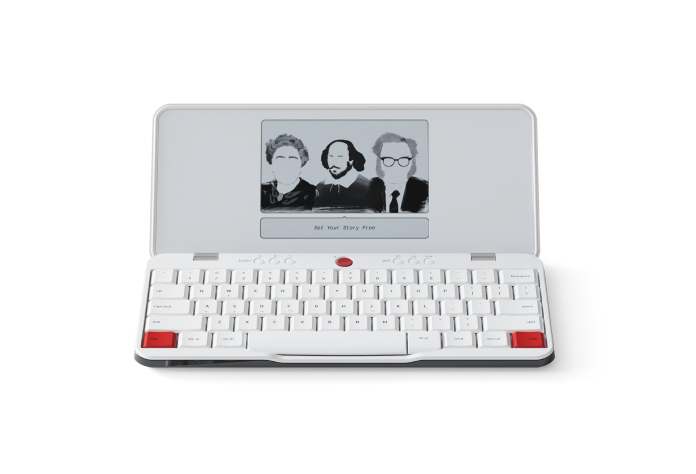
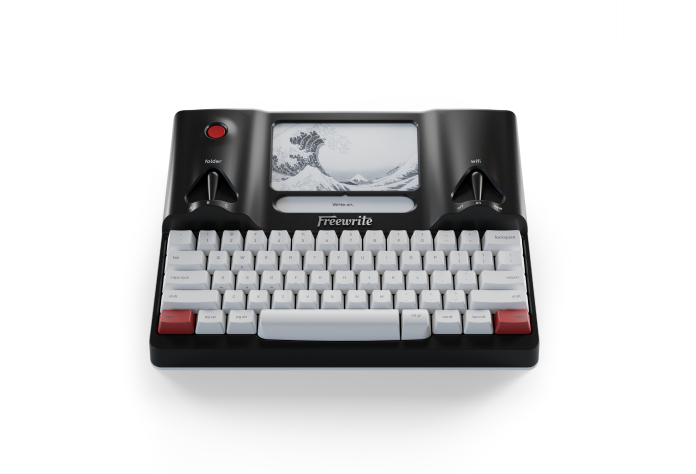
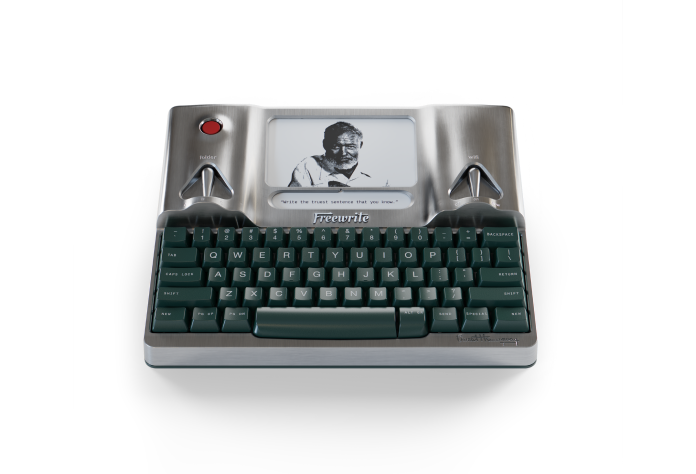
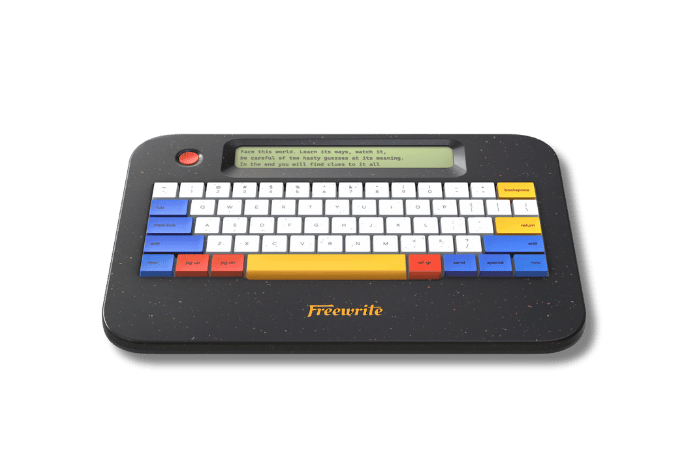
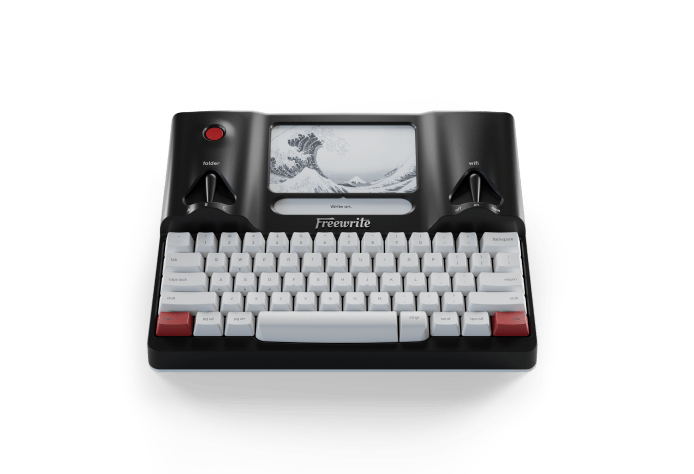
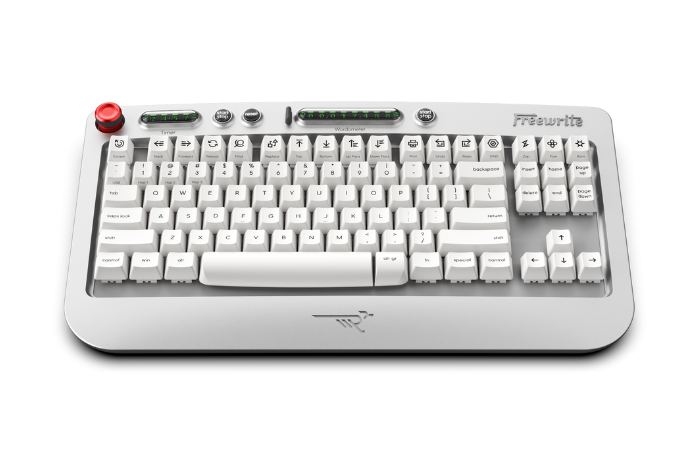
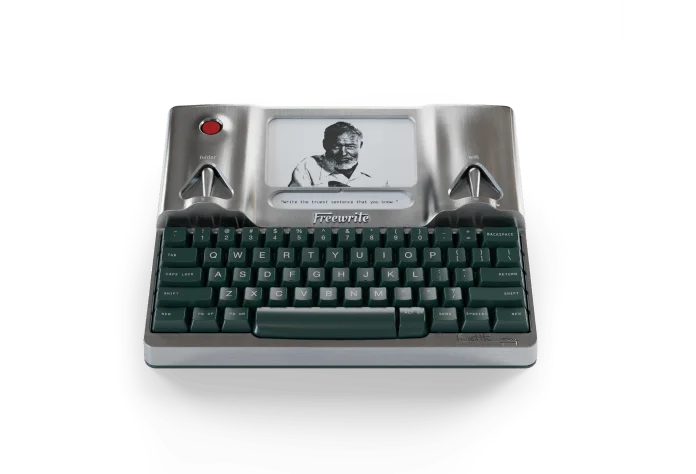
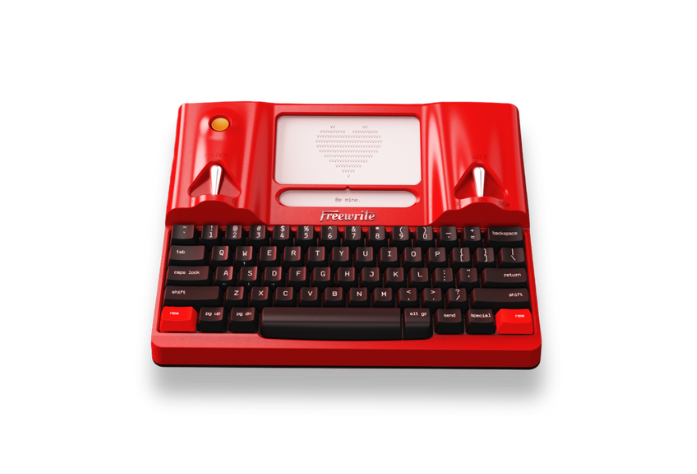
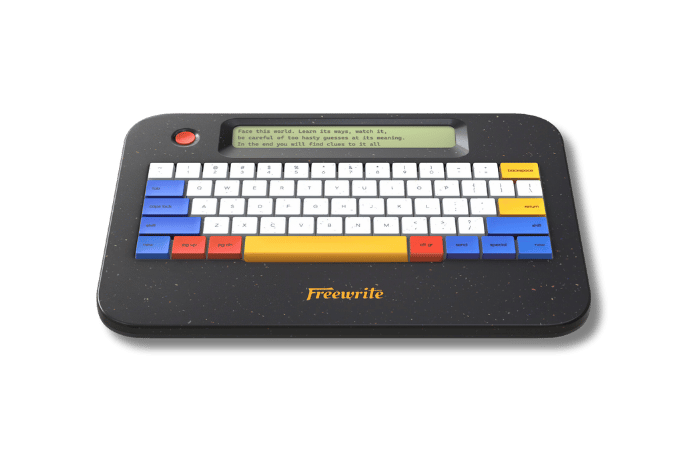
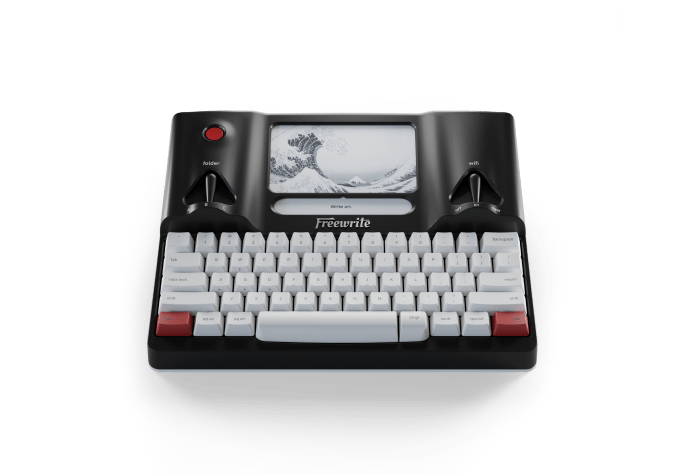
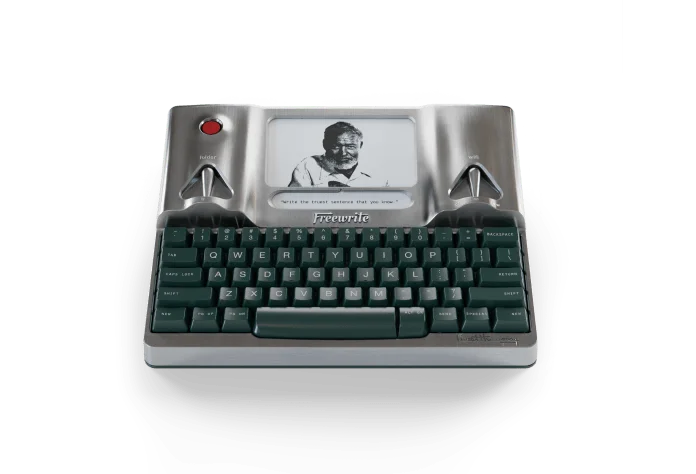
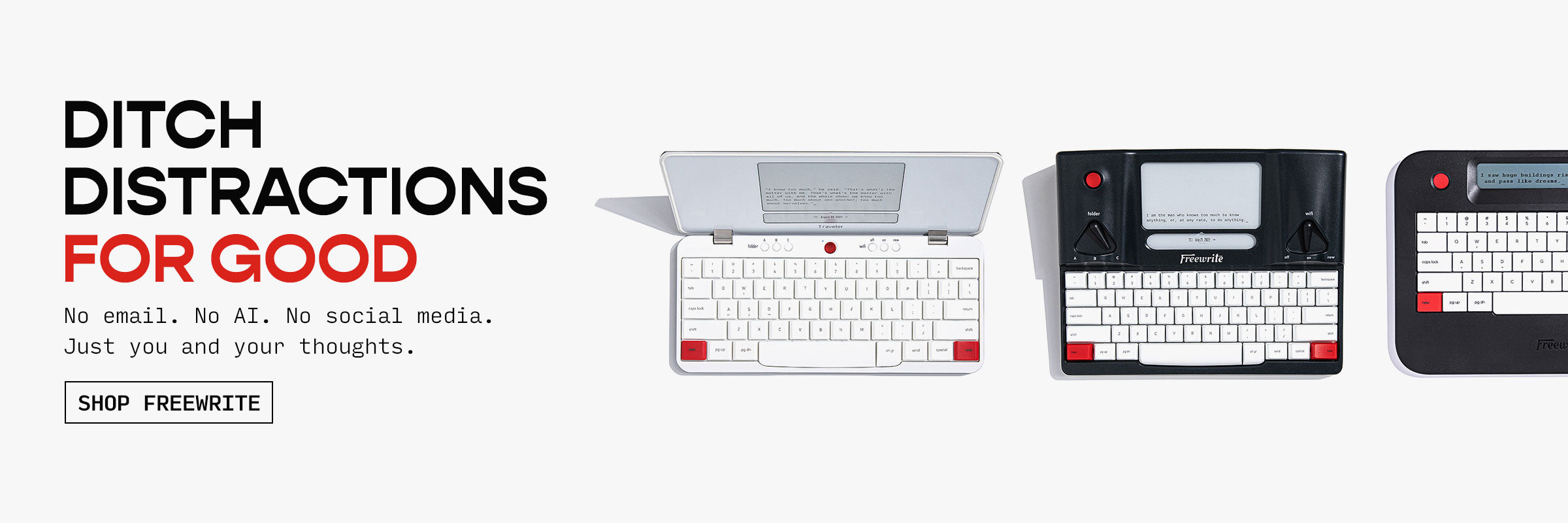
Senden sabía que sus amigos y familiares se mostrarían escépticos ante las capacidades "limitadas" de Freewrite. Sin embargo, que las capacidades de Freewrite sean limitadas es simplemente una cuestión de perspectiva. Desde juegos en línea hasta compras por internet y el uso constante de las redes sociales, abundan las distracciones en nuestro mundo moderno. En esencia, Freewrite es un procesador de textos altamente funcional que ayuda al usuario a eliminar el acceso a estas distracciones en línea. Para un escritor profesional, una herramienta fácil de usar y sin distracciones es un impulso absoluto para una productividad sostenida. Freewrite se centra en aliviar las quejas comunes de los escritores. Su diseño minimalista elimina las distracciones de las PC y portátiles tradicionales, permite al escritor elegir la ubicación y proporciona un almacenamiento seguro de documentos.

Esta es la Parte 1 de la historia de escritura libre de Ivo Senden, haga clic aquí para la Parte 2
enero 09, 2026 2 lectura mínima

A new year means a whole new crop of work is entering the public domain. And that means endless opportunities for retellings, spoofs, adaptations, and fan fiction.

diciembre 30, 2025 3 lectura mínima

It’s Freewrite’s favorite time of year. When dictionaries around the world examine language use of the previous year and select a “Word of the Year.”

Of course, there are many different dictionaries in use in the English language, and they all have different ideas about what word was the most influential or saw the most growth in the previous year. They individually review new slang and culturally relevant vocabulary, examine spikes or dips in usage, and pour over internet trend data.

Let’s see what some of the biggest dictionaries decided for 2025. And read to the end for a chance to submit your own Word of the Year — and win a Freewrite gift card.

[SUBMIT YOUR WORD OF THE YEAR]


Merriam-Webster: "slop"

Merriam-Webster chose "slop" as its Word of the Year for 2025 to describe "all that stuff dumped on our screens, captured in just four letters."

The dictionary lists "absurd videos, off-kilter advertising images, cheesy propaganda, fake news that looks pretty real, junky AI-written books, 'workslop' reports that waste coworkers’ time … and lots of talking cats" as examples of slop.

The original sense of the word "slop" from the 1700s was “soft mud” and eventually evolved to mean "food waste" and "rubbish." 2025 linked the term to AI, and the rest is history.

Honorable mentions: conclave, gerrymander, touch grass, performative, tariff, 67.

Dictionary.com: "67"

The team at Dictionary.com likes to pick a word that serves as “a linguistic time capsule, reflecting social trends and global events that defined the year.”

For 2025, they decided that “word” was actually a number. Or two numbers, to be exact.

If you’re an old, like me, and don’t know many school-age children, you may not have heard “67” in use. (Note that this is not “sixty-seven,” but “six, seven.”)

Dictionary.com claims the origin of “67” is a song called “Doot Doot (6 7)” by Skrilla, quickly made infamous by viral TikTok videos, most notably featuring a child who will for the rest of his life be known as the “6-7 Kid.” But according to my nine-year-old cousin, the origins of something so mystical can’t ever truly be known.

(My third grade expert also demonstrated the accompanying signature hand gesture, where you place both hands palms up and alternately move up and down.)

And if you happen to find yourself in a fourth-grade classroom, watch your mouth, because there’s a good chance this term has been banned for the teacher’s sanity.

Annoyed yet? Don’t be. As Dictionary.com points out, 6-7 is a rather delightful example at how fast language can develop as a new generation joins the conversation.

Dictionary.com honorable mentions: agentic, aura farming, broligarchy, clanker, Gen Z stare, kiss cam, overtourism, tariff, tradwife.

Oxford Dictionary: "rage bait"

With input from more than 30,000 users and expert analysis, Oxford Dictionary chose "rage bait" for their word of the year.

Specifically, the dictionary pointed to 2025’s news cycle, online manipulation tactics, and growing awareness of where we spend our time and attention online.

While closely paralleling its etymological cousin "clickbait," rage bait more specifically denotes content that evokes anger, discord, or polarization.

Oxford's experts report that use of the term has tripled in the last 12 months.

Oxford Dictionary's honorable mentions:aura farming, biohack.

Cambridge Dictionary: "parasocial"

The Cambridge Dictionary examined a sustained trend of increased searches to choose "parasocial" as its Word of the Year.

Believe it or not, this term was coined by sociologists in 1956, combining “social” with the Greek-derived prefix para-, which in this case means “similar to or parallel to, but separate from.”

But interest in and use of the term exploded this year, finally moving from a mainly academic context to the mainstream.

Cambridge Dictionary's honorable mentions: slop, delulu, skibidi, tradwife

Freewrite: TBD

This year, the Freewrite Fam is picking our own Word of the Year.

Click below to submit what you think the Word of 2025 should be, and we'll pick one submission to receive a Freewrite gift card.

[SUBMIT HERE] 

--

Sources

diciembre 18, 2025 5 lectura mínima

¿Qué pueden enseñar las cartas personales de Jane Austen a los escritores?