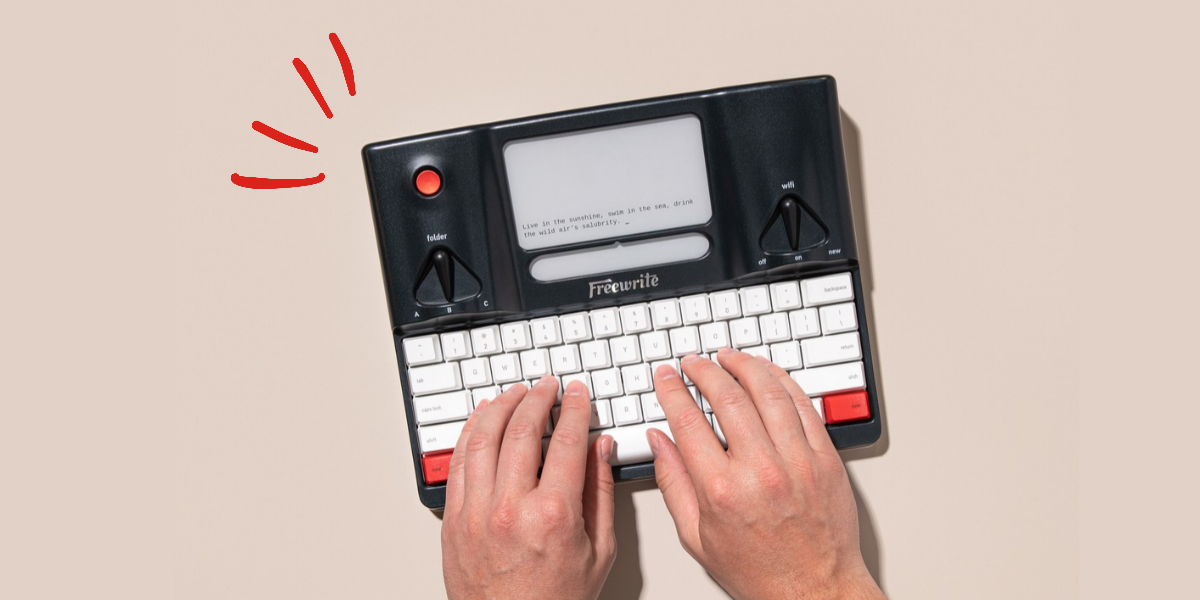
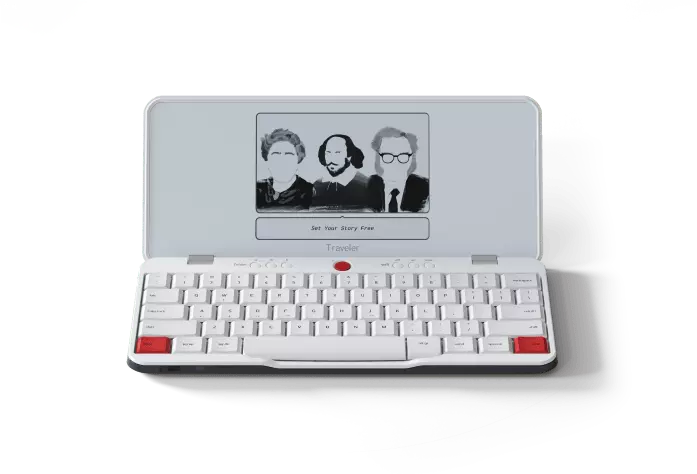
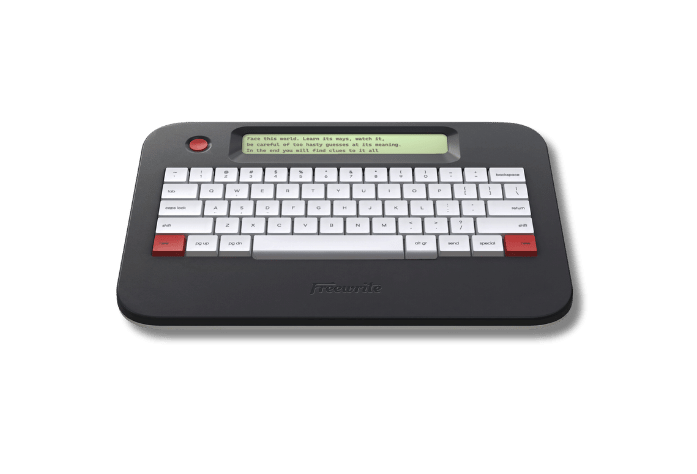
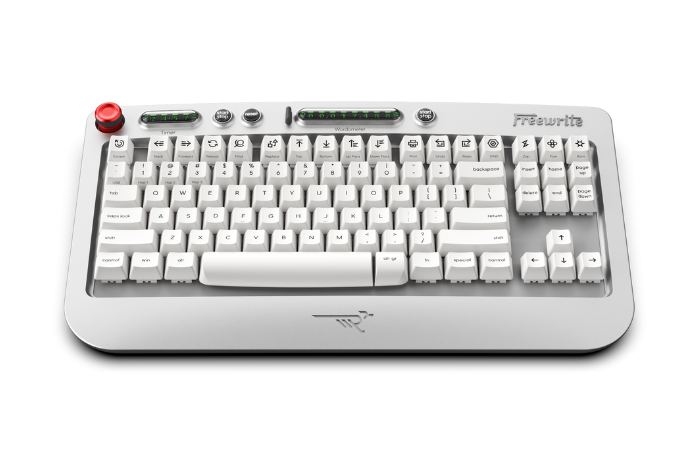
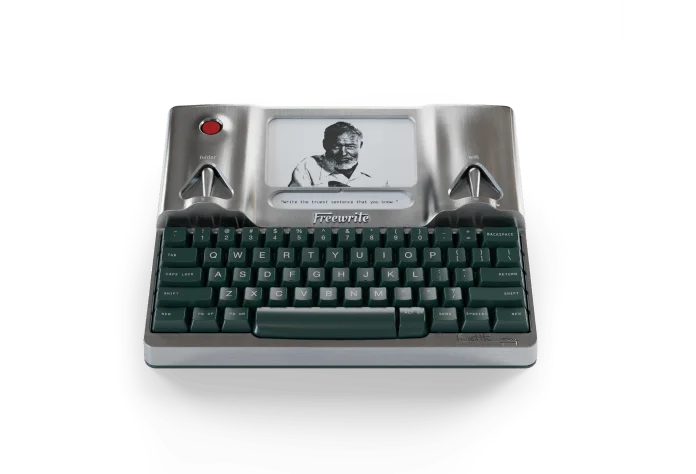
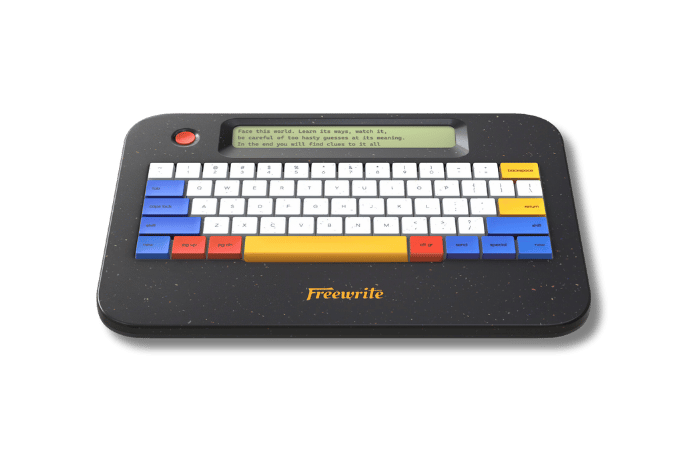

¡No es ningún secreto que hay bastantes escritores de novelas románticas en la comunidad de Freewrite! Nos reunimos con algunos para hablar sobre el proceso de escritura romántica y descubrir qué hace que el romance y Freewrite sean una excelente alianza.
Mónica Corwin
La autora de Ohio, Monica Corwin, es analista de datos de día y escritora de novelas románticas en su tiempo libre. ¿Por qué novelas románticas? Primero, porque alegra a la gente y la reconforta en los momentos difíciles. Pero también, desde la perspectiva de la autora, Monica afirma que escribir novelas románticas es el mayor rompecabezas.
Tengo que empezar exactamente en el mismo lugar (dos personas distintas) y terminar en el mismo lugar (viven felices para siempre), y entre ambos puedo tomar cualquier camino siempre que me satisfaga. ¡Es un rompecabezas al revés!
¿Y por qué Mónica elige escribir sus novelas en dispositivos Freewrite? «Freewrite me permite escribir en cualquier lugar y con el tiempo que quiera. Esperando en el coche para una cita... antes del trabajo, cuando llego un poco temprano. Me permite aprovechar momentos que, de otro modo, habrían pasado desapercibidos».
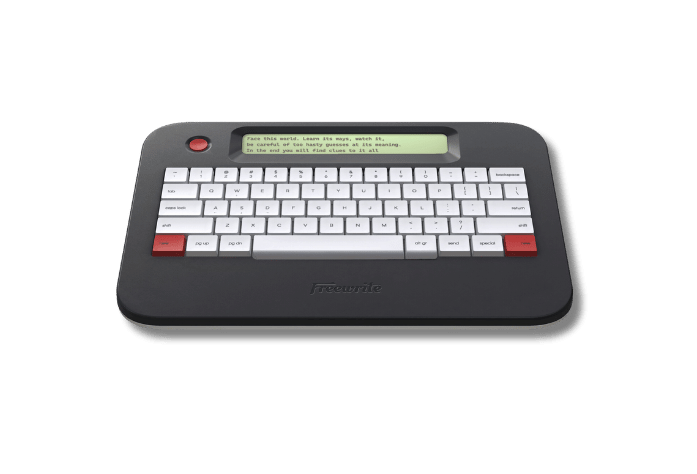
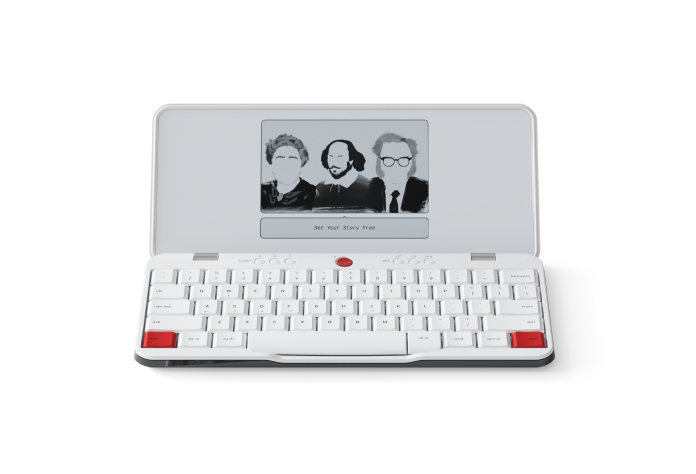
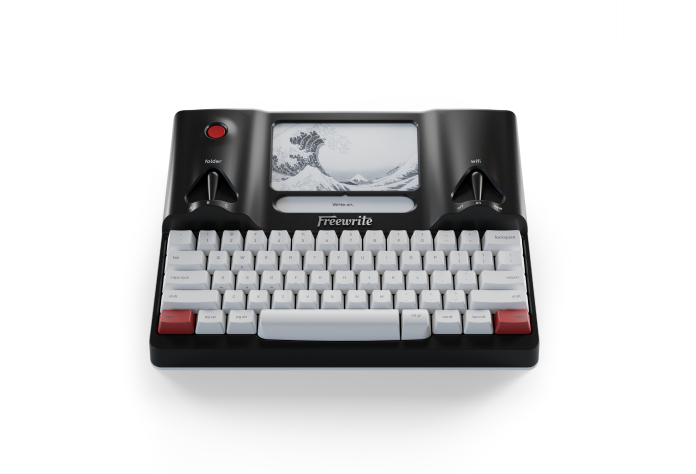
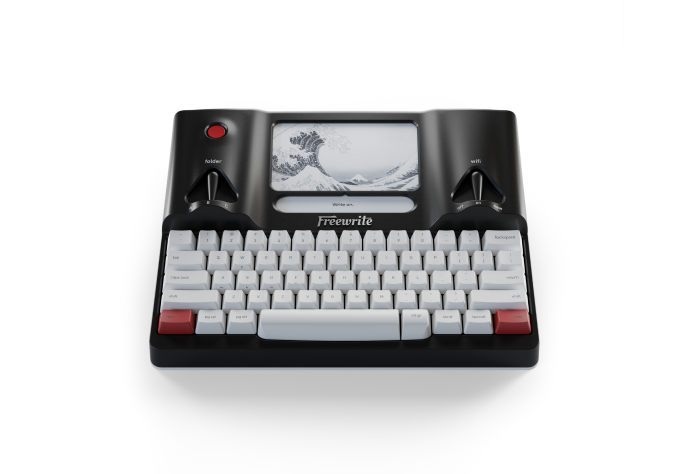
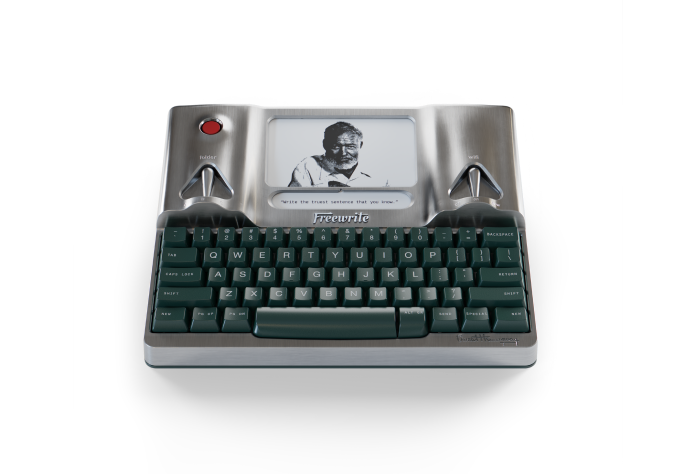
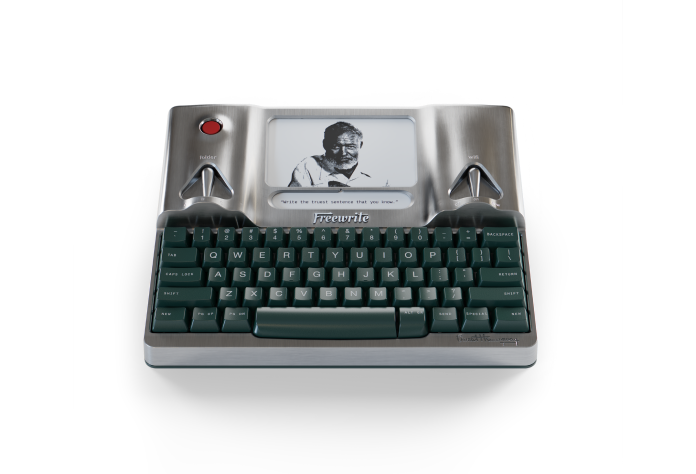
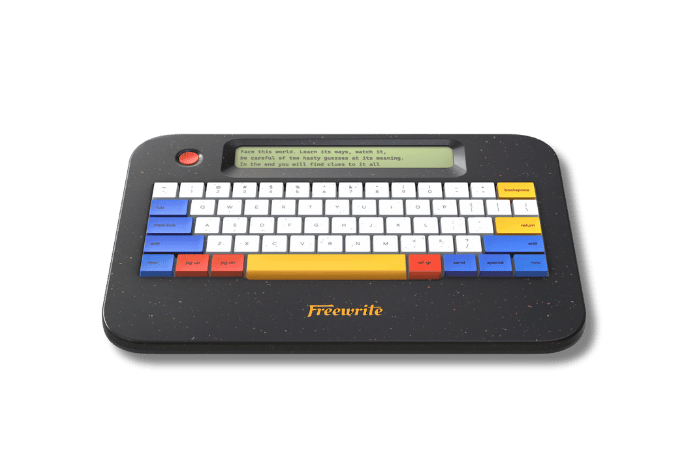
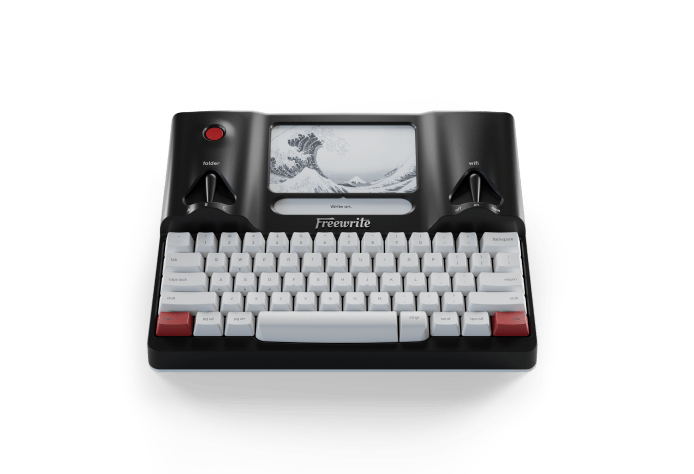
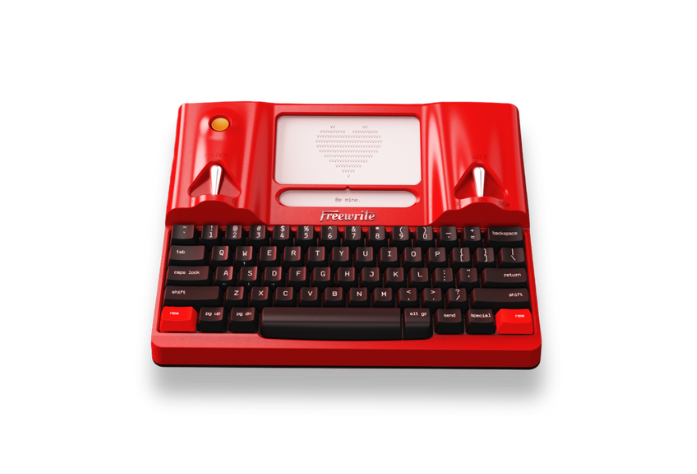
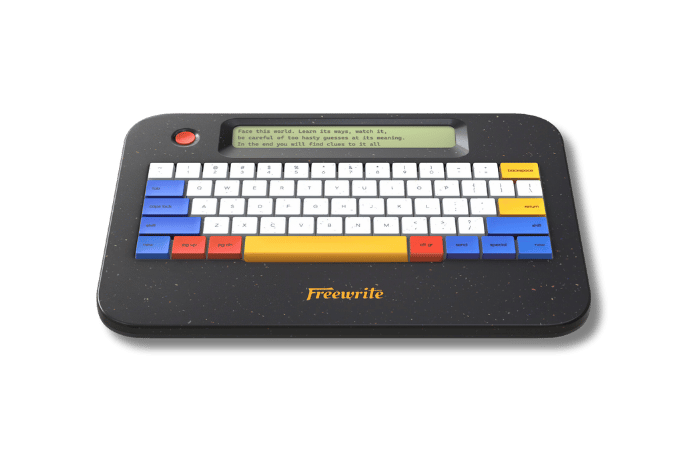
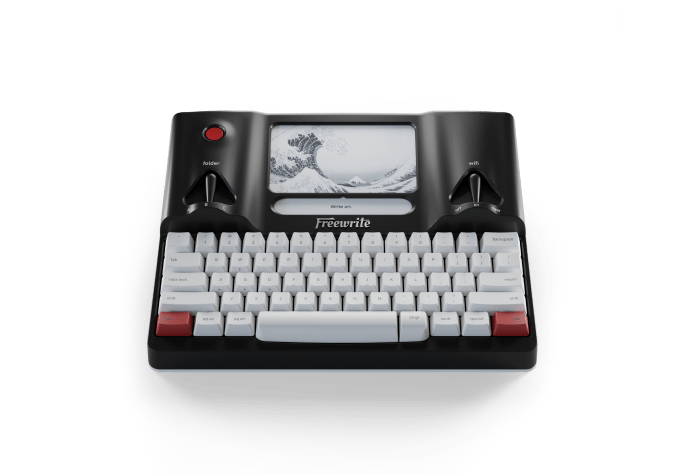
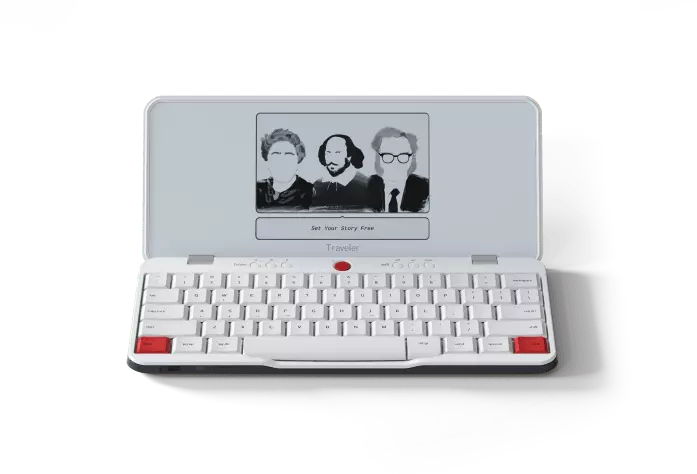
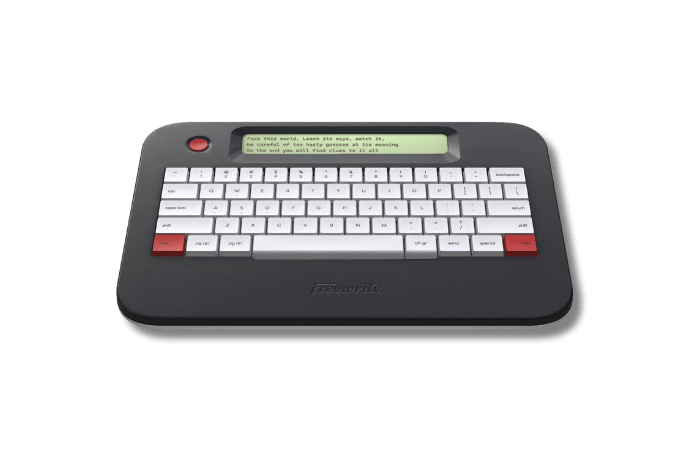
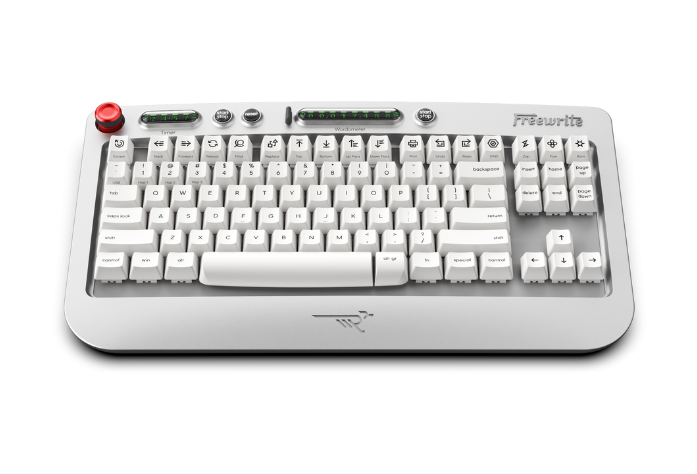
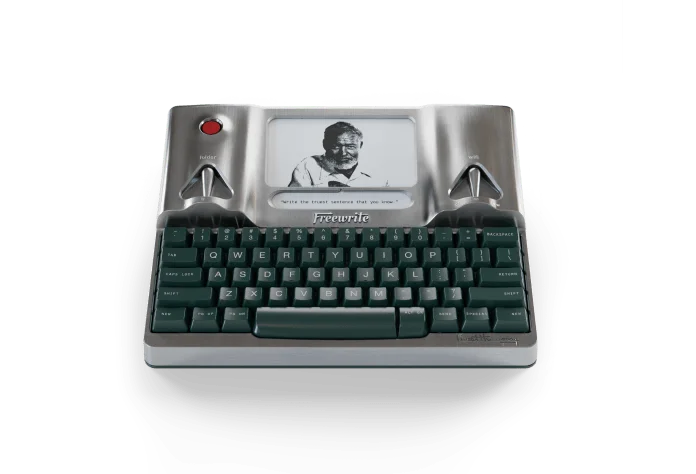
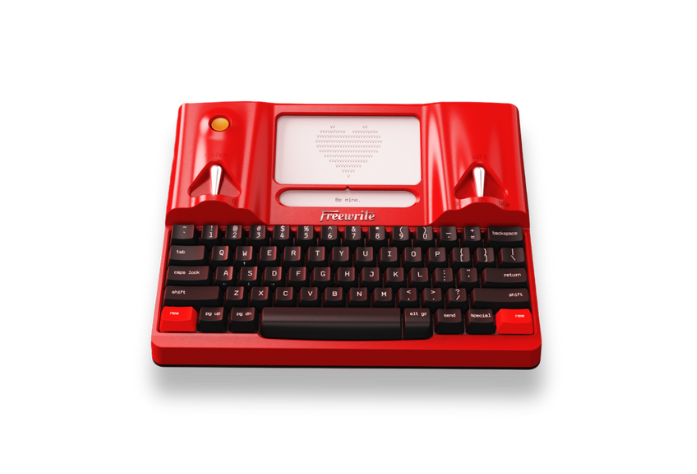
Monica posee el trío de Freewrite: Traveler, Smart Typewriter y “Hemingwrite”. También colecciona máquinas de escribir antiguas, ¡y eso fue lo que la llevó a Freewrite!
Rocco Paone Jr.
Conoce a Rocco Paone Jr., entusiasta del cine de terror, ávido corredor de largas distancias y escritor de novelas románticas. Ha escrito varias novelas románticas con personajes gays en su Smart Typewriter de segunda generación, pero ahora usa principalmente la Traveler por su tamaño compacto y portabilidad. (¡Rocco ha tenido cada Freewrite desde sus inicios!)
Roccos dice que los dispositivos Freewrite le ayudan a impulsar su proceso de escritura gracias a la sensación de estar desconectado del mundo.
Lo mejor para mí cuando escribía mi primera novela era ir a una cafetería sin ordenador, solo con mi teléfono, mi Freewrite y un cuaderno con bolígrafo. Dedicaba de 6 a 8 horas en mis días libres y solía escribir entre 8.000 y 10.000 palabras. ¡Menudo maratón de escritura!
Antes de Freewrite, Rocco escribía todo a mano alzada. Freewrite no solo ha simplificado el proceso de redacción, sino también la edición, con sus primeros borradores listos para subir a la nube.
Originario del norte del estado de Nueva York, Rocco ha estado viviendo en la ciudad de Nueva York durante más de 17 años y trabaja en la industria del fitness.
Kath Richards
Kath Richards es escritora de novelas románticas en Orem, Utah, y editora jefe de la revista literaria Soft Union . Kath también trabaja como gerente de producto, lo que significa trabajar en una computadora todo el día. La pantalla de tinta electrónica de Freewrite le ayuda a descansar la vista mientras escribe por las noches.
Kath siempre ha estado obsesionada con el romance. «La idea de poder observar la vida de dos (o más) personajes y verlos enamorarse me encanta. Me encanta escribir personajes con defectos, desordenados, malos en la vida, que a veces se odian a sí mismos y que, por otras veces, están pasando por un mal momento, y luego quiero verlos encontrar el amor. Me recuerda que nadie está exento de amar y ser amado».
Kath también piensa que el romance la ayuda a explorar todos sus grandes miedos y ansiedades en el papel: "A veces hago que mis personajes pasen por cosas realmente horribles, lo siento por ellos", pero es catártico porque no importa por lo que pasen, habrá un felices para siempre al final.
¿Qué les dice Kath a quienes critican el final feliz? «No hay nada de ingenuo en tener esperanza y querer tener a alguien a quien llamar tu pareja. Me encanta».
Kath redacta sus novelas románticas en su Freewrite Traveler, al que llama "la herramienta de redacción más perfecta". Para una persona perfeccionista, el subrayado rojo de errores gramaticales u ortográficos en otros procesadores de texto puede ser una distracción. "Le resta importancia al verdadero propósito de un primer borrador, que es simplemente existir", dice Kath. "Crear algo de la nada suele ser la parte más difícil, y Freewrite me ayuda a dar vida a ese primer borrador sin obsesionarme con los detalles, para poder dedicarme a darle forma y revisarlo para mejorarlo".
Otras cosas que a Kath le encantan: llenar la mesa de la cocina con rompecabezas, sándwiches de tomate, ver series, hacer trucos en la piscina, Taylor Swift y animar a los demás a alcanzar sus objetivos de escritura.
--
¿En qué género escribes? ¡Cuéntanoslo y quizás lo incluyamos próximamente!