overlaylink

La diferencia entre escritores aficionados y escritores profesionales; y por qué no deberías aspirar a los segundos

junio 16, 2017 | 11 lectura mínima
Permítanme pintarles una imagen, uno de esos escenarios extraños, escenas alegres, que poco a poco desembocan en el tema del título. Imaginen un bar enorme y obsceno, con un camarero de músculos en barril, cerebros en salmuera y comportamiento endiablado. Una cúpula extensa santificada por los dioses, bautizada por Baco y patrocinada por la buena gente de Guinness… en otras palabras, un pub. Un pub de verdad (solo servimos alcohol). Ahora, tomen esa majestuosa construcción y catapultenla 100 años hacia el futuro, y ya que estamos rompiendo el continuo espacio-tiempo, destrocemos esta endeble fachada llamada lógica y cimentemos sus pilares en una de las nubes de malvavisco del cielo. El pub "The Cloud Nine" en el cielo. Hay una marquesina en el lado de ladrillo junto a las petunias: "Jesús vino una vez aquí a tomar una pinta". Dentro de nuestra mercería celestial, los clientes bailan, las damas retozan y los borrachos pelean y confiesan. En un rincón, Oscar Wilde y Lord Byron juguetean con los pies bajo la mesa. Junto al tarro de huevos encurtidos, Hemingway exhibe su legendaria actitud hacia el licor. Junto a la puerta, Shakespeare, pronunciando un discurso conmovedor y confuso sobre juegos de palabras. Tolstói y Marx mojan sus dedos húmedos en un montón de sal, intentando desesperadamente aspirar las últimas migajas de cacahuete. En medio de todo este fandango de locura, una conga se ha formado: Maya Angelou, Charlotte Brontë y Virginia Woolf bailan chachachá, mientras Austen y Christie las siguen con una brillante interpretación del baile del pollo. La flor y nata de antaño se codea y otras escenas pícaras. La noche continúa, tarde o temprano el karaoke entra en escena y se forjan vínculos a mitad de «Bohemian Rhapsody»; incluso Poe logra sonreír. Entonces Twain, ese sinvergüenza que es, plantea una pregunta:

“¿Cuándo un escritor deja de ser un aficionado y se convierte en un profesional?”

Las cabezas y las galletas empiezan a hervir. Fitzgerald babea sobre las virtudes de hablar desde la experiencia. Lovecraft ofrece un argumento bastante decente para hacer pactos con los Antiguos. Hemingway zigzaguea en una historia sobre pesca, mientras Woody Allen intenta ligar con la camarera. Una y otra vez, dan vueltas a la pregunta por la sala. Algunos logran dar en el blanco, otros la evaden, prefiriendo ocupar sus mentes con la física de la cerveza. Arriba y abajo, horas y horas, se examina el tema filosófico; no se llega a una respuesta real, no se logra un consenso. Entonces, justo antes de que el gallo esté a punto de dar por terminada la noche, se oye una voz entre la fiesta:

“Oh, esa es sin duda la pregunta más fácil que existe”.

Todos se giran, adaptándose la mirada a la penumbra y la bruma del ron. Sentado en un taburete, junto a una máquina de Pac-Man, ojeando la selección de clásicos de una gramola, el mismísimo... el señor Stephen King.

Como dije, cabezas de nabo, hay una respuesta sencilla. —Dale un sorbo a su Coca-Cola—. Un escritor es un escritor profesional de verdad, en el minuto, no, en el segundo en que le pagan. Un cheque por algo que has escrito te otorga instantáneamente el estatus de escritor profesional. Pan comido.

Bocas atrapando moscas, todos miran fijamente al maestro del horror, sabiendo muy bien que ese nudo gordiano de enigma ha sido cortado en dos y empaquetado con rapidez.

“Está bien”, dice Twain , “permíteme replantear la pregunta: ¿cuándo pasas de ser un escritor mediocre a un escritor apropiado ?”

Stephen King se levanta, comprendiendo que el creador de palabras lo tiene agarrado por las partes peludas. El hombre, que acaba de leer "50 sombras de Grey" , con su creencia en el poder de la humanidad y la esencia de su oficio sacudida hasta los cimientos, simplemente se aleja.

Así que, el dilema sigue vigente: ¿cuándo un escritor es un escritor de verdad? Como autor publicado, voy a aportar mi granito de arena y espero que no se pierda entre los valiosos detritos de otros. En mi opinión, un escritor se convierte en lo que está destinado a ser en el instante en que deja de compararse con otros de su profesión. En el instante en que logras afianzar tu voz, tu tono y hacerlo tuyo, sin intentar copiar el estilo de otros, ese es el momento en que eres un profesional. Ese es el momento en que te conviertes en algo verdaderamente único e irremplazable.

“Pero”, te preguntarás , “¿cómo llego a ese punto?”

No es fácil, por eso aquí te damos algunos consejos:

Comprométete con tu nuevo trabajo.

Escribir, redactar artículos, manuscritos, cuentos, poemas, guiones y cualquier otro fragmento de sabiduría o puro entretenimiento es una tarea a tiempo completo, 24/7. Se habla mucho del poder de la visualización; te digo que es pura magia. En realidad, puedes visualizar todo lo que quieras. Compra el sombrero hipster, la bufanda ondeante y habla como un hijo de puta en tu próxima reunión familiar. Baila el fandango y el tango... Aún no eres escritor. Imagina todos los unicornios e ideas fantásticas que tu avaricioso cerebro te permita; al final del día, te encontrarás en el establo preguntándote por qué tu caballo no puede volar o quién le robó su cuerno mágico. La única manera de convertirse en escritor es sentarse y ponerse a trabajar. Apóyate en un asiento o sofá, coge tus herramientas y escribe hasta encontrar oro o tener algo que valga la pena publicar.

“¿Y qué pasa con la musa?”

¡Tonterías! Mi consejo es que agarres a esas amantes griegas y las liquides en la trastienda; dos tiros en la nuca para cada una. Neil Gaiman y Larry Correia te ayudarán a esconder los cuerpos mientras Hemingway limpia la sangre. Lo cierto es que algunos días te levantarás por la mañana, te abrirás paso a tientas hasta el portátil y descubrirás a ese diabólico bloqueo de escritor sentado en el borde de la mesa. El espectro te señala tu inutilidad y reparte anuncios de búsqueda; rodeado en carmesí: "contador a tiempo completo, buen sueldo". Antes de conectarte y darle una oportunidad a Facebook, abre tu procesador de textos y, ¡a escribir!, quizá, después de cuatro horas tecleando, tengas una o dos frases que merezcan la pena.

Un escritor profesional escribe hasta que le duele el trasero y le sangran los dedos. Un escritor aficionado trastea con su computadora mientras no hay nada bueno en la televisión.

Una existencia estructurada.

Construyamos un puente entre la isla de arriba y este archipiélago de hierba. Es hora de establecer reglas, de fijar objetivos y sentar las bases que eventualmente te convertirán en un escritor profesional. Escribir a destajo en tu diario no es, a menos que seas Ana Frank, escritura profesional. Todo gran escritor, o al menos exitoso, tiene un proceso. Stephen King lee cuatro horas al día y escribe otras cuatro. Dan Brown se despierta al amanecer, se estira y luego trabaja hasta el mediodía. Janet Evanovich baila con los dedos sobre el teclado por la mañana y edita por la noche. Carl Hiassen coloca su escritorio contra una pared en blanco y se calza unas orejeras de tiro. Hemingway caminó hasta el bar más cercano, se sentó y anotó 500 palabras, celebrando cada victoria al final con una copa bien fuerte. Cada uno de ellos, como Rowling en una cafetería de Edimburgo mirando un cementerio, tenía su receta mágica. Y, a diferencia de cualquier orgía taumatúrgica, su "ESO" no se basaba en la sangre de una virgen ni en las lágrimas de un santo; se basaba en una actitud profesional, en las cifras, en la apreciación de sus habilidades. Todo se reduce a la disciplina, sobre todo cuando no tienes un jefe que te controle. Establece un conjunto aceptable de reglas para vivir; esa es la Proporción Áurea. Este es un trabajo de nueve a cinco; fichas al entrar y al salir. Necesitas un espacio para ti, sobre todo si trabajas desde casa. De lo contrario, tu novela será devorada y digerida lentamente por esos mocosos a los que llamas retoños. Necesitas marcar objetivos diarios y, aunque tengas que excederte del tiempo, cumplirlos.

Una profesional escribirá al menos 500 palabras al día. Meterá el brazo en un pozo de fuego, 500 veces, solo para poder pronunciarlas. Se despertará cada día, olvidará que su familia existe, lidiará con el divorcio como una profesional y se convertirá en una estatua en su oficina hasta que lo logre. Una aficionada se despertará cuando le apetezca, se tomará su tiempo con su café, jugará con sus hijos, hablará con su pareja y, finalmente, escribirá veinte palabras y dirá que el día fue productivo .

Afila tus herramientas.

Voy a entrar en un Stargate y llevar nuestra narrativa a otra dimensión caprichosa. ¿Sabías que Eric Clapton se convirtió en Eric "Oh, Dios mío, Layla es la bomba" Clapton después de escuchar y tocar con Jimi Hendrix? ¿Sabías que Bob "Acabo de ganar un Premio Nobel" Dylan compró a propósito una casa cerca de Tom Petty, Roy Orbison y George Harrison? Hay una razón por la que existía The Police, antes de Sting. Por qué Don Henley necesitaba esa inyección de adrenalina conocida como los Eagles. Por qué Lennon necesitaba a Paul, George y Ringo. Hay un momento en la vida de todo artista en el que los acordes, el ritmo, la técnica, todo se aprende y se domina; puedes estancarte o llevarlo al siguiente nivel. Si no eres un amante de la música, entonces cambiemos esa analogía a otro terreno... agarra tus guantes de boxeo y ve a darle una paliza a alguien mejor que tú. Una de las claves para ser un artista legendario es saber que formas parte de una comunidad. Hay que desterrar esa idea errónea de que el arte es la caza de un lobo solitario. No, DiCaprio ganó un Óscar gracias a Scorsese. Hemingway se ganó su estatus de leyenda gracias a Gertrude Stein. Frankenstein se escribió gracias a un fin de semana peculiar con Lord Byron, Percy Shelley y John Polidori en Suiza.

El talento es en parte como una ETS. Es más contagioso que la sífilis, y algunos de tus compañeros están tan infectados que eres propenso a contraerlo por mera ósmosis. Rodéate de gente de tu entorno. Gente que aprecie tu arte y que realmente lo practique. Piensa en los veintitantos y los locos treinta, o en el movimiento beatnik, o en el SoHo de Londres; retrocede a esos tiempos de rock. Todo el mundo garabateaba a todo el mundo. Charlas carnales postcoitales sobre la receta artesanal del día. Poros sudorosos, salados y abiertos, tu alma tan desnuda como el resto de tu ser. Tu mente enjabonada y espumosa por libaciones lívidas y endorfinas desbordantes. Un poeta sensual susurrándote a Keats al oído; la sopa primordial en la que se cuece y prepara la creatividad.

O, si eres un poco tacaño, la siguiente frase de Ábrete Sésamo conquistará a cualquier escritor: "¡ Déjame invitarte a una cerveza!". Si le agregas algo de Wild Turkey, te permitiremos que nos saques toda la información que quieras.

Un profesional, tras levantarse al amanecer, se arrastrará hasta una obra de vanguardia a medianoche. Se deleitará con la estupidez existencialista, brindará con sus amigos artistas a las 3 de la madrugada, rechazará un trago de polvo lunar peruano a las 5 de la mañana, tomará un Uber a las 6 y empezará el día con Red Bull solo para volver a escribir. Hará eso y más solo para sumergirse en la creatividad. Un aficionado dará por terminada la jornada a las 4 y encenderá el juego.

Conozca su género.

Cada plataforma tiene sus propias reglas. Puedes romperlas, puedes ponerte a lo Gonzo en periodismo, pero primero tienes que dominarlas. Una vez que las domines, una vez que puedas construir tu rifle con la lengua, con los ojos vendados y ladrando como un loco, solo entonces podrás defenestrar esos molestos mandamientos y estrellarlos contra las rocas. Los géneros tienen tropos, tienen axiomas verificados que, de alguna manera, aún logran, en muchos casos, parecer originales. Por ejemplo, en la mitología, y en la mayoría de las películas de Marvel y DC, el antiguo Viaje del Héroe es el arquetipo; las 17 etapas de Campbell, el manual sobre el que se construyó Batman. En el periodismo de vanguardia, las "Cinco W" son el eje central de cualquier obra. Analiza tu entorno de pruebas. Desmenúzalo y examina cada grano de polvo con lupa. ¿Quieres llegar a la cima de la fantasía a lo Tolkien? Entonces más vale que tengas tus criterios de creación de mundos por escrito. Hay una razón por la que las editoriales buscan el recuento de palabras para cada género. Por qué las novelas del oeste no deberían tener más de 65.000 palabras; por qué el terror debe tener al menos 100.000; por qué Juego de Tronos se considera un tema hostil en ciertos distritos de la ciudad de Nueva York.

He aquí otro ejemplo con la misma frase redactada y modificada para diferentes escuelas de pensamiento.

Era el anochecer, las seis y cinco en Nueva Jersey, cuando...

Periodismo.

“En el Reino, el sol se había ocultado tras las torres de mármol, bronceando la cresta dorada cuando…”

Fantasía.

Un viento cortante y frío le azotó la mejilla a John. La noche se acercaba rápidamente, y sus instintos se desataron con ella...

Acción.

El sol decidió dar por finalizado el día. La Hora Feliz comenzaba justo al oeste , y esa bola de gas en llamas necesitaba un poco de Sake, Geisha Hanky-Panky y, curiosamente, una dosis de Sumo...

Comedia.

Un sudario fúnebre se abrió paso a través del horizonte, clavando sus largas garras sangrientas en los últimos rayos de luz que aún se aferraban al día. Una naranja de Halloween estalló justo al otro lado de las montañas esmeralda, esparciendo por un instante el paisaje en un resplandor multicolor. Luego, en un instante y con la misma ferocidad salvaje, intensidad desconcertante y vívida violencia , desapareció en el éter. Con ella, se extinguió toda sensación de seguridad. Una ola estigia inundó la calle, atrayendo todas las imágenes y sonidos a su voraz horizonte de sucesos...

Horror.

Una profesional se dará la cabeza contra la cabeza durante una hora solo para captar esa palabra, esa palabra perfecta, que tiene en la punta de la lengua. Estudiará y leerá todos los grandes libros publicados en su género antes de atreverse a abordar ese tema. Tardará meses en escribir ese libro o artículo perfecto. Un aficionado captará cualquier palabra que se le cruce y la coserá en sus obras solo para terminar con ella. Se preguntará: "¿Por qué no decir que el payaso da miedo y ya?" al hablar de eso con sus amigos.

Consejos desde este lado de la mesa.

Aquí te dejamos algunas reglas de oro para que realmente puedas crear piezas que valen la pena imprimir.

Reconsidera cada adverbio que uses en tu texto. Cualquiera que termine en "mente ". La clave para una buena narrativa es mostrar y dejar que tu audiencia lo infiera. ¿Cómo se dirigía "tranquilamente" a la horca?

Ten cuidado con las aliteraciones. Funcionan muy bien en la comedia, pero pueden sonar raras en otros géneros.

La gramática, en la ficción, especialmente en el terror, es flexible. Esto es fundamental al colocar comas, puntos y punto y coma. Cada párrafo tiene su ritmo; tú eres el artista, tú construyes.

Luego, edita un poco más. Dean Koontz, por ejemplo, edita cada página hasta el cansancio antes de empezar a escribir otra. Esto ayuda a poner todo en perspectiva y, si estás trabajando en una novela, divide la tarea en secciones fáciles de digerir.

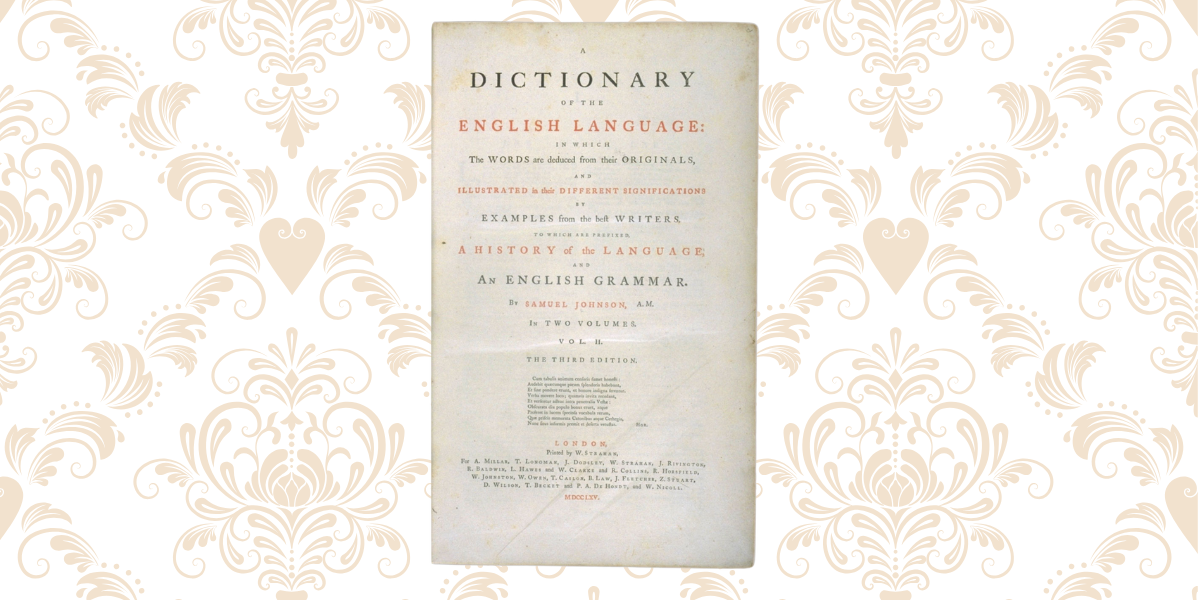
Consigue un diccionario de sinónimos y aprende algunas palabras raras. Cada género tiene su fórmula, su diccionario. Ponte manos a la obra y conoce el vocabulario de tu teatro. H.P. Lovecraft solía vagar con dificultad, buscando constantemente palabras extrañas y arcanas para llenar sus manuscritos.

Lee como un loco. Y, cuando no estés leyendo, consigue audiolibros.

Antes de enviar y cerrar el capítulo, léelo en voz alta. Hay una razón por la que los narradores eran tan adorados antes de la imprenta. Tus frases u oraciones deben conectar con el oído.

Los críticos son realmente monstruosos. Por desgracia, también son tus mejores amigos. Antes de publicar algo, compártelo.

Empieza por copiar el tono y el estilo de tu autor favorito, aprende de él. Poco a poco, ve adaptándolos a tu mentalidad. Tienes que madurar y nutrir tu voz única, pero antes de eso, ese óvulo fértil debe ser inseminado... así que elige una fuente genética adecuada.

Y por último, y lo más importante, consigue a alguien que te financie. Si te pagan por ello, entonces eres escritor. El dinero en el banco, a pesar de lo que digan los críticos, es el parámetro con el que debes medirte.
noviembre 29, 2025 4 lectura mínima

The Great Freewrite Séance: A Ghost'ly Charity Auction Full Terms & Conditions

These Terms and Conditions (“Terms”) govern participation in The Great Freewrite Séance: A Ghost'ly Charity Auction (“Auction”), organized by Freewrite (“Organizer,” “we,” “us,” or “our”). By registering for, bidding in, or otherwise participating in the Auction, you (“Participant,” “Bidder,” or “Winner”) agree to be bound by these Terms.

1. Auction Overview

1.1. The Auction offers for sale a limited number of Freewrite Traveler Ghost Edition units (“Items” or “Ghost Traveler units”), each personally signed and drawn on by a featured author.

1.2. All proceeds, net of explicitly disclosed administrative costs, will be donated to the charity or charitable initiative (“Charity”) identified on each auction item’s page, as chosen by the respective author.

2. Eligibility

2.1. Participants must be at least 18 years old or the age of majority in their jurisdiction, whichever is higher.

2.2. Employees of Freewrite, the participating authors, or any affiliates directly involved in the Auction are not eligible to bid.

2.3. By participating, you represent that you are legally permitted to take part in online auctions and to pay for any bids you win.

3. Auction Registration

3.1. Participants must create an account on the auction platform or otherwise register using accurate, current, and complete information.

3.2. Freewrite reserves the right to verify identity and to disqualify any Participant who provides false or misleading information.

4. Bidding Rules

4.1. All bids are binding, final, and non-retractable.

4.2. Bidders are responsible for monitoring their bids; Freewrite is not liable for missed notifications or technical issues on the auction platform or the Participant’s device.

4.3. Freewrite reserves the right to:

  • set minimum bids or bid increments;
  • reject bids deemed in bad faith or intended to disrupt the Auction;
  • extend, pause, or cancel the Auction in case of technical difficulties, fraud, or events beyond reasonable control.

5. Winning Bids and Payment

5.1. The highest valid bid at the close of the Auction is the Winning Bid, and the corresponding Participant becomes the Winner.

5.2. Winners will receive payment instructions and must complete payment within 48 hours of the auction’s close unless otherwise stated.

5.3. Failure to complete payment on time may result in forfeiture, and Freewrite may offer the Item to the next highest bidder.

5.4. Accepted payment methods will be listed on the Auction platform. All payments must be made in the currency specified.

6. Item Description and Condition

6.1. Each Ghost Traveler unit is authentic, and the signatures, doodles, and messages are original works created by the participating author. These are authors, not artists. By bidding on the Item, you acknowledge that you are receiving a one-of-a-kind unit marked with unique art and messages and you agree to these terms and conditions.

6.2. Because Items are customized and signed by hand, variations, imperfections, or unique marks are to be expected. These are considered part of the Item’s character and not defects.

6.3. Items are provided “as-is” and “as-available.” Freewrite makes no warranties of merchantability or fitness for a particular purpose.

7. Shipping & Delivery

7.1. Shipping costs, import duties, and taxes may apply unless explicitly stated otherwise.

7.2. Freewrite will make reasonable efforts to ship Items within the estimated timeline but cannot guarantee delivery dates.

7.3. Title and risk of loss transfer to the Winner upon delivery to the carrier.

7.4. Freewrite is not responsible for delays, damage, or loss caused by the courier or customs agencies.

8. Charity Donation

8.1. Net proceeds from the Auction will be donated to the Charity designated on each Item page.

8.2. Donation amounts and recipients may be disclosed publicly unless prohibited by law.

8.3. Winners acknowledge that they are purchasing Items, not making a tax-deductible donation to Freewrite; therefore, Winners will not receive charitable tax receipts unless Freewrite explicitly states otherwise in compliance with applicable laws.

9. Intellectual Property

9.1. All trademarks, brand names, product names, and creative materials associated with Freewrite and the Ghost Traveler remain the exclusive property of Freewrite or their respective rights holders.

9.2. Participants may not reproduce, distribute, or publicly display the authors’ doodles without permission where such rights are applicable, except as allowed by law (e.g., resale of the physical Item).

10. Privacy

10.1. By participating, you consent to Freewrite’s collection, use, and storage of your personal data in accordance with our Privacy Policy.

10.2. Freewrite may publicly announce auction results, including Winner’s first name, last initial, city, state/country, and winning bid amount unless prohibited by law or unless you formally request anonymity when possible.

11. Prohibited Conduct

Participants may not:

  • engage in bid manipulation, fraud, or collusive bidding;
  • use automated systems (bots, scripts, scrapers) to place or monitor bids;
  • interfere with the Auction, platform, or other participants

Freewrite may ban or disqualify any Participant violating these rules.

12. Limitation of Liability

To the fullest extent permitted by law:

12.1. Freewrite is not liable for indirect, incidental, special, or consequential damages arising from the Auction or purchase of Items.

12.2. Freewrite’s total liability in connection with these Terms shall not exceed the amount of the Winning Bid actually paid by the Participant.

12.3. Freewrite is not responsible for technical malfunctions, internet outages, system failures, or other issues beyond its control.

13. Cancellation and Force Majeure

Freewrite may cancel, postpone, or modify the Auction due to unforeseen circumstances, including but not limited to natural disasters, system failures, strikes, or events affecting participating authors or the Charity.

14. Governing Law & Dispute Resolution

14.1. These Terms are governed by the laws of Michigan, without regard to conflict-of-law rules.

14.2. Any disputes arising under these Terms will be resolved through binding arbitration or the courts of the specified jurisdiction, as applicable.

14.3. Participants waive any right to participate in class-action lawsuits relating to the Auction.

15. Amendments

Freewrite may update these Terms at any time. Continued participation in the Auction after updates constitutes acceptance of the revised Terms.

16. Contact Information

For questions or concerns regarding the Auction or these Terms, contact: hello@getfreewrite.com.

noviembre 25, 2025 1 lectura mínima

This is a great gratitude writing exercise to be done alone or in a group, with people of any age.

How to Play

    1. Designate someone to read out each prompt below. (Feel free to add your own prompts.)
    2. After each prompt is read, set a timer for one minute. (With younger kids, this can be shortened. For older folks who want to freewrite meaningfully, more time can be added.)
    3. Each person freewrites by finishing the sentence and elaborating until the timer goes off. (For little kids, this can be done verbally with an adult recording their answers. Hilarity will ensue.)
    4. Remeber that freewriting — allowing yourself to write with abandon — enables you to let go, tapping into your subconscious to explore your thoughts more deeply.
    5. When everyone is done with all the prompts, take turns going through some your answers. Some people may be eager to share. Others may not want to. Respect their decision.

The Prompts

  • I'm grateful for... [After you've finished this prompt, repeat it five times. Challenge yourself and others not to repeat a singe word with each new answer.]
  • The silliest thing I'm grateful for is...
  • The littlest thing I'm grateful for is...
  • The biggest thing I'm grateful for is...
  • The grossest thing I'm grateful for is...
  • One thing I love about myself is...
  • My favorite thing that happened this year was...
  • My hope for next year is...

This writing exercise has resulted in some sweet answers — and many hilarious ones, too. If you try it out, do let us know.

Write on.

noviembre 21, 2025 4 lectura mínima

For the release of Sailfish, our new firmware update for Smart Typewriter Gen3 and Traveler, we created a brand-new boot-up animation to surprise and delight our writers.

We worked with talented Danish animator Mathias Lynge to bring our experience of the writer's journey to life.

We had a blast visualizing the writer's journey in this new way. Our engineers also had a blast (or something less than a blast) figuring out how to adjust this fun, playful animation to E Ink's very tricky specifications. Hello, refresh rate woes! But we think the result is pretty fun.

"The little animation made my day when I noticed. I love a good flourish."

- Freewrite user

The process of creating this animation was long and full of Zoom calls where we deeply discussed the writing process. We were struck through those conversations by how much overlap there is in creative processes of all disciplines.

So we sat down to chat with Mathias about his creative process and what it's like being a full-time animator.

ANNIE COSBY: Let's start with the basics. What kind of art do you make?

MATHIAS LYNGE: I'm a 2D animator and motion designer working freelance with a wide range of clients. The style varies depending on the project, but it’s usually either a hand-drawn look animated frame-by-frame on a drawing tablet, or a more digital, vectorized look made in After Effects.

While much of what I do is commercial work, I try to keep up with my own passion projects as well. That could be a 10-second Instagram loop of a nature scene, or an interesting character design I’ve sketched down with a pencil. It’s there that I get to sharpen my skills and try out new techniques, which often find their way into later client projects.

AC: You often share educational content on social media for other artists. Are you formally trained, or did you teach yourself?

ML: I’m mostly self-taught. I’ve been drawing for as long as I can remember, but it wasn’t until I went to university that I realized drawing could become a career.

When I first heard terms like “motion design” and “The 12 Principles of Animation” I was on a student exchange program at UCSB in California, where I had chosen a class called "Introduction to Animation." It was a big eye-opener for me, and from that point I was hooked.

But it’s mainly been online YouTube tutorials and my existing drawing experience that have taught me what I know.

Now, I have a big presence on social media, where I share my art as well as educational content centered around animation in Adobe After Effects, so I guess you could say that I'm also an animation influencer!

I’ve been drawing for as long as I can remember, but it wasn’t until I went to university that I realized drawing could become a career.

AC: That's actually how I first found your work. Do you have any specific artists who inspire you?

ML:In the world of 2D animation, I have a list of personal heroes that inspire me with their unique style: Reece Parker, Ariel Costa a.k.a. BlinkMyBrain, and Tony Babel, to name a few.

I also find a lot of inspiration from illustrators and painters I discover online, on platforms such as Pinterest. Last year I made a sparkling water animation that was heavily inspired by Cornwall-based artist Gordon Hunt. He makes these beautiful nature-inspired pointillist paintings that capture how light hits the ocean using colorful dots of paint. I tried to recreate that effect using After Effects to bring it to life, and it led me to a whole new way of animating within the program.

AC: Where else do you draw inspiration to create your work?

ML: I’m heavily inspired by the nature and cityscapes around me in Copenhagen, and I find that taking long walks through parks or down the streets of my neighborhood really sparks my imagination.

I’ll often carry around a sketchbook to quickly scribble down an idea or a loose sketch of something I find interesting, such as seeing how the light from a lamppost hits the surrounding leaves, or how the wind moves the tree in a certain way.

Then I’ll think to myself, “I wonder if I can recreate that motion using a specific technique in After Effects?”

I’m heavily inspired by the nature and cityscapes around me in Copenhagen...

AC: What does your daily routine look like as a full-time artist?

ML: It varies a lot, but I’m usually either working hard on a client project or tinkering away with a new animation tutorial for my social media channels.

I love being able to switch between the two, and when I’m going through a client dry spell, I find that staying creative and posting animation-related content helps keep me inspired while also putting things out into the world that may lead to my next client down the road.

AC: What's your #1 piece of advice for animators new to the industry?

ML: Keep experimenting and trying out new techniques. There’s no such thing as running out of creativity, and even though many of the things you try don’t necessarily go anywhere, it’s all experience that adds up and expands your toolbox. It’s a muscle that needs to be worked out regularly.

Plus, you’ll have more awesome animation to choose from when you’re putting together your next showreel or portfolio!

There’s no such thing as running out of creativity...

AC: What's one fun fact about you completely unrelated to animation?

ML:I’m a big sucker for history podcasts, especially if they are about ancient civilizations, such as The History of Rome by Mike Duncan.

I find it fascinating to hear how mankind was able to build such great empires without ever knowing what electricity, cars, or the internet are.

--

Follow along on Mathias's creative journey and find his free educational content on Instagram.

To learn more about working together, find him on LinkedIn or visit his website at www.mathiaslynge.com.

Learn more about Sailfish here.