overlaylink

Le duo d'écriture ultime : Freewrite et Scrivener

Annie Cosby
novembre 19, 2024 | 7 lire la lecture

Nous avons demandé à plus de 3 000 écrivains du monde entier comment ils restent concentrés, dans le cadre de notre concours Write Focused Giveaway , une collaboration avec l'équipe de Scrivener .

Voici leurs réponses, ainsi que des conseils clés pour créer le flux de travail d'écriture ciblé ultime avec Freewrite et Scrivener.

La concentration est un problème mondial

Un troll en ligne nous a récemment dit : « Focus est gratuit. »

Notre réponse ? Non, vraiment pas. Surtout pas au XXIe siècle.

Vous arrive-t-il de vous sentir déconcentré et apathique alors que vous êtes censé écrire ? Même si vous avez envie d'écrire, vous vous surprenez à faire défiler le contenu ?

L'écrivaine Elizabeth l'a très bien exprimé :

Au milieu d'une phrase, j'ouvre Facebook. Je n'en ai même pas envie. Je le fais, c'est tout. Je n'ai toujours pas de nouvelles notifications. Mais il y a deux jours, j'ai vaguement vu une dispute au sein d'un groupe de surveillance de quartier à propos du ramassage des feuilles mortes, alors je dois vérifier si ça continue.

Elizabeth a-t-elle simplement besoin de maîtrise de soi ? Non, c'est bien plus compliqué que ça.

L'homme moderne lutte à chaque instant contre des algorithmes conçus pour nous piéger . Vous luttez contre la surcharge d'informations et la fatigue décisionnelle. Chaque distraction dans votre environnement exige un effort mental pour être surmontée. Même si cet effort individuel est minime, il s'accumule.

En fait, les recherches montrent clairement comment l’utilisation constante d’appareils intelligents et les tentatives de « multitâche » affectent notre cerveau .

Alerte spoiler : ce n'est pas bon.

Mais si vous ne voulez pas lire la recherche, écoutez simplement ce que disent les auteurs du monde entier :

« L'environnement de l'écrivain moderne est un labyrinthe de notifications, de fenêtres contextuelles et de l'attrait incessant d'Internet. » Utz
« Vous savez, quand vous cherchez quelque chose sur Google et que soudain, vous vous retrouvez pris dans le tourbillon des réseaux sociaux ? » Iliyana
« Je veux retrouver mon énergie créatrice. » Angela
« Un jour, je serai écrivain. Quand je pourrai me concentrer plus longtemps que la capacité d'attention d'un poisson rouge. » Ernie
« Quel est le moyen le plus simple de rester concentré ? Eh bien, j'aimerais bien avoir une réponse… » KL

[ Et il y en a encore d'autres. ]

Il est clair qu’en tant qu’écrivains à l’ère numérique, nous sommes tous confrontés aux mêmes défis.

Alors, comment vos collègues écrivains luttent-ils contre ces problèmes ?

Les 3 meilleures stratégies pour rester concentré

Il nous faudrait des semaines pour partager toutes les réponses perspicaces que nous avons entendues de la part de tous les écrivains talentueux.

Mais il y avait trois conseils qui étaient répétés encore et encore :


1) Séparer le processus de rédaction du processus d’édition.

Quand il est temps de s'asseoir et de créer de nouveaux mots, vous vous retrouverez à dériver vers des tâches plus faciles, comme l'édition (corriger votre orthographe, modifier les mots) ou la lecture de cette page Web qui est très certainement une « recherche » pour votre livre... n'est-ce pas ?

Il y a une raison simple à cela : consommer est plus facile que créer pour son cerveau .

Kevin dit :

« J'ai souvent envie de m'arrêter pour faire des recherches sur les sujets sur lesquels j'écris afin de m'assurer que les détails sont corrects, mais j'ai tendance à me perdre dans des trous de lapin, alors j'ai appris à continuer d'écrire et à prendre des notes pour revenir faire les recherches plus tard... »

Pour éviter de procrastiner tout votre temps d'écriture, il est essentiel de séparer les différentes étapes. Consacrez du temps à :

  1. Notes de recherche et d'enregistrement
  2. Rédigez sur un appareil sans distraction comme Freewrite
  3. Réviser dans un outil d'organisation comme Scrivener

Et puis, effectuez chaque tâche assignée avec un dévouement concentré.

« Je consacre des plages horaires spécifiques et ininterrompues à la rédaction et d'autres à l'organisation ou à la correction », explique Utz. « Par exemple, une séance matinale peut durer 60 minutes de rédaction non-stop… suivie d'une pause et d'une séance Scrivener l'après-midi consacrée à la restructuration et aux premières corrections. »

Vous devrez peut-être résister à la tentation de la facilité à chaque période, mais avec les bons outils et un plan bien établi, nous vous promettons que vous y parviendrez. Et cela en vaudra la peine lorsque vous aurez enfin terminé votre livre !


2) Utiliser des outils spécialisés.

« L'ordinateur est une distraction », dit Renée, « les e-mails, la navigation Web sans fin, les vidéos à regarder... »

De nos jours, la plupart des ordinateurs et appareils intelligents disposent d'un « mode concentration ». Mais ce n'est pas suffisant. Car celui qui peut activer ce mode (vous) sera toujours tenté de le désactiver. (Vous souvenez-vous de ce que nous avons dit plus haut sur la fatigue décisionnelle et l'effort mental ?)

Recherchez plutôt des outils spécifiquement conçus pour vous aider dans chaque tâche.

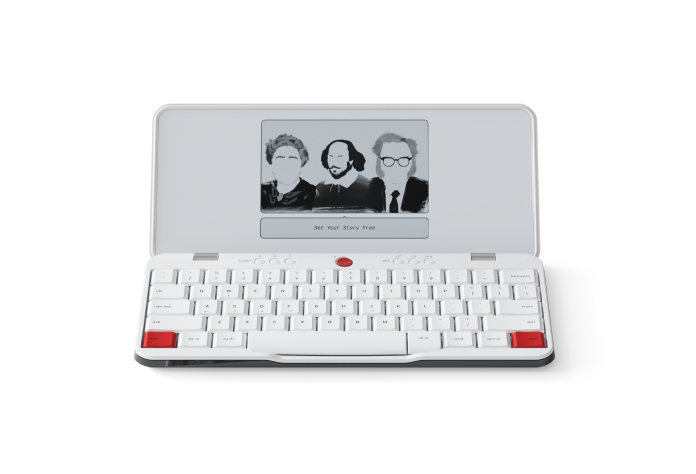
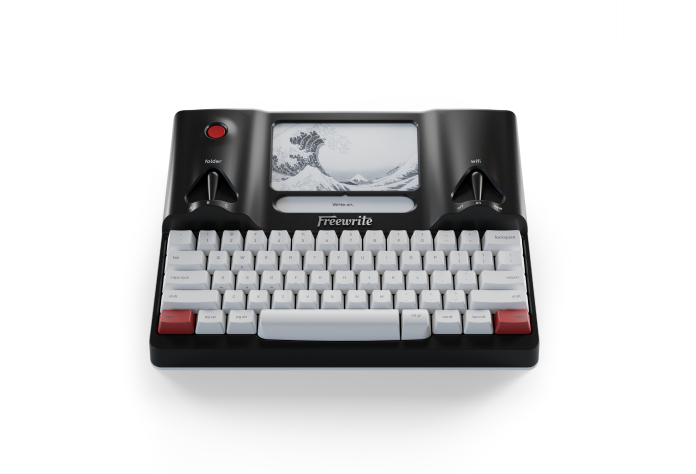
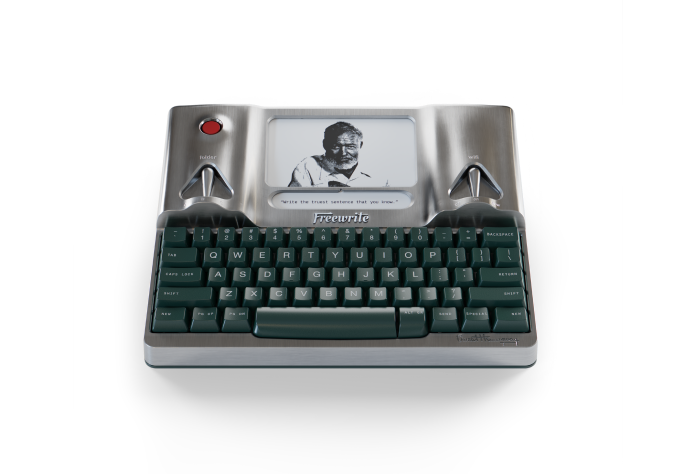
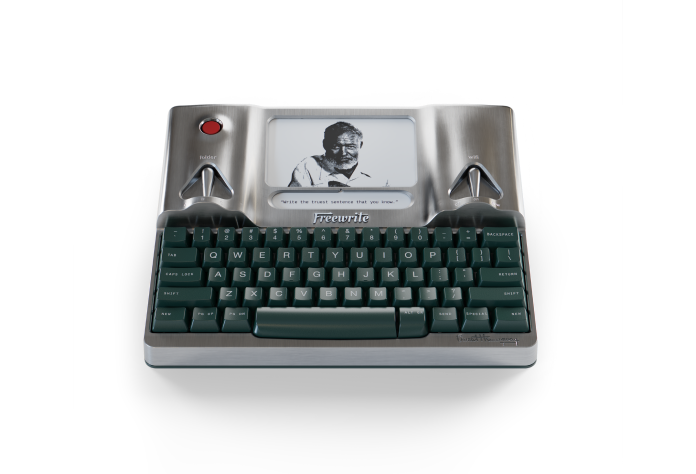
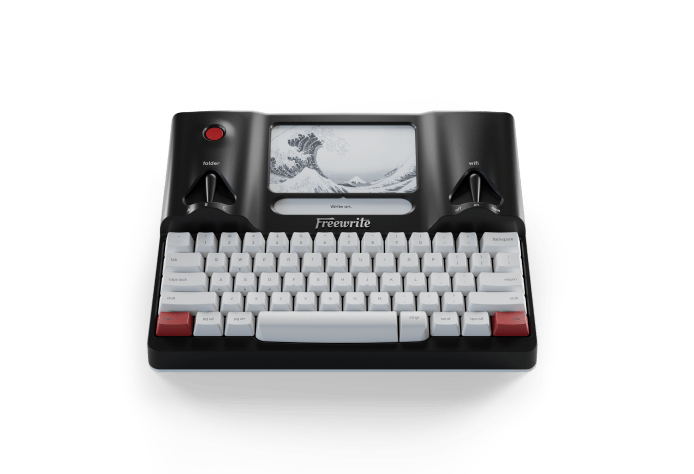
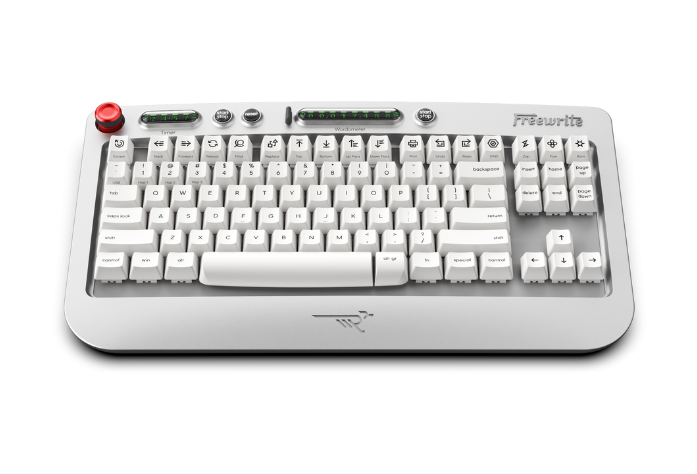
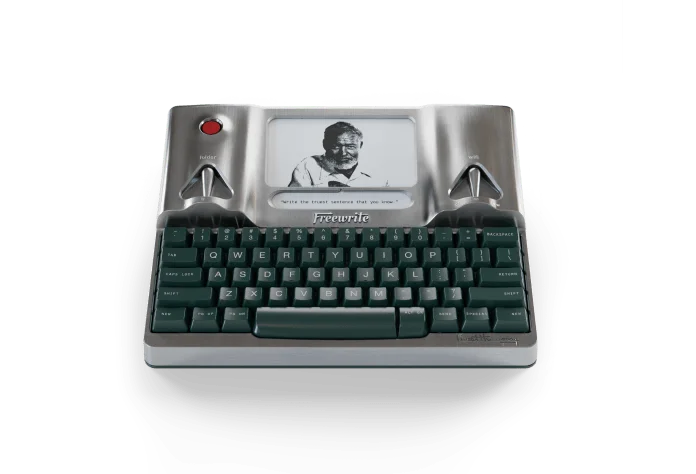
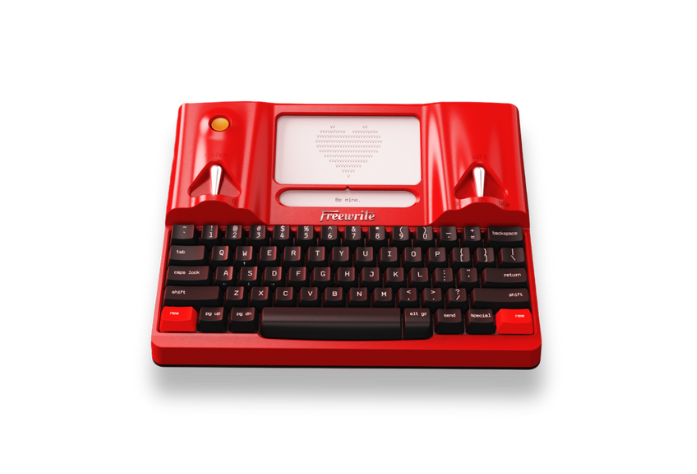
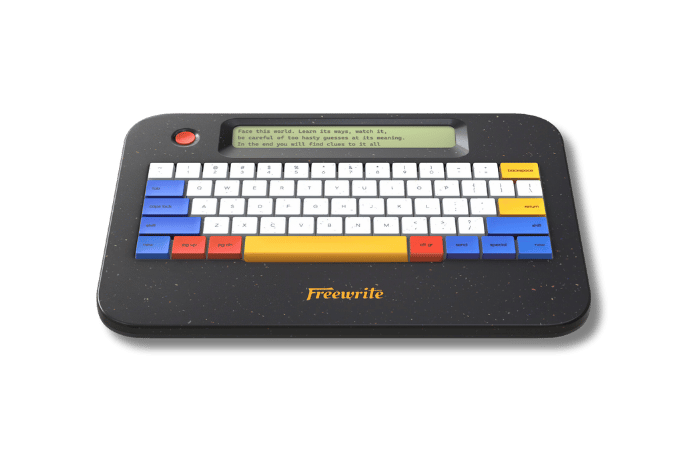
Rédigez vos textes sans distraction (et en utilisant les claviers extrêmement performants) sur Freewrite, en vous concentrant uniquement sur le résultat brut. Modifiez et organisez ensuite votre texte libre dans Scrivener.

Tout comme un athlète ou un chef cuisinier professionnel, les auteurs disposent d'outils spécifiques pour chaque tâche. Comme le dit Michelle : « Avoir les bons outils, c'est un peu comme s'habiller pour réussir : avoir ce qu'il faut pour se sentir écrivain, c'est être dans l'ambiance. »

Il existe des outils pour faciliter votre écriture. Utilisez-les !

[ Freewrite propose même une application gratuite de sprint d'écriture intégrée au navigateur, appelée Sprinter. Essayez-la ! ]


3) Laissez tomber la perfection et écrivez simplement.

Une fois vos outils préparés, rangez votre téléphone et vos livres alléchants – même s'ils sont consacrés à la recherche – dans une autre pièce. Mettez de la musique pour créer l'ambiance.

Définir un objectif de nombre de mots peut vous aider à rester sur la bonne voie et à avoir un objectif sur lequel vous concentrer.

Mais le plus important, c'est de continuer à écrire . Ce n'est pas grave si vous écrivez quelque chose de différent ou de plus court que prévu lors d'une séance, tant que vous mettez des mots sur la page.

N'oubliez pas : vous aurez le temps de modifier plus tard.

Comme le dit l'utilisatrice Beatrice :

Mon meilleur conseil pour rester concentré pendant les séances d'écriture, c'est d'être présent. Je sais, Stephen King l'a dit en premier. Mais c'est vrai.

Le flux de travail idéal : Freewrite + Scrivener

D'innombrables écrivains décrivent leur flux de travail idéal comme une rédaction dédiée sur un appareil Freewrite suivie d'une édition organisée dans Scrivener.

Freewrite est spécialement conçu comme un environnement de rédaction dédié qui non seulement supprime toutes les distractions des appareils modernes, mais fonctionne également comme un signal inconscient et cohérent à votre cerveau qui dit : « Hé, quand on s'assoit devant cette chose, il est temps d'écrire ! »

« J'aime la façon dont Freewrite favorise une écriture tournée vers l'avenir », explique Cara. « Il ne s'agit pas de relire et de s'attarder sur le point de départ du récit ou des idées, mais de passer à l'idée suivante. Je trouve que cela rend mes brouillons Freewrite à la fois plus variés et plus réfléchis. »

Comme le dit Seanan F. :

« Freewrite est la machine de rêve : elle élimine les distractions, est simple à utiliser et suffisamment légère et portable pour être transportée sans sac à dos… »

Scrivener est une suite d'outils permettant de structurer et de corriger des travaux sur ordinateur. Il est reconnu pour ses capacités d'organisation et de structuration de projets d'écriture volumineux.

Les écrivains expérimentés choisissent souvent ces outils pour travailler ensemble dans un excellent flux de travail qui répond aux défis courants mentionnés plus haut dans cet article.

Rédigez simplement votre brouillon sur Freewrite et enregistrez-le dans Postbox au format texte brut (.txt) ou Microsoft Word (.docx). Pour le modifier, ouvrez votre brouillon Freewrite dans Scrivener et utilisez les outils d'organisation avancés pour réviser et peaufiner votre texte.

Avec ces deux outils, vous aurez un brouillon soigné en un rien de temps !

Écrivez davantage avec Freewrite + Scrivener

Ce duo fantastique améliore non seulement votre productivité et votre créativité, mais il redonne également la joie d'écrire.

Nous vous laissons avec ce poème de Vishaal :

L'écriture libre vous permettra de garder les distractions à distance
Scrivener vous aidera à décrire
Une cafetière toujours en train de préparer du café — le trio
Faites briller mon écriture !

Voir ci-dessous pour des conseils d'écriture encore plus ciblés de la communauté Freewrite + Scrivener.

--

REJOIGNEZ UN DÉFI

Mon conseil de pro pour rester concentré est de relever des défis ou de vous en fixer un (nombre de mots par jour, un chapitre par semaine, une échéance, etc.) et de noter vos progrès. Nohemi

Freewrite organise souvent des défis d'écriture pour vous aider à rester concentré. Par exemple, consultez notre classement NaNoWriMo .

ÉCRITURE SPRINTS

« En ce moment, la seule façon pour moi d'accomplir quoi que ce soit est la bonne vieille méthode Pomodoro qui consiste à régler un minuteur sur 25 minutes et à se forcer à se concentrer sur la tâche à accomplir, puis à se récompenser en planifiant une pause. » - Danielle

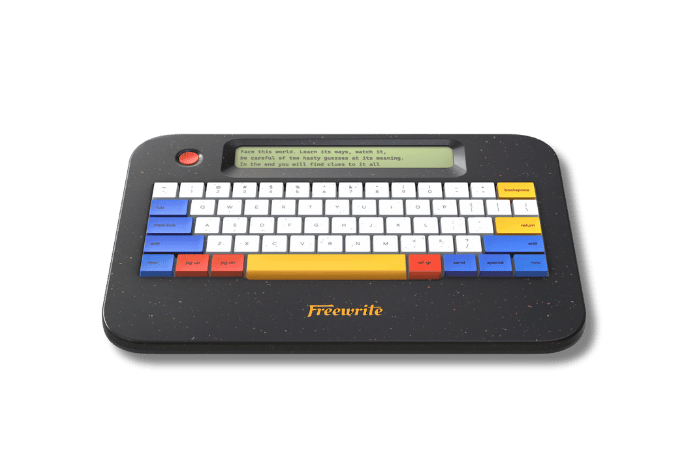
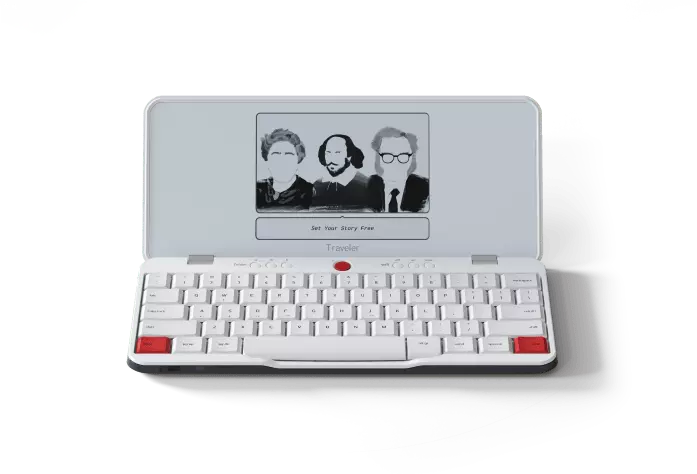
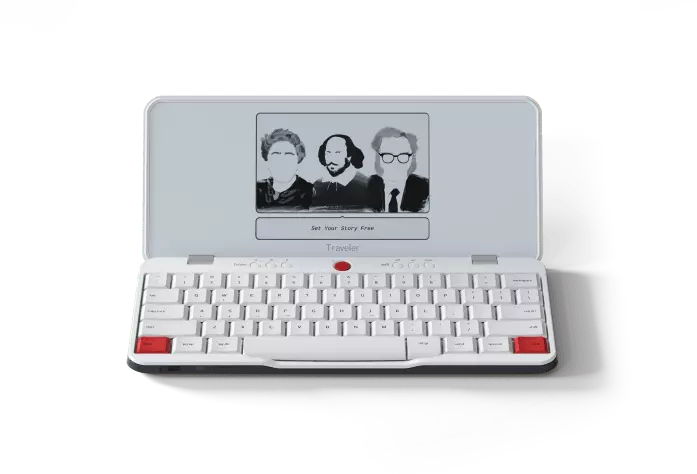
Les modèles Freewrite Smart Typewriter et Traveler disposent tous deux d'un écran secondaire affichant un minuteur pour vous permettre de réaliser des sprints d'écriture ! Freewrite organise également des sprints communautaires gratuits de temps à autre.

ÉCRIRE DANS LA NATURE

Imaginez-vous rédiger sur une botte de foin, libéré de l'attrait des notifications et de la tentation des vidéos de chats. C'est la combinaison parfaite du charme rustique et de la concentration d'un écrivain ! Orysia

« Mon meilleur conseil pour rester concentré est de limiter les distractions, ce que je fais en m'éloignant dans la nature. » Meghan

Ce n'est pas pour rien que les appareils Freewrite enregistrent votre travail lorsque vous êtes hors ligne. Et Traveler est conçu pour être léger et portable, avec une autonomie exceptionnelle. Partez, voyagez, découvrez le monde et ÉCRIVEZ !

UTILISER LA MUSIQUE

" Enfilez une paire d'écouteurs et trouvez une playlist d'étude ou de musique classique pour vous déconnecter du monde extérieur et laisser les démons intérieurs ramper sur la page. " Jared

« Mon meilleur conseil pour se concentrer, c'est d'écouter de la musique avec des battements binauraux ! Ça marche ! » Boris

La musique classique et les musiques de film sont idéales pour l'écriture. L'équipe Freewrite a également un faible pour les ambiances pluvieuses ! Retrouvez toutes ces options et bien plus encore sur YouTube ou Spotify.
novembre 29, 2025 4 lire la lecture

The Great Freewrite Séance: A Ghost'ly Charity Auction Full Terms & Conditions

These Terms and Conditions (“Terms”) govern participation in The Great Freewrite Séance: A Ghost'ly Charity Auction (“Auction”), organized by Freewrite (“Organizer,” “we,” “us,” or “our”). By registering for, bidding in, or otherwise participating in the Auction, you (“Participant,” “Bidder,” or “Winner”) agree to be bound by these Terms.

1. Auction Overview

1.1. The Auction offers for sale a limited number of Freewrite Traveler Ghost Edition units (“Items” or “Ghost Traveler units”), each personally signed and drawn on by a featured author.

1.2. All proceeds, net of explicitly disclosed administrative costs, will be donated to the charity or charitable initiative (“Charity”) identified on each auction item’s page, as chosen by the respective author.

2. Eligibility

2.1. Participants must be at least 18 years old or the age of majority in their jurisdiction, whichever is higher.

2.2. Employees of Freewrite, the participating authors, or any affiliates directly involved in the Auction are not eligible to bid.

2.3. By participating, you represent that you are legally permitted to take part in online auctions and to pay for any bids you win.

3. Auction Registration

3.1. Participants must create an account on the auction platform or otherwise register using accurate, current, and complete information.

3.2. Freewrite reserves the right to verify identity and to disqualify any Participant who provides false or misleading information.

4. Bidding Rules

4.1. All bids are binding, final, and non-retractable.

4.2. Bidders are responsible for monitoring their bids; Freewrite is not liable for missed notifications or technical issues on the auction platform or the Participant’s device.

4.3. Freewrite reserves the right to:

  • set minimum bids or bid increments;
  • reject bids deemed in bad faith or intended to disrupt the Auction;
  • extend, pause, or cancel the Auction in case of technical difficulties, fraud, or events beyond reasonable control.

5. Winning Bids and Payment

5.1. The highest valid bid at the close of the Auction is the Winning Bid, and the corresponding Participant becomes the Winner.

5.2. Winners will receive payment instructions and must complete payment within 48 hours of the auction’s close unless otherwise stated.

5.3. Failure to complete payment on time may result in forfeiture, and Freewrite may offer the Item to the next highest bidder.

5.4. Accepted payment methods will be listed on the Auction platform. All payments must be made in the currency specified.

6. Item Description and Condition

6.1. Each Ghost Traveler unit is authentic, and the signatures, doodles, and messages are original works created by the participating author. These are authors, not artists. By bidding on the Item, you acknowledge that you are receiving a one-of-a-kind unit marked with unique art and messages and you agree to these terms and conditions.

6.2. Because Items are customized and signed by hand, variations, imperfections, or unique marks are to be expected. These are considered part of the Item’s character and not defects.

6.3. Items are provided “as-is” and “as-available.” Freewrite makes no warranties of merchantability or fitness for a particular purpose.

7. Shipping & Delivery

7.1. Shipping costs, import duties, and taxes may apply unless explicitly stated otherwise.

7.2. Freewrite will make reasonable efforts to ship Items within the estimated timeline but cannot guarantee delivery dates.

7.3. Title and risk of loss transfer to the Winner upon delivery to the carrier.

7.4. Freewrite is not responsible for delays, damage, or loss caused by the courier or customs agencies.

8. Charity Donation

8.1. Net proceeds from the Auction will be donated to the Charity designated on each Item page.

8.2. Donation amounts and recipients may be disclosed publicly unless prohibited by law.

8.3. Winners acknowledge that they are purchasing Items, not making a tax-deductible donation to Freewrite; therefore, Winners will not receive charitable tax receipts unless Freewrite explicitly states otherwise in compliance with applicable laws.

9. Intellectual Property

9.1. All trademarks, brand names, product names, and creative materials associated with Freewrite and the Ghost Traveler remain the exclusive property of Freewrite or their respective rights holders.

9.2. Participants may not reproduce, distribute, or publicly display the authors’ doodles without permission where such rights are applicable, except as allowed by law (e.g., resale of the physical Item).

10. Privacy

10.1. By participating, you consent to Freewrite’s collection, use, and storage of your personal data in accordance with our Privacy Policy.

10.2. Freewrite may publicly announce auction results, including Winner’s first name, last initial, city, state/country, and winning bid amount unless prohibited by law or unless you formally request anonymity when possible.

11. Prohibited Conduct

Participants may not:

  • engage in bid manipulation, fraud, or collusive bidding;
  • use automated systems (bots, scripts, scrapers) to place or monitor bids;
  • interfere with the Auction, platform, or other participants

Freewrite may ban or disqualify any Participant violating these rules.

12. Limitation of Liability

To the fullest extent permitted by law:

12.1. Freewrite is not liable for indirect, incidental, special, or consequential damages arising from the Auction or purchase of Items.

12.2. Freewrite’s total liability in connection with these Terms shall not exceed the amount of the Winning Bid actually paid by the Participant.

12.3. Freewrite is not responsible for technical malfunctions, internet outages, system failures, or other issues beyond its control.

13. Cancellation and Force Majeure

Freewrite may cancel, postpone, or modify the Auction due to unforeseen circumstances, including but not limited to natural disasters, system failures, strikes, or events affecting participating authors or the Charity.

14. Governing Law & Dispute Resolution

14.1. These Terms are governed by the laws of Michigan, without regard to conflict-of-law rules.

14.2. Any disputes arising under these Terms will be resolved through binding arbitration or the courts of the specified jurisdiction, as applicable.

14.3. Participants waive any right to participate in class-action lawsuits relating to the Auction.

15. Amendments

Freewrite may update these Terms at any time. Continued participation in the Auction after updates constitutes acceptance of the revised Terms.

16. Contact Information

For questions or concerns regarding the Auction or these Terms, contact: hello@getfreewrite.com.

novembre 25, 2025 1 lire la lecture

This is a great gratitude writing exercise to be done alone or in a group, with people of any age.

How to Play

    1. Designate someone to read out each prompt below. (Feel free to add your own prompts.)
    2. After each prompt is read, set a timer for one minute. (With younger kids, this can be shortened. For older folks who want to freewrite meaningfully, more time can be added.)
    3. Each person freewrites by finishing the sentence and elaborating until the timer goes off. (For little kids, this can be done verbally with an adult recording their answers. Hilarity will ensue.)
    4. Remeber that freewriting — allowing yourself to write with abandon — enables you to let go, tapping into your subconscious to explore your thoughts more deeply.
    5. When everyone is done with all the prompts, take turns going through some your answers. Some people may be eager to share. Others may not want to. Respect their decision.

The Prompts

  • I'm grateful for... [After you've finished this prompt, repeat it five times. Challenge yourself and others not to repeat a singe word with each new answer.]
  • The silliest thing I'm grateful for is...
  • The littlest thing I'm grateful for is...
  • The biggest thing I'm grateful for is...
  • The grossest thing I'm grateful for is...
  • One thing I love about myself is...
  • My favorite thing that happened this year was...
  • My hope for next year is...

This writing exercise has resulted in some sweet answers — and many hilarious ones, too. If you try it out, do let us know.

Write on.

novembre 21, 2025 4 lire la lecture

For the release of Sailfish, our new firmware update for Smart Typewriter Gen3 and Traveler, we created a brand-new boot-up animation to surprise and delight our writers.

We worked with talented Danish animator Mathias Lynge to bring our experience of the writer's journey to life.

We had a blast visualizing the writer's journey in this new way. Our engineers also had a blast (or something less than a blast) figuring out how to adjust this fun, playful animation to E Ink's very tricky specifications. Hello, refresh rate woes! But we think the result is pretty fun.

"The little animation made my day when I noticed. I love a good flourish."

- Freewrite user

The process of creating this animation was long and full of Zoom calls where we deeply discussed the writing process. We were struck through those conversations by how much overlap there is in creative processes of all disciplines.

So we sat down to chat with Mathias about his creative process and what it's like being a full-time animator.

ANNIE COSBY: Let's start with the basics. What kind of art do you make?

MATHIAS LYNGE: I'm a 2D animator and motion designer working freelance with a wide range of clients. The style varies depending on the project, but it’s usually either a hand-drawn look animated frame-by-frame on a drawing tablet, or a more digital, vectorized look made in After Effects.

While much of what I do is commercial work, I try to keep up with my own passion projects as well. That could be a 10-second Instagram loop of a nature scene, or an interesting character design I’ve sketched down with a pencil. It’s there that I get to sharpen my skills and try out new techniques, which often find their way into later client projects.

AC: You often share educational content on social media for other artists. Are you formally trained, or did you teach yourself?

ML: I’m mostly self-taught. I’ve been drawing for as long as I can remember, but it wasn’t until I went to university that I realized drawing could become a career.

When I first heard terms like “motion design” and “The 12 Principles of Animation” I was on a student exchange program at UCSB in California, where I had chosen a class called "Introduction to Animation." It was a big eye-opener for me, and from that point I was hooked.

But it’s mainly been online YouTube tutorials and my existing drawing experience that have taught me what I know.

Now, I have a big presence on social media, where I share my art as well as educational content centered around animation in Adobe After Effects, so I guess you could say that I'm also an animation influencer!

I’ve been drawing for as long as I can remember, but it wasn’t until I went to university that I realized drawing could become a career.

AC: That's actually how I first found your work. Do you have any specific artists who inspire you?

ML:In the world of 2D animation, I have a list of personal heroes that inspire me with their unique style: Reece Parker, Ariel Costa a.k.a. BlinkMyBrain, and Tony Babel, to name a few.

I also find a lot of inspiration from illustrators and painters I discover online, on platforms such as Pinterest. Last year I made a sparkling water animation that was heavily inspired by Cornwall-based artist Gordon Hunt. He makes these beautiful nature-inspired pointillist paintings that capture how light hits the ocean using colorful dots of paint. I tried to recreate that effect using After Effects to bring it to life, and it led me to a whole new way of animating within the program.

AC: Where else do you draw inspiration to create your work?

ML: I’m heavily inspired by the nature and cityscapes around me in Copenhagen, and I find that taking long walks through parks or down the streets of my neighborhood really sparks my imagination.

I’ll often carry around a sketchbook to quickly scribble down an idea or a loose sketch of something I find interesting, such as seeing how the light from a lamppost hits the surrounding leaves, or how the wind moves the tree in a certain way.

Then I’ll think to myself, “I wonder if I can recreate that motion using a specific technique in After Effects?”

I’m heavily inspired by the nature and cityscapes around me in Copenhagen...

AC: What does your daily routine look like as a full-time artist?

ML: It varies a lot, but I’m usually either working hard on a client project or tinkering away with a new animation tutorial for my social media channels.

I love being able to switch between the two, and when I’m going through a client dry spell, I find that staying creative and posting animation-related content helps keep me inspired while also putting things out into the world that may lead to my next client down the road.

AC: What's your #1 piece of advice for animators new to the industry?

ML: Keep experimenting and trying out new techniques. There’s no such thing as running out of creativity, and even though many of the things you try don’t necessarily go anywhere, it’s all experience that adds up and expands your toolbox. It’s a muscle that needs to be worked out regularly.

Plus, you’ll have more awesome animation to choose from when you’re putting together your next showreel or portfolio!

There’s no such thing as running out of creativity...

AC: What's one fun fact about you completely unrelated to animation?

ML:I’m a big sucker for history podcasts, especially if they are about ancient civilizations, such as The History of Rome by Mike Duncan.

I find it fascinating to hear how mankind was able to build such great empires without ever knowing what electricity, cars, or the internet are.

--

Follow along on Mathias's creative journey and find his free educational content on Instagram.

To learn more about working together, find him on LinkedIn or visit his website at www.mathiaslynge.com.

Learn more about Sailfish here.