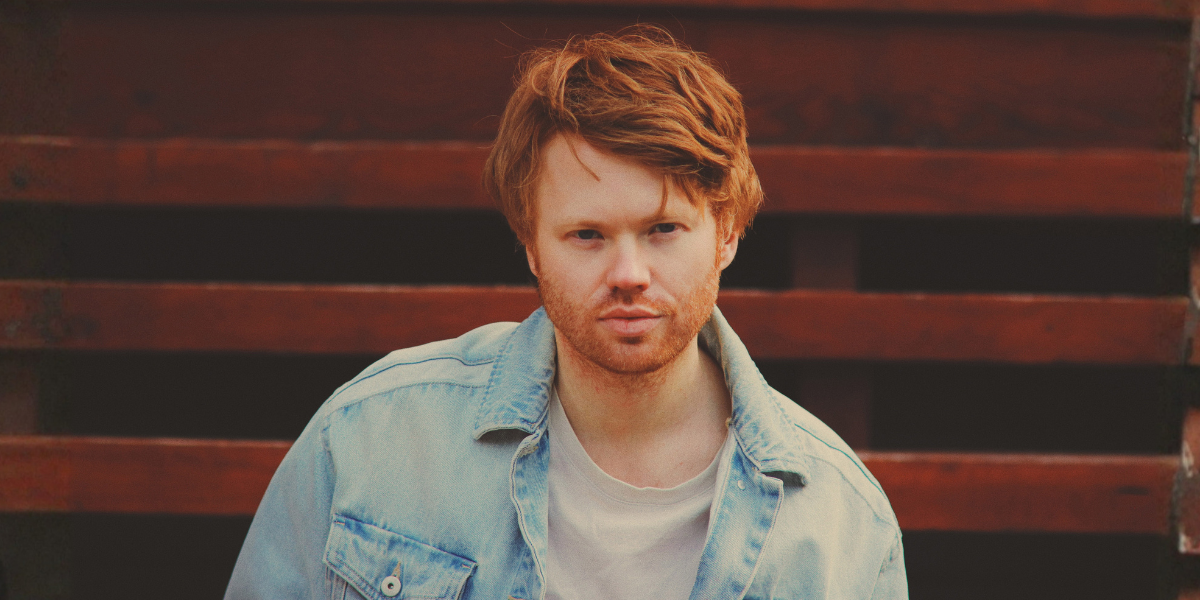
















Estamos orgullosos de presentarles al Dr. Tony Malone, escritor, artista y activista de derechos humanos en Ebbw Vale, una antigua ciudad minera en los valles del sur de Gales en el Reino Unido.
Nos sentamos con el Dr. Malone para conversar sobre su trabajo, especialmente los libros importantes que ha traído al mundo, como The Diversity & Inclusion Glossary.
¿Cómo describirías tu profesión?
Uso palabras, forjo palabras y defino colaborativamente con palabras el sufrimiento ajeno y cómo podemos detenerlo. He trabajado como escritor, artista y activista en el ámbito de los derechos humanos durante más de 20 años. Me honra publicar y denunciar con frecuencia la desigualdad en todo el mundo.
¿Qué inspira tu escritura y tu trabajo en el espacio LGBTQIA+?
No quería ser defensora de los derechos humanos, de los derechos LGBTQIA+ ni de la diversidad y la inclusión. Quería ser pintora. Sin embargo, sucedieron dos cosas: estudié budismo y descubrí la desigualdad del mundo.
Tuve la suerte de vivir cerca de algunos de los activistas LGBTQIA+ más destacados del Reino Unido, como Caroline Jones, Sue Sanders, Julie Newman, Clare Summerskill y muchos más, quienes amablemente se tomaron el tiempo para compartir el arte del activismo por la paz, la influencia social y el cambio. Me invitaron a participar en la redacción de las leyes de igualdad vigentes en el Reino Unido y Europa, lo que me llevó a mi trabajo más reciente con refugiados LGBTQIA+ en Uganda, Kenia, Myanmar y Pakistán.
El sufrimiento de todas las comunidades oprimidas me impulsa a hacer más, a escribir más y, con suerte, a ser un aliado para todos aquellos que enfrentan la desigualdad. Estoy decidido a dejar este mundo en un lugar mejor del que encontré, impulsando el cambio y luego cediendo el paso a quienes lo moldean y lo impulsan para crear un futuro mejor.
¿Por qué cree que es importante el Glosario de Diversidad e Inclusión ?
Este proyecto surgió como sugerencia de una editorial con la que trabajé anteriormente y de mi buena amiga Sue Sanders, fundadora del Mes de la Historia LGBT+ . Llegamos a un punto en el que los términos, las palabras y sus significados cambian rápidamente. En el que las personas bienintencionadas luchan por no usar términos ofensivos o anticuados y no tienen adónde recurrir.
Convoqué a compañeros activistas de todo el mundo occidental, de todos los orígenes y comunidades, y formé un equipo de trabajo de 220 personas, cada una con visiones ligeramente diferentes sobre la igualdad. El proyecto duró dos años de debates, reuniones y cambios, y finalmente, cuando me sentí listo, me senté en mi libreto y me lancé...
Ha recibido excelentes críticas, se ha copiado muchísimo en línea (lo cual es genial) y se ha llegado a un acuerdo para ampliarlo a otros idiomas y ediciones en el futuro. Hasta la fecha, se han vendido 43.000 ejemplares del libro, solo desde junio de 2022.
¿De qué otros proyectos estás orgulloso?
También me gustaría mencionar mi libro menos vendido, ya saben, ese en el que me entregué por completo y que simplemente se quedó ahí, en la estantería… Un libro sobre la vida silvestre y la observación de aves , en concreto, la lavandera boyera. Es uno de mis proyectos más divertidos; vendió poco más de 200 ejemplares, pero estoy orgulloso de él, ya que trataba sobre un tema diferente al que suelo escribir.
Has escrito 100.000 palabras en tu Freewrite. ¿Tienes algún consejo para otros escritores con aspiraciones similares?
Dedica tiempo y haz que ese tiempo sea valioso. Ignora a tus amigos, sé antisocial, conviértete en un solitario y escribe. Escucha las críticas cuando lean tu borrador, pero no siempre las tomes en cuenta. Compra un sombrero, una bufanda o algún otro disfraz que te haga sentir como un gran escritor y disfruta de esa vida. Nunca tengas miedo de ser tú mismo, en persona o con palabras. (Todavía estoy aprendiendo esto último).
¿Algún dato curioso sobre ti que te gustaría compartir?
Fui el maestro oficial de la ceremonia del té de Su Santidad el 14º Dalai Lama, y cuando no estoy escribiendo o trabajando para resolver desigualdades, generalmente estoy realizando ceremonias de té y enseñando a los jóvenes la atención plena a través del té en los Scouts o Guías.
--
Muchísimas gracias, Dr. Malone, por compartir con nosotros su fascinante experiencia. Ha realizado un trabajo increíble hasta ahora, ¡y sabemos que tiene más en mente!
Los lectores pueden obtener más información sobre el Dr. Malone en http://tenzinla.com o seguirlo en Instagram o Twitter .