
Por Eric Smith
Los últimos años de mi vida como autor han sido todos de colaboración.
La antología de Lauren Gibaldi y yo, "Orientación de Primer Año" , se publicó a principios de este año. Es un proyecto emocionante en el que trabajamos durante 2021 y 2022, recopilando relatos cortos interconectados ambientados en una pequeña universidad imaginaria de Nueva Jersey. Trata sobre la transición entre la preparatoria y la universidad, ese primer día complicado y a veces mágico, y presenta a algunos de nuestros autores favoritos.
Al mismo tiempo, también estaba entusiasmado con Jagged Little Pill: The Novel , una colaboración entre Alanis Morrisette, Diablo Cody y Glenn Ballard. Es una novela inspirada en el musical de Broadway ganador de premios Tony y Grammy, y amplía la historia de los adolescentes que se conocen en la obra.
Jagged Little Pill salió el año pasado y se publicará en edición de bolsillo este agosto, mientras que First-Year Orientation acaba de salir esta primavera.
Estos últimos años han sido difíciles, encontrando tiempo para escribir mientras compaginaba un trabajo ajetreado que también incluía libros (soy agente literaria), lidiando con los retos del cuidado de los niños y viviendo una pandemia. Pero una de las cosas que ha facilitado este proceso, y que me ha impulsado a buscar ese tiempo activamente, ha sido trabajar con otros artistas que adoro. ¿Cómo encuentras alegría e inspiración en tiempos difíciles?
Coescribir, colaborar y recurrir a tus amigos.
Cualquiera que me conozca sabe cuánto adoro a Lauren Gibaldi. Sus tres primeras novelas juveniles son obras maestras de la literatura infantil contemporánea, que se leen como abrazos cálidos y, al mismo tiempo, no se andan con rodeos en cuanto a su carga emocional. La noche que dijimos sí , Autoenfoque y Este pequeño mundo perfecto son realmente perfectas, tan tiernas, tan especiales. Colaborar con ella en la Orientación de primer año y en nuestra primera antología, Batalla de las Bandas , es uno de los momentos más destacados de mi carrera como escritora.
Cada correo electrónico, mensaje y llamada que recibí mientras lidiábamos con esta colección, especialmente en los días en que me costaba colaborar bien por problemas con el cuidado de los niños, me hacía sentir menos como si estuviera dando tumbos en la oscuridad. Una buena colaboradora, como Lauren, es precisamente eso. Una luz en el camino. Una amiga.
Y esto es lo bueno de colaborar. No solo hace que el proceso de escritura se sienta menos solitario, sobre todo en momentos que parecen, y son, tan difíciles de manejar. También puede convertirte en un mejor escritor. Porque, sin duda, tu colaborador empezará a influir en ti de maneras inesperadas.
Mientras trabajaba en Jagged Little Pill , mi nota favorita vino de Diablo Cody, quien la dejó en los márgenes del manuscrito para mí... "Toma más riesgos".
Me había mantenido lo más cerca posible del musical de Broadway, y ella quería que profundizara más. Que explorara lo que no se decía. Que mirara por los rincones.
Y al trabajar con Lauren Gibaldi, siento que constantemente me recordaron que debía profundizar en partes de mis personajes que parecían un poco más suaves y traerlas a la superficie.
Es un equilibrio extraño: un autor te dice que seas más arriesgado, más oscuro, más pesado, y otro te recuerda que seas más un rollo de canela. Pero al combinar todos esos consejos, creo que, al final, me convertí en un mejor escritor.
Mi primer libro en solitario en dos años, Con o Sin Ti , se publicará a finales de este año. Y creo que mucho de lo que los lectores encontrarán en él es resultado de la colaboración de estos últimos años. De tener a otros escritores brillantes en mi espacio, en mi mente y en mi corazón, revolucionando lo que creía saber y transformándolo todo.
Así que, prepara tu libreta de escritura. Un cuaderno. Lo que necesites. Llama a tus amigos, vayan a la cafetería. Intercambien ideas. Quizás escriban algo.
Podría simplemente agitar las cosas.
Podría cambiarte.
--
¿No sabes dónde encontrar tu comunidad de escritores? Te recomendamos empezar con NaNoWriMo . NaNoWriMo te ayuda a seguir tu progreso de escritura, establecer metas, conectar con otros escritores en una amplia comunidad y participar en eventos diseñados para asegurarte de que termines tu novela.
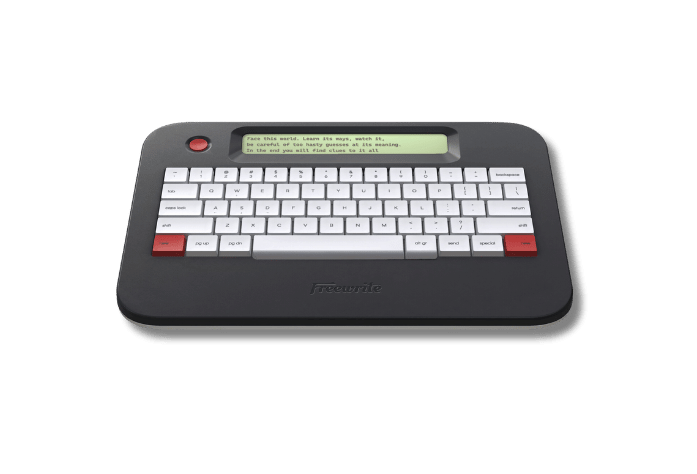
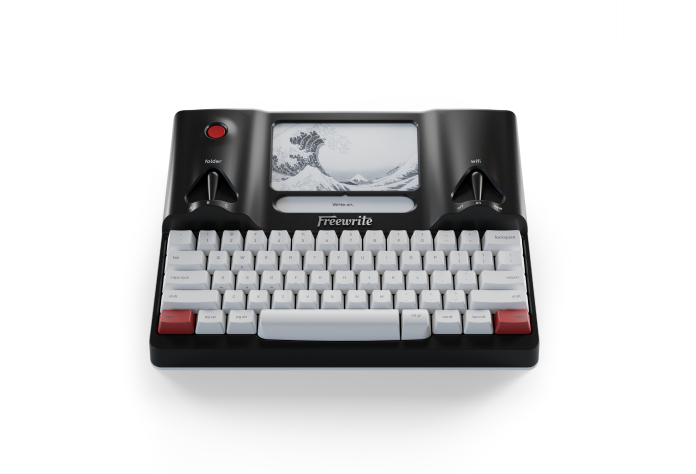
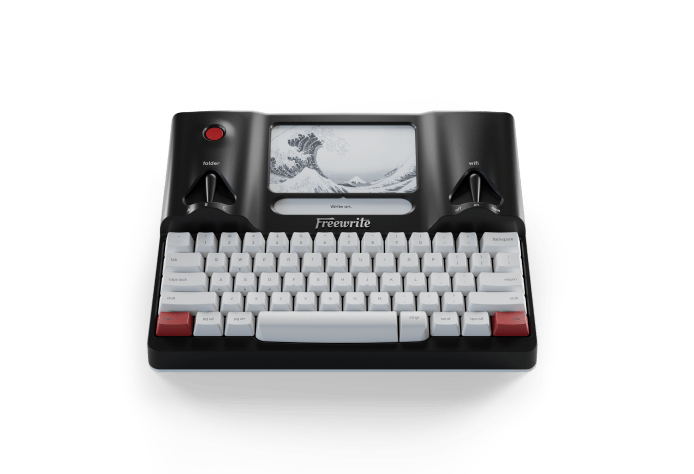
Freewrite se enorgullece de patrocinar NaNoWrimo, con retos de escritura cada noviembre, abril y julio. ¡Échale un vistazo!
--

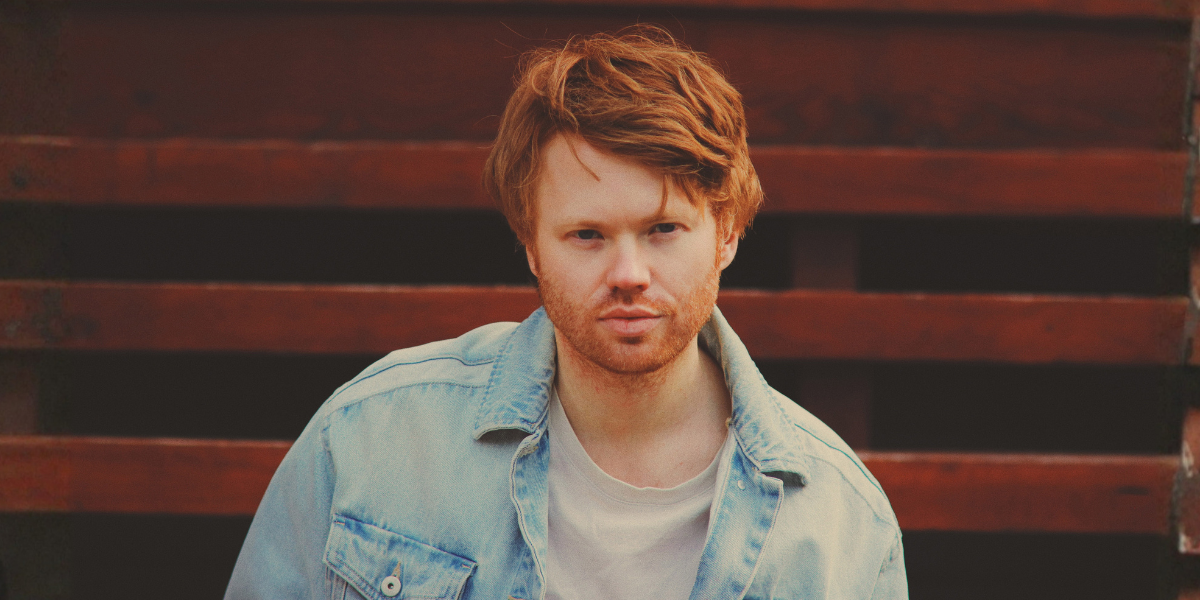
Eric Smith es agente literario, autor de literatura juvenil y embajador de Freewrite de Elizabeth, Nueva Jersey. Como agente de PS Literary, ha colaborado en libros premiados y superventas del New York Times.
Entre sus novelas recientes se incluyen la selección de YALSA Best Books for Young Readers Don't Read the Comments (Inkyard Press, 2020), You Can Go Your Own Way (Inkyard Press, 2021), las antologías Battle of the Bands (Candlewick, 2021) y First-Year Orientation (Candlewick, 2023), ambas coeditadas con la galardonada autora Lauren Gibaldi, y Jagged Little Pill: The Novel , que fue escrita en colaboración con Alanis Morissette, la ganadora del premio de la Academia Diablo Cody y Glen Ballard, y es una adaptación del musical ganador de premios Grammy y Tony.
Su próximo libro, With or Without You (Con o sin ti) , una comedia romántica sobre dos adolescentes que trabajan en puestos de hamburguesas rivales, se publica este noviembre con Inkyard Press. Amante de la escritura y los libros desde siempre, es licenciado en Letras por la Universidad de Kean en Inglés y tiene una maestría en Inglés por la Universidad de Arcadia, donde actualmente es mentor de estudiantes de Bellas Artes. Vive en Filadelfia con su esposa e hijo, y disfruta de los videojuegos, el pop punk y llorar con cada película.