overlaylink

Cómo superar el bloqueo del escritor: consejos y estrategias de expertos para superarlo

enero 20, 2025 | 3 lectura mínima

En un mundo ideal, habría una solución rápida para el bloqueo del escritor. Un elixir potente que pudiera impulsar tu cerebro, generar ideas geniales y hacer que tus dedos se deslizaran por el teclado como una tormenta eléctrica crepitando en el cielo.

Lamentablemente, no vivimos en un mundo perfecto. Pero existen estrategias comprobadas que puedes usar para retomar tu historia. Exploremos algunas.

Diario #1 para descubrir tu bloqueo

Entender por qué estás abandonando tu proyecto de escritura, aunque quieras escribir desesperadamente, es el primer paso.

Si sufres constantemente de bloqueo creativo, abórdalo, no lo ignores. Dicen que un problema compartido es un problema reducido a la mitad, así que comparte tu problema con tu diario .

Si sufres continuamente el bloqueo del escritor, abórdalo, no lo ignores.

La exitosa escritora fantasma, escritora de misterio, coach de libros y editora de desarrollo , Dra. Rachel Clair, escribió sobre este tema para nuestro libro Set Your Story Free: The Writer's Guide to Freewrite .

Ella sugiere cambiar tu mentalidad usando indicaciones como: “No puedo escribir porque…” o “No estoy disfrutando mi proyecto de escritura ahora mismo porque…”

Cuando conoces las respuestas, es más fácil interrogar el problema específico que estás experimentando, darte cuenta de que probablemente no tenga fundamento y superarlo.

Termina tu sesión de diario con una nota positiva. Responde estas preguntas: «Estoy entusiasmado con mi proyecto de escritura porque…» y «Escribiré hoy porque…». ¡Y luego, empieza tu proyecto!

#2 Construya un hábito de escritura regular

Imagina que te vas de viaje por carretera. Tienes el depósito lleno y estás deseando empezar. Pero tu coche se cala y se avería constantemente al borde de la carretera. No puedes acumular kilómetros si estás parando y arrancando constantemente. Tu destino siempre parece lejano. Lo mismo ocurre con la escritura.

Si escribes de vez en cuando sin una rutina regular y sostenible, es probable que sufras un bloqueo creativo. Para combatirlo, crea un hábito de escritura regular , ya sean 30 minutos dos veces por semana o dos horas al día.

Si escribes de vez en cuando sin una rutina regular sostenible, es probable que sufras un bloqueo de escritor.

Encuentra lo que sea sostenible y realista para ti y, pase lo que pase, cíñete a ello. Intenta acumular hábitos hasta que escribir en un lugar y momento determinados se convierta en algo natural.

#3 Haz sprints de escritura

Escribir una novela es un maratón. Pero puede, y debe, incluir sprints. Un sprint es una sesión de escritura cronometrada. Así de simple. Escribir contrarreloj proporciona la urgencia y la presión necesarias para plasmar las palabras, incluso cuando no tienes muchas ganas de escribir.

Escribir contrarreloj proporciona la urgencia y la presión necesarias para plasmar las palabras, incluso cuando uno no está particularmente de humor para escribir.

Dependiendo de lo que te haga más productivo, podrías retarte a escribir X número de palabras en X número de minutos. (Puedes usar la técnica Pomodoro o un clásico cronómetro).

O podrías dedicar, por ejemplo, una hora de tu tiempo a escribir sin un objetivo específico ni un número de palabras. Cuando conviertes tu tiempo de escritura en algo sagrado y sin distracciones, escribir se vuelve más tentador que mirar fijamente la pared.

#4 Use un dispositivo de escritura de un solo propósito

Las distracciones son el talón de Aquiles del escritor. Cualquier cosa que puedas hacer para reducirlas y lograr una concentración profunda te ayudará a escribir con más frecuencia.

Una de las mejores formas de eliminar las distracciones es escribir en un dispositivo de uso único con una funcionalidad enfocada.

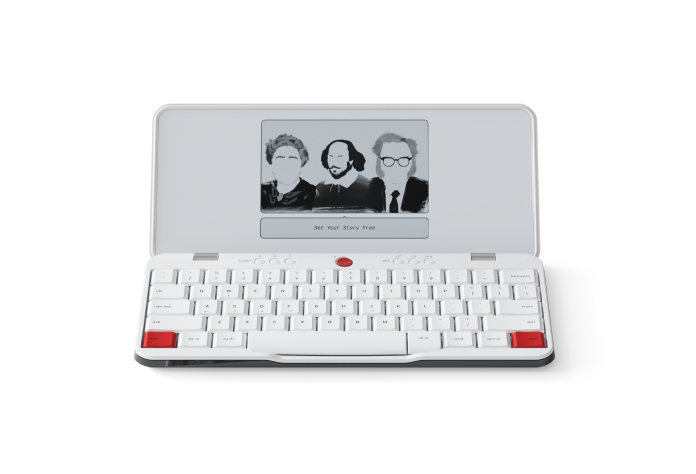
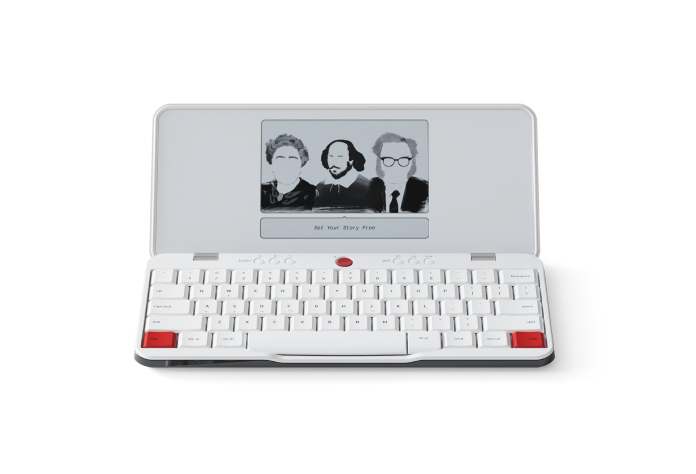
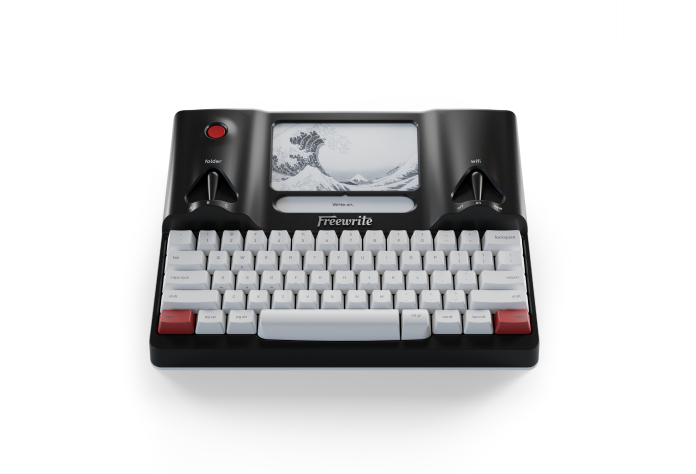
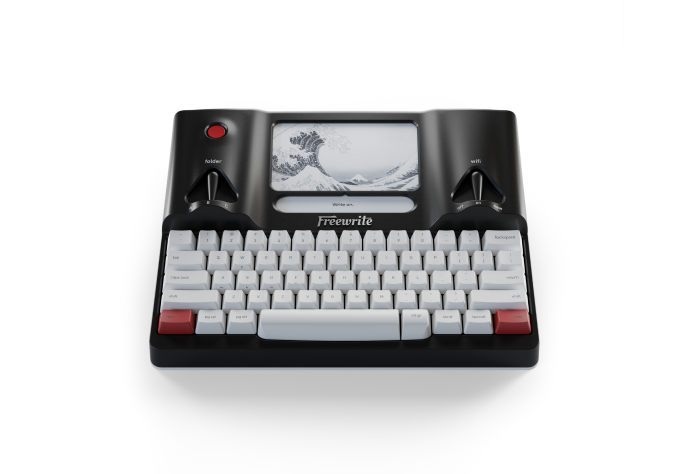
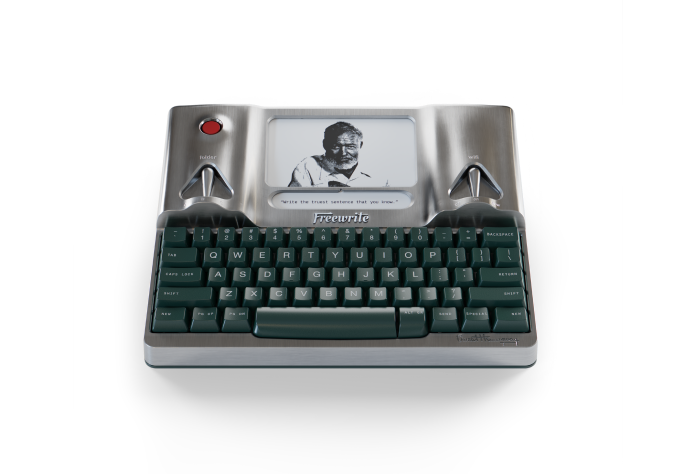
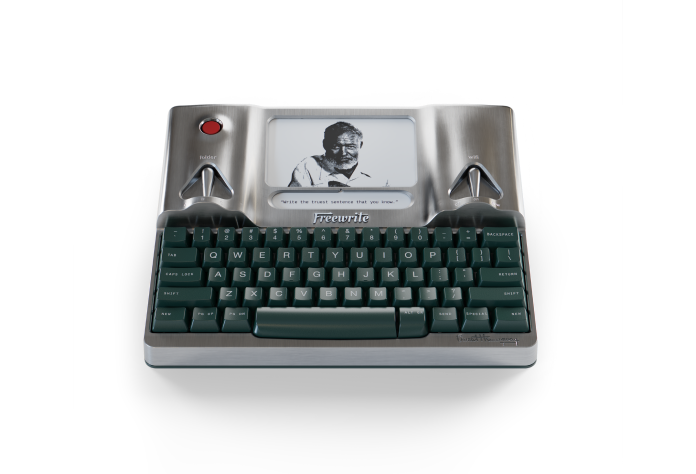
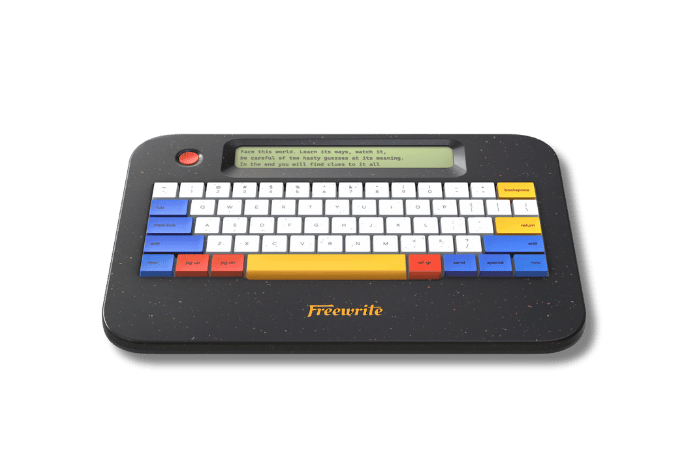
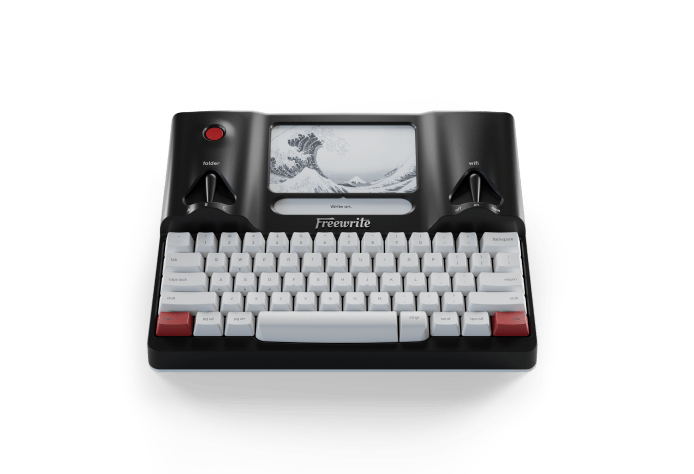
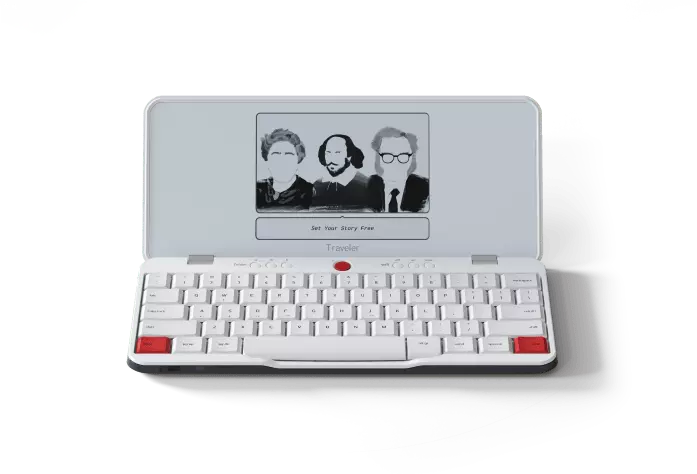
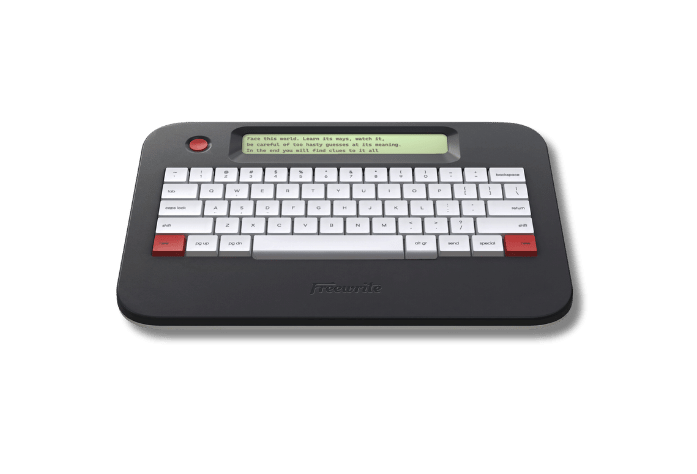
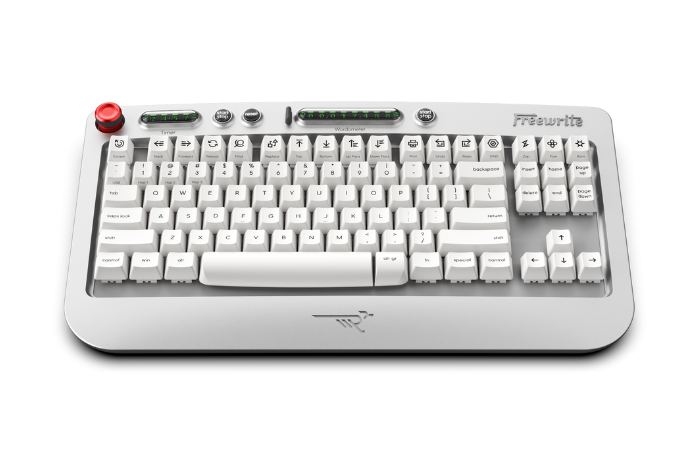
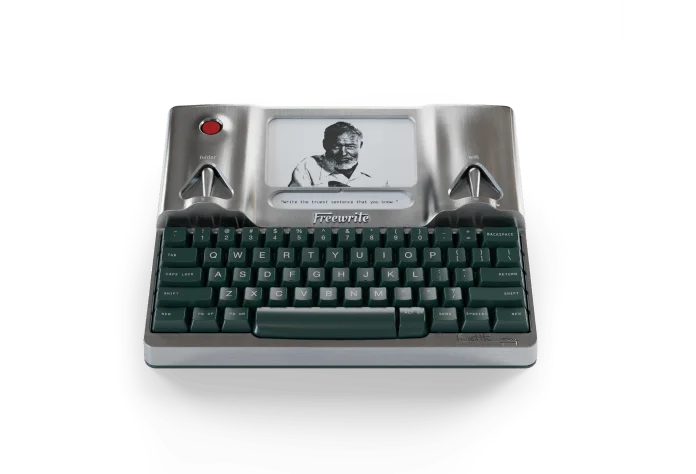
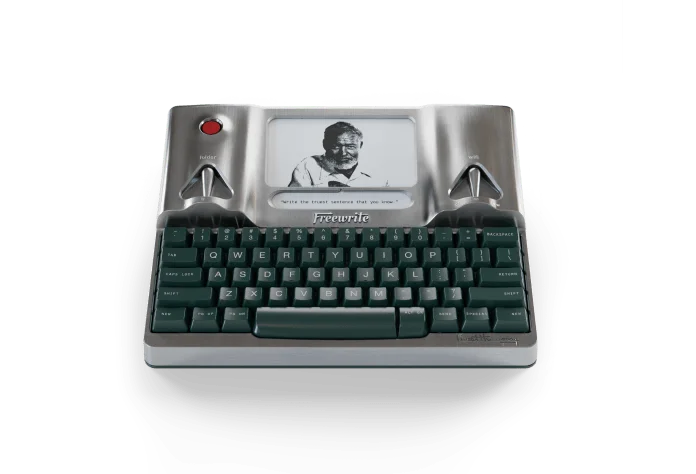
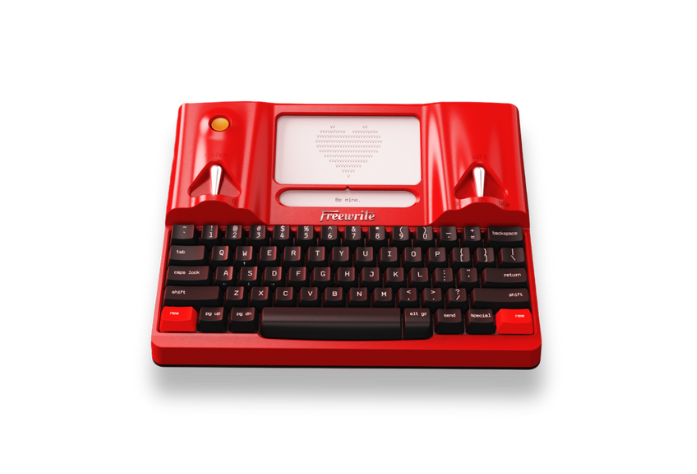
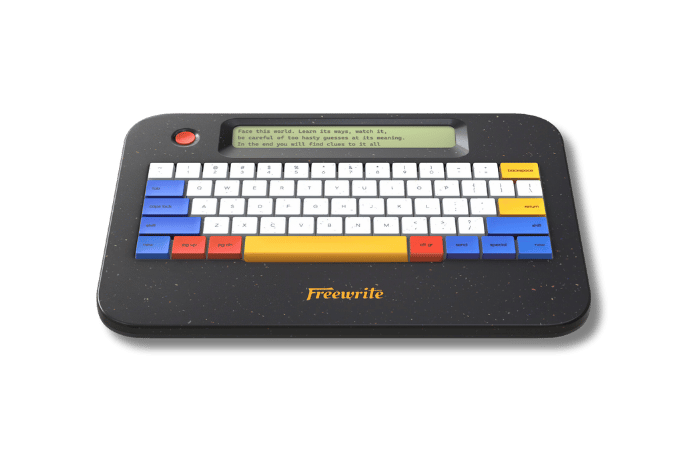
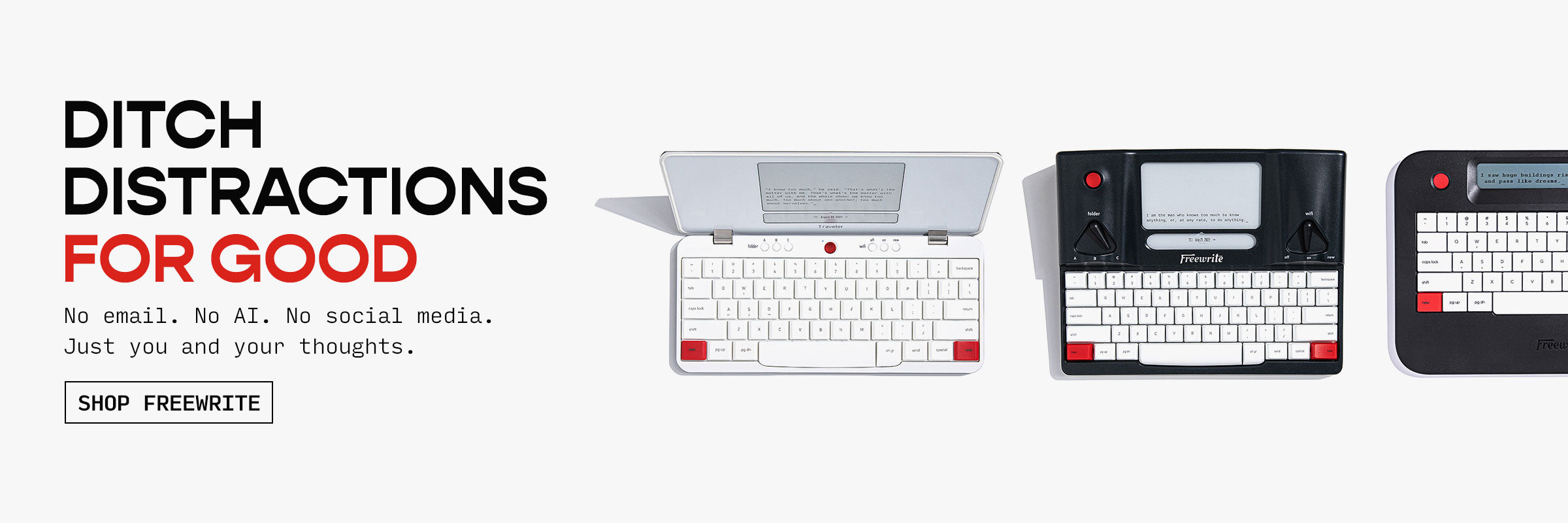
Descubre el remedio definitivo para el bloqueo del escritor: Freewrite. Esta herramienta de redacción especializada, sin notificaciones intermitentes ni alertas molestas, ayuda a los escritores a duplicar o triplicar su producción creativa. Cada Freewrite está diseñado específicamente para darte el impulso necesario para seguir escribiendo sin mirar atrás , para que puedas editar y pulir más tarde.

Una de las mejores formas de eliminar las distracciones es escribir en un dispositivo de uso único con una funcionalidad enfocada.

-

Quienes sufren de bloqueo creativo, sabemos que la situación es difícil. Pero implementen estas estrategias y redescubrirán su productividad y volverán a enamorarse de su proyecto de escritura.

Regresar a “Descifrando el código del bloqueo del escritor”.
septiembre 02, 2026 6 lectura mínima

Kentucky farmer and poet Wendell Berry entranced readers across the globe with his poems extolling the power of knowing the natural world. 

For writers who want to do the same, there’s deep knowledge to be gleaned from Berry.

agosto 26, 2026 5 lectura mínima

Freewriter Mike Somerby left a lucrative marketing career in e-commerce to start a print-only literary magazine by and for Montanans. Yes, you read that right.

We sat down with Mike to find out how ... and why.

Mike Somerby identifies as a writer — with some reservation.

"I think all who write are 'writers,'" he says, "even if the writing itself amounts to a simple letter to a friend or a personal journal entry."

We couldn't agree more. And we're thrilled that this particular writer writes his essays on Freewrite. Maybe that's why we felt comfortable asking him:

What inspires a professional brand marketer to leave his 9-5 and jump feet-first into the literary world of Bozeman, Montana?

Luckily, he was happy to tell us.

AC: Before we get into the lit mag, it actually isn't your first foray into the literary community, right?

MS: For about ten years — the lion's share of my professional chapter — I worked, in some capacity, as a brand marketer. Last spring, while enduring a particularly grueling stint as CMO for a Montanan e-commerce brand (yes, those exist), I found myself revisited by the remarks of an old journalism school professor: from his perspective, journalism students who apply their storytelling talents toward PR and marketing have crossed over to "the dark side."

While I find this a touch heavy-handed, I get the point, and I believe his notion resurfaced to meet the moment: we live in a world sorely hurting for analog (human) creativity and high-quality longform.

So I quit, traveled west with my dog in a 1986 U-Haul I'd converted into a camper, and plotted.

Step one: I founded Pulphead, a lounge (named after John Jeremiah Sullivan’s seminal 2011 essay collection) where Bozeman writers commune and grind out their prose until 2 a.m. Entry is a flat $5, which comes with unlimited drip coffee and tea.

Step two: leverage the Pulphead regulars and its online following to secure contributors for my new literary magazine, ANEMONE. Thus far, everything is going to plan.

We live in a world sorely hurting for analog (human) creativity and high-quality longform.

AC: Why do you think it's so important to create and preserve these spaces for authentic writing?

MS: Writing is a solitary act. Nonetheless, younger generations, in particular, struggle to forge IRL community in the way older generations might understand as an ordinary facet of being human.

By building a space that is as homey as it is supportive of their literary interests, we’re not only helping these individuals find their birds of a feather, but also providing them with a dojo that mandates setting aside blocks of time away from phones, home lives, and the other distractions. Win-win?

Incidentally, Livingston boasts the highest per-capita concentration of professional writers anywhere in the country. Couple this with another statistic — that Montana has more bookstores per capita than any other state — and it becomes clear southwest Montana is as fertile a place as any to invest in literature and its related industries.


AC: That's so interesting. What have you learned from being in community with creatives in Bozeman?

MS: In terms of writing, I've learned plenty. What has excited me most, however, is what I’ve learned from a small group of Indigenous women who come to the shop to write poetry and make beaded clothing in the traditions of their respective tribes (most notably, Crow, Cheyenne, Shoshone).

This is a group I’d otherwise have limited opportunity to engage with outside of Pulphead, and learning about their traditions, beliefs, hopes — even a little vocabulary — through firsthand conversation has proved incredibly edifying.

AC: And you mentioned you've seen Freewrites pop up in Pulphead. You use one, right?

MS: Yes. About seven years ago, not long after moving to Montana from New York, I purchased an Olivetti Lettera 32 typewriter from eBay. It appeared that a romanticizing of my newfound remoteness had rekindled my interest in writing.

I loved the mechanical feel and distraction-free interface, but the inability to edit line by line proved a notable annoyance for a mind habituated to modern computers. A few years down the road, some digging for alternatives led me to a blog post about smart/electronic typewriters. Voilà.

I purchased a Freewrite Gen3 Smart Typewriter, and I've been hooked ever since.

AC: That's awesome. So tell us about ANEMONE. What is it?

MS: ANEMONE is a print-only magazine (printed in a traditional broadsheet newspaper format). As for for theme, broadly, the world as told by Montanans. Short fiction, creative nonfiction, poetry, reportage, photography, and visiual illustrations comprise the submission categories.

AC: Print-only!

MS: Print is only dying because we let it.

AC: Is there a story about the name?

MS: Most people know the word anemone to describe a family of flowers — a 200-plus-species family of buttercups, comprising varieties both wild and domesticated. Dubbed “windflowers,” their delicate petals are said to blow open in the breeze; the ancient Greek word anemos means “wind.” I was drawn to the metaphorical value of beauty and how it can be revealed to us through an invisible force.

To add another layer, when I was a boy my father and I would spend weekends at the beaches north of San Francisco, where I was born and raised until I was seven. We would study the massive turqoise, kelly green, and purple sea anemones clinging to rocks left exposed by the receding Pacific tides (as to why, I can't say, outside of them looking funny, almost alien). A good memory.

Finally, “Anemone” is the name of an exquisite song by The Brian Jonestown Massacre, an irreverent and controversial rock band led by Anton Newcombe, an obsessive creative who rejects the surrender of culture and art to commercial interests. The track has a hold on me. It's like a portal to another era.

AC: Why do you think this sort of analog creativity is important?

MS:  I'm told the unending deluge of digital interface is leaving humans less and less capable of “deep work.” Will we ever know the difference?

Will we recognize what a society incapable of deep work looks like compared with those that came before it? Or will the transition manifest as a gradual degradation of quality, much as Coca-Cola was slowly, but surely, divorced from real sugar, such that to taste what Coke used to be like, one must order a Mexican Coke, still made with real cane sugar?

For me, analog perspective (and any creativity wrung from it) is rooted in continuity, tangibility, lived experience, slowness, spatial relation, nuance, emphasis on process, and grace for imperfection — antithetical to one of replicability, speed, binary outcomes, predictability, and optimization.

I prefer the former, and I suspect those who prefer the latter don't read or write much — life is a beautiful, taxing mess, and good writers find merit in this duality.

For me, analog perspective (and any creativity wrung from it) is rooted in continuity, tangibility, lived experience, slowness, spatial relation, nuance, emphasis on process, and grace for imperfection — antithetical to one of replicability, speed, binary outcomes, predictability, and optimization.

AC: Who is invited to submit to ANEMONE?

MS: We do limit submissions to Montanans, past and present, though we will feature writers from other states should the content of their writing bear an obvious relation to Montana — a requirement not imposed on Montanan writers.

All information regarding submissions can be found at www.anemonereview.com, along with all other facets of the magazine.

agosto 26, 2026 1 lectura mínima

Love the Freewrite 500? Here are 3 more writing contests for competitive short fiction writers.

1) Writers' Hour Magazine Prompts

The London Writer's Salon (a global writing group — no London residence necessary!) regularly host a writing contest via their Writers' Hour Magazine. Want to know a secret? Their September theme is all about freewriting.

Join them for a free workshop, Introduction to Freewriting, on Thursday, September 3, and get all the details about the contest.

The winner of the contest will win something Freewrite-shaped. 👀

2) NYC Midnight Challenges

This organization (again, no affiliation with NYC necessary) regularly hosts short story contests. Their next challenge is all about writing a rhyming story.

Learn more and register here.

Note: NYC Midnight writing contests generally have a fee to enter.

3) Henshaw Press Short Story Competition

This short story competition is open to anyone over age 16. And the best part? There is a cash prize, and profits go to charity.

Learn more here.