overlaylink

Máquina de escribir eléctrica vs. Freewrite: ¿Qué herramienta de escritura es mejor?

julio 23, 2018 | 2 lectura mínima

¿Sabes qué tienen en común los escritores Ernest Hemingway y Danielle Steel? Son muy diferentes en cuanto a temática y estilo. Pero a la hora de elegir un instrumento de escritura, ambos eligieron una máquina de escribir.

Claro que las computadoras domésticas no existían cuando Hemingway creó sus obras maestras. Pero un sorprendente número de escritores modernos evita trabajar con computadoras. El humorista P. J. O'Rourke prefiere una máquina de escribir eléctrica IBM Selectric a una computadora porque no interfiere con el proceso de escritura. En otras palabras, a O'Rourke no le gustan las distracciones que conlleva usar una computadora.

Muchos escritores modernos evitan las computadoras y optan por un enfoque básico de "palabras en papel". Algunos escriben los primeros borradores a mano. Otros usan máquinas de escribir. Además de la sensación de "volver a lo básico sin distracciones", escritores como Steel encuentran que escribir en un teclado mecánico fomenta más la creatividad.

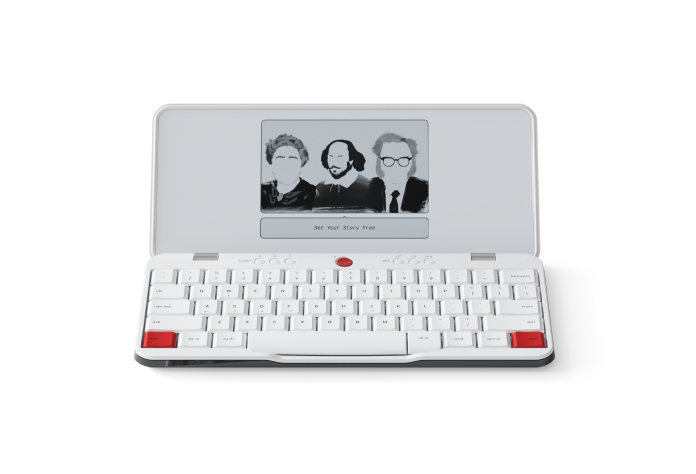
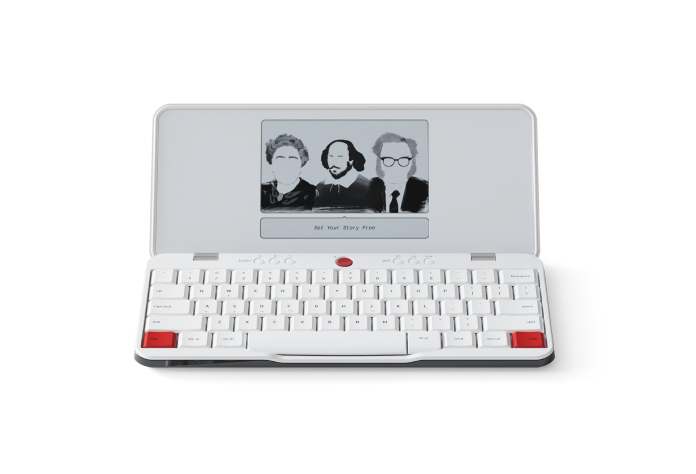
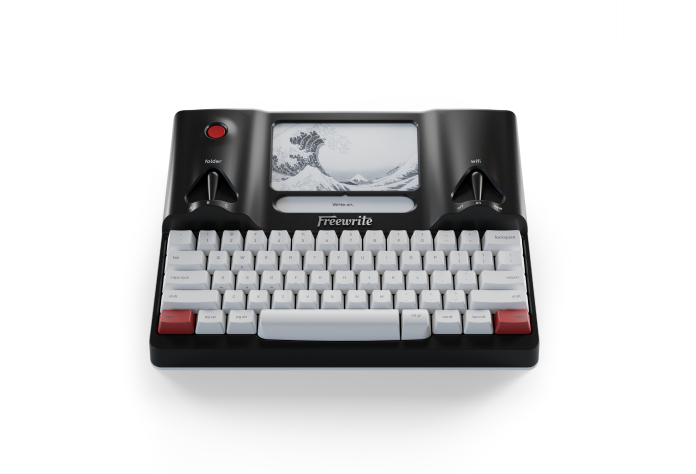
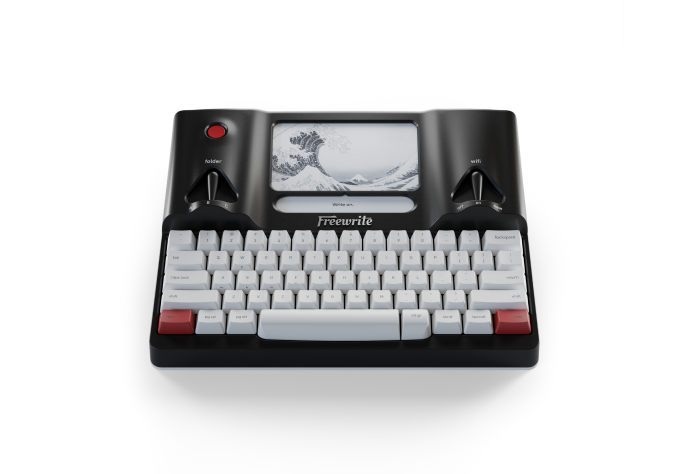
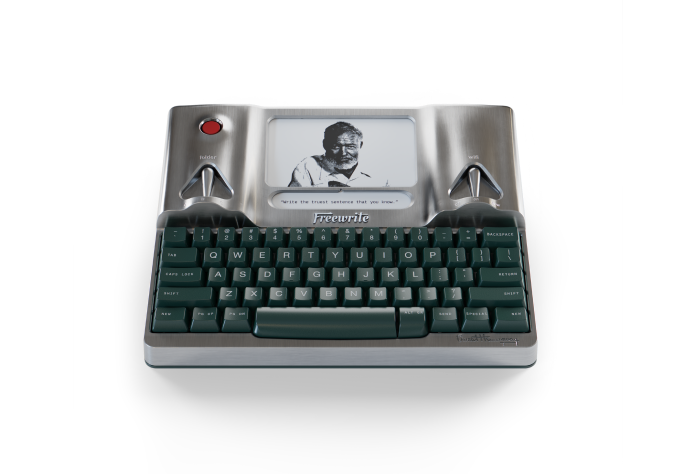
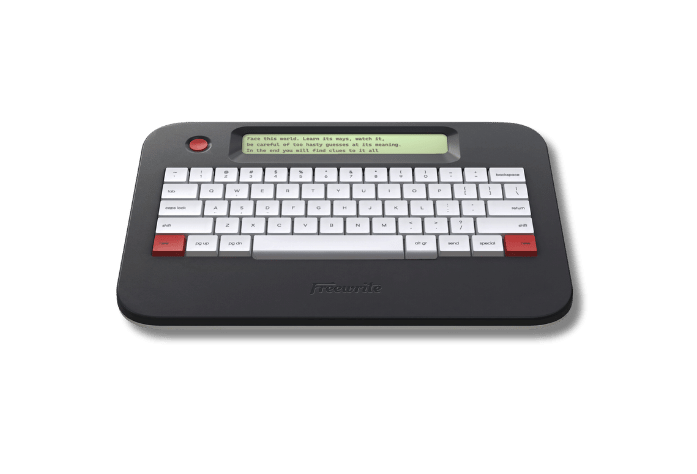
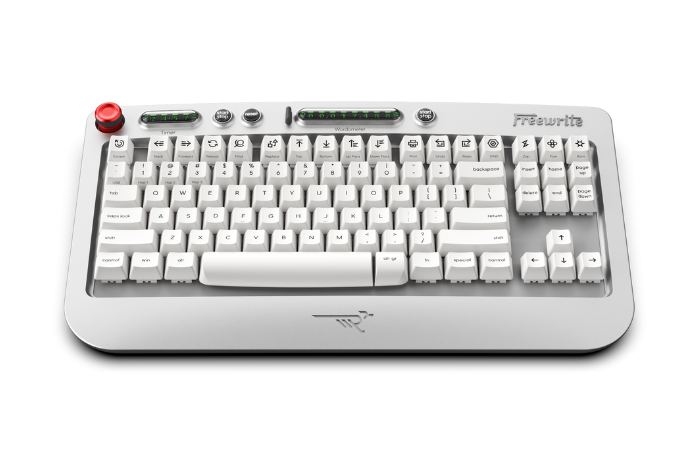
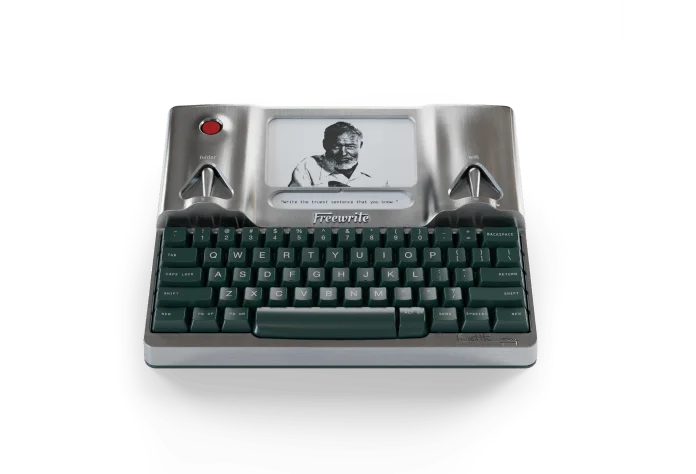
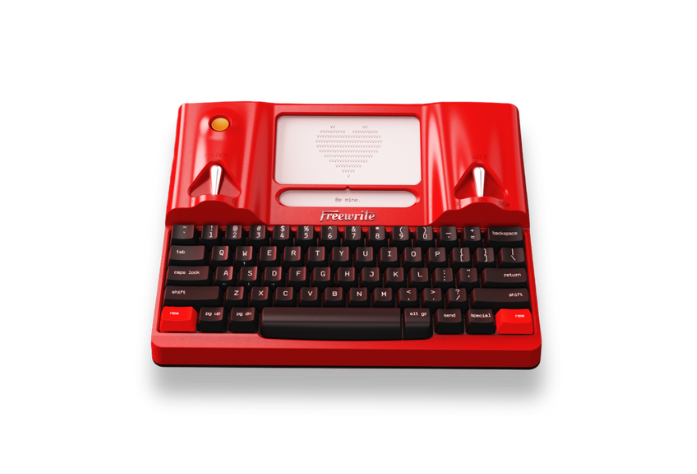
Si eres escritor y te cuesta trabajar en una computadora, tienes mejores opciones. Una es una máquina de escribir electrónica. Otra es Freewrite. Freewrite es una herramienta diseñada desde cero para escritores. ¿Cómo se comparan? Aquí tienes un resumen.

Características de la máquina de escribir eléctrica

Los mejores modelos de máquinas de escribir eléctricas ofrecen a los escritores una amplia gama de opciones. Entre sus características más comunes se incluyen el trazado de líneas, la memoria de corrección, el borrado de palabras y caracteres, el subrayado, el retorno automático de carro, la memoria de tabulación programable y las funciones de impresión bidireccional. Muchas también incluyen almacenamiento extraíble.

La herramienta de escritura Freewrite

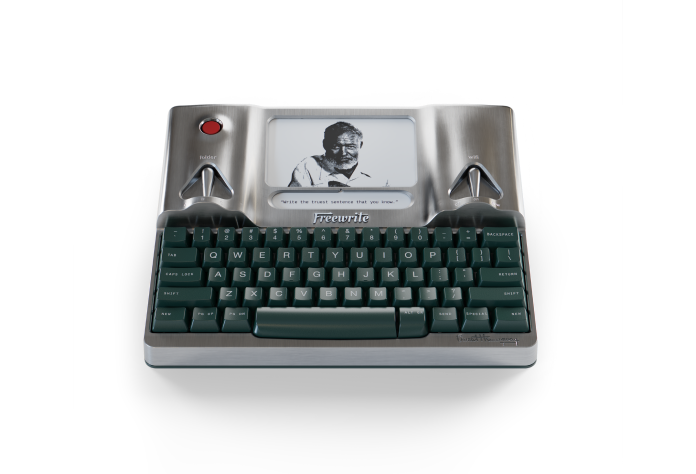
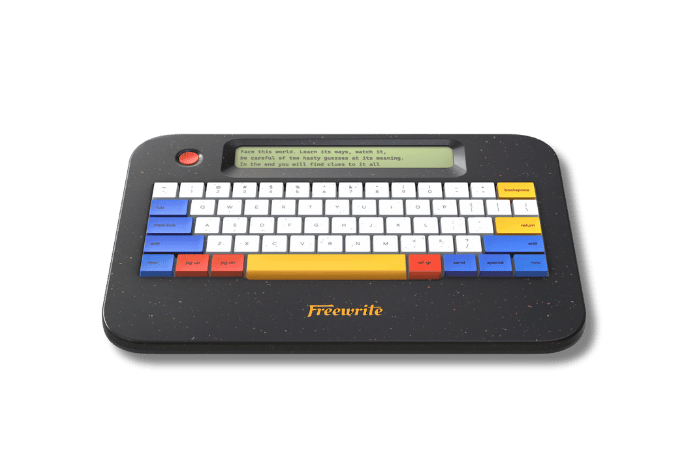
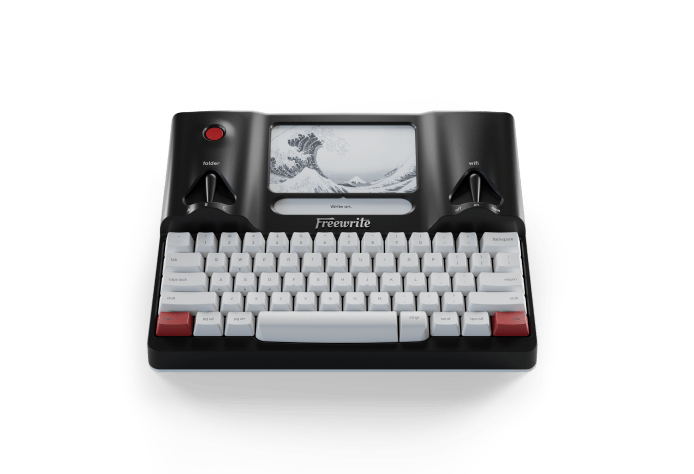
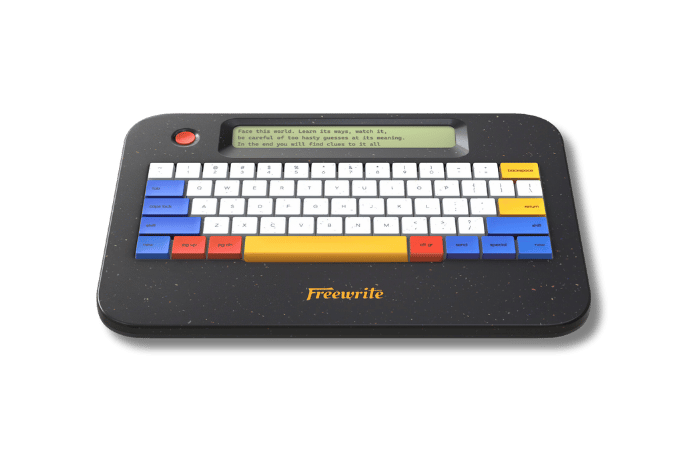
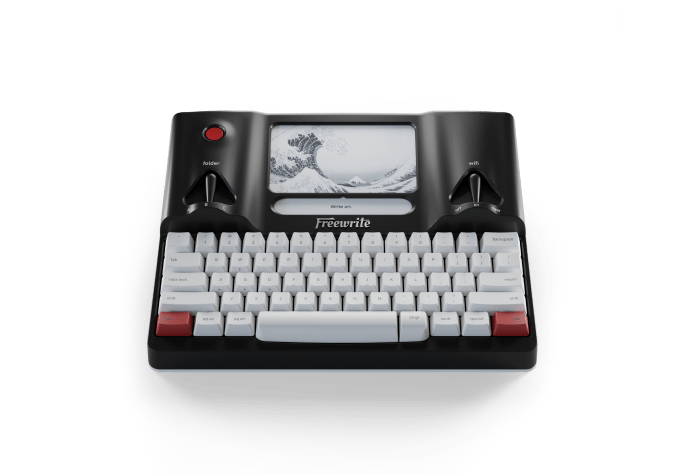
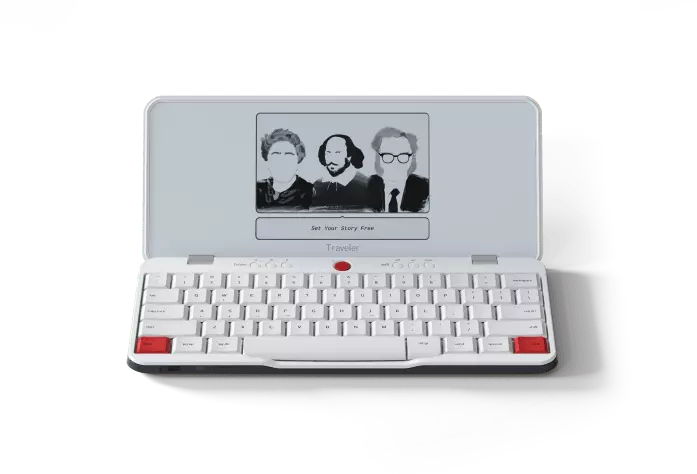
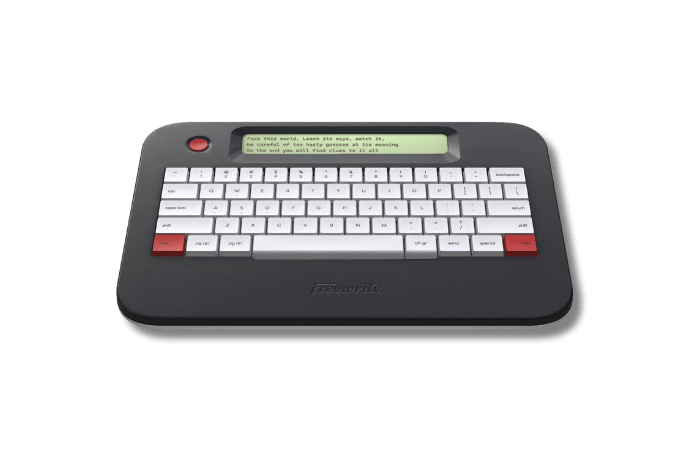
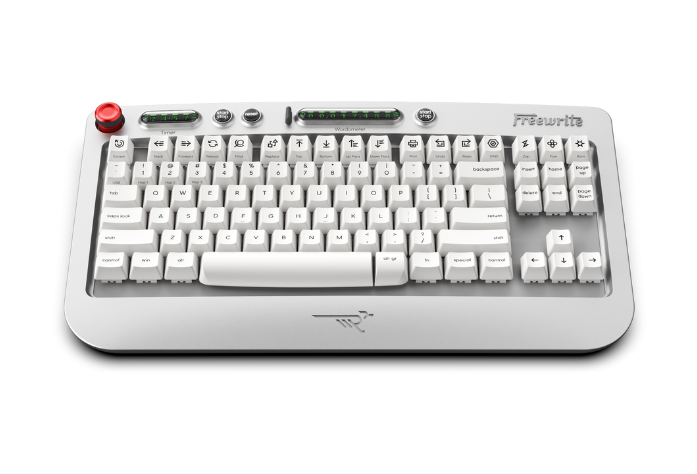
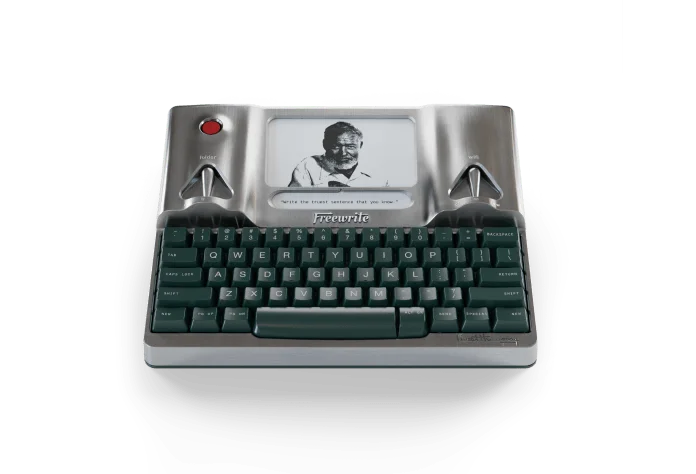
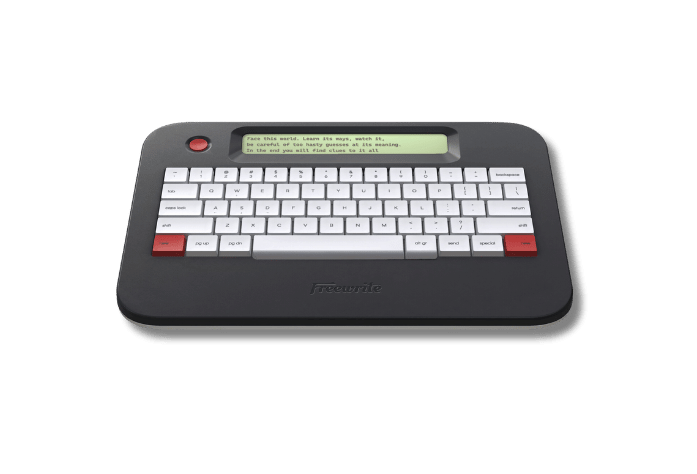
Freewrite combina la simplicidad de una máquina de escribir con las ventajas de los documentos digitales modernos. Conserva la sensación táctil de una máquina de escribir con teclado mecánico. Pero en lugar de tener que reescribir documentos en papel para pasarlos a la computadora, los documentos de Freewrite ya son digitales. Los documentos se guardan en el dispositivo y se sincronizan automáticamente con Dropbox, Evernote o Google Drive, para que no tengas que preocuparte por fallos del ordenador ni cortes de luz. Los archivos se cargan con cifrado SSL de 256 bits. Cada elemento de Freewrite te ayuda a liberar tu creatividad. Es ligero y cuenta con un asa plegable. Llévalo al parque, encuentra inspiración y pulsa las teclas en su teclado mecánico de tamaño completo.

¿Cuál es el veredicto?

Si buscas una manera de acabar con las distracciones, potenciar tu creatividad y aumentar tu productividad, Freewrite es tu mejor opción. Con Freewrite, encontrarás tu ritmo de escritura enseguida. Y una vez que lo consigas, no te lo perderás.
enero 28, 2026 1 lectura mínima

Write every day with the Freewrite team in February.

enero 09, 2026 2 lectura mínima

A new year means a whole new crop of work is entering the public domain. And that means endless opportunities for retellings, spoofs, adaptations, and fan fiction.

diciembre 30, 2025 3 lectura mínima

It’s Freewrite’s favorite time of year. When dictionaries around the world examine language use of the previous year and select a “Word of the Year.”

Of course, there are many different dictionaries in use in the English language, and they all have different ideas about what word was the most influential or saw the most growth in the previous year. They individually review new slang and culturally relevant vocabulary, examine spikes or dips in usage, and pour over internet trend data.

Let’s see what some of the biggest dictionaries decided for 2025. And read to the end for a chance to submit your own Word of the Year — and win a Freewrite gift card.

[SUBMIT YOUR WORD OF THE YEAR]


Merriam-Webster: "slop"

Merriam-Webster chose "slop" as its Word of the Year for 2025 to describe "all that stuff dumped on our screens, captured in just four letters."

The dictionary lists "absurd videos, off-kilter advertising images, cheesy propaganda, fake news that looks pretty real, junky AI-written books, 'workslop' reports that waste coworkers’ time … and lots of talking cats" as examples of slop.

The original sense of the word "slop" from the 1700s was “soft mud” and eventually evolved to mean "food waste" and "rubbish." 2025 linked the term to AI, and the rest is history.

Honorable mentions: conclave, gerrymander, touch grass, performative, tariff, 67.

Dictionary.com: "67"

The team at Dictionary.com likes to pick a word that serves as “a linguistic time capsule, reflecting social trends and global events that defined the year.”

For 2025, they decided that “word” was actually a number. Or two numbers, to be exact.

If you’re an old, like me, and don’t know many school-age children, you may not have heard “67” in use. (Note that this is not “sixty-seven,” but “six, seven.”)

Dictionary.com claims the origin of “67” is a song called “Doot Doot (6 7)” by Skrilla, quickly made infamous by viral TikTok videos, most notably featuring a child who will for the rest of his life be known as the “6-7 Kid.” But according to my nine-year-old cousin, the origins of something so mystical can’t ever truly be known.

(My third grade expert also demonstrated the accompanying signature hand gesture, where you place both hands palms up and alternately move up and down.)

And if you happen to find yourself in a fourth-grade classroom, watch your mouth, because there’s a good chance this term has been banned for the teacher’s sanity.

Annoyed yet? Don’t be. As Dictionary.com points out, 6-7 is a rather delightful example at how fast language can develop as a new generation joins the conversation.

Dictionary.com honorable mentions: agentic, aura farming, broligarchy, clanker, Gen Z stare, kiss cam, overtourism, tariff, tradwife.

Oxford Dictionary: "rage bait"

With input from more than 30,000 users and expert analysis, Oxford Dictionary chose "rage bait" for their word of the year.

Specifically, the dictionary pointed to 2025’s news cycle, online manipulation tactics, and growing awareness of where we spend our time and attention online.

While closely paralleling its etymological cousin "clickbait," rage bait more specifically denotes content that evokes anger, discord, or polarization.

Oxford's experts report that use of the term has tripled in the last 12 months.

Oxford Dictionary's honorable mentions:aura farming, biohack.

Cambridge Dictionary: "parasocial"

The Cambridge Dictionary examined a sustained trend of increased searches to choose "parasocial" as its Word of the Year.

Believe it or not, this term was coined by sociologists in 1956, combining “social” with the Greek-derived prefix para-, which in this case means “similar to or parallel to, but separate from.”

But interest in and use of the term exploded this year, finally moving from a mainly academic context to the mainstream.

Cambridge Dictionary's honorable mentions: slop, delulu, skibidi, tradwife

Freewrite: TBD

This year, the Freewrite Fam is picking our own Word of the Year.

Click below to submit what you think the Word of 2025 should be, and we'll pick one submission to receive a Freewrite gift card.

[SUBMIT HERE] 

--

Sources