overlaylink

Cómo superar el bloqueo del escritor: una infografía

octubre 30, 2018 | 2 lectura mínima

El bloqueo del escritor le puede pasar a cualquiera, sin importar si eres un escritor novel o si has publicado varias publicaciones con buena acogida. Estos periodos de sequía pueden ser molestos, ya que pueden durar días o incluso semanas. Puede ser aterrador, sobre todo si te ganas la vida escribiendo.

Pero ¿qué ocurre exactamente cuando se sufre un bloqueo de escritor?

La situación varía según la persona. Mientras que algunos no logran escribir ni una sola frase decente, otros sí pueden escribir páginas y páginas de párrafos, pero ni de cerca con la calidad que suelen producir. Hay quienes simplemente no encuentran las palabras adecuadas y quienes parecen tener demasiadas ideas para un solo artículo.

El bloqueo del escritor puede ocurrir en cualquier momento, a veces durante momentos cruciales en tu carrera como escritor. Debido a su imprevisibilidad, conocer algunas técnicas para superarlo puede ser útil.

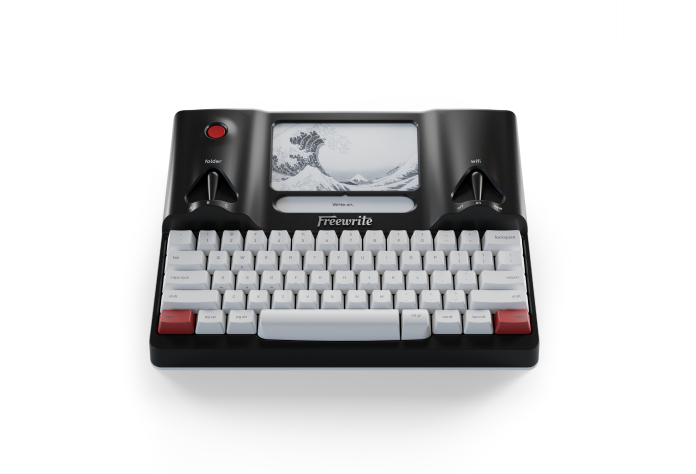
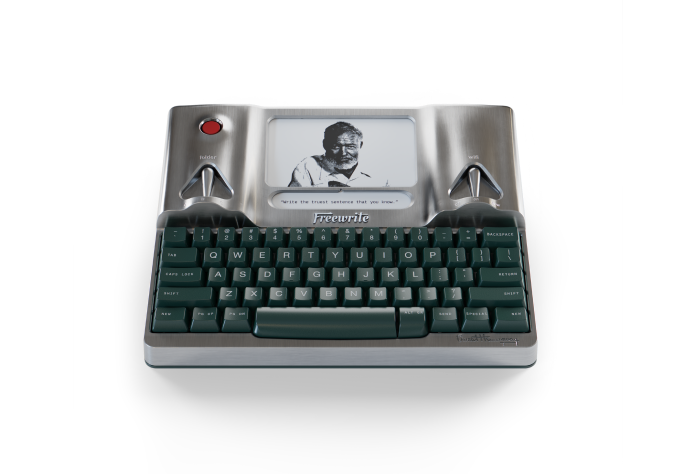
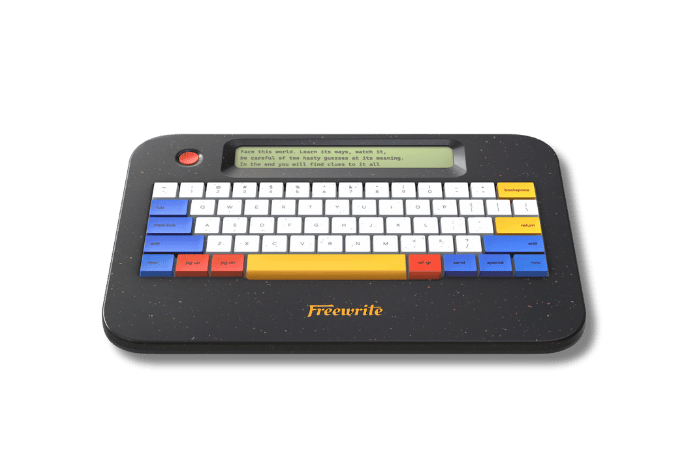
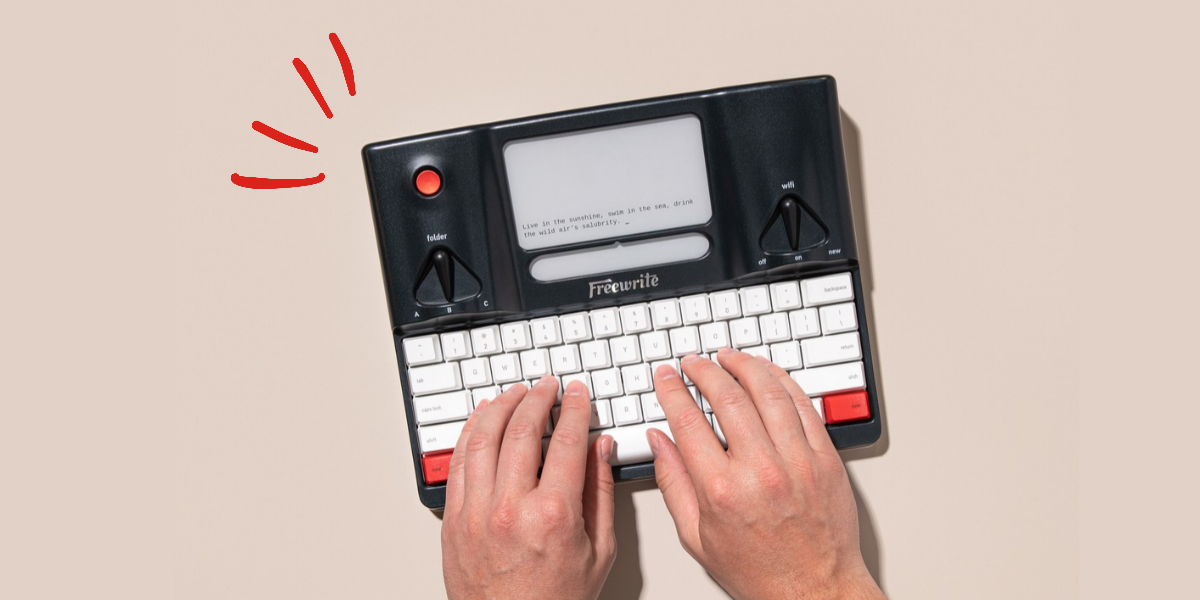
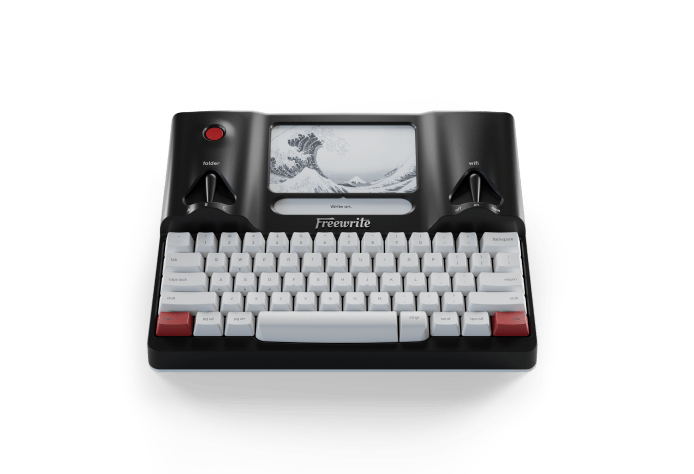
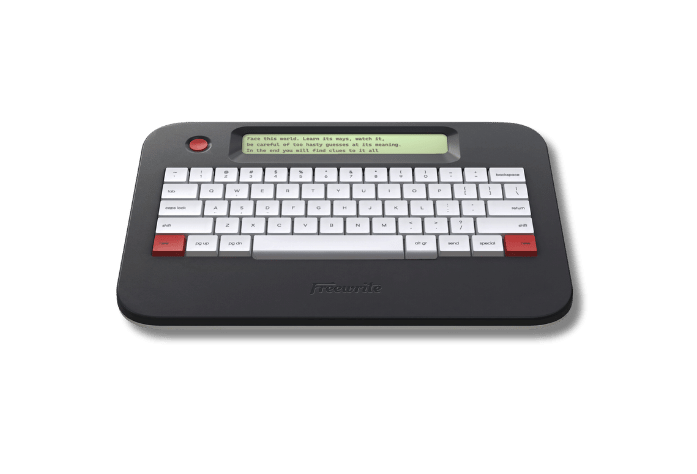
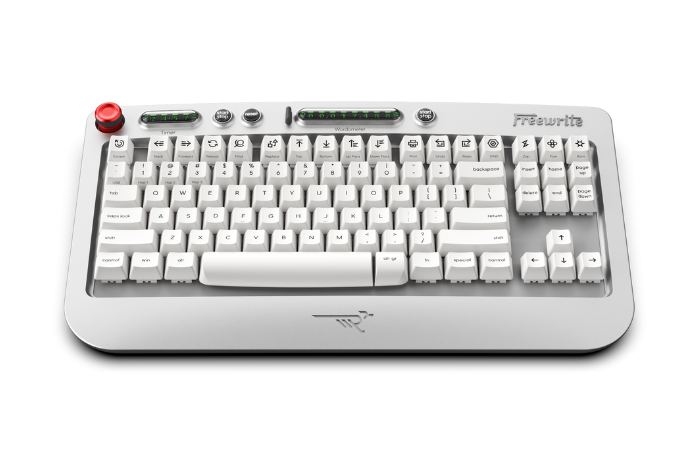
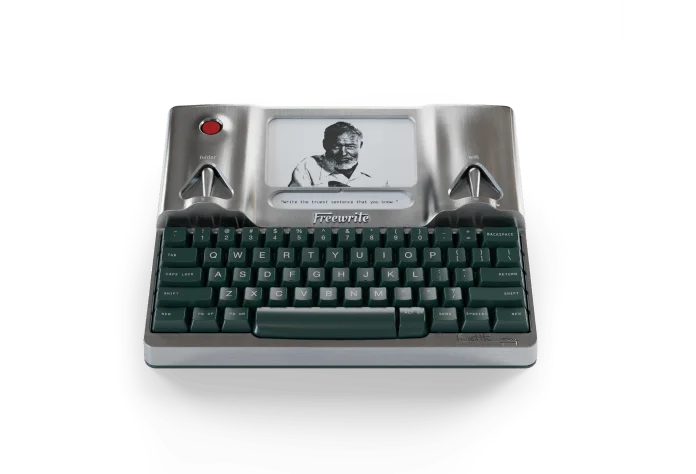
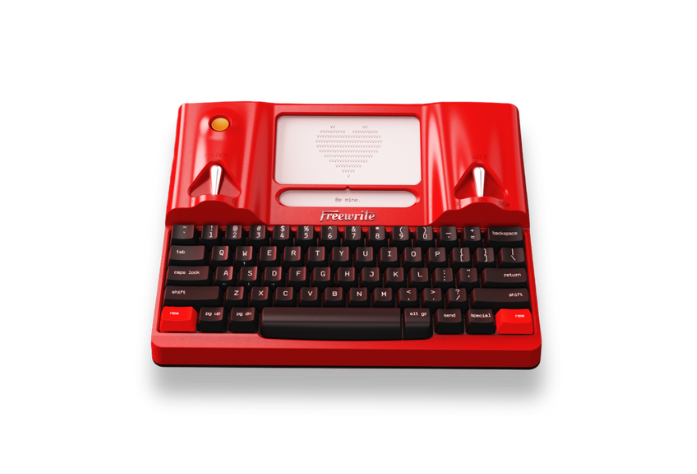
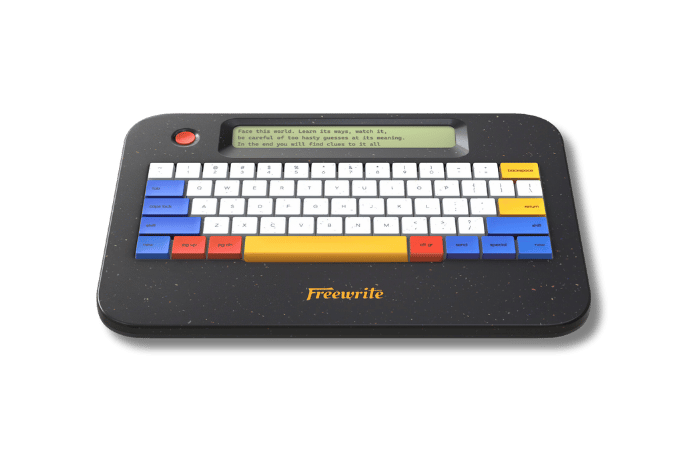
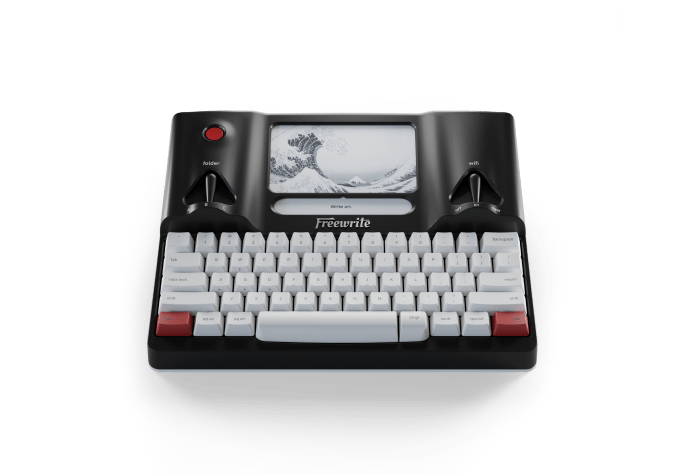
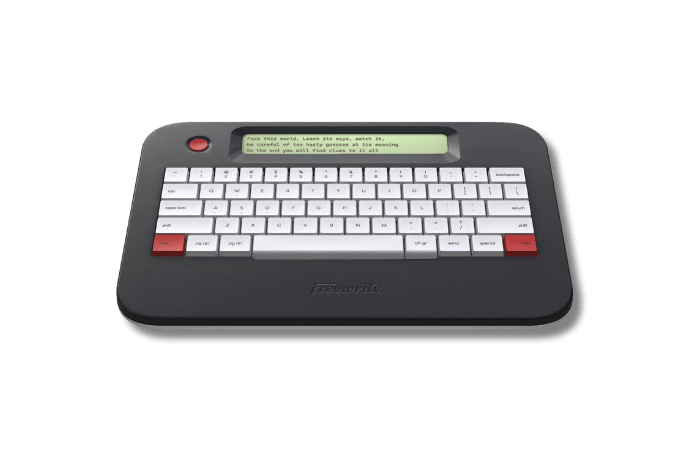
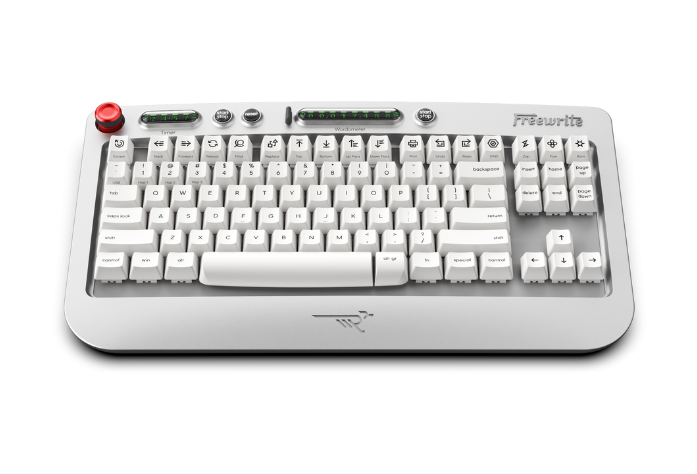
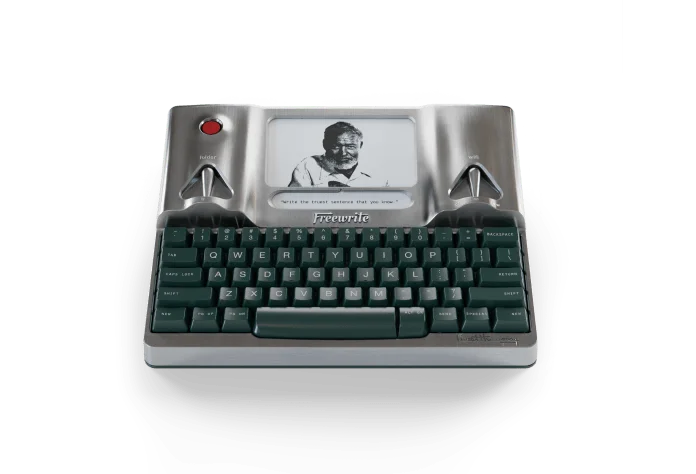
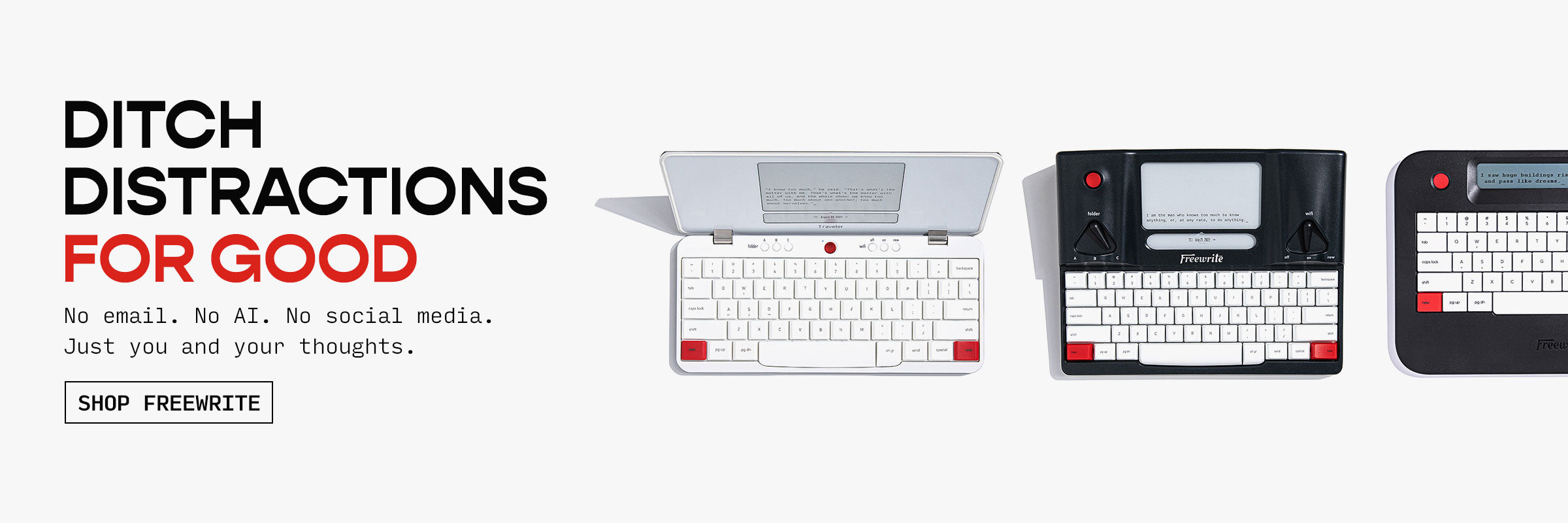
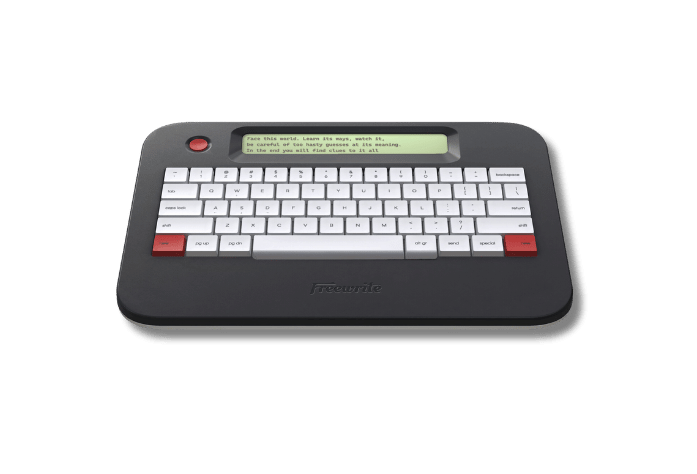
Algunos expertos sugieren seguir escribiendo, incluso cuando lo que termines escribiendo no tenga sentido. Incluso puedes escribir sobre otra cosa, así que encuentra un tema que realmente te interese y siente cómo tus pensamientos e ideas se manifiestan a través del formato escrito. También puedes trabajar tu concentración usando una máquina de escribir sin distracciones, lo que te obligará a escribir sin parar hasta terminar.

Sin embargo, si parece que ni siquiera encuentras palabras para escribir, entonces deja todo y sal a caminar. A veces, simplemente salir a relajarte puede ayudarte a soltar los tornillos que sujetan la caja mental que retiene tu creatividad. Sal y conoce gente; cambia de ambiente; en otras palabras, haz algo diferente.

¿Te interesa saber más sobre esta experiencia aterradora pero inevitable? Consulta esta infografía para más detalles.

El bloqueo creativo puede ser un fastidio, pero incluso los escritores más famosos lo sufrieron en distintos momentos de su carrera. No te desanimes fácilmente si tú también lo experimentas. Al fin y al cabo, hay muchas maneras de superar este obstáculo creativo.

Rompiendo el bloqueo del escritor

enero 09, 2026 2 lectura mínima

A new year means a whole new crop of work is entering the public domain. And that means endless opportunities for retellings, spoofs, adaptations, and fan fiction.

diciembre 30, 2025 3 lectura mínima

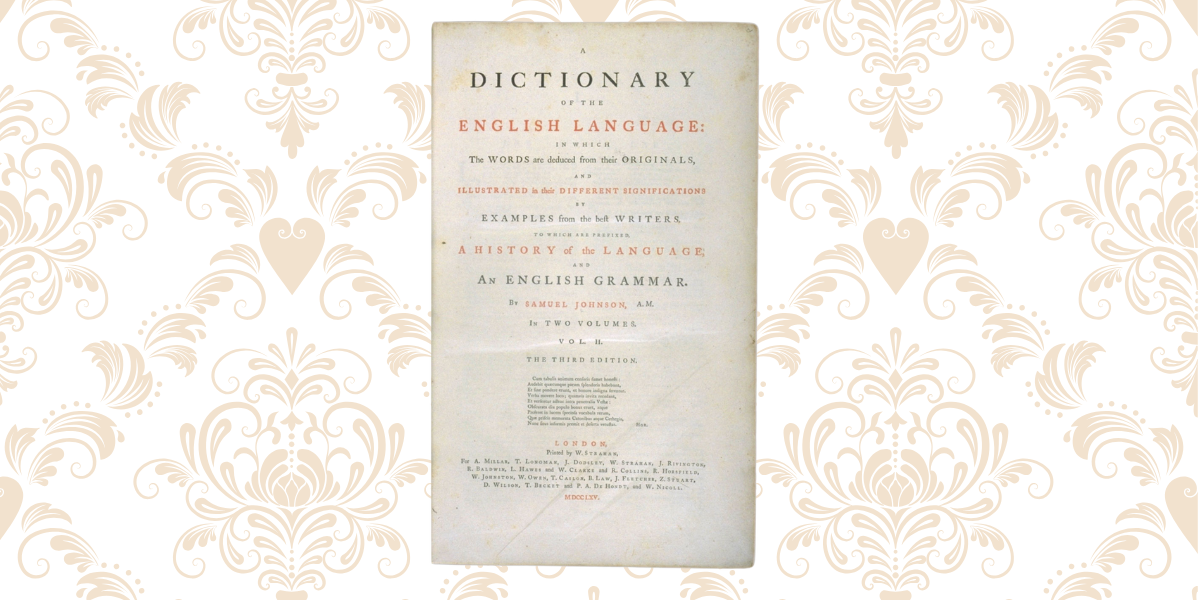
It’s Freewrite’s favorite time of year. When dictionaries around the world examine language use of the previous year and select a “Word of the Year.”

Of course, there are many different dictionaries in use in the English language, and they all have different ideas about what word was the most influential or saw the most growth in the previous year. They individually review new slang and culturally relevant vocabulary, examine spikes or dips in usage, and pour over internet trend data.

Let’s see what some of the biggest dictionaries decided for 2025. And read to the end for a chance to submit your own Word of the Year — and win a Freewrite gift card.

[SUBMIT YOUR WORD OF THE YEAR]


Merriam-Webster: "slop"

Merriam-Webster chose "slop" as its Word of the Year for 2025 to describe "all that stuff dumped on our screens, captured in just four letters."

The dictionary lists "absurd videos, off-kilter advertising images, cheesy propaganda, fake news that looks pretty real, junky AI-written books, 'workslop' reports that waste coworkers’ time … and lots of talking cats" as examples of slop.

The original sense of the word "slop" from the 1700s was “soft mud” and eventually evolved to mean "food waste" and "rubbish." 2025 linked the term to AI, and the rest is history.

Honorable mentions: conclave, gerrymander, touch grass, performative, tariff, 67.

Dictionary.com: "67"

The team at Dictionary.com likes to pick a word that serves as “a linguistic time capsule, reflecting social trends and global events that defined the year.”

For 2025, they decided that “word” was actually a number. Or two numbers, to be exact.

If you’re an old, like me, and don’t know many school-age children, you may not have heard “67” in use. (Note that this is not “sixty-seven,” but “six, seven.”)

Dictionary.com claims the origin of “67” is a song called “Doot Doot (6 7)” by Skrilla, quickly made infamous by viral TikTok videos, most notably featuring a child who will for the rest of his life be known as the “6-7 Kid.” But according to my nine-year-old cousin, the origins of something so mystical can’t ever truly be known.

(My third grade expert also demonstrated the accompanying signature hand gesture, where you place both hands palms up and alternately move up and down.)

And if you happen to find yourself in a fourth-grade classroom, watch your mouth, because there’s a good chance this term has been banned for the teacher’s sanity.

Annoyed yet? Don’t be. As Dictionary.com points out, 6-7 is a rather delightful example at how fast language can develop as a new generation joins the conversation.

Dictionary.com honorable mentions: agentic, aura farming, broligarchy, clanker, Gen Z stare, kiss cam, overtourism, tariff, tradwife.

Oxford Dictionary: "rage bait"

With input from more than 30,000 users and expert analysis, Oxford Dictionary chose "rage bait" for their word of the year.

Specifically, the dictionary pointed to 2025’s news cycle, online manipulation tactics, and growing awareness of where we spend our time and attention online.

While closely paralleling its etymological cousin "clickbait," rage bait more specifically denotes content that evokes anger, discord, or polarization.

Oxford's experts report that use of the term has tripled in the last 12 months.

Oxford Dictionary's honorable mentions:aura farming, biohack.

Cambridge Dictionary: "parasocial"

The Cambridge Dictionary examined a sustained trend of increased searches to choose "parasocial" as its Word of the Year.

Believe it or not, this term was coined by sociologists in 1956, combining “social” with the Greek-derived prefix para-, which in this case means “similar to or parallel to, but separate from.”

But interest in and use of the term exploded this year, finally moving from a mainly academic context to the mainstream.

Cambridge Dictionary's honorable mentions: slop, delulu, skibidi, tradwife

Freewrite: TBD

This year, the Freewrite Fam is picking our own Word of the Year.

Click below to submit what you think the Word of 2025 should be, and we'll pick one submission to receive a Freewrite gift card.

[SUBMIT HERE] 

--

Sources

diciembre 18, 2025 5 lectura mínima

¿Qué pueden enseñar las cartas personales de Jane Austen a los escritores?