overlaylink

6 consejos para convertirse en un mejor narrador de historias

marzo 20, 2024 | 3 lectura mínima

La narración es un arte ancestral profundamente arraigado en la cultura humana . Ya seas escritor, orador, profesional del marketing o simplemente alguien que disfruta deleitar a su público, dominar el arte de la narración es una habilidad valiosa que puede mejorar tus habilidades comunicativas.

Aquí hay 6 consejos esenciales para ayudarte a convertirte en un mejor narrador de historias:

1. Conozca a su audiencia.

Comprender a tu audiencia es fundamental para una narración eficaz. Adapta tu narrativa para conectar con sus experiencias y emociones. Asegúrate de que tu lenguaje y personajes sean apropiados y accesibles para tu público.

Ya sea que esté contándoles un cuento a sus hijos antes de dormir o escribiendo una novela, adaptar su estilo narrativo lo ayudará a conectarse con su audiencia a un nivel más profundo.

2. Sea personal.

La emoción es el motor de las historias memorables. Ya sea tristeza, miedo o emoción, evoca emociones en tu audiencia para crear una conexión poderosa.

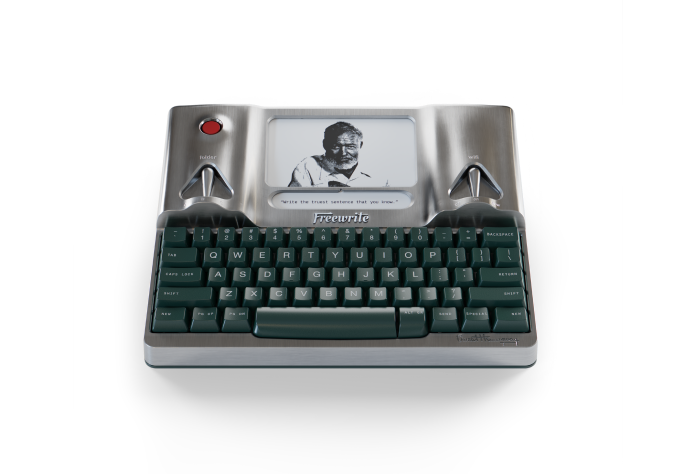
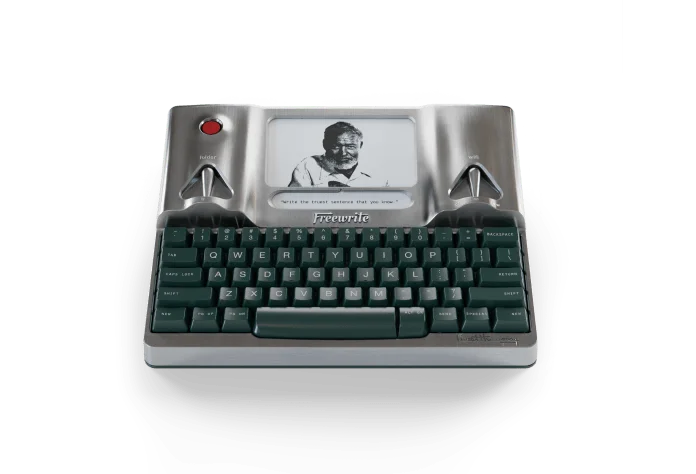
Como escribió una vez un famoso escritor: " Escribir no tiene nada de especial. Basta con sentarse a escribir a máquina y sangrar. (Esta cita se ha atribuido a Hemingway, pero su origen es controvertido ).

Ya sea que estés escribiendo ficción o no ficción, dando un discurso o simplemente contando una historia a tus amigos, infundir tu historia con tus propias experiencias personales la hará mucho más impactante.

3. Preste atención al ritmo.

Una historia convincente se construye sobre una estructura sólida que incluye un inicio, un desarrollo y un desenlace claros. Claro que esto es simplificar demasiado, y existen muchas estructuras narrativas comunes. En cualquier caso, deberá asegurarse de que su historia mantenga al público enganchado en todo momento.

No importa qué historia estés contando, necesitarás personajes atractivos, un entorno vibrante y un conflicto claro para impulsar la trama.

4. Muestra, no cuentes. (Y aprende cuándo romper las reglas).

Seguramente ya has oído esto. En lugar de simplemente exponer hechos o información, ayuda a mostrar a tu audiencia puntos importantes de la trama mediante el diálogo y la acción. Esto permite que la gente experimente la historia de primera mano, estimulando su imaginación y emociones.

Sin embargo, ninguna historia está exenta de... Descripción y narrativa vívidas. Aprende cuándo romper esta regla para que tu historia avance y brinde a tu audiencia toda la información necesaria para mantener la atención.

5. Solicite retroalimentación.

Una narración eficaz también implica escuchar. Presta atención a las reacciones y comentarios de tu audiencia y adapta tu enfoque narrativo según sea necesario.

Sin embargo, también es importante saber cuándo confiar en tu instinto. La narrativa es subjetiva, y no a todos les gustará tu estilo. Aprende cuándo actuar según la retroalimentación y cuándo ignorarla.

Una forma de lograrlo es pedir retroalimentación a mentores o personas de tu público objetivo en quienes confíes y respetes. Esto te brindará la retroalimentación que necesitas para mejorar, sin perderte en demasiadas opiniones.

6. Práctica.

Convertirse en un mejor narrador es un camino que dura toda la vida. Como con cualquier otra habilidad, la práctica regular es clave para el crecimiento y la mejora.

--

La narración es una poderosa herramienta de comunicación y conexión que trasciende fronteras y conecta con públicos de todas las edades y orígenes. Al perfeccionar tus habilidades narrativas, puedes convertirte en un narrador más convincente, capaz de cautivar e inspirar a otros.

Cada narrador tiene sus propias técnicas y perspectivas. Lee nuestro último artículo para descubrir: ¿Qué tipo de narrador eres?
abril 15, 2026 4 lectura mínima

Break up with Final Draft for good. Get the best screenplay workflow in Hollywood: Freewrite + Highland Pro.

abril 01, 2026 0 lectura mínima
marzo 22, 2026 3 lectura mínima

If you're new here, freewriting is “an unfiltered and non-stop writing practice.” It’s sometimes known as stream-of-consciousness writing.

To do it, you simply need to write continuously, without pausing to rephrase, self-edit, or spellcheck. Freewriting is letting your words flow in their raw, natural state.

When writing the first draft of a novel, freewriting is the approach we, and many authors, recommend because it frees you from many of the stumbling blocks writers face.

This method helps you get to a state of feeling focused and uninhibited, so you can power through to the finish line.

How Freewriting Gives You Mental Clarity

Freewriting is like thinking with your hands. Some writers have described it as "telling yourself the story for the first time."

Writing for Inside Higher Ed, Steven Mintz says, “Writing is not simply a matter of expressing pre-existing thoughts clearly. It’s the process through which ideas are produced and refined.” And that’s the magic of putting pen to paper, or fingertips to keyboard. The way you learned to ride a bike by wobbling until suddenly you were pedaling? The way you learned certain skills by doing as well as revising? It works for writing, too.

The act of writing turns on your creative brain and kicks it into high gear. You’re finally able to articulate that complex idea the way you want to express it when you write, not when you stare at a blank page and inwardly think until the mythical perfect sentence comes to mind.

Writing isn’t just the way we express ideas, but it’s how we extract them in the first place. Writing is thinking.

Or, as Flannery O'Connor put it:

“I write because I don't know what I think until I read what I say.”

Writing isn’t just the way we express ideas, but it’s how we extract them in the first place. Writing is thinking.


Freewriting to Freethinking

But how and why does it work? Freewriting makes fresh ideas tumble onto the page because this type of writing helps you get into a meditative flow state, where the distractions of the world around you slip away.

Julie Cameron, acclaimed author of The Artist’s Way, proposed the idea that flow-state creativity comes from a divine source. And sure, it certainly feels like wizardry when the words come pouring out and scenes seem to arrange themselves on the page fully formed. But that magic, in-the-zone writing feeling doesn’t have to happen only once in a blue moon. It’s time to bust that myth.

By practicing regular freewriting and getting your mind (and hands) used to writing unfiltered, uncensored, and uninterrupted, you start freethinking and letting the words flow. And the science backs it up.

According to Psychology Today, the dorsolateral prefrontal cortex goes quiet during flow state. This part of the brain is in charge of “self-monitoring and impulse control” – in other words, the DLPFC is the tiny home of your loud inner critic. And while that mean little voice in your head takes a long-overdue nap, you’re free to write without doubt or negative self-talk.

“With this area [of the brain] deactivated, we’re far less critical and far more courageous, both augmenting our ability to imagine new possibilities and share those possibilities with the world.”

Freewriting helps us connect with ourselves and our own thoughts, stories, beliefs, fears, and desires. But working your creative brain is like working a muscle. It needs regular flexing to stay strong.

So, if freewriting helps us think and organize our thoughts and ideas, what happens if we stop writing? If we only consume and hardly ever create, do we lose the ability to think for ourselves? Up next, read "Are We Living through a Creativity Crisis?"


Learn More About Freewriting

Get the ultimate guide to boosting creativity and productivity with freewriting absolutely free right here.You'll learn how to overcome perfectionism, enhance flow, and reignite the joy of writing.

SYSF-book-mockup.webp