overlaylink

55 frases motivacionales de autores famosos

enero 30, 2019 | 6 lectura mínima

A veces, lo más difícil de escribir es simplemente empezar. Ya sea que te estés iniciando en el mundo de la narrativa o que abras un documento en blanco tras terminar tu último proyecto, esa página en blanco puede ser un poco abrumadora.

Así que, para ayudarte a combatir esos momentos de duda, aquí hay algunas citas de autores y artistas profesionales que han estado exactamente donde tú estás ahora y que saben exactamente cómo te sientes.


Primero, sólo hay que empezar.

1. "Empieza a escribir, pase lo que pase. El agua no fluye hasta que se abre el grifo."

- Luis L'Amour

2. "Escríbelo. Arriésgate. Puede que sea malo, pero es la única manera de hacer algo realmente bueno".

- William Faulkner

3. "El primer borrador es simplemente contándote a ti mismo la historia".

- Terry Pratchett

4. "No empiezas escribiendo cosas buenas. Empiezas escribiendo basura y creyendo que es buena, y luego, poco a poco, vas mejorando".

- Octavia E. Butler

5. "Empieza antes de estar listo".

- Steven Pressfield

6. "Siempre puedes editar una página defectuosa. No puedes editar una página en blanco."

- Jodi Picoult

7. "No puedes esperar a que llegue la inspiración. Tienes que perseguirla con un garrote."

- Jack Londres

8. «Nunca he comenzado un poema cuyo final conozca. Escribir un poema es descubrir».

- Robert Frost

9. "Si hay un libro que quieres leer, pero aún no ha sido escrito, entonces debes escribirlo".

- Toni Morrison

10. "Estoy escribiendo un primer borrador y recordándome a mí mismo que simplemente estoy echando arena en una caja para que luego pueda construir castillos".

- Shannon Hale

11. "Recibo muchas cartas de gente. Me dicen: 'Quiero ser escritor. ¿Qué debo hacer?'. Les digo que dejen de escribirme y se pongan a ello."

- Ruth Rendell


Entonces, ¡sigue adelante!

12. "¡Primero, descubre qué quiere tu héroe y luego síguelo!"

- Ray Bradbury

13. "Un escritor pasa la mayor parte de su tiempo leyendo para poder escribir. Un hombre podría rebuscar en media biblioteca para hacer un libro."

- Samuel Johnson

14. "Escribir una novela es como conducir un coche de noche. Solo puedes ver hasta donde alcanzan los faros, pero así puedes hacer todo el trayecto."

- EL Doctorow

15. "Para producir un libro poderoso, debes elegir un tema poderoso".

- Herman Melville

16. "¡Cuéntales una historia a los lectores! Porque sin una historia, solo estás usando palabras para demostrar que puedes unirlas en oraciones lógicas".

- Anne McCaffrey

17. "La descripción comienza en la imaginación del escritor pero debe terminar en la del lector".

- Stephen King

18. "No hay lágrimas en el escritor, no hay lágrimas en el lector. No hay sorpresa en el escritor, no hay sorpresa en el lector."

- Robert Frost

19. "Si quieres ser escritor, debes hacer dos cosas por encima de todas las demás: leer mucho y escribir mucho."

- Stephen King

20. Cierra la puerta. Escribe sin que nadie te mire por encima del hombro. No intentes averiguar qué quieren oír los demás; descubre qué tienes que decir. Es lo único que tienes para ofrecer.

- Barbara Kingsolver

21. "Nunca escribas nada que no te cause gran placer. La emoción se transmite fácilmente del escritor al lector."

- José Joubert


La edición es vital.

22. «Mi propia experiencia me dice que, una vez escrita una historia, hay que tachar el principio y el final. Es ahí donde los autores mentimos más».

- Antón Chéjov

23. "El más valioso de todos los talentos es el de no usar nunca dos palabras cuando una bastaría."

- Thomas Jefferson

24. "Cuando tu historia esté lista para reescribirse, córtala al detalle. Deshazte de cada gramo de grasa sobrante. Esto va a doler; revisar una historia hasta lo esencial siempre es un poco como asesinar niños, pero hay que hacerlo."

- Stephen King

25. "Está perfectamente bien escribir basura siempre y cuando la edición sea brillante".

- CJ Cherryh

26. "La mitad de mi vida es un acto de revisión."

- John Irving

27. "Escribir sin revisar es el equivalente literario a salir alegremente de casa en ropa interior".

- Patricia Fuller

28. "Escribe tu primer borrador con el corazón. Reescríbelo con la cabeza."

- Mike Rich

29. "Así pues, el escritor que produce más palabras de las que necesita, le está creando una tarea difícil al lector que lee."

- Dr. Seuss

30. «Escribes para comunicar a los corazones y las mentes de los demás lo que arde en tu interior, y nosotros editamos para que el fuego se vea a través del humo».

- Arthur Plotnik

31. "Cualquiera que tome clases de escritura sabe que el secreto de una buena escritura es reducirla, reducirla, desmenuzarla, recortarla, cortarla, podarla y recortarla, eliminar toda palabra superflua, comprimirla, comprimirla, comprimirla..."

- Nick Hornby

32. "Cuando escribes un libro, pasas día tras día escaneando e identificando los árboles. Cuando terminas, tienes que dar un paso atrás y observar el bosque."

- Stephen King


No pierdas el sentido del humor.

33. "Me llevó quince años descubrir que no tenía talento para escribir, pero no podía dejarlo porque para entonces era demasiado famoso."

- Robert Benchley

34. "El bloqueo del escritor no existe. Lo inventaron en California quienes no sabían escribir".

- Terry Pratchett

35. "Fuera de un perro, un libro es el mejor amigo del hombre. Dentro de un perro, está demasiado oscuro para leer."

- Groucho Marx

36. "Me encantan los plazos. Me gusta el zumbido que hacen al pasar."

- Douglas Adams

37. "Si mi médico me dijera que solo me quedan seis minutos de vida, no le daría vueltas. Escribiría un poco más rápido."

- Isaac Asimov


Creer en ti mismo.

38. "Si no tienes críticos, probablemente no tendrás éxito".

- Malcolm X

39. "Si puedes contar historias, crear personajes, idear incidentes y tener sinceridad y pasión, no importa un comino cómo escribas".

- Somerset Maugham

40. "Y, por cierto, todo en la vida se puede escribir si tienes el coraje para hacerlo y la imaginación para improvisar. El peor enemigo de la creatividad es la inseguridad."

- Sylvia Plath

41. "Si el libro es verdadero, encontrará un público que esté dispuesto a leerlo".

- Wally Lamb

42. "Pasé años sin terminar nada. Porque, claro, cuando terminas algo te pueden juzgar."

- Erica Jong

43. "¡Cree en ti mismo! ¡Ten fe en tus capacidades! Sin una confianza humilde pero razonable en tus propias fuerzas, no podrás tener éxito ni ser feliz."

- Norman Vincent Peale

44. "Si esperara la perfección, nunca escribiría una palabra."

- Margaret Atwood

45. "Sea cual sea el camino que elijas, siempre habrá alguien que te diga que estás equivocado. Siempre surgen dificultades que te tientan a creer que tus críticos tienen razón. Trazar un curso de acción y seguirlo hasta el final requiere algo del mismo coraje que necesita un soldado. La paz tiene sus victorias, pero se necesitan hombres y mujeres valientes para ganarlas."

- Ralph Waldo Emerson

46. ​​"Las dificultades superadas son oportunidades ganadas."

- Winston Churchill

47. Ignora todo odio y crítica. Vive por lo que creas y muere protegiéndolo.

- Lady Gaga


Recuerda, ser escritor es maravilloso.

48. "Puedes hacer cualquier cosa escribiendo."

- C. S. Lewis

49. "Los verdaderos alquimistas no transforman el plomo en oro; transforman el mundo en palabras."

- William H. Gass

50. "La imaginación lo es todo. Es un anticipo de lo que nos depara la vida."

- Albert Einstein

51. "Las palabras son nuestra fuente más inagotable de magia".

- J. K. Rowling

52. "Un pájaro no canta porque tenga una respuesta; canta porque tiene una canción."

- Maya Angelou

53. «Debo escribirlo todo, cueste lo que cueste. Escribir es pensar. Es más que vivir, porque es tener conciencia de vivir».

- Anne Morrow Lindbergh

54. "Escribo para darme fuerza. Escribo para ser los personajes que no soy. Escribo para explorar todas las cosas que me dan miedo."

- Joss Whedon

55. "Puedo sacudirme todo mientras escribo; mis penas desaparecen, mi coraje renace."

- Ana Frank

--

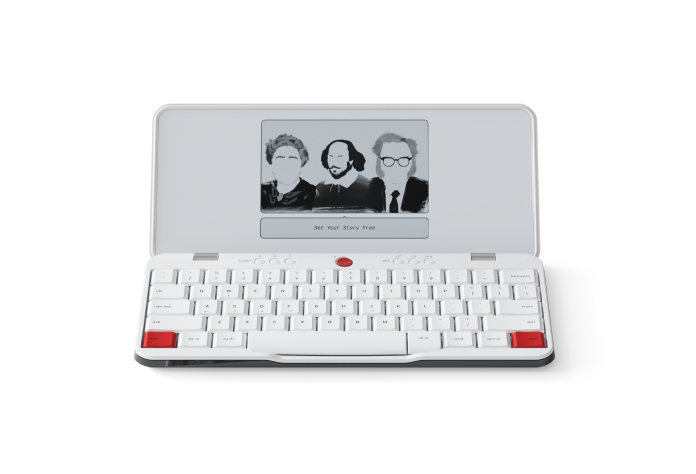
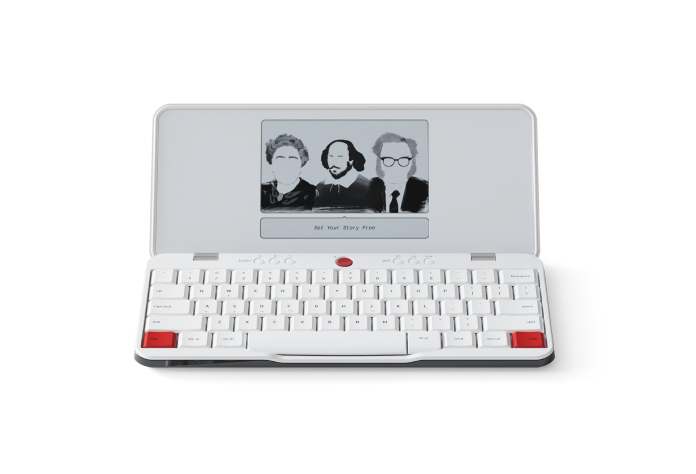
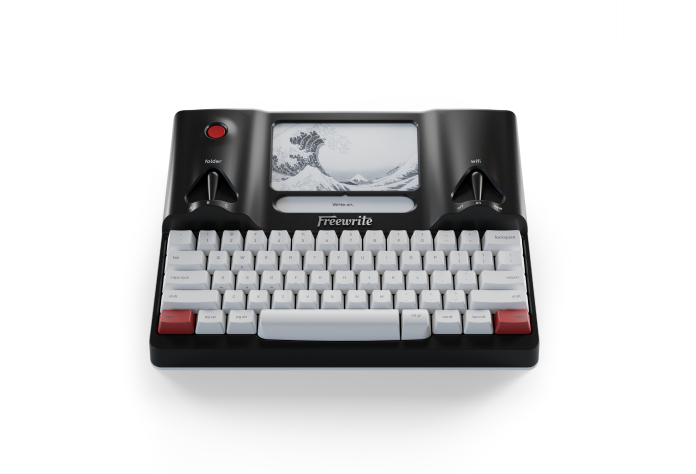
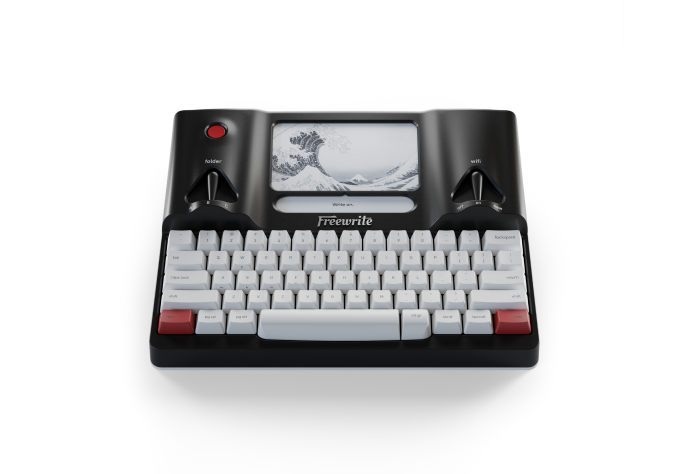
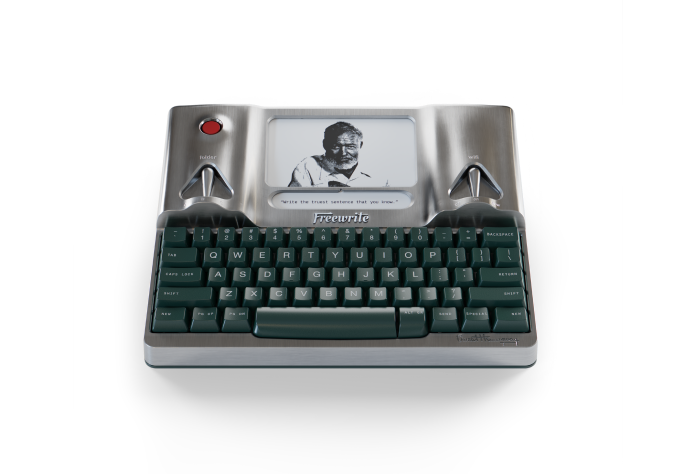
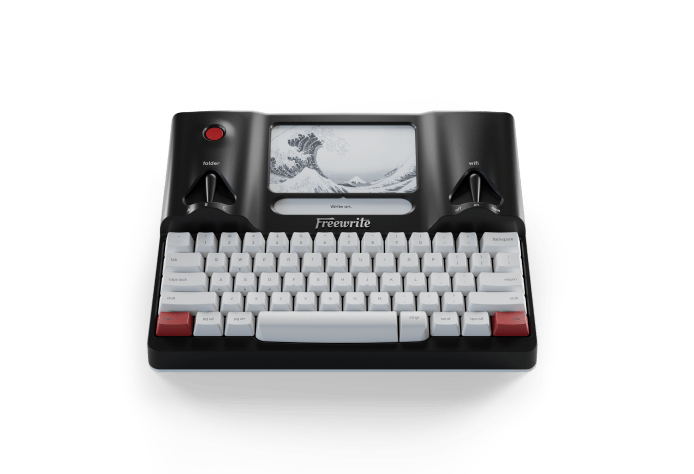
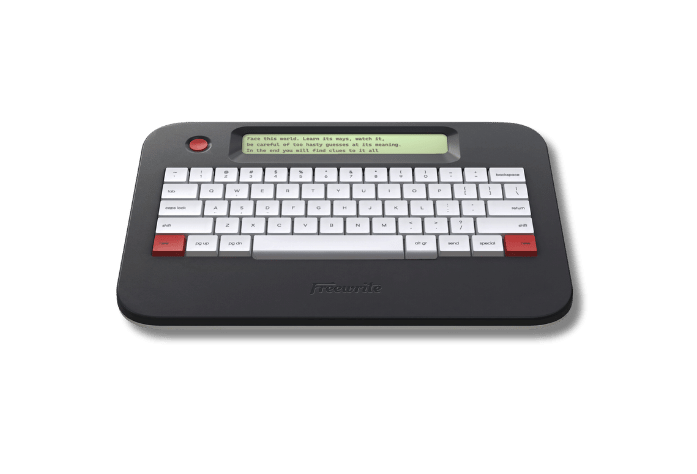
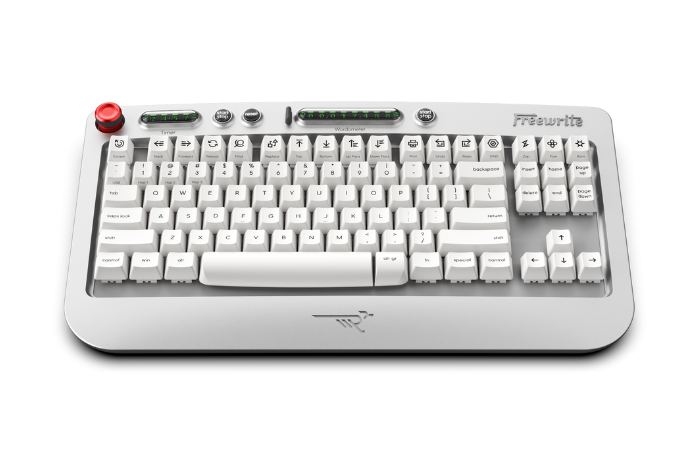
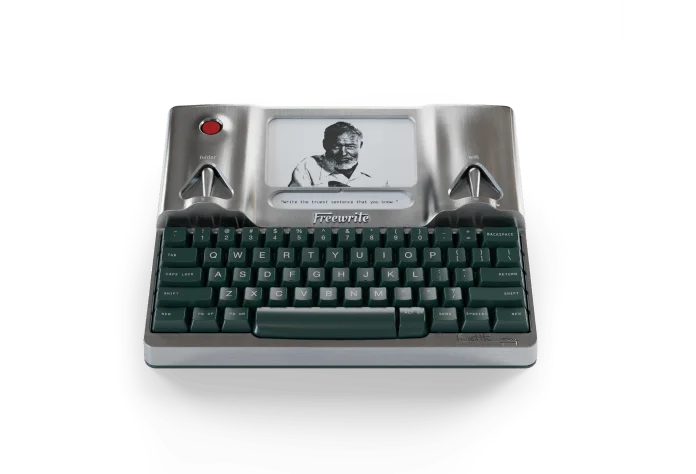
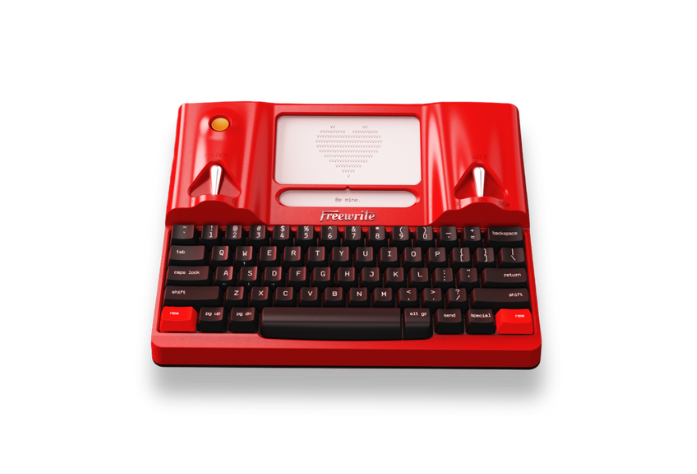
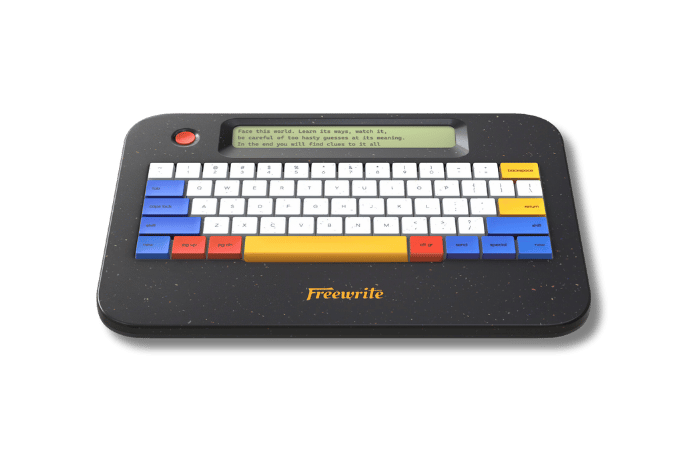
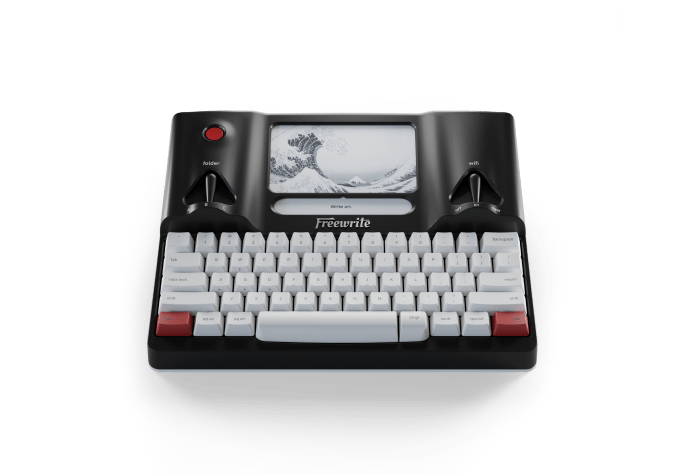
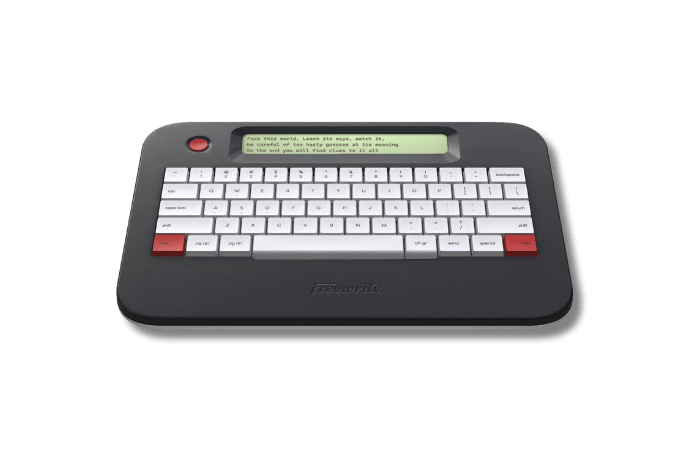
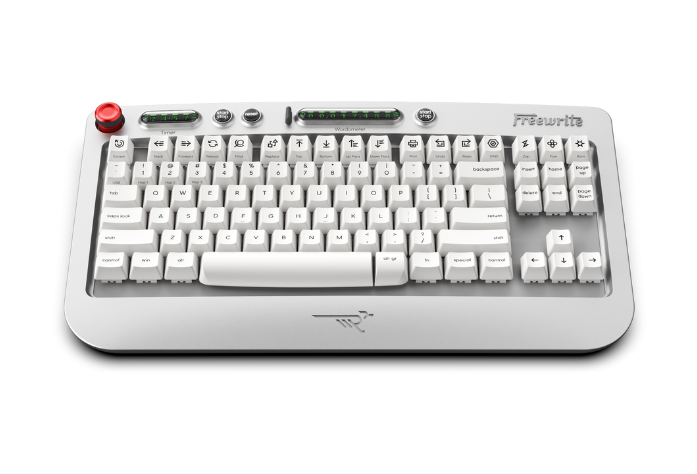
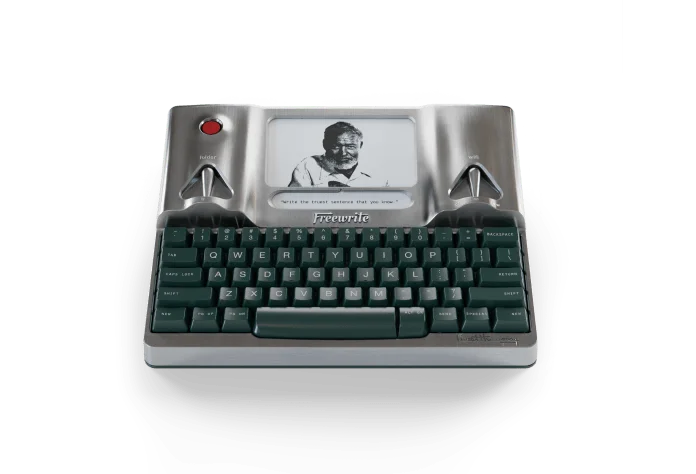
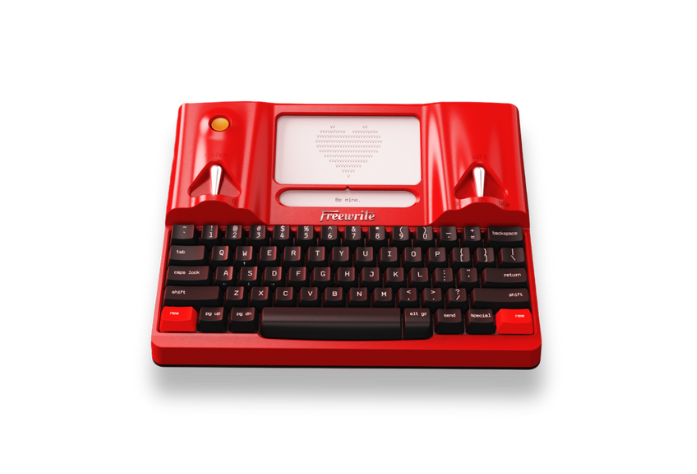
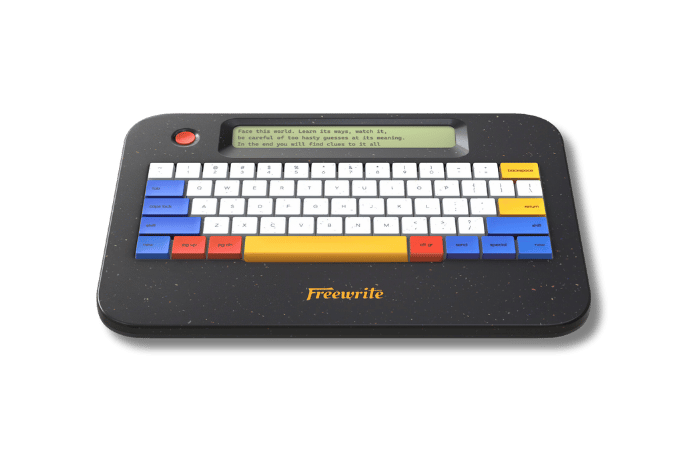
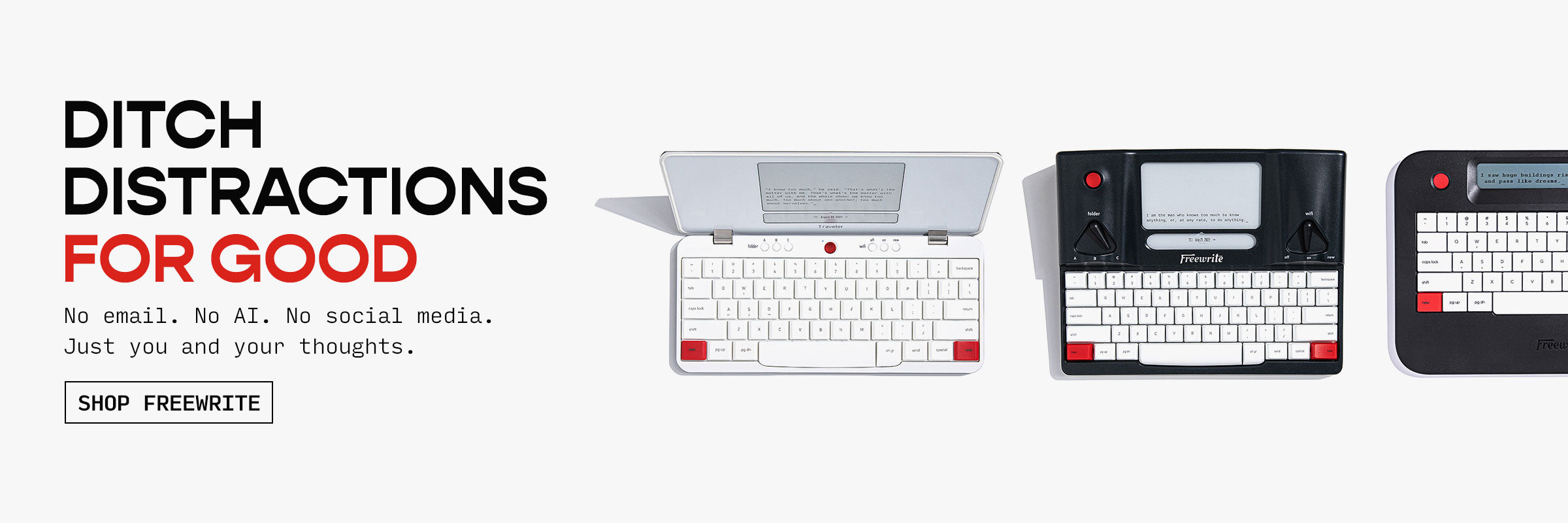
Ahora que te has inspirado, ¡el siguiente paso es escribir con constancia! Quienes usan nuestras herramientas de escritura sin distracciones Freewrite han duplicado su número de palabras. ¿Será Freewrite la opción ideal para ti?

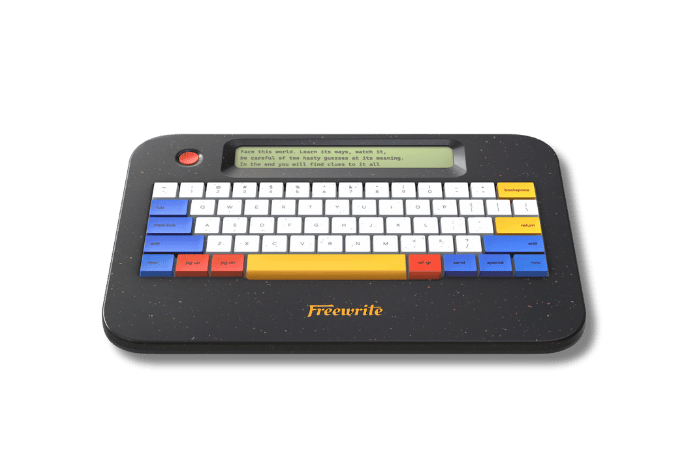
Descubre más sobre la filosofía de Freewrite "Primero Borrador, Editar Después" , que impulsa una producción prolífica. Y echa un vistazo a Freewrite Alpha , un compañero de escritura para llevar.

--

Claire Wilkins es redactora y editora freelance de Nueva Zelanda. Tras casi tres décadas de carrera en servicios financieros, Claire dejó atrás el mundo corporativo para fundar Unmistakable, su empresa de redacción y edición. Crea textos para sitios web, blogs y boletines informativos para agencias creativas y pequeñas empresas, y se especializa en perfeccionar el contenido existente hasta que brilla. En su tiempo libre, Claire disfruta observando nubes, cantando en el coche y editando vídeos.

diciembre 30, 2025 3 lectura mínima

It’s Freewrite’s favorite time of year. When dictionaries around the world examine language use of the previous year and select a “Word of the Year.”

Of course, there are many different dictionaries in use in the English language, and they all have different ideas about what word was the most influential or saw the most growth in the previous year. They individually review new slang and culturally relevant vocabulary, examine spikes or dips in usage, and pour over internet trend data.

Let’s see what some of the biggest dictionaries decided for 2025. And read to the end for a chance to submit your own Word of the Year — and win a Freewrite gift card.

[SUBMIT YOUR WORD OF THE YEAR]


Merriam-Webster: "slop"

Merriam-Webster chose "slop" as its Word of the Year for 2025 to describe "all that stuff dumped on our screens, captured in just four letters."

The dictionary lists "absurd videos, off-kilter advertising images, cheesy propaganda, fake news that looks pretty real, junky AI-written books, 'workslop' reports that waste coworkers’ time … and lots of talking cats" as examples of slop.

The original sense of the word "slop" from the 1700s was “soft mud” and eventually evolved to mean "food waste" and "rubbish." 2025 linked the term to AI, and the rest is history.

Honorable mentions: conclave, gerrymander, touch grass, performative, tariff, 67.

Dictionary.com: "67"

The team at Dictionary.com likes to pick a word that serves as “a linguistic time capsule, reflecting social trends and global events that defined the year.”

For 2025, they decided that “word” was actually a number. Or two numbers, to be exact.

If you’re an old, like me, and don’t know many school-age children, you may not have heard “67” in use. (Note that this is not “sixty-seven,” but “six, seven.”)

Dictionary.com claims the origin of “67” is a song called “Doot Doot (6 7)” by Skrilla, quickly made infamous by viral TikTok videos, most notably featuring a child who will for the rest of his life be known as the “6-7 Kid.” But according to my nine-year-old cousin, the origins of something so mystical can’t ever truly be known.

(My third grade expert also demonstrated the accompanying signature hand gesture, where you place both hands palms up and alternately move up and down.)

And if you happen to find yourself in a fourth-grade classroom, watch your mouth, because there’s a good chance this term has been banned for the teacher’s sanity.

Annoyed yet? Don’t be. As Dictionary.com points out, 6-7 is a rather delightful example at how fast language can develop as a new generation joins the conversation.

Dictionary.com honorable mentions: agentic, aura farming, broligarchy, clanker, Gen Z stare, kiss cam, overtourism, tariff, tradwife.

Oxford Dictionary: "rage bait"

With input from more than 30,000 users and expert analysis, Oxford Dictionary chose "rage bait" for their word of the year.

Specifically, the dictionary pointed to 2025’s news cycle, online manipulation tactics, and growing awareness of where we spend our time and attention online.

While closely paralleling its etymological cousin "clickbait," rage bait more specifically denotes content that evokes anger, discord, or polarization.

Oxford's experts report that use of the term has tripled in the last 12 months.

Oxford Dictionary's honorable mentions:aura farming, biohack.

Cambridge Dictionary: "parasocial"

The Cambridge Dictionary examined a sustained trend of increased searches to choose "parasocial" as its Word of the Year.

Believe it or not, this term was coined by sociologists in 1956, combining “social” with the Greek-derived prefix para-, which in this case means “similar to or parallel to, but separate from.”

But interest in and use of the term exploded this year, finally moving from a mainly academic context to the mainstream.

Cambridge Dictionary's honorable mentions: slop, delulu, skibidi, tradwife

Freewrite: TBD

This year, the Freewrite Fam is picking our own Word of the Year.

Click below to submit what you think the Word of 2025 should be, and we'll pick one submission to receive a Freewrite gift card.

[SUBMIT HERE] 

--

Sources

diciembre 18, 2025 5 lectura mínima

¿Qué pueden enseñar las cartas personales de Jane Austen a los escritores?

diciembre 10, 2025 6 lectura mínima

Singer-songwriter Abner James finds his creativity in the quiet freedom of analog tools. Learn how his creative process transcends different media.

Abner James went to school for film directing. But the success of the band he and his brother formed together, Eighty Ninety, knocked him onto a different trajectory.

The band has accrued more than 40 million streams since the release of their debut EP “Elizabeth," and their work was even co-signed by Taylor Swift when the singer added Eighty Ninety to her playlist "Songs Taylor Loves.”

Now, Abner is returning to long-form writing in addition to songwriting, and with a change in media comes an examination of the creative process. We sat down to chat about what's the same — and what's different. 

ANNIE COSBY: Tell us about your songwriting process.

ABNER JAMES: The way I tend to write my songs is hunched over a guitar and just seeing what comes. Sounds become words become shapes. It's a very physical process that is really about turning my brain off.

And one of the things that occurred to me when I was traveling, actually, was that I would love to be able to do that but from a writing perspective. What would happen if I sat down and approached writing in the same way that I approached music? In a more intuitive and free-form kind of way? What would that dig up?

AC: That's basically the ethos of Freewrite.

AJ: Yes. We had just put out a record, and I was thinking about how to get into writing for the next one. It occurred to me that regardless of how I started, I always finished on a screen. And I wondered: what's the acoustic guitar version of writing?

Where there's not blue light hitting me in the face. Even if I'm using my Notes app, it's the same thing. It really gets me into a different mindset.

 "I wondered: what's the acoustic guitar version of writing?"

I grew up playing piano. That was my first instrument. And I found an old typewriter at a thrift store, and I love it. It actually reminded me a lot of playing piano, the kind of physical, the feeling of it. And it was really fun, but pretty impractical, especially because I travel a fair amount.

And so I wondered, is there such a thing as a digital typewriter? And I googled it, and I found Freewrite.

AC: What about Freewrite helps you write?

AJ:I think, pragmatically, just the E Ink screen is a huge deal, because it doesn't exhaust me in the same way. And the idea of having a tool specifically set aside for the process is appealing in an aesthetic way but also a mental-emotional way. When it comes out, it's kind of like ... It's like having an office you work out of. It's just for that.

"The way I tend to write my songs is hunched over a guitar and just seeing what comes. Sounds become words become shapes. It's a very physical process that is really about turning my brain off."

And all of the pragmatic limitations — like you're not getting texts on it, and you're not doing all that stuff on the internet — that's really helpful, too. But just having the mindset....

When I pick up a guitar, or I sit down at the piano, it very much puts me into that space. Having a tool just for words does the same thing. I find that to be really cool and inspiring.

"When I pick up a guitar, or I sit down at the piano, it very much puts me into that space. Having a tool just for words does the same thing."

AC: So mentally it gets you ready for writing.

AJ: Yeah, and also, when you write a Microsoft Word, it looks so finished that it's hard to keep going. If every time I strummed a chord, I was hearing it back, mixed and mastered and produced...?

It's hard to stay in that space when I'm seeing it fully written out and formatted in, like, Times New Roman, looking all seriously back at me.

AC: I get that. I have terrible instincts to edit stuff over and over again and never finish a story.

AJ:  Also, the way you just open it and it's ready to go. So you don't have the stages of the computer turning on, that kind of puts this pressure, this tension on.

It's working at the edges in all these different ways that on their own could feel a little bit like it's not really necessary. All these amorphous things where you could look at it and be like, well, I don't really need any of those. But they add up to a critical mass that actually is significant.

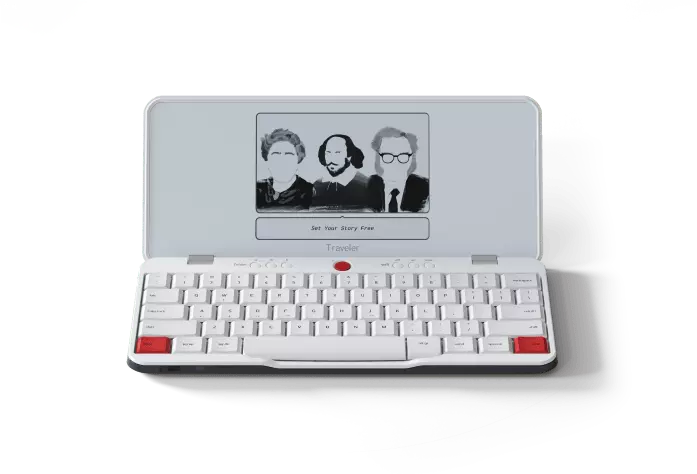
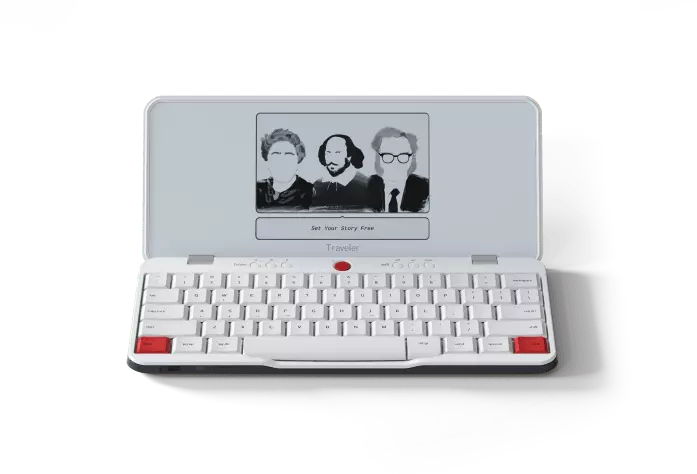
And sometimes, if I want to bring it on a plane, I've found it's replaced reading for me. Rather than pick up a book or bring a book on the plane, I bring Traveler and just kind of hang out in that space and see if anything comes up.

I've found that it's kind of like writing songs on a different instrument, you get different styles of music that you wouldn't have otherwise. I've found that writing from words towards music, I get different kinds of songs than I have in the past, which has been interesting.

In that way, like sitting at a piano, you just write differently than you do on a guitar, or even a bass, because of the things those instruments tend to encourage or that they can do.

It feels almost like a little synthesizer, a different kind of instrument that has unlocked a different kind of approach for me.

"I've found that it's kind of like writing songs on a different instrument, you get different styles of music that you wouldn't have otherwise... [Traveler] feels almost like a little synthesizer, a different kind of instrument that has unlocked a different kind of approach for me."

AC: As someone who doesn't know the first thing about writing music, that's fascinating. It's all magic to me.

AJ: Yeah.

AC: What else are you interested in writing?

AJ: I went to school for film directing. That was kind of what I thought I was going to do. And then my brother and I started the band and that kind of happened first and knocked me onto a different track for a little while after college.

Growing up, though, writing was my way into everything. In directing, I wanted to be in control of the thing that I wrote. And in music, it was the same — the songwriting really feels like it came from that same place. And then the idea of writing longer form, like fiction, almost feels just like the next step from song to EP to album to novel.

For whatever reason, that started feeling like a challenge that would be deeply related to the kinds of work that we do in the studio.

AC: Do you have any advice for aspiring songwriters?

AJ: This sounds like a cliche, but it's totally true: whatever success that I've had as a songwriter — judge that for yourself — but whatever success I have had, has been directly proportional to just writing the song that I wanted to hear.

What I mean by that is, even if you're being coldly, cynically, late-stage capitalist about it, it's by far the most success I've had. The good news is that you don't have to choose. And in fact, when you start making those little compromises, or even begin to inch in that direction, it just doesn't work. So you can forget about it.

Just make music you want to hear. And that will be the music that resonates with most people.

I think there's a temptation to have an imaginary focus group in your head of like 500 people. But the problem is all those people are fake. They're not real. None of those people are actually real people. You're a focus group of one, you're one real person. There are more real people in that focus group than in the imaginary one.

And I just don't think that we're that different, in the end. So that would be my advice.

AC: That seems like generally great creative advice. Because fiction writers talk about that too, right? Do you write to market or do you write the book you want to read. Same thing. And that imaginary focus group has been debilitating for me. I have to silence that focus group before I can write.

AJ: Absolutely.

"I think there's a temptation to have an imaginary focus group in your head of like 500 people. But the problem is all those people are fake... You're a focus group of one, you're one real person. There are more real people in that focus group than in the imaginary one."

--

Learn more about Abner James, his brother, and their band, Eighty Ninety, on Instagram.