
“Escribir, en el mejor de los casos, es una vida solitaria.” – Ernest Hemingway
A veces, escribir puede ser una tarea solitaria. Es especialmente difícil cuando perseveras contra el bloqueo del escritor y tratas de no compararte con otros escritores.
Sin embargo, cuando te sientas solo, recuerda que estás en buena compañía. A todos los grandes escritores que te precedieron les resultó arduo escribir a veces, pero nunca se rindieron. Aquí tienes una recopilación de citas de Ernest Hemingway como recordatorio para mantener la cabeza en alto.
32 citas inspiradoras de Hemingway para inspirarte a escribir
-
“No hay nada noble en ser superior a tu prójimo; la verdadera nobleza es ser superior a tu yo anterior”.
-
“Todos somos aprendices de un oficio en el que nadie llega a ser maestro”.
-
“Aprendí a no vaciar nunca el pozo de mi escritura, sino a detenerme siempre cuando aún quedaba algo en lo profundo del pozo, y dejar que se llenara por la noche con los manantiales que lo alimentaban”.
-
“No hay amigo más leal que un libro.”
-
“El mundo nos rompe a todos, y después, muchos se fortalecen en los lugares rotos”.
-
“ El primer borrador de cualquier cosa es una mierda”.
-
No te preocupes. Siempre has escrito y escribirás ahora.
-
Preocúpate un poco cada día y, en tu vida, perderás un par de años. Si algo va mal, arréglalo si puedes. Pero entrénate a no preocuparte: la preocupación nunca arregla nada.
-
Cuando la gente te hable, escúchala atentamente. La mayoría de la gente nunca escucha.
-
Sabes que la ficción, o mejor dicho, la prosa, es posiblemente el oficio más duro de la escritura. No tienes la referencia, la referencia importante de siempre. Tienes la hoja en blanco, el lápiz y la obligación de inventar algo más cierto de lo que las cosas pueden ser ciertas. Tienes que tomar lo invisible y hacerlo completamente palpable, y también hacer que parezca normal, para que pueda formar parte de la experiencia de quien lo lee.
-
Solo tienes que escribir una oración verdadera. Escribe la oración más verdadera que conozcas.
-
Todos los buenos libros se parecen en que son más veraces que si hubieran sucedido realmente. Al terminar de leer uno, sentirás que todo lo que te sucedió y después te pertenece: lo bueno y lo malo, el éxtasis, el remordimiento y la tristeza, las personas, los lugares y el clima. Si logras transmitir eso a la gente, entonces eres un escritor.
-
Cada día es un nuevo día. Es mejor tener suerte. Pero prefiero ser preciso. Así, cuando la suerte te llegue, estarás listo.
-
“El coraje es gracia bajo presión”.
-
“Un hombre puede ser destruido, pero no derrotado”.
-
La vida de cada hombre termina de la misma manera. Solo los detalles de cómo vivió y murió distinguen a un hombre de otro.
-
“ Nunca confundas movimiento con acción ”.
-
“Como escritor, no debes juzgar, debes comprender”.
-
Olvídate de tu tragedia personal. A todos nos critican desde el principio, y sobre todo a ti te duele muchísimo antes de poder escribir en serio. Pero cuando te duela, úsala; no hagas trampa.
-
“No hay una sola verdad. Todo es verdad.”
-
“Mi objetivo es plasmar en papel lo que veo y lo que siento de la mejor manera y de la forma más sencilla”.
-
“ Escribe con fuerza y claridad sobre lo que te duele ”.
-
“Para escribir sobre la vida primero hay que vivirla.”
-
Ahora no es momento de pensar en lo que no tienes. Piensa en lo que puedes hacer con lo que tienes.
-
No es asunto suyo que tengas que aprender a escribir. Que piensen que naciste así .
-
“Toda mi vida he mirado las palabras como si las viera por primera vez.”
-
“El don más esencial para un buen escritor es un detector de mierda incorporado y a prueba de golpes”.
-
Al escribir una novela, un escritor debe crear personas vivas; personas, no personajes. Un personaje es una caricatura.
-
No hay reglas sobre cómo escribir. A veces sale con facilidad y perfección; a veces es como perforar una roca y luego explotarla con cargas .
-
Si un escritor deja de observar, está acabado. La experiencia se comunica mediante pequeños detalles observados con atención.
-
“Recuerda anotar el tiempo en tu maldita agenda: el tiempo es muy importante”.
-
Escribo una página de obra maestra y noventa y una de mierda . Intento tirar la mierda a la papelera.
¿Te sientes un poco inspirado? Ese es el espíritu.
Escribir es un juego mental, y sabemos que estás listo para el reto. Sigue escribiendo y no nos olvides cuando seas famoso.
-
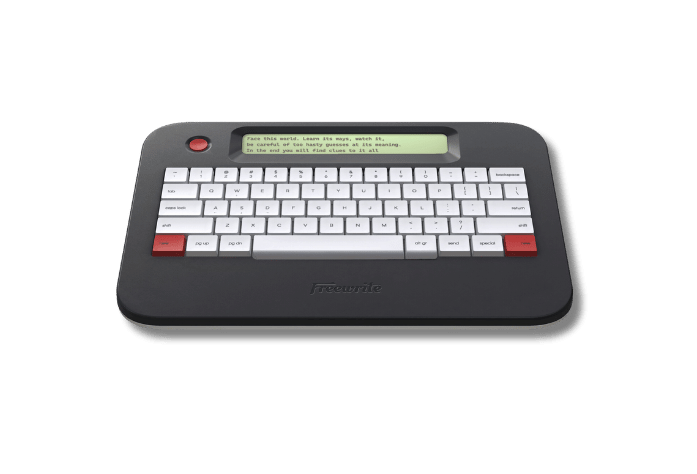
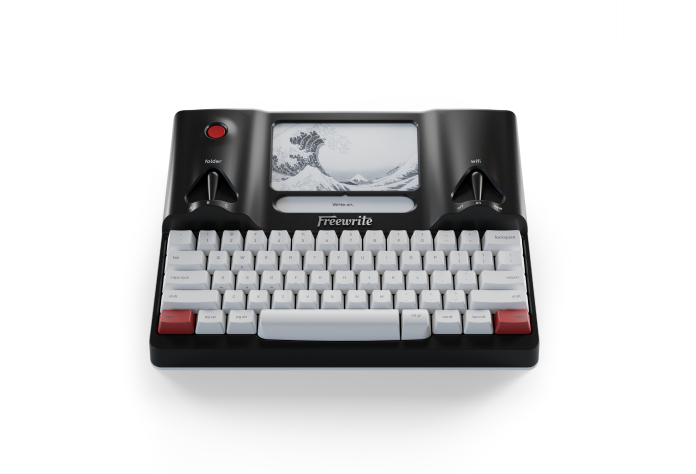
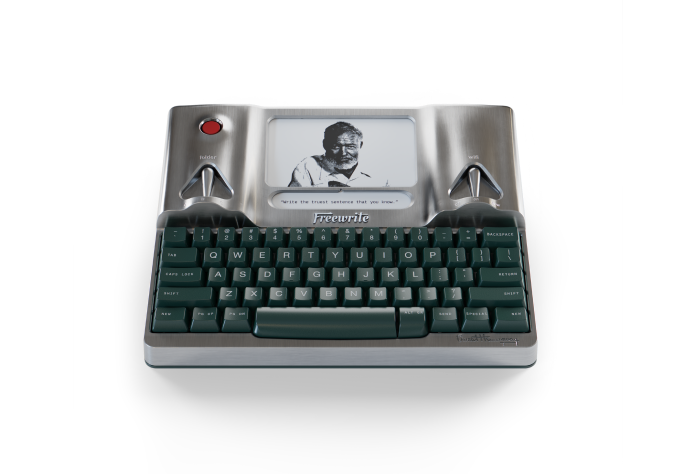
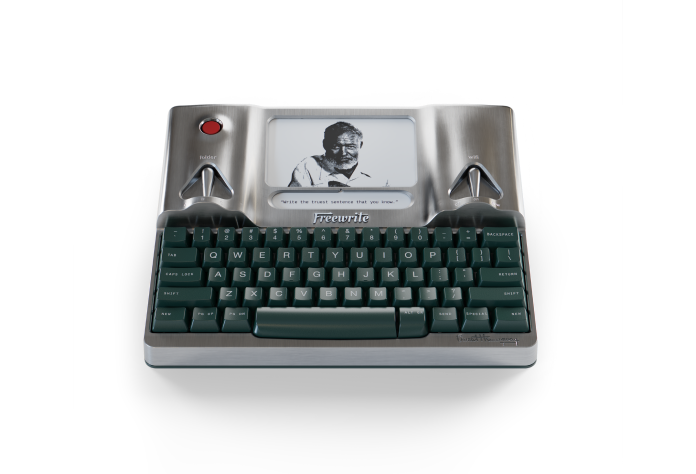
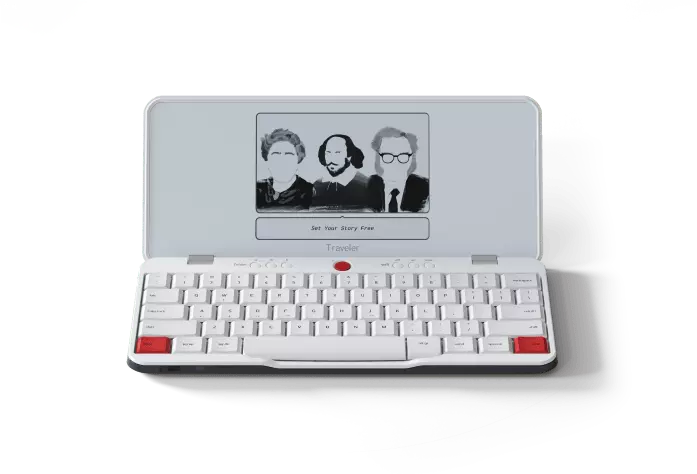
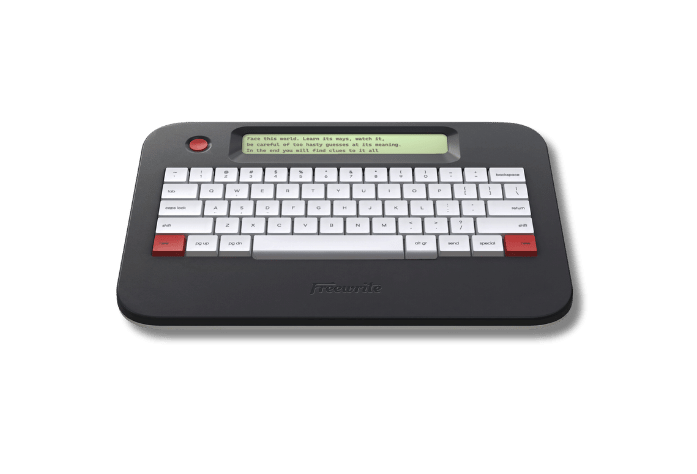
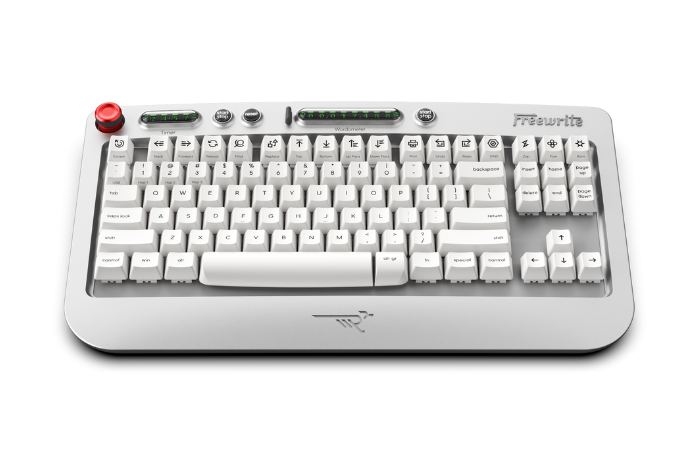
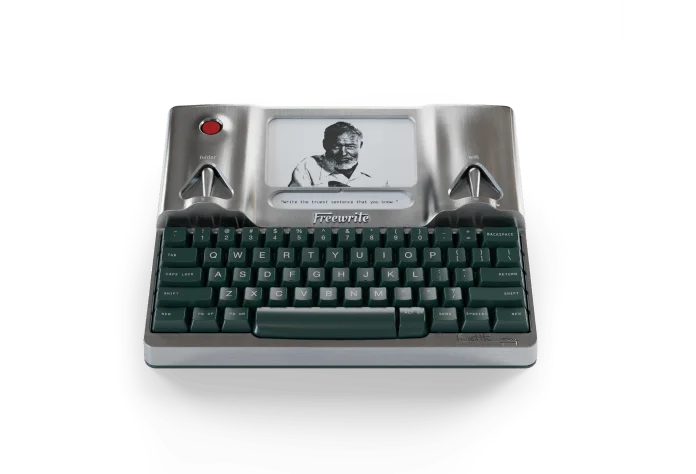
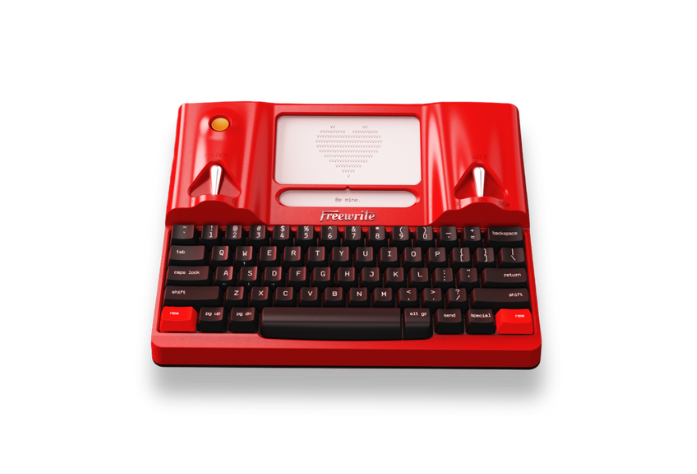
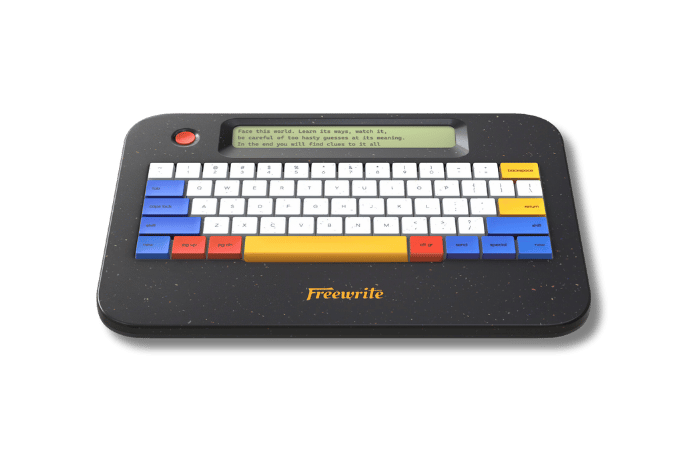
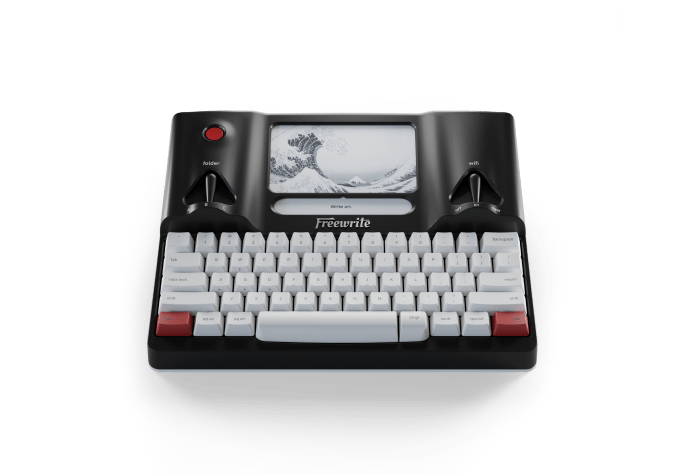
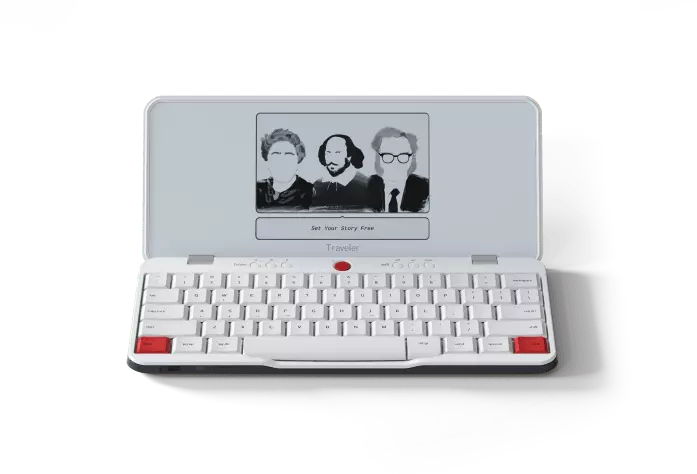
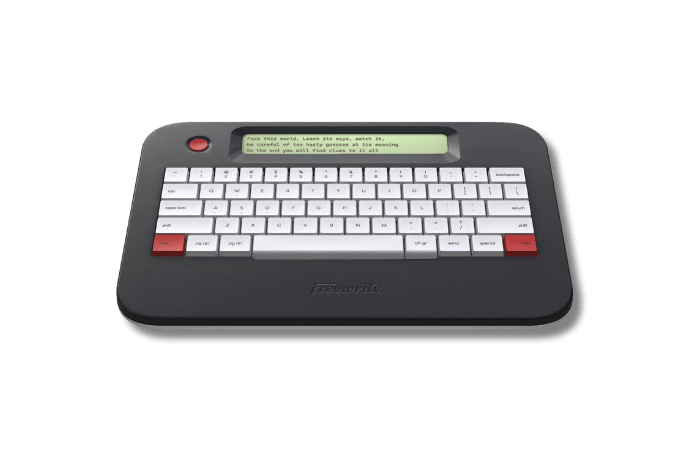
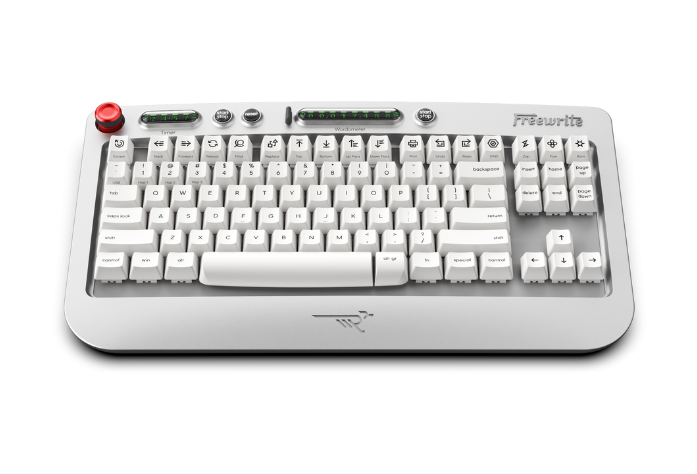
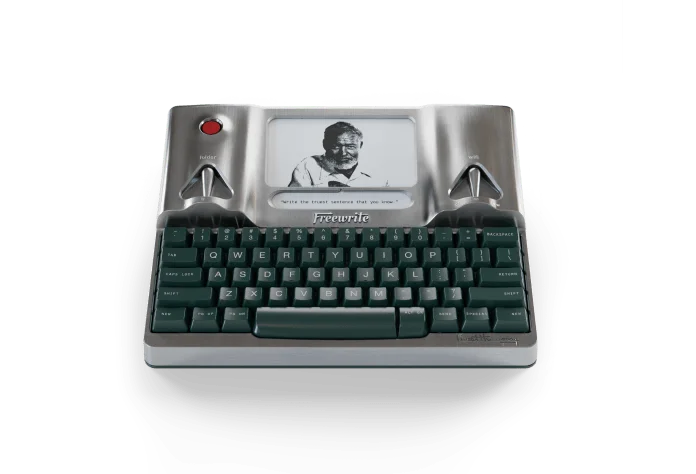
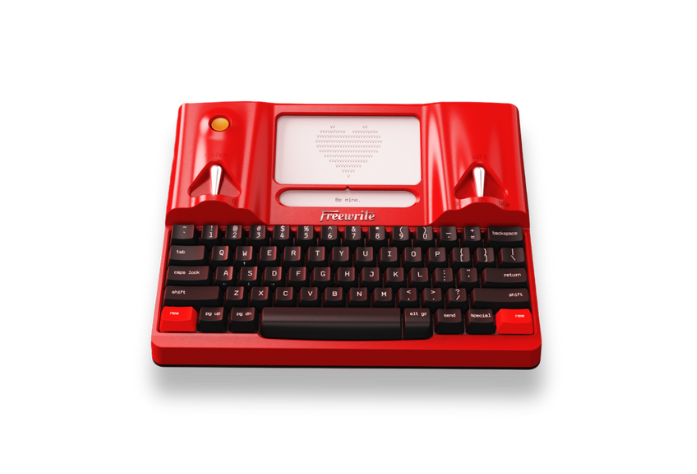
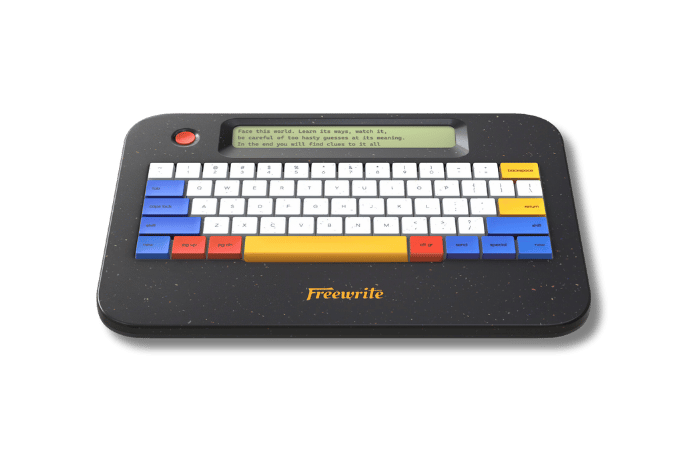
¿Eres fan de Hemingway? The Hemingwrite , nuestra edición especial de Ernest Hemingway para Freewrite, se lanza pronto. Apúntate a la lista de espera; las unidades son extremadamente limitadas.