overlaylink

10 maneras de impulsar tu viaje de escritura de novelas este NaNoWriMo

octubre 21, 2022 | 2 lectura mínima

¿Te estás preparando para el NaNoWriMo? Si es así, ¡te encantará esta entrada del blog! Hemos recopilado una lista de 10 maneras de impulsar tu aventura como novelista y aprovechar al máximo este mes. Tanto si eres novelista primerizo como si ya eres un profesional, estos consejos te ayudarán a coger ritmo y a escribir más palabras al día. ¿A qué esperas? ¡Empieza a leer y prepárate para escribir!

1. Comienza con un esquema: Esto te ayudará a mantenerte enfocado y a asegurar que tu novela tenga una trama coherente. Además, será más fácil alcanzar tus objetivos diarios de palabras si sabes qué debe suceder a continuación en la historia.

2. Establece una meta diaria de palabras: Asegúrate de que sea realista para no desanimarte si no la alcanzas todos los días. Sin embargo, tener una meta por la que esforzarte te ayudará a mantenerte enfocado y motivado.

3. Busca un compañero de escritura: Siempre es más divertido escribir con alguien más, y pueden ayudarse mutuamente a mantenerse en el buen camino. Además, ¡es genial tener a alguien con quien celebrar cuando alcanzas tu meta diaria de palabras!

4. Reserva tiempo para escribir: Prográmalo en tu día como cualquier otra cita importante. Y si no encuentras un horario fijo, escribe de 10 a 15 minutos esporádicos. ¡Todo cuenta!

5. Crea el ambiente: Crea un ambiente propicio para escribir. Ya sea encender velas, preparar una tetera o poner tu música favorita, haz lo que sea necesario para encontrar el estado mental adecuado.

6. Tómate descansos: Es importante alejarte de la computadora de vez en cuando, o empezarás a sentirte agotado. Así que tómate unos minutos para estirarte, dar un paseo o simplemente alejarte del escritorio.

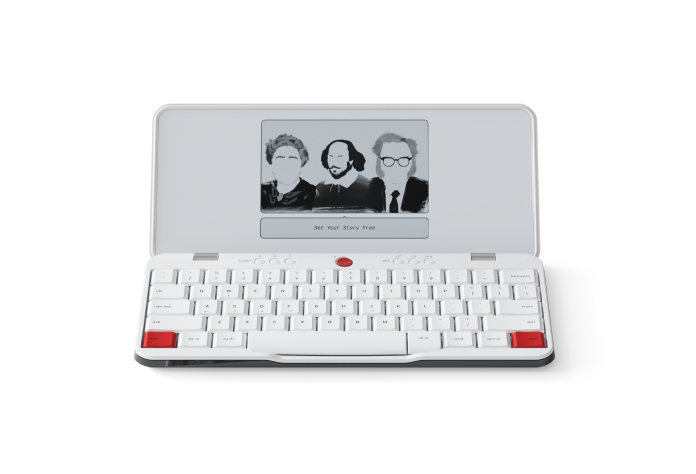
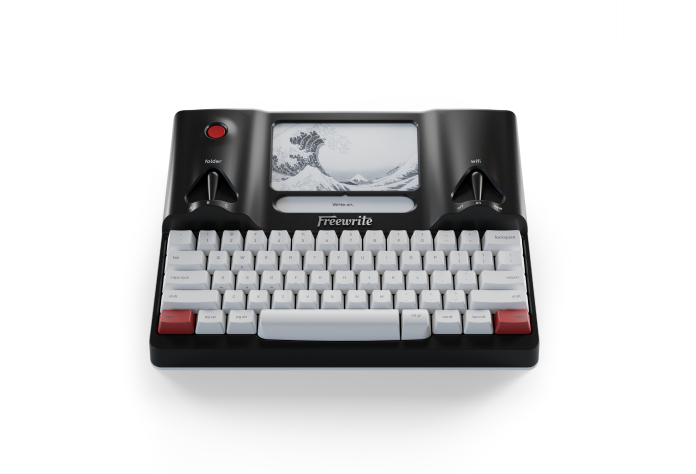
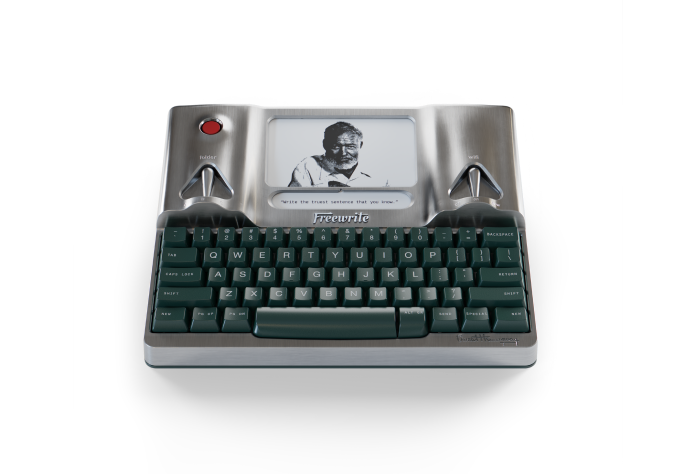
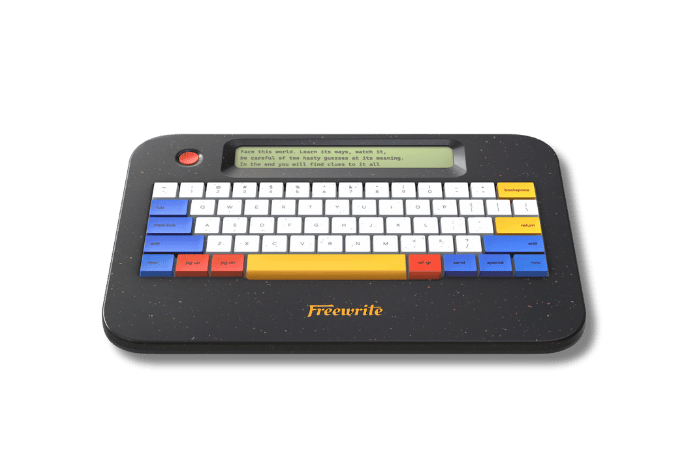
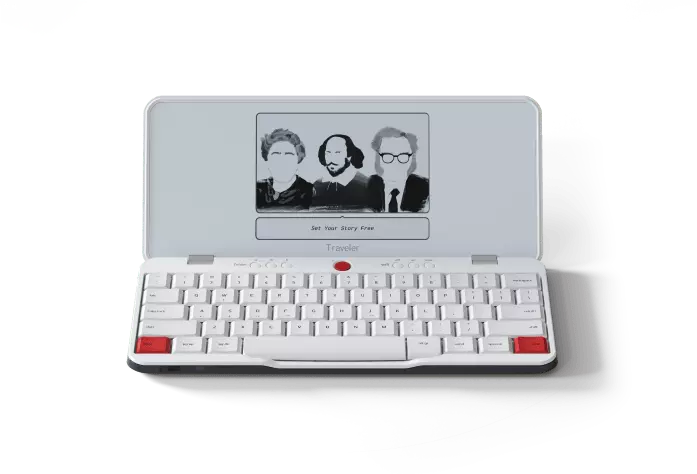
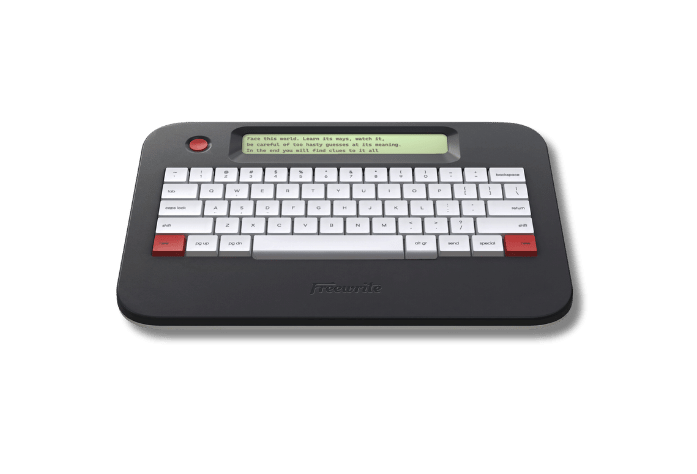
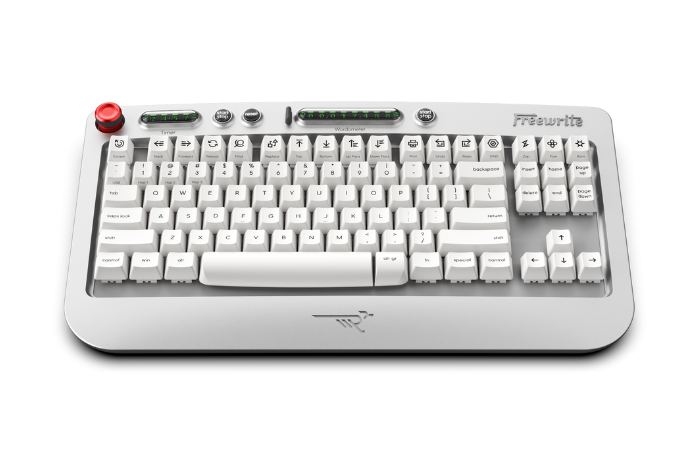
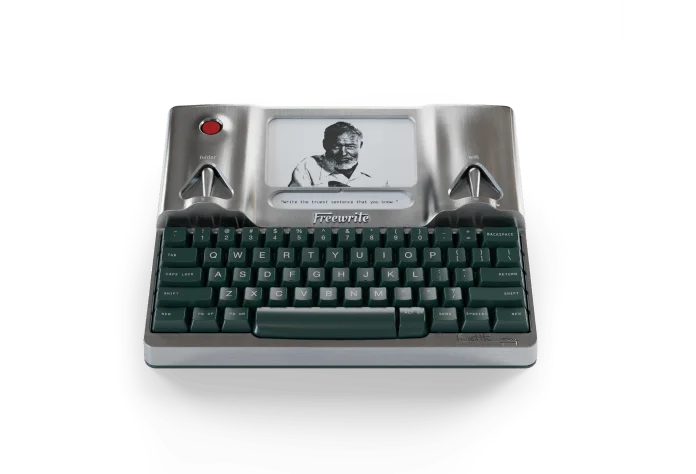
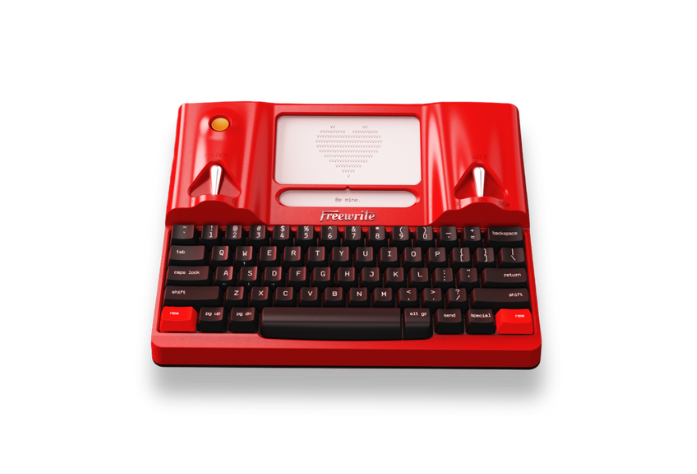
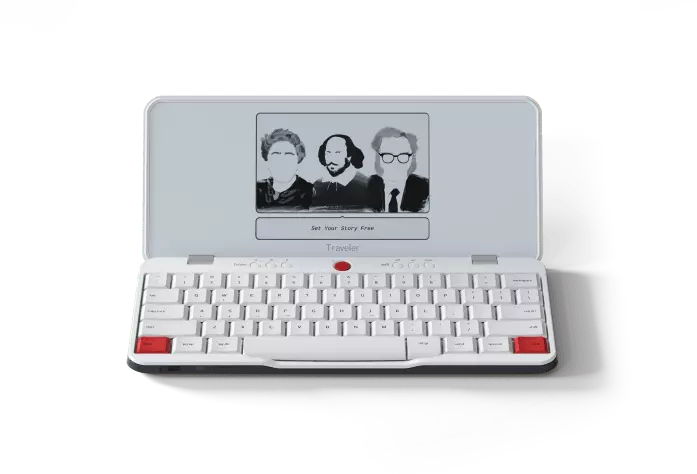
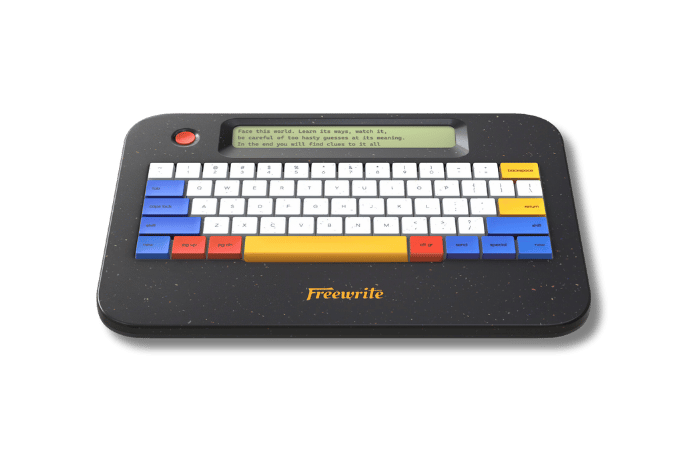
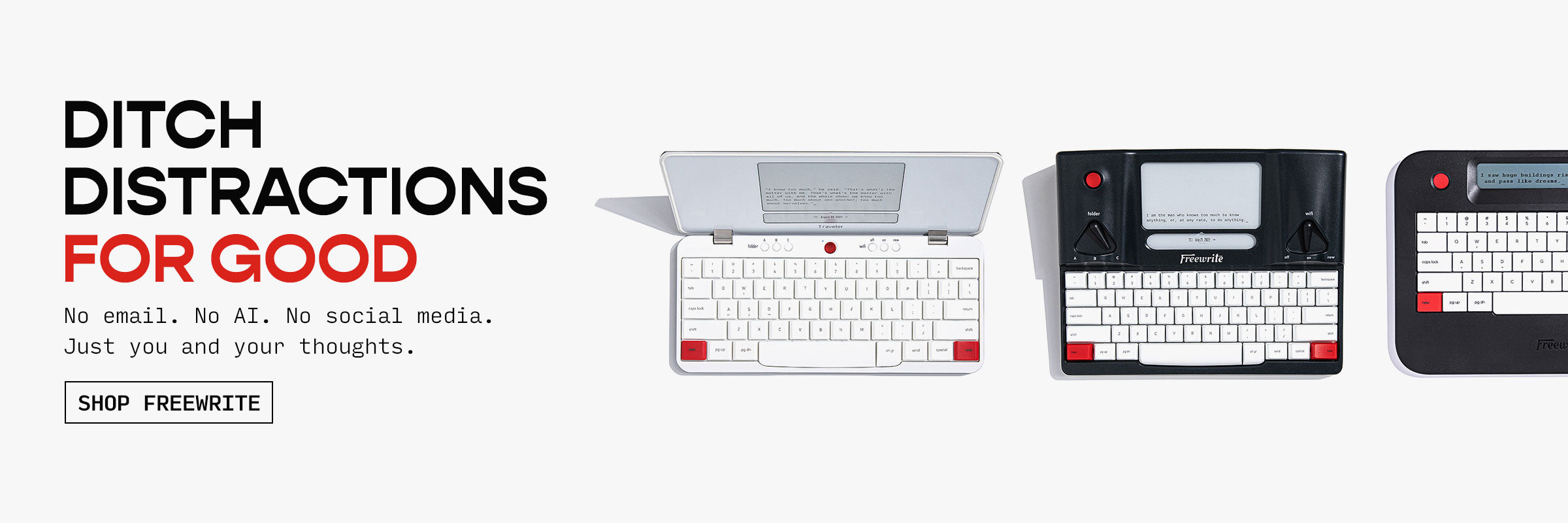
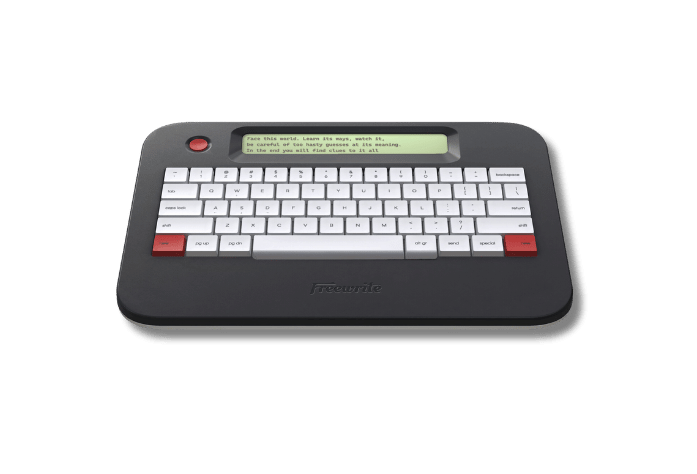
7. Minimiza las distracciones: Esto significa apagar el teléfono, cerrar las redes sociales y cualquier otra cosa que pueda distraerte de la escritura. Cuantas menos distracciones tengas, más concentrado estarás. Considera una herramienta de escritura sin distracciones como Traveler de Freewrite si te cuesta mantenerte alejado del teléfono u otros dispositivos mientras escribes.

8. Escribe en ráfagas cortas: Si te sientes abrumado, intenta escribir en ráfagas cortas de 500 palabras o menos. Esto puede ayudarte a romper la monotonía y a mantener el ritmo.

9. Lee otras novelas: No solo es una excelente manera de encontrar inspiración, sino que también te ayudará a mejorar tu escritura. Como dicen, la mejor manera de aprender a escribir es leer todo lo que puedas.

10. Recompénsate: Cuando alcances tu meta diaria de palabras, date un capricho. Ya sea un café, un chocolate o pasar un rato extra en redes sociales, encuentra algo que te motive a seguir adelante.

11 (¡EXTRA!). Diviértete: Al fin y al cabo, NaNoWriMo se trata de disfrutar del proceso de escribir una novela. Así que no te lo tomes demasiado en serio, ¡y simplemente diviértete!

Freewrite es un orgulloso patrocinador de NaNoWriMo 2022. Los participantes pueden encontrar más consejos de otros usuarios, un descuento para participantes en productos y más en nuestra página de patrocinio de NaNoWriMo .

Patrocinador de NaNoWriMo
abril 15, 2026 4 lectura mínima

Break up with Final Draft for good. Get the best screenplay workflow in Hollywood: Freewrite + Highland Pro.

abril 01, 2026 0 lectura mínima
marzo 22, 2026 3 lectura mínima

If you're new here, freewriting is “an unfiltered and non-stop writing practice.” It’s sometimes known as stream-of-consciousness writing.

To do it, you simply need to write continuously, without pausing to rephrase, self-edit, or spellcheck. Freewriting is letting your words flow in their raw, natural state.

When writing the first draft of a novel, freewriting is the approach we, and many authors, recommend because it frees you from many of the stumbling blocks writers face.

This method helps you get to a state of feeling focused and uninhibited, so you can power through to the finish line.

How Freewriting Gives You Mental Clarity

Freewriting is like thinking with your hands. Some writers have described it as "telling yourself the story for the first time."

Writing for Inside Higher Ed, Steven Mintz says, “Writing is not simply a matter of expressing pre-existing thoughts clearly. It’s the process through which ideas are produced and refined.” And that’s the magic of putting pen to paper, or fingertips to keyboard. The way you learned to ride a bike by wobbling until suddenly you were pedaling? The way you learned certain skills by doing as well as revising? It works for writing, too.

The act of writing turns on your creative brain and kicks it into high gear. You’re finally able to articulate that complex idea the way you want to express it when you write, not when you stare at a blank page and inwardly think until the mythical perfect sentence comes to mind.

Writing isn’t just the way we express ideas, but it’s how we extract them in the first place. Writing is thinking.

Or, as Flannery O'Connor put it:

“I write because I don't know what I think until I read what I say.”

Writing isn’t just the way we express ideas, but it’s how we extract them in the first place. Writing is thinking.


Freewriting to Freethinking

But how and why does it work? Freewriting makes fresh ideas tumble onto the page because this type of writing helps you get into a meditative flow state, where the distractions of the world around you slip away.

Julie Cameron, acclaimed author of The Artist’s Way, proposed the idea that flow-state creativity comes from a divine source. And sure, it certainly feels like wizardry when the words come pouring out and scenes seem to arrange themselves on the page fully formed. But that magic, in-the-zone writing feeling doesn’t have to happen only once in a blue moon. It’s time to bust that myth.

By practicing regular freewriting and getting your mind (and hands) used to writing unfiltered, uncensored, and uninterrupted, you start freethinking and letting the words flow. And the science backs it up.

According to Psychology Today, the dorsolateral prefrontal cortex goes quiet during flow state. This part of the brain is in charge of “self-monitoring and impulse control” – in other words, the DLPFC is the tiny home of your loud inner critic. And while that mean little voice in your head takes a long-overdue nap, you’re free to write without doubt or negative self-talk.

“With this area [of the brain] deactivated, we’re far less critical and far more courageous, both augmenting our ability to imagine new possibilities and share those possibilities with the world.”

Freewriting helps us connect with ourselves and our own thoughts, stories, beliefs, fears, and desires. But working your creative brain is like working a muscle. It needs regular flexing to stay strong.

So, if freewriting helps us think and organize our thoughts and ideas, what happens if we stop writing? If we only consume and hardly ever create, do we lose the ability to think for ourselves? Up next, read "Are We Living through a Creativity Crisis?"


Learn More About Freewriting

Get the ultimate guide to boosting creativity and productivity with freewriting absolutely free right here.You'll learn how to overcome perfectionism, enhance flow, and reignite the joy of writing.

SYSF-book-mockup.webp