overlaylink

Comment susciter la créativité

Concetta Cucchiarelli
juillet 05, 2024 | 4 lire la lecture

Lorsque nous pensons à la créativité, nous imaginons souvent une explosion d’idées fantastiques ou d’efforts artistiques.

Cependant, la créativité est davantage une approche de résolution de problèmes et d’innovation qui s’applique à tous les domaines de la vie.

Qu'est-ce que la créativité exactement ?

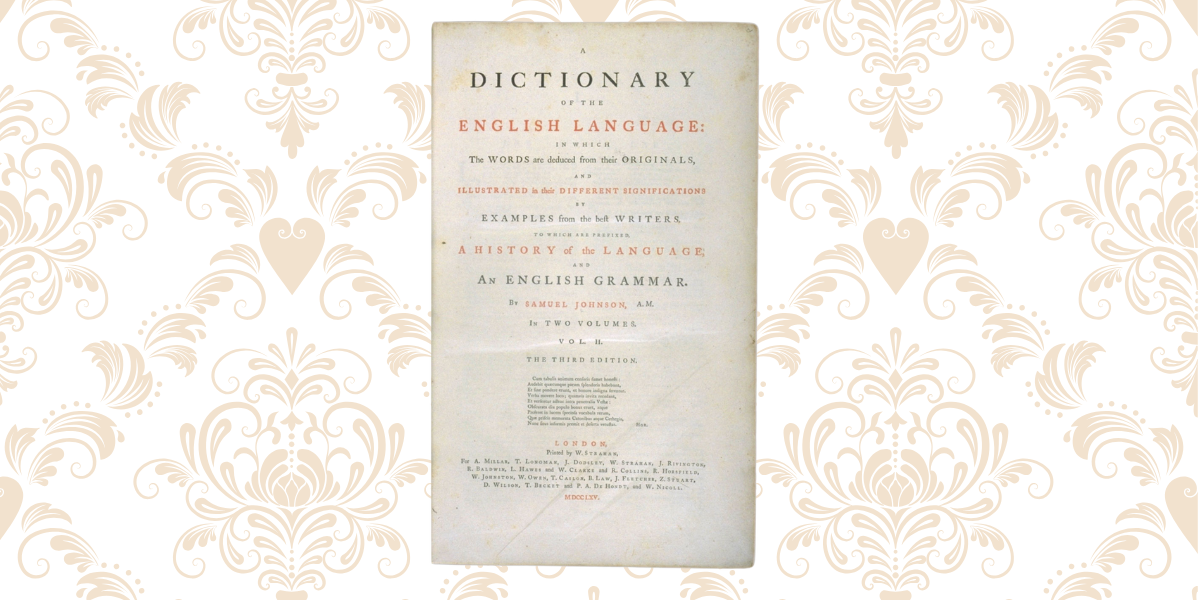
Comme le définit Dictionary.com , la créativité est « la capacité de transcender les idées, les règles, les modèles, les relations ou autres éléments traditionnels, et de créer de nouvelles idées, formes, méthodes, interprétations, etc. significatives. »

Malgré son incroyable valeur, les fondements psychologiques de la créativité restent mystérieux. Mais une chose est sûre : elle est spontanée et difficile à produire à la demande.

Créativité à la demande

Cette insaisissabilité pose un défi, surtout de nos jours, où la créativité est souvent imposée par un emploi du temps précis. Malheureusement, s'il existe des activités pour stimuler la créativité, il n'existe pas de recette miracle.

Cependant, nous pouvons rendre la créativité plus gérable en la considérant comme un processus plutôt que comme une compétence.

Nous pouvons rendre la créativité plus gérable en la considérant comme un processus plutôt que comme une compétence.

Dans son livre Building a Second Brain , Tiago Forte explique que si les produits créatifs évoluent au fil du temps, le processus créatif reste constant et comporte deux phases : divergente et convergente .

Dans la phase divergente , nous devons rester ouverts d’esprit et générer autant d’idées que possible.

Durant la phase de convergence , nous affinons, sélectionnons et mettons en œuvre les idées. Cette phase est nécessaire pour transformer les idées en produits ou solutions concrets.

D'un point de vue neurologique, l'état le plus propice à la création d'idées et de solutions est le mode « rêverie » ou « vagabondage mental », l'état du cerveau au repos, défini comme le « réseau en mode par défaut » par Marcus Raichle. Dans cet état, le cerveau, libéré de toute concentration intentionnelle, crée de nouvelles connexions et associations neuronales et développe les concepts.

En revanche, pendant la phase convergente, lorsque nous sélectionnons des idées sur lesquelles agir, notre cerveau utilise le mode « rester concentré sur la tâche » ( ou concentration intentionnelle, comme nous l'avons vu dans notre article précédent ) pour vous aider à exécuter une tâche sans distractions.

( Apprenez comment fonctionne la concentration psychologiquement. )

Ces modes s’excluent mutuellement ; en d’autres termes, l’un supprime l’autre.

Neurologiquement, le meilleur état pour créer des idées et des solutions est le mode « rêverie » ou « vagabondage mental », l’état du cerveau au repos… D’un autre côté, lorsque nous sélectionnons des idées sur lesquelles agir, notre cerveau utilise le « mode rester concentré sur la tâche ».

Comme vous l'avez peut-être constaté, le vagabondage mental est essentiel à la créativité. Il survient de manière presque imprévisible, et seulement lorsque nous sommes libérés de nos listes de choses à faire. C'est pourquoi, dans le monde trépidant d'aujourd'hui, il est important de planifier intentionnellement ce moment de vagabondage mental, ou de créativité.

Cela peut sembler contre-intuitif, mais dans le monde actuel des distractions, vous devez volontairement vous libérer de votre liste de choses à faire sans fin afin de laisser votre esprit vagabonder.

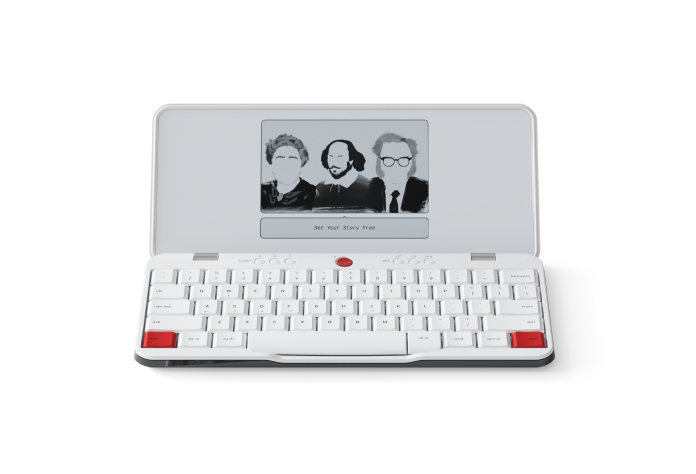
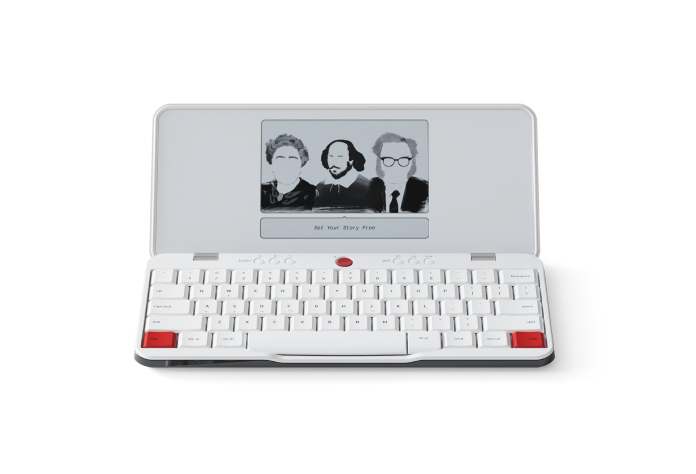
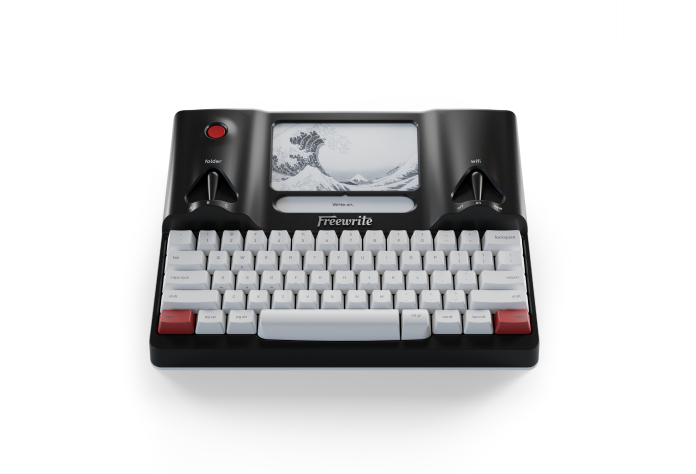
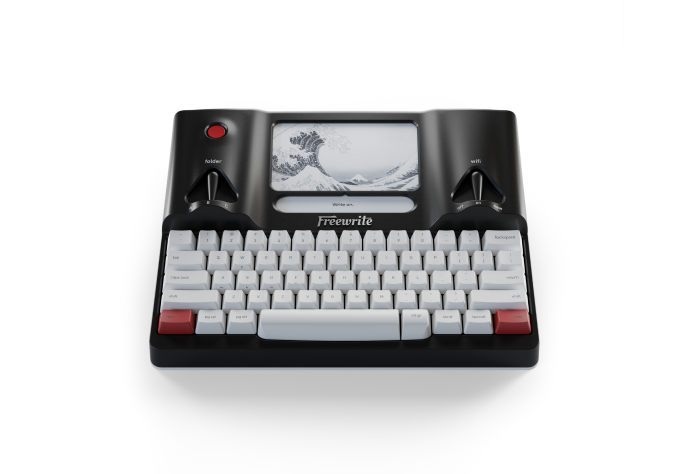
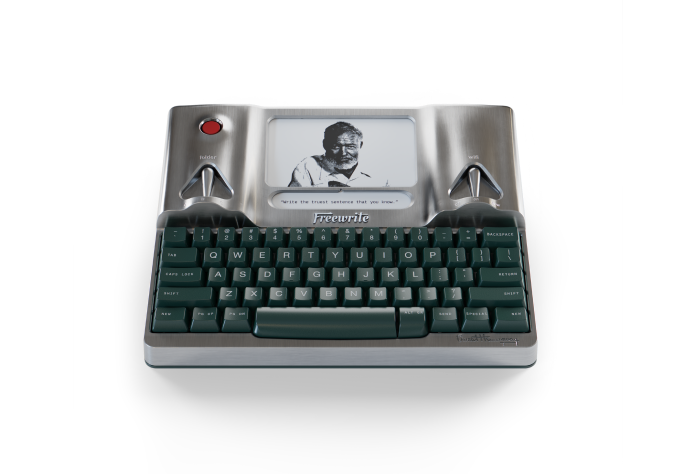
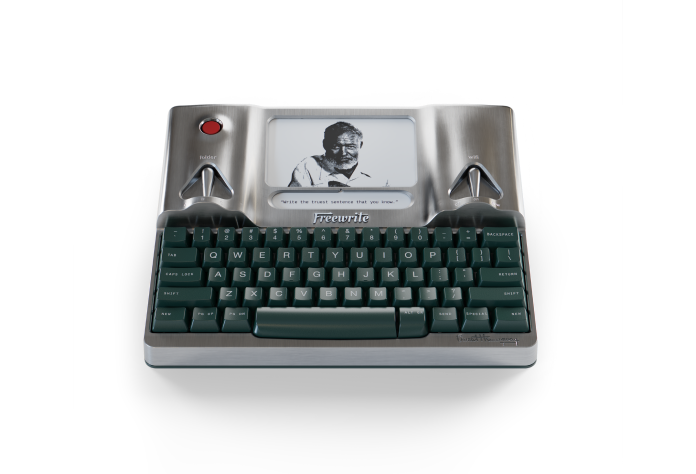
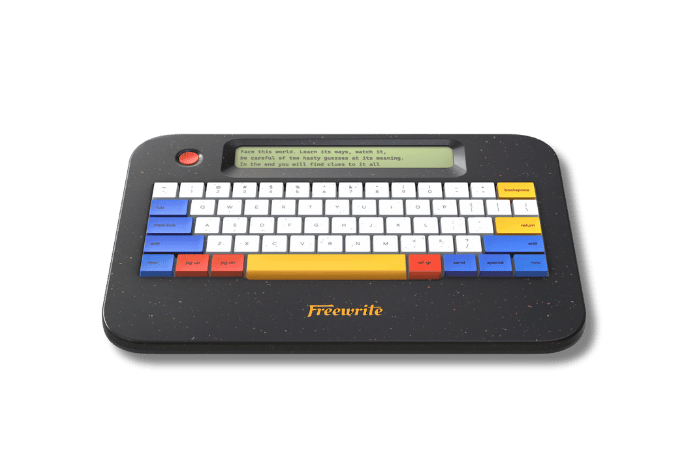
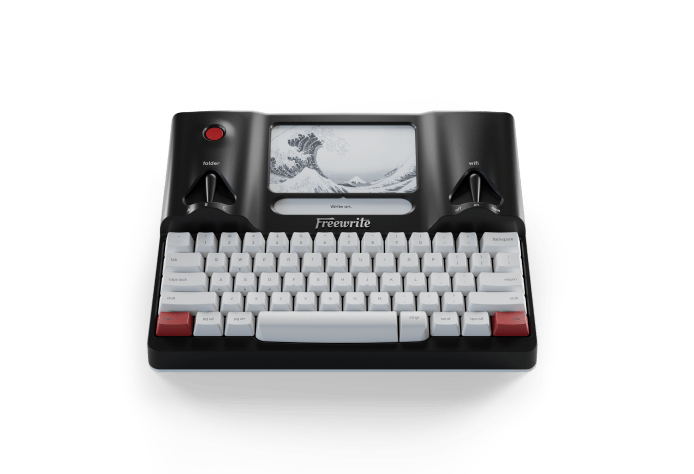
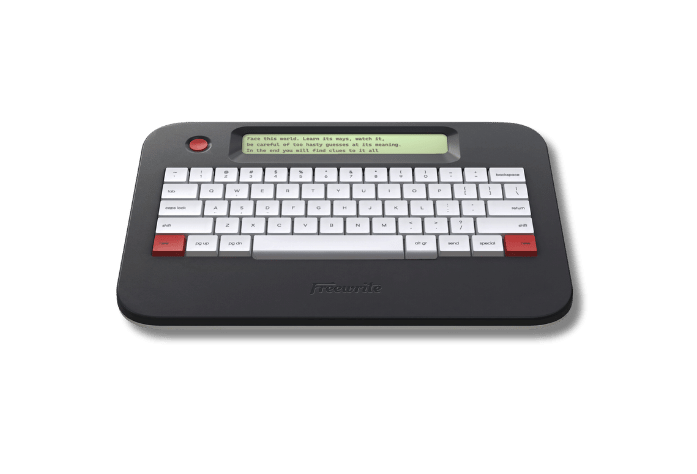
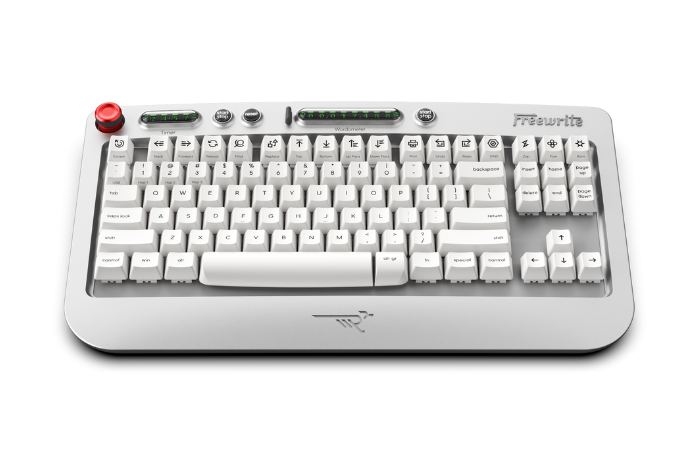
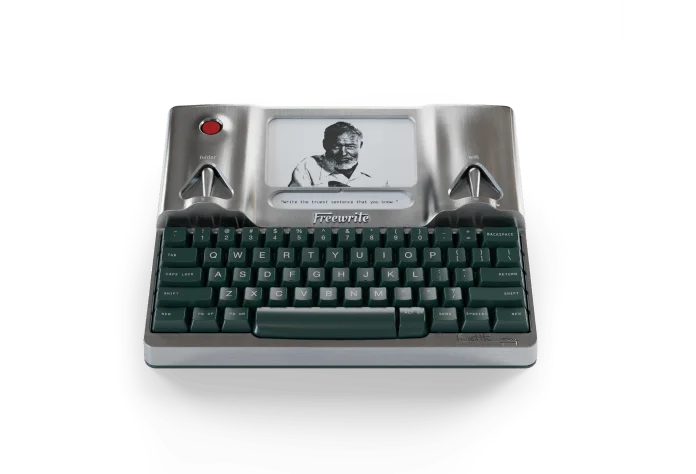
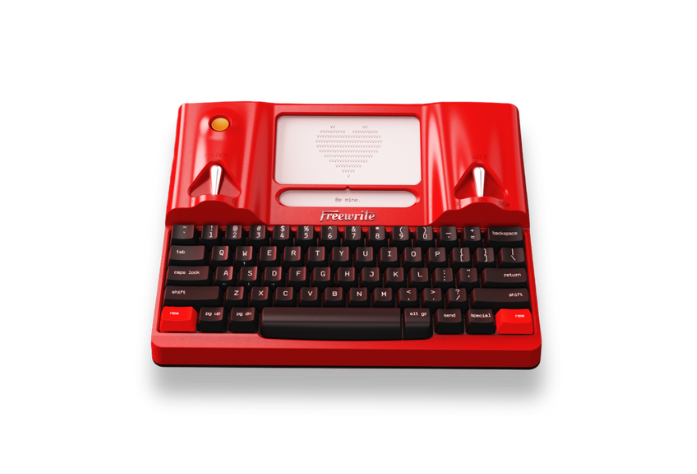
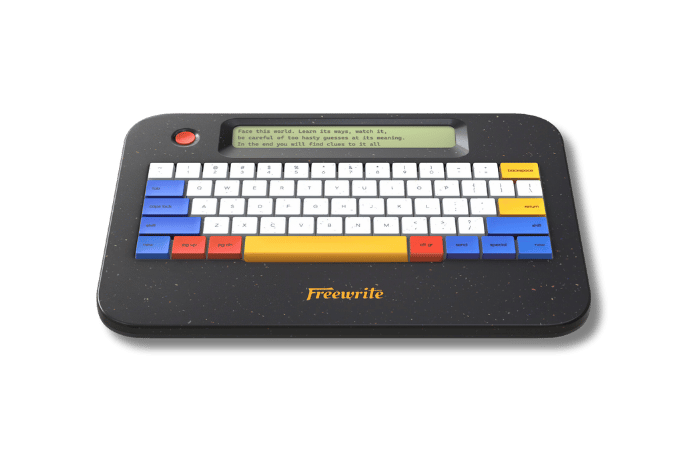
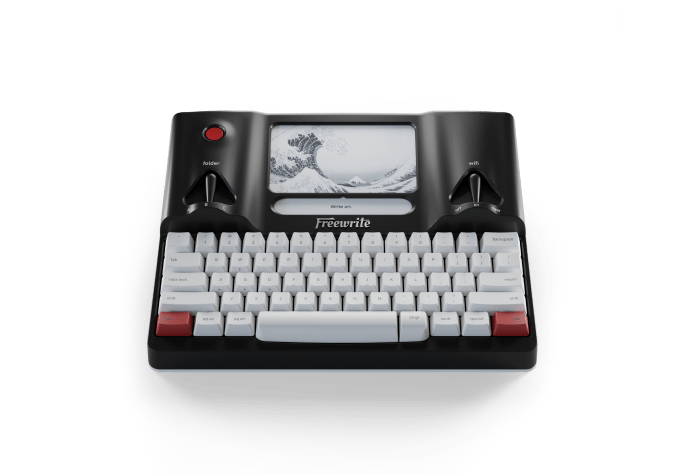
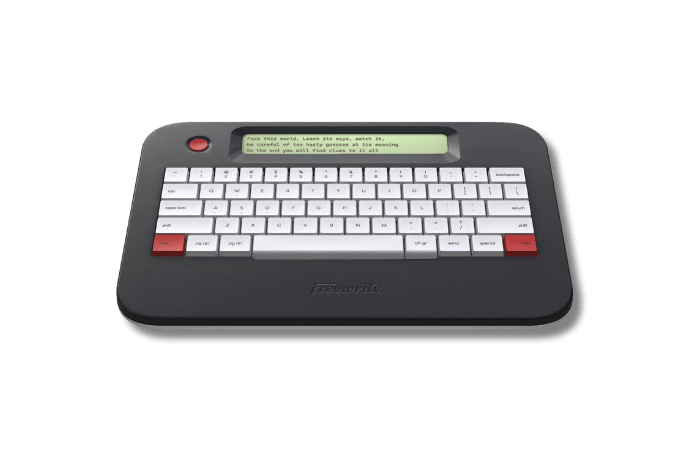
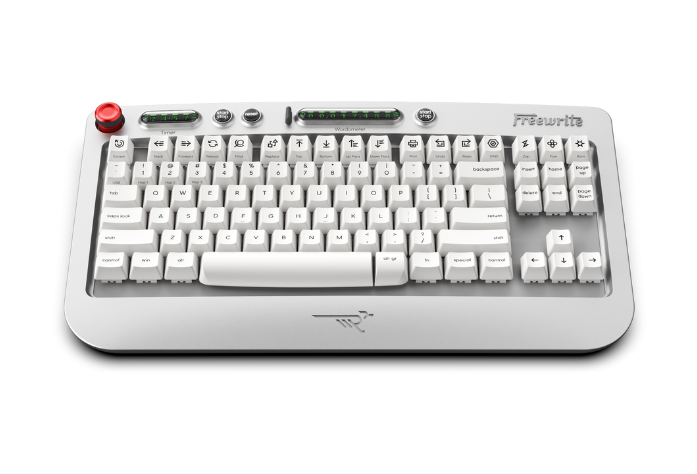
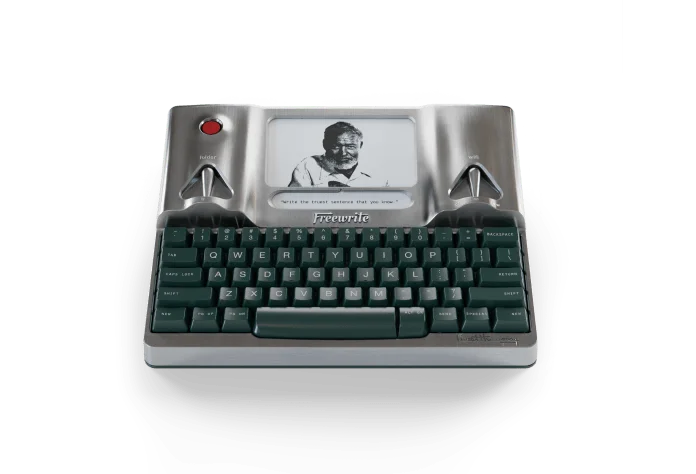
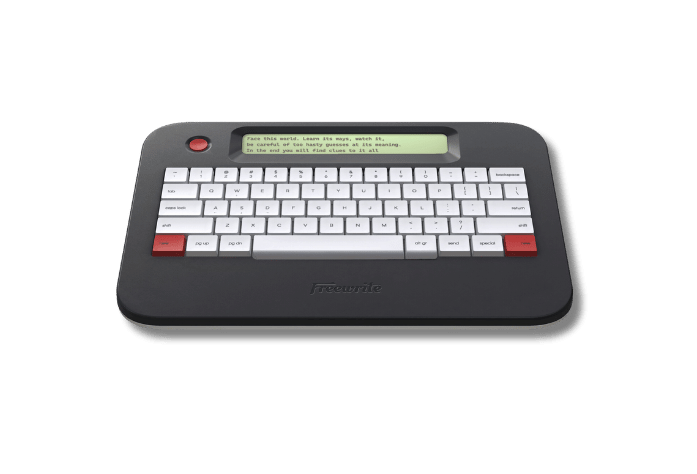
À quoi cela ressemble-t-il ? Sortir se promener ou s'adonner à des activités ennuyeuses ou répétitives (et peu exigeantes mentalement), comme le ménage ou le jardinage, peut augmenter les risques d'activation de ce mode. Ou encore, s'asseoir devant son Freewrite et laisser ses pensées s'écouler entre ses doigts !

Dans le monde trépidant d’aujourd’hui, il est important de planifier intentionnellement ce temps de vagabondage mental ou de créativité.

Pourquoi voyez-vous les voitures jaunes

Les deux phases du processus créatif impliquent un niveau élevé de concentration — oui, même la phase divergente.

Mais comment est-il possible de se concentrer ( ce qui consiste, comme nous le savons, à filtrer les informations pour rester concentré sur la tâche) et de rester ouvert aux possibilités simultanément ?

Nous y parvenons grâce à l'attention sélective , ce processus qui nous permet de remarquer toutes les voitures jaunes dans la rue lorsque nous décidons d'en acheter une. Lorsque nous indiquons à notre cerveau que les voitures jaunes sont importantes ou pertinentes, il leur accorde davantage d'attention, servant ainsi de guide à notre vagabondage mental.

Ainsi, si nous voulons améliorer notre processus créatif et obtenir des résultats concrets, nous devons appliquer et pratiquer la concentration à deux niveaux différents.

Deux types de concentration

Tout d'abord, concentrez-vous sur un seul projet pour guider votre cerveau et trouver les réponses et les indices que vous cherchez, pour lui permettre d'établir des liens et de trouver de nouvelles idées. Même lorsque vous ne faites que générer des idées, c'est une excellente habitude de se concentrer sur « l'unique chose », comme le définissent Gary Keller et Jay Papasan dans leur livre .

Ensuite, concentrez-vous sur une seule tâche pour l'accomplir. Par exemple, lorsqu'Albert Einstein disparut de la scène publique pendant trois ans, il décida de se concentrer sur un seul projet de recherche. Cela lui permit d'élaborer sa théorie révolutionnaire de la relativité.

Bien que ces types de concentration diffèrent sur le plan cognitif, ils constituent tous deux des boussoles essentielles à notre réflexion et impliquent tous deux de préciser nos objectifs. C'est pourquoi on pense souvent que de nombreuses personnes très créatives sont obsédées par une seule chose.

C’est pourquoi on pense souvent que de nombreuses personnes très créatives sont obsédées par une seule chose.

Il n'est pas nécessaire de devenir obsédé. Mais si vous donnez des instructions claires à votre cerveau grâce à une concentration appropriée, la créativité jaillira.

--
Ensuite, apprenez à choisir la tâche la plus difficile de créer (écrire, peindre, etc.) plutôt que de consommer (défiler sans fin) à chaque fois .

Retour à « La psychologie de la concentration »

décembre 30, 2025 3 lire la lecture

It’s Freewrite’s favorite time of year. When dictionaries around the world examine language use of the previous year and select a “Word of the Year.”

Of course, there are many different dictionaries in use in the English language, and they all have different ideas about what word was the most influential or saw the most growth in the previous year. They individually review new slang and culturally relevant vocabulary, examine spikes or dips in usage, and pour over internet trend data.

Let’s see what some of the biggest dictionaries decided for 2025. And read to the end for a chance to submit your own Word of the Year — and win a Freewrite gift card.

[SUBMIT YOUR WORD OF THE YEAR]


Merriam-Webster: "slop"

Merriam-Webster chose "slop" as its Word of the Year for 2025 to describe "all that stuff dumped on our screens, captured in just four letters."

The dictionary lists "absurd videos, off-kilter advertising images, cheesy propaganda, fake news that looks pretty real, junky AI-written books, 'workslop' reports that waste coworkers’ time … and lots of talking cats" as examples of slop.

The original sense of the word "slop" from the 1700s was “soft mud” and eventually evolved to mean "food waste" and "rubbish." 2025 linked the term to AI, and the rest is history.

Honorable mentions: conclave, gerrymander, touch grass, performative, tariff, 67.

Dictionary.com: "67"

The team at Dictionary.com likes to pick a word that serves as “a linguistic time capsule, reflecting social trends and global events that defined the year.”

For 2025, they decided that “word” was actually a number. Or two numbers, to be exact.

If you’re an old, like me, and don’t know many school-age children, you may not have heard “67” in use. (Note that this is not “sixty-seven,” but “six, seven.”)

Dictionary.com claims the origin of “67” is a song called “Doot Doot (6 7)” by Skrilla, quickly made infamous by viral TikTok videos, most notably featuring a child who will for the rest of his life be known as the “6-7 Kid.” But according to my nine-year-old cousin, the origins of something so mystical can’t ever truly be known.

(My third grade expert also demonstrated the accompanying signature hand gesture, where you place both hands palms up and alternately move up and down.)

And if you happen to find yourself in a fourth-grade classroom, watch your mouth, because there’s a good chance this term has been banned for the teacher’s sanity.

Annoyed yet? Don’t be. As Dictionary.com points out, 6-7 is a rather delightful example at how fast language can develop as a new generation joins the conversation.

Dictionary.com honorable mentions: agentic, aura farming, broligarchy, clanker, Gen Z stare, kiss cam, overtourism, tariff, tradwife.

Oxford Dictionary: "rage bait"

With input from more than 30,000 users and expert analysis, Oxford Dictionary chose "rage bait" for their word of the year.

Specifically, the dictionary pointed to 2025’s news cycle, online manipulation tactics, and growing awareness of where we spend our time and attention online.

While closely paralleling its etymological cousin "clickbait," rage bait more specifically denotes content that evokes anger, discord, or polarization.

Oxford's experts report that use of the term has tripled in the last 12 months.

Oxford Dictionary's honorable mentions:aura farming, biohack.

Cambridge Dictionary: "parasocial"

The Cambridge Dictionary examined a sustained trend of increased searches to choose "parasocial" as its Word of the Year.

Believe it or not, this term was coined by sociologists in 1956, combining “social” with the Greek-derived prefix para-, which in this case means “similar to or parallel to, but separate from.”

But interest in and use of the term exploded this year, finally moving from a mainly academic context to the mainstream.

Cambridge Dictionary's honorable mentions: slop, delulu, skibidi, tradwife

Freewrite: TBD

This year, the Freewrite Fam is picking our own Word of the Year.

Click below to submit what you think the Word of 2025 should be, and we'll pick one submission to receive a Freewrite gift card.

[SUBMIT HERE] 

--

Sources

décembre 18, 2025 6 lire la lecture

Que peuvent apprendre les lettres personnelles de Jane Austen aux écrivains ?

décembre 10, 2025 6 lire la lecture

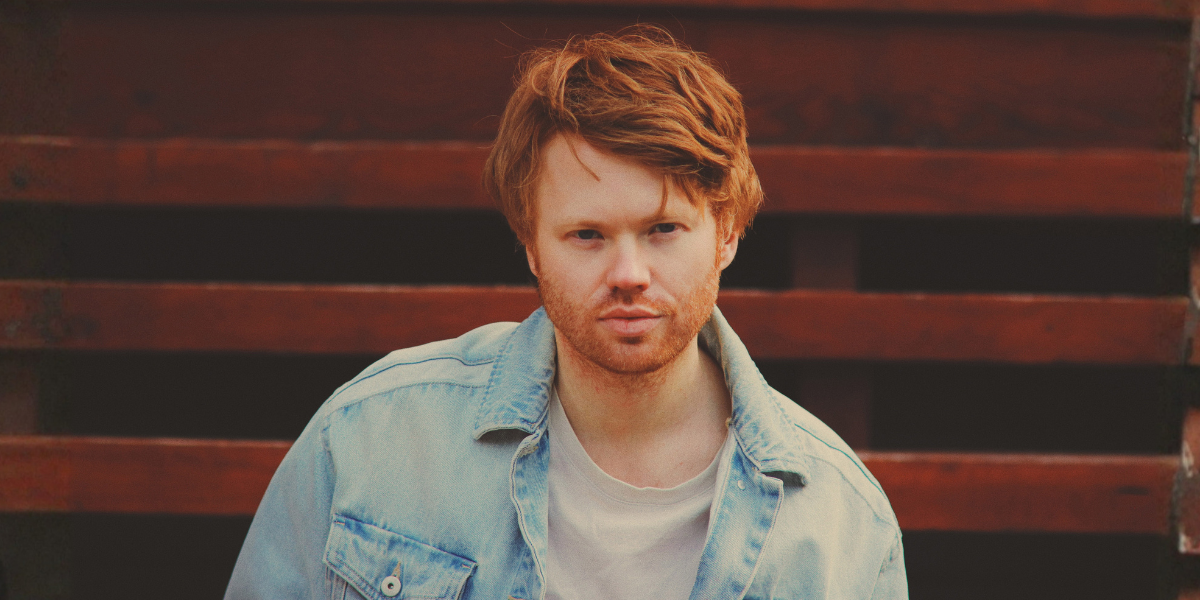
Singer-songwriter Abner James finds his creativity in the quiet freedom of analog tools. Learn how his creative process transcends different media.

Abner James went to school for film directing. But the success of the band he and his brother formed together, Eighty Ninety, knocked him onto a different trajectory.

The band has accrued more than 40 million streams since the release of their debut EP “Elizabeth," and their work was even co-signed by Taylor Swift when the singer added Eighty Ninety to her playlist "Songs Taylor Loves.”

Now, Abner is returning to long-form writing in addition to songwriting, and with a change in media comes an examination of the creative process. We sat down to chat about what's the same — and what's different. 

ANNIE COSBY: Tell us about your songwriting process.

ABNER JAMES: The way I tend to write my songs is hunched over a guitar and just seeing what comes. Sounds become words become shapes. It's a very physical process that is really about turning my brain off.

And one of the things that occurred to me when I was traveling, actually, was that I would love to be able to do that but from a writing perspective. What would happen if I sat down and approached writing in the same way that I approached music? In a more intuitive and free-form kind of way? What would that dig up?

AC: That's basically the ethos of Freewrite.

AJ: Yes. We had just put out a record, and I was thinking about how to get into writing for the next one. It occurred to me that regardless of how I started, I always finished on a screen. And I wondered: what's the acoustic guitar version of writing?

Where there's not blue light hitting me in the face. Even if I'm using my Notes app, it's the same thing. It really gets me into a different mindset.

 "I wondered: what's the acoustic guitar version of writing?"

I grew up playing piano. That was my first instrument. And I found an old typewriter at a thrift store, and I love it. It actually reminded me a lot of playing piano, the kind of physical, the feeling of it. And it was really fun, but pretty impractical, especially because I travel a fair amount.

And so I wondered, is there such a thing as a digital typewriter? And I googled it, and I found Freewrite.

AC: What about Freewrite helps you write?

AJ:I think, pragmatically, just the E Ink screen is a huge deal, because it doesn't exhaust me in the same way. And the idea of having a tool specifically set aside for the process is appealing in an aesthetic way but also a mental-emotional way. When it comes out, it's kind of like ... It's like having an office you work out of. It's just for that.

"The way I tend to write my songs is hunched over a guitar and just seeing what comes. Sounds become words become shapes. It's a very physical process that is really about turning my brain off."

And all of the pragmatic limitations — like you're not getting texts on it, and you're not doing all that stuff on the internet — that's really helpful, too. But just having the mindset....

When I pick up a guitar, or I sit down at the piano, it very much puts me into that space. Having a tool just for words does the same thing. I find that to be really cool and inspiring.

"When I pick up a guitar, or I sit down at the piano, it very much puts me into that space. Having a tool just for words does the same thing."

AC: So mentally it gets you ready for writing.

AJ: Yeah, and also, when you write a Microsoft Word, it looks so finished that it's hard to keep going. If every time I strummed a chord, I was hearing it back, mixed and mastered and produced...?

It's hard to stay in that space when I'm seeing it fully written out and formatted in, like, Times New Roman, looking all seriously back at me.

AC: I get that. I have terrible instincts to edit stuff over and over again and never finish a story.

AJ:  Also, the way you just open it and it's ready to go. So you don't have the stages of the computer turning on, that kind of puts this pressure, this tension on.

It's working at the edges in all these different ways that on their own could feel a little bit like it's not really necessary. All these amorphous things where you could look at it and be like, well, I don't really need any of those. But they add up to a critical mass that actually is significant.

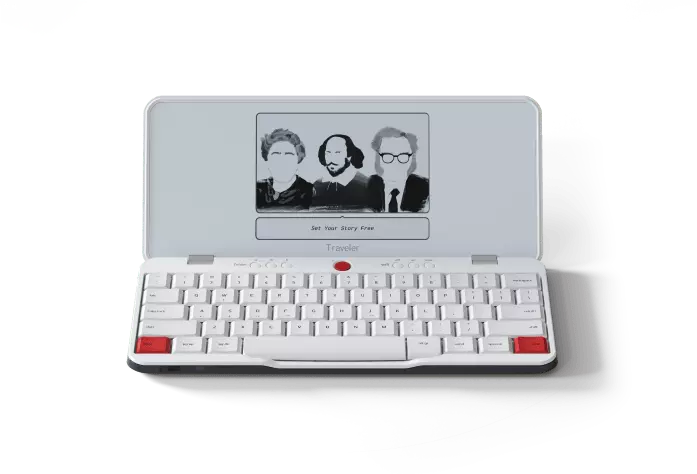
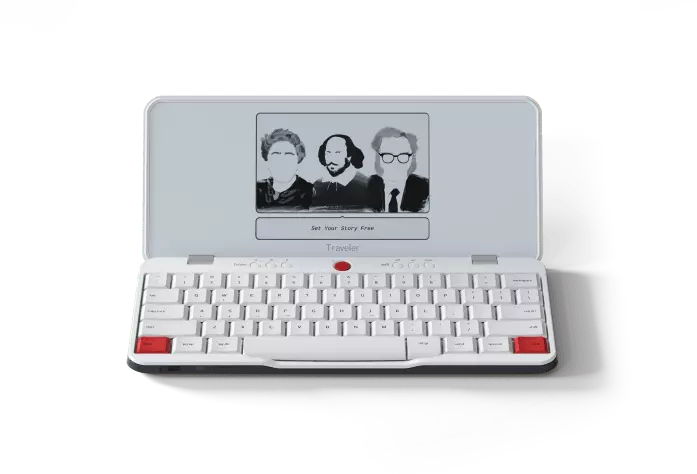
And sometimes, if I want to bring it on a plane, I've found it's replaced reading for me. Rather than pick up a book or bring a book on the plane, I bring Traveler and just kind of hang out in that space and see if anything comes up.

I've found that it's kind of like writing songs on a different instrument, you get different styles of music that you wouldn't have otherwise. I've found that writing from words towards music, I get different kinds of songs than I have in the past, which has been interesting.

In that way, like sitting at a piano, you just write differently than you do on a guitar, or even a bass, because of the things those instruments tend to encourage or that they can do.

It feels almost like a little synthesizer, a different kind of instrument that has unlocked a different kind of approach for me.

"I've found that it's kind of like writing songs on a different instrument, you get different styles of music that you wouldn't have otherwise... [Traveler] feels almost like a little synthesizer, a different kind of instrument that has unlocked a different kind of approach for me."

AC: As someone who doesn't know the first thing about writing music, that's fascinating. It's all magic to me.

AJ: Yeah.

AC: What else are you interested in writing?

AJ: I went to school for film directing. That was kind of what I thought I was going to do. And then my brother and I started the band and that kind of happened first and knocked me onto a different track for a little while after college.

Growing up, though, writing was my way into everything. In directing, I wanted to be in control of the thing that I wrote. And in music, it was the same — the songwriting really feels like it came from that same place. And then the idea of writing longer form, like fiction, almost feels just like the next step from song to EP to album to novel.

For whatever reason, that started feeling like a challenge that would be deeply related to the kinds of work that we do in the studio.

AC: Do you have any advice for aspiring songwriters?

AJ: This sounds like a cliche, but it's totally true: whatever success that I've had as a songwriter — judge that for yourself — but whatever success I have had, has been directly proportional to just writing the song that I wanted to hear.

What I mean by that is, even if you're being coldly, cynically, late-stage capitalist about it, it's by far the most success I've had. The good news is that you don't have to choose. And in fact, when you start making those little compromises, or even begin to inch in that direction, it just doesn't work. So you can forget about it.

Just make music you want to hear. And that will be the music that resonates with most people.

I think there's a temptation to have an imaginary focus group in your head of like 500 people. But the problem is all those people are fake. They're not real. None of those people are actually real people. You're a focus group of one, you're one real person. There are more real people in that focus group than in the imaginary one.

And I just don't think that we're that different, in the end. So that would be my advice.

AC: That seems like generally great creative advice. Because fiction writers talk about that too, right? Do you write to market or do you write the book you want to read. Same thing. And that imaginary focus group has been debilitating for me. I have to silence that focus group before I can write.

AJ: Absolutely.

"I think there's a temptation to have an imaginary focus group in your head of like 500 people. But the problem is all those people are fake... You're a focus group of one, you're one real person. There are more real people in that focus group than in the imaginary one."

--

Learn more about Abner James, his brother, and their band, Eighty Ninety, on Instagram.