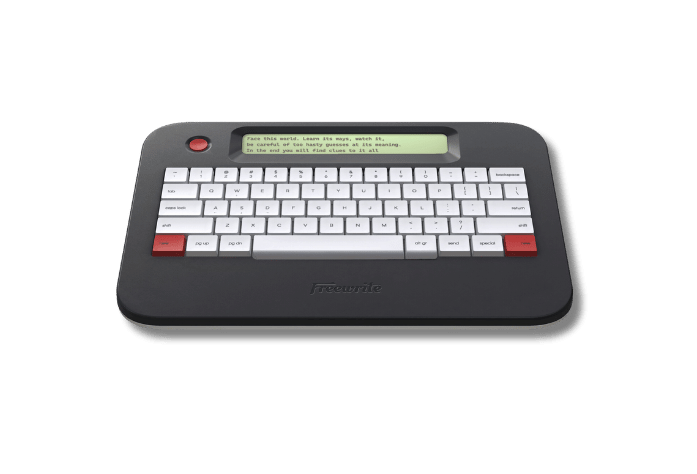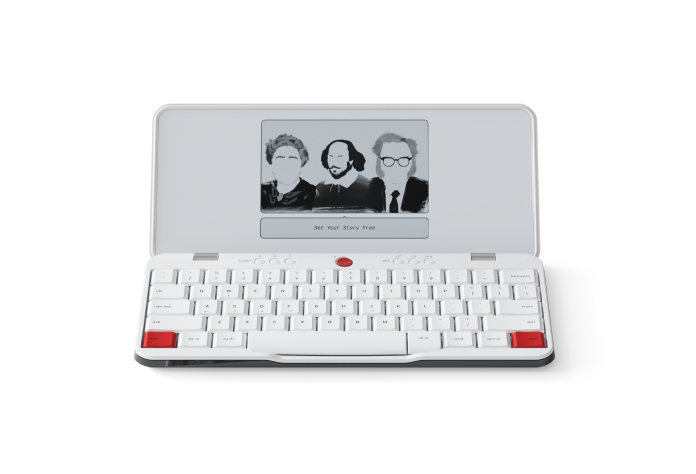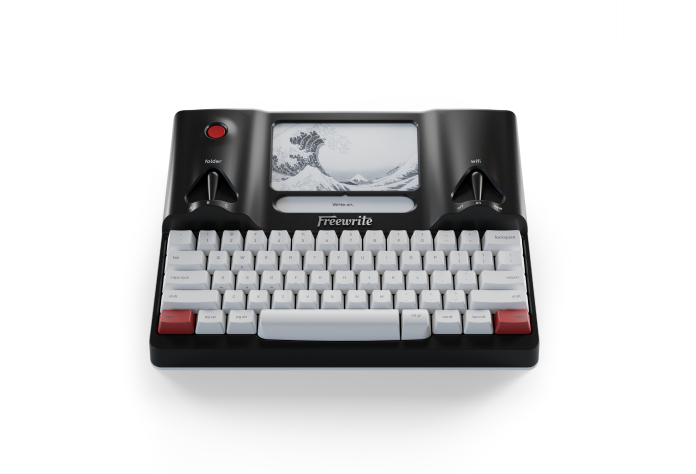
The winner of the inaugural Freewrite 500 flash fiction competition is Brie Ripley Sparks, with her short story "High Holy Days."
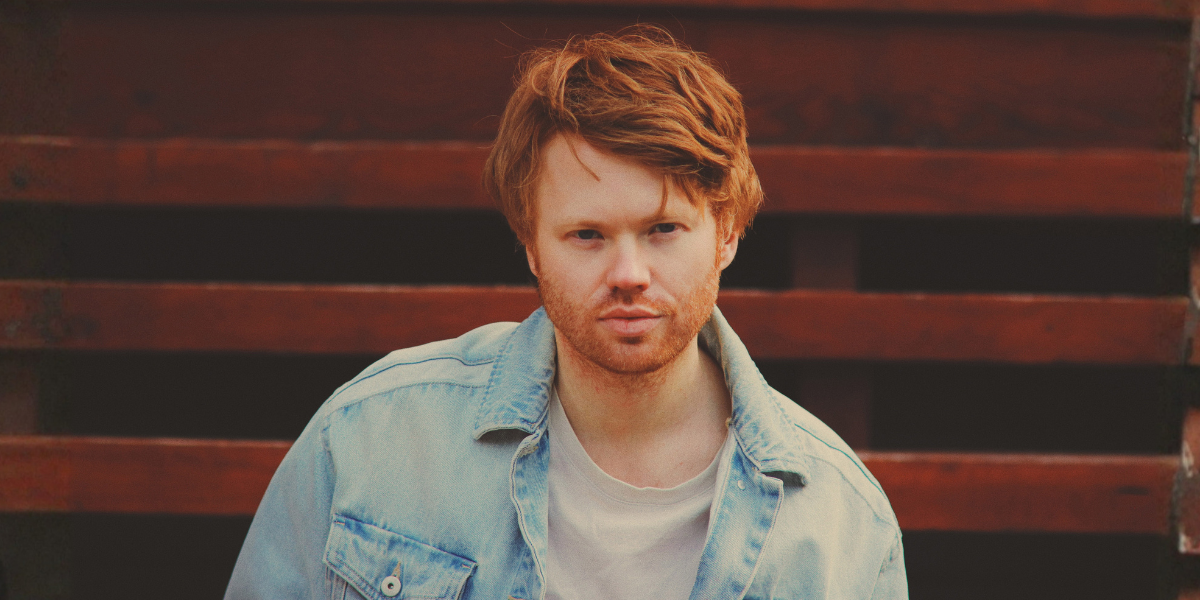
Brie Ripley Sparks is a communications director and artist from Seattle. She currently lives in Rome, Italy, where she runs comms, media, and PR for the head of the United Nations World Food Programme.
Brie believes art can and must exist even in the hardest contexts, in war, in displacement, in hunger. She wants her work to matter — to make people’s lives better, or at least more interesting.
Read on to learn more about Brie and her writing process.

ANNIE COSBY: What does your writing life look like?
BRIE RIPLEY SPARKS:I try to write every morning, right after waking up. I commit to a 30-minute writing flow at minimum, sometimes longer if more needs to get out on the page.
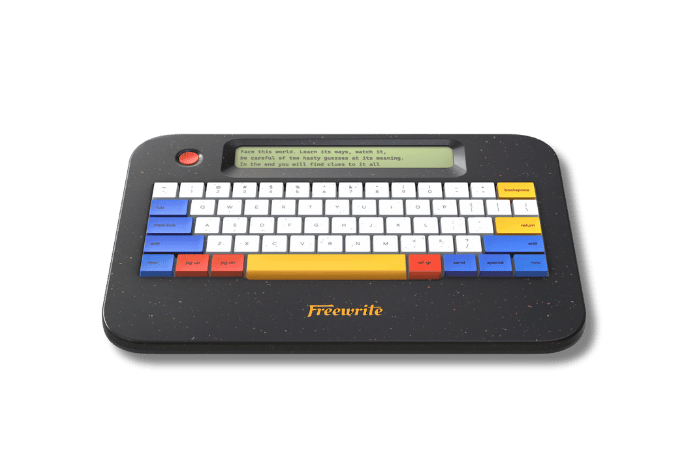
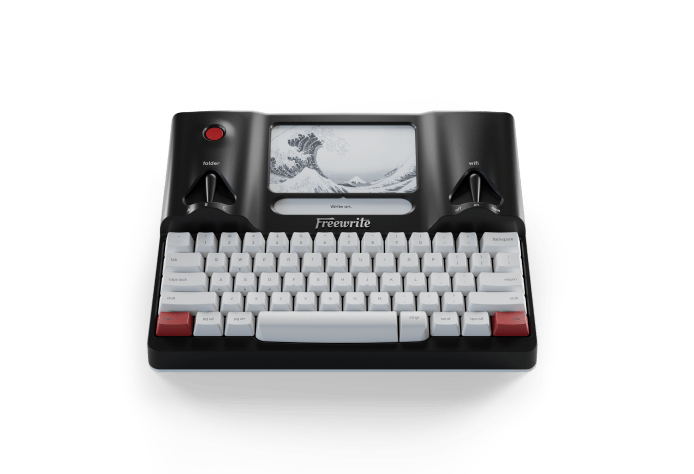
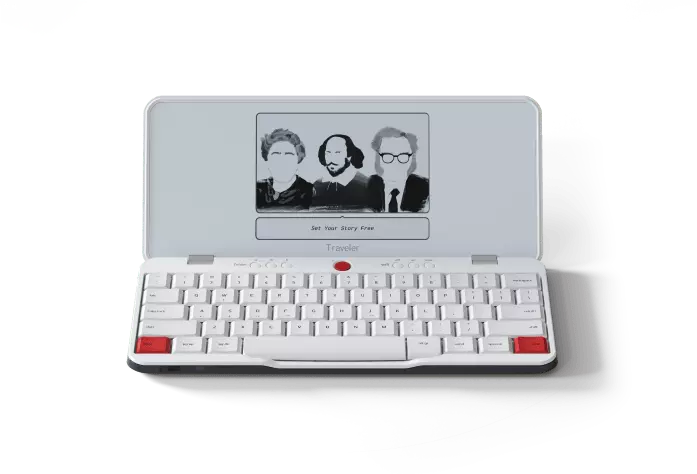
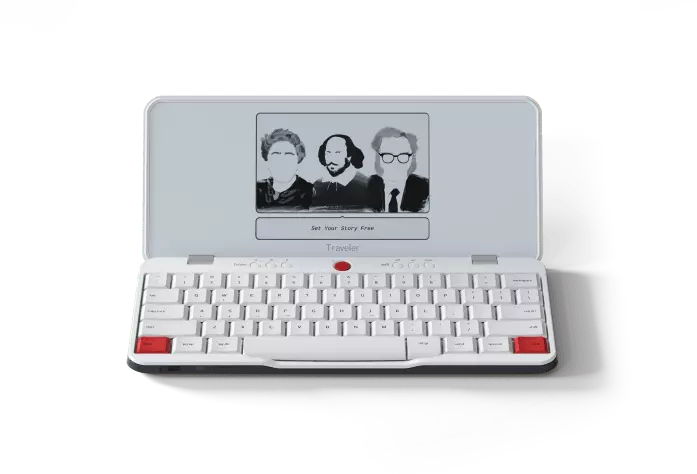
I write both longhand and on my computer. I always keep a notebook nearby (and now, my Freewrite Traveler!) and sometimes wake in the middle of the night with ideas or bits of dialogue I type into my phone before they slip away.
My husband, Ryan Sparks, is the most talented writer I know — forever my first reader and favorite editor. He hasn’t shared his own creative writing with the world yet, but when he does, it will be better for it.
I’ve been lucky to incorporate much of my writing practice professionally. Over the past six years, I’ve worked as a communications manager and social media ghostwriter for executives across a range of industries: scientists, creatives, and philanthropists. For the past two years, I led communications for the head of the United Nations World Food Programme, which is what brought me to Rome.
Ryan and I will be moving back to my hometown, Seattle, this winter, so I’m beginning to look for my next professional chapter. I want to channel more of my creative energy into guiding others in the art of communication — PR and media management, communications reporting, and writing for thought leaders — while dedicating my personal time to fiction.
AC: Are there any specific writers or books you’ve been influenced by?
BRS:So many. I fell into a reading slump a few years ago, then wandered into a bookstore and picked up Aesthetica by Allie Rowbottom because the colorful cover caught my eye.
I reached out to tell her she’d pulled me out of my literary hiatus, and she introduced me to writers like Tea Hačić-Vlahović and Chelsea Bieker. From there, my reading life exploded. I’ve been devouring fiction ever since and only started the steady personal writing practice I described above a few months ago.
For speculative fiction, the late Jacqueline Harpman’s I Who Have Never Known Men is a touchstone. For contemporary work, I keep returning to Ottessa Moshfegh’s My Year of Rest and Relaxation.

AC: Why do you think you are drawn to your specific genre and themes?
BRS: I’m drawn to stories that examine power, especially in workplaces and social circles, and the quiet negotiations people make between their inner and outer selves.
I’m fascinated by why we self-soothe in ways that numb us, and by the blurry line between dystopia and utopia.
Maybe it’s because I watch a lot of science fiction, but I love exploring what happens when ordinary human psychologies meet extraordinary circumstances.
READ "HIGH HOLY DAYS" BY BRIE RIPLEY SPARKS
AC: What are you working on right now?
BRS:I’m following The 90-Day Novel and Cody Cooke Parrott’s The Long Arc practice and working on my debut, tentatively titled A Rare Medium Well Done.
It’s about a young public radio producer at a station outside Yellowstone National Park whose voice wields more power than she realizes, even as she struggles to control other forces like addiction, ambition, and the ethics of journalism.
AC: Wow, I'd like to read that right now. How did you hear about Freewrite?
BRS: This will be my first Freewrite device, and I am over the moon about it! Shoutout to @baileybcreates on TikTok who first showed me what a Freewrite Traveler is. I just so happened to see her video a few days before the Freewrite 500 contest prompt was announced.

AC: Any fun facts about you that you'd like to share?
BRS:I have two cats, brothers named Marc and Chainsaw. After moving abroad, I got back into film photography thanks to a friend who gifted me an Olympus OM-G (an incredible going away gift — thank you, Anthony) and fell in love with film soup by Hanalogital.
I also have an analogue collage practice that I occasionally share snippets of on my Substack.
This is my first published piece of fiction! Thank you, Flash Fiction Institute and Freewrite. I hope to publish many, many more.
Follow along on Brie's writing journey on Substack, Instagram, or TikTok.