overlaylink

Comment écrire librement

janvier 03, 2024 | 7 lire la lecture

Vous aimez écrire… Alors pourquoi n’écrivez-vous pas ?

En tant qu'être humain dans le monde moderne, il est difficile d'écrire. D'étouffer le monde extérieur – et le monde à l'intérieur de votre téléphone, de votre ordinateur, de votre tête – et de simplement écrire.

Des réseaux sociaux aux e-mails en passant par Internet, la technologie actuelle est conçue pour capter notre attention et la conserver. Et si vous parvenez à surmonter ces distractions extérieures et à vous mettre à écrire, vous vous heurterez également à des obstacles intérieurs sournois. Le plus insidieux ? La critique intérieure.

Par nature, les humains évaluent constamment les situations, imaginent les conséquences et prennent des décisions : c'est essentiel à la survie. Mais cela signifie aussi que nous évaluons automatiquement toutes nos actions, y compris nos écrits. Cette petite voix, appelée critique intérieure, freine non seulement le progrès, mais peut aussi nous empêcher de commencer.

En d’autres termes : votre critique intérieur tue votre nombre de mots et votre créativité.

Entrez : l'écriture libre.

Dans cet article :

  • Qu'est-ce que l'écriture libre ?
  • La science derrière l'écriture libre
  • Conseils d'écriture libre
  • Apprenez à écrire librement
  • Ressources supplémentaires pour l'écriture libre
  • Qu'est-ce que l'écriture libre ?

    Steven Mintz, professeur d'histoire à l'Université du Texas à Austin, affirme qu'« écrire, c'est penser ». Stephen King disait qu'il fallait écrire porte close, pour que personne ne puisse voir, et éditer porte ouverte. Ernest Hemingway a abrégé ce conseil en suggérant d'« écrire ivre et éditer sobre ».

    Ce sont là autant de manières créatives d'aborder l'écriture libre, ou la méthode permettant de séparer la rédaction de la révision. « L'écriture libre » est un terme popularisé en 1973 par le professeur d'anglais Peter Elbow , mais inventé par un écrivain du nom de Ken Macrorie . Elbow décrivait l'écriture libre comme « écrire quelque chose et le mettre dans une bouteille à la mer ».

    Dans ce type de processus d'écriture, la première étape (la rédaction) n'a qu'un seul objectif : mettre les mots sur la page. Cela implique de désactiver les parties critiques de votre cerveau et de laisser les mots s'épanouir sur la page, sans vous attarder à les corriger immédiatement. La révision intervient plus tard dans ce processus d’écriture, lorsque la rédaction est terminée.

    Pourquoi ? La rédaction et la révision sont deux activités distinctes qui sollicitent votre cerveau différemment. La séparation de ces tâches réduit l'anxiété liée à votre critique intérieure pendant la phase de rédaction et libère votre créativité, permettant ainsi à vos pensées de circuler naturellement. Nombreux sont ceux qui n'ont pas écrit de cette façon depuis leur enfance !

    Et si vous abordiez chaque séance d'écriture de cette façon ? Même si vous avez un projet à rendre à un éditeur, un professeur ou un patron. Même si vous craignez qu'il ne soit pas assez bon. Rédigez ce premier jet pour vous-même et voyez ce qui se passe.

    Ce n'est pas pour rien que cette méthode est présente dans les programmes d'écriture du monde entier. Découvrez pourquoi l'écriture libre est enseignée aux étudiants dans « L'écriture libre : le point de vue d'un enseignant » du professeur d'écriture Bryan Young.

    La science derrière l'écriture libre

    Alors, que disent exactement la science et la psychologie à propos de l'écriture libre ? De nombreux experts ont décrit les mécanismes sous-jacents à l'efficacité de cette méthode :

    • Perfectionnisme : Se défaire du perfectionnisme n’est pas aussi simple qu’il y paraît, car cela implique en réalité d’être vulnérable : simplement être avec soi-même tel que l’on est et accepter ses pensées telles qu’elles viennent. La psychologue Carol Dweck explique que la clé est d’adopter un état d’esprit de développement plutôt qu’un état d’esprit figé. Cela signifie accepter que l’écrivain que vous êtes actuellement ne sera peut-être pas le même à la fin de ce projet.
    • Productivité : Nous connaissons tous des auteurs qui ont passé une heure ou plus à peaufiner une seule phrase alors qu'ils étaient censés terminer une scène. La méthode du brouillon permet de gagner du temps, car l'objectif n'est plus la perfection, mais la mise en page. C'est là que l'on trouve la fluidité, un concept introduit par le célèbre psychologue Mihaly Csikszentmihalyi. En laissant les idées s'exprimer librement, sans jugement ni inhibition, la fluidité est beaucoup plus facile et les mots s'expriment plus facilement. N'oubliez pas : on ne peut pas éditer une page blanche.
    • Créativité : Ironiquement, négliger la perfection et la qualité du brouillon lors de l’écriture stimule une créativité plus profonde. Lorsqu’aucune pensée n’est jugée « erronée » ou « stupide », votre cerveau commence à s’engager dans une réflexion latérale et à contourner les conventions pour découvrir de nouvelles façons de faire (au lieu d’aborder les idées étape par étape, de manière logique, autrement dit par raisonnement déductif). Laissez l’écriture libre vous servir de processus de découverte pour révéler les couches cachées de votre récit.
    • Joie : Si vous êtes comme nous, vous n’avez probablement pas écrit comme ça – sans retenue et sans anxiété – depuis votre enfance. Profitez de ce processus et redécouvrez le pur plaisir d’écrire.

    Apprenez-en davantage sur la science derrière l’écriture libre.

    Conseils d'écriture libre

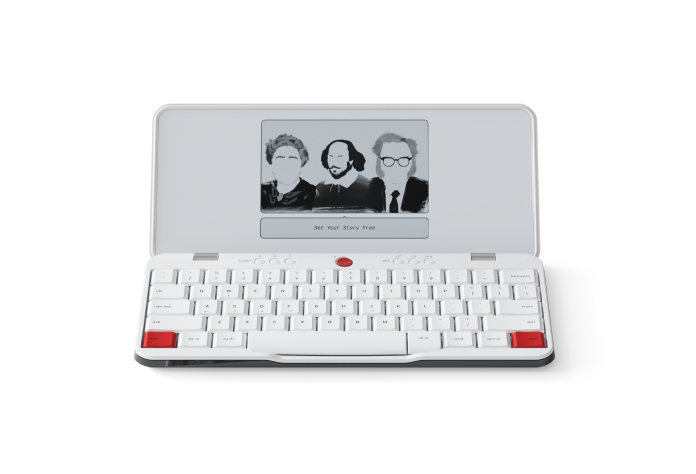
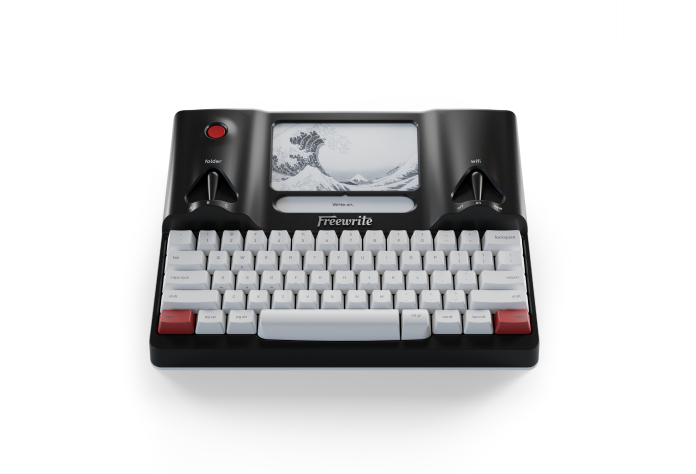
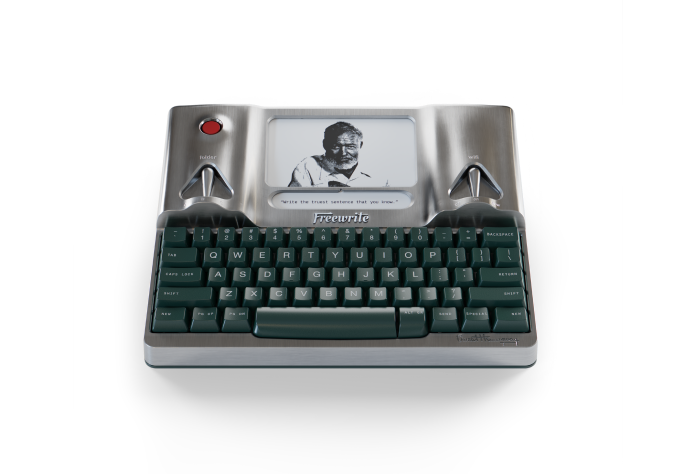
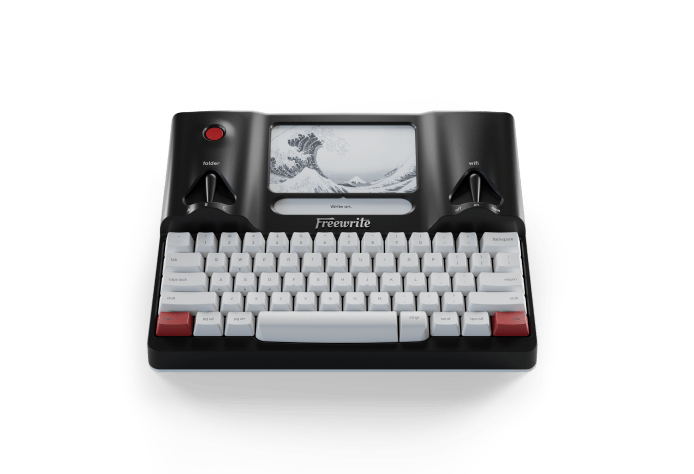
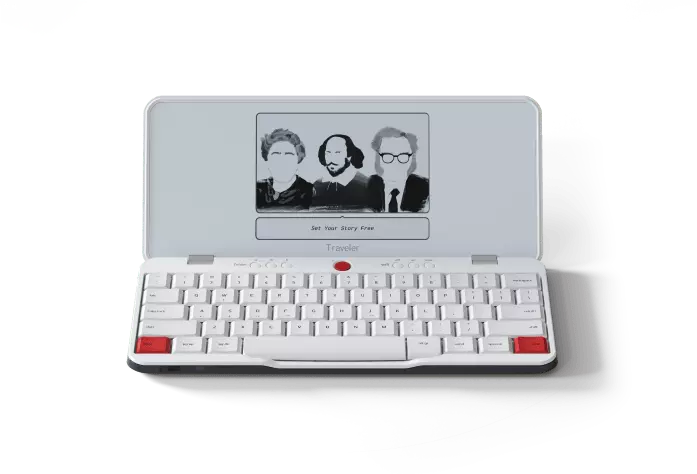
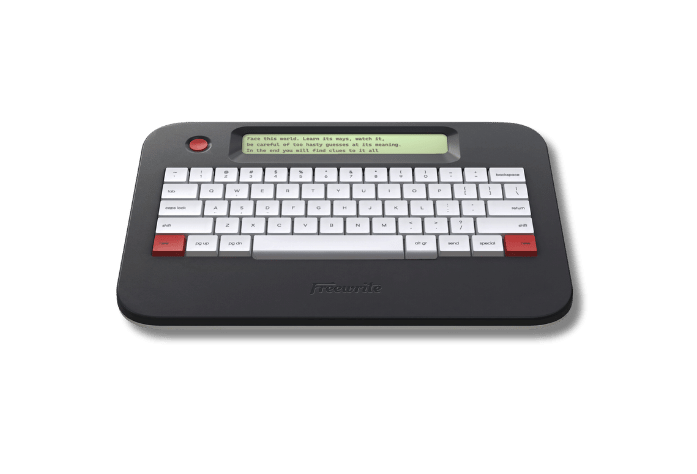
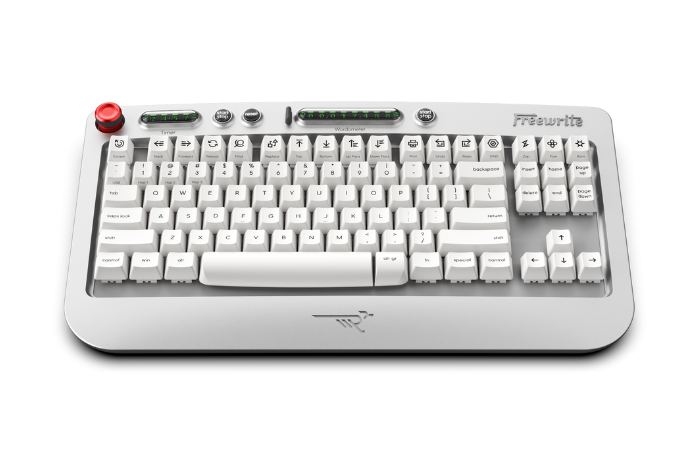
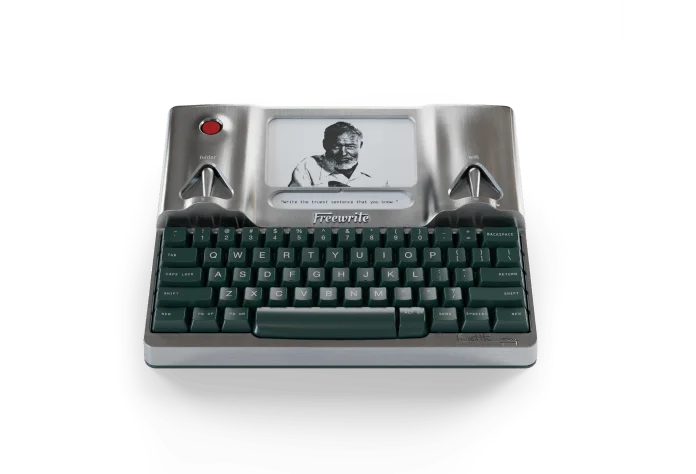
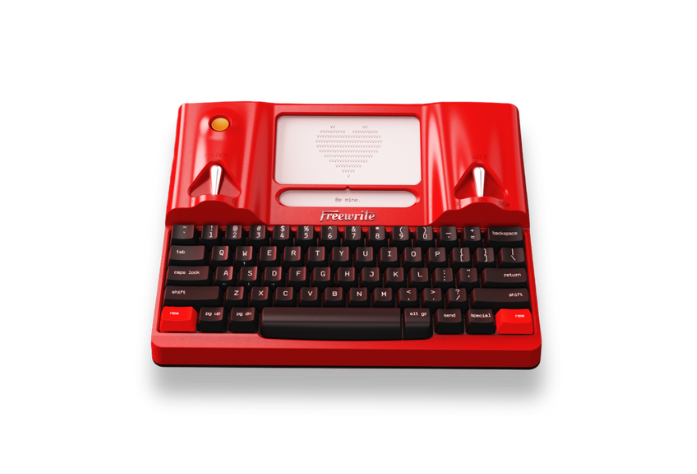
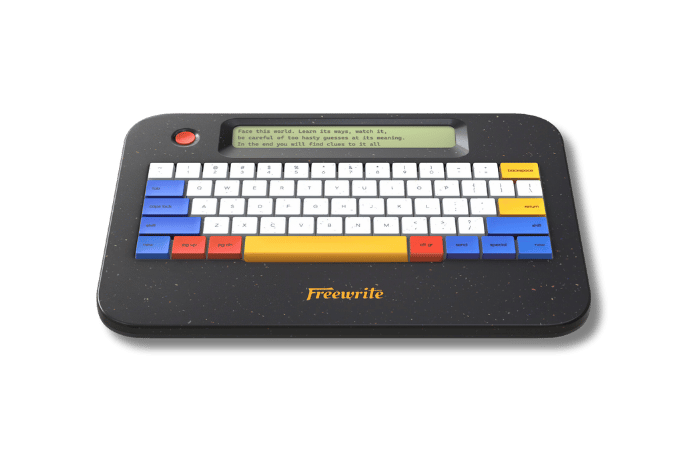
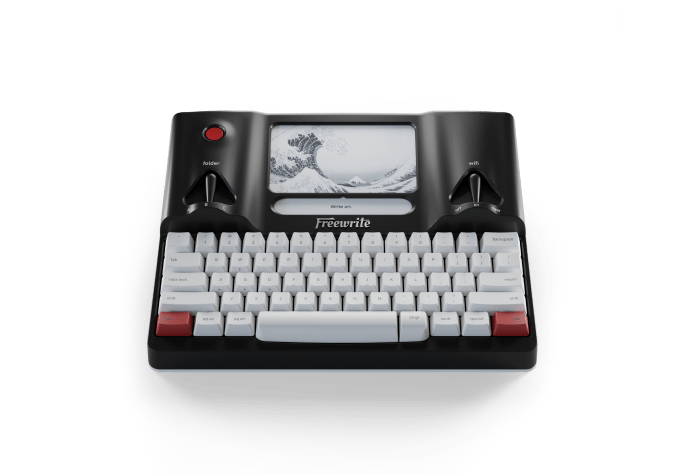
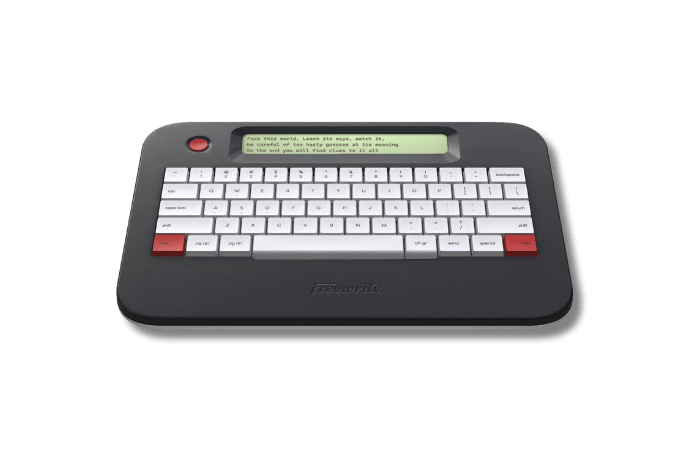
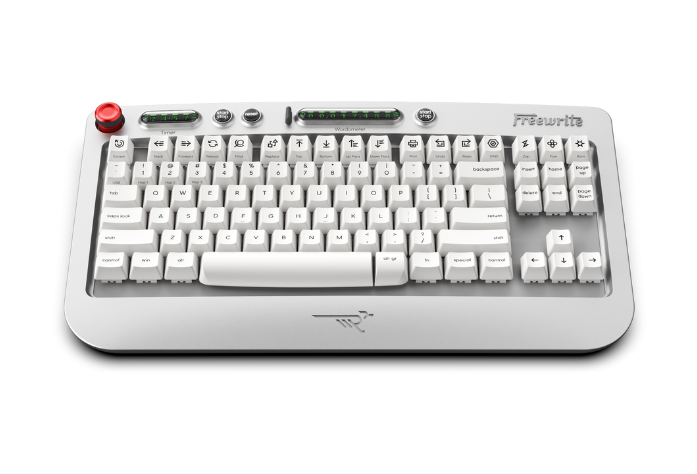
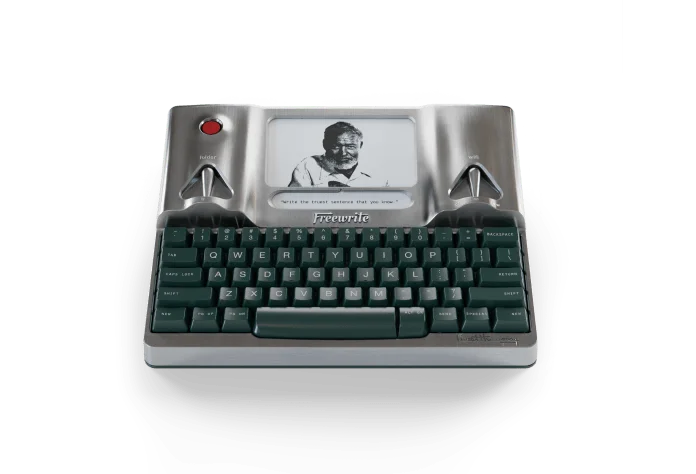
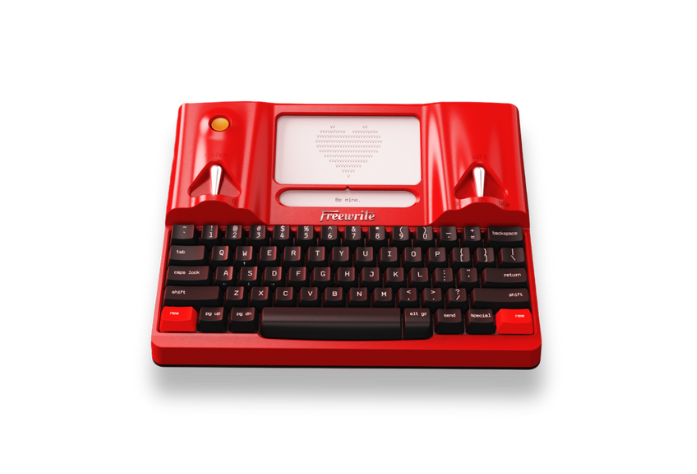
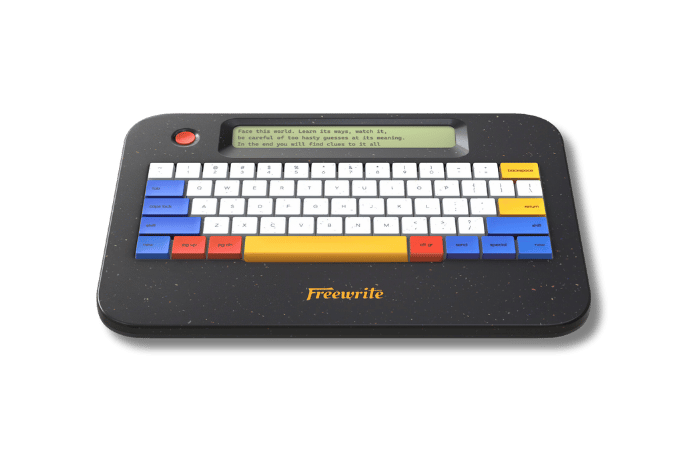
    Bien que les appareils Freewrite facilitent l'écriture libre et le flux d'écriture en supprimant toutes les distractions de votre appareil d'écriture, il existe plusieurs habitudes clés que vous pouvez pratiquer pendant que vous écrivez pour optimiser votre expérience de rédaction.

    Pratiquez ces trois règles fondamentales d’écriture libre lors de votre prochaine séance d’écriture pour voir comment cette méthode peut rationaliser votre processus de rédaction et augmenter votre productivité.

    1. Résolvez les distractions externes.

    Nous avons fait le plus dur pour vous en créant Freewrite et en éliminant toutes les distractions gênantes d'Internet et des technologies modernes. Il ne vous reste plus qu'à éteindre la télévision et à ranger votre téléphone dans une autre pièce. Réservez vos moments d'écriture sur un calendrier afin que vos proches sachent précisément quand vous ne serez pas disponible.

    2. Ne vous arrêtez pas à Google.

    La recherche est importante dans de nombreux domaines et genres littéraires. Cependant, elle peut devenir l'une des pires formes de procrastination. C'est d'autant plus délicat qu'elle vous convainc d'être réellement productif. En revanche, si elle empiète sur votre temps d'écriture, elle n'est pas productive. Alors, comment éviter cela ?

    Si vous êtes un auteur de scénarios, effectuez la majeure partie de vos recherches avant de commencer la rédaction. Certains auteurs libres commencent par un plan ou des points clés de l'intrigue notés sur des post-its. Si vous êtes un auteur de scénarios, vous pouvez réserver vos recherches pour plus tard, une fois que vous aurez défini ce que vous devez savoir.

    Lors de la rédaction, si vous atteignez un point nécessitant une vérification des faits ou des informations supplémentaires, laissez simplement une invite pour vous-même dans le texte et procédez à la rédaction.

    3. Dites à votre critique intérieur que vous écrivez un premier jet brouillon brouillon et désactivez votre correcteur orthographique intérieur.

    Nous avons tous une voix intérieure qui guide nos actions. Lorsque vous écrivez (ou créez quoi que ce soit), cette voix intérieure se transforme en critique. Ce critique intérieur est la raison la plus courante pour laquelle les auteurs éprouvent des doutes ou une anxiété invalidants et ne terminent jamais un brouillon. Il est essentiel à la réussite de votre écriture de faire taire ce critique intérieur.

    Ce ne sera pas facile, mais c'est possible avec de la pratique. Commencez par résister à l'envie de critiquer ou de corriger votre travail au fur et à mesure. Concentrez-vous plutôt sur la mise par écrit de vos idées, sans jugement. Et résistez à l'envie de revenir en arrière pour corriger vos fautes de frappe.

    Cette dernière phrase vous a semblé stupide ? Peu importe ! Tout est permis dans un premier jet brouillon. Vous peaufinerez et corrigerez plus tard ! Faites confiance à votre instinct et écrivez sans trop analyser chaque phrase. Visez un état de fluidité où votre rythme de frappe correspond au rythme naturel de vos pensées.

    Pour devenir un véritable pro de l'écriture libre, consultez notre liste exhaustive des règles utilisées par les rédacteurs libres les plus prolifiques pour rédiger rapidement et en avant. Lisez « 14 règles de rédaction libre pour rédiger en avant ».

    Apprenez à écrire librement

    Pour aider tous les écrivains à libérer leur créativité et à trouver le rythme d'écriture dans ce monde moderne de distraction, nous avons créé le guide ultime de l'écriture libre - et nous le offrons absolument GRATUITEMENT.

    Téléchargez Libérez votre histoire : le guide de l'écrivain pour écrire librement .

    Ressources supplémentaires pour l'écriture libre

    Voici quelques-unes de nos ressources supplémentaires préférées sur l’élan vers l’avant dans la rédaction et sur la manière de cultiver cette pratique d’écriture au sein de votre propre processus créatif.

    Vous avez des questions techniques sur l'utilisation de Freewrite ? Consultez notre page d'assistance pour accéder aux guides de démarrage rapide, à notre base de connaissances en ligne et bien plus encore.
    décembre 30, 2025 3 lire la lecture

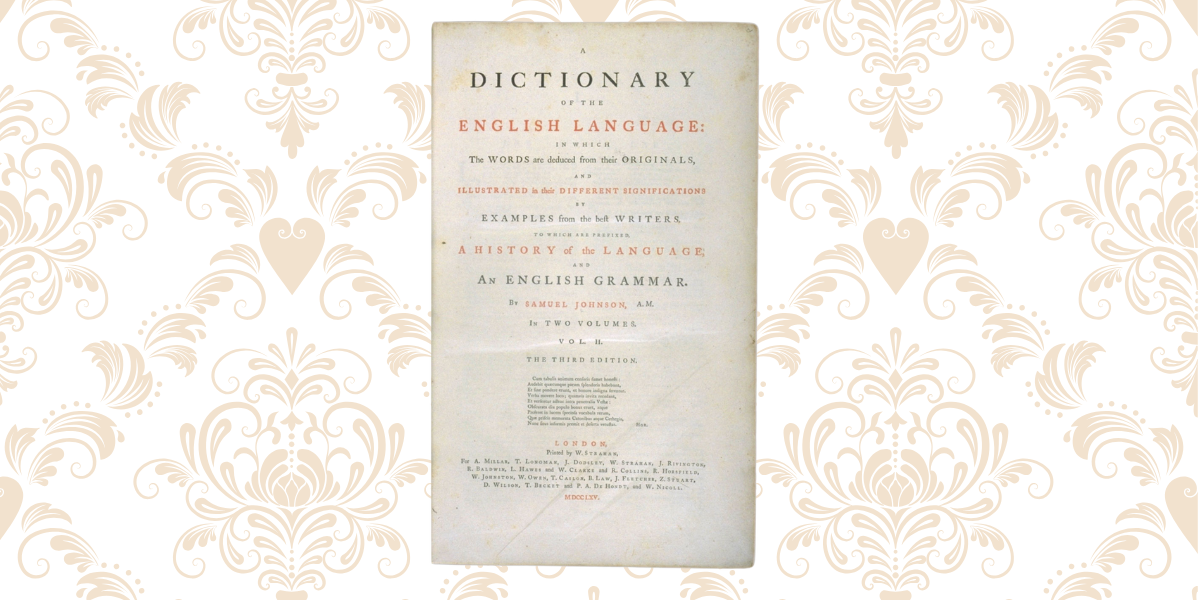
    It’s Freewrite’s favorite time of year. When dictionaries around the world examine language use of the previous year and select a “Word of the Year.”

    Of course, there are many different dictionaries in use in the English language, and they all have different ideas about what word was the most influential or saw the most growth in the previous year. They individually review new slang and culturally relevant vocabulary, examine spikes or dips in usage, and pour over internet trend data.

    Let’s see what some of the biggest dictionaries decided for 2025. And read to the end for a chance to submit your own Word of the Year — and win a Freewrite gift card.

    [SUBMIT YOUR WORD OF THE YEAR]


    Merriam-Webster: "slop"

    Merriam-Webster chose "slop" as its Word of the Year for 2025 to describe "all that stuff dumped on our screens, captured in just four letters."

    The dictionary lists "absurd videos, off-kilter advertising images, cheesy propaganda, fake news that looks pretty real, junky AI-written books, 'workslop' reports that waste coworkers’ time … and lots of talking cats" as examples of slop.

    The original sense of the word "slop" from the 1700s was “soft mud” and eventually evolved to mean "food waste" and "rubbish." 2025 linked the term to AI, and the rest is history.

    Honorable mentions: conclave, gerrymander, touch grass, performative, tariff, 67.

    Dictionary.com: "67"

    The team at Dictionary.com likes to pick a word that serves as “a linguistic time capsule, reflecting social trends and global events that defined the year.”

    For 2025, they decided that “word” was actually a number. Or two numbers, to be exact.

    If you’re an old, like me, and don’t know many school-age children, you may not have heard “67” in use. (Note that this is not “sixty-seven,” but “six, seven.”)

    Dictionary.com claims the origin of “67” is a song called “Doot Doot (6 7)” by Skrilla, quickly made infamous by viral TikTok videos, most notably featuring a child who will for the rest of his life be known as the “6-7 Kid.” But according to my nine-year-old cousin, the origins of something so mystical can’t ever truly be known.

    (My third grade expert also demonstrated the accompanying signature hand gesture, where you place both hands palms up and alternately move up and down.)

    And if you happen to find yourself in a fourth-grade classroom, watch your mouth, because there’s a good chance this term has been banned for the teacher’s sanity.

    Annoyed yet? Don’t be. As Dictionary.com points out, 6-7 is a rather delightful example at how fast language can develop as a new generation joins the conversation.

    Dictionary.com honorable mentions: agentic, aura farming, broligarchy, clanker, Gen Z stare, kiss cam, overtourism, tariff, tradwife.

    Oxford Dictionary: "rage bait"

    With input from more than 30,000 users and expert analysis, Oxford Dictionary chose "rage bait" for their word of the year.

    Specifically, the dictionary pointed to 2025’s news cycle, online manipulation tactics, and growing awareness of where we spend our time and attention online.

    While closely paralleling its etymological cousin "clickbait," rage bait more specifically denotes content that evokes anger, discord, or polarization.

    Oxford's experts report that use of the term has tripled in the last 12 months.

    Oxford Dictionary's honorable mentions:aura farming, biohack.

    Cambridge Dictionary: "parasocial"

    The Cambridge Dictionary examined a sustained trend of increased searches to choose "parasocial" as its Word of the Year.

    Believe it or not, this term was coined by sociologists in 1956, combining “social” with the Greek-derived prefix para-, which in this case means “similar to or parallel to, but separate from.”

    But interest in and use of the term exploded this year, finally moving from a mainly academic context to the mainstream.

    Cambridge Dictionary's honorable mentions: slop, delulu, skibidi, tradwife

    Freewrite: TBD

    This year, the Freewrite Fam is picking our own Word of the Year.

    Click below to submit what you think the Word of 2025 should be, and we'll pick one submission to receive a Freewrite gift card.

    [SUBMIT HERE] 

    --

    Sources

    décembre 18, 2025 6 lire la lecture

    Que peuvent apprendre les lettres personnelles de Jane Austen aux écrivains ?

    décembre 10, 2025 6 lire la lecture

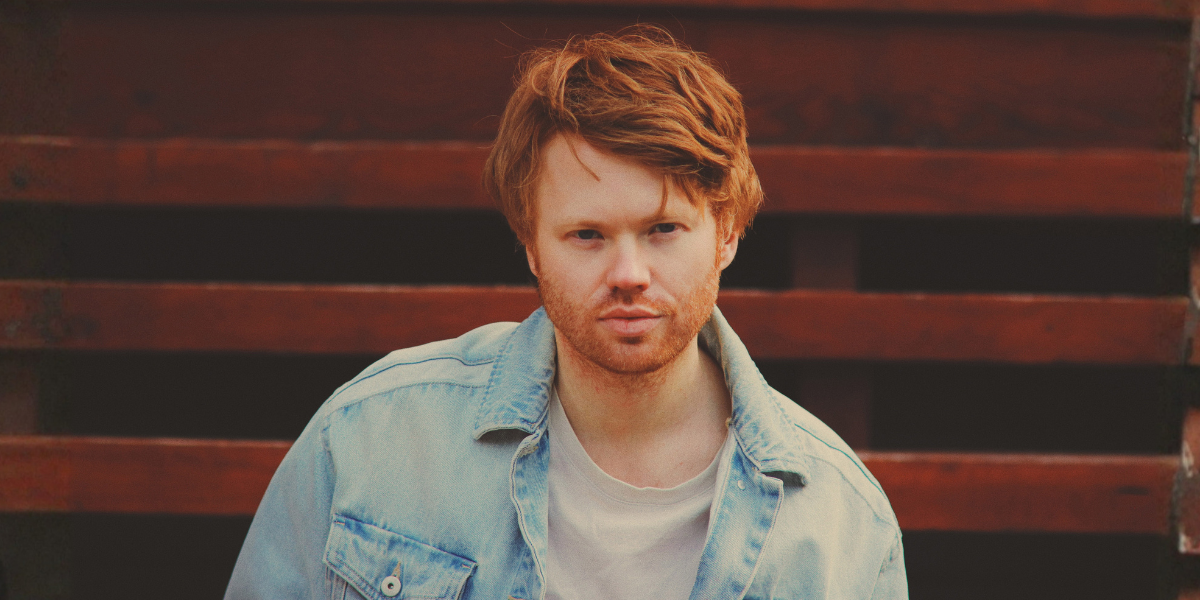
    Singer-songwriter Abner James finds his creativity in the quiet freedom of analog tools. Learn how his creative process transcends different media.

    Abner James went to school for film directing. But the success of the band he and his brother formed together, Eighty Ninety, knocked him onto a different trajectory.

    The band has accrued more than 40 million streams since the release of their debut EP “Elizabeth," and their work was even co-signed by Taylor Swift when the singer added Eighty Ninety to her playlist "Songs Taylor Loves.”

    Now, Abner is returning to long-form writing in addition to songwriting, and with a change in media comes an examination of the creative process. We sat down to chat about what's the same — and what's different. 

    ANNIE COSBY: Tell us about your songwriting process.

    ABNER JAMES: The way I tend to write my songs is hunched over a guitar and just seeing what comes. Sounds become words become shapes. It's a very physical process that is really about turning my brain off.

    And one of the things that occurred to me when I was traveling, actually, was that I would love to be able to do that but from a writing perspective. What would happen if I sat down and approached writing in the same way that I approached music? In a more intuitive and free-form kind of way? What would that dig up?

    AC: That's basically the ethos of Freewrite.

    AJ: Yes. We had just put out a record, and I was thinking about how to get into writing for the next one. It occurred to me that regardless of how I started, I always finished on a screen. And I wondered: what's the acoustic guitar version of writing?

    Where there's not blue light hitting me in the face. Even if I'm using my Notes app, it's the same thing. It really gets me into a different mindset.

     "I wondered: what's the acoustic guitar version of writing?"

    I grew up playing piano. That was my first instrument. And I found an old typewriter at a thrift store, and I love it. It actually reminded me a lot of playing piano, the kind of physical, the feeling of it. And it was really fun, but pretty impractical, especially because I travel a fair amount.

    And so I wondered, is there such a thing as a digital typewriter? And I googled it, and I found Freewrite.

    AC: What about Freewrite helps you write?

    AJ:I think, pragmatically, just the E Ink screen is a huge deal, because it doesn't exhaust me in the same way. And the idea of having a tool specifically set aside for the process is appealing in an aesthetic way but also a mental-emotional way. When it comes out, it's kind of like ... It's like having an office you work out of. It's just for that.

    "The way I tend to write my songs is hunched over a guitar and just seeing what comes. Sounds become words become shapes. It's a very physical process that is really about turning my brain off."

    And all of the pragmatic limitations — like you're not getting texts on it, and you're not doing all that stuff on the internet — that's really helpful, too. But just having the mindset....

    When I pick up a guitar, or I sit down at the piano, it very much puts me into that space. Having a tool just for words does the same thing. I find that to be really cool and inspiring.

    "When I pick up a guitar, or I sit down at the piano, it very much puts me into that space. Having a tool just for words does the same thing."

    AC: So mentally it gets you ready for writing.

    AJ: Yeah, and also, when you write a Microsoft Word, it looks so finished that it's hard to keep going. If every time I strummed a chord, I was hearing it back, mixed and mastered and produced...?

    It's hard to stay in that space when I'm seeing it fully written out and formatted in, like, Times New Roman, looking all seriously back at me.

    AC: I get that. I have terrible instincts to edit stuff over and over again and never finish a story.

    AJ:  Also, the way you just open it and it's ready to go. So you don't have the stages of the computer turning on, that kind of puts this pressure, this tension on.

    It's working at the edges in all these different ways that on their own could feel a little bit like it's not really necessary. All these amorphous things where you could look at it and be like, well, I don't really need any of those. But they add up to a critical mass that actually is significant.

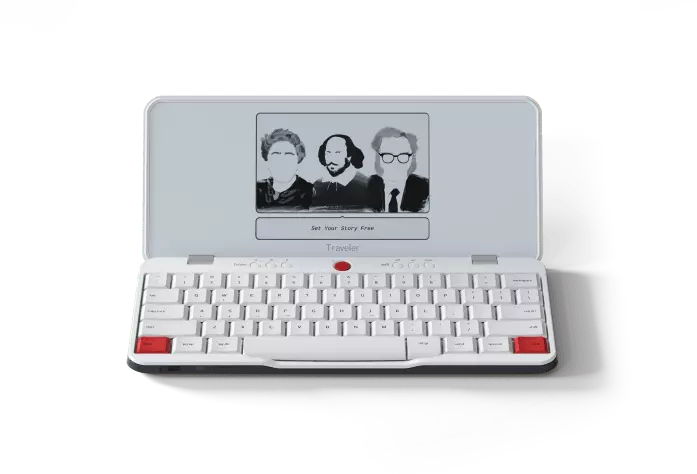
    And sometimes, if I want to bring it on a plane, I've found it's replaced reading for me. Rather than pick up a book or bring a book on the plane, I bring Traveler and just kind of hang out in that space and see if anything comes up.

    I've found that it's kind of like writing songs on a different instrument, you get different styles of music that you wouldn't have otherwise. I've found that writing from words towards music, I get different kinds of songs than I have in the past, which has been interesting.

    In that way, like sitting at a piano, you just write differently than you do on a guitar, or even a bass, because of the things those instruments tend to encourage or that they can do.

    It feels almost like a little synthesizer, a different kind of instrument that has unlocked a different kind of approach for me.

    "I've found that it's kind of like writing songs on a different instrument, you get different styles of music that you wouldn't have otherwise... [Traveler] feels almost like a little synthesizer, a different kind of instrument that has unlocked a different kind of approach for me."

    AC: As someone who doesn't know the first thing about writing music, that's fascinating. It's all magic to me.

    AJ: Yeah.

    AC: What else are you interested in writing?

    AJ: I went to school for film directing. That was kind of what I thought I was going to do. And then my brother and I started the band and that kind of happened first and knocked me onto a different track for a little while after college.

    Growing up, though, writing was my way into everything. In directing, I wanted to be in control of the thing that I wrote. And in music, it was the same — the songwriting really feels like it came from that same place. And then the idea of writing longer form, like fiction, almost feels just like the next step from song to EP to album to novel.

    For whatever reason, that started feeling like a challenge that would be deeply related to the kinds of work that we do in the studio.

    AC: Do you have any advice for aspiring songwriters?

    AJ: This sounds like a cliche, but it's totally true: whatever success that I've had as a songwriter — judge that for yourself — but whatever success I have had, has been directly proportional to just writing the song that I wanted to hear.

    What I mean by that is, even if you're being coldly, cynically, late-stage capitalist about it, it's by far the most success I've had. The good news is that you don't have to choose. And in fact, when you start making those little compromises, or even begin to inch in that direction, it just doesn't work. So you can forget about it.

    Just make music you want to hear. And that will be the music that resonates with most people.

    I think there's a temptation to have an imaginary focus group in your head of like 500 people. But the problem is all those people are fake. They're not real. None of those people are actually real people. You're a focus group of one, you're one real person. There are more real people in that focus group than in the imaginary one.

    And I just don't think that we're that different, in the end. So that would be my advice.

    AC: That seems like generally great creative advice. Because fiction writers talk about that too, right? Do you write to market or do you write the book you want to read. Same thing. And that imaginary focus group has been debilitating for me. I have to silence that focus group before I can write.

    AJ: Absolutely.

    "I think there's a temptation to have an imaginary focus group in your head of like 500 people. But the problem is all those people are fake... You're a focus group of one, you're one real person. There are more real people in that focus group than in the imaginary one."

    --

    Learn more about Abner James, his brother, and their band, Eighty Ninety, on Instagram.