








Es una idea liberadora pensar que no existe una única forma de expresar la creatividad como escritor. Tan pronto como surge esta sensación, la abrumadora tarea de plasmarla en papel la reemplaza. Todos tenemos una historia que contar. Una historia que el mundo entero necesita escuchar. Si te cuesta expresar esas palabras o simplemente buscas inspiración, esta colección de pensamientos, reflexiones y consejos de escritura te ayudará.
Todos tenemos una historia que contar. Todos somos escritores. Algunas están escritas en los libros, y otras se quedan en los corazones. — Savi Sharma
Recopilamos 25 consejos de escritura probados en el tiempo de autores superventas de la actualidad y del pasado.
--------------
25 consejos de escritura de escritores famosos
1. “Aparece, aparece, aparece, y al rato aparece también la musa.” - Isabel Allende
Las obras de Isabel Allende han vendido más de 70 millones de ejemplares y han sido traducidas a 35 idiomas. La escritora chilena es famosa por novelas como La Casa de los Espíritus (1982) y La Ciudad de las Bestias (2002). Entrelazó con maestría elementos de mito y realismo, a menudo relacionados con sus experiencias personales como mujer.
Allende continuó: « Necesito contar una historia. Es una obsesión. Cada historia es una semilla dentro de mí que empieza a crecer y crecer, como un tumor, y tarde o temprano tengo que lidiar con ella » .
2. “Así se hace: te sientas frente al teclado y escribes una palabra tras otra hasta terminar. Es así de fácil y así de difícil.” - Neil Gaiman
Fuente: Bolígrafos, reglas, terminar las cosas y por qué Stephin Merritt no está de mal humor
Siguiendo el consejo de Allende, Neil Gaiman sugiere ir paso a paso. Cuando un joven escritor le preguntó cómo dar los últimos pasos para terminar sus historias, Gaiman le ofreció este consejo: "¿Cómo las terminas? Tú las terminas". La obra de Gaiman ha sido galardonada con numerosos premios, incluyendo las medallas Newbury y Carnegie.
3. “Si usas un diálogo, dilo en voz alta mientras lo escribes. Solo así tendrá el sonido del habla.” - John Steinbeck
John Steinbeck, ganador del Premio Pulitzer y Premio Nobel, ha escrito una plétora de sabiduría. Incluso si no eres un lector ávido, probablemente estés familiarizado con las obras más significativas de Steinbeck. Sus novelas, " Las uvas de la ira" y "De ratones y hombres", definieron la Gran Depresión estadounidense. Leer tu texto en voz alta te ayuda a asegurar que fluya como una conversación.

4. “Si suena a escritura, lo reescribo”. - Elmore Leonard
Steinbeck y Leonard comparten una sabiduría similar sobre escritura. Ya sea que elijas leerlo en voz alta o reescribirlo, sigue sus consejos y encuentra la manera de que tu escritura suene menos a… escritura.
5. “Protege el tiempo y el espacio en el que escribes. Mantén a todos alejados, incluso a las personas más importantes para ti.” - Zadie Smith
Como escritores, es crucial que protejamos nuestro espacio personal de las múltiples distracciones que enfrentamos a diario. Compañeros de piso, amigos, familia, trabajo y el perro del vecino pueden dificultar la producción de tu mejor trabajo. Si estás disponible para todos y para todo, te sentirás agotado y fatigado. En lo que respecta a tu trabajo, no te equivocas al proteger tu espacio personal.
6. “Al planificar un libro, no planees el final. Todos los que lo preceden deben ganárselo.” - Rose Tremain
Muchos escritores discreparán de esta cita. Si empiezas con el final en mente, y eso te funciona, quizás este consejo no sea para ti. La novelista inglesa Rose Tremain sugiere que te ganes el final basándote en lo que has desarrollado de antemano.
7. “Siempre lleva un cuaderno. Y quiero decir siempre. La memoria a corto plazo solo retiene la información durante tres minutos; a menos que esté escrita, puedes perder una idea para siempre.” - Will Self
Will Self ha escrito diez novelas, cinco cuentos, tres novelas cortas y cinco colecciones de no ficción. El novelista inglés no es el único escritor que lleva un cuaderno en todo momento. Nunca olvides esa idea fugaz que podría ser tu próxima gran novela. Si no las escribes, esos pensamientos olvidados solo volverán para distraerte y aprisionar tu mente.
Self está en buena compañía. Richard Branson, el magnate inglés, lleva un cuaderno a todas partes. El multimillonario se considera un estudioso de la vida.
8. «La simplicidad es la máxima sofisticación». – Leonardo Da Vinci
Puedes encontrar cientos de escritores que optan por usar un lenguaje más directo para transmitir su mensaje. A veces, asumimos que un vocabulario más amplio implica una mejor redacción, pero eso simplemente no es cierto.
A continuación se presentan algunas citas más para aclarar el mensaje.
Escribir no se trata de usar palabras para impresionar. Se trata de usar palabras sencillas de forma impactante. - Sierra Bailey
“Si no puedes explicárselo a un niño de seis años, no lo entiendes tú mismo.” - Albert Einstein

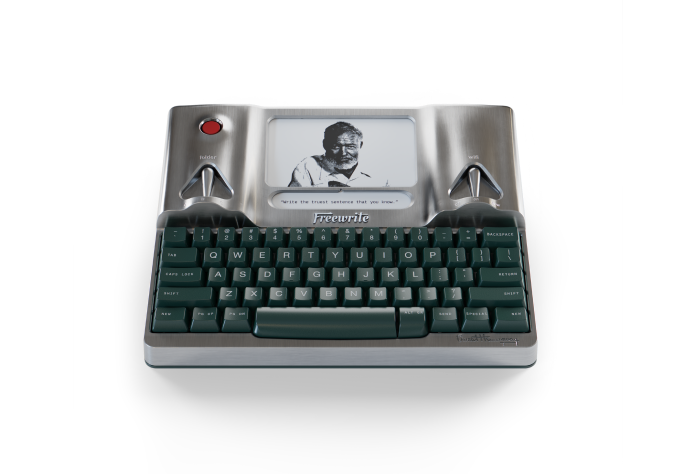
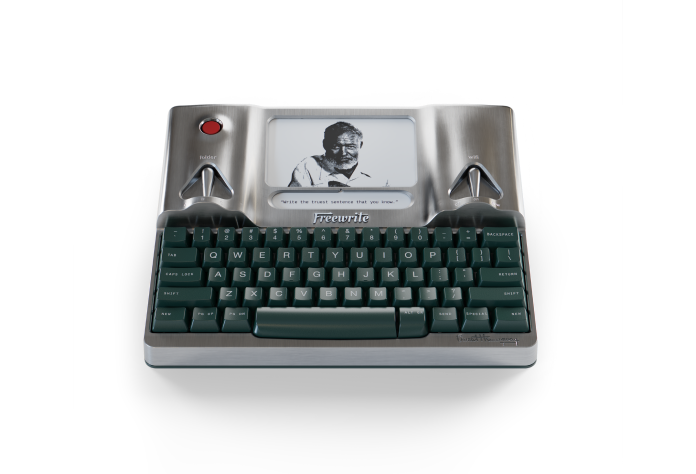
9. "Escribir no tiene ningún sentido. Basta con sentarse frente a una máquina de escribir y sangrar." - Ernest Hemingway
El objetivo de todo escritor es encontrar su estado de fluidez y mantenerse en él. La escritura libre es una manifestación de la idea de Hemingway. Ernest Hemingway sugiere que te sientes frente a tu dispositivo de escritura y, figurativamente, te dejes llevar. Deja que tus pensamientos fluyan, por difícil que sea. Deja la edición para después.
10. “No puedes esperar a que llegue la inspiración, tienes que ir tras ella con un palo.” - Jack London
Jack London continuó diciendo: «Y si no lo consigues, conseguirás algo que se le parezca muchísimo». Jack London, un ávido aventurero, encontró inspiración en todos sus viajes. Inspiró a generaciones a dejar la comodidad del hogar y explorar el mundo. No te quedes sentado esperando a que se te ocurra una idea. ¡Atrévete a perseguirla y no olvides tu palo de golf!
11. «Olvídate de los libros que quieres escribir. Piensa solo en el libro que estás escribiendo». - Henry Miller
¿Cuántas novelas inacabadas tienes en tu disco duro, envejeciendo como buenos vinos?
Todos hacemos esto.
Sueña con una idea brillante, escribe miles de palabras sobre ella y luego la siguiente distracción se la lleva.
A todos nos gusta creer que somos capaces de realizar múltiples tareas a la vez. Sin embargo, numerosos estudios han demostrado que gestionar varias tareas a la vez no solo es perjudicial para el cerebro, sino también para tu carrera profesional. Concentra toda tu energía creativa en un solo proyecto a la vez.
12. “Si no tienes tiempo para leer, no tienes tiempo —ni las herramientas— para escribir. Así de simple.” Stephen King
Stephen King ha publicado la impresionante cifra de 56 libros hasta la fecha (7/5/18). El galardonado autor aún encuentra tiempo para leer 70 libros al año. Aprovecha cada momento libre en vestíbulos, salas de espera y colas de caja.
¿Cuál es el truco de Stephen? Aprende a leer a pequeños sorbos y a grandes tragos.
Fuente: Stephen King: El arte de escribir historias de terror

13. “No me digas que brilla la luna; muéstrame el destello de la luz sobre el cristal roto”. - Antón Chéjov
Quiero que cierres los ojos. Ahora imagina dos escenas:
1. La luna está brillando.
2. Un destello de luz de la luna brilla sobre el vidrio roto.
Ahora bien, ¿cuál es más descriptivo? ¿Qué escena es más atractiva? Yo elegiría la segunda, y seguro que tú también. Esta cita es un ejemplo clásico de "muestra, no cuentes". Mostrar hace que tu escritura sea mucho más interesante de leer. Ayuda a que el lector avance añadiendo imaginación y color a tus pasajes.
14. «Nunca uses una palabra larga cuando una corta basta.» — George Orwell
Eric Arthur Blair, más conocido por su seudónimo George Orwell, fue un escritor inglés famoso por las novelas 1984 y Rebelión en la Granja . Sin habilidad, usar palabras largas da una impresión de pretencioso. Además, resultan incómodas de leer e interrumpen la fluidez del lector.
15. «Un cuento debe tener un solo sentimiento y cada frase debe construirse en torno a él». - Edgar Allan Poe
Edgar Allen Poe es famoso por su poema " El Cuervo ". En los libros, hay tiempo para que la historia se desarrolle y respire. Puedes arriesgarte a añadir detalles que consideres necesarios. Al escribir cuentos, debes condensar la historia completa en pocas páginas. No hay espacio para oraciones que no conduzcan al final.
16. «La cantidad produce calidad. Si solo escribes unas pocas cosas, estás condenado al fracaso». — Ray Bradbury
A los 16 años, decidí que quería trabajar en la creación de contenido y el marketing online. Me propuse ver todos los vídeos y leer todos los libros sobre escritura y copywriting.
Finalmente, me topé con un video de Seth Godin ofreciendo consejos a jóvenes universitarios. Me dejó una lección que NUNCA olvidaré. Dijo: "Muévete rápido y rompe cosas".
Eso me inspiró a empezar mi primer blog. Rápidamente llegó a tener 5000 visitas mensuales. Mis primeras entradas fueron horribles, pero enseguida aprendí qué funcionaba y qué no. Bradbury ofrece un consejo similar: dedica cada minuto libre a escribir, incluso si no piensas compartirlo con el mundo.
17. “Cada frase debe cumplir una de dos funciones: revelar el carácter o impulsar la acción.” - Kurt Vonnegut
En sus 50 años de carrera como escritor, Vonnegut publicó 14 novelas, tres colecciones de cuentos, cinco obras de teatro y cinco obras de no ficción. Si combinamos los consejos de Vonnegut y Poe en una sola afirmación, cada frase de un cuento debe cumplir una de estas tres funciones: revelar el personaje, desarrollar la acción o desarrollar una atmósfera particular.
18. “El historiador registra, pero el novelista crea”. EM Forster
Los grandes novelistas tienen la capacidad única de inventar su realidad. E. M. Foster, novelista inglés, examinó las diferencias de clase y la hipocresía en la sociedad británica de principios del siglo XX. Una habitación con vistas , una de sus obras más famosas, fue llevada al cine en 1985 y galardonada.
19. “Lee, lee, lee. Lee de todo: basura, clásicos, buenos y malos, y observa cómo lo hacen. Como un carpintero que trabaja como aprendiz y estudia al maestro. ¡Lee! Lo absorberás. Luego escribe. Si es bueno, lo descubrirás. Si no lo es, tíralo por la ventana.” - William Faulkner
Si solo pudiera darte un consejo para convertirte en un mejor escritor, te sugeriría este: lee y escribe mucho. A medida que lees y escribes más, desarrollas una mejor comprensión de lo que es buena y mala escritura. William Faulkner, escritor estadounidense y premio Nobel, tenía un afán insaciable por seguir escribiendo y nunca estaba completamente satisfecho con su obra.

20. "Puedes arreglar cualquier cosa menos una página en blanco". - Nora Roberts
Poner la pluma sobre el papel es un tema recurrente en este artículo. Hemos escuchado a Hemingway, Faulkner, Bradbury y ahora a Roberts ofrecer consejos similares.
Uno de mis mentores favoritos, Jim Rohn, dijo: «El éxito deja pistas». Quienes logran resultados extraordinarios hacen cosas específicas para lograrlos. Como escritores, hay muchas maneras de despellejar a un gato, pero los escritores exitosos comparten los mismos puntos en común.
21. “Tienes que encontrar un lugar muy tranquilo dentro de ti. Y eso no significa que no puedas tener ruido afuera. Conozco a gente que pone jazz a todo volumen para escribir. Creo que cada escritor tiene su camino secreto hacia la musa.” - Maya Angelou
Sé que no soy la única que lucha por encontrar un lugar tranquilo en mi interior. Lo he intentado todo, desde encerrarme en una habitación oscura hasta esconder mi celular y escuchar mi música favorita. Mi camino secreto hacia la musa es escuchar ritmos binaurales. Mientras escribo este artículo, estoy escuchando el relajante sonido de las ondas delta para un sueño profundo y reparador .
22. “ Cuando estés atascado y seguro de haber escrito basura absoluta, oblígate a terminar y LUEGO decide arreglarlo o desecharlo, o nunca sabrás si puedes hacerlo”. - Jodi Picoult
Jodi Picoult, escritora estadounidense, ha vendido más de 14 millones de ejemplares de sus 24 novelas. Hasta que no traspases tus propios límites, nunca sabrás hasta dónde puedes llegar.
23. “Tienes que escribir de verdad. Soñar despierto con el libro que algún día escribirás no es escribir. Es soñar despierto. Abre tu procesador de textos y empieza a escribir.” - Andy Weir
Les Brown, un orador motivacional de fama mundial, tiene en mi mente una de las frases más inspiradoras de todos los tiempos.
“ El cementerio es el lugar más rico de la Tierra, porque es aquí donde se encuentran todas las esperanzas y los sueños que nunca se cumplieron, los libros que nunca se escribieron, las canciones que nunca se cantaron, los inventos que nunca se compartieron, las curas que nunca se descubrieron, todo porque alguien tuvo demasiado miedo de dar ese primer paso, de seguir con el problema o de estar decidido a llevar a cabo su sueño”. - Les Brown
Si quieres ser escritor, tienes que escribir, escribir y escribir. Empieza con uno. Un carácter, una palabra, luego una página. La clave es empezar.
24. “Pasé años sin terminar nada. Porque, claro, cuando terminas algo te pueden juzgar.” - Erica Jong
Erica Jong es una novelista y poeta estadounidense, conocida por su novela de 1973, " Miedo a volar". Compartió su lucha por terminar su obra. Para muchos escritores, sus obras son sus posesiones más personales. Consuélate con la certeza de que hay alguien que necesita tus escritos. ¿Por qué arriesgarse a que nunca los lean?
25. “Ignora todas las reglas propuestas y crea las tuyas propias, adecuadas a lo que quieres decir”. - Michael Moorcock
Fuente: Las reglas de Michael Moorcock para escritores
Hace unos años, The Guardian pidió a algunos de los autores contemporáneos más prestigiosos que compartieran las reglas de oro y los consejos de escritura que aplican a su práctica. Michael Moorcock no es el primer escritor que se rige por la idea de "escribir lo que uno quiere". Primero, conviértete en el público contando una historia que te gustaría leer. Es una cita apropiada para el final. Quizás el Sr. Moorcock haya escrito la regla definitiva para triunfar como escritor.
¿Te resultaron útiles estos consejos de escritura? Ahora te toca a ti inspirarte y hacerla tuya.
 A Carlton Clark le encanta escribir sobre negocios, béisbol y cultura popular. Es escritor, especialista en marketing y emprendedor. A los 14 años, fundó la empresa de medios ballplayerplus.com . Actualmente, Carlton ayuda a las empresas a compartir sus historias a través de las redes sociales y blogs. Cuando no está escribiendo ni creando contenido, Carlton es entrenador de béisbol juvenil en su escuela secundaria local y toca la guitarra. Puedes encontrarlo en Instagram @itscarltonclark y en Twitter @carlton_mukasa.