overlaylink

Sprints de escritura 101

Bryan Young
junio 12, 2024 | 3 lectura mínima

Gran parte de escribir consiste en administrar tu tiempo. Los plazos van y vienen, pero las palabras no se escriben solas. Aprender a administrar tu tiempo te ahorrará muchos disgustos.

¿Pero qué pasa cuando las palabras simplemente no fluyen?

Todavía tienes que escribir. Y los sprints de escritura son una gran motivación para muchos a la hora de superar esos momentos difíciles.

Resulta que un poco de competencia (con otros o contigo mismo) realmente puede impulsarte hasta la meta.

Sprints comunitarios

Descubrí por primera vez los sprints de escritura como actividad social cuando participé en el desafío de noviembre de NaNoWriMo para el Mes Nacional de Escritura de Novelas .

Los "enlaces municipales" de NaNo en cada región organizaban reuniones y sesiones de escritura para brindar cierta estructura y responsabilidad a quienes lo deseaban. En estas sesiones, el líder ponía un cronómetro (normalmente de entre 5 y 30 minutos), y quien escribiera más palabras en ese tiempo ganaba el sprint.

El mejor sprint de escritura grupal del que he formado parte se llevó a cabo en una chocolatería. El escritor ganador con más palabras recibió un chocolate artesanal como premio. ¡Menudo incentivo!

También hay comunidades en línea que organizan sprints, ¡como Freewrite Fam! Suscríbete a nuestra lista de correo electrónico para recibir notificaciones cuando organicemos un sprint.

A veces, lo único que necesitas para concentrarte es ese poquito de competencia.

Sprints en solitario

Escribir no siempre es tan social, y nuestro mundo está lleno de distracciones, ya sea con amigos o escribiendo solo. Sé que cuando estoy sentado solo en mi oficina, escribiendo cualquier cosa, desde artículos como este hasta trabajando en mi nuevo libro, es fácil distraerse con las redes sociales, la investigación, los niños y cualquier otra cosa que pueda distraerme.

Lo que hago en esos casos es sacar mi escritura libre y utilizar la Técnica Pomodoro.

Esta es una técnica de enfoque popular inventada a finales de la década de 1980 por el estudiante universitario Francesco Cirillo, quien se sentía abrumado por sus estudios.

Cirillo usó un temporizador de cocina con forma de tomate ( pomodoro en italiano) para darse veinticinco minutos para concentrarse en una tarea abrumadora y luego se permitió un descanso de cinco minutos. Tras el descanso, repitió el proceso. Después de tres o cuatro de estos ciclos, se tomaba un descanso más largo de treinta minutos.

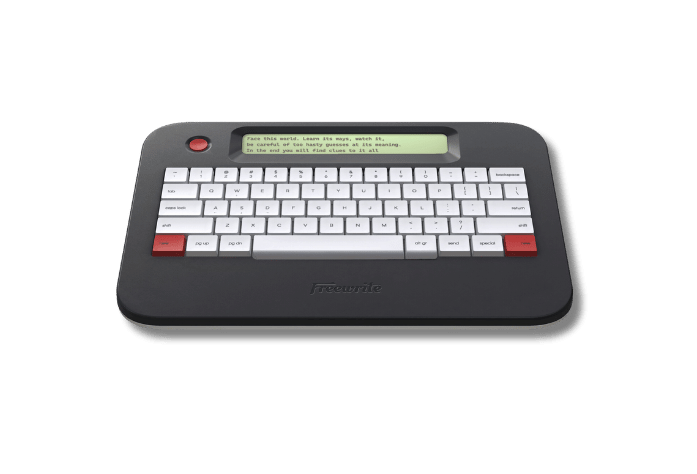
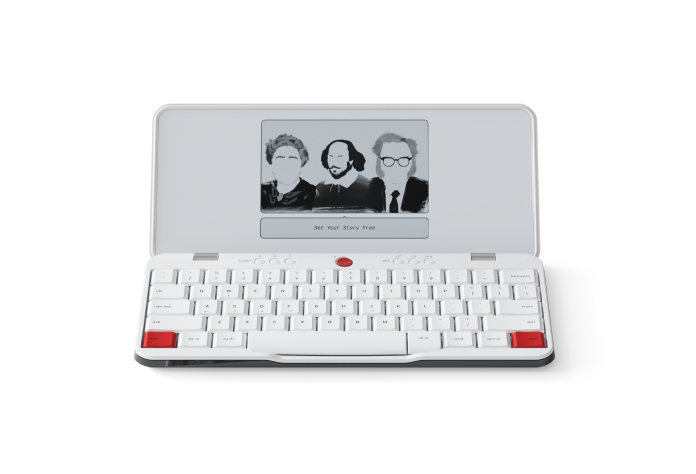
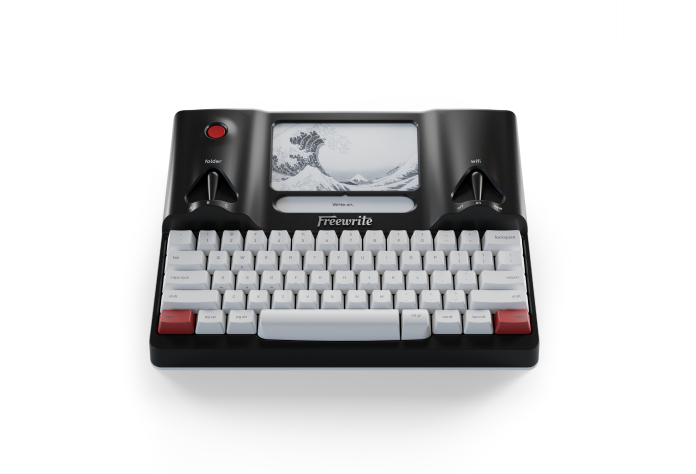
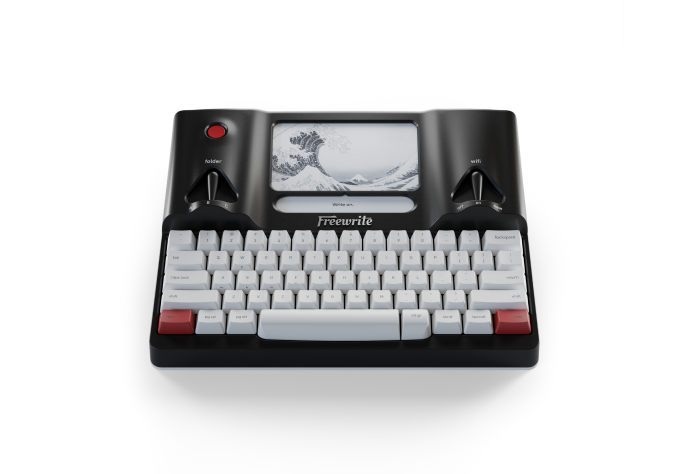
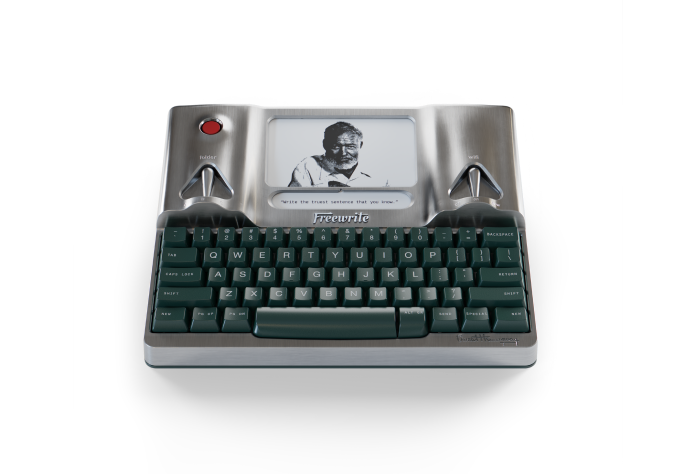
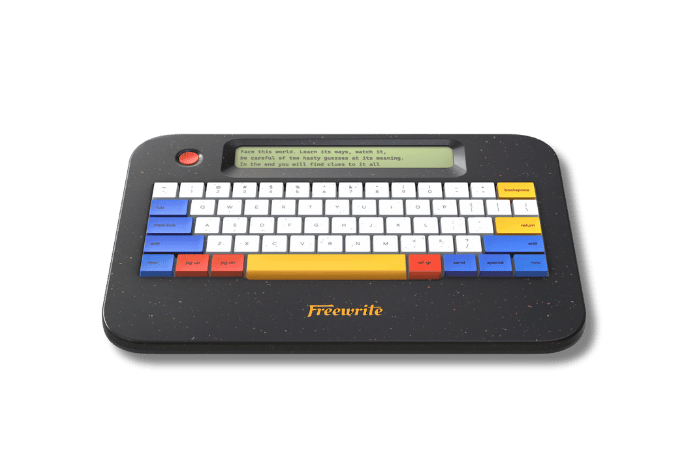
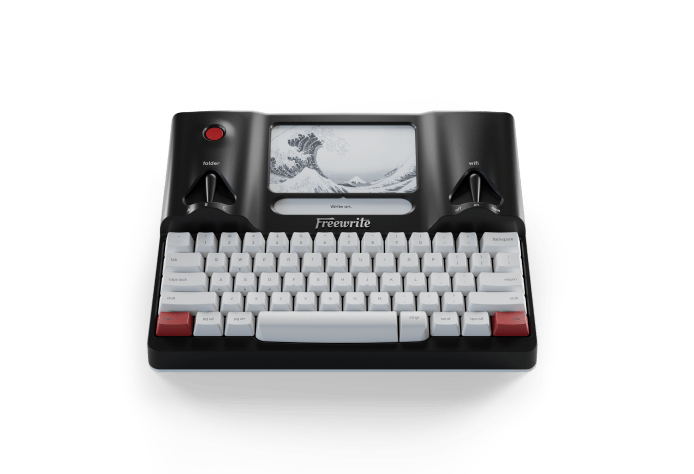
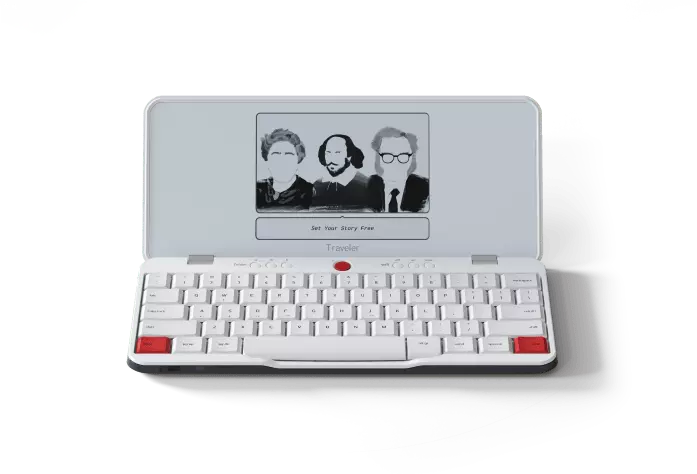
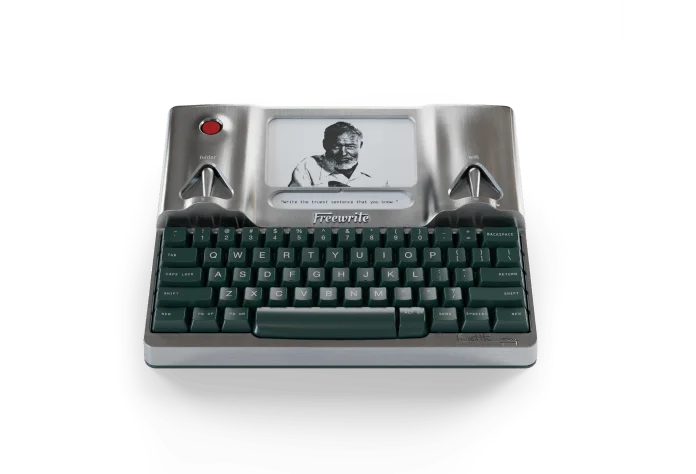
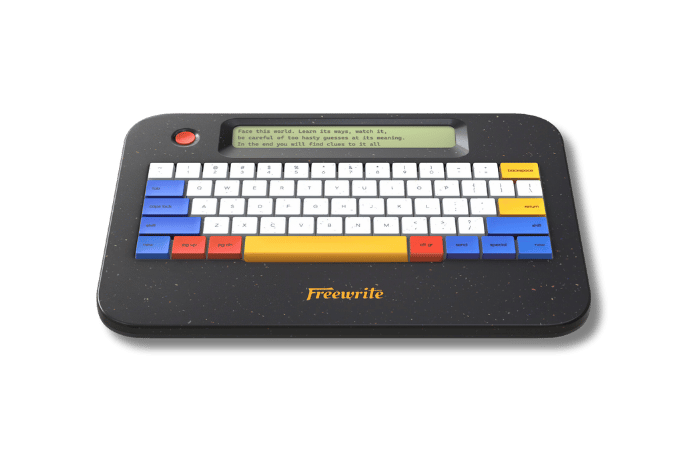
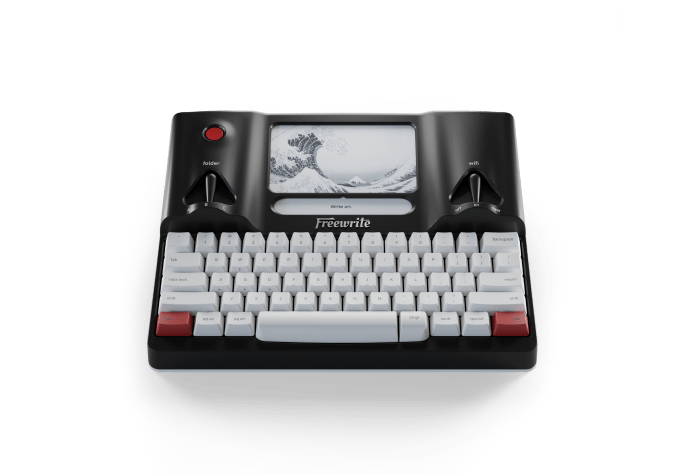
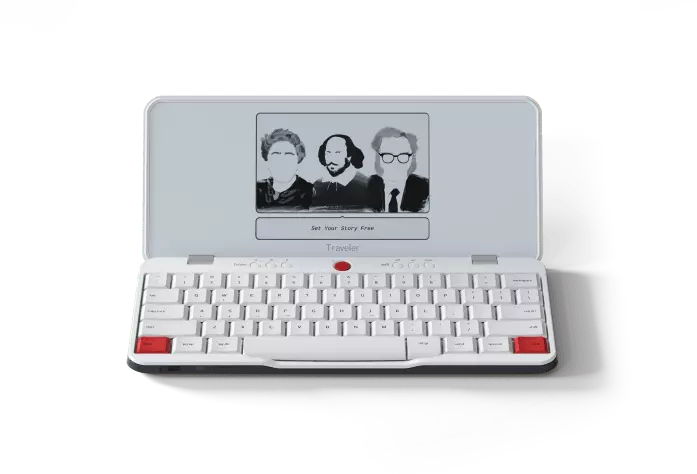
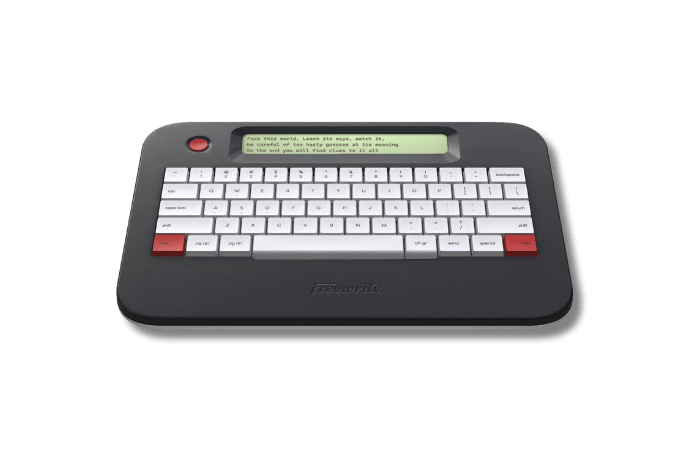
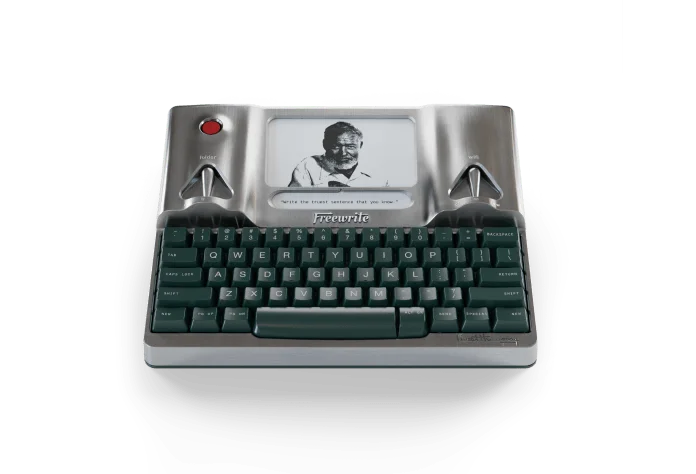
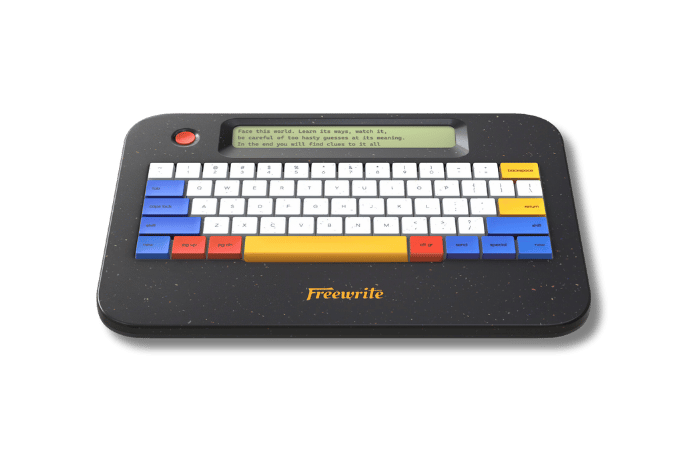
Resulta que este método funciona de maravilla para mí y para muchos otros escritores. Personalmente, prefiero cinco minutos de concentración, un minuto de descanso y luego un descanso de diez minutos después de cinco de esos ciclos. Tengo un temporizador en mi escritorio para cuando estoy en la computadora, pero no lo necesito cuando uso mi Smart Typewriter o mi Traveler .

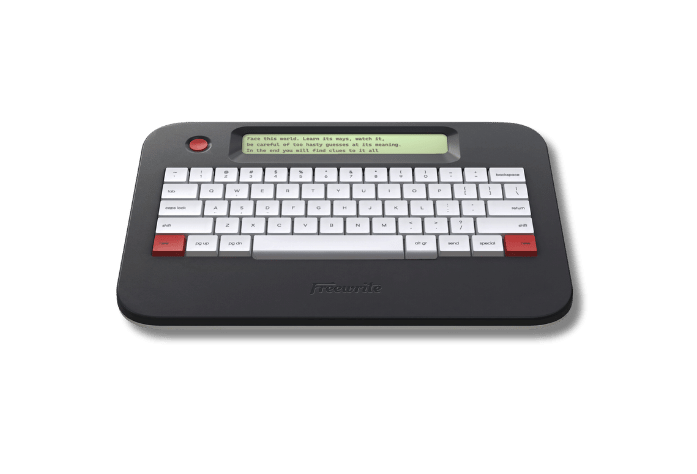
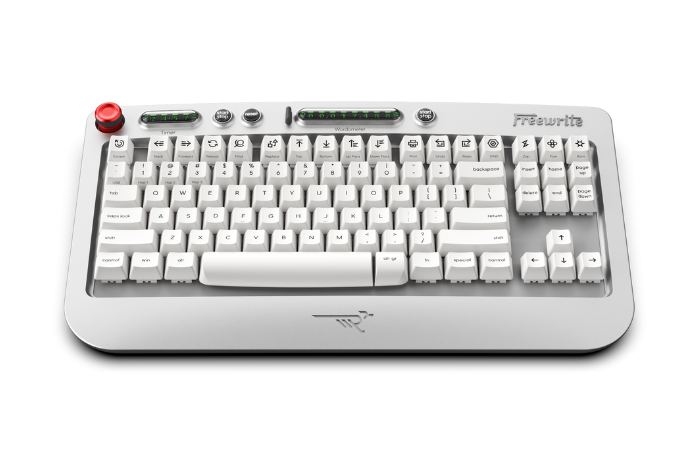
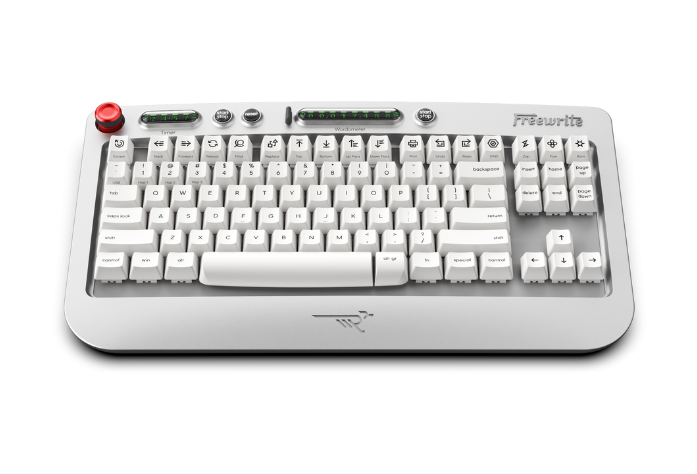
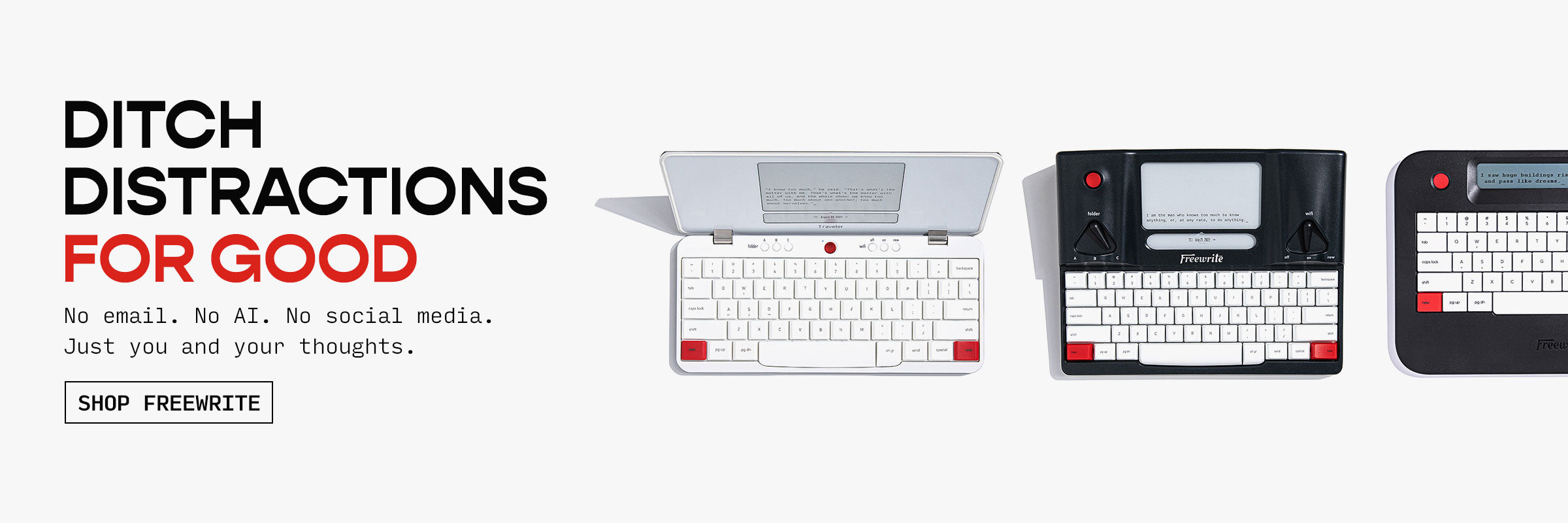
Tanto Freewrite como Traveler tienen una pantalla secundaria especial. Normalmente, la tengo configurada para que muestre mi recuento de palabras, pero cuando necesito concentrarme más, puedo usarla como temporizador. Así, me muestra cuánto tiempo llevo escribiendo y puedo llevar un registro de mis sesiones de Pomodoro enfocadas sin siquiera apartar la vista del teclado. Esto hace de Freewrite una herramienta de concentración invaluable para lograr mis objetivos de escritura.

Presionarme con un cronómetro para escribir unas pocas palabras funciona de maravillas con mi productividad: alivia la presión y hace que la tarea de escribir parezca más manejable.

Y si pierdo la concentración durante un sprint Pomodoro, no pasa nada. Porque viene otro enseguida. Ese pequeño detalle de estructura me basta para avanzar y escribir con soltura.

Regresar a "Trucos para mejorar la productividad al escribir"

abril 15, 2026 4 lectura mínima

Break up with Final Draft for good. Get the best screenplay workflow in Hollywood: Freewrite + Highland Pro.

abril 01, 2026 0 lectura mínima
marzo 22, 2026 3 lectura mínima

If you're new here, freewriting is “an unfiltered and non-stop writing practice.” It’s sometimes known as stream-of-consciousness writing.

To do it, you simply need to write continuously, without pausing to rephrase, self-edit, or spellcheck. Freewriting is letting your words flow in their raw, natural state.

When writing the first draft of a novel, freewriting is the approach we, and many authors, recommend because it frees you from many of the stumbling blocks writers face.

This method helps you get to a state of feeling focused and uninhibited, so you can power through to the finish line.

How Freewriting Gives You Mental Clarity

Freewriting is like thinking with your hands. Some writers have described it as "telling yourself the story for the first time."

Writing for Inside Higher Ed, Steven Mintz says, “Writing is not simply a matter of expressing pre-existing thoughts clearly. It’s the process through which ideas are produced and refined.” And that’s the magic of putting pen to paper, or fingertips to keyboard. The way you learned to ride a bike by wobbling until suddenly you were pedaling? The way you learned certain skills by doing as well as revising? It works for writing, too.

The act of writing turns on your creative brain and kicks it into high gear. You’re finally able to articulate that complex idea the way you want to express it when you write, not when you stare at a blank page and inwardly think until the mythical perfect sentence comes to mind.

Writing isn’t just the way we express ideas, but it’s how we extract them in the first place. Writing is thinking.

Or, as Flannery O'Connor put it:

“I write because I don't know what I think until I read what I say.”

Writing isn’t just the way we express ideas, but it’s how we extract them in the first place. Writing is thinking.


Freewriting to Freethinking

But how and why does it work? Freewriting makes fresh ideas tumble onto the page because this type of writing helps you get into a meditative flow state, where the distractions of the world around you slip away.

Julie Cameron, acclaimed author of The Artist’s Way, proposed the idea that flow-state creativity comes from a divine source. And sure, it certainly feels like wizardry when the words come pouring out and scenes seem to arrange themselves on the page fully formed. But that magic, in-the-zone writing feeling doesn’t have to happen only once in a blue moon. It’s time to bust that myth.

By practicing regular freewriting and getting your mind (and hands) used to writing unfiltered, uncensored, and uninterrupted, you start freethinking and letting the words flow. And the science backs it up.

According to Psychology Today, the dorsolateral prefrontal cortex goes quiet during flow state. This part of the brain is in charge of “self-monitoring and impulse control” – in other words, the DLPFC is the tiny home of your loud inner critic. And while that mean little voice in your head takes a long-overdue nap, you’re free to write without doubt or negative self-talk.

“With this area [of the brain] deactivated, we’re far less critical and far more courageous, both augmenting our ability to imagine new possibilities and share those possibilities with the world.”

Freewriting helps us connect with ourselves and our own thoughts, stories, beliefs, fears, and desires. But working your creative brain is like working a muscle. It needs regular flexing to stay strong.

So, if freewriting helps us think and organize our thoughts and ideas, what happens if we stop writing? If we only consume and hardly ever create, do we lose the ability to think for ourselves? Up next, read "Are We Living through a Creativity Crisis?"


Learn More About Freewriting

Get the ultimate guide to boosting creativity and productivity with freewriting absolutely free right here.You'll learn how to overcome perfectionism, enhance flow, and reignite the joy of writing.

SYSF-book-mockup.webp