overlaylink

Bloqueo del escritor: 13 estrategias que funcionan

junio 14, 2018 | 7 lectura mínima

Todos hemos pasado por eso. No te salen las palabras adecuadas, o ninguna, y no te queda ni una sola célula creativa en el cerebro; estás listo para dar por finalizado el día.

Por supuesto, me refiero al temido bloqueo del escritor . El bloqueo del escritor puede ser estresante cuando tienes tareas de escritura pendientes.

El bloqueo del escritor es un mito

¡Ja! No puede ser verdad. Si el bloqueo del escritor es un mito, ¿cómo puedo explicar lo que siento ahora mismo?

Cuando se ataca desde la raíz, se comprende que el bloqueo del escritor se origina en cuatro causas subyacentes. Estas cuatro causas subyacentes fueron detalladas por Jerry Jenkins , el famoso autor de la serie Left Behind.

Las cuatro causas fundamentales del bloqueo del escritor

Miedo : El miedo puede ser paralizante. La idea de que no eres lo suficientemente bueno y de que tu trabajo no será aceptado.

Procrastinación : Nadie mejor que los escritores para cumplir plazos. Establece tus plazos de entrega de forma inamovible y mantén tu carga de trabajo diaria bajo control.

Perfeccionismo : el perfeccionismo puede ser una buena característica durante el proceso de edición; sin embargo, no es tan valioso al escribir.

Distracciones : Hoy en día, es casi imposible evitar las distracciones.

Entonces, ¿qué puedes hacer ante el bloqueo del escritor?

Ahora que conoces las cuatro causas fundamentales del bloqueo del escritor, puedes tomar algunas medidas prácticas para eliminarlo de tus escritos para siempre.

Si eres como yo, probablemente te sientas identificado con las cuatro causas fundamentales. A medida que leas, descubrirás que muchos de estos consejos prácticos te son aplicables.

--------------------------

Con eso en mente, aquí presentamos 14 de nuestros consejos favoritos para curar el bloqueo del escritor.

1. Indicaciones de escritura

Si no está familiarizado con las indicaciones de escritura, son simplemente tareas de escritura guiadas diseñadas para estimular su imaginación y hacer fluir su creatividad.

En pocas palabras, las indicaciones para escribir te motivan a escribir.

Quizás no sea el tema sobre el que originalmente te propusiste escribir, pero puede ayudarte a encontrar tu musa.

Si estás estancado buscando un tema sobre el cual escribir, o no encuentras una idea nueva para atacar la página en blanco, las indicaciones para escribir pueden ser un buen hábito para implementar en tu rutina de escritura.

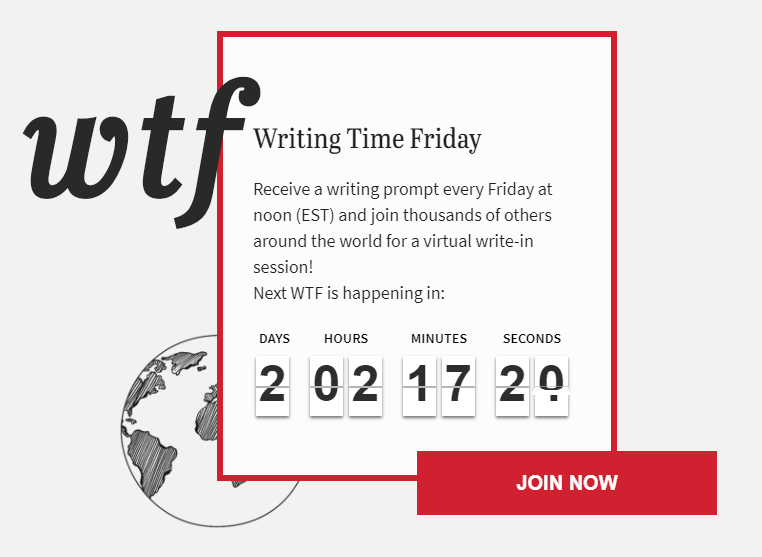
Una consigna adecuada puede generar nuevas ideas. Puede iluminar nuevas perspectivas sobre cosas que no puedes ver por tu cuenta. Puedes encontrar consignas para escribir de diversas maneras. Muchas son gratuitas en línea , puedes comprar un libro o crearlas tú mismo. Anótalas para usarlas más tarde. ¡Incluso puedes recibir consignas en tu bandeja de entrada con Writing Time Fridays! Únete aquí para recibir una excelente consigna por correo electrónico o mensaje de texto el viernes a las 12 p. m. EST. Es una excelente manera de encontrar tiempo para escribir e inspirarte. Puedes dedicar tiempo a escribir el viernes, como hacemos en Astrohaus, o puedes esperar y usar la consigna durante el fin de semana.

Relacionado: Hábitos de escritura para impulsar tu creatividad y mantenerte concentrado
2. No seas perfeccionista

¿A ti te suena familiar esto?

Quieres que todo sea perfecto antes de empezar a escribir. Cada trazo debe estar marcado con una veta dorada.

Intentas formular el pasaje perfecto en tu cabeza, pero nunca lo logras, por lo que recurres a la causa subyacente número 2: la procrastinación.

El perfeccionismo sólo obstaculizará tu buena escritura.

He escrito varias entradas de blog a lo largo de los años. Si algo he aprendido es que nadie ve mis primeros borradores.

Parece obvio, pero escribir no traerá nada malo. Si no te gusta lo que escribiste, bórralo.

Deje la autocrítica para la edición.
3. Deja de escribir

A veces, simplemente no es el momento adecuado para escribir. Tus ideas pueden necesitar unos minutos más para formarse en tu mente.

Seguramente, escribir no es lo único que haces. También necesitas comer, dormir, leer, hacer ejercicio e interactuar con otras personas.

Incluso si escribir es lo primero en tu lista de tareas pendientes, hacer cualquier otra cosa sería más beneficioso que castigarte con la mirada fija en una página en blanco.

En un infame artículo del New Yorker, Ferris Jabr hace referencia a evidencia abrumadora de que caminar puede ayudarte a pensar en los problemas y ser creativo.

Fuente: Los elementos de caminar nos ayudan a pensar

Está bien no estar siempre escribiendo o pensando en lo que escribes.

4. Cambia tu medio de escritura

¿Atascado en el barro?

Prueba a usar Google Docs o Evernote en lugar de Word. Deja la computadora y prueba la máquina de escribir de tu abuelo.

Lo que más me ha beneficiado es escribir libremente en un diario o en un trozo de papel. Cualquier idea que me viene a la mente la escribo. Muchas veces, no tiene sentido.

5. Elimina las distracciones

Esta es una de las cuatro causas principales del bloqueo del escritor. En un mundo donde nos enfrentamos a distracciones a diestro y siniestro, ya no podemos sentarnos en nuestra cabaña en el bosque a escribir en una habitación tranquila.

Debes tomar medidas adicionales para crear un entorno libre de distracciones en tu mente.

5 formas sencillas de eliminar las distracciones

- Apaga tu celular
- Desconéctate de Internet
- Limpia tu escritorio
- Hazle saber a todos que te dejen en paz.
- Atenúa la luz

He estado usando Sprinter de Astrohaus para concentrarme en mi escritura. Incluso lo usé mientras escribía este artículo.

6. Crea un horario

Todas las mañanas hago dos cosas: me lavo la cara y luego me siento en mi escritorio y abro mi agenda diaria.

No reviso el teléfono, no miro ningún correo y no hablo con nadie. Lo segundo que hago cada mañana es planificar mi día.

Parafraseando a Jim Rohn: “Si no construyes un plan para tu vida, alguien más lo hará”.

Planifico mi día al detalle y luego lo pongo en práctica. Es fácil decir que lo harás, pero si tomas medidas adicionales para planificar exactamente cuándo y durante cuánto tiempo escribirás, es mucho más probable que lo logres.

A veces, simplemente hay que ponerse manos a la obra y escribir. Si ya lo has hecho, primero aborda las causas del bloqueo del escritor que se mencionaron anteriormente.

Si un piloto llamara a su jefe y le dijera: "Tengo un bloqueo de vuelo", se reirían de él y probablemente le dirían que dejara las alas.

Entonces, ¿por qué los escritores sufren bloqueos de escritor?

7. Encuentra algo de inspiración

Jack London dijo una vez: «No puedes esperar a que llegue la inspiración. Tienes que perseguirla con un garrote».

Dicho sin rodeos, negarse a escribir hasta sentirse inspirado es, en el mejor de los casos, inútil. Como escritor profesional, no puedes permitirte esperar varios días para encontrar tu musa. El mundo no te espera.
Relacionado: 25 consejos de escritura de autores

8. Lleva un diario

Llevar un diario fomenta tu creatividad y te ayuda a desarrollar ideas. Similar a la escritura libre o a las indicaciones para escribir, escribir un diario abre un mundo de ideas. Convierte tus pensamientos y sentimientos en palabras.

¿Sobre qué escribes en tu diario?

Me gusta escribir un diario sobre mis metas y las cosas o personas por las que estoy agradecido cada día. Como parte de mi rutina matutina, anoto mis metas y tres personas por las que estoy agradecido.

No es raro que los escritores lleven un diario consigo en todo momento. A veces, la inspiración llega en los momentos más inesperados e inoportunos. Guarda esa musa y guárdala para más adelante.

Lleva siempre un cuaderno. Y quiero decir siempre. La memoria a corto plazo solo retiene la información durante tres minutos; a menos que esté escrita, puedes perder una idea para siempre. - Will Self

9. Salga al exterior

No me refiero sólo a escribir al aire libre, sino a apagar por completo el cerebro que escribe.

La naturaleza ofrece un impulso inmediato a tu bienestar mental y físico. A veces, hay que bajar el ritmo para acelerar.

Algunos beneficios de salir al aire libre son:

- Aliviar el estrés
- Mejorar la memoria a corto plazo
- Eliminar la fatiga
- Mejorar la concentración
- Disminuir la presión arterial

Combinadas, todas estas cosas pueden ayudar a que fluya tu creatividad. Quizás mientras estés al aire libre, encuentres tu inspiración.

10. Cambia tu espacio de escritura

Si salir no es suficiente, quizás necesites cambiar tu entorno de trabajo. Rotar tus espacios de trabajo puede aumentar tu productividad y abrirte a nuevas ideas. Prueba una cafetería, una biblioteca, una librería, un parque o simplemente una habitación diferente.

Cultiva múltiples espacios a tu alrededor que fomenten tu creatividad y productividad.

11. Utilice la escritura libre

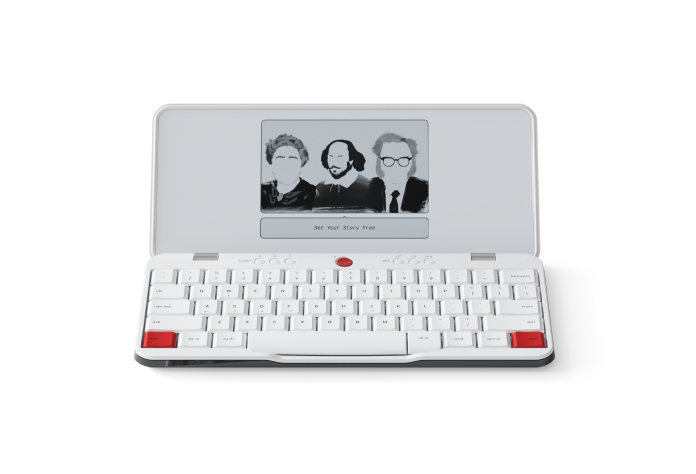
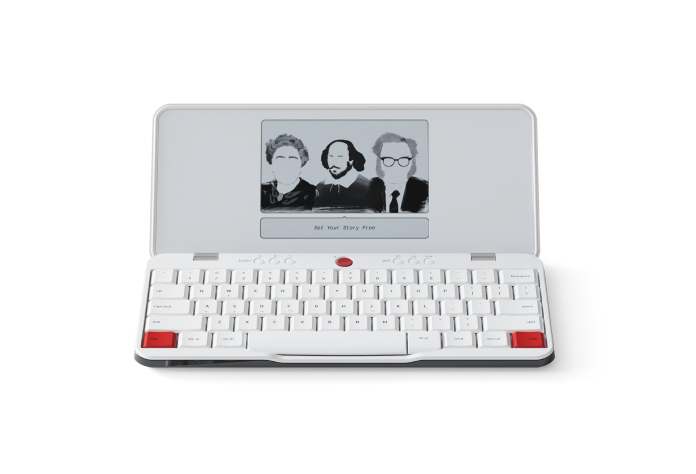
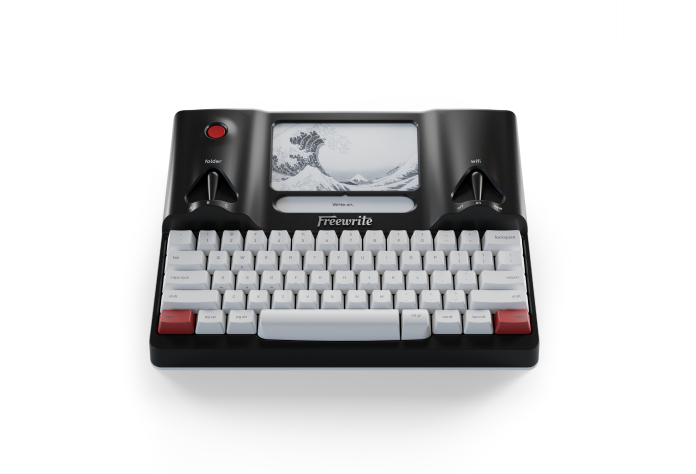
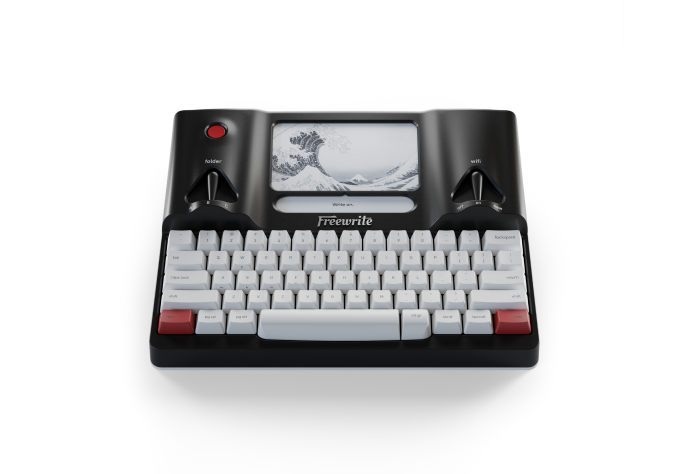
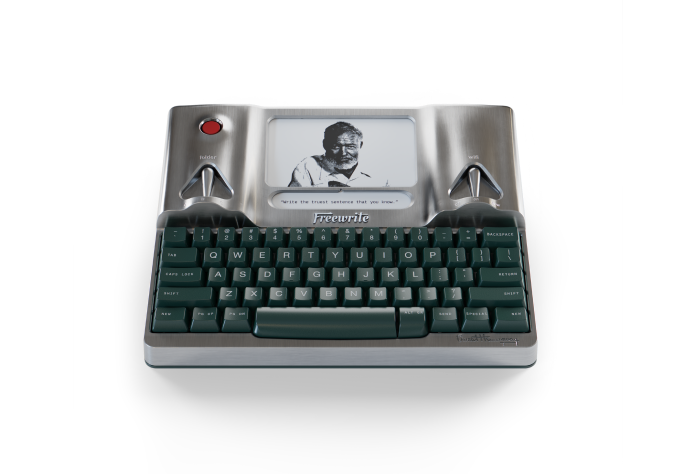
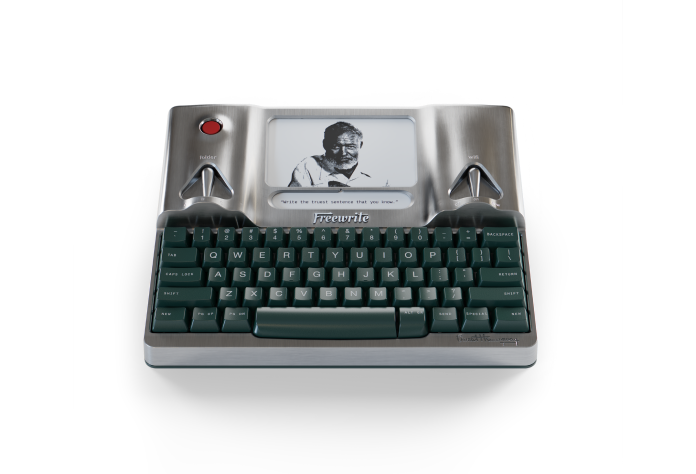
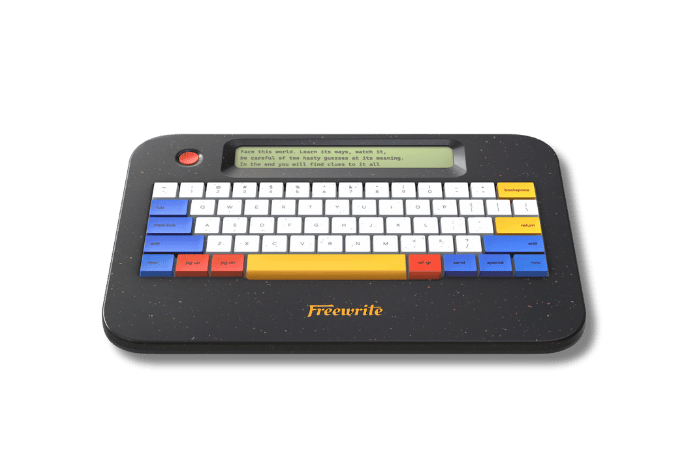
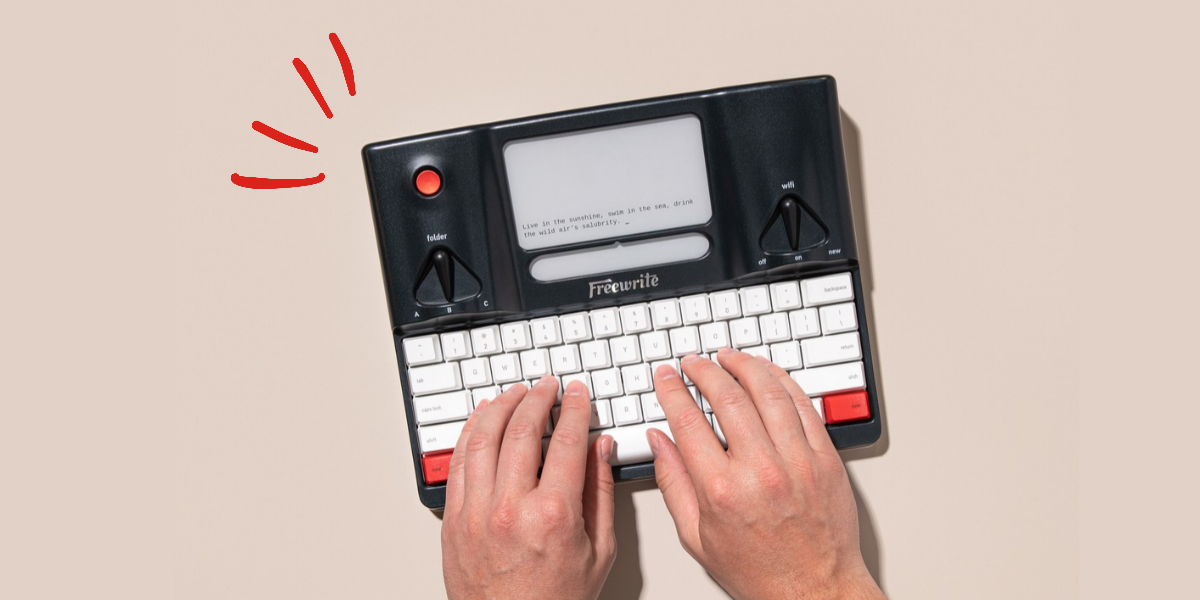
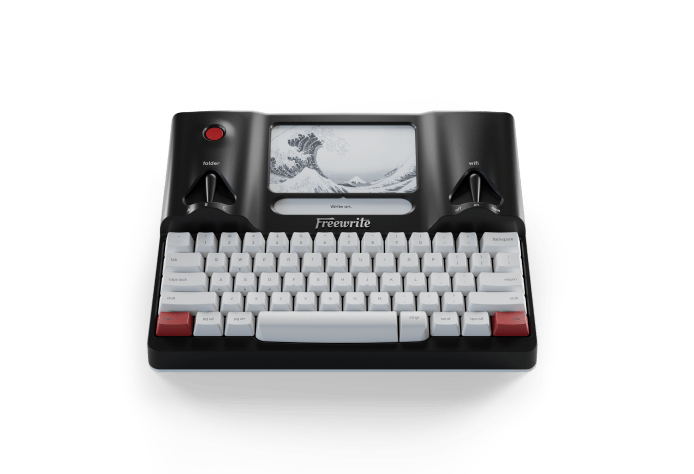
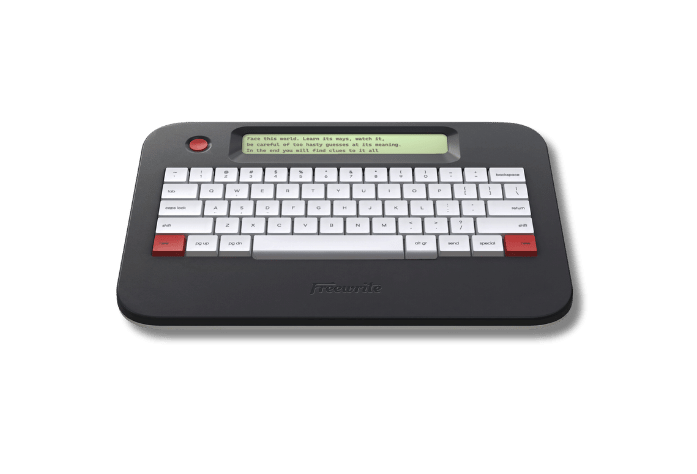
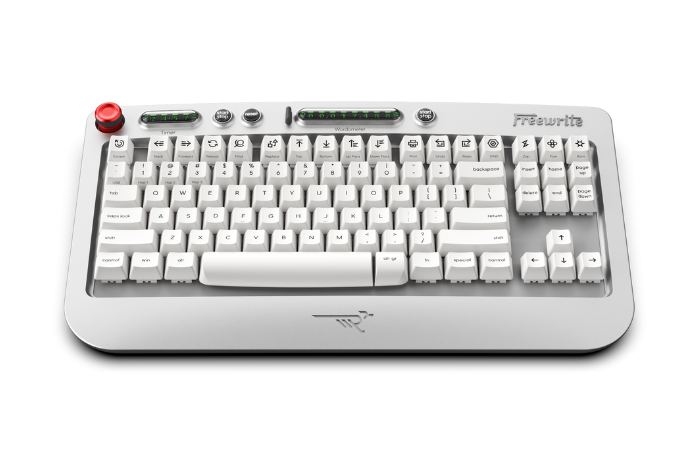
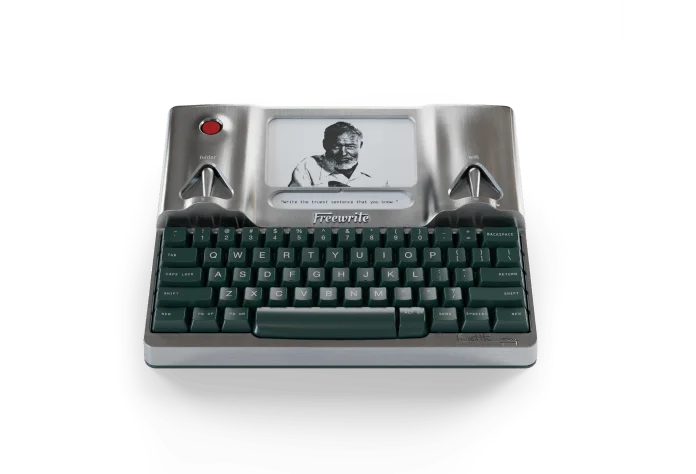
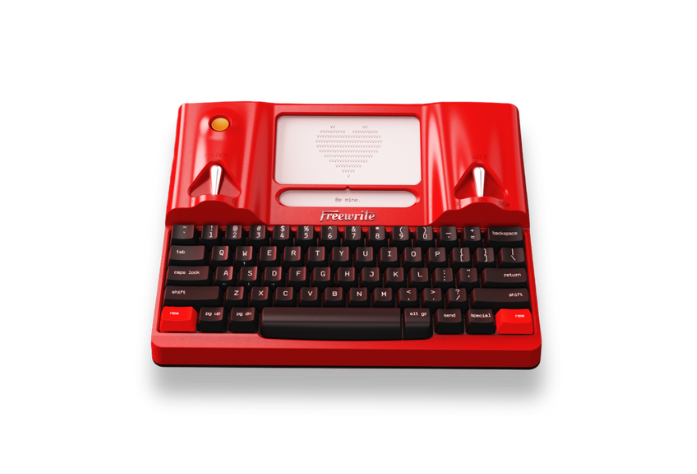
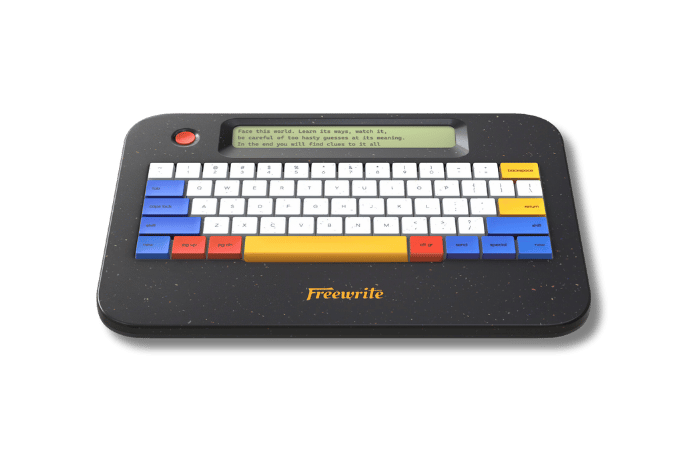
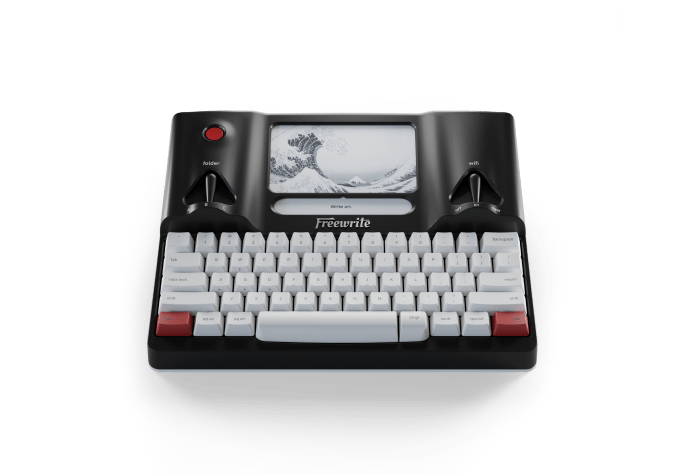
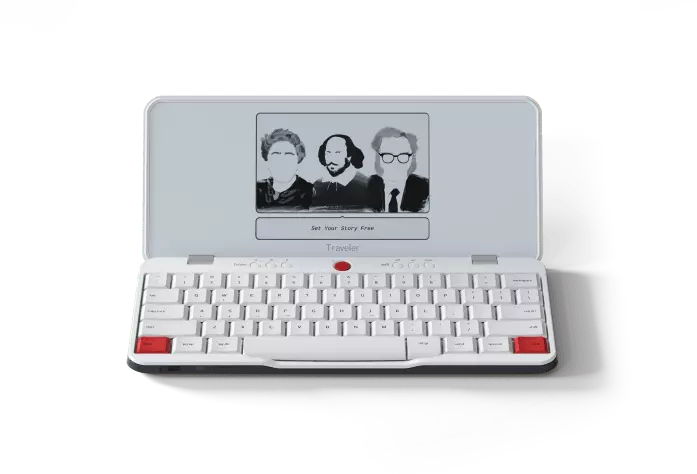
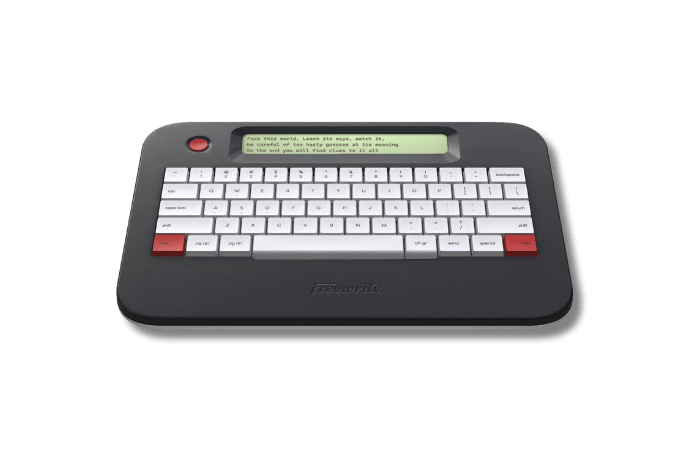
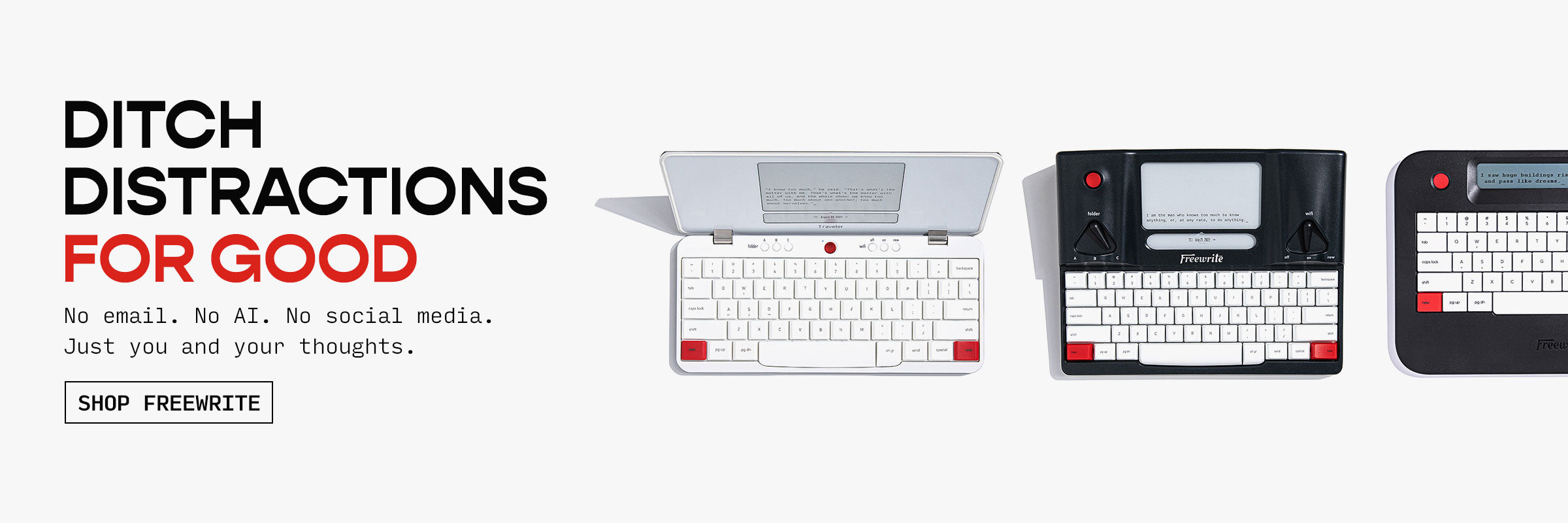
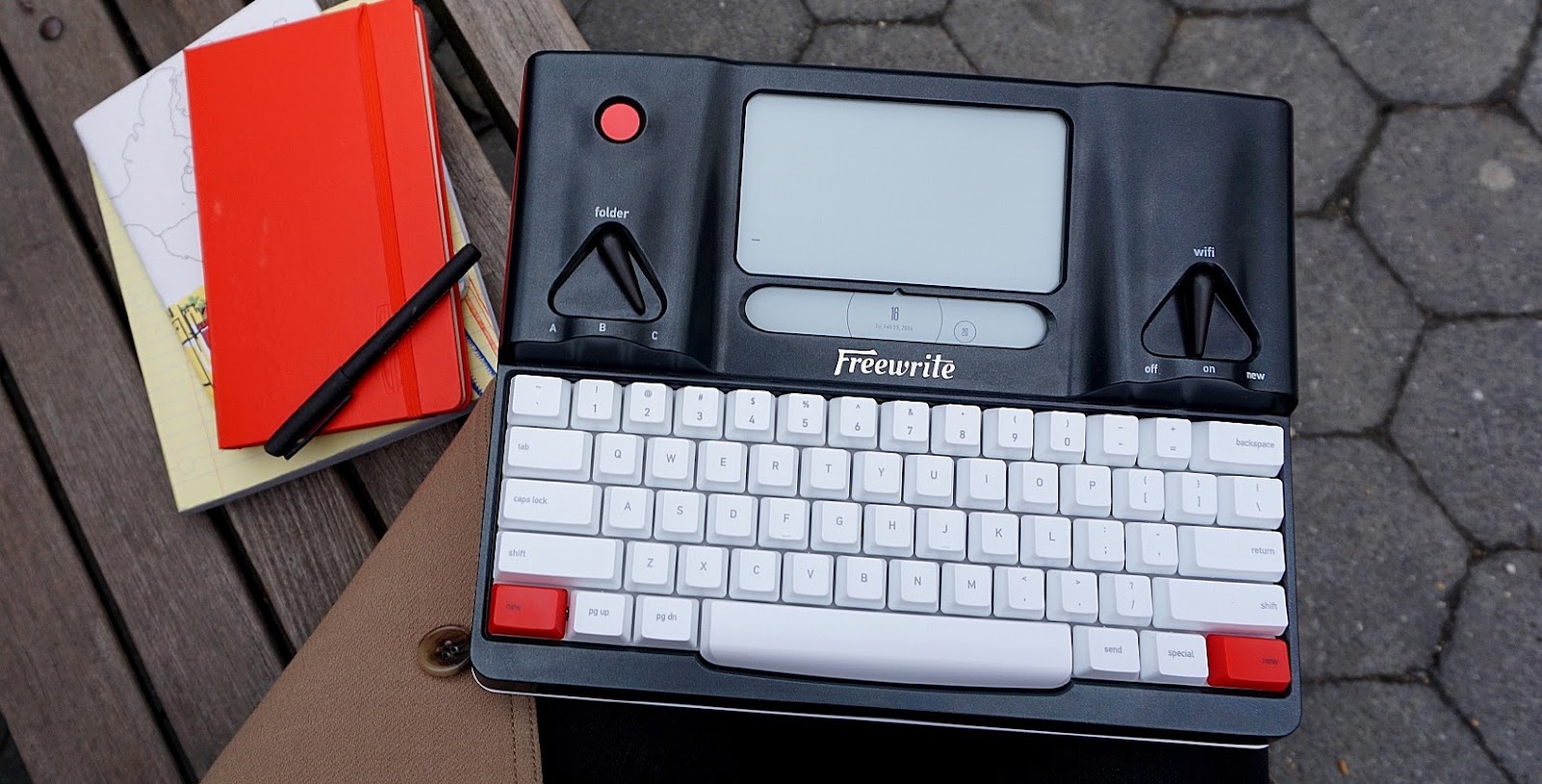
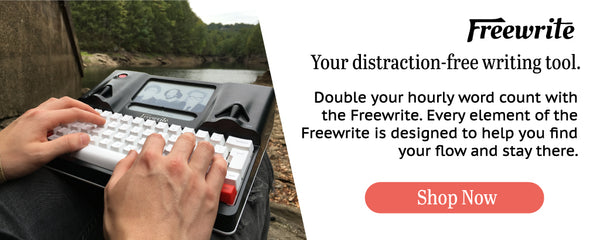
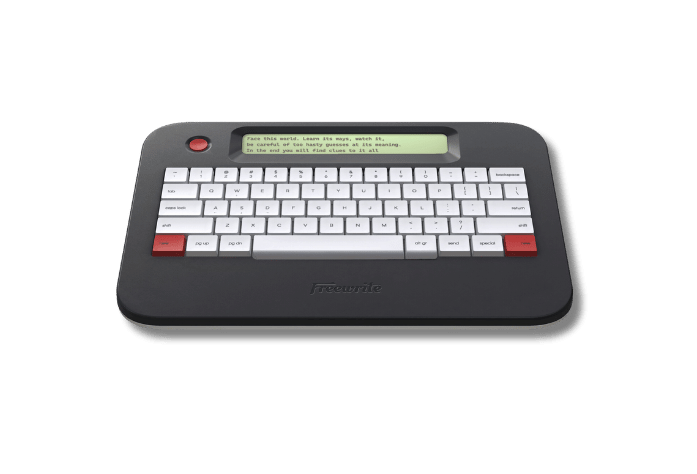
Cada elemento de Freewrite está diseñado para ayudarte a encontrar tu ritmo y mantenerlo. Funciona a la perfección tanto en interiores como en exteriores, en línea o sin conexión. Duplica tu consumo de palabras por hora, cumple con los plazos y escribe mejor contenido.

Freewrite permite a escritores como tú crear borradores sin distracciones con notificaciones ni las infinitas posibilidades de internet. Cuando llegue el momento de escribir, puedes simplemente escribir. Si te interesa, puedes visitar la tienda de Freewrite para obtener más información.
12. Crea una rutina

Bien, ya has agotado las once sugerencias anteriores. Encontraste una que funcionó, pero no funcionó la segunda vez. ¿Y ahora qué?

Tienes que crear una rutina.

Como mencioné en el consejo n.° 6, sigo un horario matutino estricto para alinearme con las tareas del día. Después de escribir en mi diario y planificar mi día, dedico 30 minutos al desarrollo personal. Hoy aprendí sobre copywriting con el legendario Gary Bencivenga. Mejoré mi técnica y encontré inspiración para aplicarla a mi escritura.

Por último, eso nos lleva al abuelo de todos ellos...

13. Empieza a escribir

Has agotado todas las opciones de esta lista y no te queda nada. Aquí tienes la solución infalible para superar el bloqueo del escritor.

Es así de simple.

Simplemente empieza a escribir.

Ya lo sabes, pero evidentemente, lo fácil de hacer también es fácil de no hacer. Empieza con una palabra, luego con otra.
Solución

Personalmente, ¿cómo superé mi bloqueo creativo? La causa principal de mi bloqueo creativo era el perfeccionismo. Esperaba escribir un artículo de 2000 palabras digno de un Pulitzer en menos de una hora.

Sólo cuando abracé toda mi creatividad interior pude escribir para liberarme del estancamiento interminable del bloqueo del escritor.

Mi única esperanza es que después de leer estos consejos, puedas abordar la causa subyacente de por qué estás estancado para que puedas deshacerte del bloqueo del escritor para siempre.


Carlton Clark A Carlton Clark le encanta escribir sobre negocios, béisbol y cultura popular. Es escritor, especialista en marketing y emprendedor. A los 14 años, fundó la empresa de medios ballplayerplus.com . Actualmente, Carlton ayuda a las empresas a compartir sus historias a través de las redes sociales y blogs. Cuando no está escribiendo ni creando contenido, Carlton es entrenador de béisbol juvenil en su escuela secundaria local y toca la guitarra. Puedes encontrarlo en Instagram @itscarltonclark y en Twitter @carlton_mukasa.
Freewrite - Máquina de escribir inteligente sin distracciones
noviembre 29, 2025 4 lectura mínima

The Great Freewrite Séance: A Ghost'ly Charity Auction Full Terms & Conditions

These Terms and Conditions (“Terms”) govern participation in The Great Freewrite Séance: A Ghost'ly Charity Auction (“Auction”), organized by Freewrite (“Organizer,” “we,” “us,” or “our”). By registering for, bidding in, or otherwise participating in the Auction, you (“Participant,” “Bidder,” or “Winner”) agree to be bound by these Terms.

1. Auction Overview

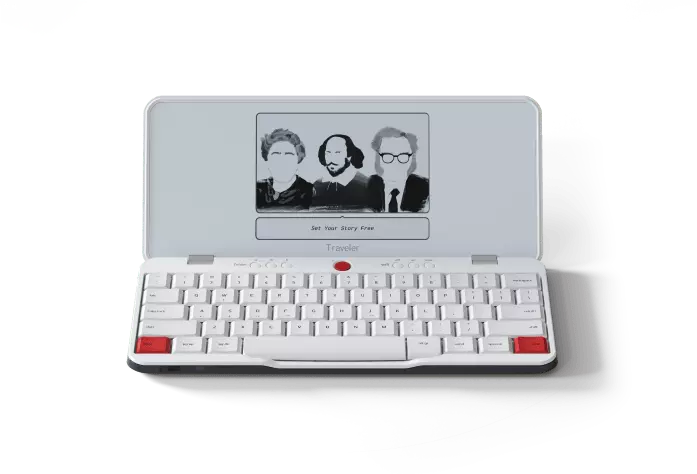
1.1. The Auction offers for sale a limited number of Freewrite Traveler Ghost Edition units (“Items” or “Ghost Traveler units”), each personally signed and drawn on by a featured author.

1.2. All proceeds, net of explicitly disclosed administrative costs, will be donated to the charity or charitable initiative (“Charity”) identified on each auction item’s page, as chosen by the respective author.

2. Eligibility

2.1. Participants must be at least 18 years old or the age of majority in their jurisdiction, whichever is higher.

2.2. Employees of Freewrite, the participating authors, or any affiliates directly involved in the Auction are not eligible to bid.

2.3. By participating, you represent that you are legally permitted to take part in online auctions and to pay for any bids you win.

3. Auction Registration

3.1. Participants must create an account on the auction platform or otherwise register using accurate, current, and complete information.

3.2. Freewrite reserves the right to verify identity and to disqualify any Participant who provides false or misleading information.

4. Bidding Rules

4.1. All bids are binding, final, and non-retractable.

4.2. Bidders are responsible for monitoring their bids; Freewrite is not liable for missed notifications or technical issues on the auction platform or the Participant’s device.

4.3. Freewrite reserves the right to:

  • set minimum bids or bid increments;
  • reject bids deemed in bad faith or intended to disrupt the Auction;
  • extend, pause, or cancel the Auction in case of technical difficulties, fraud, or events beyond reasonable control.

5. Winning Bids and Payment

5.1. The highest valid bid at the close of the Auction is the Winning Bid, and the corresponding Participant becomes the Winner.

5.2. Winners will receive payment instructions and must complete payment within 48 hours of the auction’s close unless otherwise stated.

5.3. Failure to complete payment on time may result in forfeiture, and Freewrite may offer the Item to the next highest bidder.

5.4. Accepted payment methods will be listed on the Auction platform. All payments must be made in the currency specified.

6. Item Description and Condition

6.1. Each Ghost Traveler unit is authentic, and the signatures, doodles, and messages are original works created by the participating author. These are authors, not artists. By bidding on the Item, you acknowledge that you are receiving a one-of-a-kind unit marked with unique art and messages and you agree to these terms and conditions.

6.2. Because Items are customized and signed by hand, variations, imperfections, or unique marks are to be expected. These are considered part of the Item’s character and not defects.

6.3. Items are provided “as-is” and “as-available.” Freewrite makes no warranties of merchantability or fitness for a particular purpose.

7. Shipping & Delivery

7.1. Shipping costs, import duties, and taxes may apply unless explicitly stated otherwise.

7.2. Freewrite will make reasonable efforts to ship Items within the estimated timeline but cannot guarantee delivery dates.

7.3. Title and risk of loss transfer to the Winner upon delivery to the carrier.

7.4. Freewrite is not responsible for delays, damage, or loss caused by the courier or customs agencies.

8. Charity Donation

8.1. Net proceeds from the Auction will be donated to the Charity designated on each Item page.

8.2. Donation amounts and recipients may be disclosed publicly unless prohibited by law.

8.3. Winners acknowledge that they are purchasing Items, not making a tax-deductible donation to Freewrite; therefore, Winners will not receive charitable tax receipts unless Freewrite explicitly states otherwise in compliance with applicable laws.

9. Intellectual Property

9.1. All trademarks, brand names, product names, and creative materials associated with Freewrite and the Ghost Traveler remain the exclusive property of Freewrite or their respective rights holders.

9.2. Participants may not reproduce, distribute, or publicly display the authors’ doodles without permission where such rights are applicable, except as allowed by law (e.g., resale of the physical Item).

10. Privacy

10.1. By participating, you consent to Freewrite’s collection, use, and storage of your personal data in accordance with our Privacy Policy.

10.2. Freewrite may publicly announce auction results, including Winner’s first name, last initial, city, state/country, and winning bid amount unless prohibited by law or unless you formally request anonymity when possible.

11. Prohibited Conduct

Participants may not:

  • engage in bid manipulation, fraud, or collusive bidding;
  • use automated systems (bots, scripts, scrapers) to place or monitor bids;
  • interfere with the Auction, platform, or other participants

Freewrite may ban or disqualify any Participant violating these rules.

12. Limitation of Liability

To the fullest extent permitted by law:

12.1. Freewrite is not liable for indirect, incidental, special, or consequential damages arising from the Auction or purchase of Items.

12.2. Freewrite’s total liability in connection with these Terms shall not exceed the amount of the Winning Bid actually paid by the Participant.

12.3. Freewrite is not responsible for technical malfunctions, internet outages, system failures, or other issues beyond its control.

13. Cancellation and Force Majeure

Freewrite may cancel, postpone, or modify the Auction due to unforeseen circumstances, including but not limited to natural disasters, system failures, strikes, or events affecting participating authors or the Charity.

14. Governing Law & Dispute Resolution

14.1. These Terms are governed by the laws of Michigan, without regard to conflict-of-law rules.

14.2. Any disputes arising under these Terms will be resolved through binding arbitration or the courts of the specified jurisdiction, as applicable.

14.3. Participants waive any right to participate in class-action lawsuits relating to the Auction.

15. Amendments

Freewrite may update these Terms at any time. Continued participation in the Auction after updates constitutes acceptance of the revised Terms.

16. Contact Information

For questions or concerns regarding the Auction or these Terms, contact: hello@getfreewrite.com.

noviembre 25, 2025 1 lectura mínima

This is a great gratitude writing exercise to be done alone or in a group, with people of any age.

How to Play

    1. Designate someone to read out each prompt below. (Feel free to add your own prompts.)
    2. After each prompt is read, set a timer for one minute. (With younger kids, this can be shortened. For older folks who want to freewrite meaningfully, more time can be added.)
    3. Each person freewrites by finishing the sentence and elaborating until the timer goes off. (For little kids, this can be done verbally with an adult recording their answers. Hilarity will ensue.)
    4. Remeber that freewriting — allowing yourself to write with abandon — enables you to let go, tapping into your subconscious to explore your thoughts more deeply.
    5. When everyone is done with all the prompts, take turns going through some your answers. Some people may be eager to share. Others may not want to. Respect their decision.

The Prompts

  • I'm grateful for... [After you've finished this prompt, repeat it five times. Challenge yourself and others not to repeat a singe word with each new answer.]
  • The silliest thing I'm grateful for is...
  • The littlest thing I'm grateful for is...
  • The biggest thing I'm grateful for is...
  • The grossest thing I'm grateful for is...
  • One thing I love about myself is...
  • My favorite thing that happened this year was...
  • My hope for next year is...

This writing exercise has resulted in some sweet answers — and many hilarious ones, too. If you try it out, do let us know.

Write on.

noviembre 21, 2025 4 lectura mínima

For the release of Sailfish, our new firmware update for Smart Typewriter Gen3 and Traveler, we created a brand-new boot-up animation to surprise and delight our writers.

We worked with talented Danish animator Mathias Lynge to bring our experience of the writer's journey to life.

We had a blast visualizing the writer's journey in this new way. Our engineers also had a blast (or something less than a blast) figuring out how to adjust this fun, playful animation to E Ink's very tricky specifications. Hello, refresh rate woes! But we think the result is pretty fun.

"The little animation made my day when I noticed. I love a good flourish."

- Freewrite user

The process of creating this animation was long and full of Zoom calls where we deeply discussed the writing process. We were struck through those conversations by how much overlap there is in creative processes of all disciplines.

So we sat down to chat with Mathias about his creative process and what it's like being a full-time animator.

ANNIE COSBY: Let's start with the basics. What kind of art do you make?

MATHIAS LYNGE: I'm a 2D animator and motion designer working freelance with a wide range of clients. The style varies depending on the project, but it’s usually either a hand-drawn look animated frame-by-frame on a drawing tablet, or a more digital, vectorized look made in After Effects.

While much of what I do is commercial work, I try to keep up with my own passion projects as well. That could be a 10-second Instagram loop of a nature scene, or an interesting character design I’ve sketched down with a pencil. It’s there that I get to sharpen my skills and try out new techniques, which often find their way into later client projects.

AC: You often share educational content on social media for other artists. Are you formally trained, or did you teach yourself?

ML: I’m mostly self-taught. I’ve been drawing for as long as I can remember, but it wasn’t until I went to university that I realized drawing could become a career.

When I first heard terms like “motion design” and “The 12 Principles of Animation” I was on a student exchange program at UCSB in California, where I had chosen a class called "Introduction to Animation." It was a big eye-opener for me, and from that point I was hooked.

But it’s mainly been online YouTube tutorials and my existing drawing experience that have taught me what I know.

Now, I have a big presence on social media, where I share my art as well as educational content centered around animation in Adobe After Effects, so I guess you could say that I'm also an animation influencer!

I’ve been drawing for as long as I can remember, but it wasn’t until I went to university that I realized drawing could become a career.

AC: That's actually how I first found your work. Do you have any specific artists who inspire you?

ML:In the world of 2D animation, I have a list of personal heroes that inspire me with their unique style: Reece Parker, Ariel Costa a.k.a. BlinkMyBrain, and Tony Babel, to name a few.

I also find a lot of inspiration from illustrators and painters I discover online, on platforms such as Pinterest. Last year I made a sparkling water animation that was heavily inspired by Cornwall-based artist Gordon Hunt. He makes these beautiful nature-inspired pointillist paintings that capture how light hits the ocean using colorful dots of paint. I tried to recreate that effect using After Effects to bring it to life, and it led me to a whole new way of animating within the program.

AC: Where else do you draw inspiration to create your work?

ML: I’m heavily inspired by the nature and cityscapes around me in Copenhagen, and I find that taking long walks through parks or down the streets of my neighborhood really sparks my imagination.

I’ll often carry around a sketchbook to quickly scribble down an idea or a loose sketch of something I find interesting, such as seeing how the light from a lamppost hits the surrounding leaves, or how the wind moves the tree in a certain way.

Then I’ll think to myself, “I wonder if I can recreate that motion using a specific technique in After Effects?”

I’m heavily inspired by the nature and cityscapes around me in Copenhagen...

AC: What does your daily routine look like as a full-time artist?

ML: It varies a lot, but I’m usually either working hard on a client project or tinkering away with a new animation tutorial for my social media channels.

I love being able to switch between the two, and when I’m going through a client dry spell, I find that staying creative and posting animation-related content helps keep me inspired while also putting things out into the world that may lead to my next client down the road.

AC: What's your #1 piece of advice for animators new to the industry?

ML: Keep experimenting and trying out new techniques. There’s no such thing as running out of creativity, and even though many of the things you try don’t necessarily go anywhere, it’s all experience that adds up and expands your toolbox. It’s a muscle that needs to be worked out regularly.

Plus, you’ll have more awesome animation to choose from when you’re putting together your next showreel or portfolio!

There’s no such thing as running out of creativity...

AC: What's one fun fact about you completely unrelated to animation?

ML:I’m a big sucker for history podcasts, especially if they are about ancient civilizations, such as The History of Rome by Mike Duncan.

I find it fascinating to hear how mankind was able to build such great empires without ever knowing what electricity, cars, or the internet are.

--

Follow along on Mathias's creative journey and find his free educational content on Instagram.

To learn more about working together, find him on LinkedIn or visit his website at www.mathiaslynge.com.

Learn more about Sailfish here.