Probablemente ya hayas oído el término "minimalismo digital". Pero ¿qué es exactamente y por qué es beneficioso para nosotros?
El minimalismo digital es una filosofía que busca ayudar a las personas a recuperar el control de sus vidas y a construir una relación más consciente con la tecnología. En su libro "Minimalismo digital: Cómo elegir una vida enfocada en un mundo ruidoso" , Cal Newport, profesor de informática de la Universidad de Georgetown, argumenta que la conectividad constante y las distracciones que ofrecen los dispositivos digitales conducen a una existencia fragmentada y superficial, lo que afecta negativamente nuestro bienestar, productividad y relaciones.
En otras palabras: al adoptar el minimalismo digital, las personas pueden recuperar su concentración, tiempo y energía para dedicarse a actividades significativas y satisfactorias.
En Minimalismo digital , Newport identifica tres principios fundamentales en los que centrarse:
-
El desorden es costoso. Los minimalistas digitales entienden que cada herramienta digital que usan, incluso si ofrece algún beneficio, también implica costos cognitivos. Reconocen que el acto aparentemente inofensivo de revisar las redes sociales, el correo electrónico o las noticias puede fragmentar su atención y abrumarlos.
-
La optimización es esencial. Para maximizar el valor de su vida digital, los minimalistas digitales eligen intencionalmente las herramientas y plataformas que mejor se adaptan a sus objetivos personales y profesionales. Optimizan el uso de estas herramientas, desarrollando estrategias para minimizar las distracciones y maximizar la productividad.
-
La intencionalidad es clave. Los minimalistas digitales no solo reducen su consumo digital, sino que organizan cuidadosamente su vida digital para garantizar que cada herramienta o plataforma que utilizan tenga un propósito claro, alineado con sus valores y prioridades.
Para adoptar el minimalismo digital, Newport propone un proceso de depuración digital de 30 días. Esto implica tomarse un descanso de las herramientas y plataformas digitales opcionales, reevaluar su valor y reintroducir solo aquellas que respalden los valores y objetivos personales. Durante este periodo, se anima a las personas a participar en actividades de ocio de calidad, cultivar la soledad y priorizar las conversaciones cara a cara.
Minimalismo digital con escritura libre
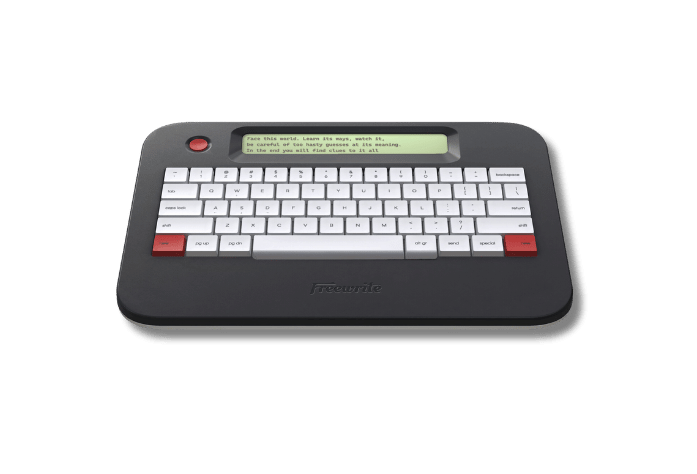
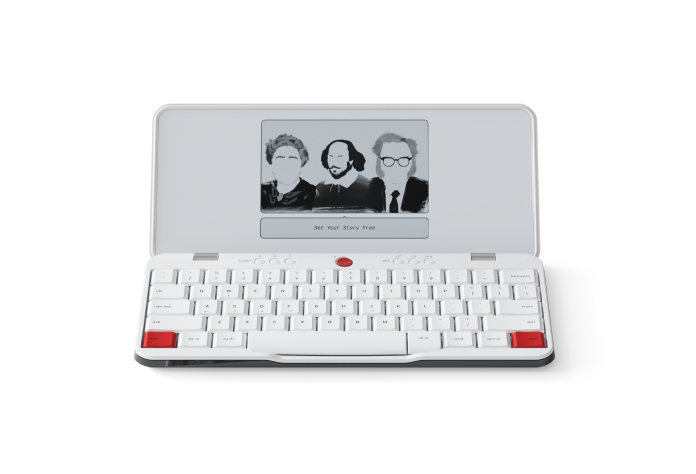
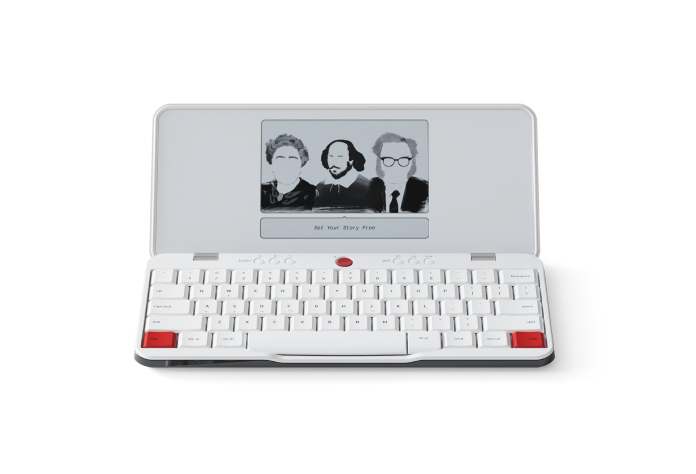
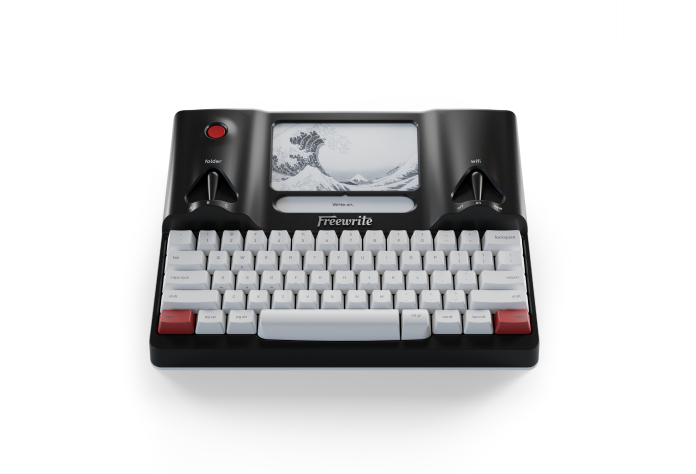
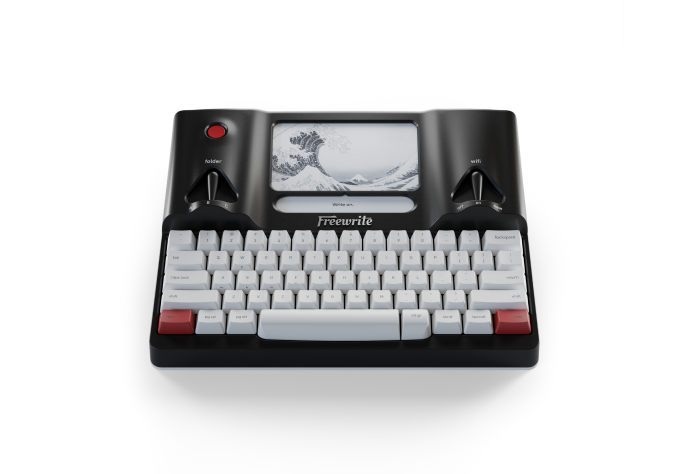
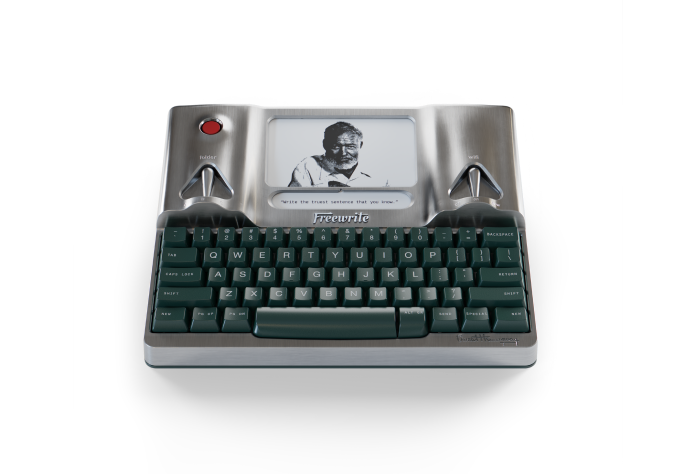
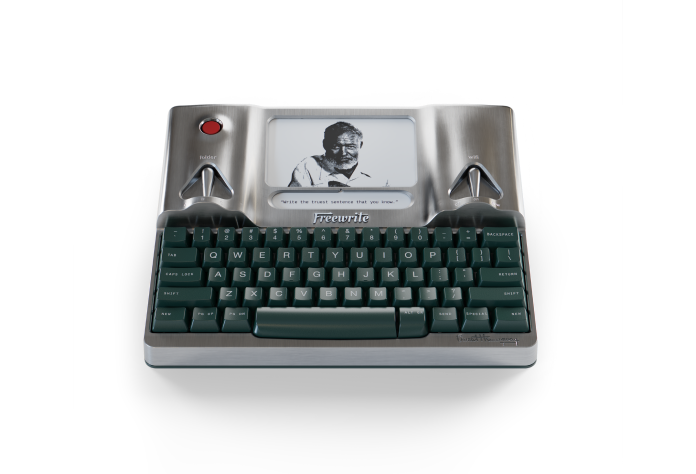
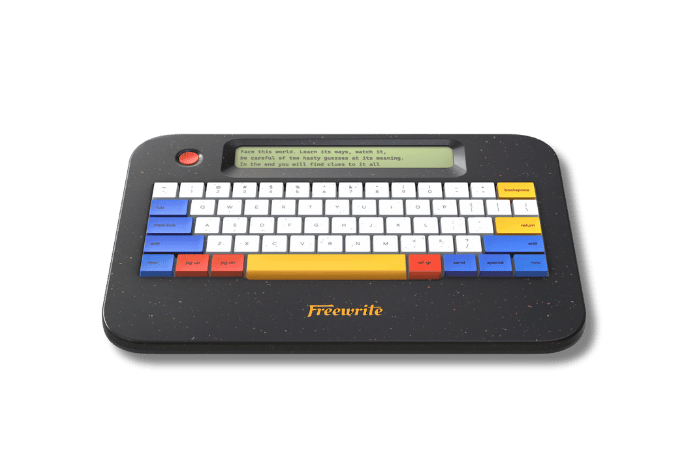
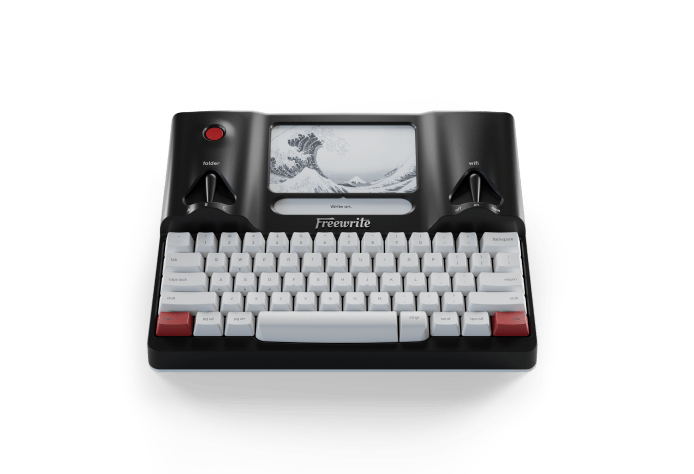
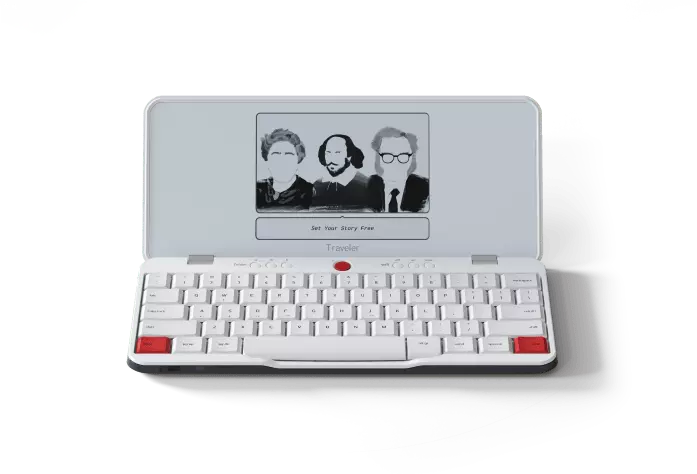
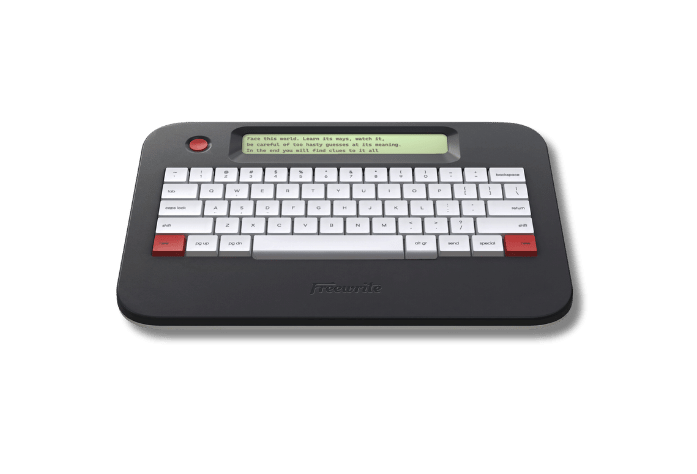
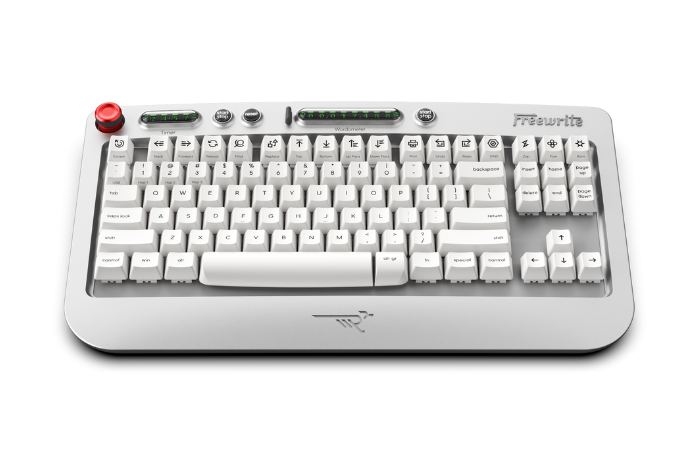
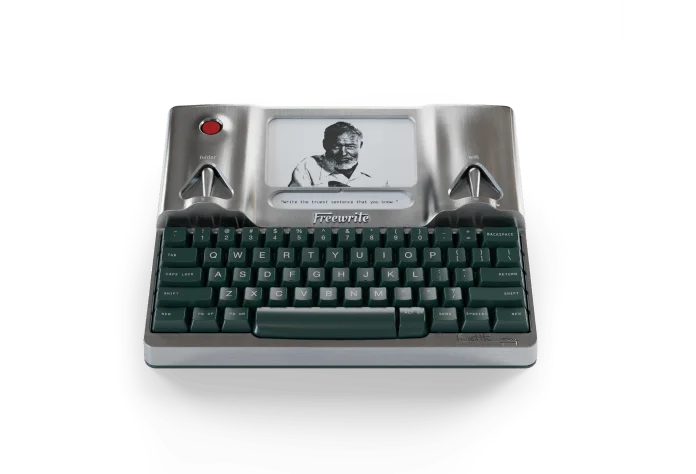
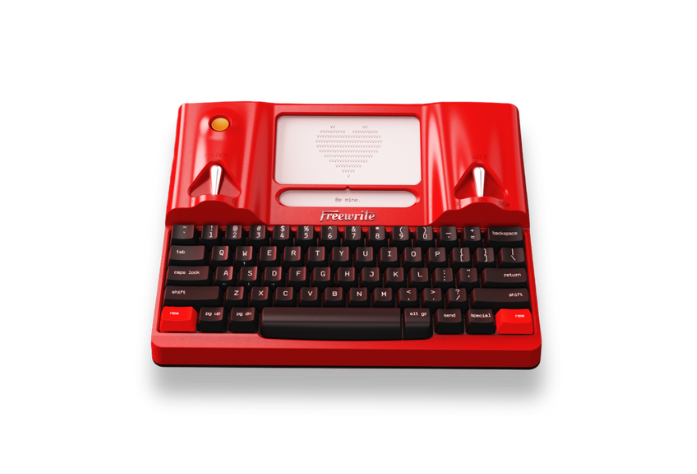
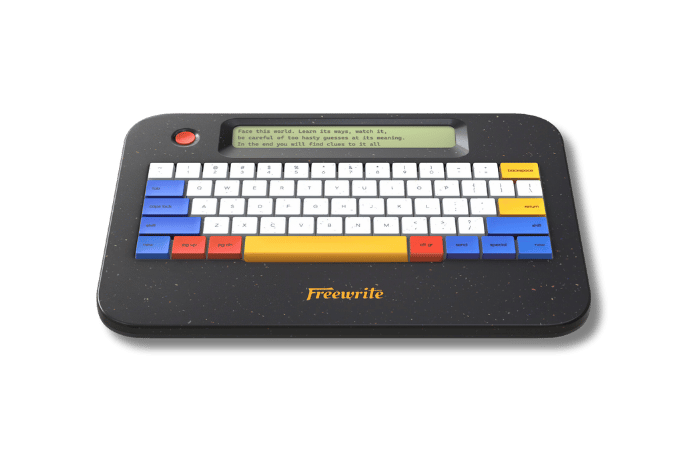
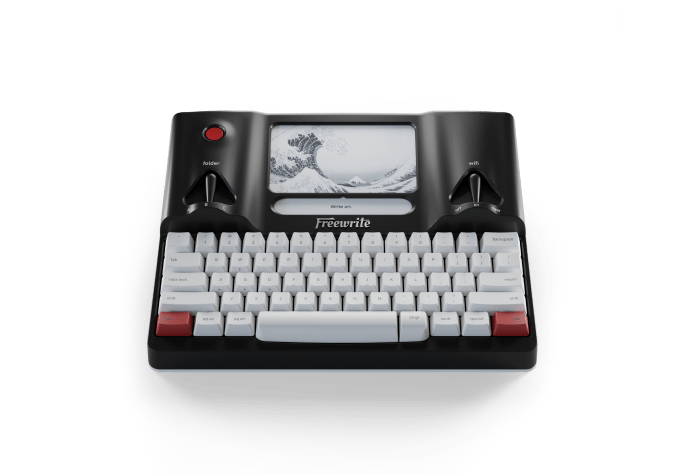
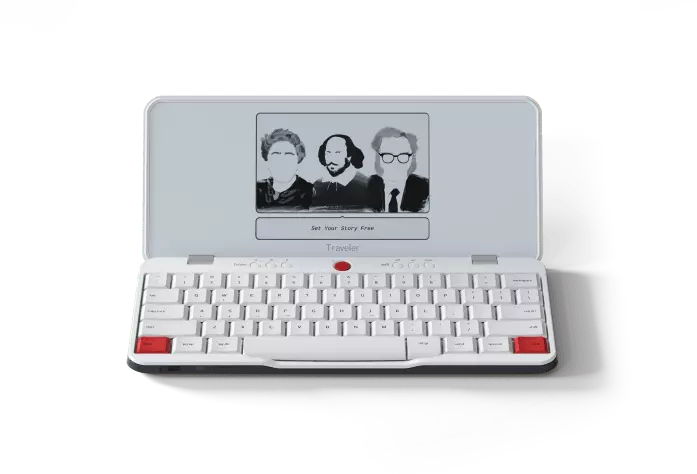
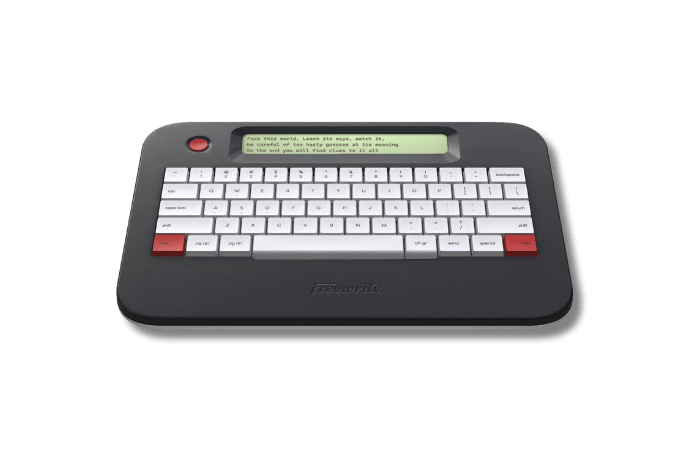
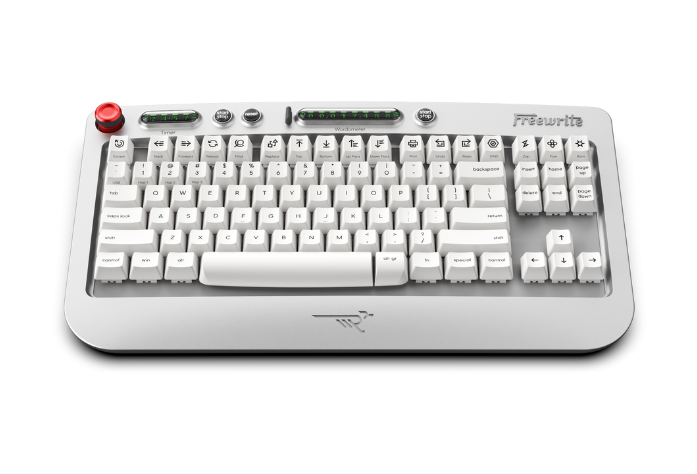
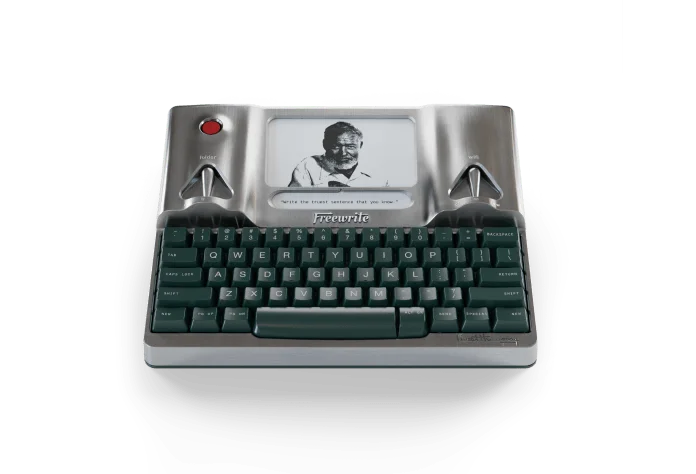
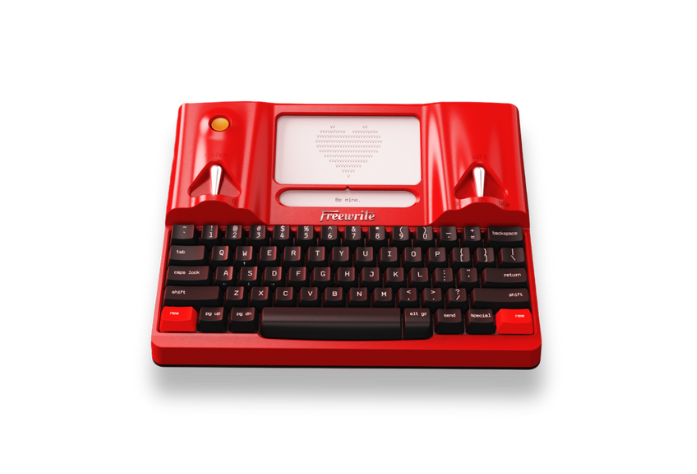
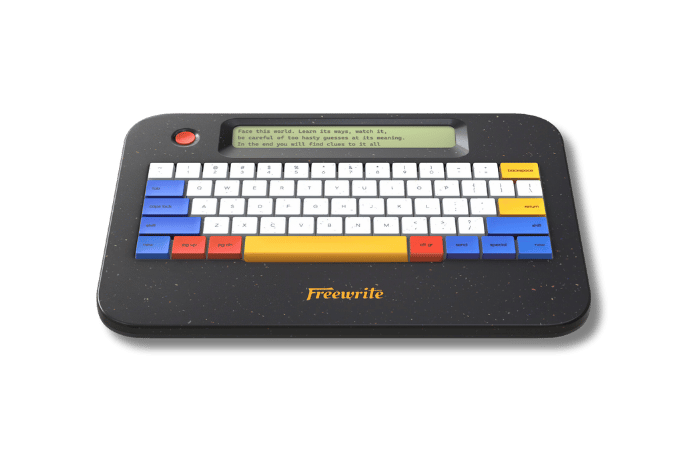
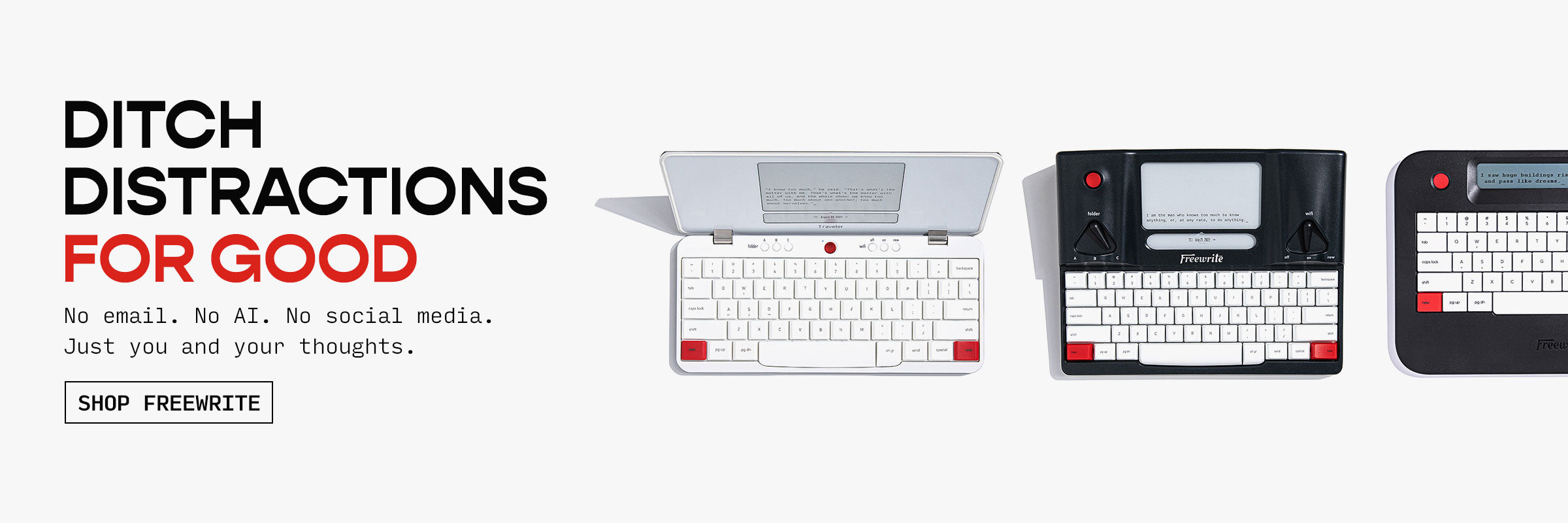
Freewrite es una herramienta especial diseñada para ayudar a los escritores a concentrarse en su escritura eliminando las distracciones digitales . Presenta un diseño minimalista con pantalla de tinta electrónica y teclado mecánico, pero sin acceso a internet, redes sociales ni notificaciones. Al usar Freewrite, los escritores, quizás sin querer, aplican directamente las lecciones del minimalismo digital para mejorar su concentración y productividad.
¿Cómo? Aquí tienes algunas maneras:
- Reducción del desorden digital. Los dispositivos Freewrite ayudan a los escritores a eliminar los costes cognitivos asociados a la multitarea y las distracciones digitales. Al ofrecer una herramienta de escritura con un solo propósito, permite a los usuarios sumergirse en su escritura, fomentando una sensación de fluidez y trabajo profundo.
- Optimización del proceso de escritura. El Freewrite está diseñado específicamente para optimizar el proceso de escritura. Gracias a su pantalla de tinta electrónica, los usuarios pueden concentrarse en sus palabras sin la fatiga visual que causan las pantallas tradicionales. El teclado mecánico proporciona una experiencia de escritura táctil y satisfactoria, lo que anima a los usuarios a concentrarse en su trabajo.
-
Fomenta la intencionalidad. Al limitar las funciones del dispositivo a lo esencial para la redacción, Freewrite anima a los usuarios a ser intencionales en sus sesiones de escritura. Los escritores son menos propensos a caer en la trampa de navegar distraídamente por internet o consultar las redes sociales, lo que les permite dedicar toda su atención a su oficio.
Al adoptar los principios del minimalismo digital de Cal Newport y utilizar una herramienta como Freewrite, los escritores pueden minimizar las distracciones, optimizar su proceso de escritura y cultivar un enfoque más intencional y centrado en su trabajo. Esto, en última instancia, puede resultar en una mayor productividad, una escritura de mayor calidad y una mayor sensación de satisfacción en sus actividades creativas. ¡Sigue escribiendo!