I spent a decade correcting people's grammar. (Not in an insufferable way. I was getting paid to do it.) Now I write without correcting my own.
For my first decade out of college, I worked as an editor, copy editor, and proofreader for an array of companies, including a big 5 publisher, several small publishers, a lineup of indie authors selling millions of books on Amazon, and a national magazine.
So it might be weird to hear this from me, but here it is, my favorite thing to tell colleagues who ask me for advice on grammar and spelling:

To illustrate, behold this exchange I often have:
Unsuspecting Amateur Speller: "Hey, Annie, how do you spell [insert word here]?"
Me: "Language is fluid."
UAS: "OK, I'll look in a dictionary."
Me: "Which one?"
UAS: "Like,the dictionary."
Me: "But which one?"
If there's one thing editors (and most students!) know all too well it's that there are numerous dictionaries, style guides, and schools of thought regarding the English language, and they all, infuriatingly, disagree with one another.
So how's a writer supposed to write?
One Dictionary to Rule Them All
Samuel Johnson, an English essayist, poet, and literary critic, set out to create a definitive guide to the English language in 1755.
It was by no means the first dictionary (in any language), but most dictionaries of the time were unorganized, poorly researched, and focused on difficult or obscure words rather than common ones. That meant giving little clarity to the language as it was actually spoken.
It took him 7 years, but Johnson's resulting work features 42,773 words, and would go on to become one of the most influential dictionaries in the history of English. And it would eventually inspire a classic Blackadder skit, but that's probably not what Johnson would be most proud of.
Yes, I ended that sentence on a preposition, and I'm going to leave it that way.
His well-researched, carefully organized dictionary also established the format that most dictionaries would take afterward. (He also utilized humor in his definitions, which should have been retained in future dictionaries, in my opinion.)
However, there were many problems with the dictionary. Johnson ignored regional dialects, included a fraction of words in use at the time (to be fair, he was writing all this himself), added his own personal political opinions into definitions, and ...
Well, honestly, this list could go on, but my point today isn't actually about the dictionary itself.
Just a few examples of his inserted opinions: he called the word lesser "a barbarous corruption of less," and defined a lexicographer"a harmless drudge."

Johnson Learned a Lesson So We Don't Have To
Helpfully for us, Johnson wrote The Plan of an English Dictionary in 1747 before writing the dictionary in order to try to sway over a prospective benefactor. This gives us a very clear idea of what Johnson was trying to do:
"[O]ne great end of this undertaking is to fix the English language."
There's no mincing words there.
Scholars of the time, including Johnson, were particularly unhappy with how the English language was evolving across the Atlantic among British settlers in North America. They saw this bastardization of the language as a corruption of both the language and British society.
He once told his biographer: "I am willing to love all mankind, except an American."
(As an American obsessed with British literature, I find this particularly funny. But that's a whole different story.)
For all these intentions, though, we know what really happened in the process of creating the dictionary thanks to Johnson's Preface to the Dictionary (1755). To put it bluntly: he admits he was wrong.
He describes his attempt to "embalm" the language as "the dreams of a poet doomed at last to wake a lexicographer."
"When we see men grow old and die at a certain time one after another, from century to century, we laugh at the elixir that promises to prolong life to a thousand years; and with equal justice may the lexicographer be derided, who being able to produce no example of a nation that has preserved their words and phrases from mutability, shall imagine that his dictionary can embalm his language, and secure it from corruption and decay, that it is in his power to change sublunary nature, or clear the world at once from folly, vanity, and affectation."
In other words: Samuel Johnson learned that a dictionary can't "fix" a language. Because languages aren't fixed.
They change, they grow, they expand and contract, they innovate, constantly, not just generation to generation but city to city and person to person.
Because language exists primarily for communication. Grammar and spelling help us to communicate with one another, sure. But it's worth remembering that there's no one correct way to say something, to spell something, to phrase something.
And demanding that there is, I realized, was only hurting my own writing.
In using my editor brain (or my Samuel Johnson brain) to write, I realized I was short-changing my writing brain. In enforcing proper grammar (and double-checking spellings) while I was actively writing, I was stripping it of voice and spontaneity.
Maybe that means that grammar shouldn't be the building block upon which we build a story, but instead the polish we add after to ensure we're communicating with our intended audience effectively.
Because language exists primarily for communication. Grammar and spelling help us to communicate with one another, sure. But it's worth remembering that there's no one correct way to say something, to spell something, to phrase something.

An Intervention
This was a lesson I had to learn over many years.
Being an editor and a writer is difficult. The writer and editor sides of your brain are warring at any given time. And the fear of perfection can be all-consuming.
I struggled with that for years — revising a single chapter over and over without ever moving on to the next. The key to getting over that, for me, was freewriting.
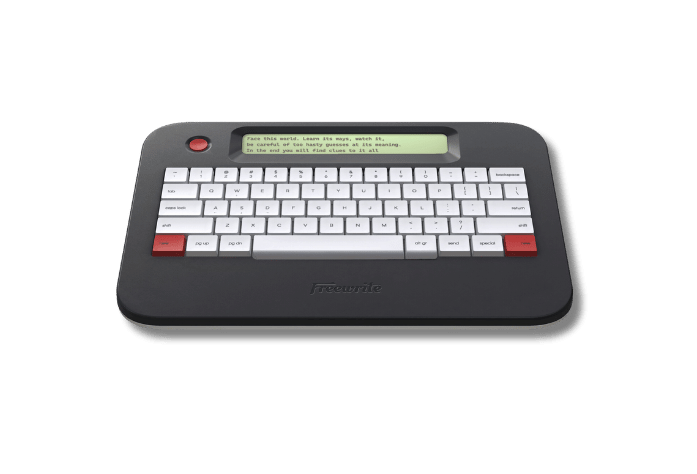
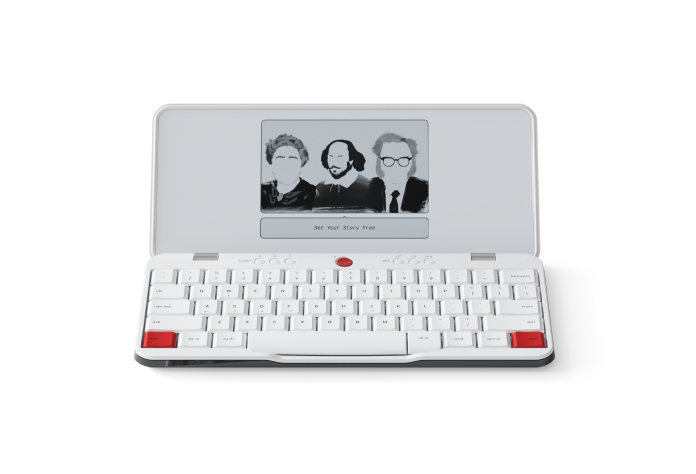
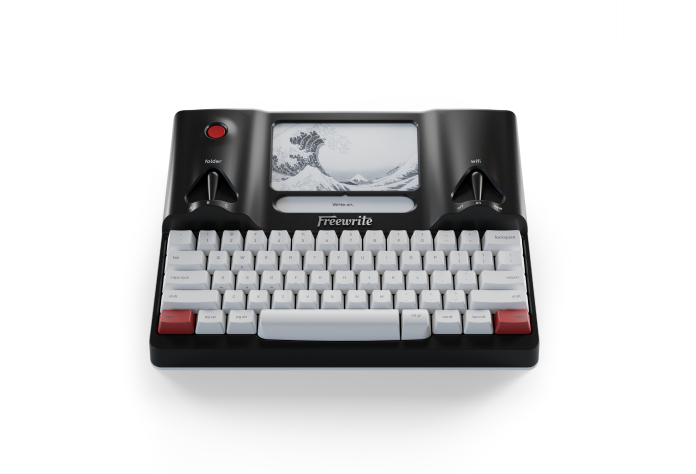
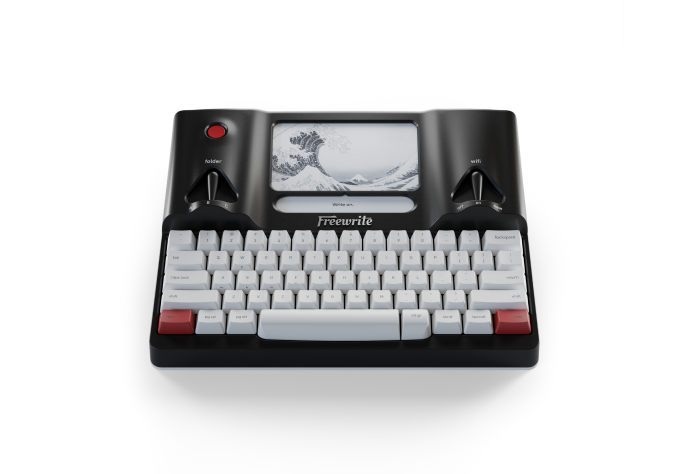
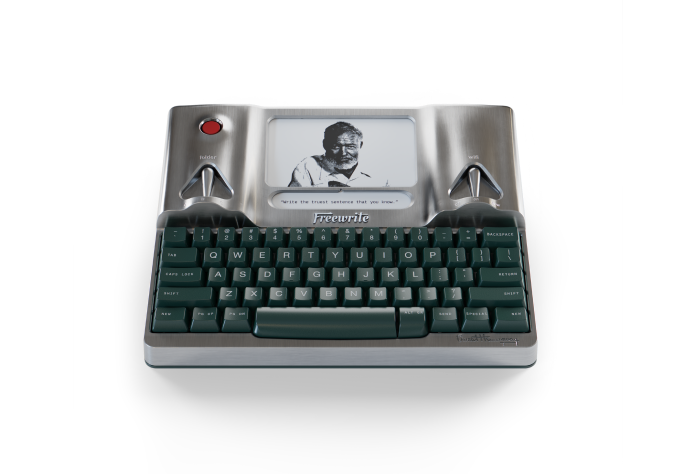
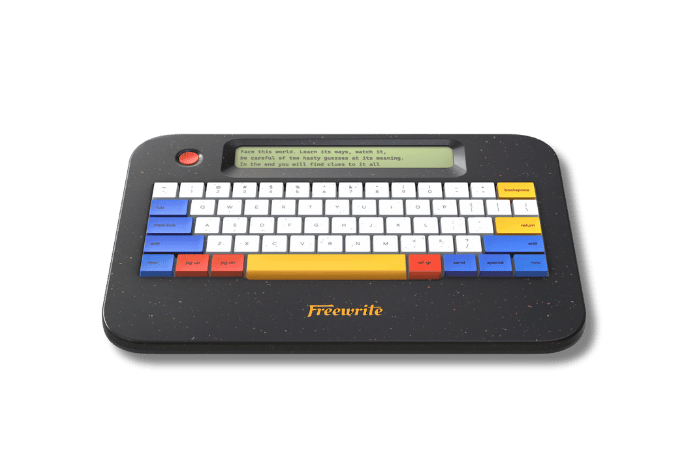
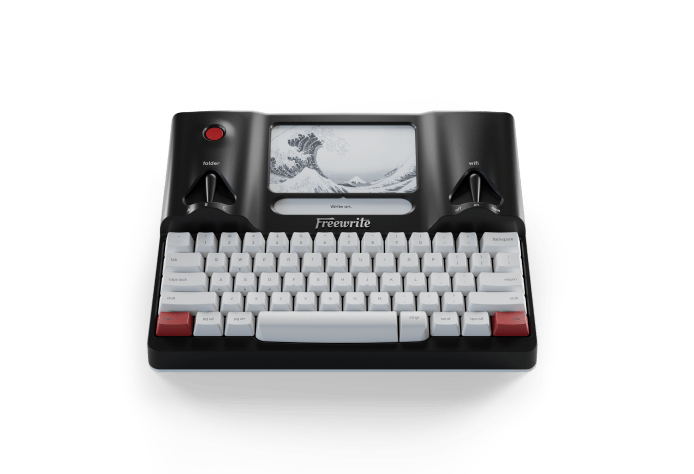
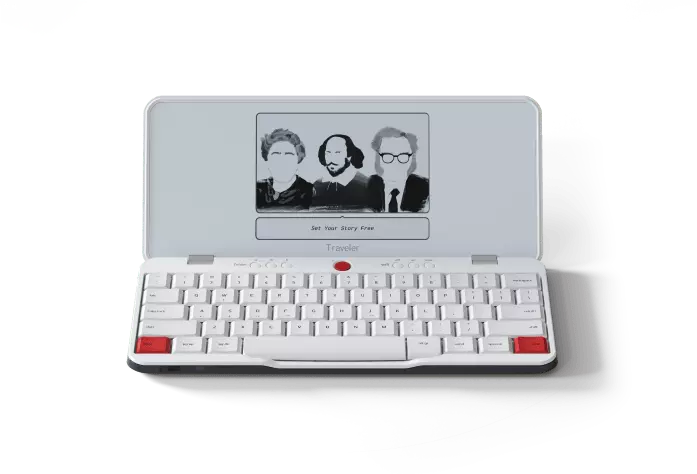
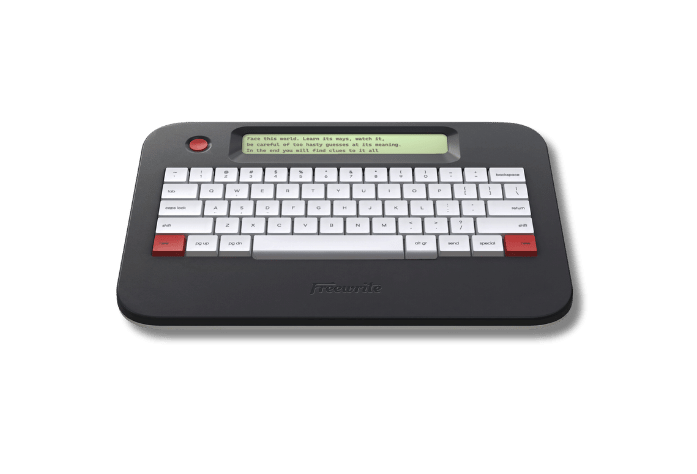
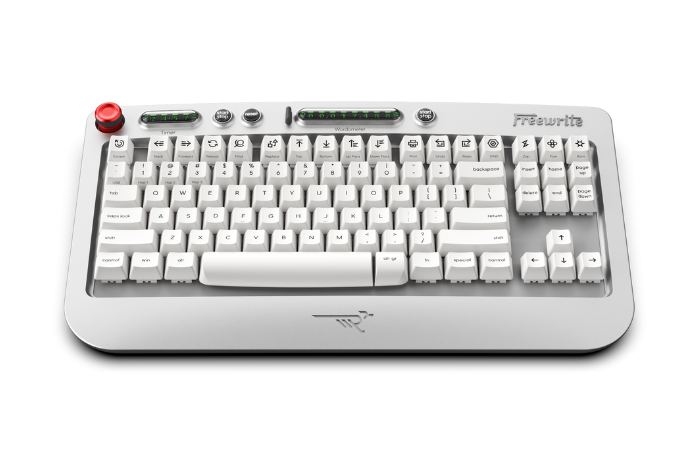
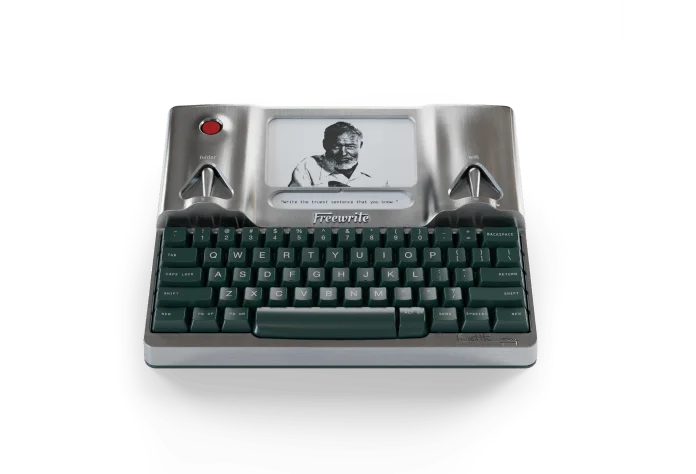
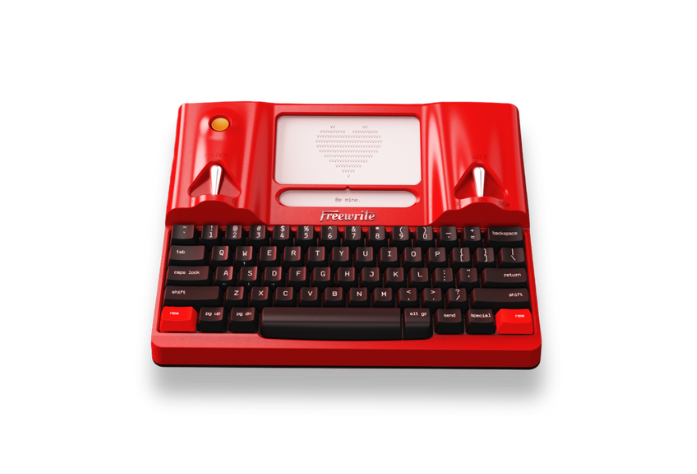
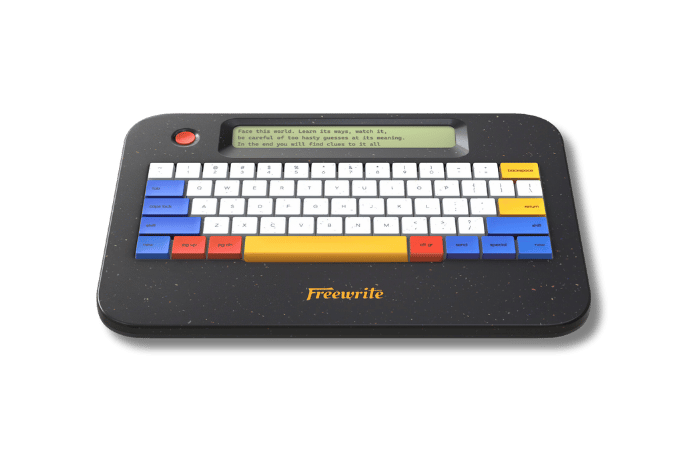
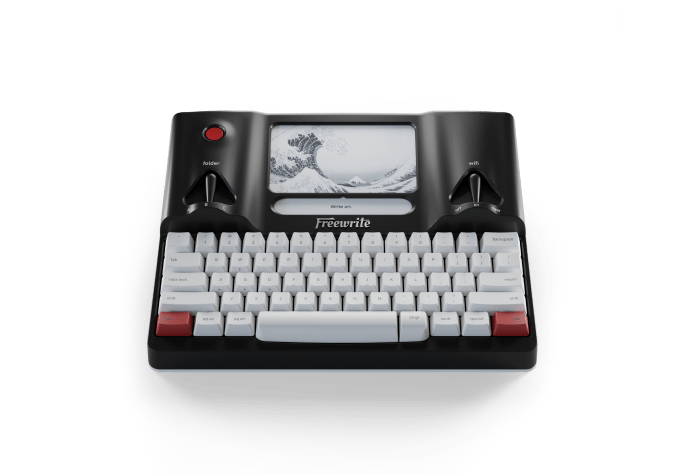
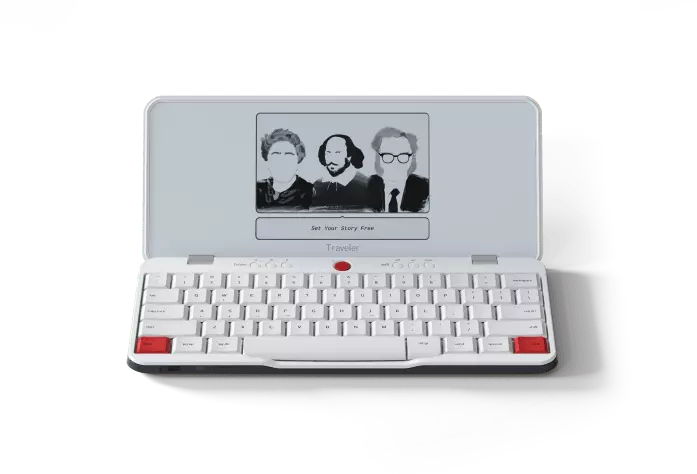
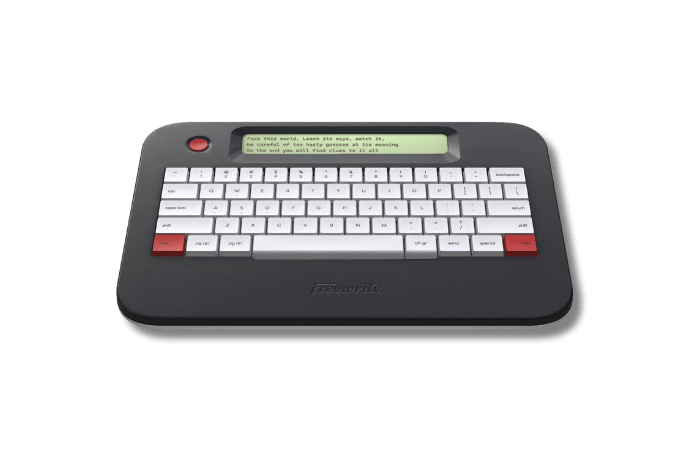
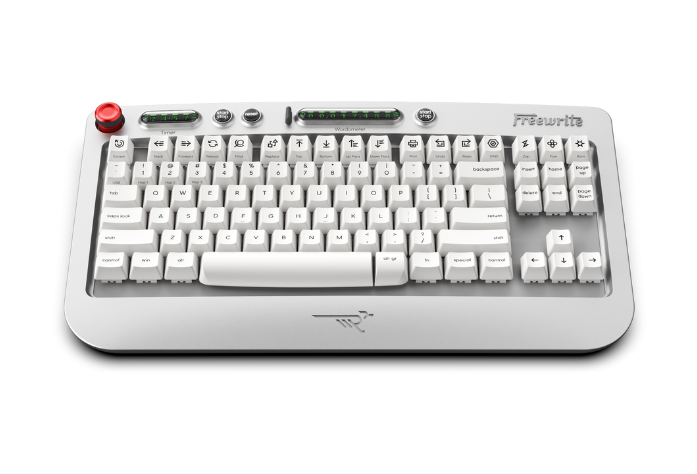
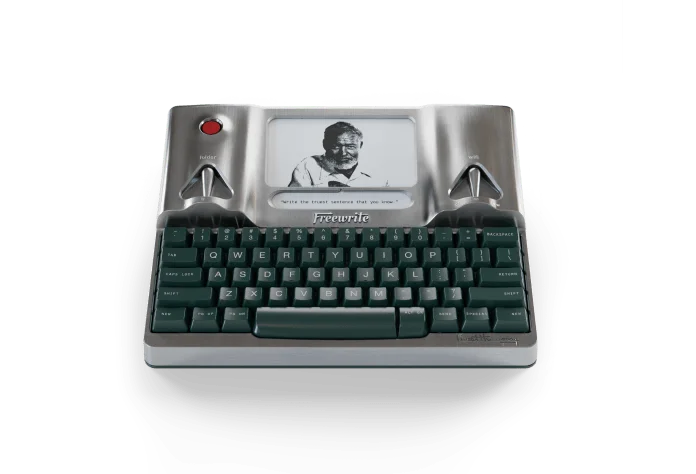
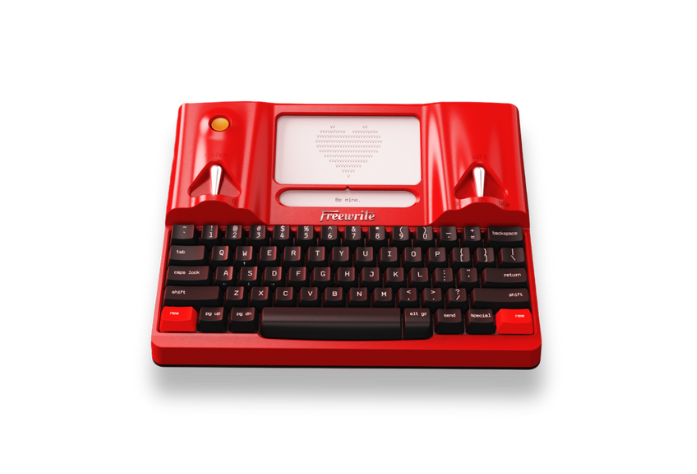
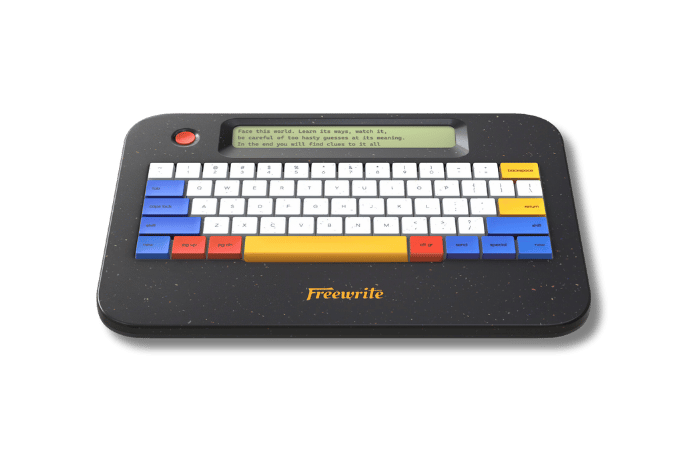
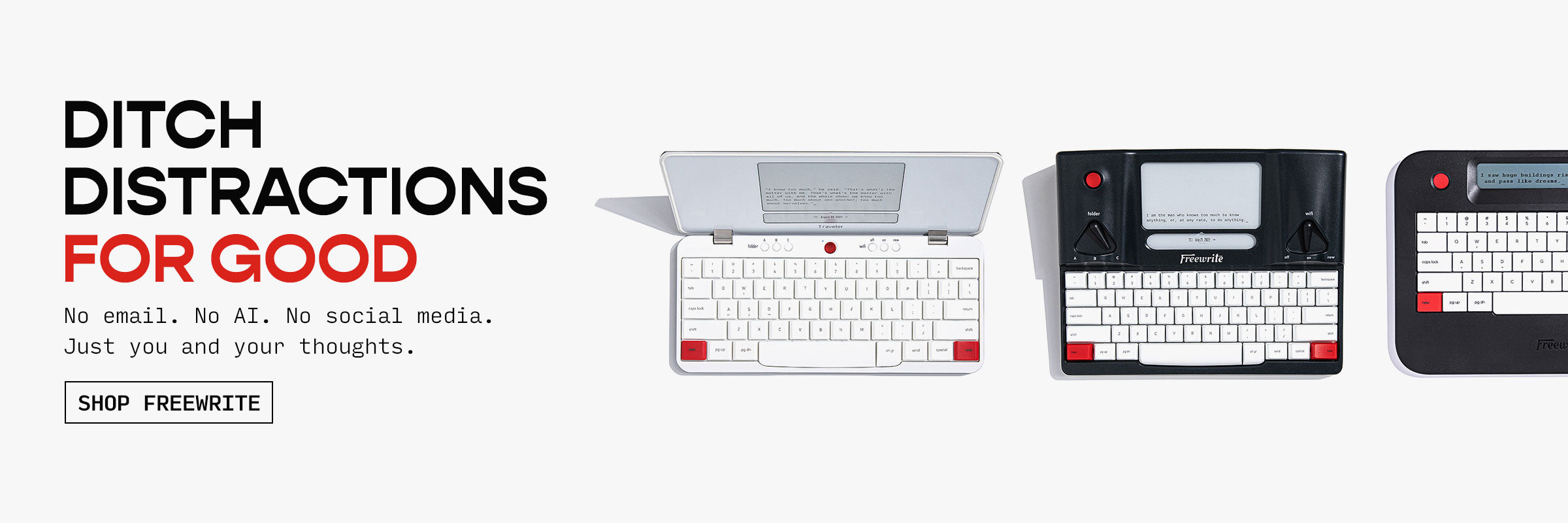
Giving yourself permission to turn off the editor brain when it's time to create new words out of nothing. Easier said than done, of course. It takes practice and constant reminders, but with enough repetition (and a dedicated device to physically prevent you from editing) you can unlock a new way of writing.
Any natural editor who has the same tendencies and stubborn brain, I strongly urge you to give freewriting a try.
Happy writing!
The customer service team can't wait to read the rebuttals from English teachers in the inbox tomorrow. 🙂
Maybe that means that grammar shouldn't be the building block upon which we build a story, but instead the polish we add after to ensure we're communicating with our intended audience effectively.