Celeste Headlee estaba trabajando en un libro cuando se dio cuenta de que estaba abrumada e infeliz. Se enfermaba constantemente y nunca tenía tiempo para nada.
Y pronto se dio cuenta de que no estaba sola. El agotamiento es real y está en todas partes.
Como una verdadera periodista, Celeste se propuso averiguar por qué.

Lo que Celeste aprendió fue que los Homo sapiens modernos vivimos una vida muy diferente a la que nuestra especie ha vivido durante la mayor parte de nuestra existencia en la Tierra. Mediante una investigación exhaustiva, descubrió el origen de nuestros niveles sin precedentes de agotamiento y decidió escribir un libro al respecto.
No hacer nada: Cómo romper con el exceso de trabajo, la sobreactividad y la falta de recursos Es un llamado a rechazar la cultura del exceso de trabajo y a vivir con mayor propósito. Es un llamado a ayudar a cambiar nuestra cultura tóxica de la productividad: el "culto a la productividad", como lo llama Celeste.
Charlamos con Celeste sobre la evidencia histórica de que los humanos estamos demasiado ocupados en estos días y cómo todos podemos navegar en el mundo moderno de una manera más saludable.

ANNIE COSBY: ¿Cómo surgió Do Nothing ?
CELESTE HEADLEE: En realidad, estaba trabajando en otro libro por aquel entonces, pero descubrí que mi vida no marchaba como debía. Estaba abrumada todo el tiempo. Era infeliz y me enfermaba.
Me di cuenta de que necesitaba resolverlo o nunca terminaría el libro. Así que empecé a investigar en mi tiempo libre para intentar averiguar qué estaba fallando.
Casi todos con los que hablé de mi investigación me decían: «Bueno, cuando encuentres la respuesta, ¡dímelo, por favor!». Y ahí fue cuando me di cuenta de que el problema no era yo: no era solo una persona con problemas de productividad y concentración. Éramos nosotros .
Y así se convirtió en un libro.
AC: Dijiste antes que esperabas que tu uso de la tecnología fuera el problema, pero descubriste que no lo era.
CH: Esperaba que fuera tecnología. Esperaba descubrir que mis hábitos de navegación web y mi teléfono me distraían demasiado. Así que experimenté. Encontré estudios que decían que tener el teléfono visible distrae, y así es, sin duda.
Así que decía: «Bueno, durante las próximas dos semanas, si intento concentrarme o mientras duermo, dejaré mi teléfono en otra habitación». En una ocasión, me compré un teléfono inútil. Estuve sin tecnología durante al menos seis semanas. Y me ayudó.
Pero no solucionó mi problema.
Fue entonces cuando empecé a analizar la historia. Para averiguar: "¿Cuándo empezó esto? ¿Cuándo empezamos a ver quejas sobre este exceso de trabajo, esta adicción a la actividad y la productividad?"
Y descubrí que [las quejas] realmente comienzan después de la Revolución Industrial. Ahí es cuando empezamos a ver todas estas menciones de exceso de trabajo y quejas de "No tengo suficiente tiempo".

Resulta que hemos vivido una vida muy diferente durante la mayor parte del tiempo que el Homo sapiens ha estado en este planeta.
AC: ¿Puedes hablarnos de algunos de los hábitos y daños específicos de los que estamos hablando?
CH: No tenemos suficiente tiempo en el mundo para analizar todo el daño que este estilo de vida ha causado, pero tocaré algunos temas.
Un ejemplo es la multitarea. No solo sabemos que la mayoría de la gente intenta hacer varias cosas a la vez, sino que también sabemos que es muy perjudicial para el cerebro. Y cuando digo perjudicial, lo digo literalmente.
Se han realizado estudios (estudios replicados y revisados por pares) que muestran que las personas que intentan realizar varias tareas a la vez de manera regular sufren una contracción del cerebro.

Sabemos que estás dañando tu materia gris y que, por ahora, desconocemos si es reversible. Lamentablemente, también sabemos que más del 70 % de las personas creen ser la excepción y que pueden realizar múltiples tareas a la vez.
Es muy difícil que la gente deje de hacer esto. Paso por delante de las computadoras de la gente y veo 80 pestañas abiertas.
AC: Eso parece un ataque personal.
CH: Y tienen su teléfono celular sobre su escritorio, con la vista puesta en la pantalla, para saber cuándo llega una notificación.
AC: Estás describiendo mi espacio de trabajo.
CH: Esto es muy perjudicial para el cerebro. Y lo hacemos porque creemos que, en realidad, estamos logrando más… cuando toda la evidencia demuestra lo contrario. No solo estamos logrando menos, sino que la calidad del trabajo que realizamos es pésima.
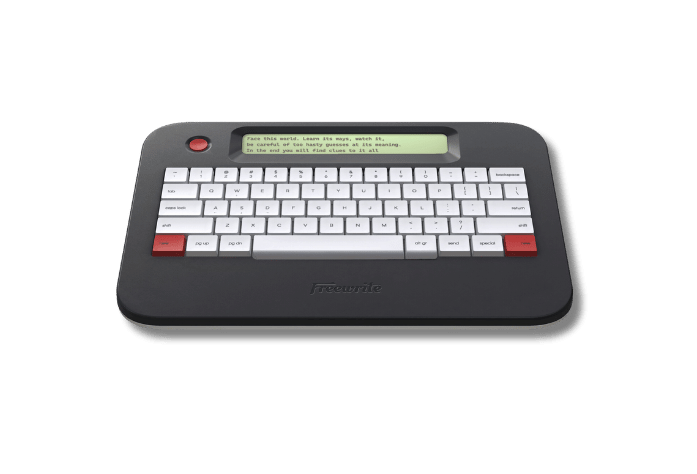
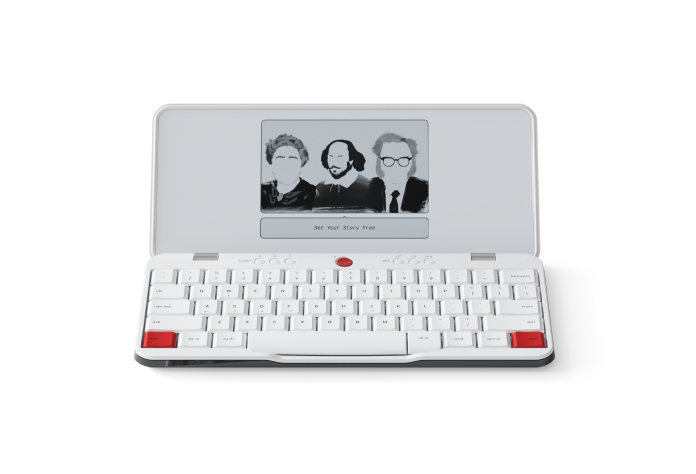
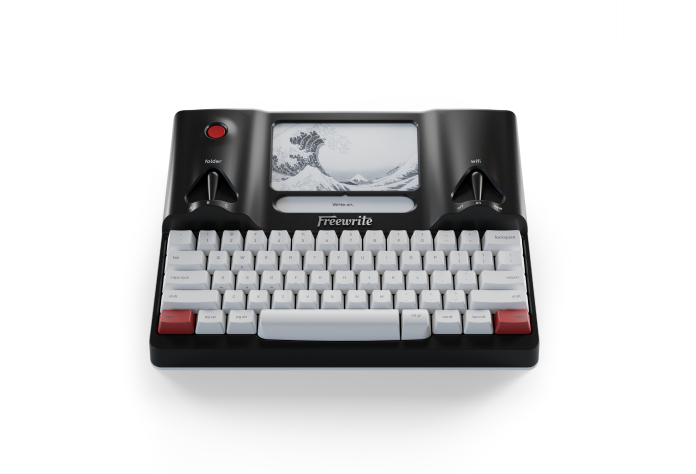
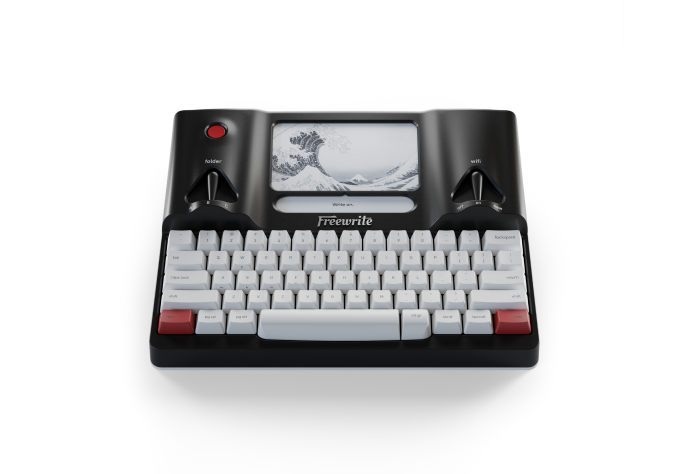
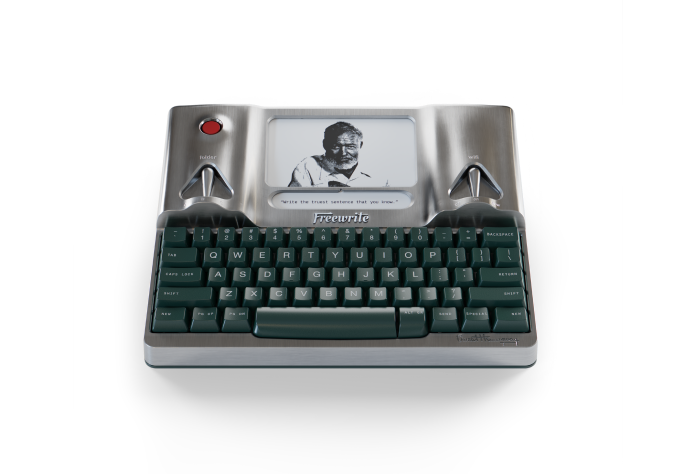
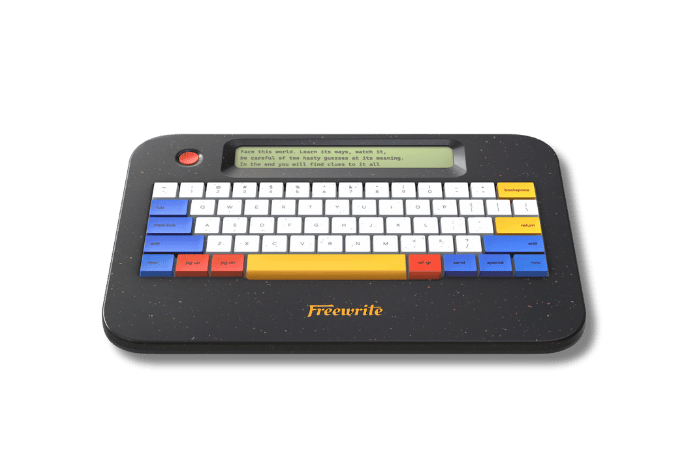
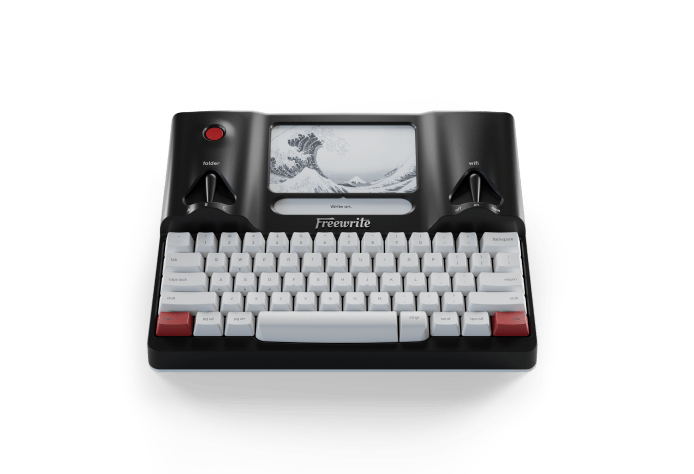
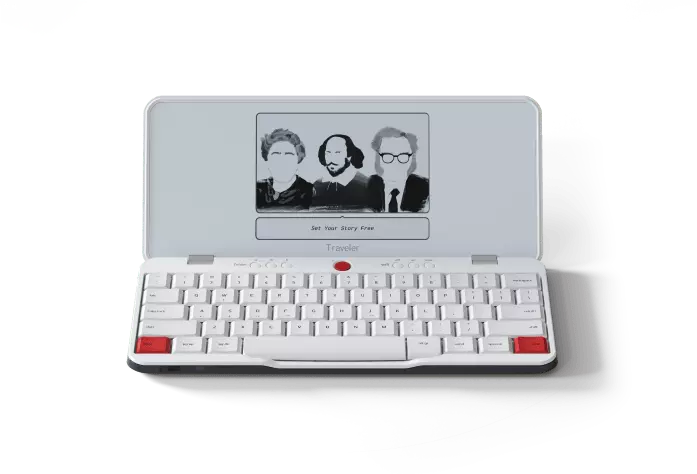
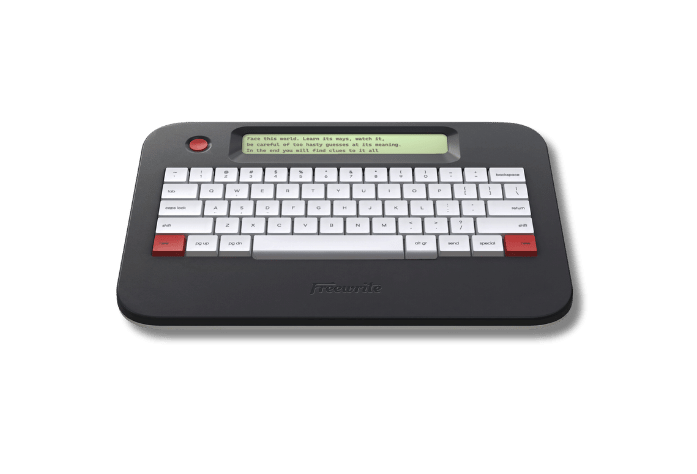
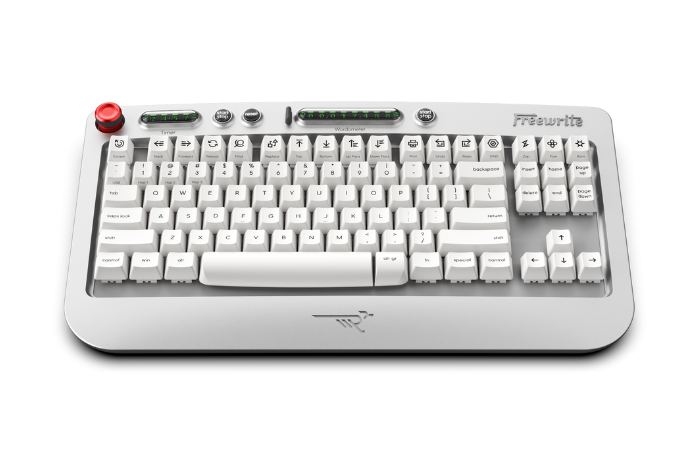
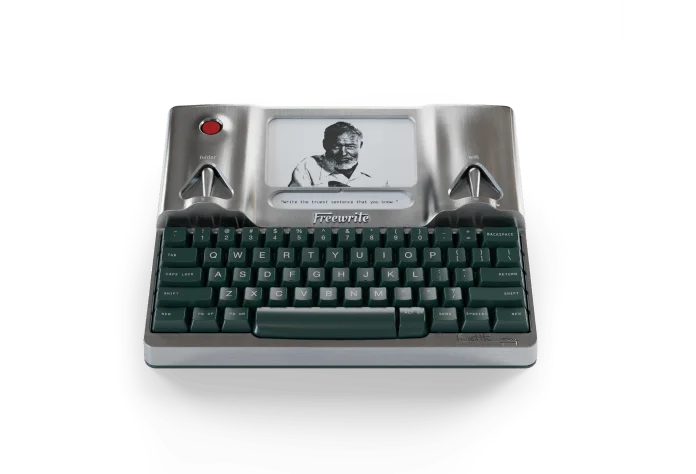
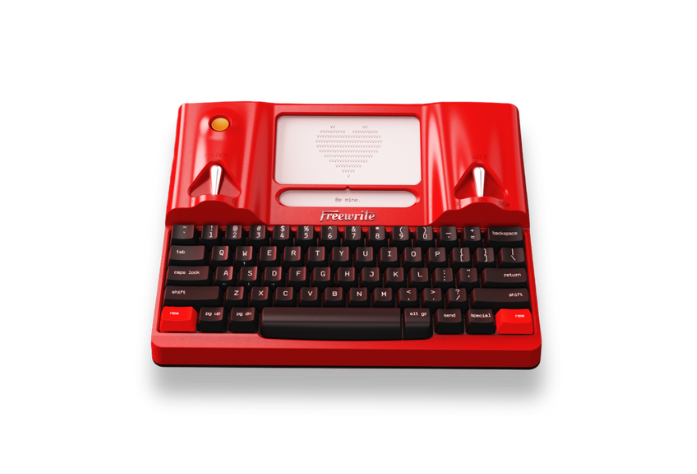
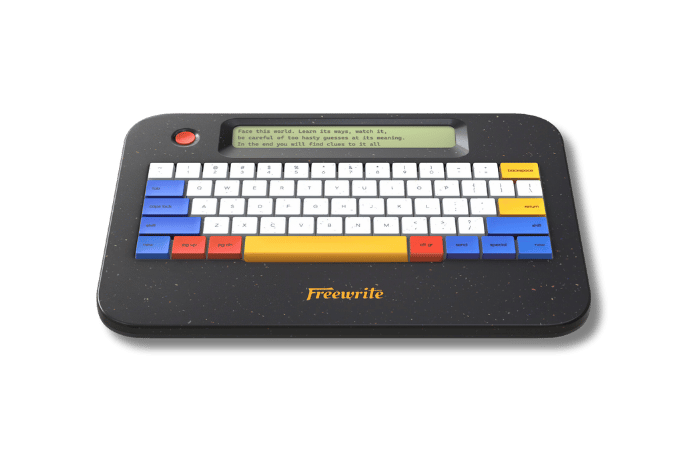
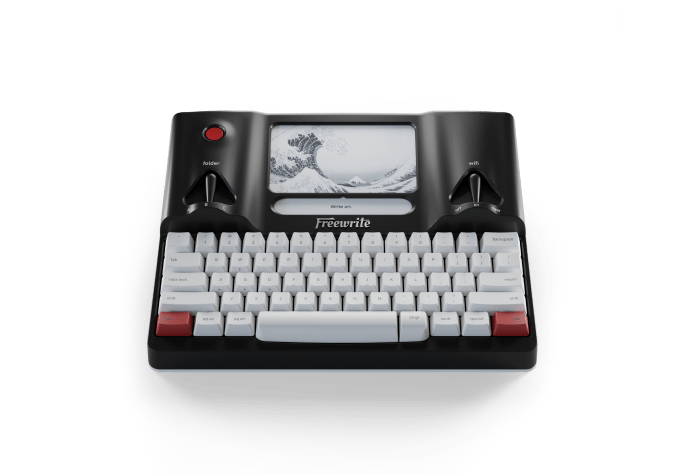
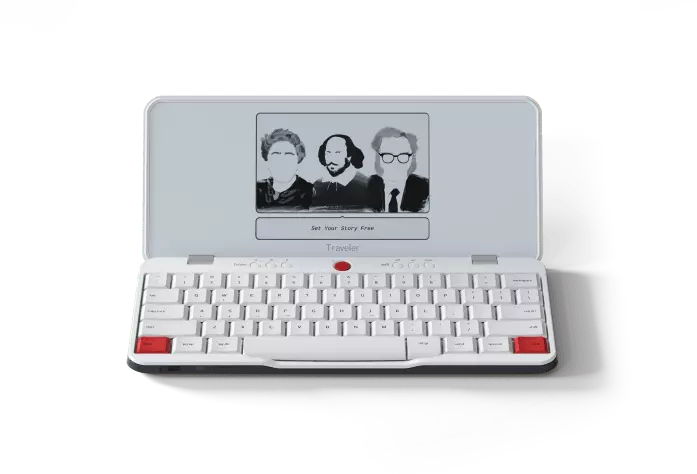
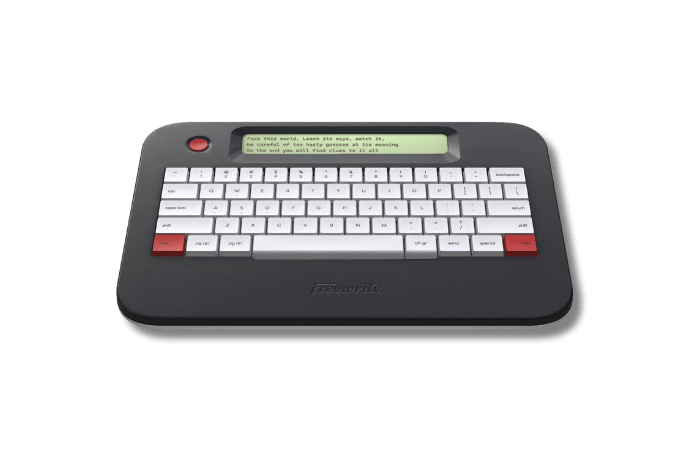
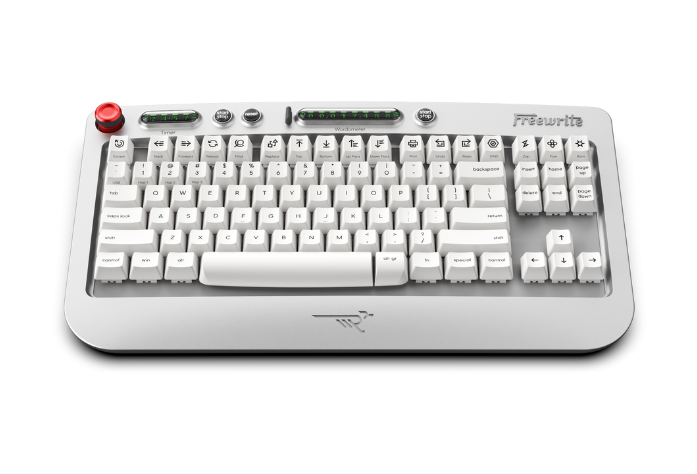
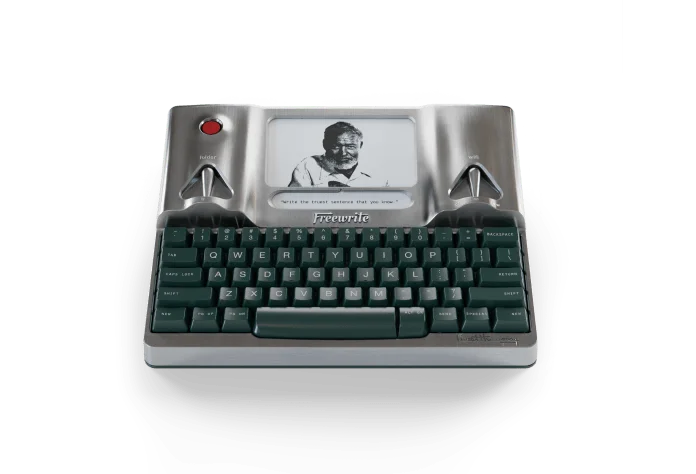
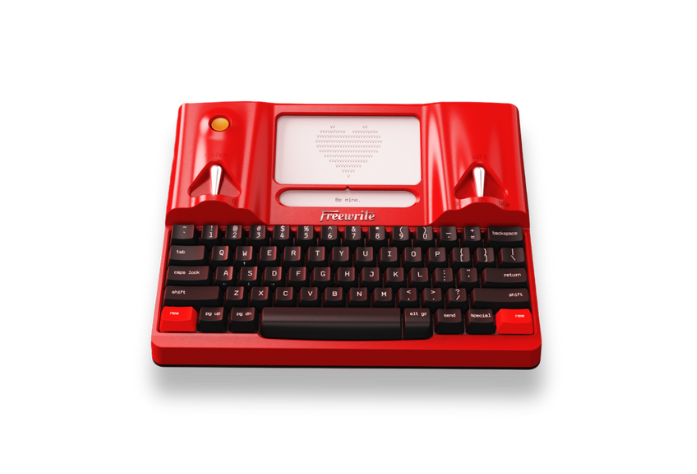
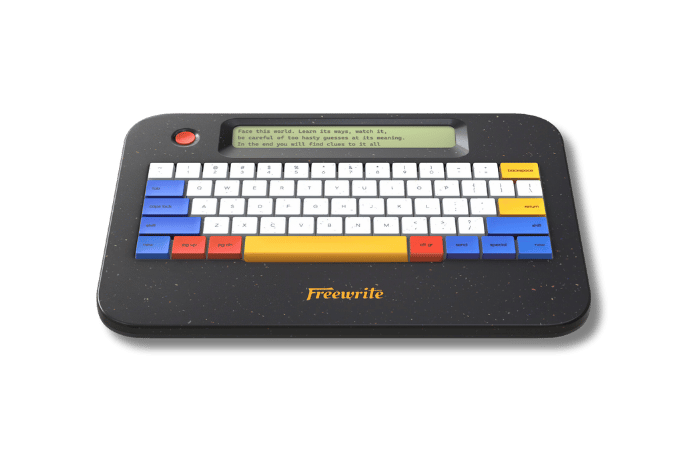
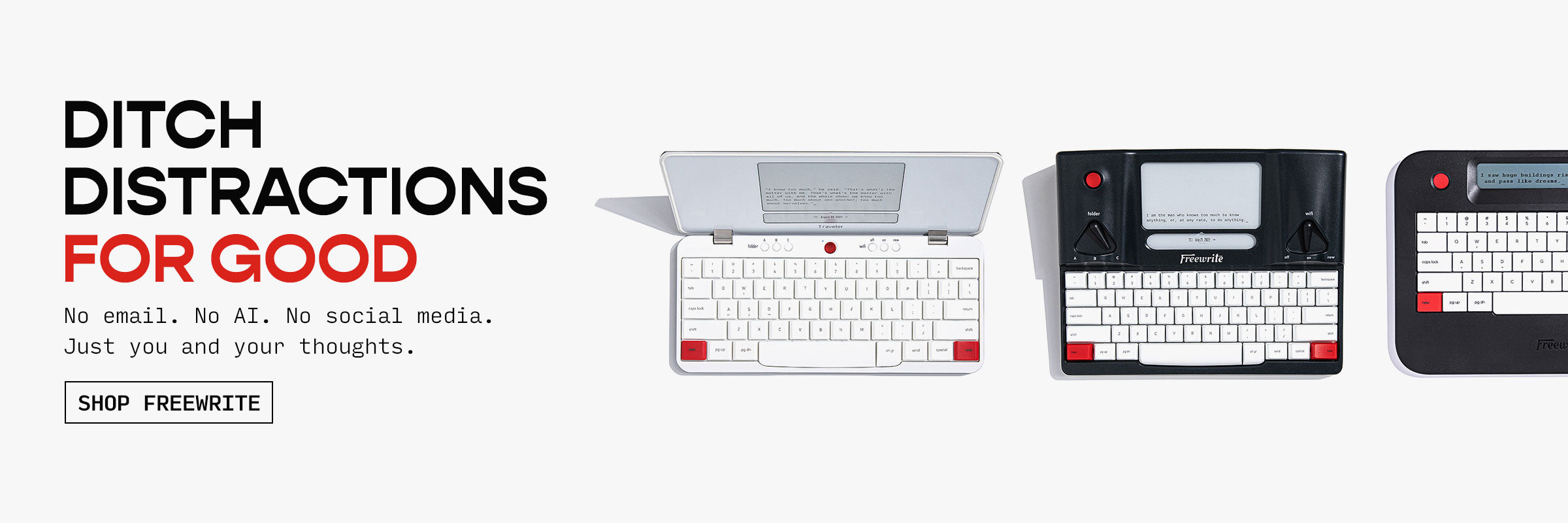
Esa es una de las razones por las que uso Freewrite para escribir.
Incluso la multitarea más leve te afecta. Hubo pruebas en las que los investigadores pidieron a los participantes que simplemente tuvieran el correo electrónico abierto en segundo plano en su computadora, y su coeficiente intelectual disminuyó entre 10 y 12 puntos.
AC: Es aterrador, la verdad. Creo que ya todos hemos oído que la multitarea es mala, de alguna forma vaga, pero escuchar los detalles sobre la capacidad intelectual es un poco impactante.
CH: ¡Y esto no es para avergonzarse! No digo que todos sean tontos. Adoptamos estos hábitos porque nos lo han recomendado los expertos o porque creemos que nos hacen más productivos.
Leemos esos artículos que dicen: “Estas son las cinco cosas que las personas exitosas hacen a primera hora de la mañana” o algo así, pero nunca los cuestionamos.
Nunca decimos: "Un momento, solo porque Bill Gates hace esto, ¿es realmente mejor? ¿Estoy haciendo más trabajo? ¿Estoy experimentando un mayor bienestar?". El objetivo de "No Hacer Nada" era cuestionarlo, investigarlo.
Una de las conclusiones a las que llegué no sólo yo, sino también los investigadores, es que el concepto de “estar ocupado” es hoy una cuestión de prestigio.
Cuando le preguntas a la gente cómo está, te dirán: "¡Ocupado!". Y cuanto más ocupado estés, al menos en nuestras mentes, más importante eres.
AC: Eso es muy cierto.
CH: Y es bastante reciente.
AC: ¿Recibió alguna respuesta crítica al libro que estuviera en desacuerdo o argumentara que no es posible “no hacer nada” en nuestra sociedad?
CH: Bueno, al principio, mucha gente pensó que les estaba diciendo que dejaran de trabajar, lo cual claramente no es posible. Y no es eso lo que les estoy diciendo. Les estoy diciendo: hagan del trabajo su luna y no su sol.
Otra crítica, y es justa —de hecho, la menciono varias veces en el libro— es que no todo el mundo tiene flexibilidad horaria. He pasado por eso. En un momento dado, trabajé en varios empleos y fui madre soltera. Lo entiendo perfectamente. No todo el mundo tiene flexibilidad ni en lo que hace, ni en cuándo trabaja ni en cómo lo hace. Intenté incluir soluciones en el libro para personas en esa situación.
Otra crítica, totalmente justa, es que no hablé mucho sobre los cambios sistémicos necesarios para resolver estos problemas. Porque no es un problema que la gente pueda resolver individualmente, en realidad.
Si analizamos las definiciones clínicas del síndrome de burnout y sus causas, descubriremos que ninguna de ellas puede tratarse mediante el autocuidado. Ninguna.
Y esa es una crítica justa. Este es un libro para la gente, así que solo intento ofrecer algunas cosas que cada persona puede hacer y que les ayudarán en su vida diaria.
Necesitamos una revolución y estoy plenamente consciente de ello.

Pero el resto de las críticas, creo, provienen de personas que todavía están muy comprometidas con el culto a la productividad. Algunos incluso son consultores y oradores públicos que se centran en ayudar a la gente a profundizar en este culto.
AC: ¿La respuesta al libro varió según la generación?
CH: Sí, recibí varios mensajes de Baby Boomers que pensaban que les estaba dando un pase a los Millennials y a la Generación Z para que fueran perezosos.
Si alguna de esas personas te está escuchando en este momento, te equivocas. Los millennials y la generación Z no trabajan menos que tú. De hecho, es muy probable que trabajen más que tú, estadísticamente hablando, cuando eras joven.
Soy de la Generación X, y nuestra reputación es que simplemente nos da igual. Pero tengo mucha fe en los millennials, y especialmente en la Generación Z. La Generación Z no tolera lo que nosotros toleramos, y lo digo con el mejor sentido.
Soportamos muchos abusos, no solo de los empleadores, sino también de los padres. Y la Generación Z parece ser consciente de ello, de que no es justo ni equitativo, y no está dispuesta a tolerarlo, en su mayoría. Es decir, son parte del sistema, como todos los demás.
Pero tengo mucha fe en ellos. Observen el auge del movimiento sindical. Está liderado por los millennials, con el fuerte apoyo y, a veces, el liderazgo de la generación Z. ¡Eso solo puede ser positivo!
Creo que los baby boomers están teniendo más dificultades y eso lo podemos notar por el hecho de que muchos de ellos siguen conservando sus empleos hasta bien entrados los 70 e incluso los 80 años.
Voy a ser el mejor jubilado. Si me dieran calificaciones, sacaría una A+ cada semestre. Voy a ser el mejor.
Y veo a alguien de 75 años que todavía trabaja en una oficina y le pregunto: "¿Qué haces?". Claro, no pretendo, de ninguna manera, menospreciar a quienes tienen que hacerlo. Tenemos un sistema de desigualdad en nuestro país donde hay mucha gente que no gana lo suficiente para jubilarse, y el Seguro Social no cubre esa brecha. Me dirijo al resto de ustedes, que podrían jubilarse y no lo harán .
Para empezar, suelen ser las personas mejor pagadas de su nivel. Y, como los despidos de jóvenes continúan a su alrededor, no se jubilarán. Eso es terrible para la economía, es terrible para la sociedad, pero también para ti.
¿No trabajaste toda tu vida para este preciso momento en el que podrás ir a vivir tu vida?
Y creo que ese es un buen ejemplo de lo mucho que les cuesta a los Baby Boomers desprenderse de esta identidad. Su trabajo se ha convertido en su identidad, así que jubilarse puede ser muy aterrador, porque entonces, ¿quién eres?

AC: Sí, solo anecdóticamente, en mi vida, veo a mucha gente mayor que se identifica con su trabajo, y veo que la Generación Z lo rechaza. Soy millennial, así que estoy en un punto intermedio, pero definitivamente estoy en la edad en la que empiezo a sentirme definida por mi carrera y no me encanta. ¿Qué consejo darías para romper con eso?
CH: La primera sección de "No Hacer Nada" explora cómo llegamos aquí y cómo esta no es la forma en que los seres humanos hemos vivido durante la mayor parte de nuestra historia en este planeta. Todo esto tiene como objetivo cambiar nuestra psicología.
Y la razón por la que ese es el tema principal del libro es porque es la parte difícil, ¿verdad? Ayudar a la gente a reconocer que tenemos un problema y también a comprender que no es su problema. Es nuestro problema. A toda nuestra sociedad le han lavado el cerebro.

Y una vez que te das cuenta de eso, lo verás en todas partes. Es como cuando compras un auto nuevo y de repente parece que todos conducen ese modelo. Pero se requiere un cambio de perspectiva completo para ver eso que ha estado presente en tu visión todo el tiempo.
AC: ¿Considera usted que este es un problema específicamente americano?
CH: He investigado todo el mundo occidental, pero me encantaría que escritores africanos, asiáticos y de Oriente Medio aportaran su propia historia y cultura a este debate. Según mis hallazgos, los peores lugares del mundo para la adicción a la productividad son Estados Unidos, Canadá, el Reino Unido y Australia. En esencia, todos los países que fueron colonizados o gobernados por Gran Bretaña en algún momento.
Ahora bien, eso no quiere decir que Europa esté en plena forma. Simplemente lo está haciendo mejor. Y diré que están mucho más dispuestos a experimentar con lo que los estadounidenses consideran cambios radicales, como la semana laboral de cuatro días, la jornada laboral de seis horas, desconectar el correo electrónico de la empresa a las 5 de la tarde... Todas esas cosas que son mucho más saludables tanto para el cerebro como para el cuerpo.
Pero al final, la mayoría de los países están siguiendo el ejemplo de Estados Unidos y el Reino Unido, lo que significa que si tienen que levantarse a las 4 de la mañana para asistir a una reunión de negocios porque la sede está en Nueva York, lo hacen.
AC: Desde que escribiste Do Nothing y pasaste a otros proyectos, ¿aún tienes que desafiar estas nociones arraigadas o te resulta más fácil superarlas?
CH: Soy un proyecto en desarrollo como cualquier otra persona. Es una batalla diaria porque, como dije, esto es sistémico. Es la sociedad. Y la presión es constante para lograr algo más.
Pero mi vida ha mejorado mucho en general desde que empecé a hacer los cambios que se describen en el libro. No soy perfecto en eso. Pero ahora la vida es simplemente mejor.
Casi nunca me enfermo. Ahora tengo pasatiempos, pasatiempos inútiles que no aportan nada a mi marca.
AC: [risas] ¿No vas a monetizarlos?
CH: ¡No los monetizo! Organizo fiestas. Tengo una vida social increíblemente activa. No estoy irritable todo el tiempo. No le grito a la gente.
Ése es mi mensaje. Esto mejora.

--
"No hagas nada". Como orden, suena un poco ominoso. Como una advertencia. Como si fueras un estorbo en lugar de una ayuda, o como si las circunstancias estuvieran fuera de tu control.
Pero, como indica el título del libro de Celeste, es una invitación a evitar el impulso innato de la humanidad de hacer algo.
Porque ese impulso de hacer algo, cualquier cosa, es innato en los seres humanos, ¿verdad?
No, argumenta Celeste, no lo es. Durante la mayor parte de la existencia de la humanidad, hemos vivido de forma muy diferente. Más despacio. Con menos trabajo. Y con menos estrés. Y ya es hora de que aceptemos esa necesidad humana de no hacer nada otra vez.
Encuentra No Hacer Nada y todos los libros de Celeste, incluyendo Necesitamos hablar: cómo tener conversaciones que importen y Hablando de raza : por qué todo el mundo necesita hablar sobre el racismo y cómo hacerlo , dondequiera que se vendan libros.