overlaylink

Ne soyez pas un nuage solitaire

Michel Archambault
juillet 25, 2024 | 4 lire la lecture

La mythologie romantique de l'ermite est profondément ancrée dans chaque individu créatif. Pour un écrivain, cette idée est particulièrement séduisante : disparaître de la vue pour réapparaître des mois plus tard avec le prochain roman unique en son genre.

Mais, contrairement à la croyance populaire, la légende de l’ermite brillant n’est probablement que cela : une légende, un idéal, un archétype, un rêve.

De nombreux écrivains prolifiques pensaient incarner le Les reclus romantiques, comme William Wordsworth, Henry David Thoreau et Emily Dickinson, défient en réalité le stéréotype.

Une étude plus approfondie révèle que nous, en tant qu’écrivains, devons vivre pleinement présents dans le monde.

Ce ne sont pas les ermites que vous recherchez

Prenons l'exemple du poète populaire William Wordsworth. Sa poésie regorge de magnifiques odes à la nature et aux pensées qui nous viennent de la solitude. Extrait de son poème« J'errais seul comme un nuage » :

J'ai erré seul comme un nuage
Qui flotte au-dessus des vallées et des collines,
Quand tout à coup j'ai vu une foule,
Une foule de jonquilles dorées ;
Au bord du lac, sous les arbres,
Volant et dansant dans la brise.
...
Car souvent, quand je suis allongé sur mon canapé
D'humeur vacante ou pensive,
Ils brillent sur cet œil intérieur
Quelle est la félicité de la solitude ;
Et puis mon cœur se remplit de plaisir,
Et danse avec les jonquilles.

Malgré la perception du public selon laquelle Wordsworth était un « ermite », il avait en réalité une vie sociale active et entretenait des relations saines avec d’autres écrivains.

De plus, il est resté actif sur les questions politiques et sociales de l’époque et a fréquemment voyagé – des aspects de sa vie qui ont eu un impact considérable sur son travail.

Emily Dickinson, une autre poétesse célèbre, réputée pour son mode de vie d'ermite, était active elle aussi durant sa jeunesse, entretenant des liens sociaux et entretenant des relations par l'écriture épistolaire.

En fait, ce n'est que dans les dernières années de sa vie que Dickinson est devenue plus solitaire en raison de problèmes de santé mentale.

Même Henry David Thoreau n'a vécu que deux ans dans sa cabane isolée de l'étang de Walden ! Dans Walden , il écrit :

« Je ne suis naturellement pas un ermite, mais je pourrais peut-être être le plus robuste des habitués du bar, si mes affaires m'y appelaient. »

Pour écrire, il faut d'abord vivre

Mais ne pas être un écrivain isolé du monde ne suffit pas. Les écrivains classiques de toute l'histoire ont témoigné de la nécessité de se lever et de vivre , d'expérimenter le monde, avant de s'asseoir pour écrire à son sujet.

Ernest Hemingway, romancier de la Génération perdue, a déclaré un jour :

« Pour écrire sur la vie, il faut d’abord la vivre. »

Même Thoreau , l'un des exemples les plus célèbres de l'archétype de l'écrivain-ermite, a proclamé :

« Comme il est vain de s’asseoir pour écrire quand on ne s’est pas levé pour vivre. »

Et Mark Twain nous a dit de :

« Écrivez ce que vous savez. »

Les voyages et les expériences de Twain ont eu un impact profond sur lui et sur son écriture ; s'il avait été un ermite, il n'aurait probablement jamais acquis les connaissances nécessaires pour façonner des histoires autour de la société complexe qui l'entourait - la vie pendant la guerre civile américaine et une période rapide d'industrialisation et d'urbanisation en Amérique.

Nombre des plus grands écrivains des siècles derniers, même ceux que l'on considérait généralement comme de glorieux ermites, rejetaient l'idée que la solitude puisse soudainement mener à une grande œuvre. Du moins, pas sans avoir vécu au préalable.

Le romantisme de la solitude

Si les plus grands écrivains ermites de la littérature classique n’étaient pas de tels écrivains, pourquoi le romantisme de cette idée persiste-t-il encore aujourd’hui ?

L'idée est probablement née à l'époque romantique, de la fin du XVIIIe au milieu du XIXe siècle, lorsque certains écrivains vénéraient l'individualisme. Si Wordsworth et Thoreau faisaient effectivement partie de ce groupe, leur insistance sur la solitude est mal comprise.

Contrairement à la croyance populaire, les grands poètes ne préconisaient pas aux écrivains d'abandonner leurs amis, leur famille, leurs autres loisirs, leur travail, leur vie entière, à la recherche de la solitude. Au contraire, Wordsworth et Thoreau cherchaient à souligner la valeur du temps personnel et, bien sûr, de la nature, comme moyen de favoriser une compréhension plus profonde du monde et de susciter l'inspiration.

Les médias modernes n'ont pas encore réussi à dissiper ce mythe. Des films populaires comme Capote montrent le mode de vie isolé de l'auteur éponyme. De même, le roman Big Sur dépeint le romancier et poète Jack Kerouac s'installant dans une cabane isolée pour y approfondir son processus de réflexion. Mais, en réalité, aucun des deux auteurs ne s'est complètement isolé de la société.

La notion de génie solitaire est une légende, et essayer de recréer ce genre de style de vie peut en réalité entraver la créativité, sans parler de la santé mentale.

Construire la solitude moderne

Même si personne ne recommande de se retirer complètement de la société pour écrire son livre, il est indéniable que les écrivains modernes doivent faire face à une distraction à un niveau inconnu de Wordsworth et de ses contemporains.

La technologie moderne est plus efficace que jamais pour capter et retenir notre attention. Ainsi, à dose raisonnable, l'isolement peut être bénéfique à l'écrivain moderne. Le simple fait d'éliminer les distractions peut aider les écrivains à mieux se concentrer sur leur travail et à dégager plus d'espace pour explorer leurs idées.

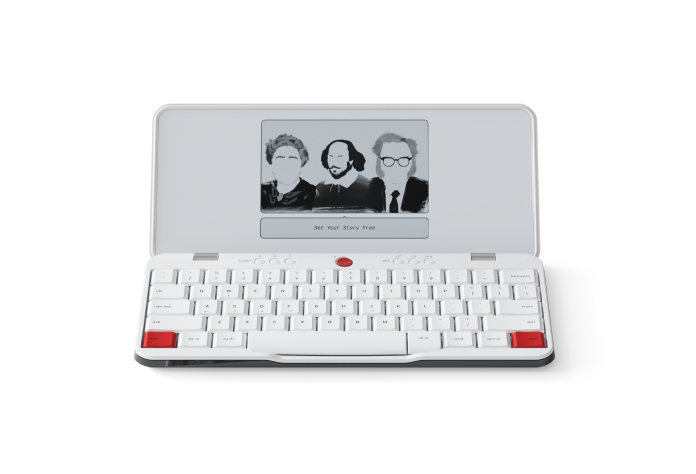
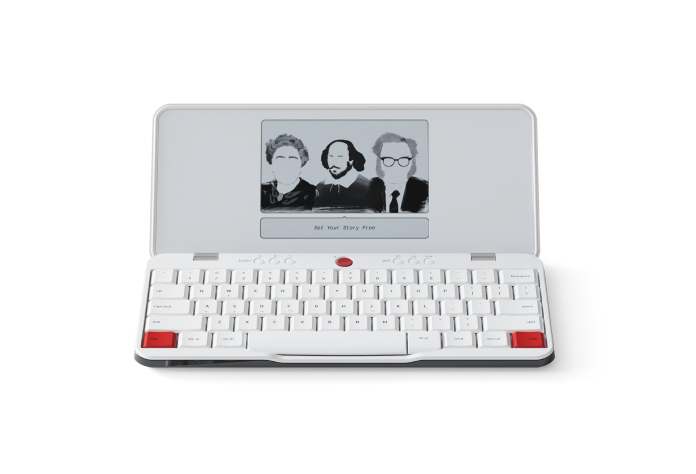
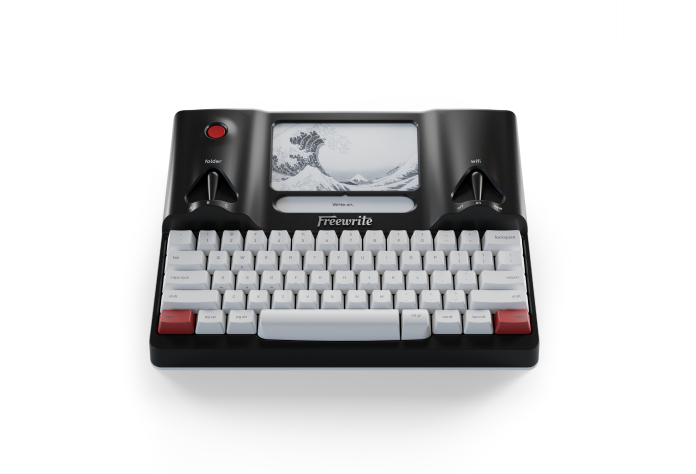
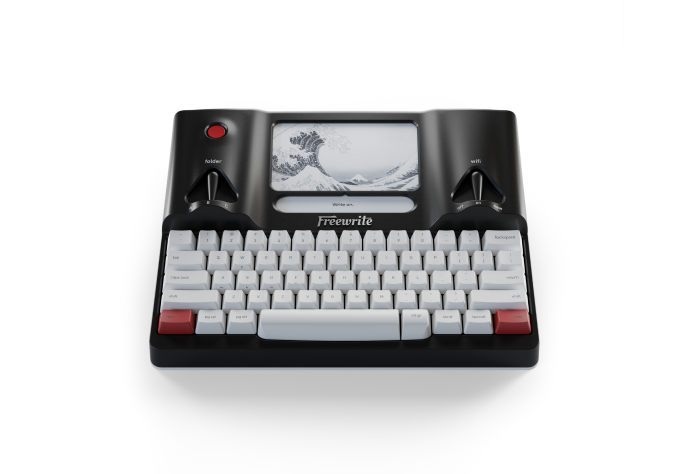
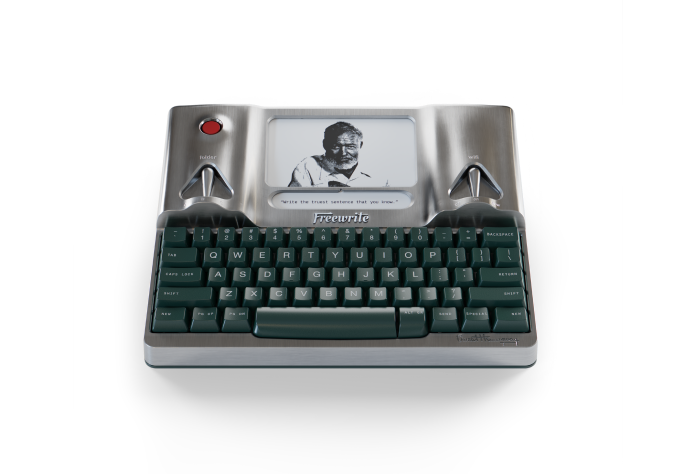
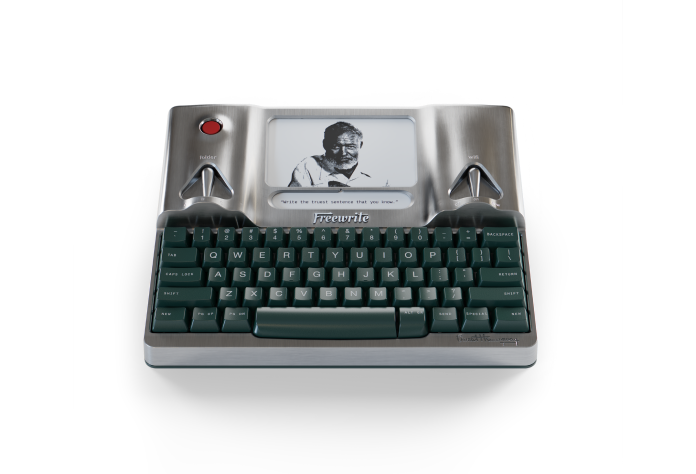
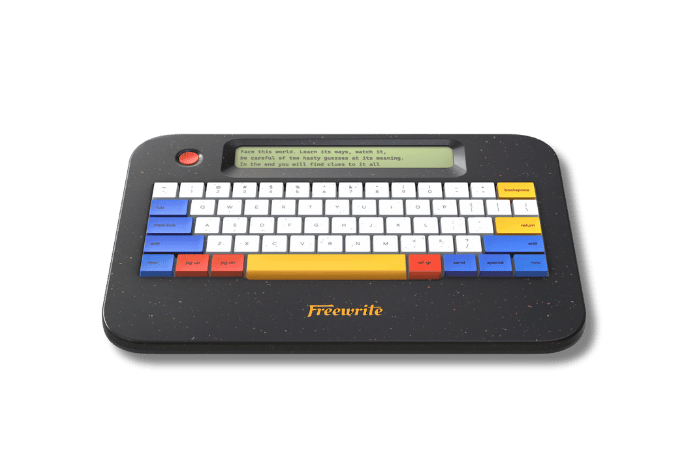
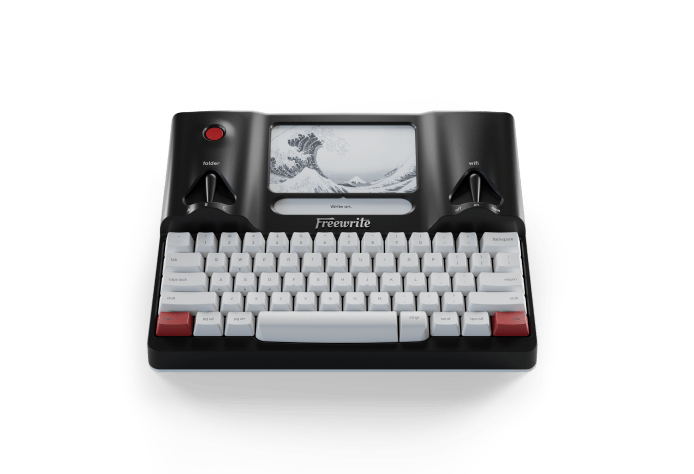
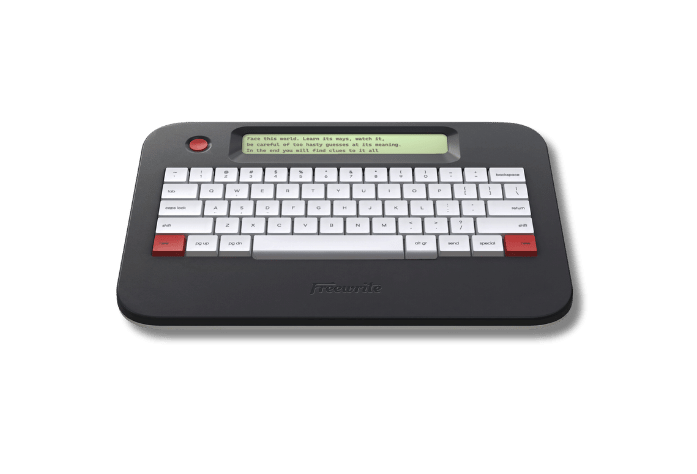
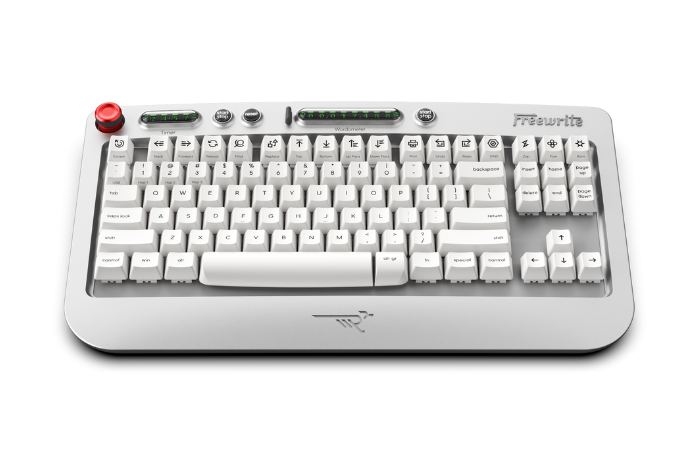
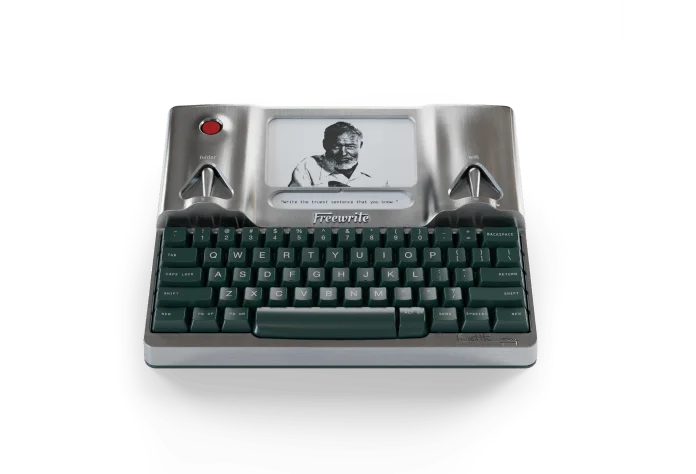
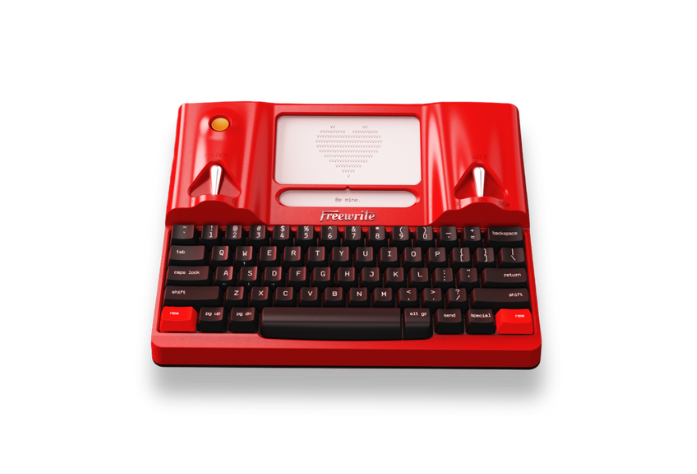
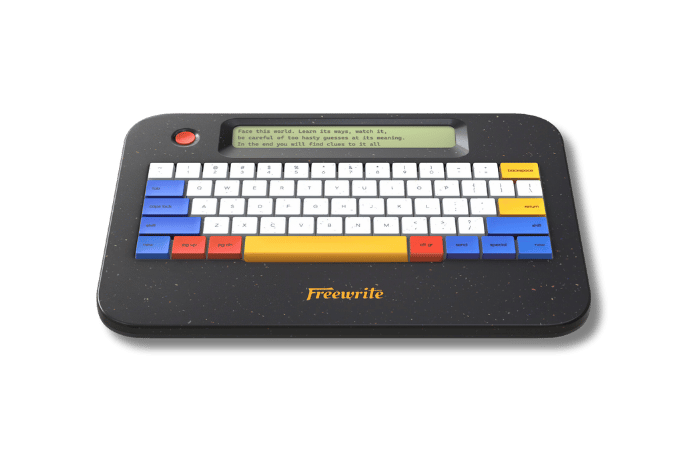
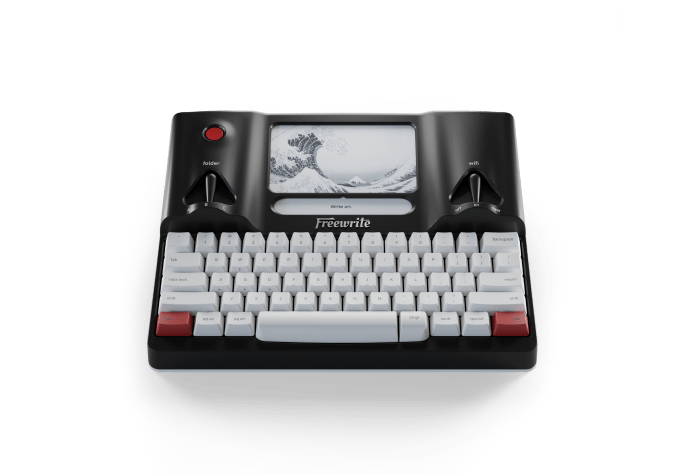
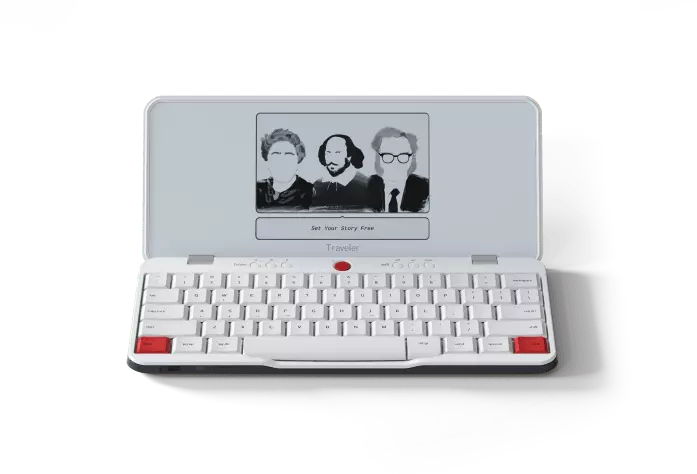
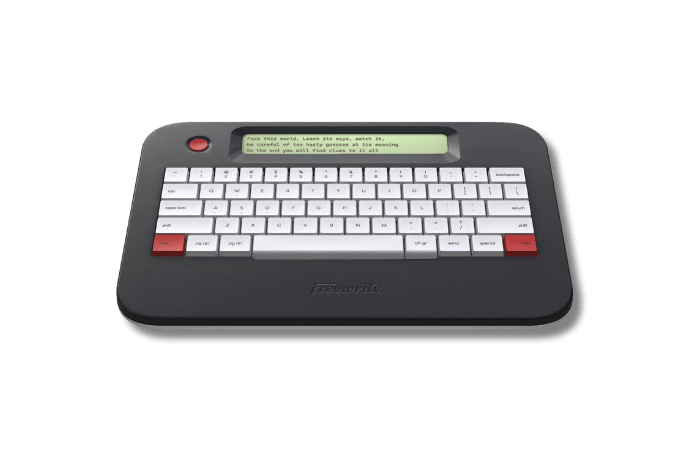
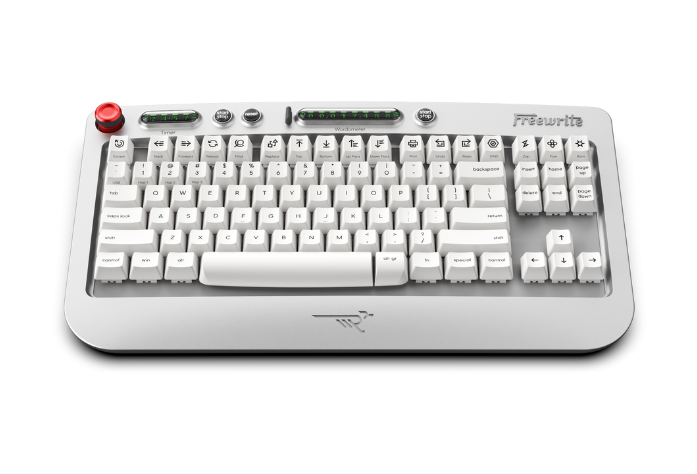
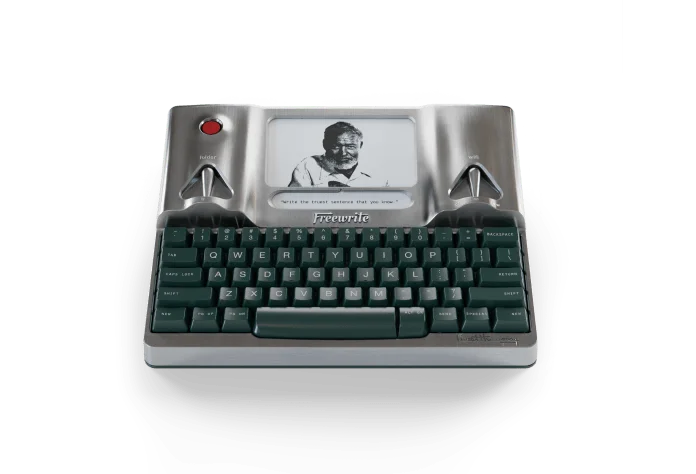
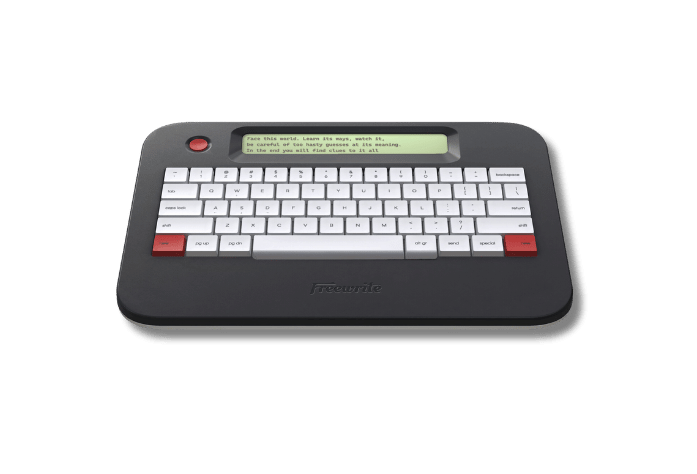
La bonne nouvelle ? Pas besoin de déménager dans une cabane en forêt. Il vous suffit d'avoir un Freewrite .

En tant qu'écrivains, il est courant de se sentir coupable lorsqu'on n'écrit pas. C'est un peu comme avoir toujours des devoirs à faire. Mais il est important de se rappeler que même les plus grands ont pris soin de vivre.

Alors n'annulez pas vos rendez-vous avec vos amis. Ne passez pas chaque instant éveillé les yeux rivés sur la page blanche. Ne vendez pas tout et ne partez pas à Paris pour incarner les âmes de la Génération Perdue.

Vis ta vie.

Vivez votre vie et écrivez à ce sujet.
RETOUR À « COMMENT ÊTRE CONSTAMMENT CRÉATIF »

décembre 30, 2025 3 lire la lecture

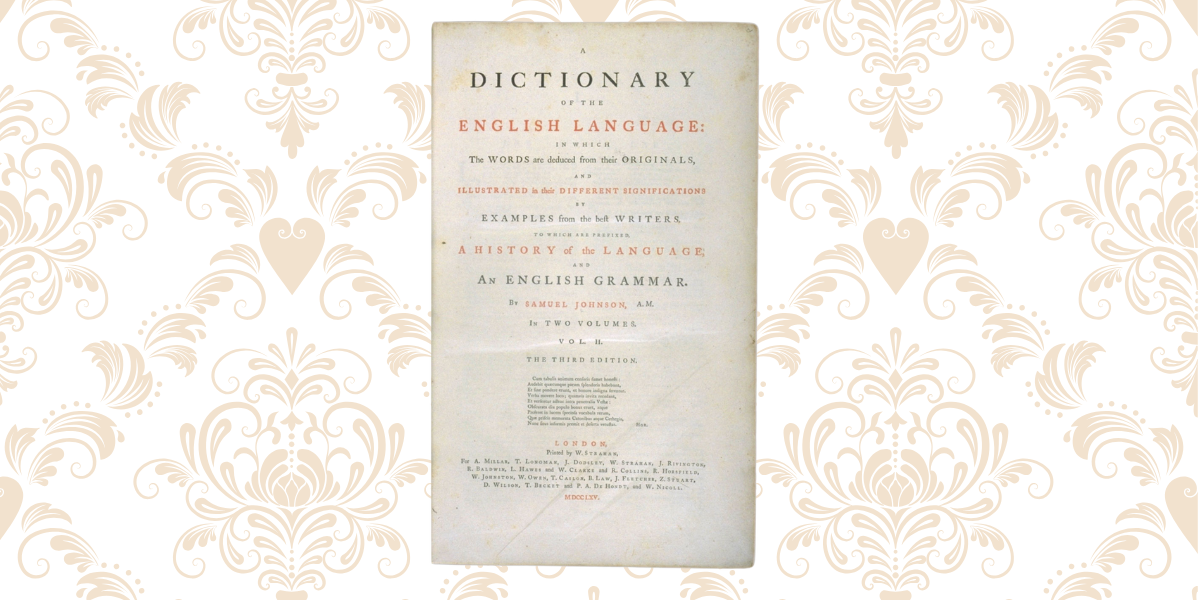
It’s Freewrite’s favorite time of year. When dictionaries around the world examine language use of the previous year and select a “Word of the Year.”

Of course, there are many different dictionaries in use in the English language, and they all have different ideas about what word was the most influential or saw the most growth in the previous year. They individually review new slang and culturally relevant vocabulary, examine spikes or dips in usage, and pour over internet trend data.

Let’s see what some of the biggest dictionaries decided for 2025. And read to the end for a chance to submit your own Word of the Year — and win a Freewrite gift card.

[SUBMIT YOUR WORD OF THE YEAR]


Merriam-Webster: "slop"

Merriam-Webster chose "slop" as its Word of the Year for 2025 to describe "all that stuff dumped on our screens, captured in just four letters."

The dictionary lists "absurd videos, off-kilter advertising images, cheesy propaganda, fake news that looks pretty real, junky AI-written books, 'workslop' reports that waste coworkers’ time … and lots of talking cats" as examples of slop.

The original sense of the word "slop" from the 1700s was “soft mud” and eventually evolved to mean "food waste" and "rubbish." 2025 linked the term to AI, and the rest is history.

Honorable mentions: conclave, gerrymander, touch grass, performative, tariff, 67.

Dictionary.com: "67"

The team at Dictionary.com likes to pick a word that serves as “a linguistic time capsule, reflecting social trends and global events that defined the year.”

For 2025, they decided that “word” was actually a number. Or two numbers, to be exact.

If you’re an old, like me, and don’t know many school-age children, you may not have heard “67” in use. (Note that this is not “sixty-seven,” but “six, seven.”)

Dictionary.com claims the origin of “67” is a song called “Doot Doot (6 7)” by Skrilla, quickly made infamous by viral TikTok videos, most notably featuring a child who will for the rest of his life be known as the “6-7 Kid.” But according to my nine-year-old cousin, the origins of something so mystical can’t ever truly be known.

(My third grade expert also demonstrated the accompanying signature hand gesture, where you place both hands palms up and alternately move up and down.)

And if you happen to find yourself in a fourth-grade classroom, watch your mouth, because there’s a good chance this term has been banned for the teacher’s sanity.

Annoyed yet? Don’t be. As Dictionary.com points out, 6-7 is a rather delightful example at how fast language can develop as a new generation joins the conversation.

Dictionary.com honorable mentions: agentic, aura farming, broligarchy, clanker, Gen Z stare, kiss cam, overtourism, tariff, tradwife.

Oxford Dictionary: "rage bait"

With input from more than 30,000 users and expert analysis, Oxford Dictionary chose "rage bait" for their word of the year.

Specifically, the dictionary pointed to 2025’s news cycle, online manipulation tactics, and growing awareness of where we spend our time and attention online.

While closely paralleling its etymological cousin "clickbait," rage bait more specifically denotes content that evokes anger, discord, or polarization.

Oxford's experts report that use of the term has tripled in the last 12 months.

Oxford Dictionary's honorable mentions:aura farming, biohack.

Cambridge Dictionary: "parasocial"

The Cambridge Dictionary examined a sustained trend of increased searches to choose "parasocial" as its Word of the Year.

Believe it or not, this term was coined by sociologists in 1956, combining “social” with the Greek-derived prefix para-, which in this case means “similar to or parallel to, but separate from.”

But interest in and use of the term exploded this year, finally moving from a mainly academic context to the mainstream.

Cambridge Dictionary's honorable mentions: slop, delulu, skibidi, tradwife

Freewrite: TBD

This year, the Freewrite Fam is picking our own Word of the Year.

Click below to submit what you think the Word of 2025 should be, and we'll pick one submission to receive a Freewrite gift card.

[SUBMIT HERE] 

--

Sources

décembre 18, 2025 6 lire la lecture

Que peuvent apprendre les lettres personnelles de Jane Austen aux écrivains ?

décembre 10, 2025 6 lire la lecture

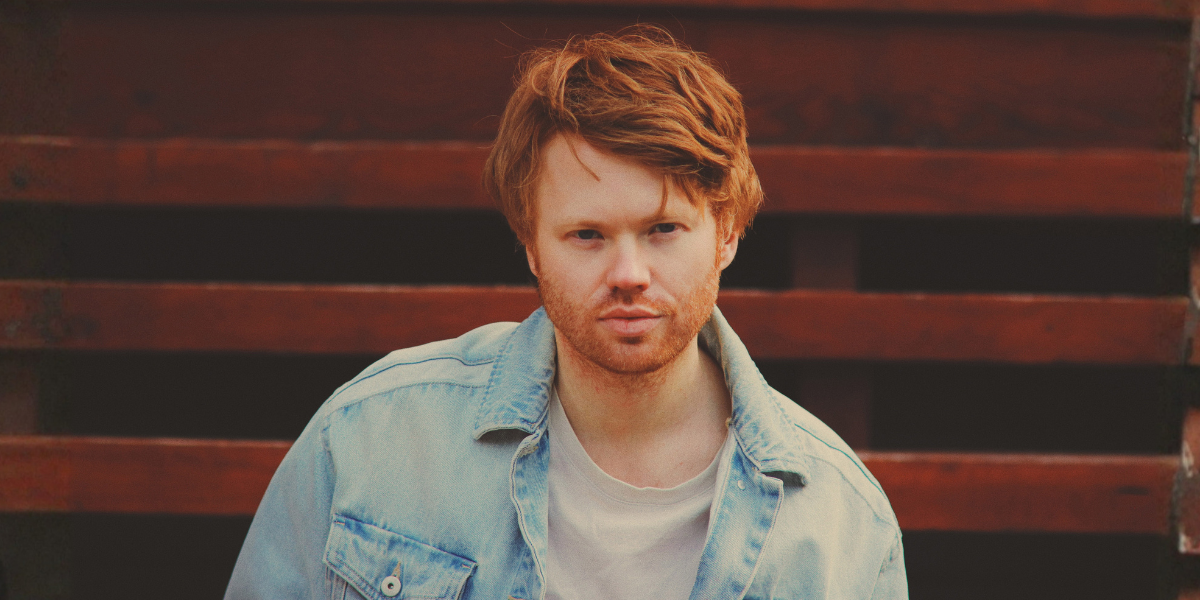
Singer-songwriter Abner James finds his creativity in the quiet freedom of analog tools. Learn how his creative process transcends different media.

Abner James went to school for film directing. But the success of the band he and his brother formed together, Eighty Ninety, knocked him onto a different trajectory.

The band has accrued more than 40 million streams since the release of their debut EP “Elizabeth," and their work was even co-signed by Taylor Swift when the singer added Eighty Ninety to her playlist "Songs Taylor Loves.”

Now, Abner is returning to long-form writing in addition to songwriting, and with a change in media comes an examination of the creative process. We sat down to chat about what's the same — and what's different. 

ANNIE COSBY: Tell us about your songwriting process.

ABNER JAMES: The way I tend to write my songs is hunched over a guitar and just seeing what comes. Sounds become words become shapes. It's a very physical process that is really about turning my brain off.

And one of the things that occurred to me when I was traveling, actually, was that I would love to be able to do that but from a writing perspective. What would happen if I sat down and approached writing in the same way that I approached music? In a more intuitive and free-form kind of way? What would that dig up?

AC: That's basically the ethos of Freewrite.

AJ: Yes. We had just put out a record, and I was thinking about how to get into writing for the next one. It occurred to me that regardless of how I started, I always finished on a screen. And I wondered: what's the acoustic guitar version of writing?

Where there's not blue light hitting me in the face. Even if I'm using my Notes app, it's the same thing. It really gets me into a different mindset.

 "I wondered: what's the acoustic guitar version of writing?"

I grew up playing piano. That was my first instrument. And I found an old typewriter at a thrift store, and I love it. It actually reminded me a lot of playing piano, the kind of physical, the feeling of it. And it was really fun, but pretty impractical, especially because I travel a fair amount.

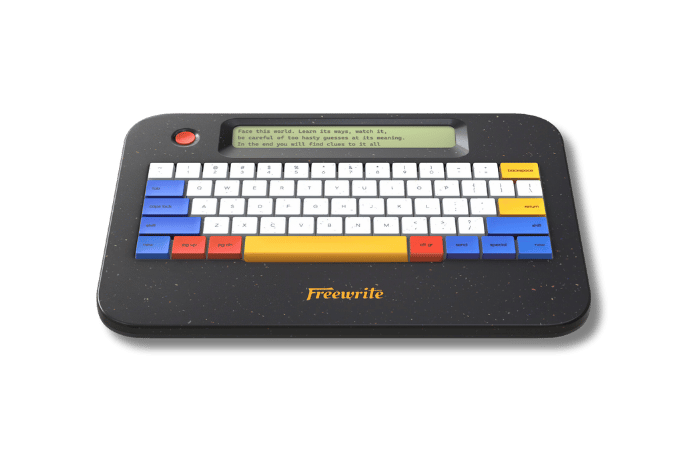
And so I wondered, is there such a thing as a digital typewriter? And I googled it, and I found Freewrite.

AC: What about Freewrite helps you write?

AJ:I think, pragmatically, just the E Ink screen is a huge deal, because it doesn't exhaust me in the same way. And the idea of having a tool specifically set aside for the process is appealing in an aesthetic way but also a mental-emotional way. When it comes out, it's kind of like ... It's like having an office you work out of. It's just for that.

"The way I tend to write my songs is hunched over a guitar and just seeing what comes. Sounds become words become shapes. It's a very physical process that is really about turning my brain off."

And all of the pragmatic limitations — like you're not getting texts on it, and you're not doing all that stuff on the internet — that's really helpful, too. But just having the mindset....

When I pick up a guitar, or I sit down at the piano, it very much puts me into that space. Having a tool just for words does the same thing. I find that to be really cool and inspiring.

"When I pick up a guitar, or I sit down at the piano, it very much puts me into that space. Having a tool just for words does the same thing."

AC: So mentally it gets you ready for writing.

AJ: Yeah, and also, when you write a Microsoft Word, it looks so finished that it's hard to keep going. If every time I strummed a chord, I was hearing it back, mixed and mastered and produced...?

It's hard to stay in that space when I'm seeing it fully written out and formatted in, like, Times New Roman, looking all seriously back at me.

AC: I get that. I have terrible instincts to edit stuff over and over again and never finish a story.

AJ:  Also, the way you just open it and it's ready to go. So you don't have the stages of the computer turning on, that kind of puts this pressure, this tension on.

It's working at the edges in all these different ways that on their own could feel a little bit like it's not really necessary. All these amorphous things where you could look at it and be like, well, I don't really need any of those. But they add up to a critical mass that actually is significant.

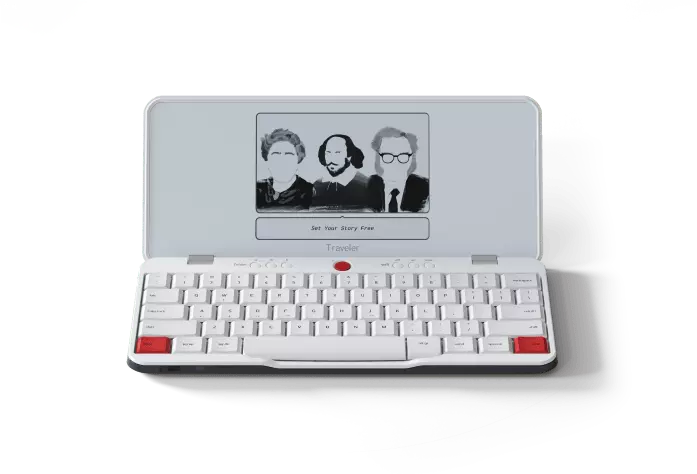
And sometimes, if I want to bring it on a plane, I've found it's replaced reading for me. Rather than pick up a book or bring a book on the plane, I bring Traveler and just kind of hang out in that space and see if anything comes up.

I've found that it's kind of like writing songs on a different instrument, you get different styles of music that you wouldn't have otherwise. I've found that writing from words towards music, I get different kinds of songs than I have in the past, which has been interesting.

In that way, like sitting at a piano, you just write differently than you do on a guitar, or even a bass, because of the things those instruments tend to encourage or that they can do.

It feels almost like a little synthesizer, a different kind of instrument that has unlocked a different kind of approach for me.

"I've found that it's kind of like writing songs on a different instrument, you get different styles of music that you wouldn't have otherwise... [Traveler] feels almost like a little synthesizer, a different kind of instrument that has unlocked a different kind of approach for me."

AC: As someone who doesn't know the first thing about writing music, that's fascinating. It's all magic to me.

AJ: Yeah.

AC: What else are you interested in writing?

AJ: I went to school for film directing. That was kind of what I thought I was going to do. And then my brother and I started the band and that kind of happened first and knocked me onto a different track for a little while after college.

Growing up, though, writing was my way into everything. In directing, I wanted to be in control of the thing that I wrote. And in music, it was the same — the songwriting really feels like it came from that same place. And then the idea of writing longer form, like fiction, almost feels just like the next step from song to EP to album to novel.

For whatever reason, that started feeling like a challenge that would be deeply related to the kinds of work that we do in the studio.

AC: Do you have any advice for aspiring songwriters?

AJ: This sounds like a cliche, but it's totally true: whatever success that I've had as a songwriter — judge that for yourself — but whatever success I have had, has been directly proportional to just writing the song that I wanted to hear.

What I mean by that is, even if you're being coldly, cynically, late-stage capitalist about it, it's by far the most success I've had. The good news is that you don't have to choose. And in fact, when you start making those little compromises, or even begin to inch in that direction, it just doesn't work. So you can forget about it.

Just make music you want to hear. And that will be the music that resonates with most people.

I think there's a temptation to have an imaginary focus group in your head of like 500 people. But the problem is all those people are fake. They're not real. None of those people are actually real people. You're a focus group of one, you're one real person. There are more real people in that focus group than in the imaginary one.

And I just don't think that we're that different, in the end. So that would be my advice.

AC: That seems like generally great creative advice. Because fiction writers talk about that too, right? Do you write to market or do you write the book you want to read. Same thing. And that imaginary focus group has been debilitating for me. I have to silence that focus group before I can write.

AJ: Absolutely.

"I think there's a temptation to have an imaginary focus group in your head of like 500 people. But the problem is all those people are fake... You're a focus group of one, you're one real person. There are more real people in that focus group than in the imaginary one."

--

Learn more about Abner James, his brother, and their band, Eighty Ninety, on Instagram.