overlaylink

55 citations motivantes d'auteurs célèbres

janvier 30, 2019 | 7 lire la lecture

Parfois, le plus difficile dans l'écriture est simplement de commencer. Que vous vous lanciez dans la narration pour la première fois ou que vous ouvriez un document vierge après avoir terminé votre dernier projet, cette page blanche peut être un peu intimidante.

Alors, pour vous aider à combattre ces moments de doute, voici quelques citations d’auteurs et d’artistes professionnels qui ont été exactement là où vous êtes maintenant et qui savent exactement ce que vous ressentez.


Tout d’abord, il faut juste commencer.

1. « Commencez à écrire, quoi qu'il arrive. L'eau ne coulera pas tant que le robinet ne sera pas ouvert. »

- Louis L'Amour

2. « Allez-y. Prenez des risques. Ce sera peut-être mauvais, mais c'est la seule façon de faire quelque chose de vraiment bien. »

- William Faulkner

3. « Le premier jet consiste simplement à vous raconter l’histoire. »

- Terry Pratchett

4. « On ne commence pas par écrire de bonnes choses. On commence par écrire des bêtises en pensant que c'est bien, puis on s'améliore petit à petit. »

- Octavia E. Butler

5. « Commencez avant d’être prêt. »

- Steven Pressfield

6. « On peut toujours modifier une page erronée. On ne peut pas modifier une page blanche. »

- Jodi Picoult

7. « Il ne faut pas attendre l'inspiration. Il faut la chercher avec un club. »

- Jack Londres

8. « Je n'ai jamais commencé un poème dont je connaissais la fin. Écrire un poème, c'est découvrir. »

- Robert Frost

9. « S'il y a un livre que vous voulez lire, mais qu'il n'a pas encore été écrit, alors vous devez l'écrire. »

- Toni Morrison

10. « J'écris un premier jet et je me rappelle que je ne fais que pelleter du sable dans une boîte pour pouvoir construire des châteaux plus tard. »

- Shannon Hale

11. « Je reçois beaucoup de lettres. Ils me disent : “Je veux devenir écrivain. Que dois-je faire ?” Je leur dis d'arrêter de m'écrire et de se consacrer à leur métier. »

- Ruth Rendell


Alors, continuez !

12. « D’abord, découvre ce que veut ton héros, puis suis-le ! »

- Ray Bradbury

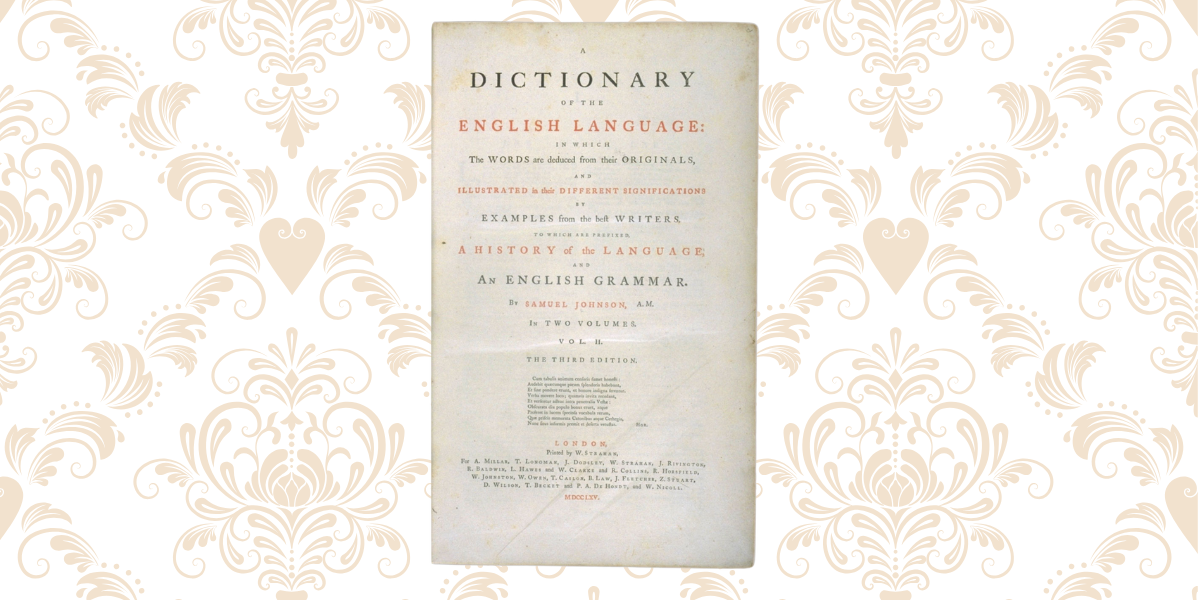
13. « La majeure partie du temps d'un écrivain est consacrée à la lecture, pour écrire. Un homme est capable de transformer la moitié d'une bibliothèque pour écrire un livre. »

- Samuel Johnson

14. « Écrire un roman, c'est comme conduire une voiture la nuit. On ne voit que jusqu'à la portée de ses phares, mais on peut faire tout le trajet ainsi. »

- EL Doctorow

15. « Pour produire un livre puissant, vous devez choisir un thème puissant. »

- Herman Melville

16. « Racontez une histoire aux lecteurs ! Sans histoire, vous n'utilisez que des mots pour prouver que vous pouvez les enchaîner en phrases logiques. »

- Anne McCaffrey

17. « La description commence dans l’imagination de l’écrivain mais doit se terminer dans celle du lecteur. »

- Stephen King

18. « Ni l'écrivain ni le lecteur ne pleurent. Ni l'écrivain ni le lecteur ne sont surpris. »

- Robert Frost

19. « Si vous voulez devenir écrivain, vous devez faire deux choses avant tout : lire beaucoup et écrire beaucoup. »

- Stephen King

20. « Fermez la porte. Écrivez sans que personne ne vous regarde. N'essayez pas de comprendre ce que les autres veulent entendre de vous ; déterminez ce que vous avez à dire. C'est la seule et unique chose que vous ayez à offrir. »

- Barbara Kingsolver

21. « N'écrivez jamais quelque chose qui ne vous procure pas un grand plaisir. L'émotion se transmet facilement de l'auteur au lecteur. »

- Joseph Joubert


L’édition est essentielle.

22. « D'après mon expérience, une fois qu'une histoire est écrite, il faut barrer le début et la fin. C'est là que nous, les auteurs, commettons la plupart de nos mensonges. »

- Anton Tchekhov

23. « Le plus précieux de tous les talents est de ne jamais utiliser deux mots quand un seul suffit. »

- Thomas Jefferson

24. « Quand votre histoire est prête à être réécrite, réduisez-la à l'essentiel. Débarrassez-vous de tout excès de gras. Cela va faire mal ; réviser une histoire jusqu'à l'essentiel, c'est toujours un peu comme assassiner des enfants, mais il faut le faire. »

- Stephen King

25. « Il est tout à fait normal d’écrire des bêtises à condition de les éditer avec brio. »

- CJ Cherryh

26. « La moitié de ma vie est un acte de révision. »

- John Irving

27. « Écrire sans réviser, c'est l'équivalent littéraire de sortir gaiement de la maison en sous-vêtements. »

- Patricia Fuller

28. « Écrivez votre premier jet avec votre cœur. Réécrivez avec votre tête. »

- Mike Rich

29. « Ainsi, l'écrivain qui produit plus de mots qu'il n'en a besoin rend la tâche difficile au lecteur qui lit. »

- Dr Seuss

30. « Vous écrivez pour communiquer au cœur et à l'esprit des autres ce qui brûle en vous, et nous éditons pour laisser le feu transparaître à travers la fumée. »

- Arthur Plotnik

31. « Tous ceux qui suivent un cours d'écriture savent que le secret d'une bonne écriture est de la réduire, de l'élaguer, de la trier, de la hacher, de la tailler, de l'élaguer et de la tailler, de supprimer chaque mot superflu, de la compresser, de la compresser, de la compresser, de la compresser... »

- Nick Hornby

32. « Quand on écrit un livre, on passe des jours à scanner et identifier les arbres. Une fois terminé, il faut prendre du recul et observer la forêt. »

- Stephen King


Ne perdez pas votre sens de l'humour.

33. « Il m'a fallu quinze ans pour découvrir que je n'avais aucun talent pour l'écriture, mais je ne pouvais pas y renoncer car à ce moment-là, j'étais trop célèbre. »

- Robert Benchley

34. « Le syndrome de la page blanche n'existe pas. Il a été inventé par des Californiens qui ne savaient pas écrire. »

- Terry Pratchett

35. « Hors d'un chien, un livre est le meilleur ami de l'homme. À l'intérieur d'un chien, il fait trop sombre pour lire. »

- Groucho Marx

36. « J'adore les échéances. J'aime le bruit qu'elles font quand elles passent à toute vitesse. »

- Douglas Adams

37. « Si mon médecin me disait qu'il ne me reste que six minutes à vivre, je ne ruminerais pas. Je taperais un peu plus vite. »

- Isaac Asimov


Croyez en vous.

38. « Si vous n’avez pas de critiques, vous n’aurez probablement pas de succès. »

- Malcolm X

39. « Si vous pouvez raconter des histoires, créer des personnages, imaginer des incidents et faire preuve de sincérité et de passion, la manière dont vous écrivez n'a aucune importance. »

- Somerset Maugham

40. « Et au fait, tout dans la vie est inscriptible si l'on a le courage de le faire et l'imagination nécessaire pour improviser. Le pire ennemi de la créativité, c'est le doute de soi. »

- Sylvia Plath

41. « Si le livre est vrai, il trouvera un public qui est censé le lire. »

- Wally Lamb

42. « J'ai passé des années sans rien terminer. Parce que, bien sûr, quand on termine quelque chose, on peut être jugé. »

- Erica Jong

43. « Croyez en vous ! Ayez foi en vos capacités ! Sans une confiance humble mais raisonnable en vos propres capacités, vous ne pouvez ni réussir ni être heureux. »

- Norman Vincent Peale

44. « Si j’attendais la perfection, je n’écrirais jamais un mot. »

- Margaret Atwood

45. « Quelle que soit votre décision, il y aura toujours quelqu'un pour vous dire que vous avez tort. Des difficultés surgissent toujours et vous incitent à croire que vos critiques ont raison. Définir une ligne de conduite et la suivre jusqu'au bout exige le même courage qu'un soldat. La paix a ses victoires, mais il faut des hommes et des femmes courageux pour les remporter. »

- Ralph Waldo Emerson

46. ​​« Les difficultés surmontées sont des opportunités gagnées. »

- Winston Churchill

47. « Ignorez toute haine et toute critique. Vivez pour ce que vous créez et mourez en le protégeant. »

- Lady Gaga


N’oubliez pas, être écrivain est génial.

48. « On peut tout faire en écrivant. »

- CS Lewis

49. « Les vrais alchimistes ne changent pas le plomb en or ; ils changent le monde en mots. »

- William H. Gass

50. « L'imagination est primordiale. Elle est un avant-goût des attraits de la vie. »

- Albert Einstein

51. « Les mots sont notre source de magie la plus inépuisable. »

- J.K. Rowling

52. « Un oiseau ne chante pas parce qu’il a une réponse ; il chante parce qu’il a une chanson. »

- Maya Angelou

53. « Je dois tout écrire, à tout prix. Écrire, c'est penser. C'est plus que vivre, car c'est être conscient de vivre. »

- Anne Morrow Lindbergh

54. « J'écris pour me donner de la force. J'écris pour être les personnages que je ne suis pas. J'écris pour explorer toutes les choses qui me font peur. »

- Joss Whedon

55. « Je peux tout secouer en écrivant ; mes chagrins disparaissent, mon courage renaît. »

- Anne Frank

--

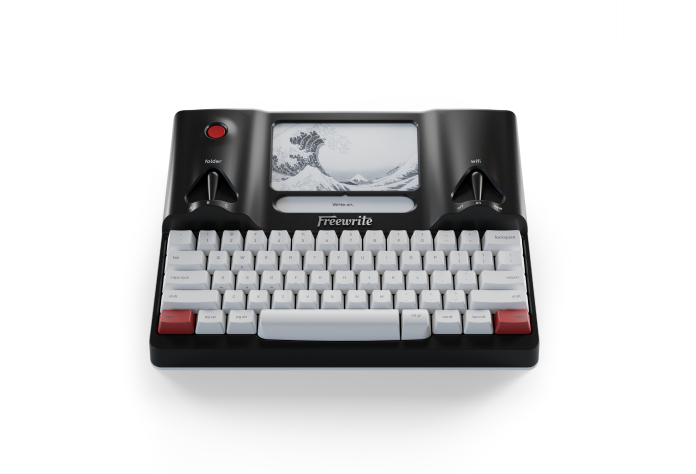
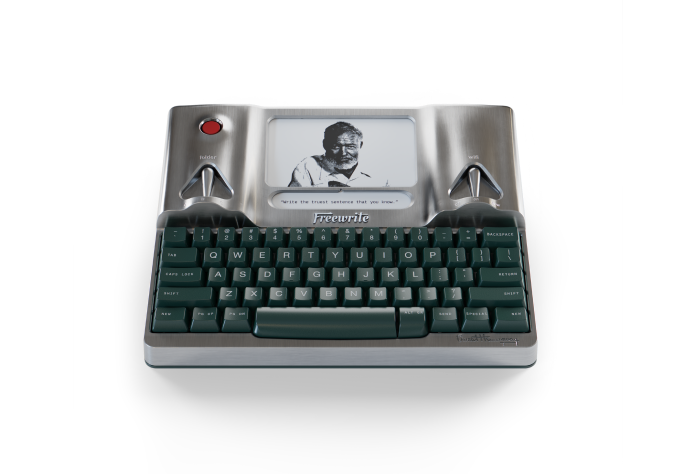
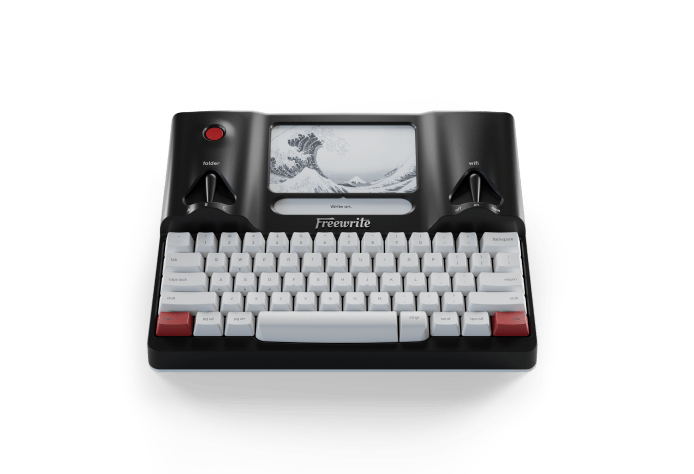
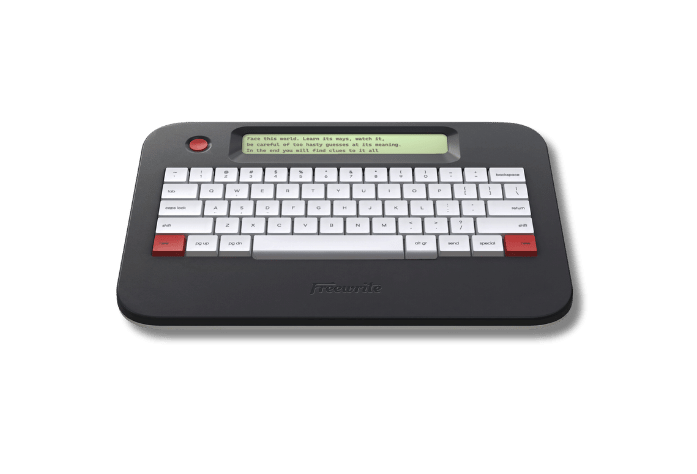
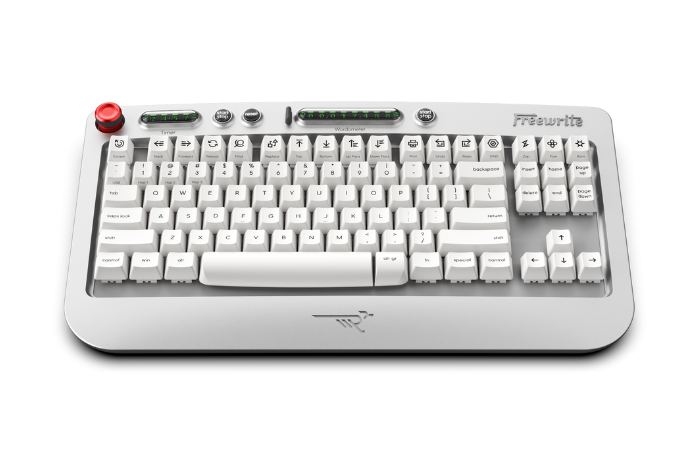
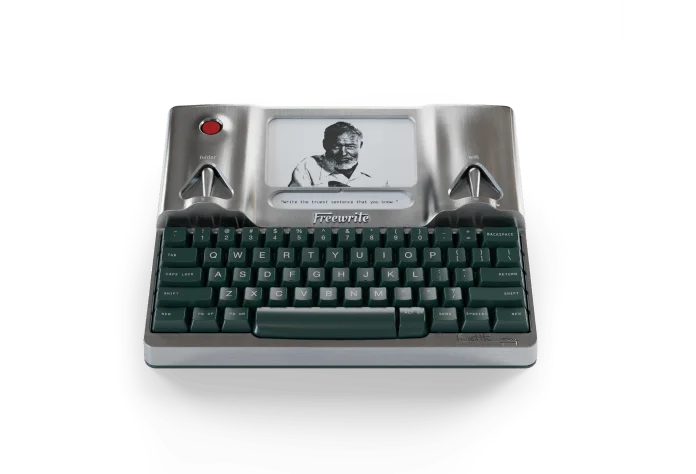
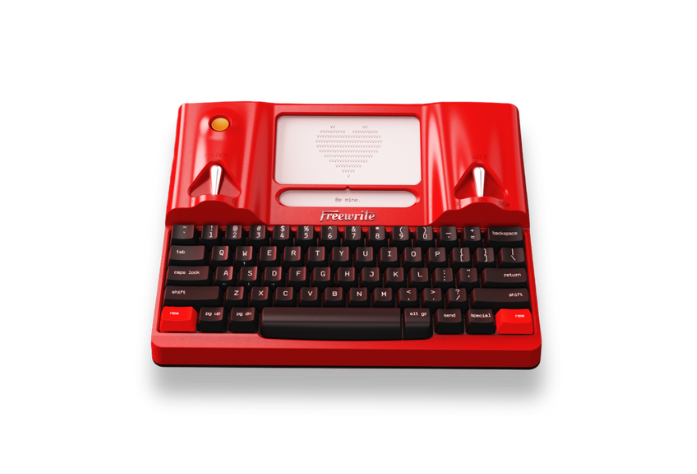
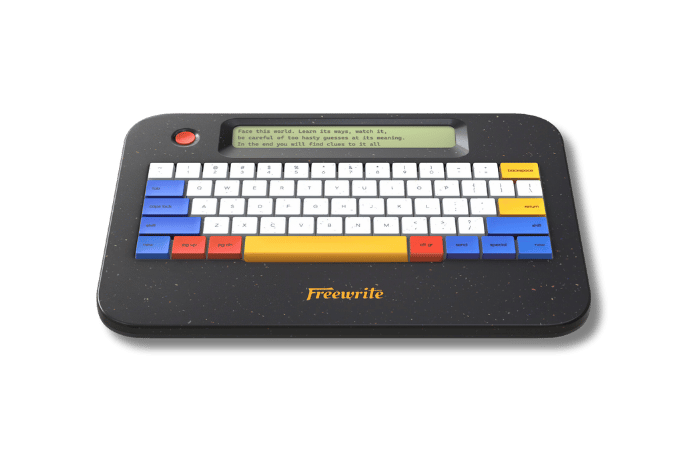
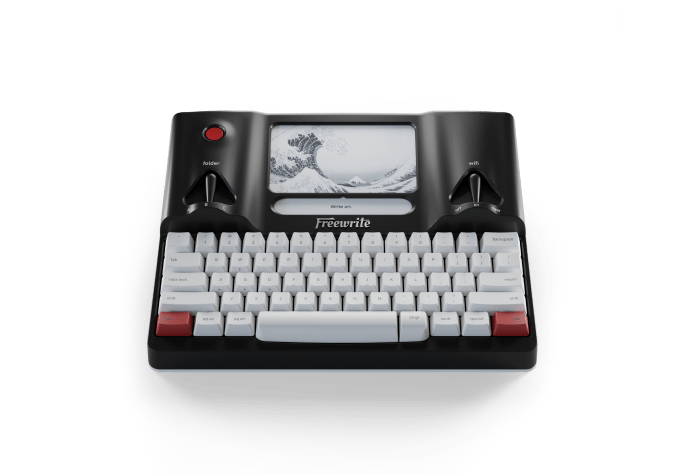
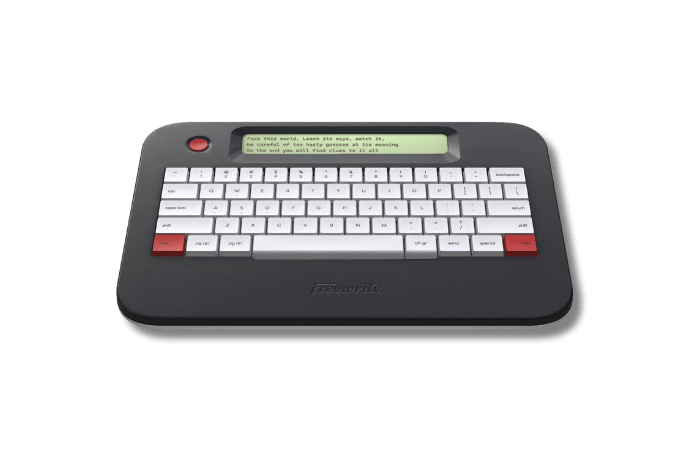
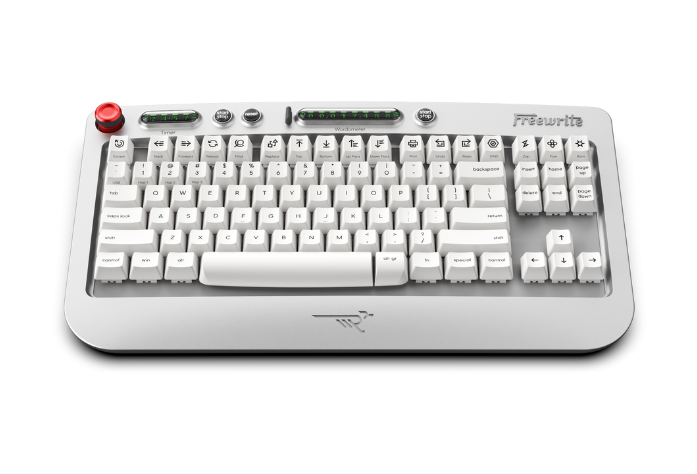
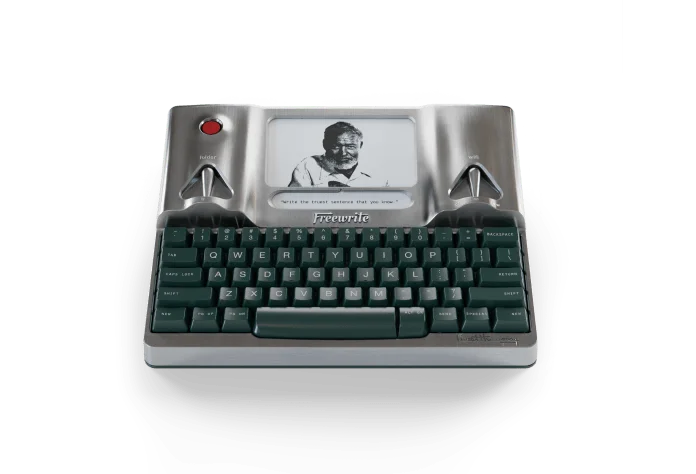
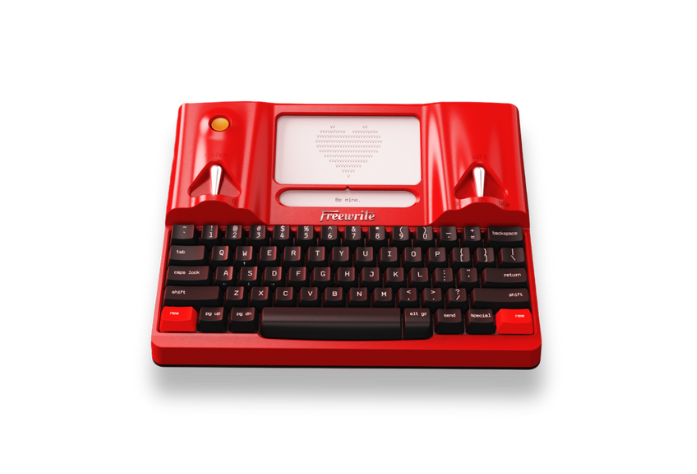
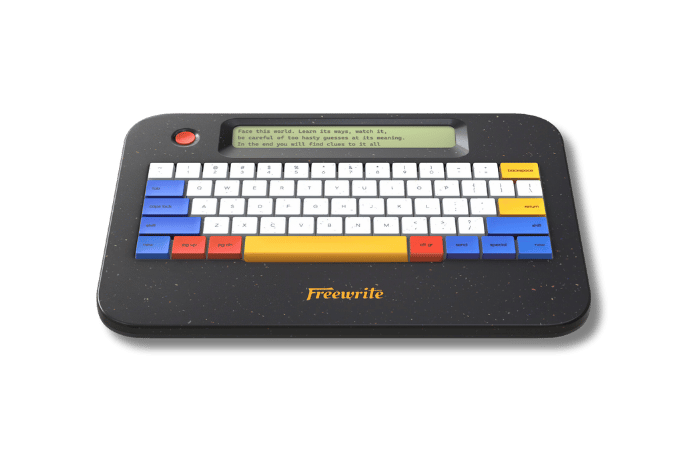
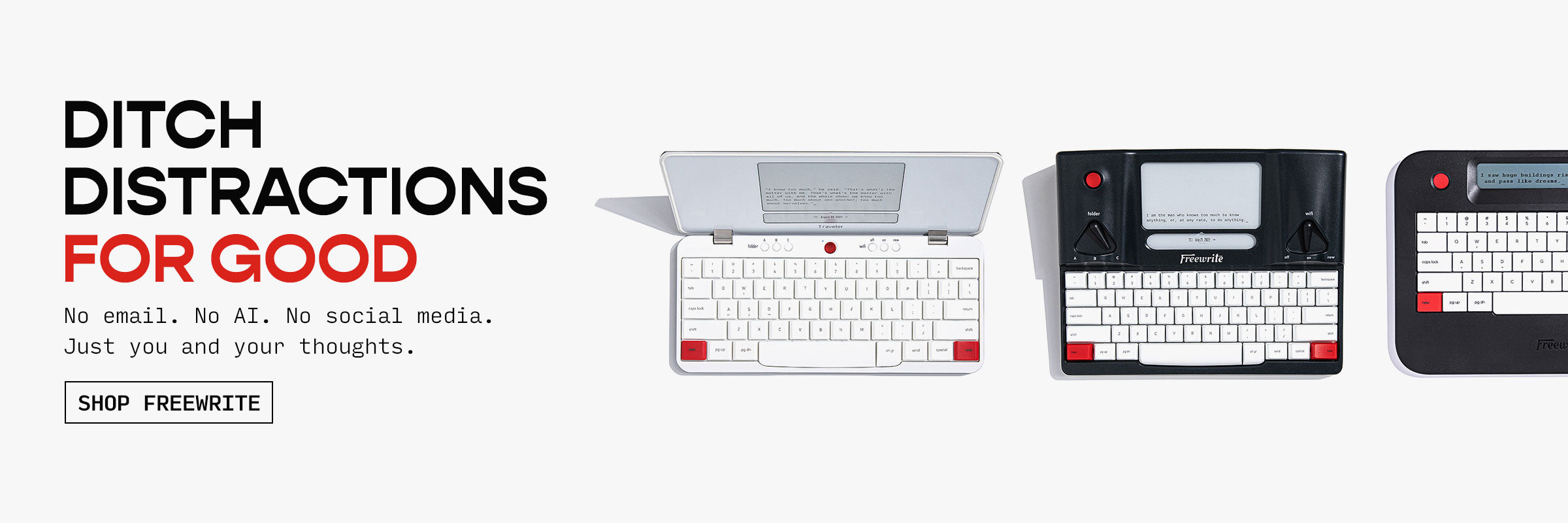
Maintenant que vous êtes inspiré, l'étape suivante consiste à écrire régulièrement ! Les auteurs qui utilisent nos outils d'écriture sans distraction Freewrite ont vu leur nombre de mots doubler. Freewrite pourrait-il vous convenir ?

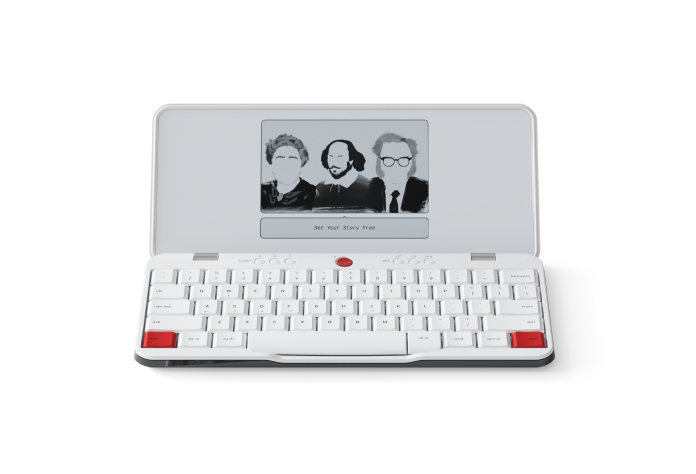
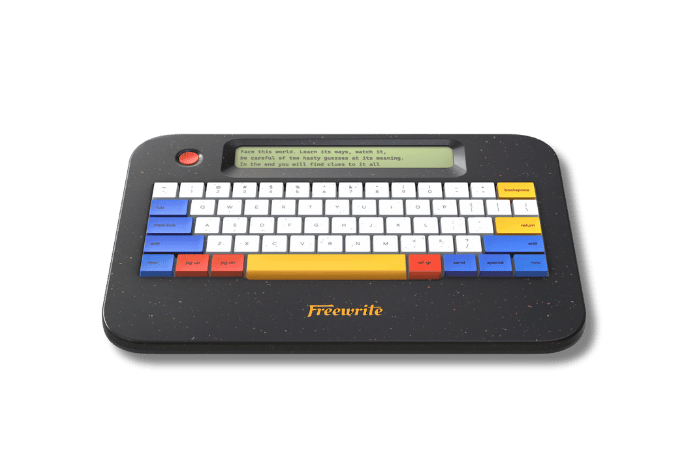
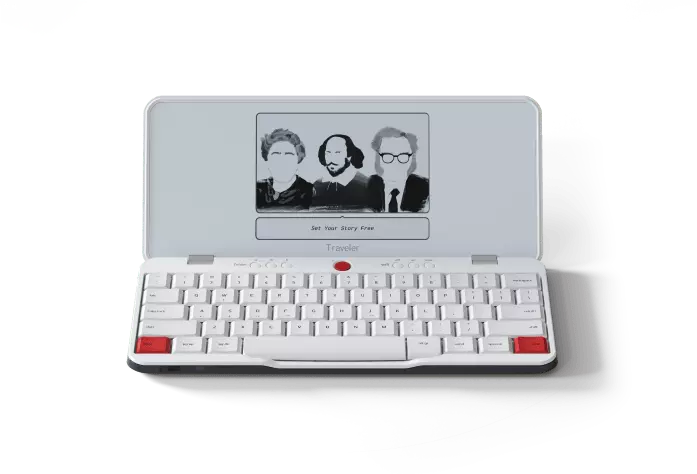
Découvrez la philosophie Freewrite « Rédiger d'abord, éditer ensuite » qui favorise une production productive. Découvrez également Freewrite Alpha , un partenaire d'écriture mobile.

--

Claire Wilkins est une rédactrice et éditrice indépendante néo-zélandaise. Après une carrière de près de trois décennies dans les services financiers, Claire a quitté le monde de l'entreprise pour créer Unmistakable, son entreprise de rédaction et d'édition. Elle crée des contenus pour sites web, des blogs et des newsletters pour des agences de création et des petites entreprises, et se spécialise dans la mise à jour de contenu existant pour le rendre exceptionnel. Pendant son temps libre, Claire aime observer les nuages, chanter en voiture et monter des vidéos.

décembre 30, 2025 3 lire la lecture

It’s Freewrite’s favorite time of year. When dictionaries around the world examine language use of the previous year and select a “Word of the Year.”

Of course, there are many different dictionaries in use in the English language, and they all have different ideas about what word was the most influential or saw the most growth in the previous year. They individually review new slang and culturally relevant vocabulary, examine spikes or dips in usage, and pour over internet trend data.

Let’s see what some of the biggest dictionaries decided for 2025. And read to the end for a chance to submit your own Word of the Year — and win a Freewrite gift card.

[SUBMIT YOUR WORD OF THE YEAR]


Merriam-Webster: "slop"

Merriam-Webster chose "slop" as its Word of the Year for 2025 to describe "all that stuff dumped on our screens, captured in just four letters."

The dictionary lists "absurd videos, off-kilter advertising images, cheesy propaganda, fake news that looks pretty real, junky AI-written books, 'workslop' reports that waste coworkers’ time … and lots of talking cats" as examples of slop.

The original sense of the word "slop" from the 1700s was “soft mud” and eventually evolved to mean "food waste" and "rubbish." 2025 linked the term to AI, and the rest is history.

Honorable mentions: conclave, gerrymander, touch grass, performative, tariff, 67.

Dictionary.com: "67"

The team at Dictionary.com likes to pick a word that serves as “a linguistic time capsule, reflecting social trends and global events that defined the year.”

For 2025, they decided that “word” was actually a number. Or two numbers, to be exact.

If you’re an old, like me, and don’t know many school-age children, you may not have heard “67” in use. (Note that this is not “sixty-seven,” but “six, seven.”)

Dictionary.com claims the origin of “67” is a song called “Doot Doot (6 7)” by Skrilla, quickly made infamous by viral TikTok videos, most notably featuring a child who will for the rest of his life be known as the “6-7 Kid.” But according to my nine-year-old cousin, the origins of something so mystical can’t ever truly be known.

(My third grade expert also demonstrated the accompanying signature hand gesture, where you place both hands palms up and alternately move up and down.)

And if you happen to find yourself in a fourth-grade classroom, watch your mouth, because there’s a good chance this term has been banned for the teacher’s sanity.

Annoyed yet? Don’t be. As Dictionary.com points out, 6-7 is a rather delightful example at how fast language can develop as a new generation joins the conversation.

Dictionary.com honorable mentions: agentic, aura farming, broligarchy, clanker, Gen Z stare, kiss cam, overtourism, tariff, tradwife.

Oxford Dictionary: "rage bait"

With input from more than 30,000 users and expert analysis, Oxford Dictionary chose "rage bait" for their word of the year.

Specifically, the dictionary pointed to 2025’s news cycle, online manipulation tactics, and growing awareness of where we spend our time and attention online.

While closely paralleling its etymological cousin "clickbait," rage bait more specifically denotes content that evokes anger, discord, or polarization.

Oxford's experts report that use of the term has tripled in the last 12 months.

Oxford Dictionary's honorable mentions:aura farming, biohack.

Cambridge Dictionary: "parasocial"

The Cambridge Dictionary examined a sustained trend of increased searches to choose "parasocial" as its Word of the Year.

Believe it or not, this term was coined by sociologists in 1956, combining “social” with the Greek-derived prefix para-, which in this case means “similar to or parallel to, but separate from.”

But interest in and use of the term exploded this year, finally moving from a mainly academic context to the mainstream.

Cambridge Dictionary's honorable mentions: slop, delulu, skibidi, tradwife

Freewrite: TBD

This year, the Freewrite Fam is picking our own Word of the Year.

Click below to submit what you think the Word of 2025 should be, and we'll pick one submission to receive a Freewrite gift card.

[SUBMIT HERE] 

--

Sources

décembre 18, 2025 6 lire la lecture

Que peuvent apprendre les lettres personnelles de Jane Austen aux écrivains ?

décembre 10, 2025 6 lire la lecture

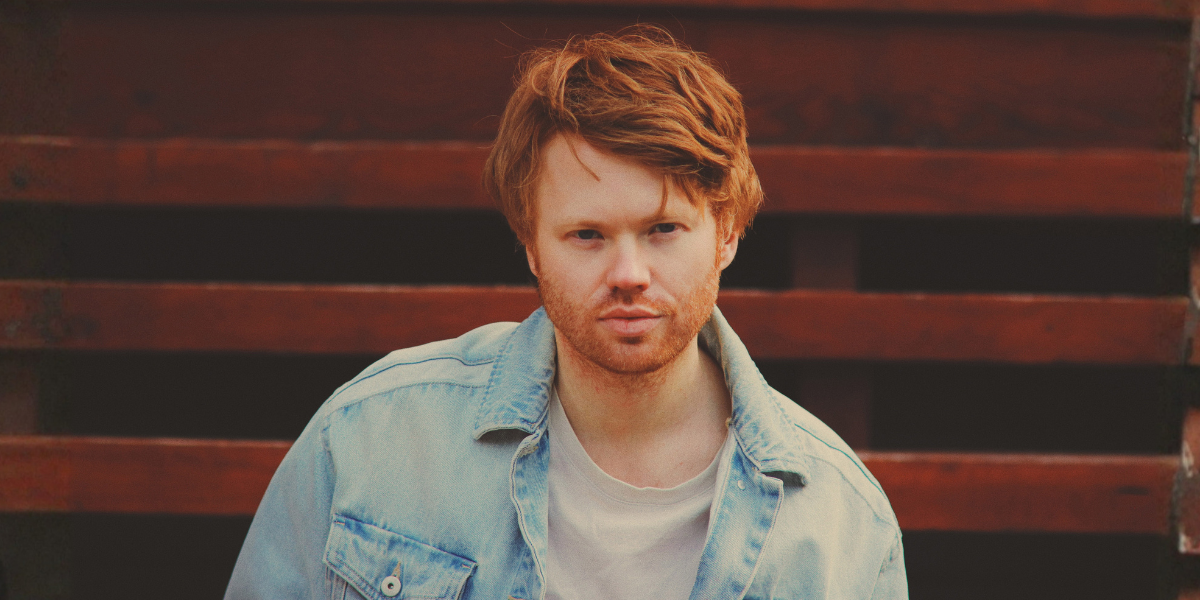
Singer-songwriter Abner James finds his creativity in the quiet freedom of analog tools. Learn how his creative process transcends different media.

Abner James went to school for film directing. But the success of the band he and his brother formed together, Eighty Ninety, knocked him onto a different trajectory.

The band has accrued more than 40 million streams since the release of their debut EP “Elizabeth," and their work was even co-signed by Taylor Swift when the singer added Eighty Ninety to her playlist "Songs Taylor Loves.”

Now, Abner is returning to long-form writing in addition to songwriting, and with a change in media comes an examination of the creative process. We sat down to chat about what's the same — and what's different. 

ANNIE COSBY: Tell us about your songwriting process.

ABNER JAMES: The way I tend to write my songs is hunched over a guitar and just seeing what comes. Sounds become words become shapes. It's a very physical process that is really about turning my brain off.

And one of the things that occurred to me when I was traveling, actually, was that I would love to be able to do that but from a writing perspective. What would happen if I sat down and approached writing in the same way that I approached music? In a more intuitive and free-form kind of way? What would that dig up?

AC: That's basically the ethos of Freewrite.

AJ: Yes. We had just put out a record, and I was thinking about how to get into writing for the next one. It occurred to me that regardless of how I started, I always finished on a screen. And I wondered: what's the acoustic guitar version of writing?

Where there's not blue light hitting me in the face. Even if I'm using my Notes app, it's the same thing. It really gets me into a different mindset.

 "I wondered: what's the acoustic guitar version of writing?"

I grew up playing piano. That was my first instrument. And I found an old typewriter at a thrift store, and I love it. It actually reminded me a lot of playing piano, the kind of physical, the feeling of it. And it was really fun, but pretty impractical, especially because I travel a fair amount.

And so I wondered, is there such a thing as a digital typewriter? And I googled it, and I found Freewrite.

AC: What about Freewrite helps you write?

AJ:I think, pragmatically, just the E Ink screen is a huge deal, because it doesn't exhaust me in the same way. And the idea of having a tool specifically set aside for the process is appealing in an aesthetic way but also a mental-emotional way. When it comes out, it's kind of like ... It's like having an office you work out of. It's just for that.

"The way I tend to write my songs is hunched over a guitar and just seeing what comes. Sounds become words become shapes. It's a very physical process that is really about turning my brain off."

And all of the pragmatic limitations — like you're not getting texts on it, and you're not doing all that stuff on the internet — that's really helpful, too. But just having the mindset....

When I pick up a guitar, or I sit down at the piano, it very much puts me into that space. Having a tool just for words does the same thing. I find that to be really cool and inspiring.

"When I pick up a guitar, or I sit down at the piano, it very much puts me into that space. Having a tool just for words does the same thing."

AC: So mentally it gets you ready for writing.

AJ: Yeah, and also, when you write a Microsoft Word, it looks so finished that it's hard to keep going. If every time I strummed a chord, I was hearing it back, mixed and mastered and produced...?

It's hard to stay in that space when I'm seeing it fully written out and formatted in, like, Times New Roman, looking all seriously back at me.

AC: I get that. I have terrible instincts to edit stuff over and over again and never finish a story.

AJ:  Also, the way you just open it and it's ready to go. So you don't have the stages of the computer turning on, that kind of puts this pressure, this tension on.

It's working at the edges in all these different ways that on their own could feel a little bit like it's not really necessary. All these amorphous things where you could look at it and be like, well, I don't really need any of those. But they add up to a critical mass that actually is significant.

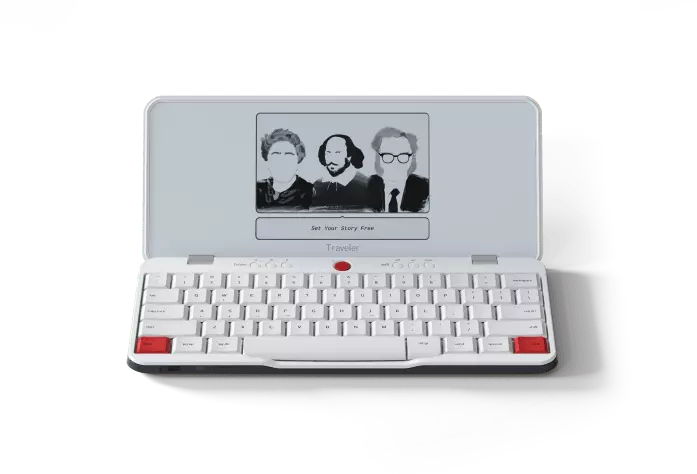
And sometimes, if I want to bring it on a plane, I've found it's replaced reading for me. Rather than pick up a book or bring a book on the plane, I bring Traveler and just kind of hang out in that space and see if anything comes up.

I've found that it's kind of like writing songs on a different instrument, you get different styles of music that you wouldn't have otherwise. I've found that writing from words towards music, I get different kinds of songs than I have in the past, which has been interesting.

In that way, like sitting at a piano, you just write differently than you do on a guitar, or even a bass, because of the things those instruments tend to encourage or that they can do.

It feels almost like a little synthesizer, a different kind of instrument that has unlocked a different kind of approach for me.

"I've found that it's kind of like writing songs on a different instrument, you get different styles of music that you wouldn't have otherwise... [Traveler] feels almost like a little synthesizer, a different kind of instrument that has unlocked a different kind of approach for me."

AC: As someone who doesn't know the first thing about writing music, that's fascinating. It's all magic to me.

AJ: Yeah.

AC: What else are you interested in writing?

AJ: I went to school for film directing. That was kind of what I thought I was going to do. And then my brother and I started the band and that kind of happened first and knocked me onto a different track for a little while after college.

Growing up, though, writing was my way into everything. In directing, I wanted to be in control of the thing that I wrote. And in music, it was the same — the songwriting really feels like it came from that same place. And then the idea of writing longer form, like fiction, almost feels just like the next step from song to EP to album to novel.

For whatever reason, that started feeling like a challenge that would be deeply related to the kinds of work that we do in the studio.

AC: Do you have any advice for aspiring songwriters?

AJ: This sounds like a cliche, but it's totally true: whatever success that I've had as a songwriter — judge that for yourself — but whatever success I have had, has been directly proportional to just writing the song that I wanted to hear.

What I mean by that is, even if you're being coldly, cynically, late-stage capitalist about it, it's by far the most success I've had. The good news is that you don't have to choose. And in fact, when you start making those little compromises, or even begin to inch in that direction, it just doesn't work. So you can forget about it.

Just make music you want to hear. And that will be the music that resonates with most people.

I think there's a temptation to have an imaginary focus group in your head of like 500 people. But the problem is all those people are fake. They're not real. None of those people are actually real people. You're a focus group of one, you're one real person. There are more real people in that focus group than in the imaginary one.

And I just don't think that we're that different, in the end. So that would be my advice.

AC: That seems like generally great creative advice. Because fiction writers talk about that too, right? Do you write to market or do you write the book you want to read. Same thing. And that imaginary focus group has been debilitating for me. I have to silence that focus group before I can write.

AJ: Absolutely.

"I think there's a temptation to have an imaginary focus group in your head of like 500 people. But the problem is all those people are fake... You're a focus group of one, you're one real person. There are more real people in that focus group than in the imaginary one."

--

Learn more about Abner James, his brother, and their band, Eighty Ninety, on Instagram.