overlaylink

Escribir con dados: Cómo gamificar tu sesión de escritura

abril 22, 2024 | 5 lectura mínima
Todos hemos estado ahí: mirando un documento en blanco, sin saber por dónde ni cómo empezar. Las ideas me dan vueltas en la cabeza todo el día, pero en cuanto me siento frente a mi borrador, simplemente no salen porque no logro decidirme por nada de lo que tengo en la cabeza.
Acepta la aleatoriedad como un socio creativo y descubrirás que, con el enfoque y la actitud adecuados, esa incertidumbre es una oportunidad para giros emocionantes e ideas nuevas en tu escritura.
Quiero mostrarte una herramienta que me ha ayudado a superar estas situaciones de bloqueo y también a mejorar como escritor. Solo necesitas tres dados de seis caras y papel. (Por supuesto, si estás de viaje y no llevas dados, cualquier app de dados en tu teléfono servirá).
Escribir con dados puede ayudarte a tomar decisiones inesperadas en tu proceso de escritura que pueden llevar tu creatividad en nuevas direcciones.
Recuerda, no tienes que escribir la historia perfecta en tu primer borrador. Se trata de capturar ideas antes de que se pierdan. Así que deja atrás el perfeccionismo y disfruta del proceso creativo.

Conoce al Oráculo

Este enfoque se basa en la idea de que podemos preguntarle a un "oráculo" para que oriente nuestra escritura hacia direcciones interesantes e inspiradoras. Tal como a veces nuestros amigos o parejas se ofrecen a hacerlo cuando les sobornamos con café y pastel. En este caso, sin embargo, el oráculo son los dados.

Los dados asumen el papel de oráculo, respondiendo nuestras preguntas y liberándonos de la carga de pensar demasiado sobre una decisión.

“Pero, ¿qué preguntas debo hacer y qué gano con una respuesta genérica de sí o no?”, se preguntará.

La respuesta corta es: depende…

Depende del contexto en el que hagas las preguntas.

Podría ser cualquier cosa, desde el género, consideraciones básicas sobre cómo quieres contar la historia, los personajes involucrados o los tropos e ideas que quieres incorporar. Quizás incluso las diferentes historias y su desarrollo.

Todo esto constituye el contexto en el que tomamos decisiones narrativas. En este ejercicio, es lo que inspirará nuestras preguntas.

Cuando quieras saber hacia dónde podría ir la historia basándote en lo que ya sabes, pregúntale al oráculo. No le des demasiadas vueltas. En cambio, introduce el azar y espera a ver qué dice el oráculo. Nunca se sabe cuándo la historia te llevará por nuevos rumbos.

¿Cómo sé lo que dice el oráculo…?

La idea general es bastante sencilla: formulas una pregunta que pueda responderse sí o no y lanzas los tres dados de seis caras. El oráculo responderá con los resultados que ves en la tabla a continuación.

Sume los números de los dados y busque la respuesta del oráculo en la tabla.

Además de respuestas claras de sí o no, el Oráculo también puede darnos respuestas más matizadas: una forma debilitada (10,11) y una versión intensificada (3-4, 17-18).

Además, si tienes contexto adicional de la historia para agregar a la pregunta, aplica los modificadores de la siguiente tabla a la suma de tus dados.

¿Confuso? Veamos cómo funciona al escribir una escena:

Mi pregunta: ¿Está lloviendo cuando Isabel sale del café? (Es poco probable, es un día caluroso en la historia).

Resultado: Los tres dados dan: 4, 4, 3, igual a 11. Resto 1 por "improbable". Mi respuesta final es 10. (No, pero...)

Esta simple pregunta por sí sola creó una mejor atmósfera en la escena y también me dio algunas ideas para una escena posterior en la que la tormenta de verano que se acerca influye en el resto de la historia.

Veamos un ejemplo más largo: cómo uso el oráculo al comienzo de la redacción de una historia.

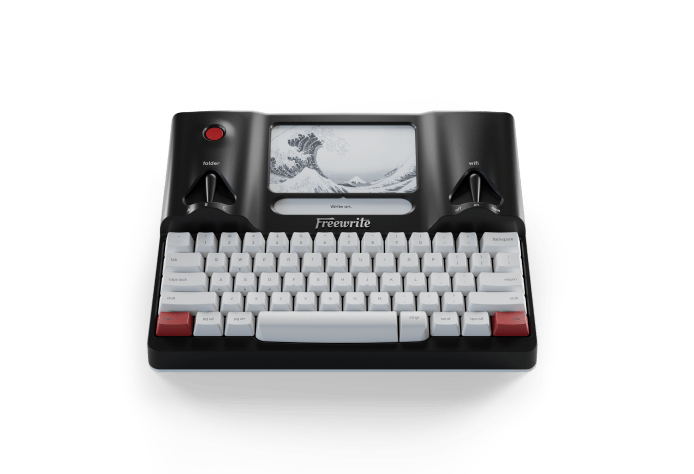
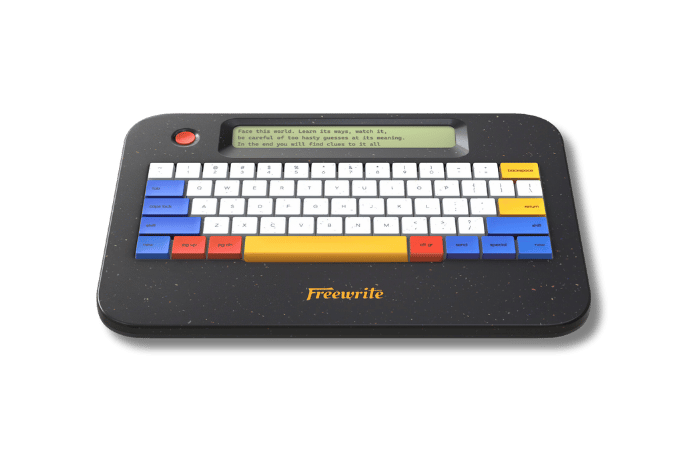
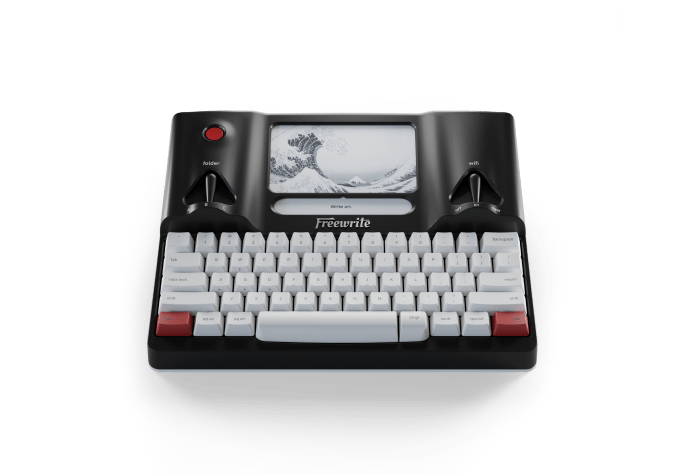
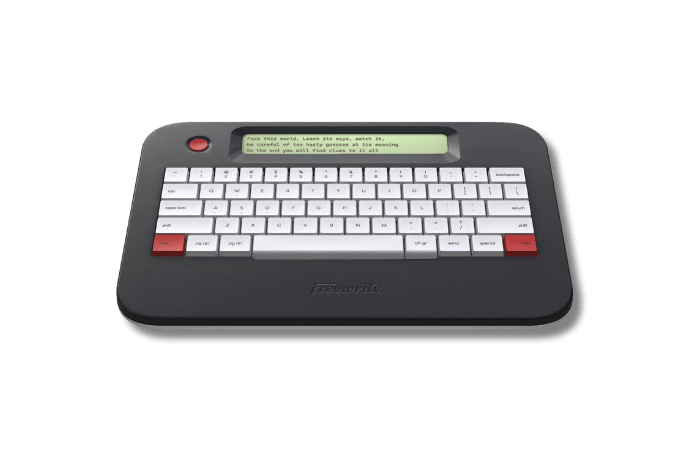
Todo lo que he preparado para esto son los dados, mi Freewrite, una pila de tarjetas de índice en blanco y un pequeño reloj de arena.

Uso las fichas para hacer listas de cosas relevantes para mis ideas, a veces preparadas, a veces inventadas mientras escribo para que el dado decida. Una de las listas que creé antes de la primera sesión era una colección de géneros interesantes que me gustaban para mi próxima historia.

Seleccioné al azar tres temas de esa lista: victoriano, sobrenatural y soldado.

Ya me gustaba esta combinación, y las primeras ideas no tardaron en surgir. Hice algunas preguntas de oráculo ("¿Está ambientado en la época victoriana?", "¿Es una casa embrujada?", etc.) para ayudarme a descifrar la ambientación básica. Lo que descubrí es que no estamos en la época victoriana, sino que la historia se desarrolla en una villa victoriana que, según se dice, está embrujada. La villa se ha convertido en hotel y ha atraído a muchos turistas desde que la sangrienta historia de la casa se difundió en internet.

Tras algunas preguntas más, me entero de que los protagonistas son huéspedes del hotel. Uno de ellos lleva años intentando, sin éxito, hacerse famoso como influencer de fenómenos sobrenaturales. Lo acompaña su mejor amigo, quien acaba de terminar sus estudios y ha sido convencido de irse de viaje. No cree en fantasmas.

Esa información me basta para trabajar en la ambientación. Tomo notas en una ficha y le pregunto al oráculo por dónde empezar. Resulta que los dos amigos acaban de llegar en tren y se dirigen a la villa a través del casco antiguo.

Giro el reloj de arena y empiezo a escribir.

La arena se agota mientras los dos protagonistas se abren paso entre el bullicio del pueblo y se pierden en el laberinto de calles sinuosas. El reloj de arena me indica que es hora de interrumpir mi escritura con un evento aleatorio. Utilizo una combinación de preguntas de oráculo y listas espontáneas de posibilidades que me vienen a la mente. De nuevo, dejo que los dados decidan qué opción elegir.

Descubro que un comerciante se acerca a mis protagonistas y los atrae a su tienda. Allí, descubren un objeto antiguo que parece atraerlos mágicamente. ¡Genial! La escena ha cobrado un poco más de sabor gracias a esta visita. También me pregunto qué tiene que ver ese objeto con todo esto. Vuelvo a girar el reloj de arena y sigo escribiendo para averiguarlo.

La danza entre previsibilidad y espontaneidad es fascinante, y espero que esto le haya proporcionado una pequeña y útil idea del enfoque del oráculo.

Mi recomendación es elegir primero un proyecto existente y usar el oráculo en momentos específicos del proceso de escritura. La ventaja es que ya conocerás mejor el contexto y te resultará más fácil crear tus primeras listas de ideas o saber cuándo o cómo formular preguntas al oráculo.

Si prefieres empezar desde cero, toma un tema de escritura de tu elección y haz una lluvia de ideas con el oráculo para encontrar un punto de partida para la primera escena.

¡Feliz escritura!

--
Ben Westland es escritor fantasma, editor y autor independiente de ficción interactiva, con una amplia experiencia en informática, desarrollo de productos y cambio organizacional. Ben posee un doctorado y es autor de dos trabajos académicos sobre gestión del conocimiento, así como de diversas narrativas interactivas que emplean la narración para mejorar la capacitación organizacional.
Ben es uno de los editores de inspiration.garden , una revista de creatividad inspiradora, y recientemente lanzó storyhaven.online para publicar su ficción serializada mientras explora nuevas formas narrativas.
Habiendo vivido e investigado en España y Japón, Ben ahora aprovecha su experiencia para crear historias inmersivas y ayudar a otros a encontrar su voz creativa.
noviembre 29, 2025 4 lectura mínima

The Great Freewrite Séance: A Ghost'ly Charity Auction Full Terms & Conditions

These Terms and Conditions (“Terms”) govern participation in The Great Freewrite Séance: A Ghost'ly Charity Auction (“Auction”), organized by Freewrite (“Organizer,” “we,” “us,” or “our”). By registering for, bidding in, or otherwise participating in the Auction, you (“Participant,” “Bidder,” or “Winner”) agree to be bound by these Terms.

1. Auction Overview

1.1. The Auction offers for sale a limited number of Freewrite Traveler Ghost Edition units (“Items” or “Ghost Traveler units”), each personally signed and drawn on by a featured author.

1.2. All proceeds, net of explicitly disclosed administrative costs, will be donated to the charity or charitable initiative (“Charity”) identified on each auction item’s page, as chosen by the respective author.

2. Eligibility

2.1. Participants must be at least 18 years old or the age of majority in their jurisdiction, whichever is higher.

2.2. Employees of Freewrite, the participating authors, or any affiliates directly involved in the Auction are not eligible to bid.

2.3. By participating, you represent that you are legally permitted to take part in online auctions and to pay for any bids you win.

3. Auction Registration

3.1. Participants must create an account on the auction platform or otherwise register using accurate, current, and complete information.

3.2. Freewrite reserves the right to verify identity and to disqualify any Participant who provides false or misleading information.

4. Bidding Rules

4.1. All bids are binding, final, and non-retractable.

4.2. Bidders are responsible for monitoring their bids; Freewrite is not liable for missed notifications or technical issues on the auction platform or the Participant’s device.

4.3. Freewrite reserves the right to:

  • set minimum bids or bid increments;
  • reject bids deemed in bad faith or intended to disrupt the Auction;
  • extend, pause, or cancel the Auction in case of technical difficulties, fraud, or events beyond reasonable control.

5. Winning Bids and Payment

5.1. The highest valid bid at the close of the Auction is the Winning Bid, and the corresponding Participant becomes the Winner.

5.2. Winners will receive payment instructions and must complete payment within 48 hours of the auction’s close unless otherwise stated.

5.3. Failure to complete payment on time may result in forfeiture, and Freewrite may offer the Item to the next highest bidder.

5.4. Accepted payment methods will be listed on the Auction platform. All payments must be made in the currency specified.

6. Item Description and Condition

6.1. Each Ghost Traveler unit is authentic, and the signatures, doodles, and messages are original works created by the participating author. These are authors, not artists. By bidding on the Item, you acknowledge that you are receiving a one-of-a-kind unit marked with unique art and messages and you agree to these terms and conditions.

6.2. Because Items are customized and signed by hand, variations, imperfections, or unique marks are to be expected. These are considered part of the Item’s character and not defects.

6.3. Items are provided “as-is” and “as-available.” Freewrite makes no warranties of merchantability or fitness for a particular purpose.

7. Shipping & Delivery

7.1. Shipping costs, import duties, and taxes may apply unless explicitly stated otherwise.

7.2. Freewrite will make reasonable efforts to ship Items within the estimated timeline but cannot guarantee delivery dates.

7.3. Title and risk of loss transfer to the Winner upon delivery to the carrier.

7.4. Freewrite is not responsible for delays, damage, or loss caused by the courier or customs agencies.

8. Charity Donation

8.1. Net proceeds from the Auction will be donated to the Charity designated on each Item page.

8.2. Donation amounts and recipients may be disclosed publicly unless prohibited by law.

8.3. Winners acknowledge that they are purchasing Items, not making a tax-deductible donation to Freewrite; therefore, Winners will not receive charitable tax receipts unless Freewrite explicitly states otherwise in compliance with applicable laws.

9. Intellectual Property

9.1. All trademarks, brand names, product names, and creative materials associated with Freewrite and the Ghost Traveler remain the exclusive property of Freewrite or their respective rights holders.

9.2. Participants may not reproduce, distribute, or publicly display the authors’ doodles without permission where such rights are applicable, except as allowed by law (e.g., resale of the physical Item).

10. Privacy

10.1. By participating, you consent to Freewrite’s collection, use, and storage of your personal data in accordance with our Privacy Policy.

10.2. Freewrite may publicly announce auction results, including Winner’s first name, last initial, city, state/country, and winning bid amount unless prohibited by law or unless you formally request anonymity when possible.

11. Prohibited Conduct

Participants may not:

  • engage in bid manipulation, fraud, or collusive bidding;
  • use automated systems (bots, scripts, scrapers) to place or monitor bids;
  • interfere with the Auction, platform, or other participants

Freewrite may ban or disqualify any Participant violating these rules.

12. Limitation of Liability

To the fullest extent permitted by law:

12.1. Freewrite is not liable for indirect, incidental, special, or consequential damages arising from the Auction or purchase of Items.

12.2. Freewrite’s total liability in connection with these Terms shall not exceed the amount of the Winning Bid actually paid by the Participant.

12.3. Freewrite is not responsible for technical malfunctions, internet outages, system failures, or other issues beyond its control.

13. Cancellation and Force Majeure

Freewrite may cancel, postpone, or modify the Auction due to unforeseen circumstances, including but not limited to natural disasters, system failures, strikes, or events affecting participating authors or the Charity.

14. Governing Law & Dispute Resolution

14.1. These Terms are governed by the laws of Michigan, without regard to conflict-of-law rules.

14.2. Any disputes arising under these Terms will be resolved through binding arbitration or the courts of the specified jurisdiction, as applicable.

14.3. Participants waive any right to participate in class-action lawsuits relating to the Auction.

15. Amendments

Freewrite may update these Terms at any time. Continued participation in the Auction after updates constitutes acceptance of the revised Terms.

16. Contact Information

For questions or concerns regarding the Auction or these Terms, contact: hello@getfreewrite.com.

noviembre 25, 2025 1 lectura mínima

This is a great gratitude writing exercise to be done alone or in a group, with people of any age.

How to Play

    1. Designate someone to read out each prompt below. (Feel free to add your own prompts.)
    2. After each prompt is read, set a timer for one minute. (With younger kids, this can be shortened. For older folks who want to freewrite meaningfully, more time can be added.)
    3. Each person freewrites by finishing the sentence and elaborating until the timer goes off. (For little kids, this can be done verbally with an adult recording their answers. Hilarity will ensue.)
    4. Remeber that freewriting — allowing yourself to write with abandon — enables you to let go, tapping into your subconscious to explore your thoughts more deeply.
    5. When everyone is done with all the prompts, take turns going through some your answers. Some people may be eager to share. Others may not want to. Respect their decision.

The Prompts

  • I'm grateful for... [After you've finished this prompt, repeat it five times. Challenge yourself and others not to repeat a singe word with each new answer.]
  • The silliest thing I'm grateful for is...
  • The littlest thing I'm grateful for is...
  • The biggest thing I'm grateful for is...
  • The grossest thing I'm grateful for is...
  • One thing I love about myself is...
  • My favorite thing that happened this year was...
  • My hope for next year is...

This writing exercise has resulted in some sweet answers — and many hilarious ones, too. If you try it out, do let us know.

Write on.

noviembre 21, 2025 4 lectura mínima

For the release of Sailfish, our new firmware update for Smart Typewriter Gen3 and Traveler, we created a brand-new boot-up animation to surprise and delight our writers.

We worked with talented Danish animator Mathias Lynge to bring our experience of the writer's journey to life.

We had a blast visualizing the writer's journey in this new way. Our engineers also had a blast (or something less than a blast) figuring out how to adjust this fun, playful animation to E Ink's very tricky specifications. Hello, refresh rate woes! But we think the result is pretty fun.

"The little animation made my day when I noticed. I love a good flourish."

- Freewrite user

The process of creating this animation was long and full of Zoom calls where we deeply discussed the writing process. We were struck through those conversations by how much overlap there is in creative processes of all disciplines.

So we sat down to chat with Mathias about his creative process and what it's like being a full-time animator.

ANNIE COSBY: Let's start with the basics. What kind of art do you make?

MATHIAS LYNGE: I'm a 2D animator and motion designer working freelance with a wide range of clients. The style varies depending on the project, but it’s usually either a hand-drawn look animated frame-by-frame on a drawing tablet, or a more digital, vectorized look made in After Effects.

While much of what I do is commercial work, I try to keep up with my own passion projects as well. That could be a 10-second Instagram loop of a nature scene, or an interesting character design I’ve sketched down with a pencil. It’s there that I get to sharpen my skills and try out new techniques, which often find their way into later client projects.

AC: You often share educational content on social media for other artists. Are you formally trained, or did you teach yourself?

ML: I’m mostly self-taught. I’ve been drawing for as long as I can remember, but it wasn’t until I went to university that I realized drawing could become a career.

When I first heard terms like “motion design” and “The 12 Principles of Animation” I was on a student exchange program at UCSB in California, where I had chosen a class called "Introduction to Animation." It was a big eye-opener for me, and from that point I was hooked.

But it’s mainly been online YouTube tutorials and my existing drawing experience that have taught me what I know.

Now, I have a big presence on social media, where I share my art as well as educational content centered around animation in Adobe After Effects, so I guess you could say that I'm also an animation influencer!

I’ve been drawing for as long as I can remember, but it wasn’t until I went to university that I realized drawing could become a career.

AC: That's actually how I first found your work. Do you have any specific artists who inspire you?

ML:In the world of 2D animation, I have a list of personal heroes that inspire me with their unique style: Reece Parker, Ariel Costa a.k.a. BlinkMyBrain, and Tony Babel, to name a few.

I also find a lot of inspiration from illustrators and painters I discover online, on platforms such as Pinterest. Last year I made a sparkling water animation that was heavily inspired by Cornwall-based artist Gordon Hunt. He makes these beautiful nature-inspired pointillist paintings that capture how light hits the ocean using colorful dots of paint. I tried to recreate that effect using After Effects to bring it to life, and it led me to a whole new way of animating within the program.

AC: Where else do you draw inspiration to create your work?

ML: I’m heavily inspired by the nature and cityscapes around me in Copenhagen, and I find that taking long walks through parks or down the streets of my neighborhood really sparks my imagination.

I’ll often carry around a sketchbook to quickly scribble down an idea or a loose sketch of something I find interesting, such as seeing how the light from a lamppost hits the surrounding leaves, or how the wind moves the tree in a certain way.

Then I’ll think to myself, “I wonder if I can recreate that motion using a specific technique in After Effects?”

I’m heavily inspired by the nature and cityscapes around me in Copenhagen...

AC: What does your daily routine look like as a full-time artist?

ML: It varies a lot, but I’m usually either working hard on a client project or tinkering away with a new animation tutorial for my social media channels.

I love being able to switch between the two, and when I’m going through a client dry spell, I find that staying creative and posting animation-related content helps keep me inspired while also putting things out into the world that may lead to my next client down the road.

AC: What's your #1 piece of advice for animators new to the industry?

ML: Keep experimenting and trying out new techniques. There’s no such thing as running out of creativity, and even though many of the things you try don’t necessarily go anywhere, it’s all experience that adds up and expands your toolbox. It’s a muscle that needs to be worked out regularly.

Plus, you’ll have more awesome animation to choose from when you’re putting together your next showreel or portfolio!

There’s no such thing as running out of creativity...

AC: What's one fun fact about you completely unrelated to animation?

ML:I’m a big sucker for history podcasts, especially if they are about ancient civilizations, such as The History of Rome by Mike Duncan.

I find it fascinating to hear how mankind was able to build such great empires without ever knowing what electricity, cars, or the internet are.

--

Follow along on Mathias's creative journey and find his free educational content on Instagram.

To learn more about working together, find him on LinkedIn or visit his website at www.mathiaslynge.com.

Learn more about Sailfish here.