overlaylink

Las mejores aplicaciones y herramientas de escritura de 2018

agosto 07, 2017 | 6 lectura mínima


La publicación invitada de hoy es de Matt Grant. Matt es un escritor y editor residente en Brooklyn. Su trabajo ha aparecido en Literary Hub , Book Riot, HuffPost y BookBrowse. Encuentra a Matt en línea o síguelo en Twitter y Facebook .


Cómo escribir un software que te dejará boquiabierto

Como escritores, sabemos que nuestro oficio requiere tiempo y energía . Lo último que necesitamos es quedarnos atascados en el proceso. Más allá de la historia básica, a menudo también nos cuesta seguirle el rastro a los detalles de los personajes, las tramas secundarias y los destellos de inspiración para partes de la historia en las que aún no estamos trabajando. Necesitamos un lugar seguro donde guardar toda esta información en un solo lugar, de fácil acceso.

Afortunadamente, quedaron atrás los días en que uno se sentaba frente a una máquina de escribir y escribía todo en un solo documento largo. Sin embargo, una de las cosas más frustrantes en nuestra era tecnológica es trabajar arduamente en un proyecto en progreso y luego verse obligado a abandonarlo por un software deficiente o lento.

A continuación, encontrarás una lista de algunos de los mejores programas de planificación, escritura y edición disponibles hoy en día, con funciones increíbles que no sabías que necesitabas. Y lo mejor es que muchos son gratuitos.

Planificación:

Escabullirse

Scapple, de Literature and Latte, es una herramienta básica para crear mapas mentales. Es súper sencilla y fácil de usar. Solo tienes que crear notas y conectarlas arrastrándolas y soltándolas. Puedes personalizar las notas por color y tamaño, aunque estas opciones son limitadas. Esto puede ser una ventaja, ya que no tendrás que perder mucho tiempo preocupándote por la estética de tu mapa.

Scapple hace que la lluvia de ideas no solo sea fácil, sino también divertida. Es como tener un montón de papel a tu disposición. ¿Te estás quedando sin espacio? No hay problema, puedes alejarte fácilmente de tu área de trabajo y crear un nuevo mapa o conexión en otra área.

yWriter – ¡GRATIS! (Solo Windows)

yWriter es un procesador de texto gratuito para PC con Windows. Creado por un escritor para escritores, el programa divide tu novela en escenas o capítulos, lo que te facilita llevar un registro de cada elemento. Puedes crear tarjetas y etiquetas de personajes, y añadir numerosas notas personalizables a tus escenas, como la hora del día en que transcurren y su duración.

Debido a su simplicidad, no recomendaría yWriter para escribir una novela completa, aunque se ha hecho. Hay programas mucho más avanzados para eso. yWriter es mejor para planificar tu historia escena por escena. Pero si tienes un presupuesto limitado, ¡yWriter te servirá!

Escribiendo:

Amanuense

Llevo varios años usando Scrivener y, sin duda, es lo mejor que le ha podido pasar a mi escritura. Scrivener es una de las herramientas de escritura más populares del mercado. Es mucho más que un simple procesador de textos: es una máquina para crear novelas.

Al igual que yWriter, Scrivener te permite dividir tu proyecto en diferentes partes, pero no se limita a capítulos o escenas. Puedes incluir un flashback, un breve intercambio entre personajes o un relato corto completo en un solo documento. Puedes editarlos por separado, lo que te permite centrarte en una pequeña parte de tu trabajo, o usar el "Modo Scrivenings", que une varias escenas, como si fuera un primer acto completo. Cuenta con muchísimas funciones fáciles de usar y personalizables, como la pantalla dividida, un esquema de notas digitales, una carpeta y, mi favorito, el modo de redacción.

Si todo te parece abrumador, no tienes que usar todas las funciones. Con Scrivener, puedes encontrar la que mejor se adapte a ti. Además, es económico: por menos de $50, Scrivener es una ganga.

Sprinter – ¡GRATIS!

Si te gustan los "sprints de palabras" (ráfagas rápidas de escritura de 15 minutos), considera probar Sprinter. Sprinter es un programa de escritura web sencillo y sin distracciones con temporizador. Simplemente empiezas a escribir y el temporizador a la derecha de la página empieza la cuenta atrás. ¿Necesitas más de 15 minutos? No hay problema, configura el temporizador a la duración que desees. También puedes establecer un límite de palabras.

Sprinter es ideal para lluvias de ideas, microrrelatos, sugerencias de escritura y mucho más. Si necesitas guardar tu trabajo para más tarde, crea una cuenta de Postbox y sincroniza con Dropbox, Google Drive y Evernote.

Ulises (solo Mac)

Similar a Scrivener, Ulysses es una herramienta de escritura personalizable con muchas funciones excelentes. Puedes organizar tu escritura por proyecto o tema, adjuntar archivos, establecer objetivos de escritura y añadir enlaces e imágenes a tu texto fácilmente. Ulysses utiliza una interfaz clara, sencilla y atractiva. El editor te permite elegir tus propios colores, contornos y más.

Una de las mayores ventajas de Ulysses es su capacidad de sincronización. El programa se sincroniza a la perfección con iCloud y también funciona en iOS, así que puedes escribir dondequiera que estés, en cualquier dispositivo. Además, se integra con Dropbox, lo que facilita la colaboración.

iaWriter (solo para Mac y Android – ¡GRATIS en Android!)

iaWriter se gana su lugar en esta lista porque es un editor de texto simple, claro y limpio con algunas de las características más importantes de los otros, pero a un precio mucho más bajo. iaWriter puede no ser tan versátil como Ulysses y Scrivener, pero funciona con los mismos principios.

Una de las funciones más interesantes que distinguen a iaWriter es el Modo Enfoque, que atenúa todo excepto la oración en la que estás trabajando. Seguro que tendrás oraciones más precisas y concisas después de usarlo. El Control de Sintaxis mejora aún más el Modo Enfoque al resaltar la estructura gramatical de tus oraciones. Con la última versión de iaWriter, incluso puedes agregar imágenes y tablas a los bloques de contenido, por si estás trabajando en algo más que una novela.

Edición:

Editor Hemingway – ¡GRATIS!

Si no has usado este software gratuito de edición en línea que resalta la estructura y la sintaxis de tus oraciones, te has estado perdiendo algo. Simplemente copia y pega tu texto en la interfaz de Hemingway Editor y te mostrará qué necesitas corregir. Aspectos como estructuras demasiado complejas, el uso de la voz pasiva y la legibilidad se resaltan al instante y se codifican por colores, permitiéndote ver todos los problemas de un vistazo.

Incluso puedes formatear tu texto con encabezados y subtítulos, y añadir citas y enlaces. Hay una versión de escritorio de pago que también funciona sin conexión.

Grammarly – ¡GRATIS!

Grammarly es una práctica extensión para navegador que hace básicamente lo mismo que el Editor Hemingway, pero en tiempo real. Resalta errores ortográficos y gramaticales y sugiere correcciones. Grammarly también envía correos electrónicos semanales con un resumen de tus estadísticas de edición. Puedes desactivar esta función si lo deseas.

Lo mejor de este plugin gratuito es que funciona en la mayoría de sitios web y cuadros de texto, incluyendo Gmail y redes sociales. ¡Úsalo y nunca más volverás a enviar un tweet sin editar por accidente!

Cuando se trata de tus proyectos de escritura, no te conformes con un simple procesador de texto. Con tanta tecnología a tu alcance, existen miles de herramientas y aplicaciones de escritura que pueden hacer que tu tiempo de escritura sea más productivo y agradable que nunca. Sin embargo, cada programa es tan único y diferente como cada escritor. Recuerda que no todos los programas se adaptarán a tus necesidades y estilo particulares.

Si vas a gastar dinero, tómate tu tiempo para elegir un programa que te funcione. La mayoría de estos programas ofrecen versiones de prueba, así que dedica tiempo a familiarizarte con ellos y a familiarizarte con sus funciones antes de pagar. Pero no tardes demasiado : ¡tu trabajo en progreso también requiere tu atención!

¿Qué software de escritura te encanta? ¿Tienes algún programa que te encante y recomendarías? ¡Cuéntanoslo en los comentarios!


Matt Grant A Matt Grant le encanta escribir sobre escritura, negocios y todas las formas de cultura popular: libros, cine y televisión. Matt comenzó a escribir reseñas de DVD para Pop Matters en 2012 y, en 2016, hizo realidad el sueño de su vida al lanzar un negocio de escritura a tiempo parcial en www.mattgrantwriter.com . Desde entonces, su trabajo ha aparecido en Literary Hub , Book Riot, HuffPost y BookBrowse, y tiene varios clientes habituales . Su primer ensayo personal, "Lessons de natación", se publicará en LongReads a finales de agosto. Matt también está trabajando arduamente en su primera novela, una versión cómica de tropos fantásticos para jóvenes adultos. Cuando no escribe ni lee, Matt trabaja en desarrollo juvenil como director de programas extraescolares para una de las escuelas secundarias más grandes de Manhattan. Matt vive en Brooklyn con su esposa, Katelyn. Puedes encontrarlo en línea en www.mattgrantwriter.com , en Twitter @mattgrantwriter y en Facebook @mattgrantwriter .
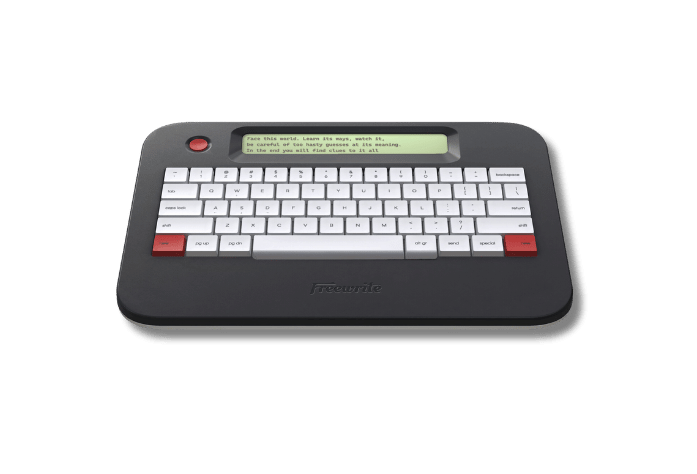
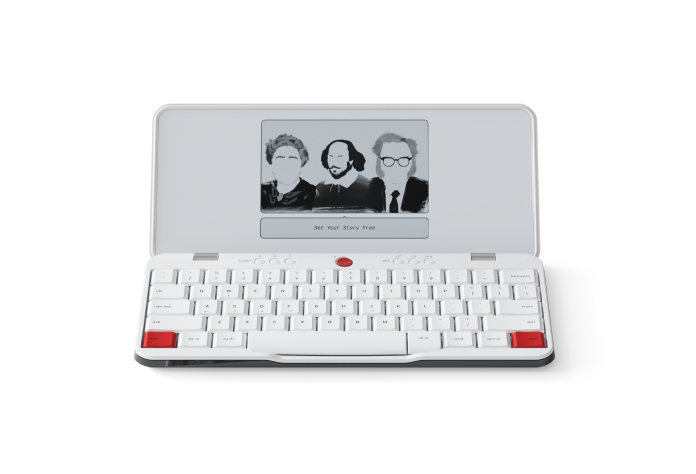
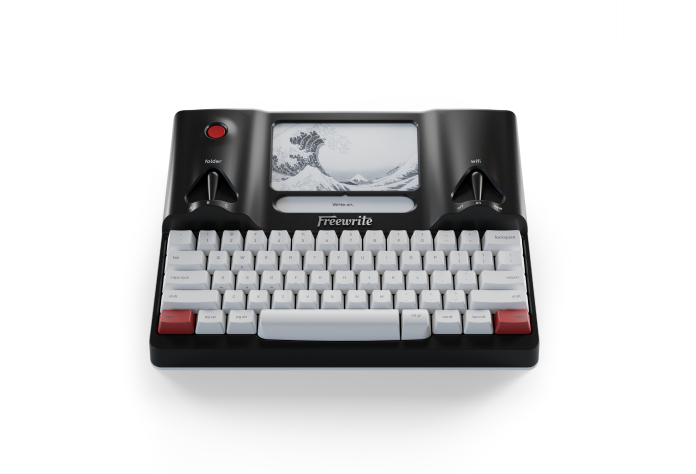
Freewrite - Máquina de escribir inteligente sin distracciones

diciembre 18, 2025 5 lectura mínima

¿Qué pueden enseñar las cartas personales de Jane Austen a los escritores?

diciembre 10, 2025 6 lectura mínima

Singer-songwriter Abner James finds his creativity in the quiet freedom of analog tools. Learn how his creative process transcends different media.

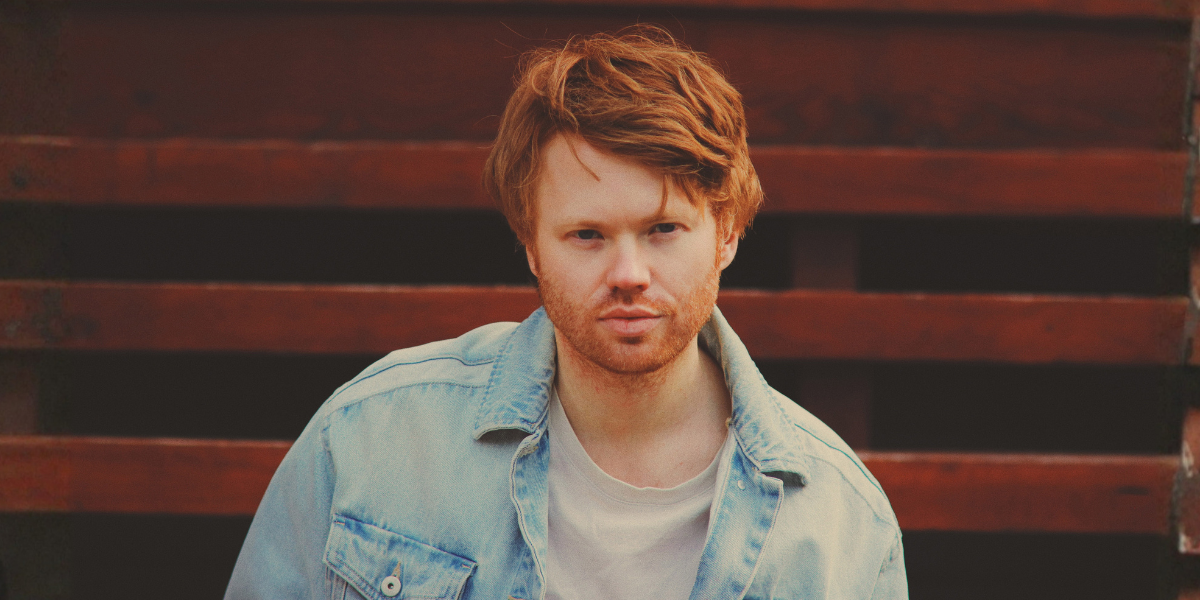
Abner James went to school for film directing. But the success of the band he and his brother formed together, Eighty Ninety, knocked him onto a different trajectory.

The band has accrued more than 40 million streams since the release of their debut EP “Elizabeth," and their work was even co-signed by Taylor Swift when the singer added Eighty Ninety to her playlist "Songs Taylor Loves.”

Now, Abner is returning to long-form writing in addition to songwriting, and with a change in media comes an examination of the creative process. We sat down to chat about what's the same — and what's different. 

ANNIE COSBY: Tell us about your songwriting process.

ABNER JAMES: The way I tend to write my songs is hunched over a guitar and just seeing what comes. Sounds become words become shapes. It's a very physical process that is really about turning my brain off.

And one of the things that occurred to me when I was traveling, actually, was that I would love to be able to do that but from a writing perspective. What would happen if I sat down and approached writing in the same way that I approached music? In a more intuitive and free-form kind of way? What would that dig up?

AC: That's basically the ethos of Freewrite.

AJ: Yes. We had just put out a record, and I was thinking about how to get into writing for the next one. It occurred to me that regardless of how I started, I always finished on a screen. And I wondered: what's the acoustic guitar version of writing?

Where there's not blue light hitting me in the face. Even if I'm using my Notes app, it's the same thing. It really gets me into a different mindset.

 "I wondered: what's the acoustic guitar version of writing?"

I grew up playing piano. That was my first instrument. And I found an old typewriter at a thrift store, and I love it. It actually reminded me a lot of playing piano, the kind of physical, the feeling of it. And it was really fun, but pretty impractical, especially because I travel a fair amount.

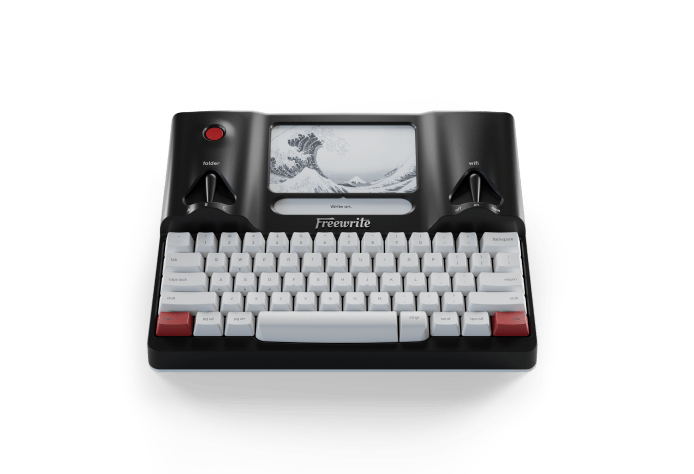
And so I wondered, is there such a thing as a digital typewriter? And I googled it, and I found Freewrite.

AC: What about Freewrite helps you write?

AJ:I think, pragmatically, just the E Ink screen is a huge deal, because it doesn't exhaust me in the same way. And the idea of having a tool specifically set aside for the process is appealing in an aesthetic way but also a mental-emotional way. When it comes out, it's kind of like ... It's like having an office you work out of. It's just for that.

"The way I tend to write my songs is hunched over a guitar and just seeing what comes. Sounds become words become shapes. It's a very physical process that is really about turning my brain off."

And all of the pragmatic limitations — like you're not getting texts on it, and you're not doing all that stuff on the internet — that's really helpful, too. But just having the mindset....

When I pick up a guitar, or I sit down at the piano, it very much puts me into that space. Having a tool just for words does the same thing. I find that to be really cool and inspiring.

"When I pick up a guitar, or I sit down at the piano, it very much puts me into that space. Having a tool just for words does the same thing."

AC: So mentally it gets you ready for writing.

AJ: Yeah, and also, when you write a Microsoft Word, it looks so finished that it's hard to keep going. If every time I strummed a chord, I was hearing it back, mixed and mastered and produced...?

It's hard to stay in that space when I'm seeing it fully written out and formatted in, like, Times New Roman, looking all seriously back at me.

AC: I get that. I have terrible instincts to edit stuff over and over again and never finish a story.

AJ:  Also, the way you just open it and it's ready to go. So you don't have the stages of the computer turning on, that kind of puts this pressure, this tension on.

It's working at the edges in all these different ways that on their own could feel a little bit like it's not really necessary. All these amorphous things where you could look at it and be like, well, I don't really need any of those. But they add up to a critical mass that actually is significant.

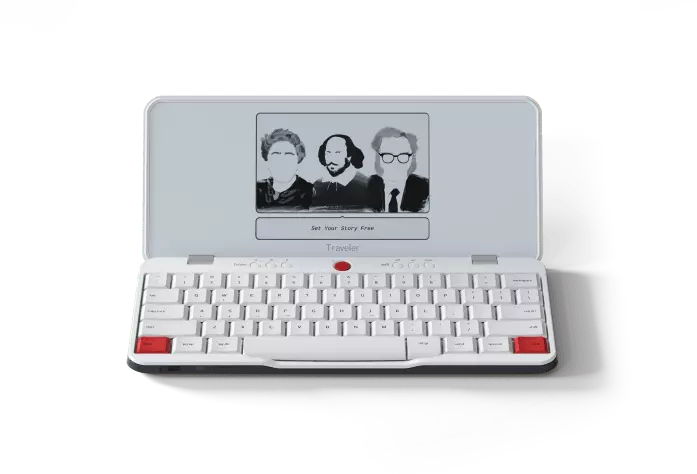
And sometimes, if I want to bring it on a plane, I've found it's replaced reading for me. Rather than pick up a book or bring a book on the plane, I bring Traveler and just kind of hang out in that space and see if anything comes up.

I've found that it's kind of like writing songs on a different instrument, you get different styles of music that you wouldn't have otherwise. I've found that writing from words towards music, I get different kinds of songs than I have in the past, which has been interesting.

In that way, like sitting at a piano, you just write differently than you do on a guitar, or even a bass, because of the things those instruments tend to encourage or that they can do.

It feels almost like a little synthesizer, a different kind of instrument that has unlocked a different kind of approach for me.

"I've found that it's kind of like writing songs on a different instrument, you get different styles of music that you wouldn't have otherwise... [Traveler] feels almost like a little synthesizer, a different kind of instrument that has unlocked a different kind of approach for me."

AC: As someone who doesn't know the first thing about writing music, that's fascinating. It's all magic to me.

AJ: Yeah.

AC: What else are you interested in writing?

AJ: I went to school for film directing. That was kind of what I thought I was going to do. And then my brother and I started the band and that kind of happened first and knocked me onto a different track for a little while after college.

Growing up, though, writing was my way into everything. In directing, I wanted to be in control of the thing that I wrote. And in music, it was the same — the songwriting really feels like it came from that same place. And then the idea of writing longer form, like fiction, almost feels just like the next step from song to EP to album to novel.

For whatever reason, that started feeling like a challenge that would be deeply related to the kinds of work that we do in the studio.

AC: Do you have any advice for aspiring songwriters?

AJ: This sounds like a cliche, but it's totally true: whatever success that I've had as a songwriter — judge that for yourself — but whatever success I have had, has been directly proportional to just writing the song that I wanted to hear.

What I mean by that is, even if you're being coldly, cynically, late-stage capitalist about it, it's by far the most success I've had. The good news is that you don't have to choose. And in fact, when you start making those little compromises, or even begin to inch in that direction, it just doesn't work. So you can forget about it.

Just make music you want to hear. And that will be the music that resonates with most people.

I think there's a temptation to have an imaginary focus group in your head of like 500 people. But the problem is all those people are fake. They're not real. None of those people are actually real people. You're a focus group of one, you're one real person. There are more real people in that focus group than in the imaginary one.

And I just don't think that we're that different, in the end. So that would be my advice.

AC: That seems like generally great creative advice. Because fiction writers talk about that too, right? Do you write to market or do you write the book you want to read. Same thing. And that imaginary focus group has been debilitating for me. I have to silence that focus group before I can write.

AJ: Absolutely.

"I think there's a temptation to have an imaginary focus group in your head of like 500 people. But the problem is all those people are fake... You're a focus group of one, you're one real person. There are more real people in that focus group than in the imaginary one."

--

Learn more about Abner James, his brother, and their band, Eighty Ninety, on Instagram.

noviembre 29, 2025 4 lectura mínima

The Great Freewrite Séance: A Ghost'ly Charity Auction Full Terms & Conditions

These Terms and Conditions (“Terms”) govern participation in The Great Freewrite Séance: A Ghost'ly Charity Auction (“Auction”), organized by Freewrite (“Organizer,” “we,” “us,” or “our”). By registering for, bidding in, or otherwise participating in the Auction, you (“Participant,” “Bidder,” or “Winner”) agree to be bound by these Terms.

1. Auction Overview

1.1. The Auction offers for sale a limited number of Freewrite Traveler Ghost Edition units (“Items” or “Ghost Traveler units”), each personally signed and drawn on by a featured author.

1.2. All proceeds, net of explicitly disclosed administrative costs, will be donated to the charity or charitable initiative (“Charity”) identified on each auction item’s page, as chosen by the respective author.

2. Eligibility

2.1. Participants must be at least 18 years old or the age of majority in their jurisdiction, whichever is higher.

2.2. Employees of Freewrite, the participating authors, or any affiliates directly involved in the Auction are not eligible to bid.

2.3. By participating, you represent that you are legally permitted to take part in online auctions and to pay for any bids you win.

3. Auction Registration

3.1. Participants must create an account on the auction platform or otherwise register using accurate, current, and complete information.

3.2. Freewrite reserves the right to verify identity and to disqualify any Participant who provides false or misleading information.

4. Bidding Rules

4.1. All bids are binding, final, and non-retractable.

4.2. Bidders are responsible for monitoring their bids; Freewrite is not liable for missed notifications or technical issues on the auction platform or the Participant’s device.

4.3. Freewrite reserves the right to:

  • set minimum bids or bid increments;
  • reject bids deemed in bad faith or intended to disrupt the Auction;
  • extend, pause, or cancel the Auction in case of technical difficulties, fraud, or events beyond reasonable control.

5. Winning Bids and Payment

5.1. The highest valid bid at the close of the Auction is the Winning Bid, and the corresponding Participant becomes the Winner.

5.2. Winners will receive payment instructions and must complete payment within 48 hours of the auction’s close unless otherwise stated.

5.3. Failure to complete payment on time may result in forfeiture, and Freewrite may offer the Item to the next highest bidder.

5.4. Accepted payment methods will be listed on the Auction platform. All payments must be made in the currency specified.

6. Item Description and Condition

6.1. Each Ghost Traveler unit is authentic, and the signatures, doodles, and messages are original works created by the participating author. These are authors, not artists. By bidding on the Item, you acknowledge that you are receiving a one-of-a-kind unit marked with unique art and messages and you agree to these terms and conditions.

6.2. Because Items are customized and signed by hand, variations, imperfections, or unique marks are to be expected. These are considered part of the Item’s character and not defects.

6.3. Items are provided “as-is” and “as-available.” Freewrite makes no warranties of merchantability or fitness for a particular purpose.

7. Shipping & Delivery

7.1. Shipping costs, import duties, and taxes may apply unless explicitly stated otherwise.

7.2. Freewrite will make reasonable efforts to ship Items within the estimated timeline but cannot guarantee delivery dates.

7.3. Title and risk of loss transfer to the Winner upon delivery to the carrier.

7.4. Freewrite is not responsible for delays, damage, or loss caused by the courier or customs agencies.

8. Charity Donation

8.1. Net proceeds from the Auction will be donated to the Charity designated on each Item page.

8.2. Donation amounts and recipients may be disclosed publicly unless prohibited by law.

8.3. Winners acknowledge that they are purchasing Items, not making a tax-deductible donation to Freewrite; therefore, Winners will not receive charitable tax receipts unless Freewrite explicitly states otherwise in compliance with applicable laws.

9. Intellectual Property

9.1. All trademarks, brand names, product names, and creative materials associated with Freewrite and the Ghost Traveler remain the exclusive property of Freewrite or their respective rights holders.

9.2. Participants may not reproduce, distribute, or publicly display the authors’ doodles without permission where such rights are applicable, except as allowed by law (e.g., resale of the physical Item).

10. Privacy

10.1. By participating, you consent to Freewrite’s collection, use, and storage of your personal data in accordance with our Privacy Policy.

10.2. Freewrite may publicly announce auction results, including Winner’s first name, last initial, city, state/country, and winning bid amount unless prohibited by law or unless you formally request anonymity when possible.

11. Prohibited Conduct

Participants may not:

  • engage in bid manipulation, fraud, or collusive bidding;
  • use automated systems (bots, scripts, scrapers) to place or monitor bids;
  • interfere with the Auction, platform, or other participants

Freewrite may ban or disqualify any Participant violating these rules.

12. Limitation of Liability

To the fullest extent permitted by law:

12.1. Freewrite is not liable for indirect, incidental, special, or consequential damages arising from the Auction or purchase of Items.

12.2. Freewrite’s total liability in connection with these Terms shall not exceed the amount of the Winning Bid actually paid by the Participant.

12.3. Freewrite is not responsible for technical malfunctions, internet outages, system failures, or other issues beyond its control.

13. Cancellation and Force Majeure

Freewrite may cancel, postpone, or modify the Auction due to unforeseen circumstances, including but not limited to natural disasters, system failures, strikes, or events affecting participating authors or the Charity.

14. Governing Law & Dispute Resolution

14.1. These Terms are governed by the laws of Michigan, without regard to conflict-of-law rules.

14.2. Any disputes arising under these Terms will be resolved through binding arbitration or the courts of the specified jurisdiction, as applicable.

14.3. Participants waive any right to participate in class-action lawsuits relating to the Auction.

15. Amendments

Freewrite may update these Terms at any time. Continued participation in the Auction after updates constitutes acceptance of the revised Terms.

16. Contact Information

For questions or concerns regarding the Auction or these Terms, contact: hello@getfreewrite.com.