

overlaylink

Empezando a leer a Hemingway - Reseña de ¿Por quién doblan las campanas?

junio 29, 2021 | 3 lectura mínima

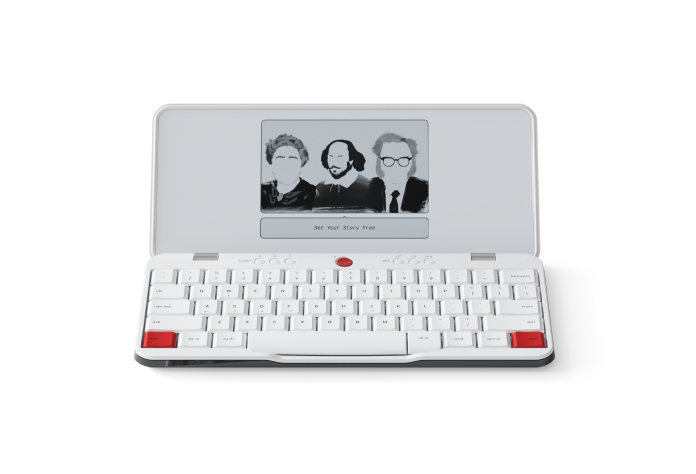
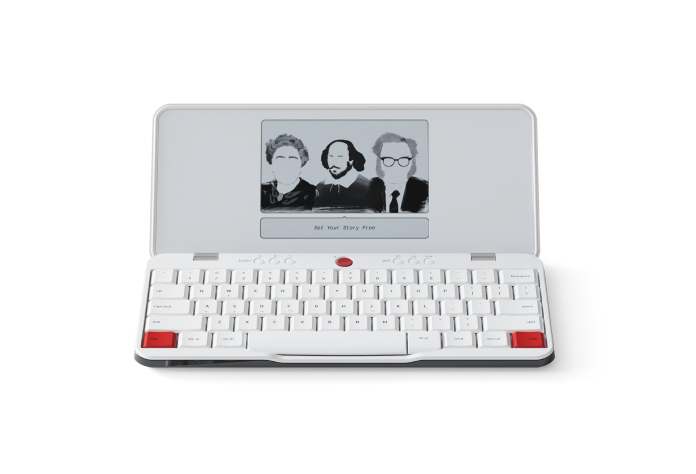
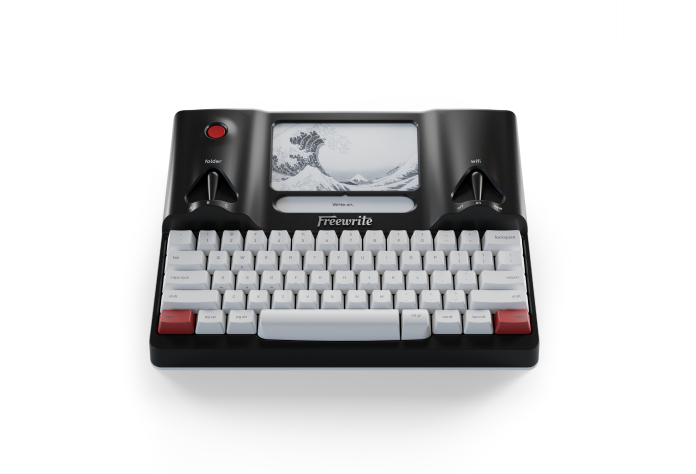
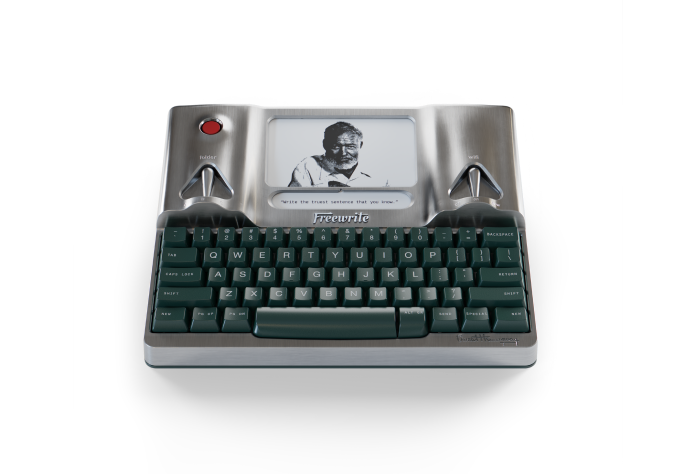
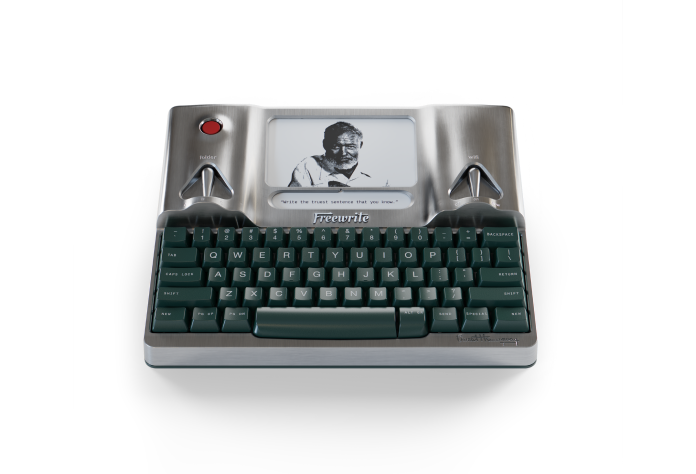
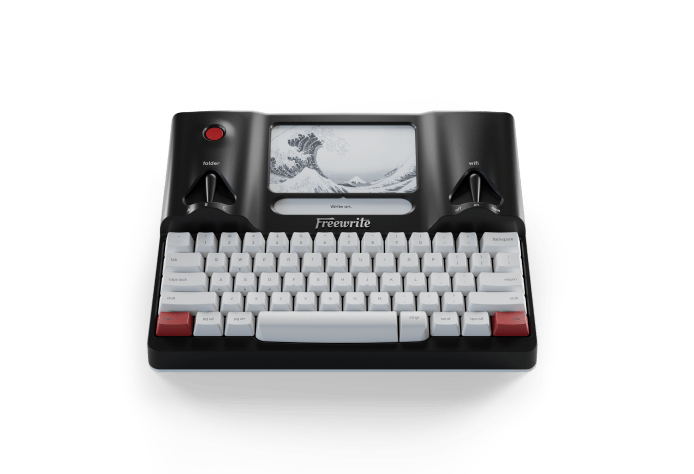
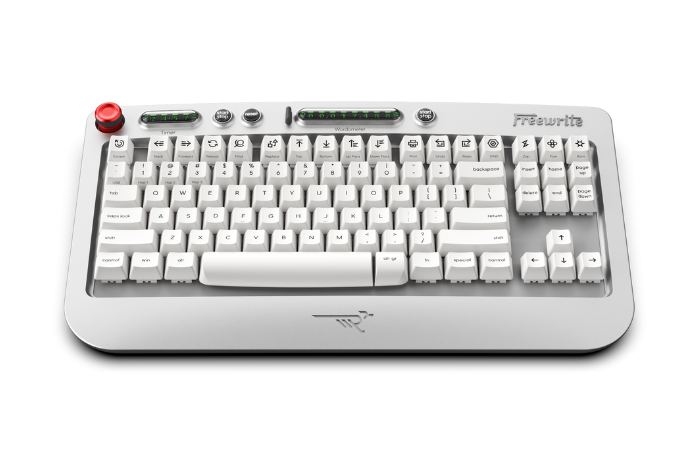
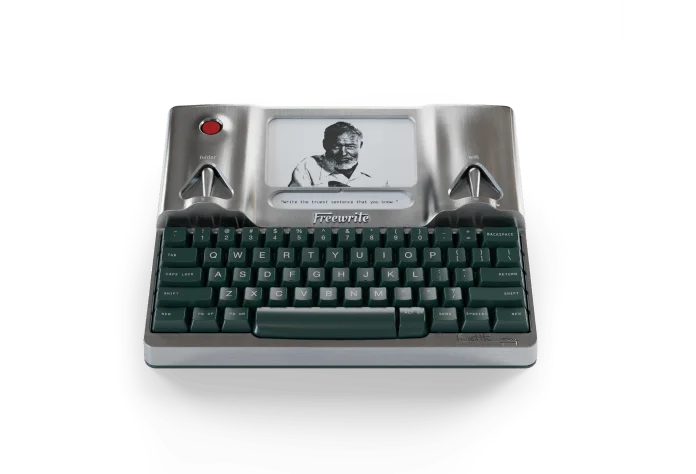
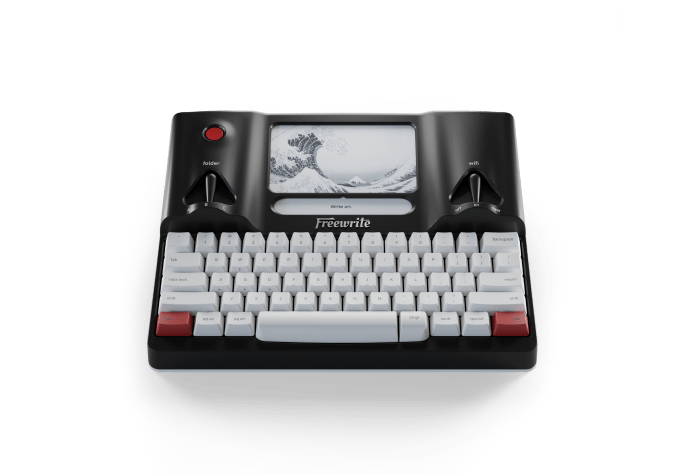
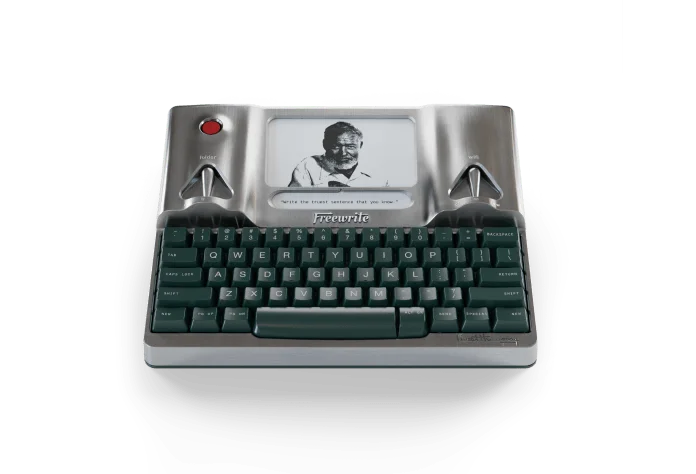
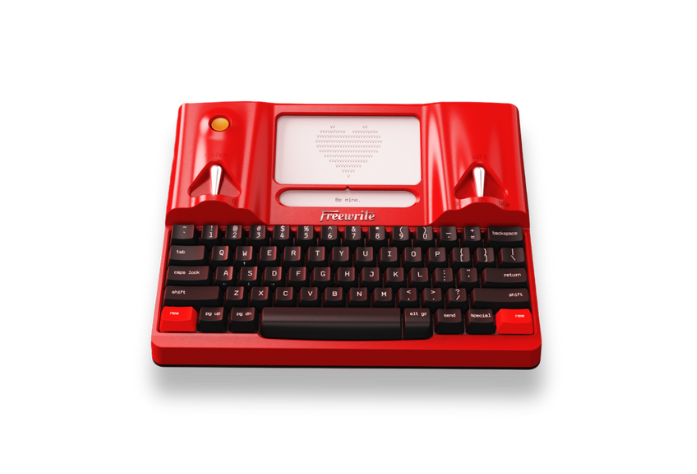
Sam, gerente de operaciones, escribe sobre cómo sumergirse en el canon de Hemingway mientras el equipo Freewrite se prepara para lanzar Hemingwrite , la edición exclusiva de Freewrite.

Las conversaciones para recuperar el Hemingway comenzaron hace al menos dos años. Otros miembros del equipo hacían sugerencias de diseño basadas en algunos de los motivos que lo hicieron famoso, desde la caza mayor hasta las escapadas parisinas y la pesca tropical. Asentí, pero enseguida me di cuenta de que no sabía nada de este hombre. No soy un lector culto ni me interesa mucho el estereotipo de macho, de puro y whisky, que asociaba con Hemingway. Más Frank Ocean que El viejo y el mar , por así decirlo.

En fin, me sentí como un farsante al contribuir a un producto llamado "Hemingwrite" sin investigar a fondo a su homónimo. Así que abrí "Por quién doblan las campanas" para ver a qué venía tanto revuelo. Imagino que, como yo, habrá otros que hayan oído hablar de Hemingway, pero que no les resulte familiar. Esta reseña es para ustedes.

"Abrí Por quién doblan las campanas para ver a qué se debía tanto alboroto".

Antes incluso de abrir el libro, investigué un poco. Nicole ya habló mucho de esto en otros blogs, pero la idea básica que me dejó la obra de Hemingway es que él lideró el movimiento, alejándose de la prosa descriptiva florida hacia la narrativa concisa. Cuenta la historia y se desenvuelve sin rodeos. Según Hemingway, escribe solo la punta del iceberg, dejando el resto del significado, la emoción y las imágenes entre líneas.

Creo que esto también aplica a "Por quién doblan las campanas" . En esta historia, nuestro héroe, Robert Jordan, es un voluntario estadounidense de los republicanos en la Guerra Civil Española. Al parecer, es muy bueno volando puentes y se le asigna precisamente esa tarea. En el camino, se encuentra con una brigada de personajes desorganizados que también luchan para evitar que España sucumba a los fascistas. Piensa en la película "Ocean's 11" , solo que en lugar de robar en casinos, está volando un puente.

Entre este grupo se encuentran Pilar, la matriarca y líder de facto; Pablo, el líder de juro que sucumbe a sus demonios alimentados por el TEPT; y María, la aventura de Robert Jordan en plena guerra. Otros personajes incluyen a Anselmo, Rafael, Fernando, Joaquín, El Sordo, Agustín y algunos más. Menciono a estos personajes porque Hemingway los trata con gran cuidado. Se toma el tiempo extra para darles vida mediante conversaciones encantadoras, historias de fogata y algunas escenas de acción. Todos experimentamos las mismas cosas de diferentes maneras, y Hemingway se asegura de resaltarlo a través de sus personajes.

"Piense en la Ocean's 11 , excepto que en lugar de robar en los casinos, está haciendo estallar un puente".

El resto del libro se centra principalmente en la reflexión de Robert Jordan. No me malinterpreten, a mí también me encantan las buenas reflexiones. Estoy seguro de que, si yo estuviera en su lugar, me haría las mismas preguntas: ¿es mala la guerra? ¿Qué es el amor? ¿Qué me depara el futuro? Y así sucesivamente. A veces se vuelve indulgente, y es evidente que Hemingway se ve a sí mismo como Robert Jordan. Sin embargo, RJ es un protagonista digno.

FWTBT es una historia de guerra, o más bien de las personas que luchan y mueren en ella. Creo que en este libro, Hemingway revela un poco más del iceberg que en, por ejemplo, El viejo y el mar . Sin embargo, creo que nuestro grupo de personajes principales, un poco caóticos, sirve como un excelente vehículo tanto para una historia interesante sobre la voladura de un puente como para un análisis del mundo.

"Hemingway revela un poco más del iceberg que en, digamos, El viejo y el mar ".

En cuanto a Ernest, todavía no sé qué pensar. Es todo lo que dicen, pero también es otras cosas. O quizás es quien tú quieras que sea. ¿Buscas un libro que te ayude a crecer el vello en el pecho? Hay un montón de armas, sexo y alcohol para ti. ¿Buscas romance en el fragor de la batalla? Tengo un libro para ti. ¿Ficción histórica entretenida? Sí. ¿Comedia? Eso también.

Me alegra haber leído algo de Hemingway. Te lo recomiendo. Quizás incluso te inspire a escribir como él. En ese caso, tengo un producto genial para ti .

lista de espera de hemingwrite

enero 09, 2026 2 lectura mínima

A new year means a whole new crop of work is entering the public domain. And that means endless opportunities for retellings, spoofs, adaptations, and fan fiction.

diciembre 30, 2025 3 lectura mínima

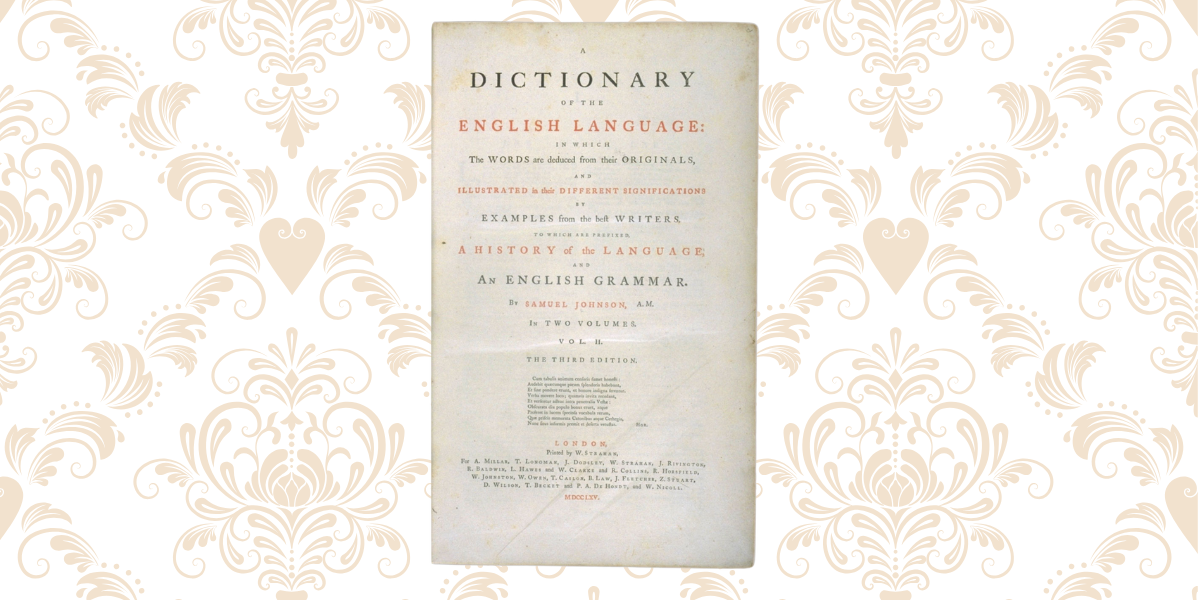
It’s Freewrite’s favorite time of year. When dictionaries around the world examine language use of the previous year and select a “Word of the Year.”

Of course, there are many different dictionaries in use in the English language, and they all have different ideas about what word was the most influential or saw the most growth in the previous year. They individually review new slang and culturally relevant vocabulary, examine spikes or dips in usage, and pour over internet trend data.

Let’s see what some of the biggest dictionaries decided for 2025. And read to the end for a chance to submit your own Word of the Year — and win a Freewrite gift card.

[SUBMIT YOUR WORD OF THE YEAR]


Merriam-Webster: "slop"

Merriam-Webster chose "slop" as its Word of the Year for 2025 to describe "all that stuff dumped on our screens, captured in just four letters."

The dictionary lists "absurd videos, off-kilter advertising images, cheesy propaganda, fake news that looks pretty real, junky AI-written books, 'workslop' reports that waste coworkers’ time … and lots of talking cats" as examples of slop.

The original sense of the word "slop" from the 1700s was “soft mud” and eventually evolved to mean "food waste" and "rubbish." 2025 linked the term to AI, and the rest is history.

Honorable mentions: conclave, gerrymander, touch grass, performative, tariff, 67.

Dictionary.com: "67"

The team at Dictionary.com likes to pick a word that serves as “a linguistic time capsule, reflecting social trends and global events that defined the year.”

For 2025, they decided that “word” was actually a number. Or two numbers, to be exact.

If you’re an old, like me, and don’t know many school-age children, you may not have heard “67” in use. (Note that this is not “sixty-seven,” but “six, seven.”)

Dictionary.com claims the origin of “67” is a song called “Doot Doot (6 7)” by Skrilla, quickly made infamous by viral TikTok videos, most notably featuring a child who will for the rest of his life be known as the “6-7 Kid.” But according to my nine-year-old cousin, the origins of something so mystical can’t ever truly be known.

(My third grade expert also demonstrated the accompanying signature hand gesture, where you place both hands palms up and alternately move up and down.)

And if you happen to find yourself in a fourth-grade classroom, watch your mouth, because there’s a good chance this term has been banned for the teacher’s sanity.

Annoyed yet? Don’t be. As Dictionary.com points out, 6-7 is a rather delightful example at how fast language can develop as a new generation joins the conversation.

Dictionary.com honorable mentions: agentic, aura farming, broligarchy, clanker, Gen Z stare, kiss cam, overtourism, tariff, tradwife.

Oxford Dictionary: "rage bait"

With input from more than 30,000 users and expert analysis, Oxford Dictionary chose "rage bait" for their word of the year.

Specifically, the dictionary pointed to 2025’s news cycle, online manipulation tactics, and growing awareness of where we spend our time and attention online.

While closely paralleling its etymological cousin "clickbait," rage bait more specifically denotes content that evokes anger, discord, or polarization.

Oxford's experts report that use of the term has tripled in the last 12 months.

Oxford Dictionary's honorable mentions:aura farming, biohack.

Cambridge Dictionary: "parasocial"

The Cambridge Dictionary examined a sustained trend of increased searches to choose "parasocial" as its Word of the Year.

Believe it or not, this term was coined by sociologists in 1956, combining “social” with the Greek-derived prefix para-, which in this case means “similar to or parallel to, but separate from.”

But interest in and use of the term exploded this year, finally moving from a mainly academic context to the mainstream.

Cambridge Dictionary's honorable mentions: slop, delulu, skibidi, tradwife

Freewrite: TBD

This year, the Freewrite Fam is picking our own Word of the Year.

Click below to submit what you think the Word of 2025 should be, and we'll pick one submission to receive a Freewrite gift card.

[SUBMIT HERE] 

--

Sources

diciembre 18, 2025 5 lectura mínima

¿Qué pueden enseñar las cartas personales de Jane Austen a los escritores?