overlaylink

Recursos retóricos: 8 herramientas eficaces para una prosa impactante

octubre 02, 2019 | 5 lectura mínima

Los políticos suelen usar recursos retóricos —a los que quizás hayas oído llamar recursos persuasivos o retórica— para intentar animarte a votar por ellos en las elecciones. Sin embargo, la retórica no solo se aplica al ámbito político. Se utiliza por igual en discursos de venta y novelas.

Si la retórica sirve para persuadirte de algo (o para que hagas algo), ¿por qué sería útil en las novelas? Al fin y al cabo, no intentas persuadir a la gente cuando escribes una novela... ¿o sí?

De hecho, lo eres. Escribir una novela consiste en persuadir a tus lectores para que sigan leyendo, convencerlos de que vale la pena terminar tu historia, de que tus personajes y tu trama merecen su atención. ¡Encontrarás poder al usar recursos retóricos en tu escritura!

Tipos de recursos retóricos: ejemplos de cómo se utilizan

La retórica era algo que los antiguos griegos identificaban, por lo que los tipos de recursos retóricos tienen nombres bastante peculiares. Los antiguos griegos dividían la retórica en cuatro categorías, según cómo se diseñaban los recursos para atraer a la gente:

  • Logos: una apelación a la lógica (también conocida como razón), que tiende a utilizar hechos y afirmaciones.
  • Ethos: una apelación a la ética (o al establecimiento de credibilidad) para ser tomado en serio como una autoridad.
  • Kairos: una apelación al tiempo (o convencer a una persona de que ahora es el momento para una acción, creencia o idea particular)
  • Pathos —una apelación a la emoción— como invocar simpatía o incitar la ira.

Sin embargo, algunos recursos retóricos encajan en más de una categoría, por lo que categorizarlos no es tan importante como saber cómo usarlos mejor en tus escritos.

Hay cientos de recursos retóricos. Quizás hayas oído hablar de algunos, ¡pero de otros casi seguro que no! No te preocupes, no te voy a aburrir con una lista completa. En su lugar, he seleccionado mis ocho recursos retóricos favoritos que añaden poder de persuasión a tu escritura.

1. Anacoluto

Este es un recurso retórico que obliga al lector a cuestionar sus suposiciones. Los antiguos griegos lo consideraban un medio para obligar a la gente a reflexionar más profundamente sobre un tema, a menudo durante un debate, pero es igual de efectivo en la ficción. Un ejemplo clásico se encuentra al comienzo de la Metamorfosis de Kafka:

Cuando Gregorio Samsa se despertó una mañana de un sueño inquietante, se encontró en su cama convertido en una monstruosa alimaña.

2. Accismo

¿Alguna vez has fingido no querer algo, o incluso te has negado a aceptarlo, algo que realmente deseas? Fingir indiferencia ante algo que deseas se llama acismo . Un ejemplo de esto se encuentra en la fábula de Esopo de la zorra y las uvas:

Impulsado por el hambre, un zorro intentó alcanzar unas uvas que colgaban en lo alto de la parra, pero no lo logró, aunque saltó con todas sus fuerzas. Al alejarse, el zorro comentó: «¡Ay, ni siquiera estás madura! No necesito uvas agrias». Quienes hablan con desprecio de lo que no pueden alcanzar harían bien en aplicar esta historia a sí mismos. — Fábulas de Esopo

3. Aposiopesis

Este recurso retórico es la versión literaria de desviarse sin terminar la frase para que los oyentes (o, en el caso de las novelas, los lectores) se pregunten con qué terminarás. ¡Aunque puede resultar frustrante si se usa demasiado! Shakespeare, en particular, lo apreciaba mucho:

“Esta es la bruja, cuando las doncellas se acuestan de espaldas,

Eso les presiona y les enseña primero a soportar,

Haciéndolas mujeres de buen porte:

Esta es ella—”

  • Romeo y Julieta, William Shakespeare

4. Bdeligmia

No me pregunten cómo se pronuncia esto; me hace pensar que quien lo tradujo del griego se aburrió y empezó a encadenar letras, o que estaba tomando demasiado vino medicinal. E, irónicamente, ¡esa última frase es un ejemplo del truco en acción! Bdelygmia es simplemente una palabra tonta para describir un insulto retórico. Es comprensible que al Dr. Seuss le encantara casi tanto como a mí:

Eres un asqueroso, Sr. Grinch. Eres un canalla asqueroso. Tienes el corazón lleno de calcetines sucios y el alma llena de porquería, Sr. Grinch. Las tres palabras que mejor te describen son estas, y cito textualmente: "¡Apestas, apestas, apestas!".

  • Cómo el Grinch robó la Navidad, Seuss

5. Asterismos

Oye, este recurso retórico consiste simplemente en insertar una palabra o un signo de exclamación que llame la atención al principio de una frase, sin otro propósito que captar la atención. (¿Ves lo que hice? ¿Te llamó la atención?)

Mantiene a los lectores concentrados en la página y se usa mucho en Moby Dick:

¡Libro! Estás ahí tumbado; la verdad es que, los libros, deben conocer sus lugares. Nos bastará con darnos las palabras y los hechos, pero nosotros entramos para aportar las ideas.

  • Moby Dick, Herman Melville

6. Anadiplosis

Si quieres convencer a tus lectores de que la lógica de lo que dices (o de tus personajes) es impecable, la anadiplosis es la técnica que debes usar. Usa la misma palabra al principio de una oración y al final de la anterior. Crea una especie de cadena de pensamiento que lleva al lector a concluir que tienes razón. Para todos los fans de Star Wars, aquí tienen un ejemplo perfecto:

El miedo lleva a la ira. La ira lleva al odio. El odio lleva al sufrimiento.

  • Star Wars: El Imperio Contraataca.

7. Zeugma

¿Quieres asegurarte de que tus lectores presten atención a cada palabra que escribes? Añade un poco de zeugma. Este recurso retórico consiste en crear una lista con elementos que normalmente no se agruparían, seguida de una palabra o frase que se aplique a todos los elementos de la lista, pero de diferentes maneras. En los ejemplos a continuación, la palabra o frase que precede a la lista está subrayada:

La señorita Bolo… regresó a casa entre lágrimas y en una silla de manos.

  • Los papeles póstumos del Club Pickwick , Charles Dickens, “

Llevaba una luz estroboscópica y la responsabilidad por la vida de sus hombres.

  • Las cosas que llevaban, Tim O'Brien

En el ejemplo de Dickens, la angustia de la señorita Bolo se yuxtapone con su medio de transporte: ambos le permiten volver a casa. Del mismo modo, O'Brien usa zeugma para yuxtaponer algo que puede transportarse físicamente con algo que no es literal por naturaleza.

8. Cacofonía

El equivalente retórico a golpear ollas y sartenes afuera de la puerta de tu compañero de piso a las cuatro de la mañana, la cacofonía consiste en juntar deliberadamente palabras que suenan muy mal muy cerca unas de otras. ¿Por qué querría alguien hacer eso? Bueno, pregúntenle a Lewis Carroll, porque él se tomó la molestia de inventar palabras para crear una cacofonía particularmente mala. Funciona, solo miren:

"Fue brillante y las toves resbaladizas

¿Giró y giró en el wabe?

Todos los mimsy eran los borogoves,

Y el momento raths supera".

  • Jabberwocky , Lewis Carroll

Por qué deberías adoptar el arte de la retórica

¿Quieres que tus lectores no puedan soltar tu libro? ¿Sí? Entonces esa es la única razón por la que deberías practicar la retórica. Sin embargo, si necesitas algo más convincente (¿de verdad no basta con tener a tus lectores enganchados?), otras buenas razones incluyen...

No, en serio, no te voy a dar más razones. No las necesitas. Lo que sí necesitas es un montón de herramientas retóricas en tu caja de herramientas de escritor. Solo te he dado ocho, pero hay cientos. Busca en tu viejo amigo Google y haz una lista de las herramientas que te gustaría probar, ¡y pruébalas!

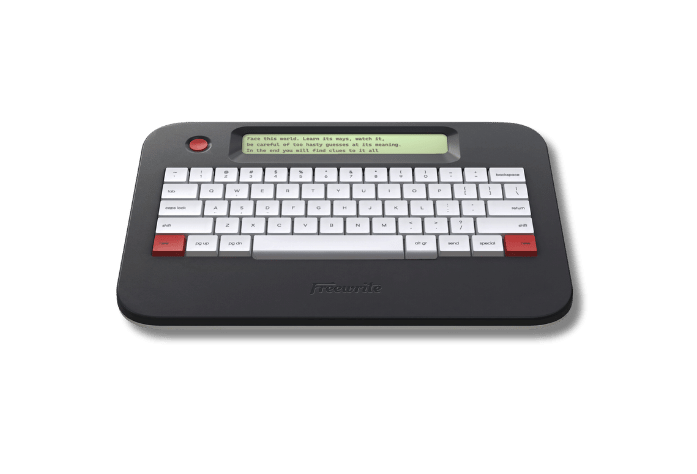
Afortunadamente, no es necesario saber deletrear ni pronunciar los recursos retóricos para poder usarlos. Algunos recursos funcionarán mejor en ciertos tipos de escritura que otros, y otros podrían no funcionarte en absoluto. Sin embargo, la única forma de descubrirlo es probándolos... ¿A qué esperas? ¡Adelante! Pon la pluma sobre el papel (o los dedos sobre las teclas de escritura libre ) y descubre el arte de la escritura retórica.
diciembre 30, 2025 3 lectura mínima

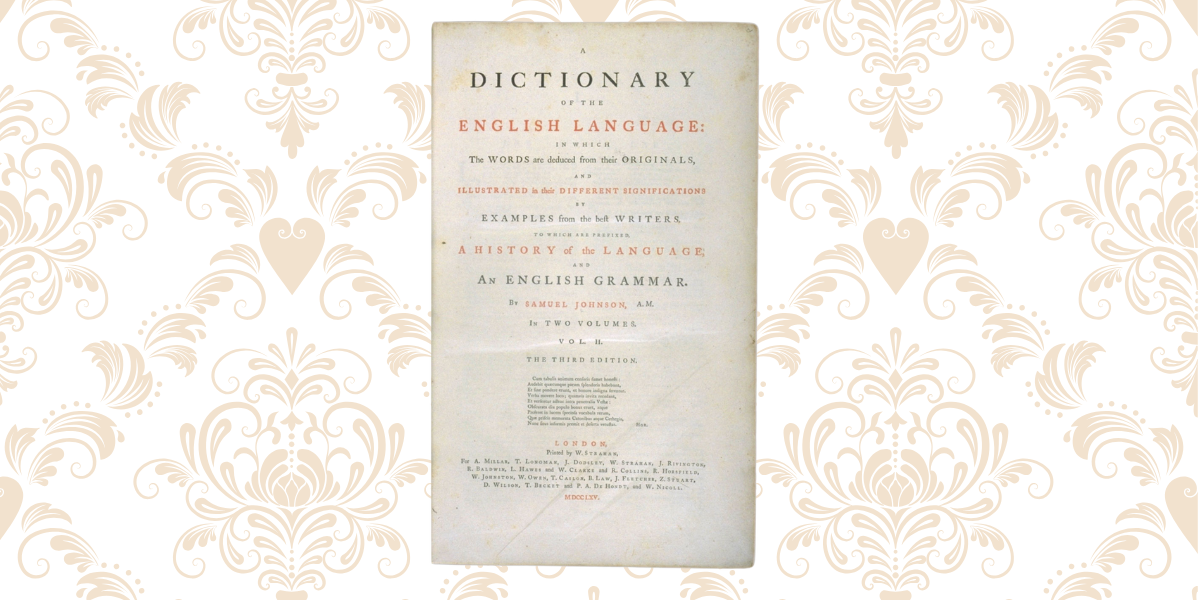
It’s Freewrite’s favorite time of year. When dictionaries around the world examine language use of the previous year and select a “Word of the Year.”

Of course, there are many different dictionaries in use in the English language, and they all have different ideas about what word was the most influential or saw the most growth in the previous year. They individually review new slang and culturally relevant vocabulary, examine spikes or dips in usage, and pour over internet trend data.

Let’s see what some of the biggest dictionaries decided for 2025. And read to the end for a chance to submit your own Word of the Year — and win a Freewrite gift card.

[SUBMIT YOUR WORD OF THE YEAR]


Merriam-Webster: "slop"

Merriam-Webster chose "slop" as its Word of the Year for 2025 to describe "all that stuff dumped on our screens, captured in just four letters."

The dictionary lists "absurd videos, off-kilter advertising images, cheesy propaganda, fake news that looks pretty real, junky AI-written books, 'workslop' reports that waste coworkers’ time … and lots of talking cats" as examples of slop.

The original sense of the word "slop" from the 1700s was “soft mud” and eventually evolved to mean "food waste" and "rubbish." 2025 linked the term to AI, and the rest is history.

Honorable mentions: conclave, gerrymander, touch grass, performative, tariff, 67.

Dictionary.com: "67"

The team at Dictionary.com likes to pick a word that serves as “a linguistic time capsule, reflecting social trends and global events that defined the year.”

For 2025, they decided that “word” was actually a number. Or two numbers, to be exact.

If you’re an old, like me, and don’t know many school-age children, you may not have heard “67” in use. (Note that this is not “sixty-seven,” but “six, seven.”)

Dictionary.com claims the origin of “67” is a song called “Doot Doot (6 7)” by Skrilla, quickly made infamous by viral TikTok videos, most notably featuring a child who will for the rest of his life be known as the “6-7 Kid.” But according to my nine-year-old cousin, the origins of something so mystical can’t ever truly be known.

(My third grade expert also demonstrated the accompanying signature hand gesture, where you place both hands palms up and alternately move up and down.)

And if you happen to find yourself in a fourth-grade classroom, watch your mouth, because there’s a good chance this term has been banned for the teacher’s sanity.

Annoyed yet? Don’t be. As Dictionary.com points out, 6-7 is a rather delightful example at how fast language can develop as a new generation joins the conversation.

Dictionary.com honorable mentions: agentic, aura farming, broligarchy, clanker, Gen Z stare, kiss cam, overtourism, tariff, tradwife.

Oxford Dictionary: "rage bait"

With input from more than 30,000 users and expert analysis, Oxford Dictionary chose "rage bait" for their word of the year.

Specifically, the dictionary pointed to 2025’s news cycle, online manipulation tactics, and growing awareness of where we spend our time and attention online.

While closely paralleling its etymological cousin "clickbait," rage bait more specifically denotes content that evokes anger, discord, or polarization.

Oxford's experts report that use of the term has tripled in the last 12 months.

Oxford Dictionary's honorable mentions:aura farming, biohack.

Cambridge Dictionary: "parasocial"

The Cambridge Dictionary examined a sustained trend of increased searches to choose "parasocial" as its Word of the Year.

Believe it or not, this term was coined by sociologists in 1956, combining “social” with the Greek-derived prefix para-, which in this case means “similar to or parallel to, but separate from.”

But interest in and use of the term exploded this year, finally moving from a mainly academic context to the mainstream.

Cambridge Dictionary's honorable mentions: slop, delulu, skibidi, tradwife

Freewrite: TBD

This year, the Freewrite Fam is picking our own Word of the Year.

Click below to submit what you think the Word of 2025 should be, and we'll pick one submission to receive a Freewrite gift card.

[SUBMIT HERE] 

--

Sources

diciembre 18, 2025 5 lectura mínima

¿Qué pueden enseñar las cartas personales de Jane Austen a los escritores?

diciembre 10, 2025 6 lectura mínima

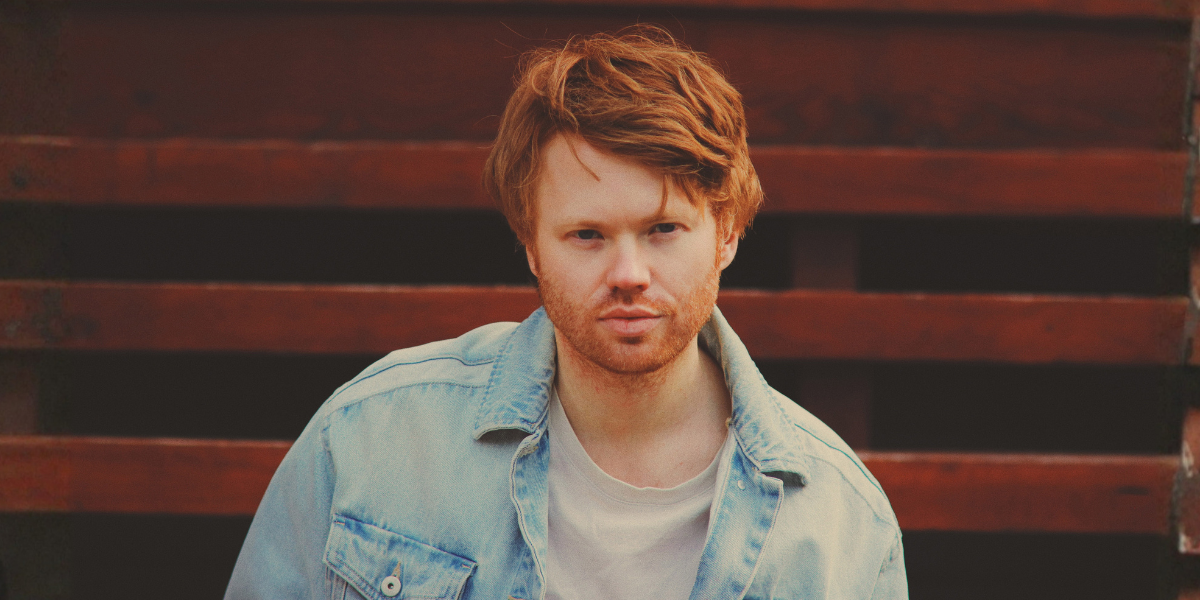
Singer-songwriter Abner James finds his creativity in the quiet freedom of analog tools. Learn how his creative process transcends different media.

Abner James went to school for film directing. But the success of the band he and his brother formed together, Eighty Ninety, knocked him onto a different trajectory.

The band has accrued more than 40 million streams since the release of their debut EP “Elizabeth," and their work was even co-signed by Taylor Swift when the singer added Eighty Ninety to her playlist "Songs Taylor Loves.”

Now, Abner is returning to long-form writing in addition to songwriting, and with a change in media comes an examination of the creative process. We sat down to chat about what's the same — and what's different. 

ANNIE COSBY: Tell us about your songwriting process.

ABNER JAMES: The way I tend to write my songs is hunched over a guitar and just seeing what comes. Sounds become words become shapes. It's a very physical process that is really about turning my brain off.

And one of the things that occurred to me when I was traveling, actually, was that I would love to be able to do that but from a writing perspective. What would happen if I sat down and approached writing in the same way that I approached music? In a more intuitive and free-form kind of way? What would that dig up?

AC: That's basically the ethos of Freewrite.

AJ: Yes. We had just put out a record, and I was thinking about how to get into writing for the next one. It occurred to me that regardless of how I started, I always finished on a screen. And I wondered: what's the acoustic guitar version of writing?

Where there's not blue light hitting me in the face. Even if I'm using my Notes app, it's the same thing. It really gets me into a different mindset.

 "I wondered: what's the acoustic guitar version of writing?"

I grew up playing piano. That was my first instrument. And I found an old typewriter at a thrift store, and I love it. It actually reminded me a lot of playing piano, the kind of physical, the feeling of it. And it was really fun, but pretty impractical, especially because I travel a fair amount.

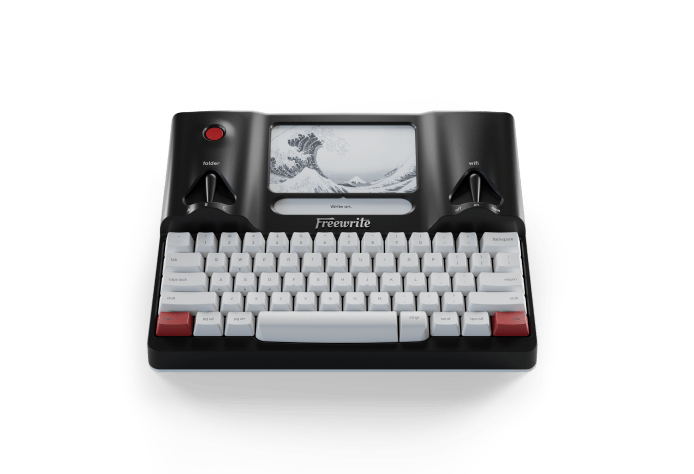
And so I wondered, is there such a thing as a digital typewriter? And I googled it, and I found Freewrite.

AC: What about Freewrite helps you write?

AJ:I think, pragmatically, just the E Ink screen is a huge deal, because it doesn't exhaust me in the same way. And the idea of having a tool specifically set aside for the process is appealing in an aesthetic way but also a mental-emotional way. When it comes out, it's kind of like ... It's like having an office you work out of. It's just for that.

"The way I tend to write my songs is hunched over a guitar and just seeing what comes. Sounds become words become shapes. It's a very physical process that is really about turning my brain off."

And all of the pragmatic limitations — like you're not getting texts on it, and you're not doing all that stuff on the internet — that's really helpful, too. But just having the mindset....

When I pick up a guitar, or I sit down at the piano, it very much puts me into that space. Having a tool just for words does the same thing. I find that to be really cool and inspiring.

"When I pick up a guitar, or I sit down at the piano, it very much puts me into that space. Having a tool just for words does the same thing."

AC: So mentally it gets you ready for writing.

AJ: Yeah, and also, when you write a Microsoft Word, it looks so finished that it's hard to keep going. If every time I strummed a chord, I was hearing it back, mixed and mastered and produced...?

It's hard to stay in that space when I'm seeing it fully written out and formatted in, like, Times New Roman, looking all seriously back at me.

AC: I get that. I have terrible instincts to edit stuff over and over again and never finish a story.

AJ:  Also, the way you just open it and it's ready to go. So you don't have the stages of the computer turning on, that kind of puts this pressure, this tension on.

It's working at the edges in all these different ways that on their own could feel a little bit like it's not really necessary. All these amorphous things where you could look at it and be like, well, I don't really need any of those. But they add up to a critical mass that actually is significant.

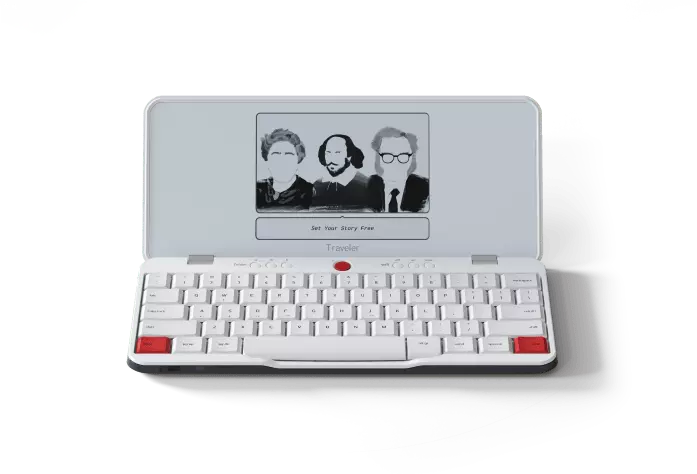
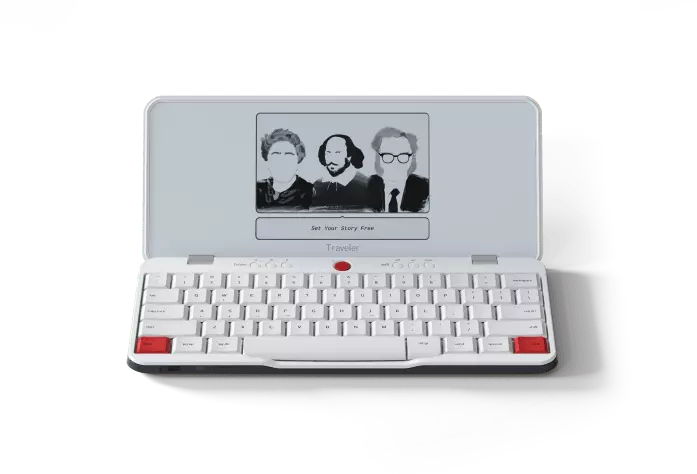
And sometimes, if I want to bring it on a plane, I've found it's replaced reading for me. Rather than pick up a book or bring a book on the plane, I bring Traveler and just kind of hang out in that space and see if anything comes up.

I've found that it's kind of like writing songs on a different instrument, you get different styles of music that you wouldn't have otherwise. I've found that writing from words towards music, I get different kinds of songs than I have in the past, which has been interesting.

In that way, like sitting at a piano, you just write differently than you do on a guitar, or even a bass, because of the things those instruments tend to encourage or that they can do.

It feels almost like a little synthesizer, a different kind of instrument that has unlocked a different kind of approach for me.

"I've found that it's kind of like writing songs on a different instrument, you get different styles of music that you wouldn't have otherwise... [Traveler] feels almost like a little synthesizer, a different kind of instrument that has unlocked a different kind of approach for me."

AC: As someone who doesn't know the first thing about writing music, that's fascinating. It's all magic to me.

AJ: Yeah.

AC: What else are you interested in writing?

AJ: I went to school for film directing. That was kind of what I thought I was going to do. And then my brother and I started the band and that kind of happened first and knocked me onto a different track for a little while after college.

Growing up, though, writing was my way into everything. In directing, I wanted to be in control of the thing that I wrote. And in music, it was the same — the songwriting really feels like it came from that same place. And then the idea of writing longer form, like fiction, almost feels just like the next step from song to EP to album to novel.

For whatever reason, that started feeling like a challenge that would be deeply related to the kinds of work that we do in the studio.

AC: Do you have any advice for aspiring songwriters?

AJ: This sounds like a cliche, but it's totally true: whatever success that I've had as a songwriter — judge that for yourself — but whatever success I have had, has been directly proportional to just writing the song that I wanted to hear.

What I mean by that is, even if you're being coldly, cynically, late-stage capitalist about it, it's by far the most success I've had. The good news is that you don't have to choose. And in fact, when you start making those little compromises, or even begin to inch in that direction, it just doesn't work. So you can forget about it.

Just make music you want to hear. And that will be the music that resonates with most people.

I think there's a temptation to have an imaginary focus group in your head of like 500 people. But the problem is all those people are fake. They're not real. None of those people are actually real people. You're a focus group of one, you're one real person. There are more real people in that focus group than in the imaginary one.

And I just don't think that we're that different, in the end. So that would be my advice.

AC: That seems like generally great creative advice. Because fiction writers talk about that too, right? Do you write to market or do you write the book you want to read. Same thing. And that imaginary focus group has been debilitating for me. I have to silence that focus group before I can write.

AJ: Absolutely.

"I think there's a temptation to have an imaginary focus group in your head of like 500 people. But the problem is all those people are fake... You're a focus group of one, you're one real person. There are more real people in that focus group than in the imaginary one."

--

Learn more about Abner James, his brother, and their band, Eighty Ninety, on Instagram.